Highly compliant engineering solutions with rigorous global standards. Hover to explore specifications and request pricing.
Decoding compliance, material specifications, and quality benchmarks for modern civil engineering. Learn why standardized certification guarantees structural longevity.
For geosynthetic applications, CE certification under the Construction Products Regulation (CPR 305/2011) acts as a mandatory passkey for entering the European Economic Area (EEA) and other high-regulation markets worldwide. This standard assures that geotextiles conform strictly to unified performance indicators. Key EN standards governing these materials include EN 13249 (roads and traffic areas), EN 13250 (railways), EN 13251 (earthworks, foundations, and retaining structures), and EN 13253 (erosion control works).
As a leading geotechnical material exporter, our manufacturing processes are audited annually by certified European notified bodies. This verification ensures our clients receive products that meet nominal value targets for tensile strength, elongation limits, dynamic puncture resistance (cone drop test), and hydraulic permeability. Without valid CE certification, importing projects face severe liability issues, structural failure risks, and customs clearance delays.
Standardized geotextiles prevent adjacent soil layers of different gradations from mixing while permitting fluids to pass. This mechanism is critical in preserving the load-bearing integrity of sub-base road surfaces and retaining structures.
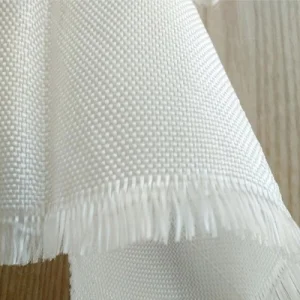
By distributing localized shear stresses over a wider footprint, high-strength woven and nonwoven filament sheets stabilize weak foundations, prevent lateral movement of fill soils, and mitigate differential settlement.
In municipal waste management and hydraulic works, heavy-duty needle-punched nonwovens cushion delicate geomembranes against sharp stones, preventing leaks and guiding lateral flow within landfill cell channels.
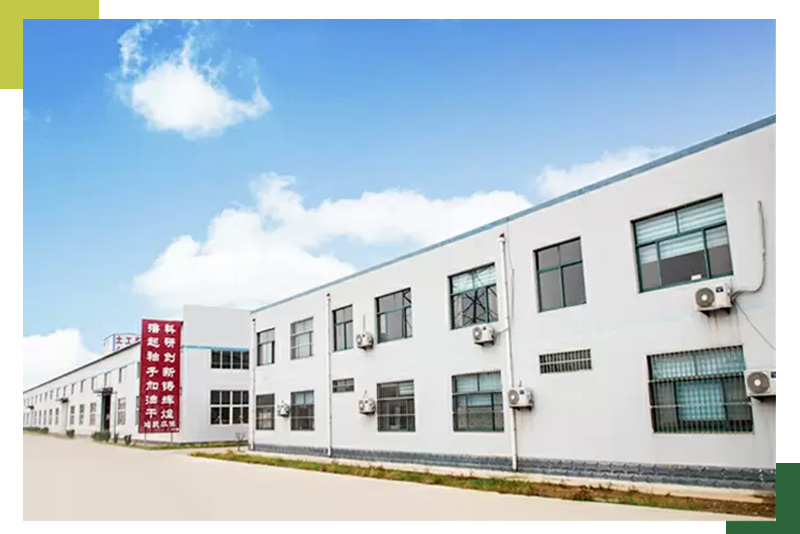
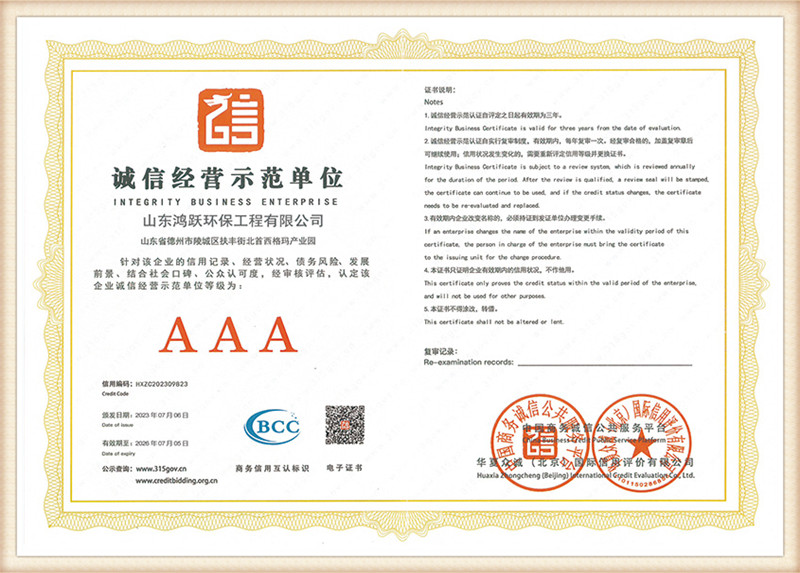
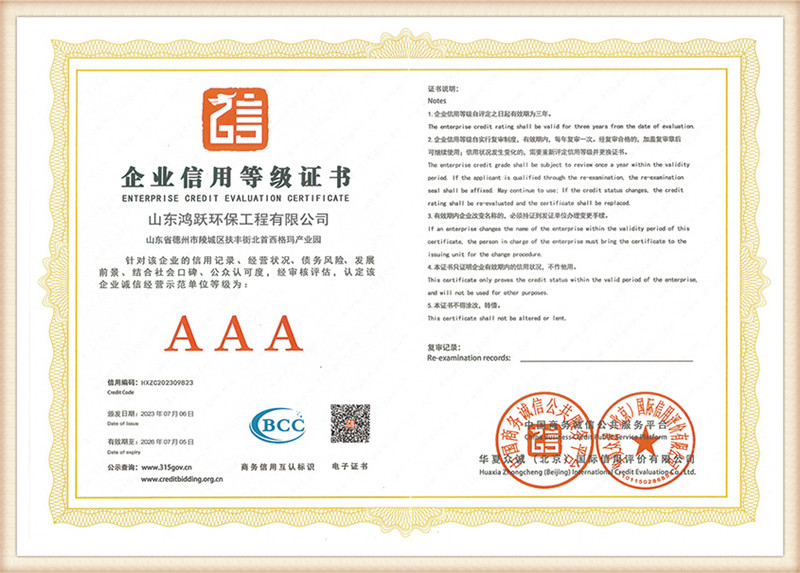
Founded on April 6, 2023, and registered at the north end of Fufeng Street, Lingcheng District, Dezhou City, Shandong Province, Shandong Hongyue Environmental Engineering Co., Ltd. has quickly grown into a leading scientific and technological geotechnical material manufacturer. Powered by a registered capital of 105 million yuan, our enterprise integrates product engineering, design consultation, supply logistics, and installation services.
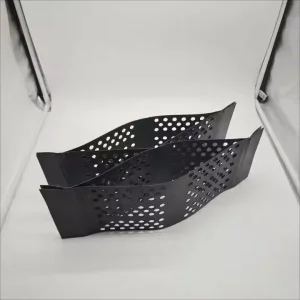
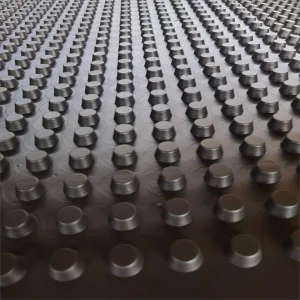
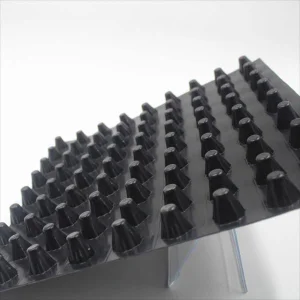
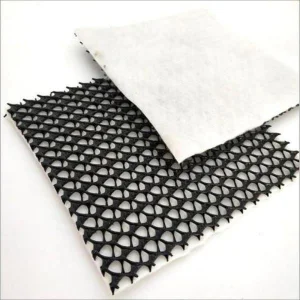
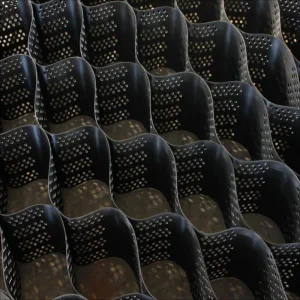
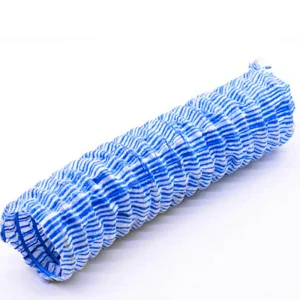
We are situated in the core cluster region of the Dezhou Geotextile Association, benefiting from superior logistics connections and raw material sourcing channels. Our comprehensive product portfolio includes geotextiles, geomembranes, composite materials, geocells, waterproof boards, bentonite waterproof blankets, three-dimensional drainage networks, and specialized permeable pipes. These products are widely deployed in critical infrastructure applications such as high-speed railways, municipal landfills, mining containment facilities, river canals, and airport runways.
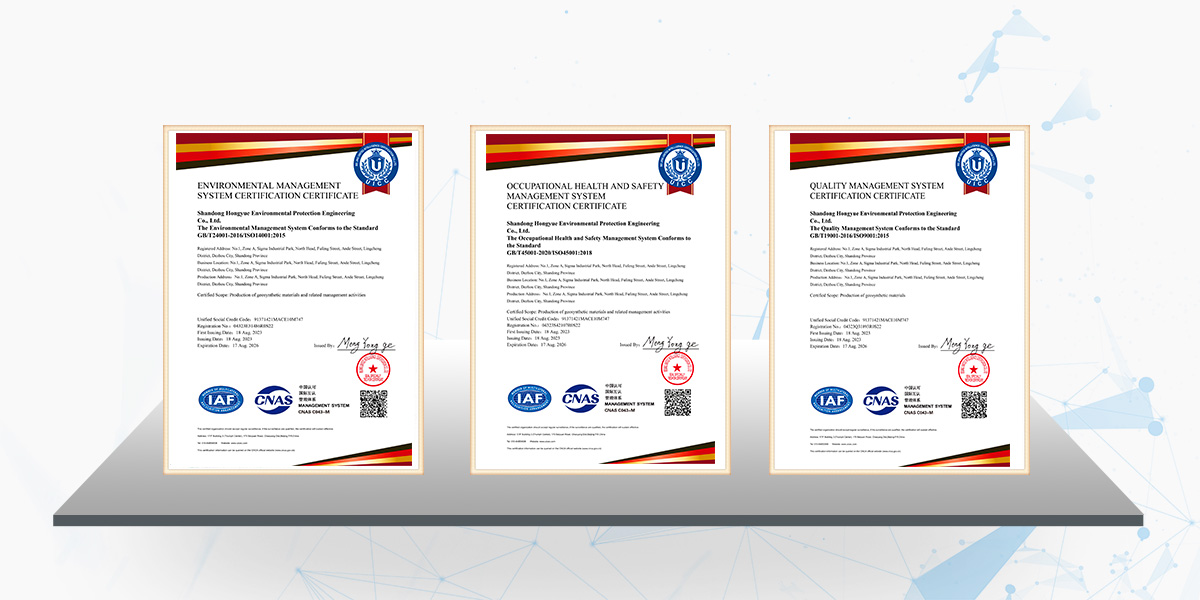
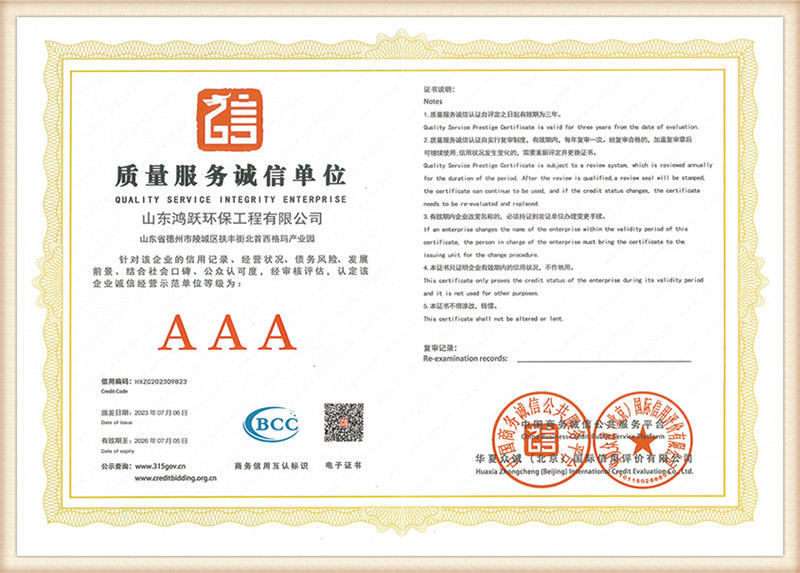
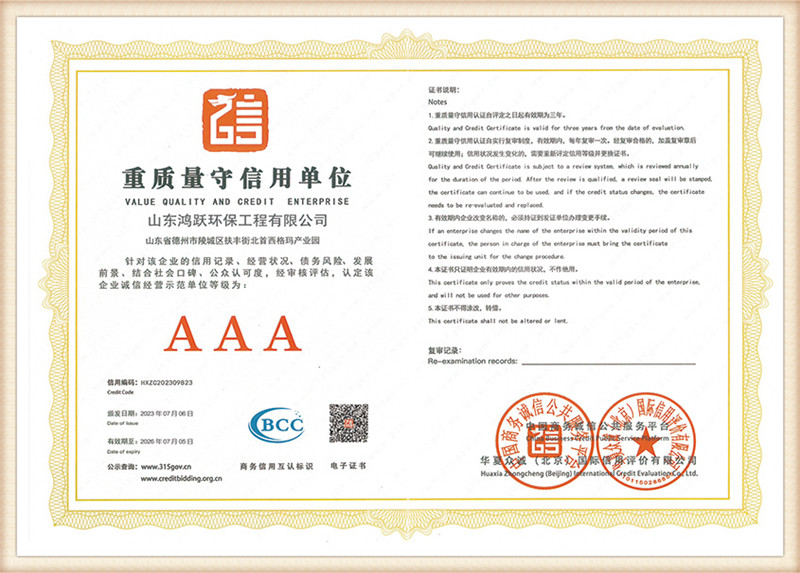
With international certifications including ISO9001:2015 for Quality Management, ISO14001:2015 for Environmental Systems, and ISO45001:2018 for Occupational Health and Safety, Hongyue consistently delivers top-tier reliability. Our brand has earned recognition as a provincial-level trusted enterprise, serving over 40 large domestic cities and exporting directly to Europe, North America, and Australia.
Discover the technological upgrades driving the competitive pricing and high quality of Shandong Hongyue's manufacturing systems.
Our Dezhou-based production plant uses advanced automation, where raw polymer chips are fed through computerized dosing systems into high-output extruders. Automated quality controls track thickness, gram weight distribution, and mechanical properties in real-time, instantly adjusting settings to maintain tight tolerances. This minimizes material waste and ensures consistent performance across large production batches.
By sourcing raw materials directly from adjacent petrochemical hubs in Shandong and utilizing Dezhou's logistics network, we maintain stable production schedules even during global supply shifts. This proximity keeps transport costs down and ensures prompt shipping times from major ports like Qingdao and Tianjin, keeping infrastructure projects on schedule.
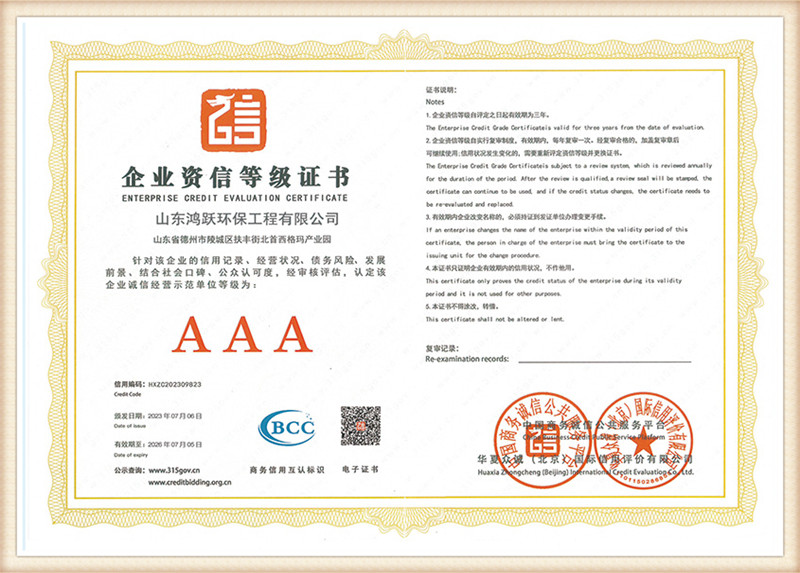
A step-by-step look at how raw polyester and polypropylene polymers are processed into high-strength geotextiles.
Our process begins with high-grade virgin polyester (PET) chips, polypropylene (PP) granules, and viscose fibers. Every batch undergoes strict quality control checks to confirm melt index consistency, density, and chemical purity.
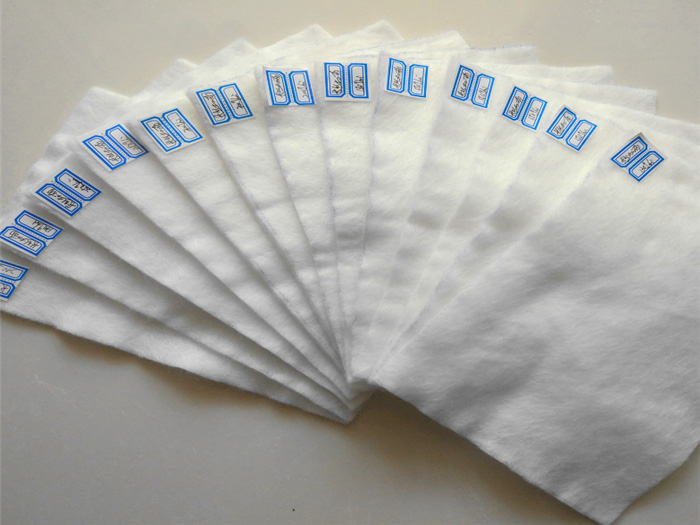
The materials are melted in a high-temperature screw extruder. Accurate temperature zones melt the polymers cleanly, mixing additives like UV stabilizers and carbon black to improve long-term weather resistance.
Extruded filaments are drawn and laid onto a moving conveyor belt using positive air pressure. This process is monitored to ensure a uniform web structure with balanced physical strength in both longitudinal and transverse directions.
The loose fiber web is fed through mechanical needle-punching looms. Hundreds of barbed needles interlock the fibers, increasing structural density, shear resistance, and overall tensile performance.
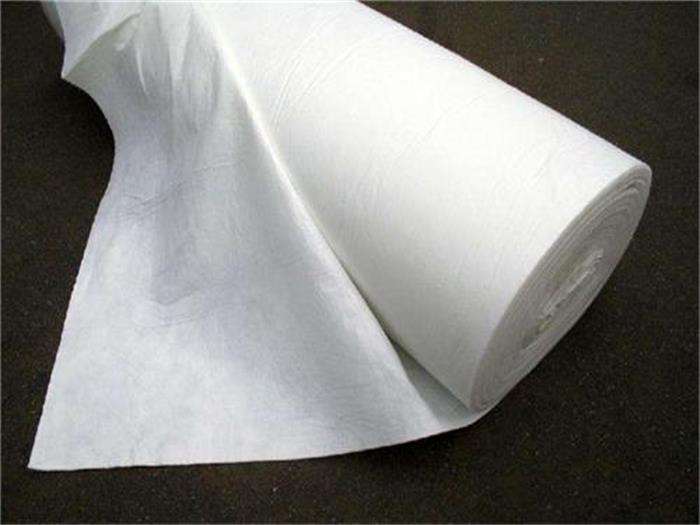
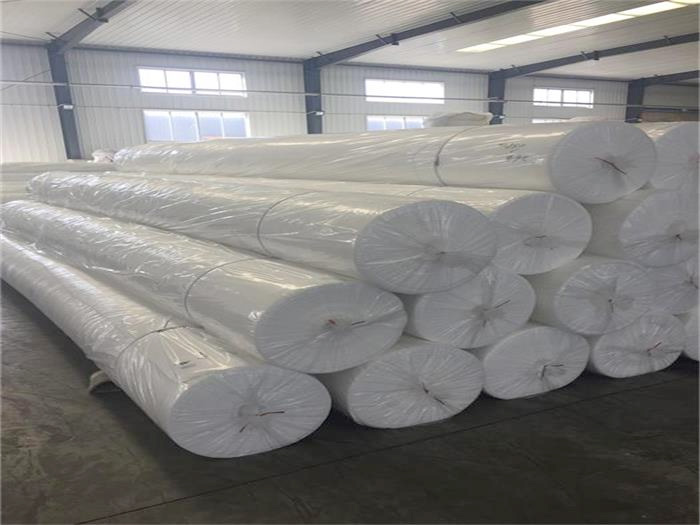
The finished geotextile is trimmed and rolled on cardboard cores. Automated measuring systems confirm the length, width, and thickness of each roll to ensure they match customer specifications before packing.
Samples from each run undergo testing in our quality lab. We test for tensile strength, elongation, CBR puncture resistance, water permeability, and opening size to confirm all values meet CE and ASTM requirements.
Best practices for selecting and installing geomembranes to ensure long-term containment performance.
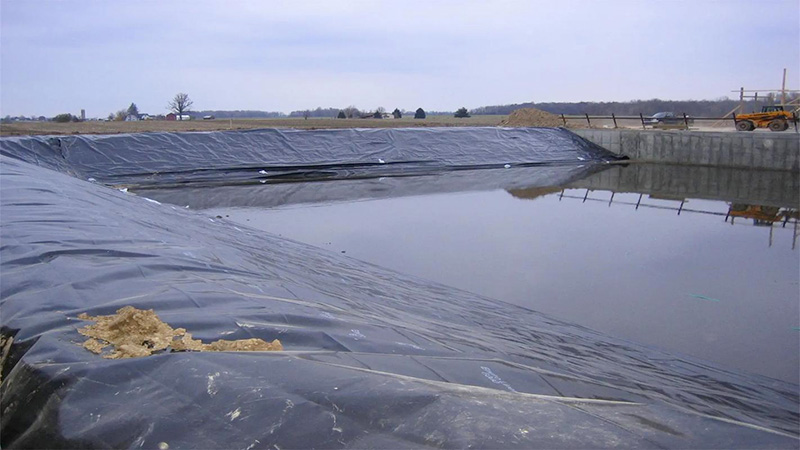
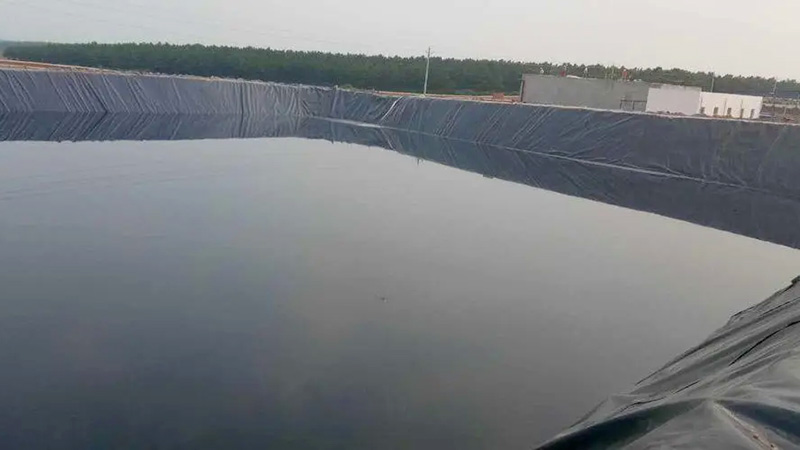
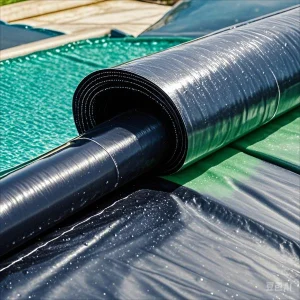
Choosing the right material depends on specific project needs. High-Density Polyethylene (HDPE) offers excellent chemical resistance and UV durability, making it ideal for landfills and exposed mining heaps. Linear Low-Density Polyethylene (LLDPE) provides greater flexibility and elongation, which is better suited for irregular containment shapes and settlement basins.
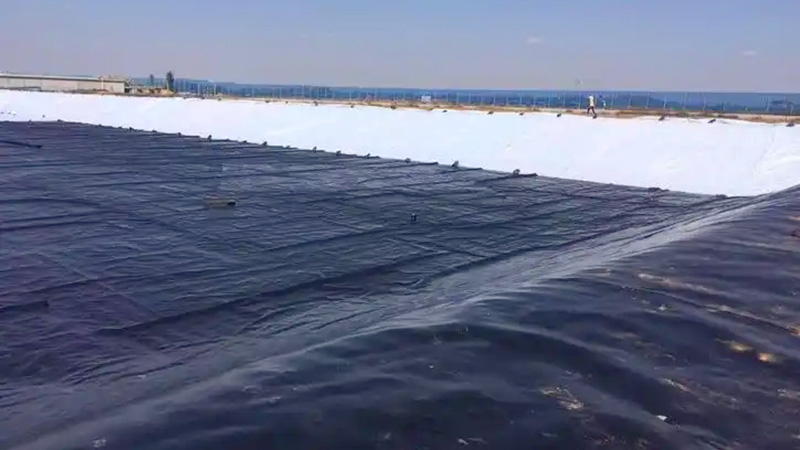
Proper subgrade preparation is essential. The ground must be compacted and cleared of sharp rocks, roots, or debris. Once the surface is ready, geomembrane panels are unrolled with appropriate overlaps. Seams are joined using double-track hot wedge welding, and tested with pressurized air to verify weld integrity.
Regular inspections help identify and repair mechanical damage before leaks occur. The surface should be cleaned of dirt and silt to prevent root growth, and any damaged sections should be patched using extrusion welding with matching material rod stock.
How our materials perform across major infrastructure, waste management, and hydraulic projects.
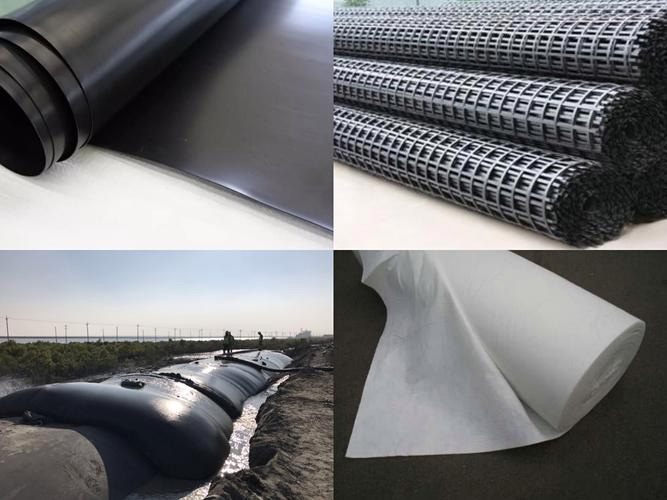
Our composite membranes and geotextile cushions prevent water seepage in large reservoir basins. They isolate the soil subgrade from constant water pressure, preventing erosion and keeping dam embankments stable.
In flood-prone areas, geotextiles protect levees from internal erosion and structural washout. Woven geotextiles reinforce weak soils, distributing water pressure and minimizing the risk of embankment collapse.
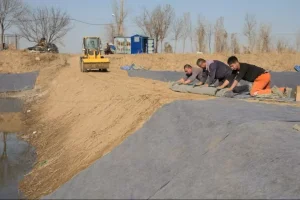
Deploying geotextiles in river restoration controls bank erosion while allowing natural vegetation to grow. This approach filters sediment and protects channel geometry without relying on solid concrete structures.
Find answers to common questions about CE certification, material performance, and global sourcing.
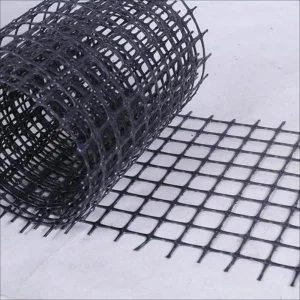
High-strength geogrids and protective containment barriers. Select a product to review certifications and request a quote.

 Hongyue