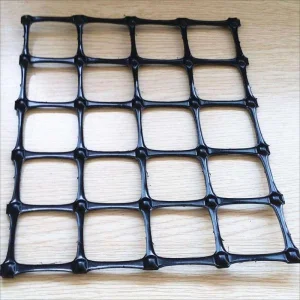
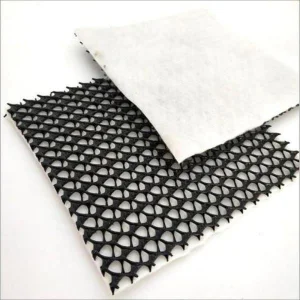
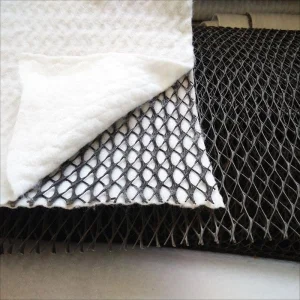
Discover our CE-certified engineering materials optimized for reinforcement, barrier isolation, and long-term subgrade stabilization.
In modern civil engineering, **Geotextile Reinforced Soil (GRS)** structures represent a paradigm shift in how retaining walls, bridge abutments, slope stabilizations, and embankment foundations are conceptualized. GRS systems integrate alternating layers of compacted granular fill material and geosynthetic reinforcement (most notably high-strength woven or nonwoven geotextiles). Unlike traditional rigid concrete structures that are prone to cracking, differential settlement, and seismic vulnerabilities, GRS behaves as a flexible, coherent block. This flexibility allows the soil mass to naturally absorb stress, accommodate deformations, and distribute loads evenly.
Under the strict oversight of **CE Certification**, manufacturers and exporters are compelled to align their mechanical properties with European Standards (EN series). This alignment ensures that parameters such as tensile strength, puncture resistance, creep behavior, chemical durability, and hydraulic conductivity are verified through independent, third-party testing. For global engineering procurement agents, purchasing CE-marked geotextiles is not just a regulatory checkmark—it is a baseline guarantee of structural safety and performance under diverse geological stresses.
"Geotextile reinforced soil represents a highly cost-effective, environmentally conscious alternative to gravity retaining structures, offering carbon footprint reductions of up to 60% compared to traditional cast-in-place concrete walls."
High-tenacity polypropylene or polyester yarns resist lateral earth pressures and prevent structural creep over design lives exceeding 100 years.
Optimum cross-plane permeability prevents pore water pressure buildup, facilitating natural drainage within reinforced soil structures.
Advanced additive formulations shield raw polymers from UV degradation and biochemical breakdown in aggressive soils.
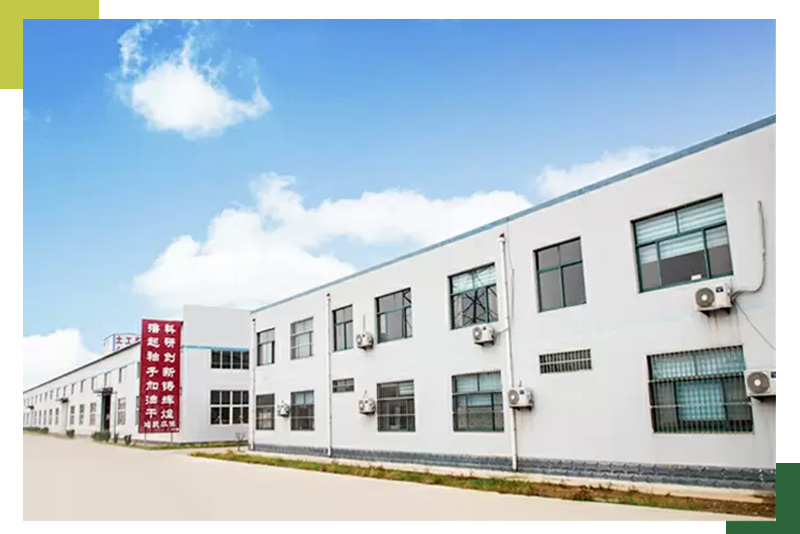
Established with a deep commitment to engineering integrity and technological leadership, Shandong Hongyue Environmental Engineering Co., Ltd. is a premier manufacturer of high-quality geotechnical materials. Located at the north end of Fufeng Street, Lingcheng District, Dezhou, Shandong Province, our company stands as one of the largest production hubs for geosynthetics in China. We operate a highly modern, integrated facility configured to cover material design, fabrication, testing, and comprehensive project support.
Registered on April 6, 2023, with a substantial capital of 105 million yuan, Shandong Hongyue Environmental Engineering has expanded rapidly to meet demanding domestic and international procurement needs. Our strategic geographical positioning in Dezhou provides direct access to robust transportation networks, facilitating efficient delivery to major ports and project sites worldwide.
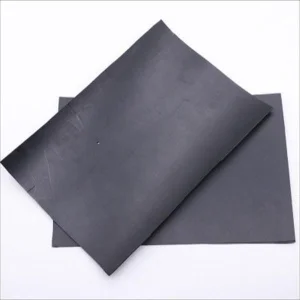
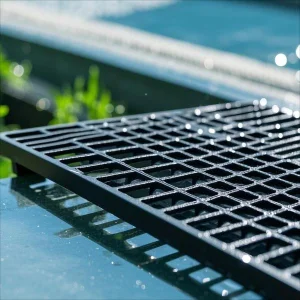
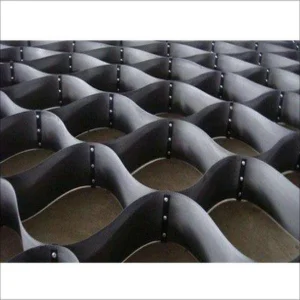
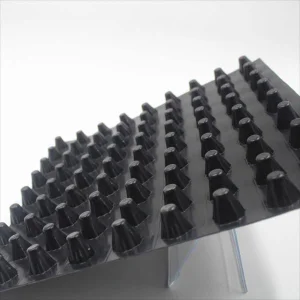
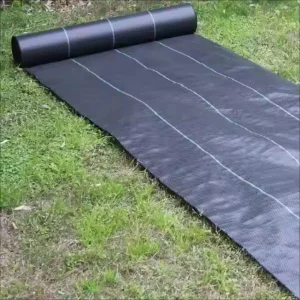
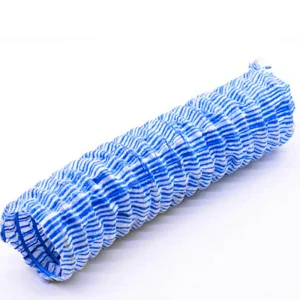
Shandong Hongyue possesses deep technical expertise in fabricating a diverse product portfolio. Our line-up includes high-performance geotextiles, geomembranes, composite geomembranes, waterproof boards, bentonite waterproof blankets, 3D composite drainage nets, (composite) drainage boards, woven and non-woven grass-proof cloths, geocells, flexible pervious pipes, and cement blankets. This multi-tiered product ecosystem enables us to deliver tailored solutions for major infrastructure programs.
As global urbanization accelerates, infrastructure agencies are faced with the dual challenge of building resilient structures while minimizing natural resource exploitation. **Geotextile Reinforced Soil (GRS)** offers solutions across multiple localized applications:
The global geotextile market demands consistency in dimensional stability, chemical composition, and physical metrics. To address this, Shandong Hongyue has transitioned to **Industry 4.0** production models. By deploying advanced automated extrusion, needle-punching, and thermal-bonding lines, we minimize human error and achieve narrow tolerance windows in weight and thickness variations.
Our facility is situated in the Dezhou Geotextile industrial cluster. This localization provides direct access to high-grade polymer raw materials (virgin PP and PET chips), a skilled technical workforce, and integrated shipping routes to major international ports like Qingdao and Tianjin. This ecosystem ensures supply chain resilience, allowing us to maintain stable lead times even during global logistics fluctuations or localized supply disruptions.
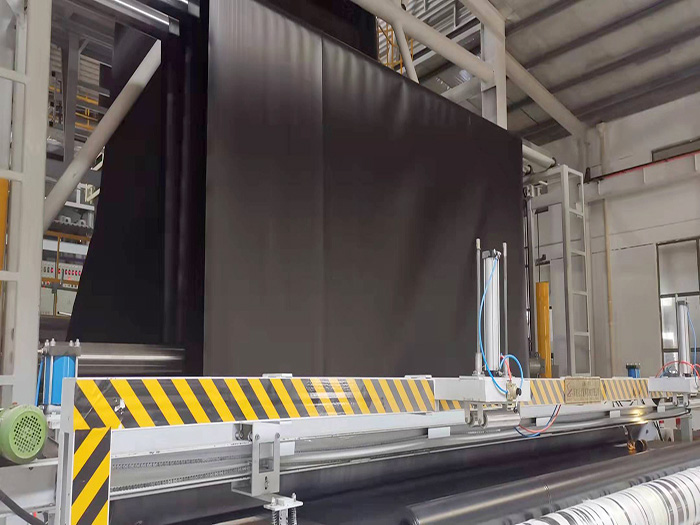
Our manufacturing operations utilize optimized processing sequences for both geotextiles and geomembranes, ensuring reliable performance in demanding applications.
Our raw materials consist of high-purity polyester chips (PET), polypropylene filament (PP), and select viscose fibers. Each batch undergoes chemical and physical analysis to confirm density, molecular weight distribution, and purity before processing.
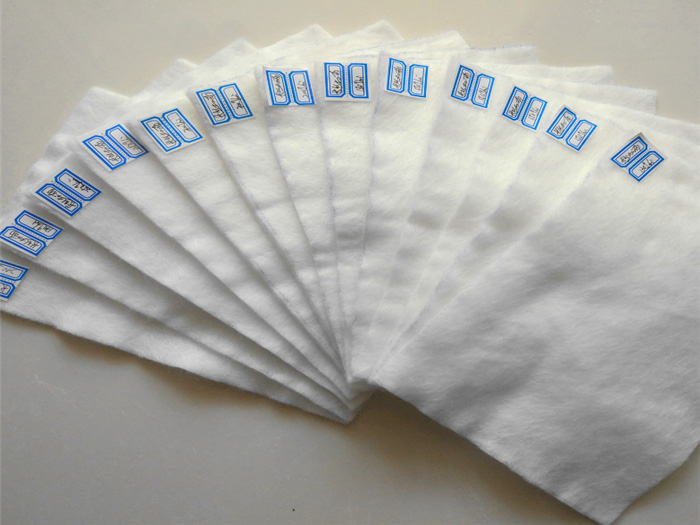
Polyester chips are dried and fed into a high-temperature screw extruder. The molten polymer is forced through micro-spinnerets to form thousands of continuous, fine filaments. These are then drawn via pneumatic systems to align their molecular structures, maximizing tensile strength.
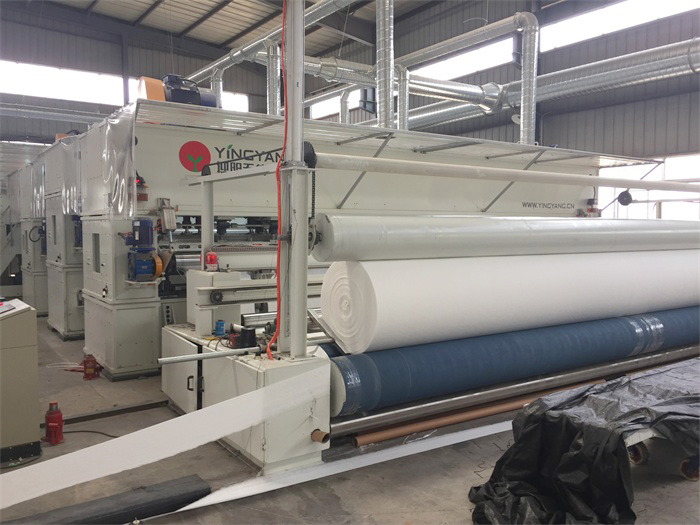
The continuous filaments are distributed in a random pattern on a moving conveyor belt to form a uniform web. Needle-punching machines, equipped with thousands of specialized barbed needles, mechanically entangle the fibers to provide strength and dimensional stability.
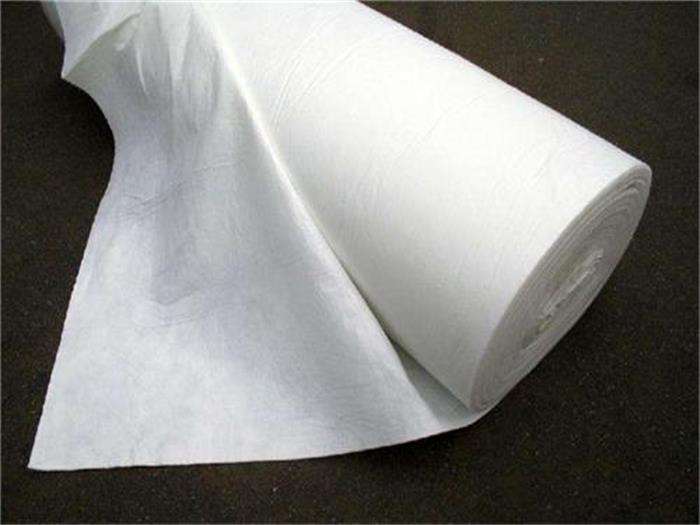
The needle-punched web passes through a heated calendar system. Under controlled temperature and pressure, the surface fibers are partially bonded, optimizing thickness, pore size distribution, and surface abrasion resistance.
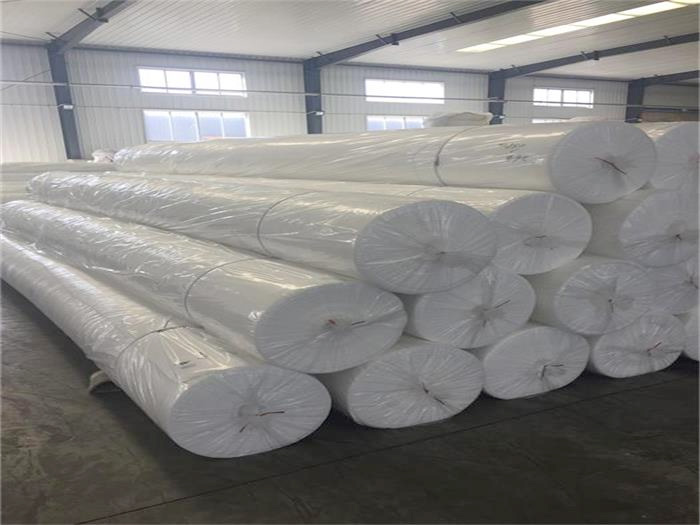
The finished geotextile is rolled, labeled, and wrapped in protective UV-stable packaging. Representative samples undergo rigorous testing for tensile strength, elongation, tear resistance, puncture force, and permeability at our in-house lab.
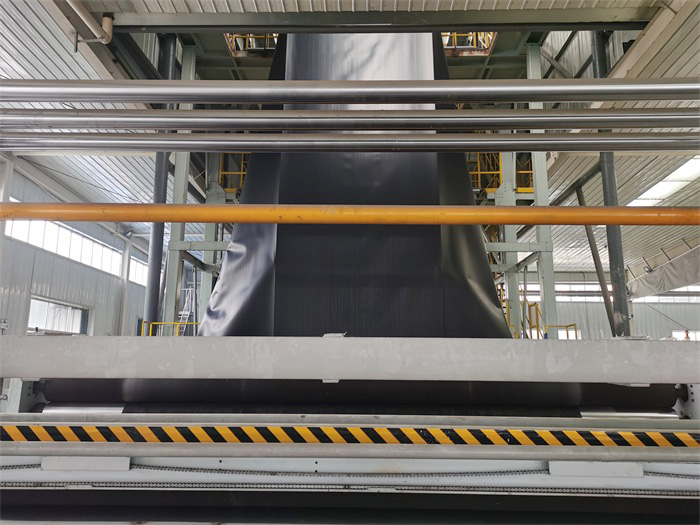
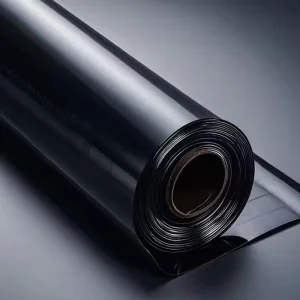
For composite projects where reinforced soil and hydraulic barriers interact, selecting and installing geomembranes correctly is critical:
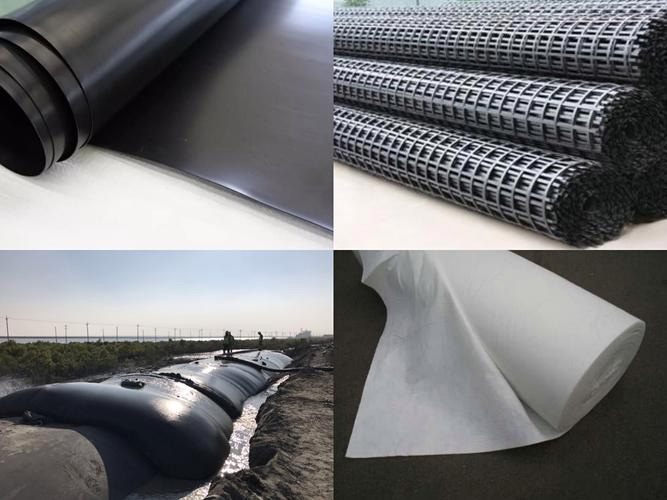
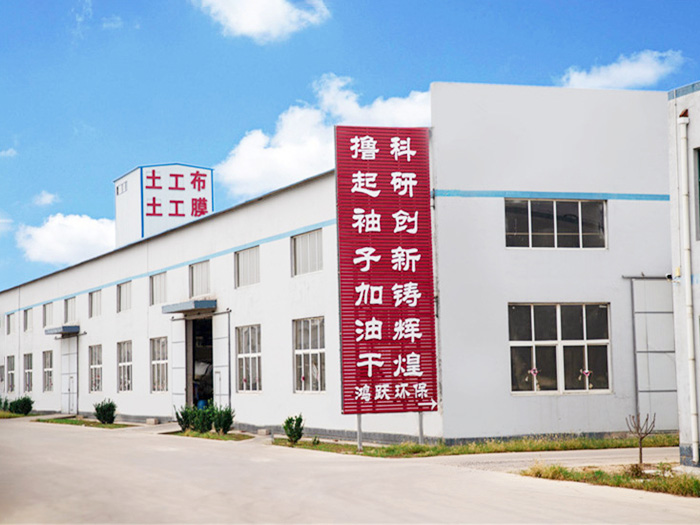
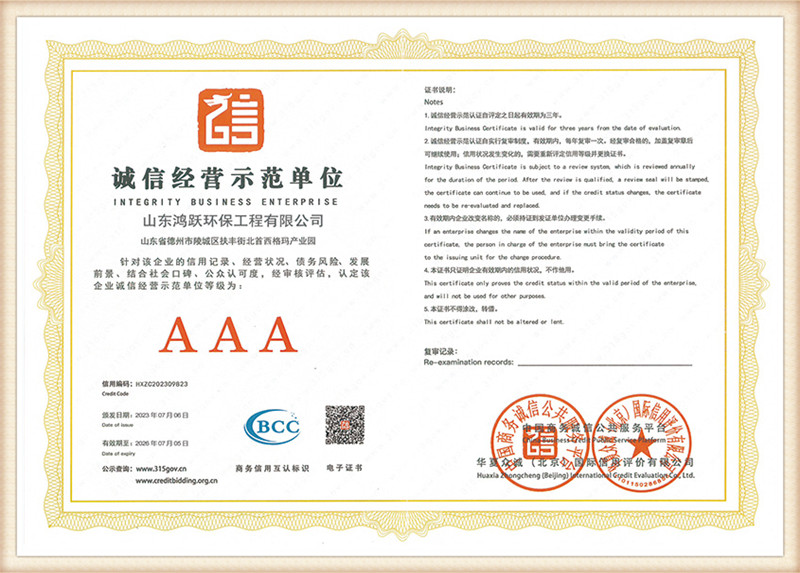
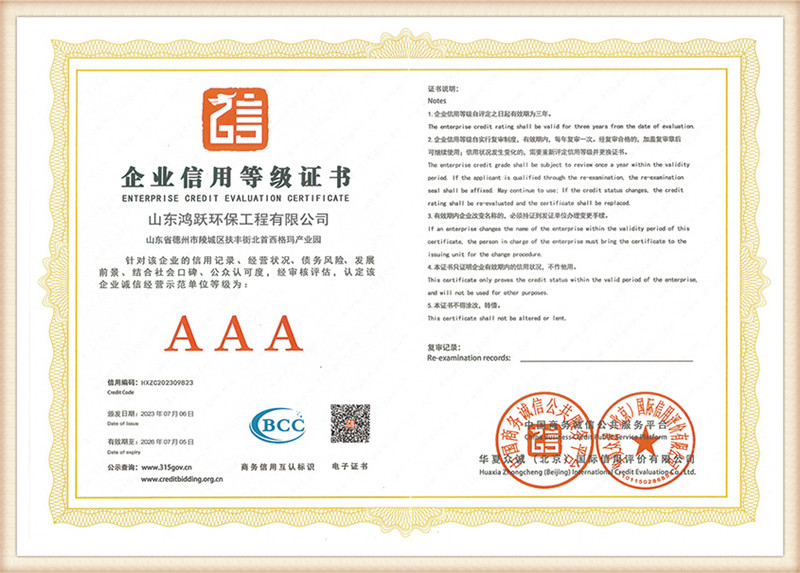
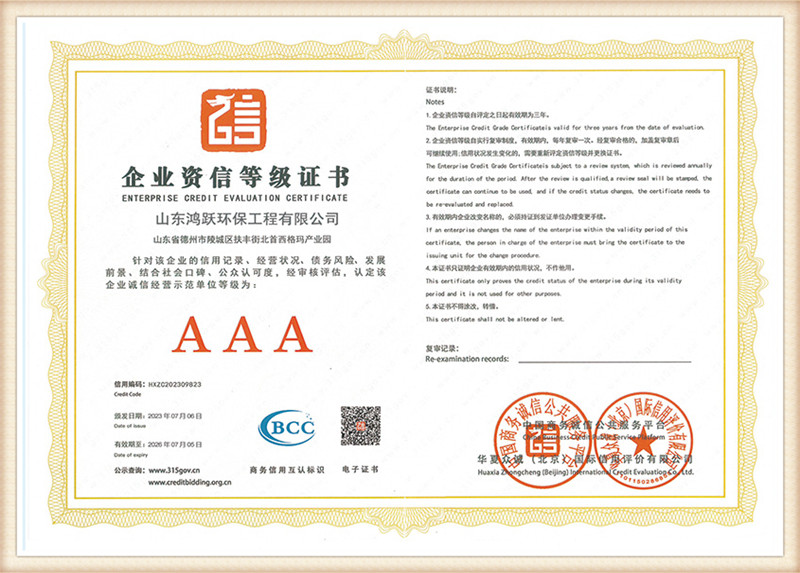
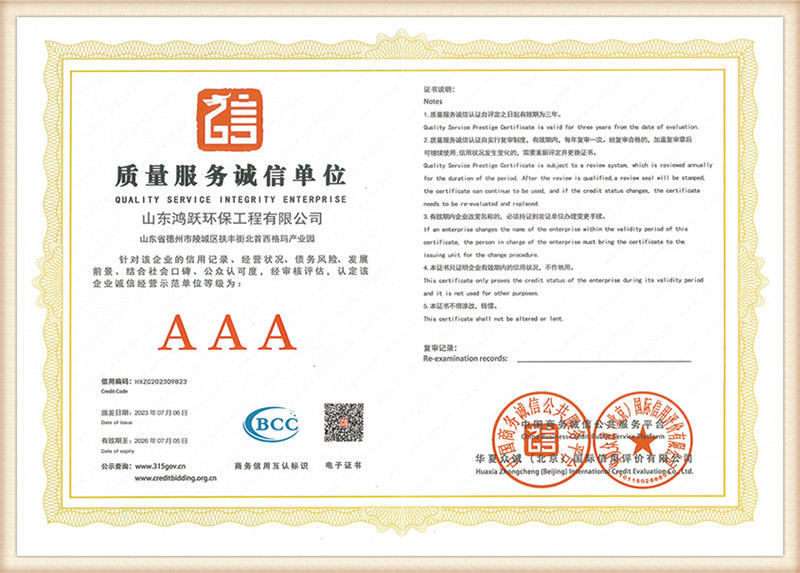
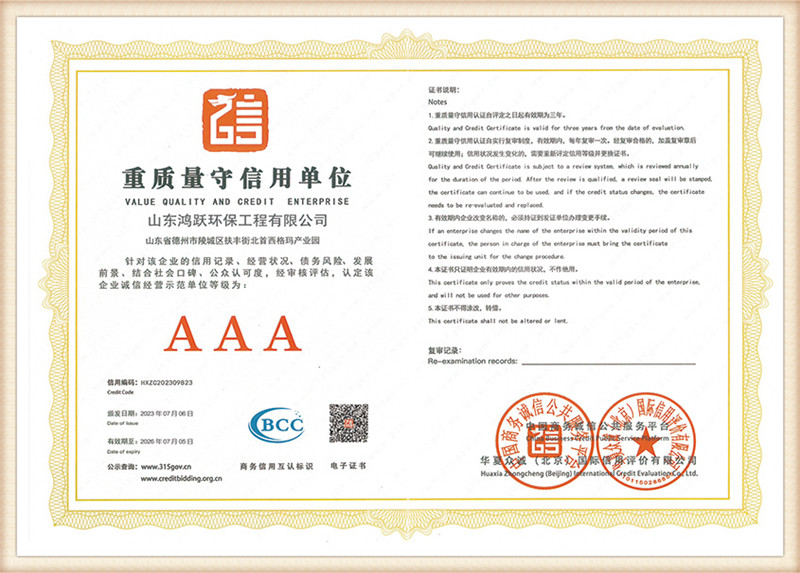
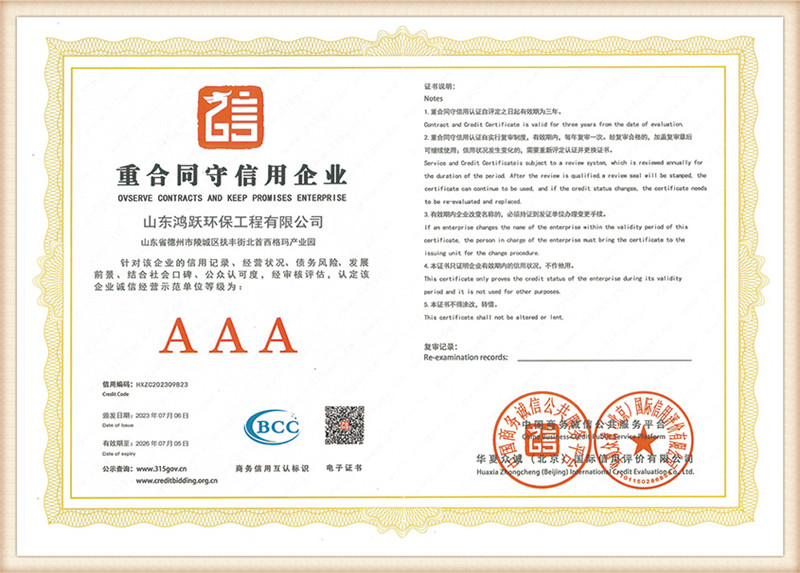
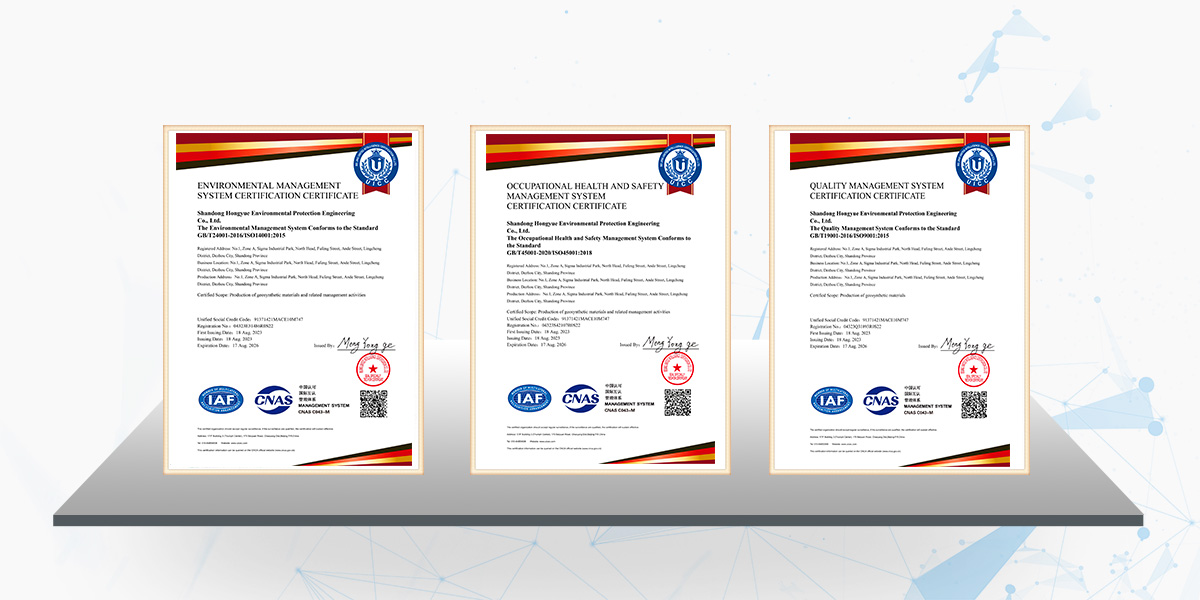
Shandong Hongyue maintains a comprehensive quality management system certified under ISO 9001 (Quality Management), ISO 14001 (Environmental Management), and ISO 45001 (Occupational Health & Safety). Our products meet or exceed international standards, verified by the China National Testing Center and national quality supervision inspections.
For European and international projects, our CE Certification confirms that our geotextiles and geomembranes maintain structural performance over their service life. This includes testing for long-term creep under sustained loads, durability against oxidation in alkaline environments, and resistance to environmental stress cracking.
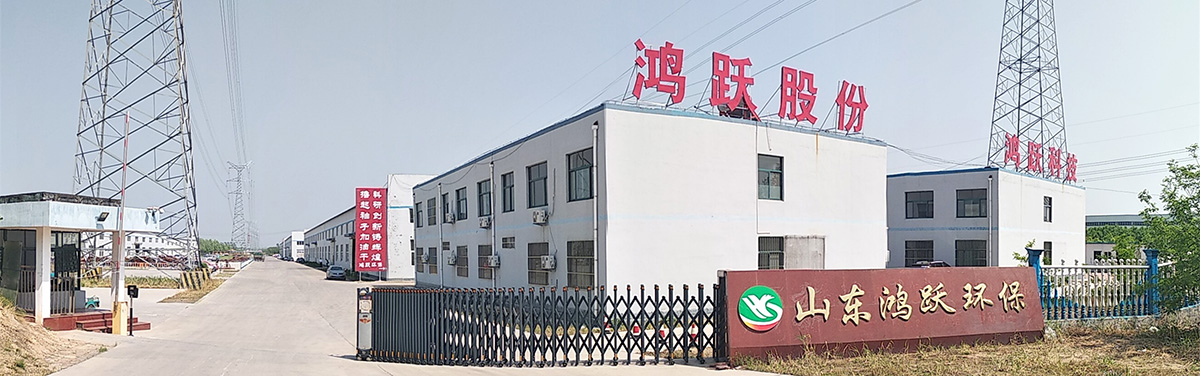
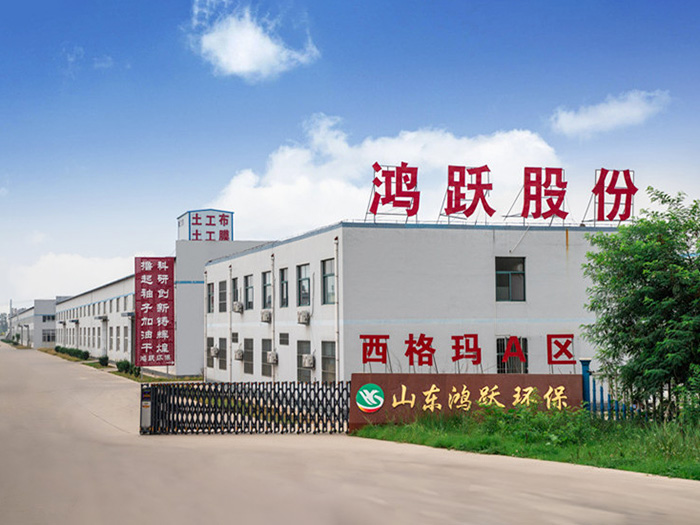
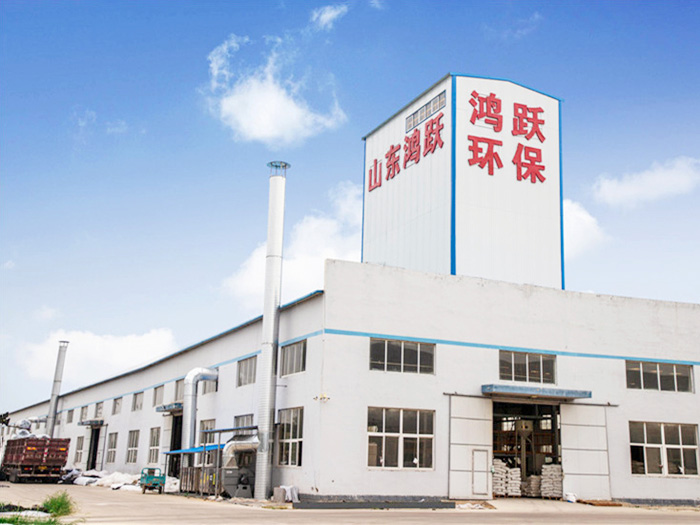
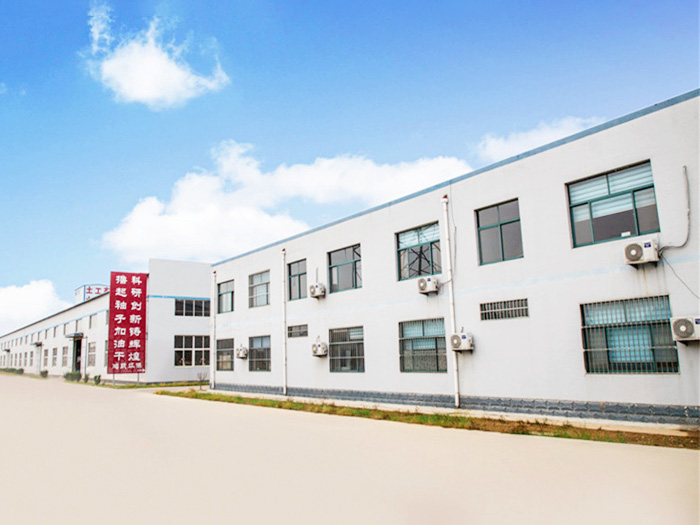
True engineering excellence is demonstrated through successful field execution. Shandong Hongyue provides end-to-end support, covering engineering analysis, design recommendations, material selection, and installation supervision.
In municipal canals and water reservoirs, composite geomembranes (geotextile-bonded membranes) prevent water loss while protecting the barrier from mechanical damage. The nonwoven geotextile backing acts as a drainage channel to relieve pore water pressure behind the liner.
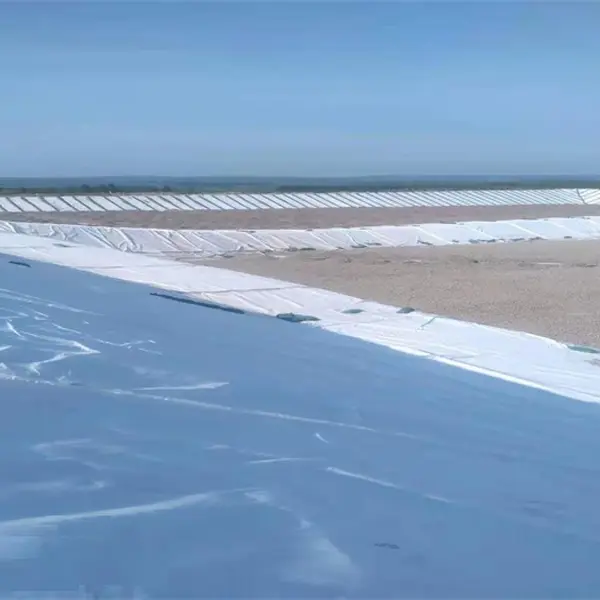
Reinforced soil slopes along waterways must resist both high lateral earth pressures and hydrodynamic erosive forces. Our high-tensile geotextiles and geocells stabilize soil blocks while enabling vegetation growth, helping to restore local riparian ecosystems.
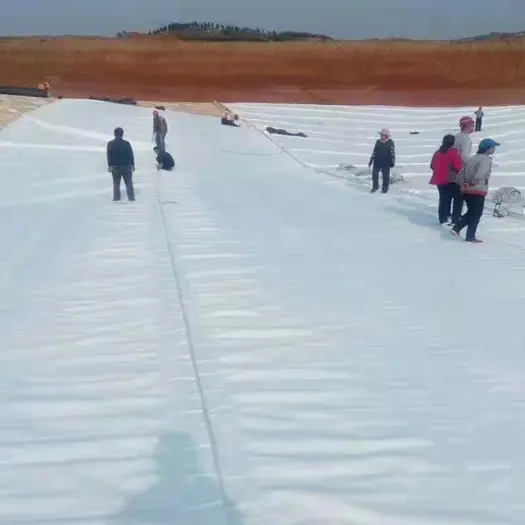
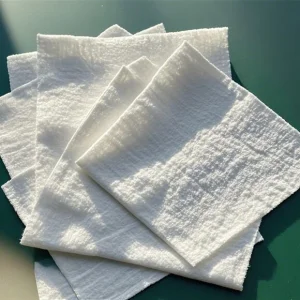
Modern double-lined landfills require robust puncture protection. Our heavy-duty nonwoven geotextiles shield the primary barrier from rocky subgrades and aggregate drainage layers, helping to protect local groundwater from leachate contamination.
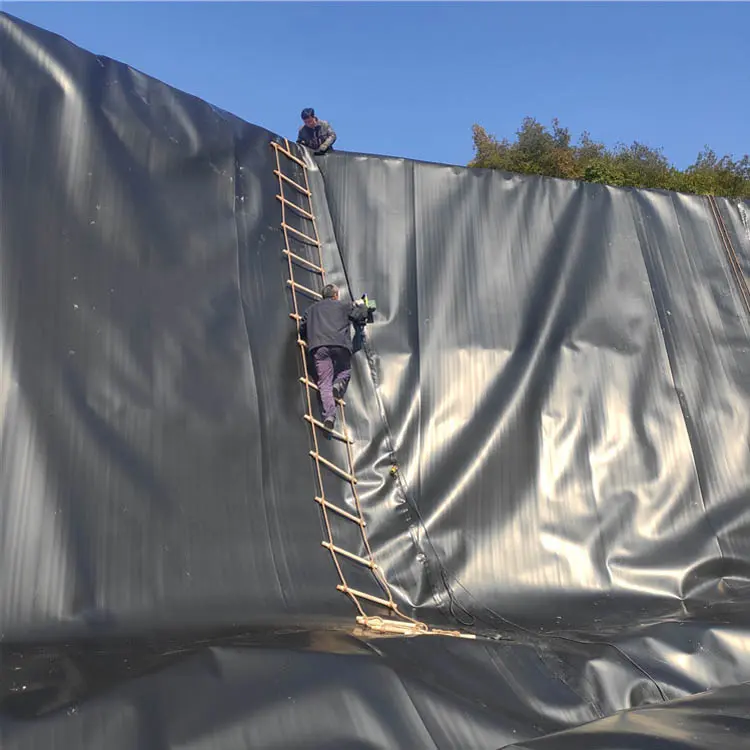
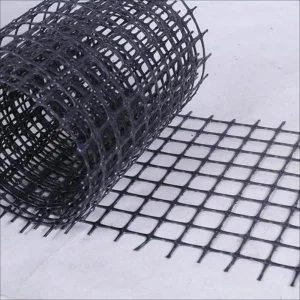
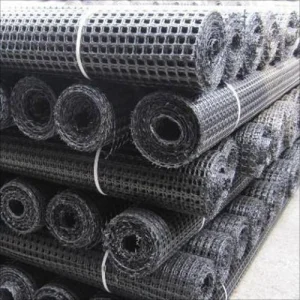
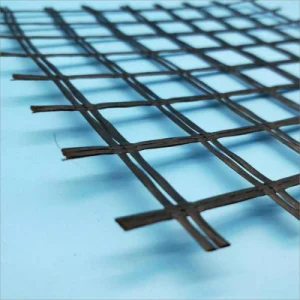
Petrochemical containment areas require robust chemical resistance. We supply customized high-density geomembranes and geogrids to stabilize foundations and line containment dikes around industrial storage tanks, preventing soil pollution in the event of spillages.
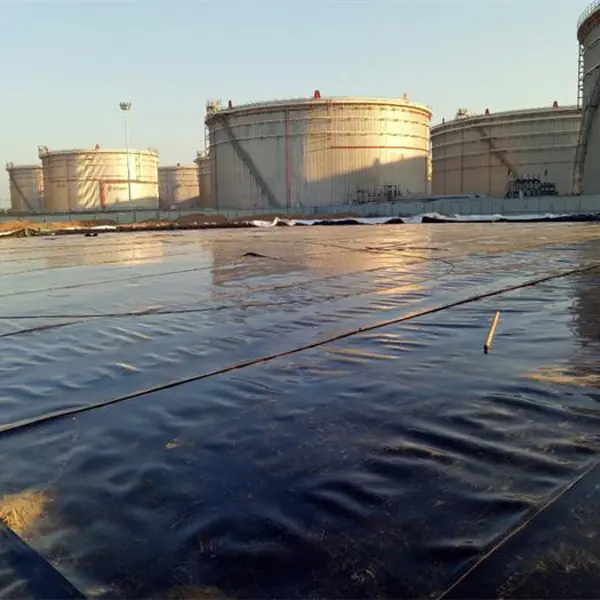
High-performance drainage boards, geocells, and specialty geosynthetics for modern civil engineering challenges.
 Hongyue