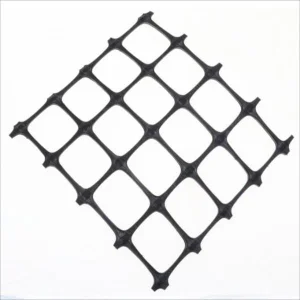
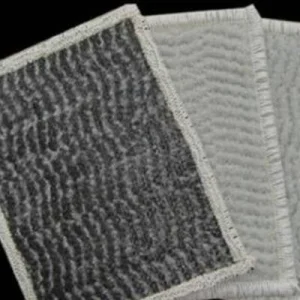
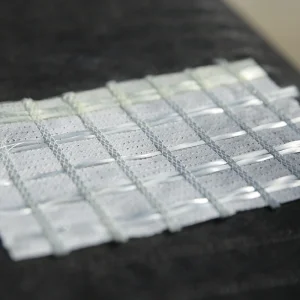
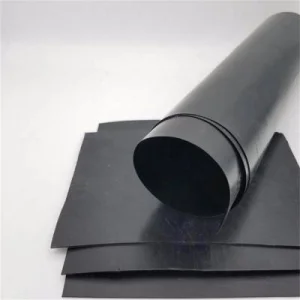
Explore our certified solutions engineered for global engineering demands
Why CE Certification is the Golden Standard for Civil Infrastructure
In the contemporary landscape of civil engineering, environmental protection, and urban development, geotextile fabrics have transitioned from alternative materials to structural necessities. From high-speed rail subgrades in Europe to massive reclamation projects across the Asia-Pacific, geosynthetics serve critical functions in separation, filtration, drainage, reinforcement, and barrier containment. The global geotextile market is experiencing unprecedented growth, driven by rigorous ecological mandates and massive capital investments in infrastructure longevity.
For international buyers and engineers, sourcing from a certified manufacturer is not merely a procurement preference; it is a regulatory requirement. In the European Economic Area (EEA), CE Certification (Conformité Européenne) is mandatory under the Construction Products Regulation (CPR) EU 305/2011. Geotextiles must comply with specific harmonized standards (such as EN 13249 to EN 13257, and EN 15381) depending on their intended application (roads, railways, earthworks, drainage systems, erosion control, reservoirs, canals, tunnels, landfills, or asphalt reinforcement). CE marking demonstrates that the exporter has subjected their products to rigorous Assessment and Verification of Constancy of Performance (AVCP), assuring key mechanical properties like tensile strength, puncture resistance, and permeability remain stable over time.
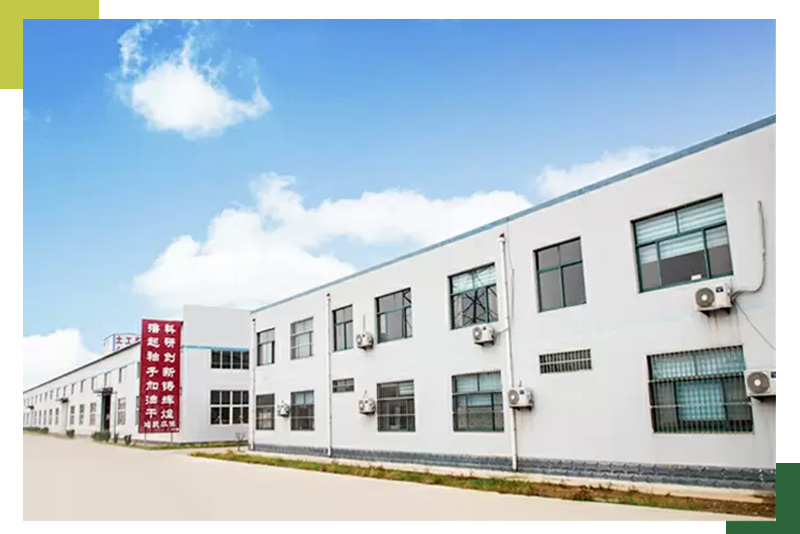
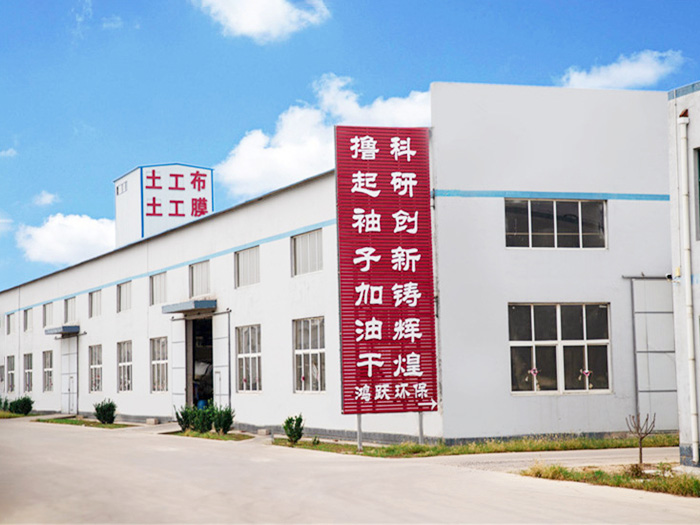
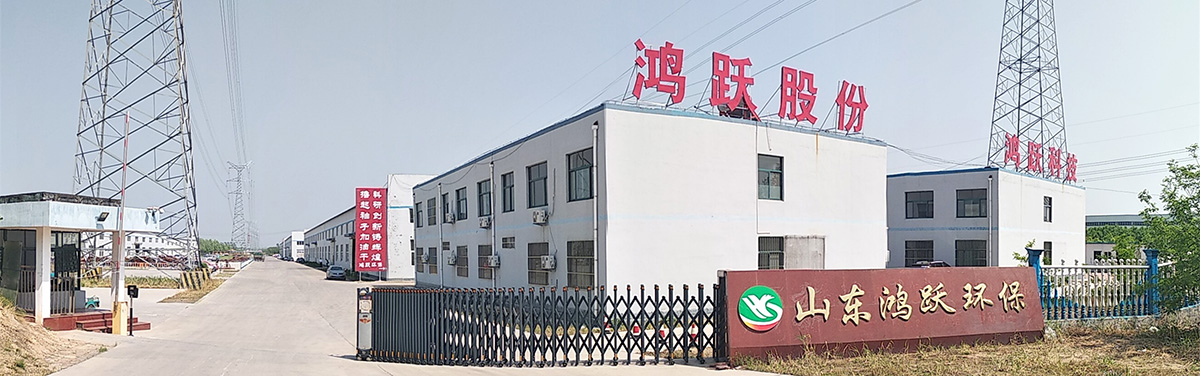
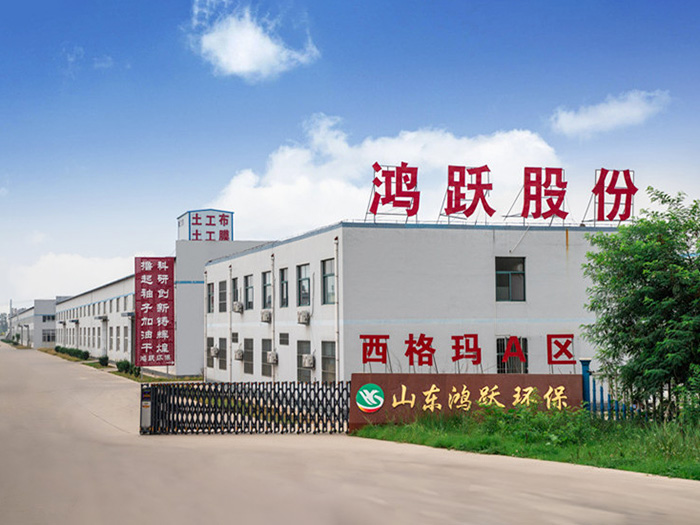
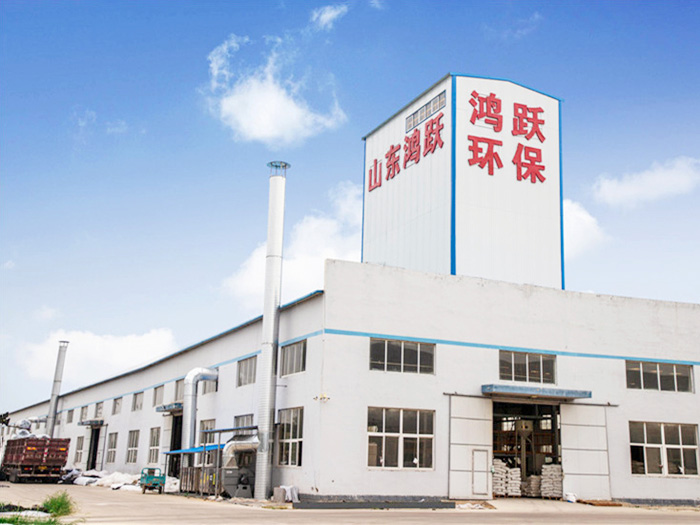
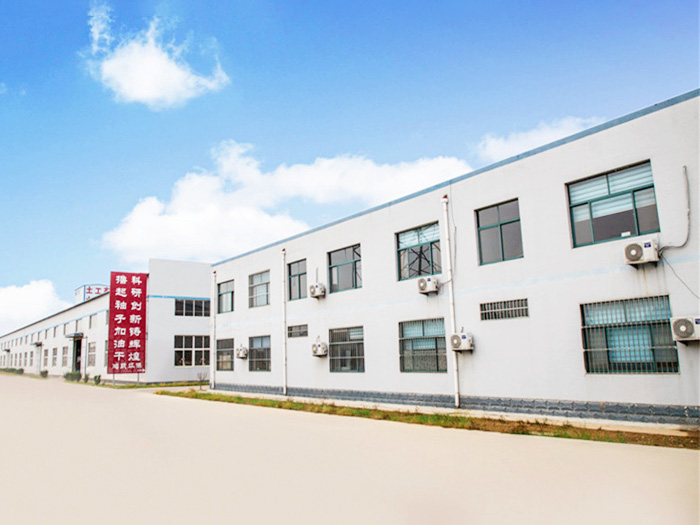
Shandong Hongyue Environmental Engineering Co., Ltd., located at the north end of Fufeng Street, Lingcheng District, Dezhou, Shandong Province, is a scientific and technological geotechnical material manufacturer integrating engineering material production, sales, design and construction services. The company was registered in Lingcheng District Market Supervision and Administration Bureau of Dezhou City on April 6, 2023, with a registered capital of 105 million yuan. It stands as one of the largest production bases of geotechnical materials in China, characterized by a superior geographical location and convenient transportation links.
We boast high-quality products and a professional sales and technical team. As an active member of the Dezhou Geotextile Association, our solutions are widely implemented in highways, railways, bridges, tunnels, reservoirs, canals, water conservancy, artificial lakes, environmental protection, aviation, mining, and agriculture.
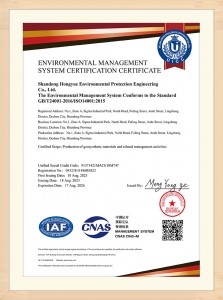
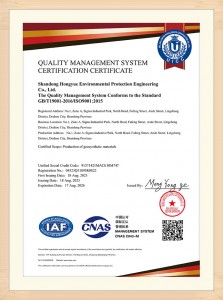
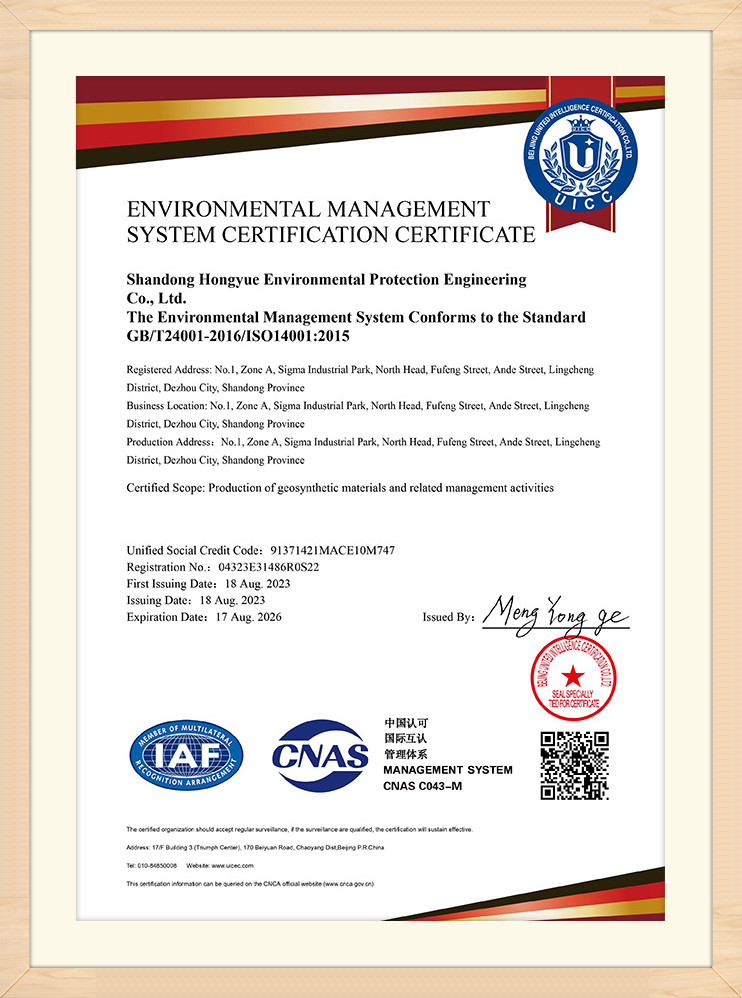
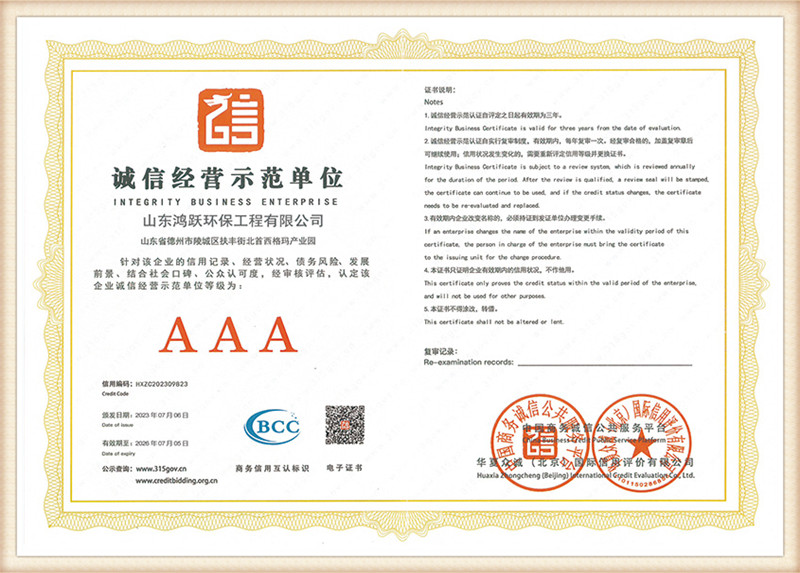
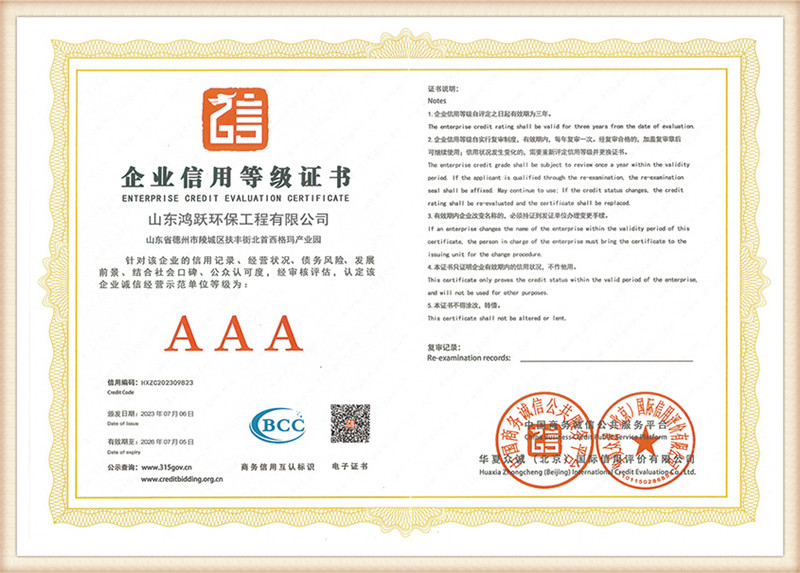
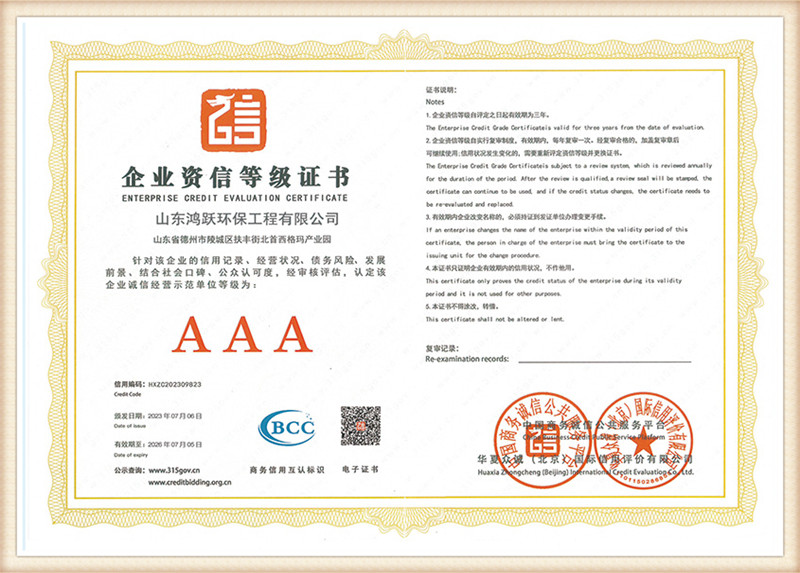
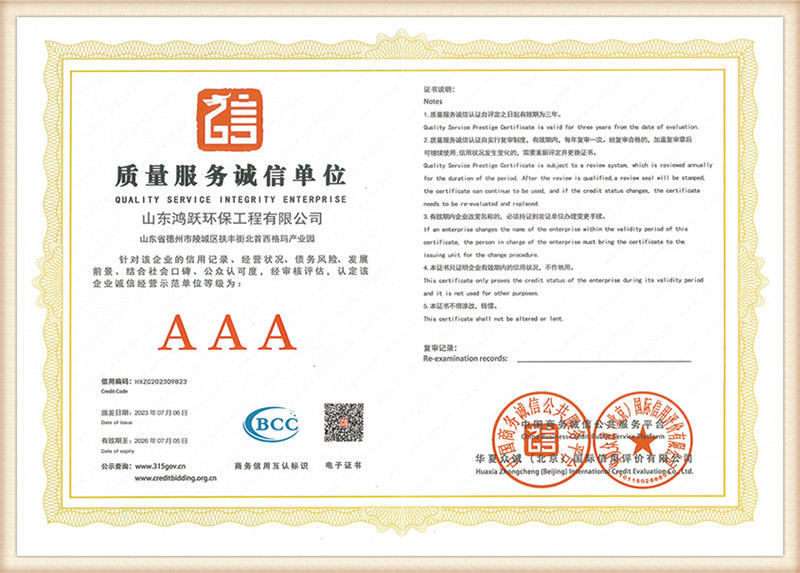
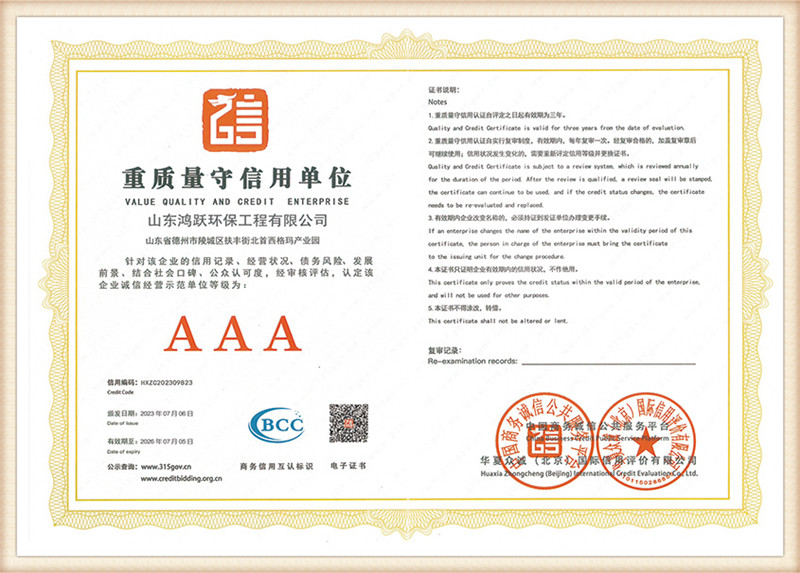
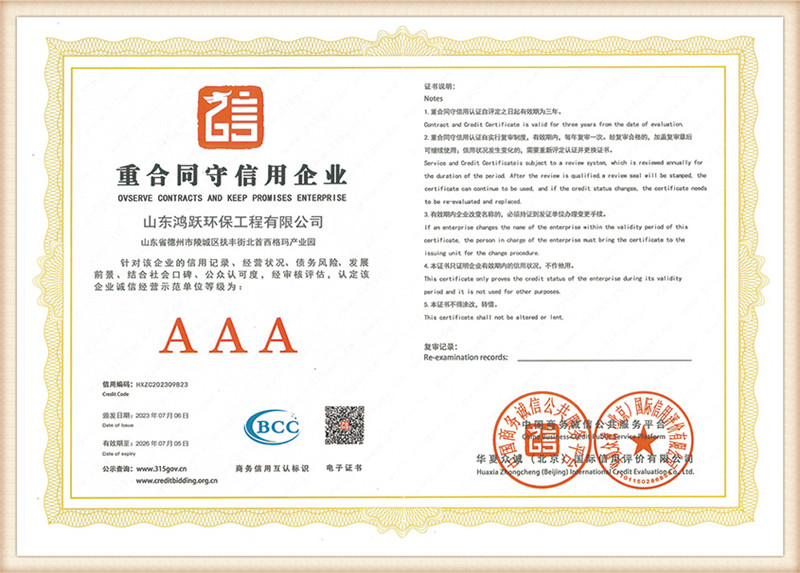
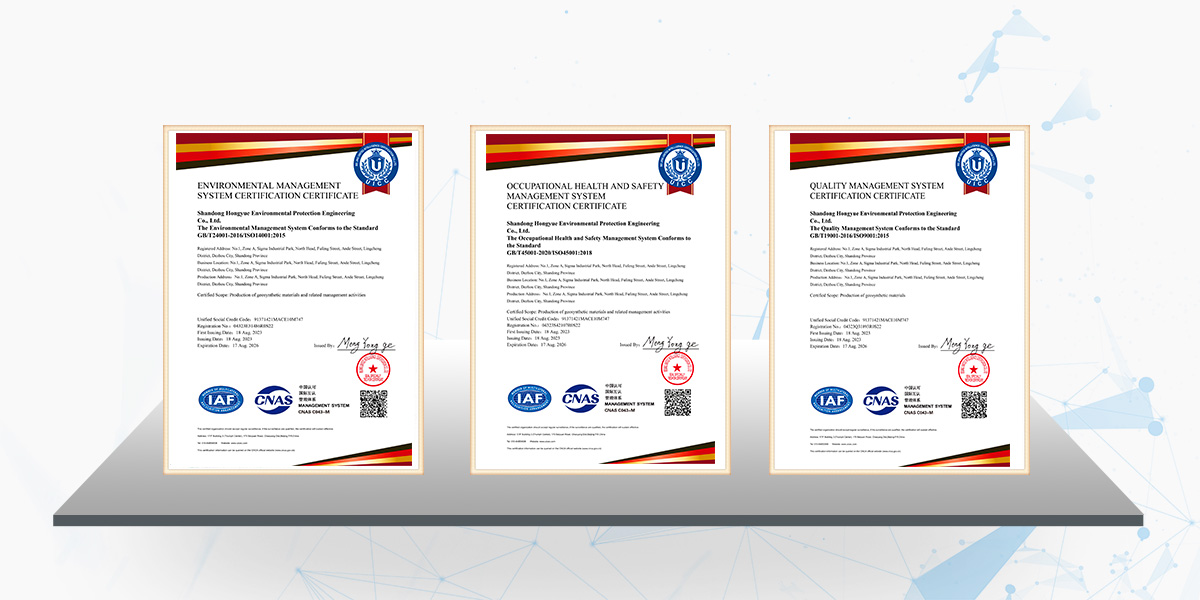
Our organization has successfully achieved ISO9001 international quality system certification, ISO14000 environmental system certification, and ISO45001 occupational health and safety management system certification. We have also earned numerous distinctions including "Green and Environmentally Friendly Building Materials Products", "No Consumer Complaints", "Famous Chinese Brands", "High-Tech Industries", and "Quality Service Double Excellent Units".
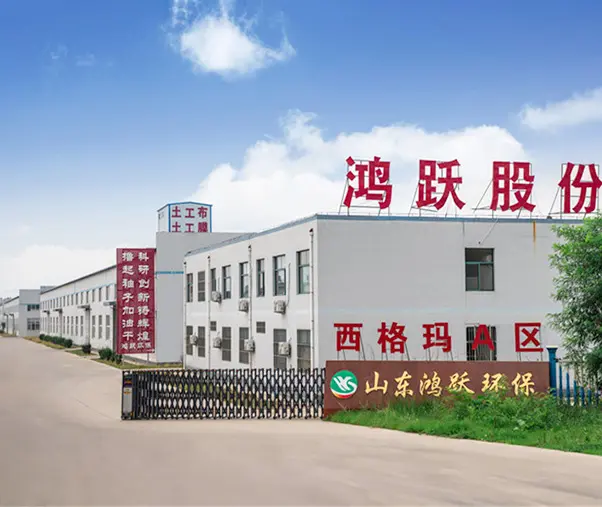
Uncompromising Precision: How Shandong Hongyue Guarantees High-Performance Standards
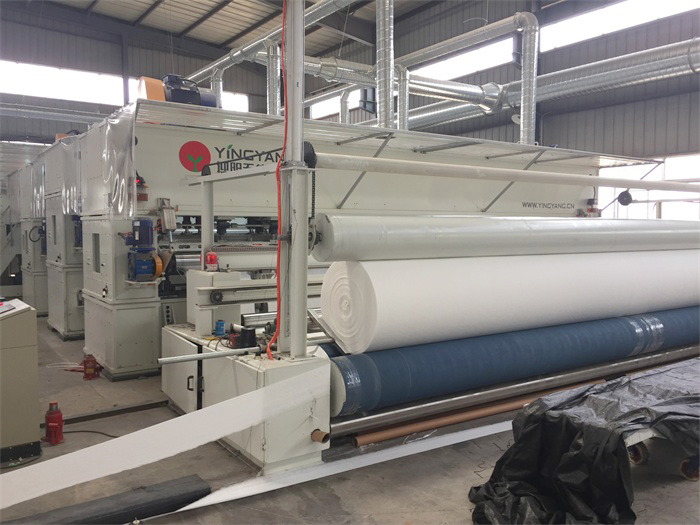
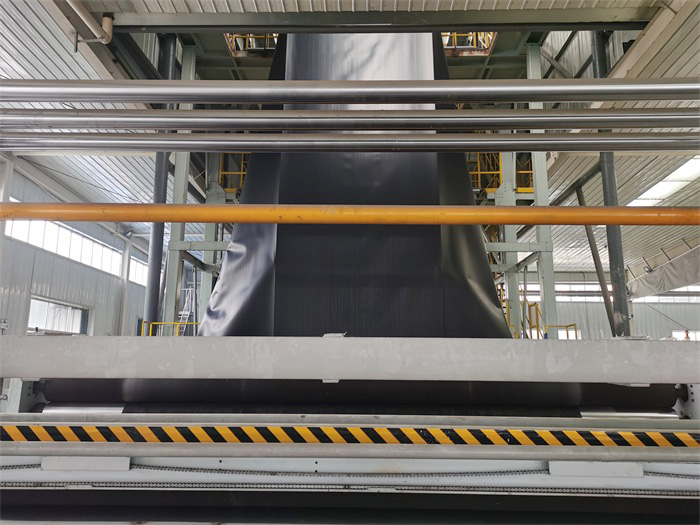
Our manufacturing workflow is designed around strict conformance, employing state-of-the-art melt extrusion and mechanical bonding machinery. We supervise every parameter to verify that our products meet or exceed the performance thresholds mandated by global certification bureaus.
We source premium polyester (PET) chips, polypropylene (PP) filament, and viscose fibers. These raw inputs undergo incoming inspections to measure purity, molecular weight distribution, and moisture content, establishing a baseline of material stability.
Polyester chips are heated to exact molten states within screw extruders. Polypropylene and viscose are blended dynamically. Micro-porous spinnerets produce continuous, high-tenacity filament lines with controlled diameters.
The extruded filaments are laid on moving conveyor belts to form a uniform web structure. We adjust speed and distribution parameters to control sheet thickness, isotropic fiber alignment, and density uniformity.
The structured web undergoes mechanical needle-punching or thermal bonding to interlock fibers. Precise heating and draw-ratios secure structural stability and improve tensile strength.
The finished geotextile is wound, measured, and trimmed to project-specified lengths and widths. Protective packaging prevents UV exposure and mechanical damage during shipping.
We execute standard testing protocols at our on-site facility, checking mass per unit area, thickness, CBR puncture resistance, cone drop dynamic puncture, and pore size distributions.
Our quality assurance program is backed by advanced detection equipment. We monitor product characteristics through ISO-certified workflows to align with international metrics. All materials undergo routine national inspections commissioned by the State Administration of Quality Supervision and Inspection, verifying conformance to modern criteria.
We provide full documentation for every shipment, including:
Deploying Hongyue Geosynthetics in Challenging Environmental Settings
Our solutions provide engineering stability across several infrastructure divisions. Through combined research and development, we have engineered application profiles for projects demanding high durability and specific hydraulic performance characteristics.
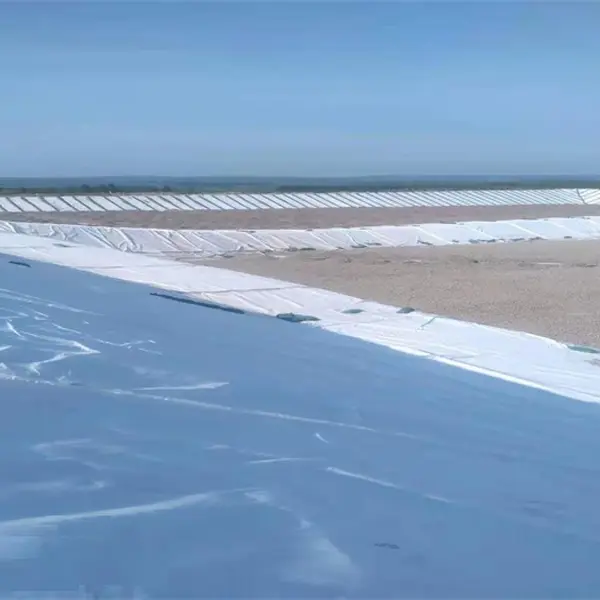
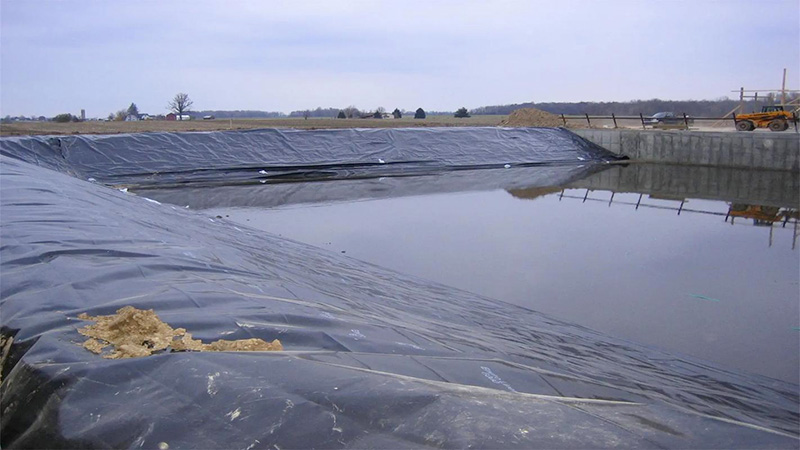
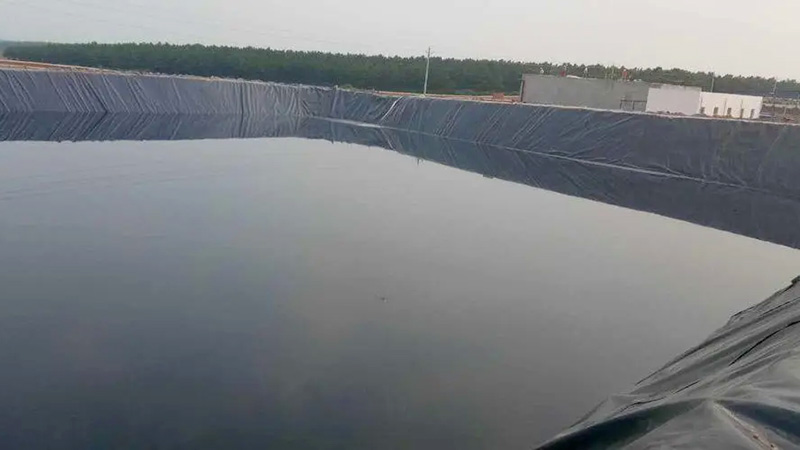
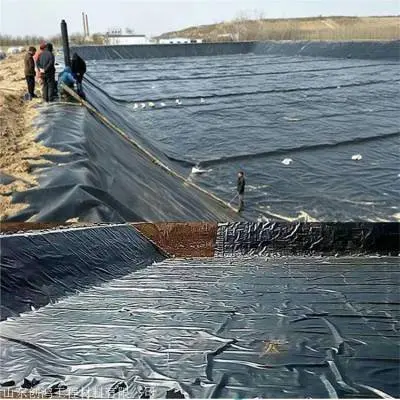
Geomembranes perform vital barrier actions in reservoir containment, isolating storage volumes from adjacent porous rock formations to secure stability.
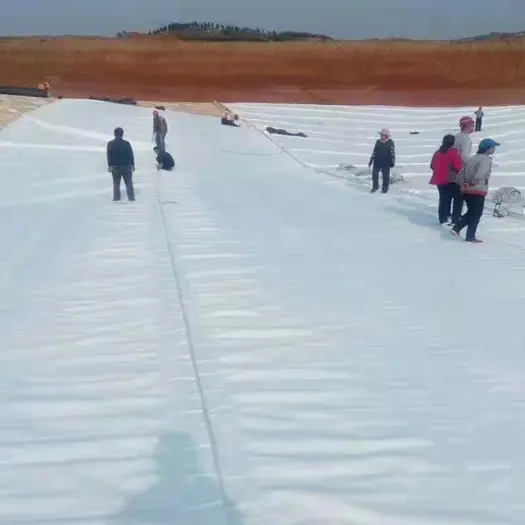
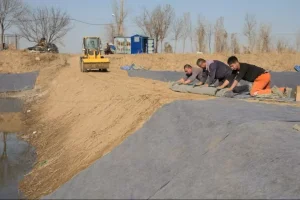
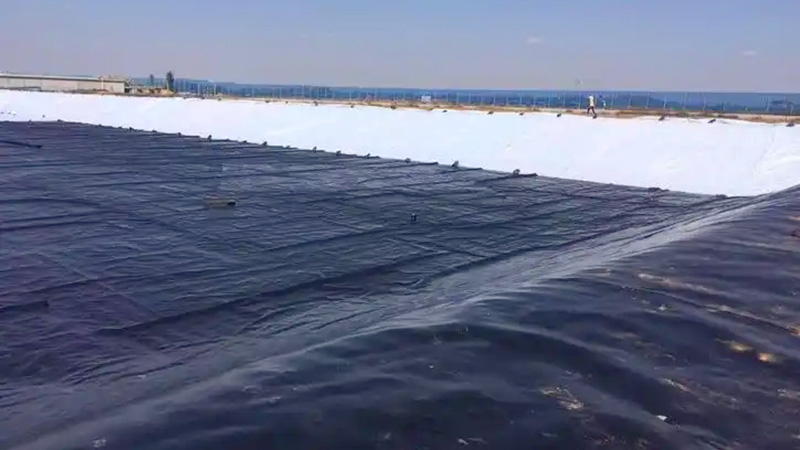
Channels and irrigation canals feature lining structures to prevent water loss and protect adjoining banks from erosion.
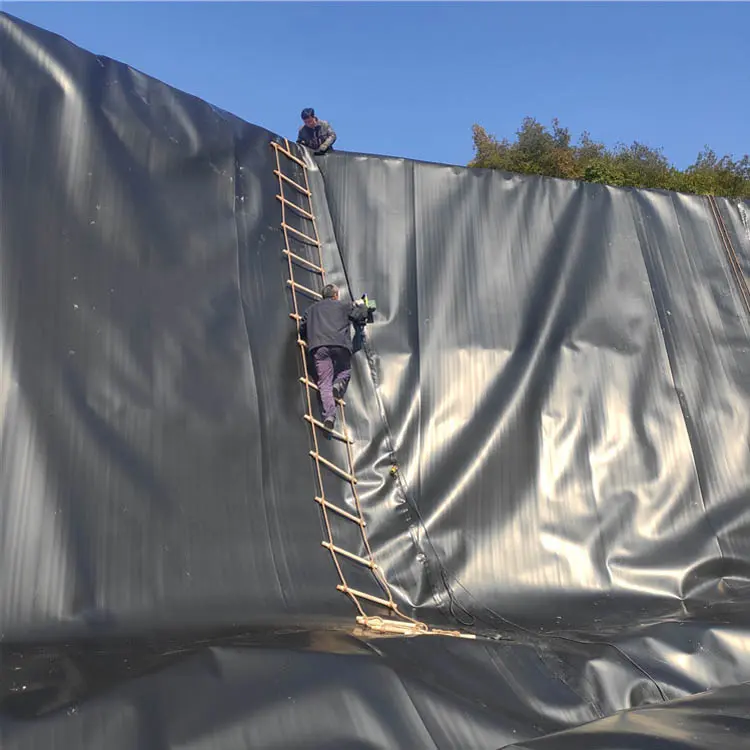
Composite barrier lining systems isolate municipal waste landfills, preventing leachate migration into ground water tables.
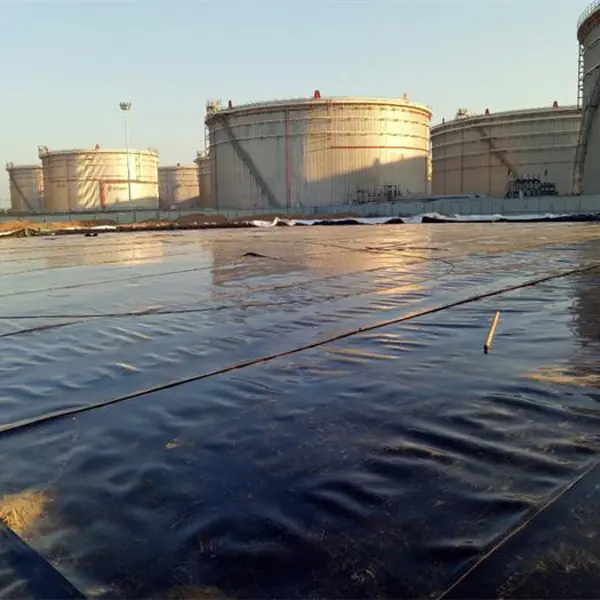
Secondary containment designs in fuel terminals use custom membrane envelopes to prevent soil pollution during storage operations.
Geomembrane is a kind of material widely used in engineering projects, which has the functions of seepage prevention, isolation and reinforcement. Implementing this technology requires proper selection, structured installation, and ongoing maintenance.
Choosing the correct geomembrane is fundamental to project performance:
Laying sheets requires specific steps to safeguard the integrity of the barrier:
Routine inspections help extend structural service life:
The Evolution of Smart and Eco-Friendly Geosynthetics
The geosynthetics industry is undergoing rapid technical evolution. Modern engineering requirements demand products with increased durability, lower carbon footprints, and smart monitoring capabilities. Shandong Hongyue is currently aligning with three primary developmental objectives:
We are researching bio-based polymers and recycled PET formulations to reduce resource usage without compromising the mechanical performance of our geotextiles.
We are working to integrate conductive fibers and fiber-optic sensors directly into the geotextile structure, enabling real-time structural monitoring and leak detection.
Through advanced polymer additions, our next-generation materials are designed to resist oxidation and acidic soil conditions, extending project lifespans.
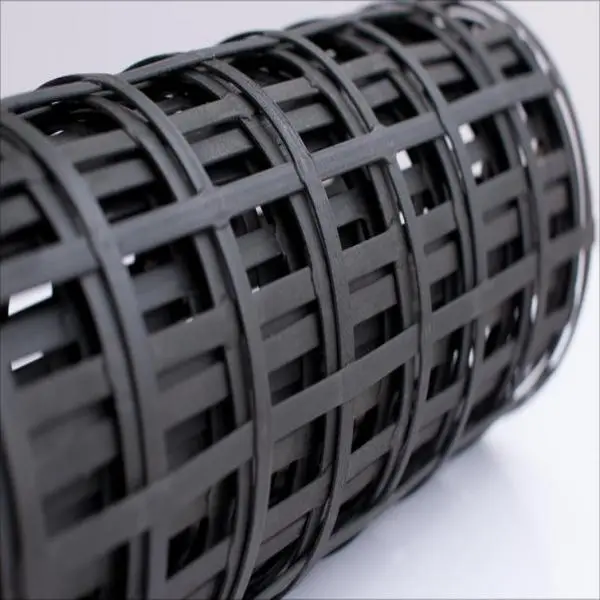
Combining nonwoven fabrics, woven fabrics, and structured meshes allows us to manufacture multi-functional materials that simplify installation steps.
Securing Water Assets: Design Case for Water Reservoirs and River Channels
Geomembrane, as an efficient anti-seepage material, plays a vital role in water conservancy projects. Its excellent anti-seepage performance, light weight, easy construction characteristics, and competitive total cost make geomembranes an essential component of modern hydraulic engineering structures.
Reservoir Construction: Because reservoirs are often situated in valleys or low-lying areas, varying geological conditions require measures to prevent water loss into the surrounding rock. Standard geomembranes establish a continuous barrier that improves the stability of the reservoir basin.
Levee Reinforcement: Dikes protect downstream areas from flooding. During construction, unpredictable subgrade changes can lead to seepage paths. Layering structural geotextiles and membranes helps control subsurface piping and supports overall slope stability.
River Channel Governance: Managing river channels requires addressing bank erosion and water loss. Installing composite geotextiles stabilizes banks, restricts soil migration, and supports regional water management goals.
Expert insights on CE certification, customized quotes, logistics, and quality assurance
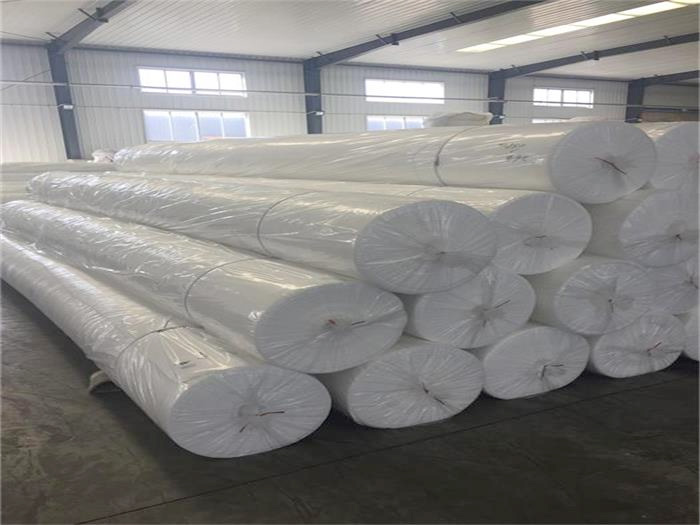
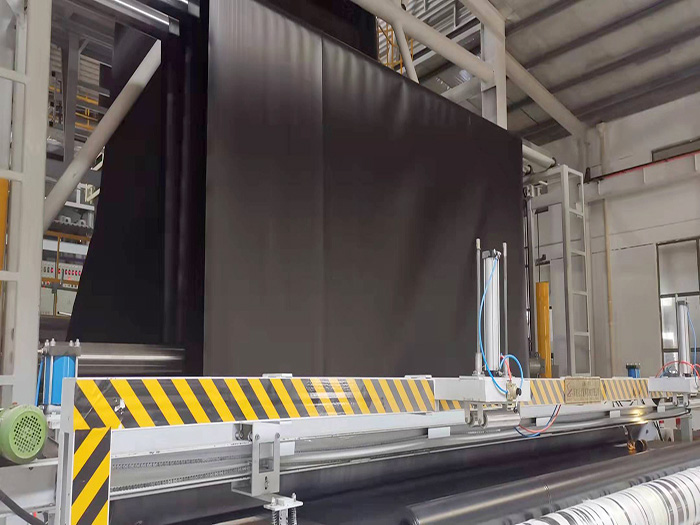
Inside our production facilities in Dezhou, Shandong Province
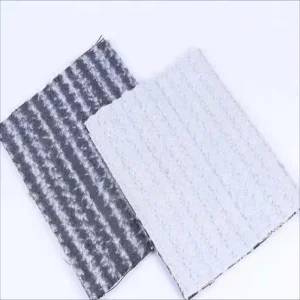
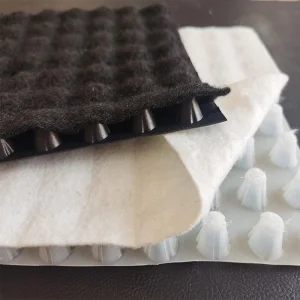
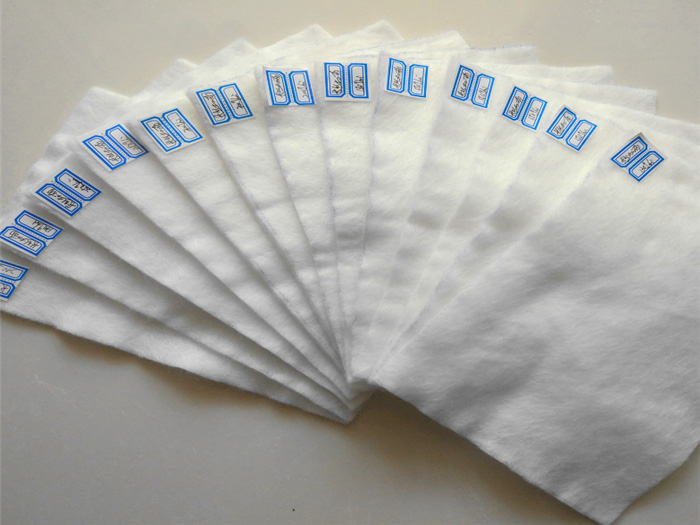
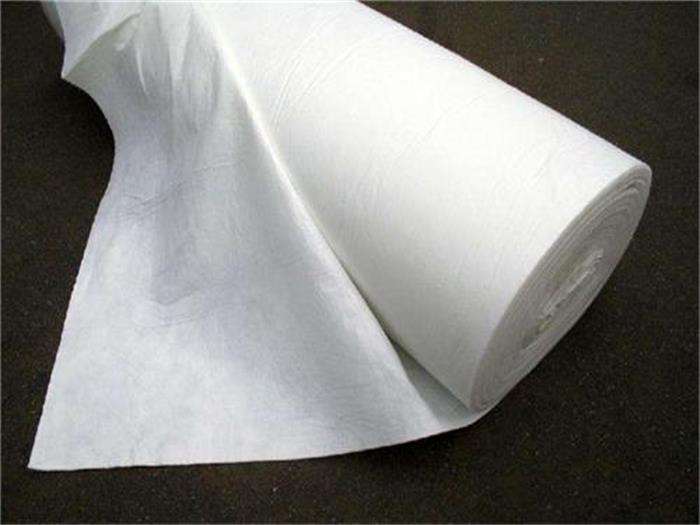
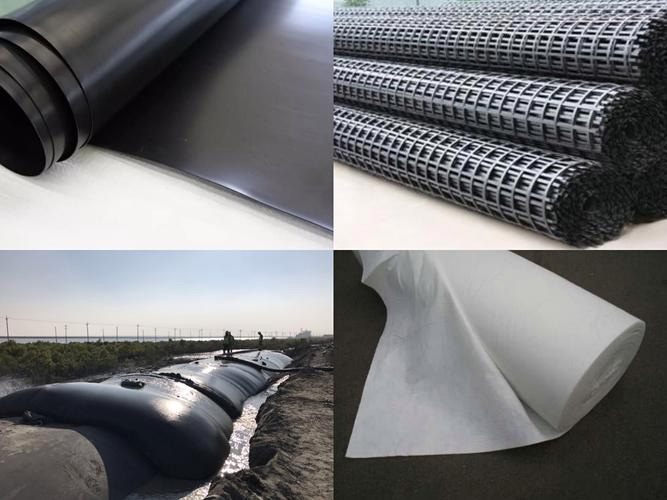
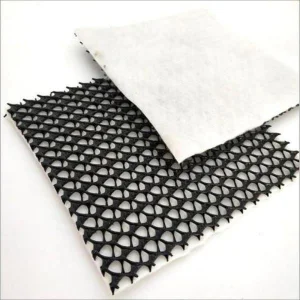
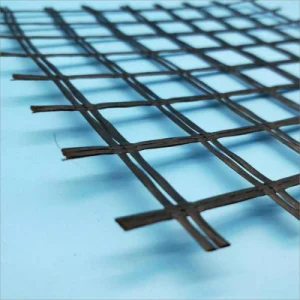
Complete product range for drainage, containment, stabilization, and sealing
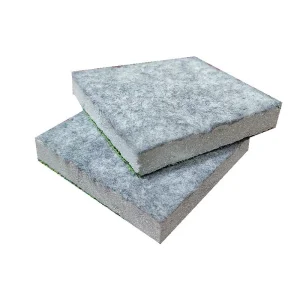
Manufactured solutions for diverse civil and environmental projects
 Hongyue