Engineered to international specifications and backed by comprehensive CE certification compliance, our high-grade materials guarantee superior filtration, reinforcement, and barrier integrity.
An expert analysis of regulatory pathways, polymer volatility, and structural specifications governing international infrastructure investments.
In the realm of modern civil engineering, geotextiles, geomembranes, and related geosynthetic composites act as critical structural components. The sourcing and implementation of these materials are no longer simple purchasing operations; they require a deep understanding of standard performance regulations. Achieving CE Certification (Conformité Européenne) is a critical indicator of quality, showing that a geotextile fabric meets strict European health, safety, and environmental protection requirements under standard guidelines like EN ISO 13249 to EN ISO 13256.
Understanding the actual geotextile fabric cost requires analyzing a complex combination of polymer raw materials, manufacturing methods, quality control testing, and shipping logistics. While initial price lists from suppliers provide a baseline, long-term costs are heavily influenced by performance factors: raw material composition (virgin polypropylene vs. recycled polyester), mass per unit area (ranging from 100 g/m² to over 1000 g/m²), tensile strength, water permeability, and durability under UV exposure and chemical stress.
"CE Certification serves as a key indicator of quality assurance, validating that geosynthetics will perform as expected in civil engineering applications for a design life often exceeding 50 to 100 years."
As a leading geotechnical materials manufacturer in China, Shandong Hongyue Environmental Engineering Co., Ltd. addresses these market requirements by combining large-scale production efficiency with strict E-E-A-T (Experience, Expertise, Authoritativeness, Trustworthiness) standards. This integration ensures that every square meter of geotextile delivered meets international engineering standards.
Analyzing supply chain dynamics, regional pricing indexes, and how compliance premiums affect overall project budgets.
Raw polymer chips (PP and PET) make up over 60% of the total manufacturing cost of geotextiles. Virgin Polypropylene offers high chemical resistance and tensile strength, making it ideal for critical environmental projects. Polyester (PET) is highly effective for reinforcement applications that require long-term stability and resistance to creep. Suppliers adjust their prices based on global petrochemical supply chains, making long-term procurement contracts essential for large projects.
Purchasing non-certified geotextile fabrics can lead to structural failure, environmental penalties, and project delays. CE certification requires third-party factory audits, strict laboratory testing, and consistent quality management (FPC). While CE-compliant products may have a higher initial purchase price, they reduce overall risk and lower maintenance costs over the lifecycle of the infrastructure.
Geotextile rolls are bulky, which makes transport costs a key factor in international pricing. Sourcing from manufacturers with nearby transport links—such as Shandong Hongyue in Dezhou, which has direct access to major sea ports—can significantly lower freight costs. Optimizing roll packaging density helps maximize container volume, reducing per-square-meter shipping costs for international buyers.
| Geotextile Specification Type | Primary Polymer base | Weight Range (g/m²) | CE Certified Functionality | Relative Cost Indicator |
|---|---|---|---|---|
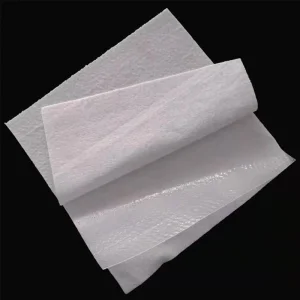
| Non-woven Needle-punched | Polypropylene (PP) / Polyester (PET) | 100 - 1200 | Filtration, Separation, Protection | Standard to Moderate |
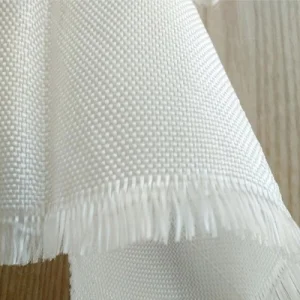
| Woven Spunbond Filament | Polyester (PET) | 150 - 800 | High-Tensile Reinforcement, Separation | Premium |
| Composite Geomembrane | PE Film + Non-woven Geotextile | 400 - 1500 | Hydraulic Seepage Prevention & Shielding | High / Complex Custom |
| Bentonite Waterproof Blanket (GCL) | Bentonite Clay core + Dual Geotextile layers | 4000 - 6000 | Self-sealing Liquid Barrier | Specialized Premium |
Located at the north end of Fufeng Street, Lingcheng District, Dezhou, Shandong Province, Shandong Hongyue Environmental Engineering Co., Ltd. is a scientific and technological geotechnical material manufacturer integrating engineering material production, sales, design and construction services. The company was registered in Lingcheng District Market Supervision and Administration Bureau of Dezhou City on April 6, 2023, with a registered capital of 105 million yuan. It stands as one of the largest production bases of geotechnical materials in China, benefiting from a superior geographical location and convenient transportation networks.
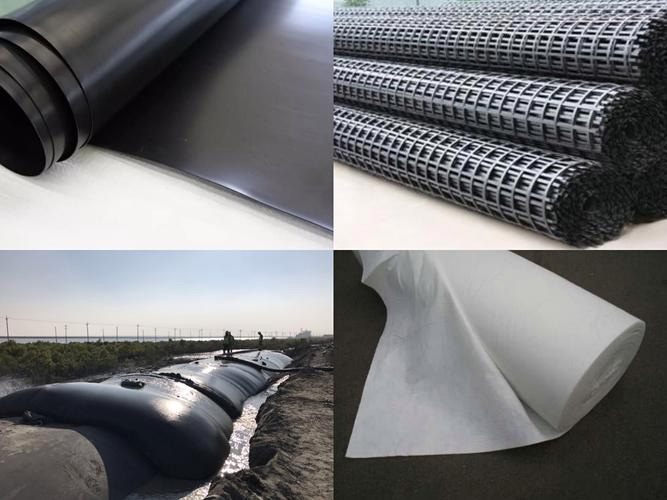
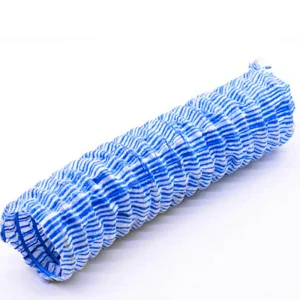
Since our founding, the company has grown rapidly to meet global demand. Our comprehensive portfolio includes geotextiles, geomembranes, composite geomembranes, waterproof boards, bentonite waterproof blankets, 3D composite drainage nets, (composite) drainage boards, weaving cloth, woven bags, ecological bags, cement blankets, fiber plant blankets, and flexible pervious pipes. With high-quality products and a professional sales and technical team, we serve key infrastructure sectors such as highways, railways, bridges, tunnels, reservoirs, canals, artificial lakes, environmental protection facilities, mining, and agriculture.
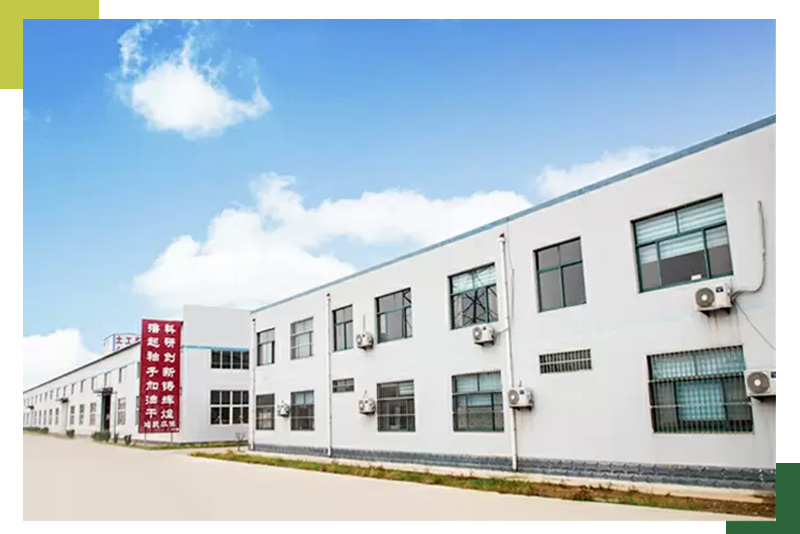
A technical guide to how we turn raw polymers into high-performance, certified geosynthetic fabrics.
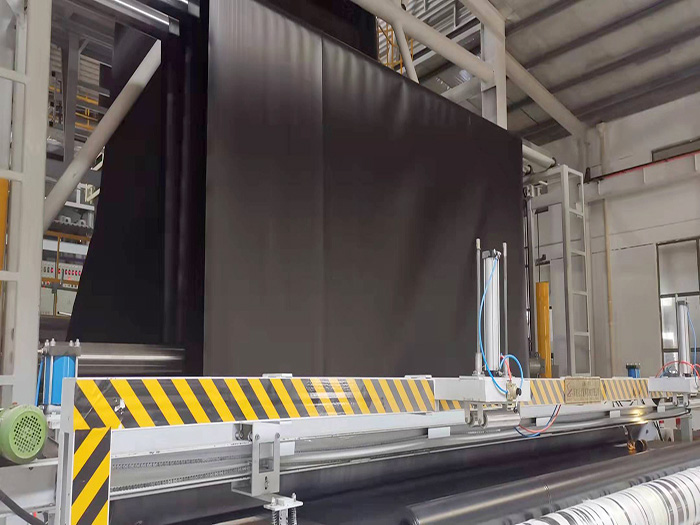
The performance of a geotextile fabric depends on how it is manufactured. Our modern facility uses advanced machinery and automated control systems to ensure that our geotextiles consistently meet physical and chemical requirements. From selecting the raw materials to the final quality inspection, every stage of production is closely monitored.
By optimizing melt temperatures, controlling fiber orientation during net rolling, and maintaining precise draft ratios during curing, we produce geotextiles with high tensile strength, consistent puncture resistance, and reliable water permeability. These qualities are essential for critical civil and environmental engineering projects.
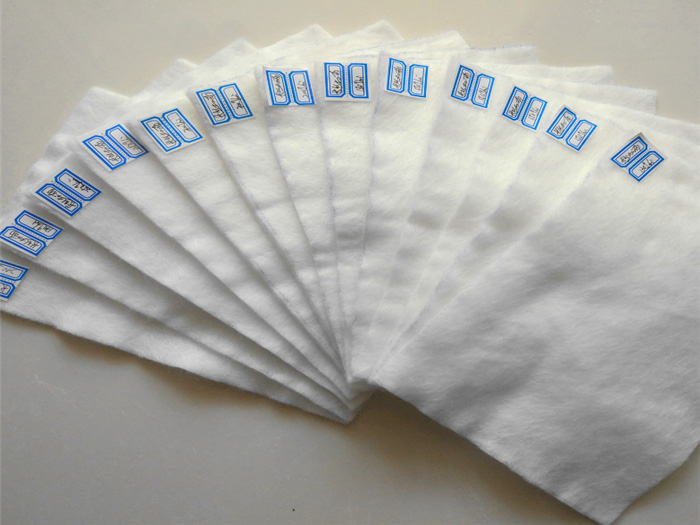
The production process starts with sourcing and testing high-grade raw materials: polyester chips, polypropylene filament, and viscose fiber. We inspect and catalog all materials to ensure consistent physical and thermal properties before manufacturing begins.
Polyester chips are heated and melted at high temperatures, then extruded through a screw extruder. During this process, we add polypropylene filament and viscose fibers, maintaining precise control over temperature and pressure to ensure a uniform melt.
The molten polymer mix is forced through fine spinnerets to create continuous fibers, which are laid down on a moving conveyor belt to form a web. We closely monitor web thickness, fiber orientation, and density to guarantee consistent mechanical performance across the entire roll width.
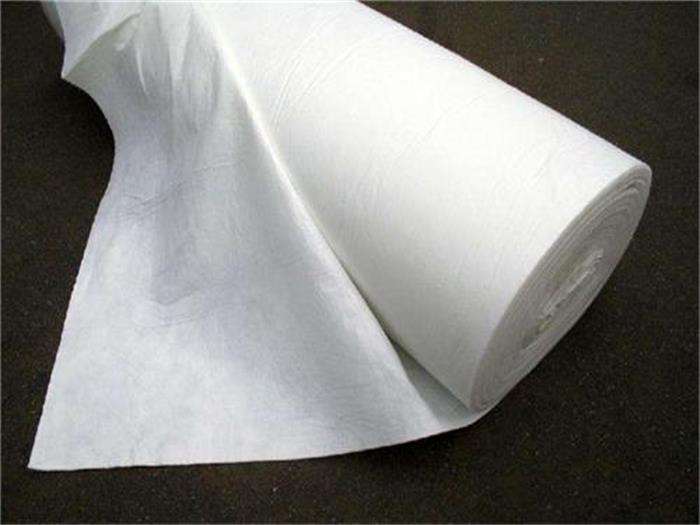
The loose web of fibers goes through a thermal and mechanical draft curing stage. By controlling speed, tension, and heat, the fibers bond securely. This step determines the final strength, elongation properties, and durability of the geotextile.
After curing, the geotextile is wound onto heavy-duty cores and cut to standard project widths. Each roll is measured for length, width, and thickness to ensure it meets our quality standards before being packed in protective wrap for transport.
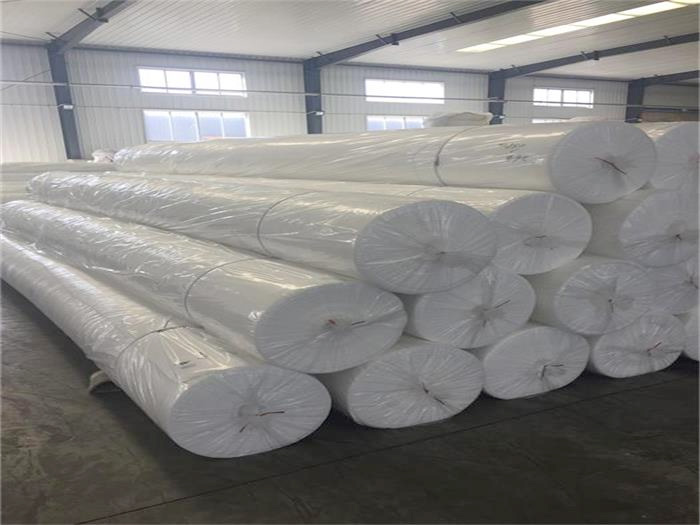
We test samples from every production run in our certified laboratory. We verify physical, chemical, and hydraulic properties—including tensile strength, puncture resistance, and pore size—to confirm the product meets CE standards before release.
How our range of certified geosynthetics addresses engineering challenges in major infrastructure and environmental protection projects worldwide.
Water pressure in large reservoirs can cause significant seepage loss and damage subsoil stability. Laying our certified composite geomembranes on the reservoir bed creates a highly impermeable barrier. This prevents water loss and helps stabilize the surrounding geology.
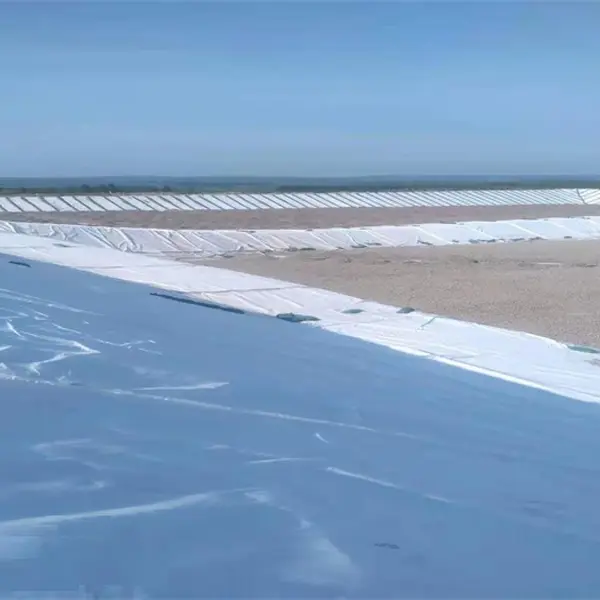
Canals and rivers are vulnerable to bed erosion and water loss through porous soils. Our geotextile-backed geomembranes provide dual-action protection: the geomembrane blocks water seepage, while the geotextile fabric protects against root intrusion and sharp rocks in the subgrade.
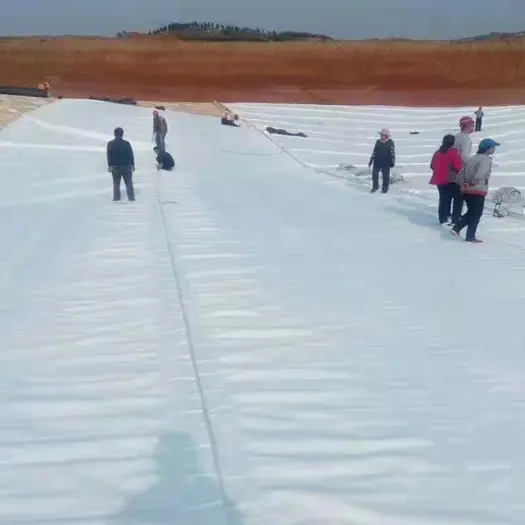
Protecting groundwater from toxic landfill leachate is a major environmental priority. Our containment solutions use thick, chemical-resistant HDPE geomembranes paired with heavy non-woven geotextiles. This combination prevents punctures and ensures long-term environmental protection.
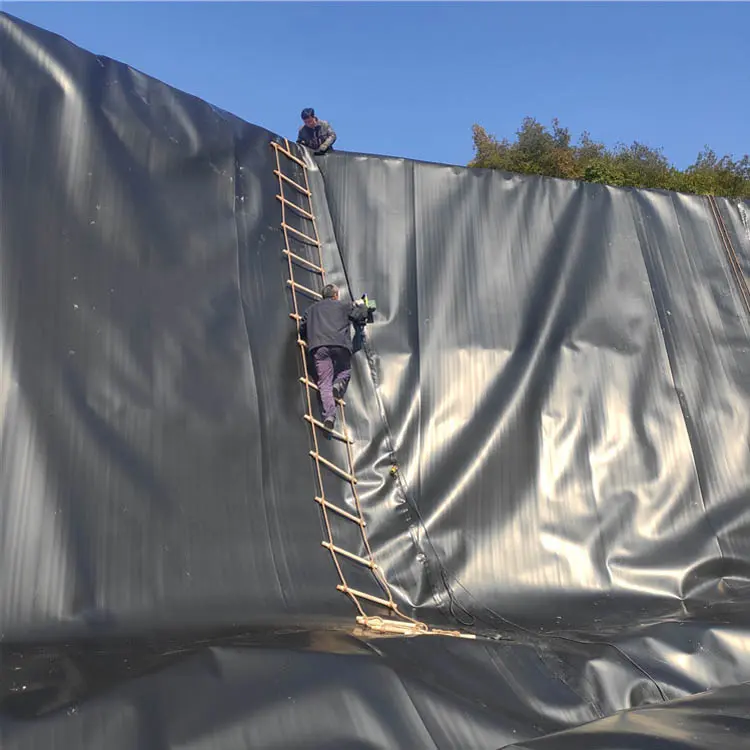
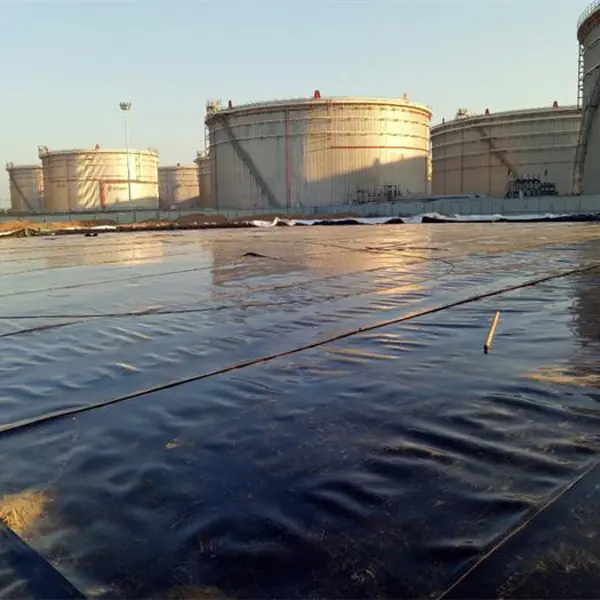
Industrial containment areas for fuel and chemical tanks require highly reliable lining systems. Our specialized geomembranes are engineered to resist hydrocarbons and chemical breakdown. They are installed by professional welding crews to prevent hazardous leaks.
Detailed engineering guidelines for choosing, laying, and maintaining geosynthetic materials for long-term project success.
Choosing the right material requires evaluating key mechanical and environmental conditions:
Correct site installation is essential for the material to perform as designed:
Regular maintenance ensures the system remains secure throughout its design life:
Our quality assurance program is backed by international standards and certified testing protocols.
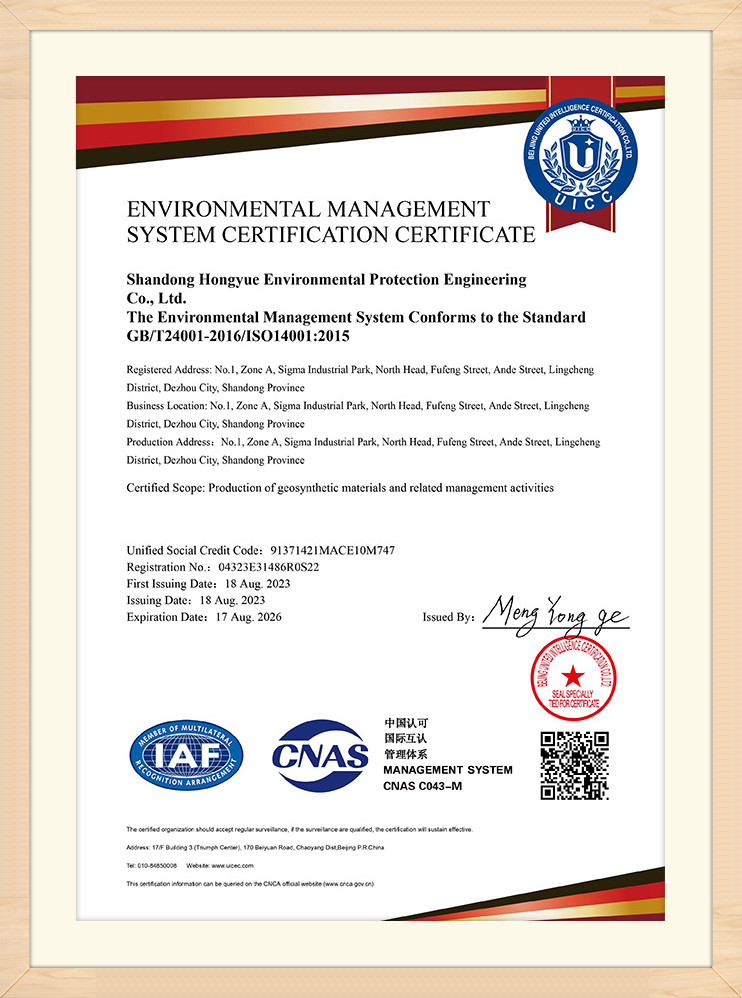
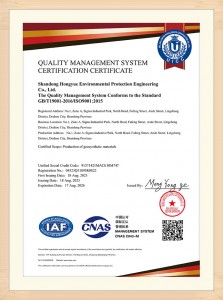
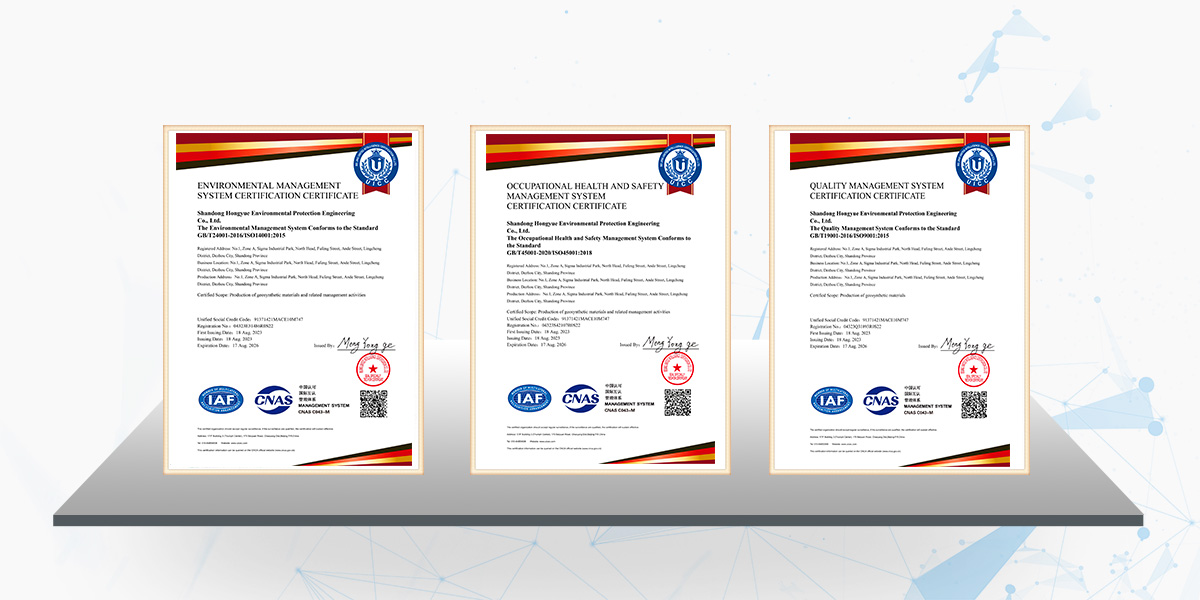
At Shandong Hongyue, quality is built into our entire manufacturing process. Our facility maintains three major international certifications: ISO9001 (Quality Management), ISO14001 (Environmental Management), and ISO45001 (Occupational Health and Safety Management).
Our testing laboratory is equipped with precision testing instruments to verify the physical properties, chemical resistance, and long-term durability of our products. Every production run is tested to ensure it meets or exceeds national and international standards. Our materials are also audited and verified by independent, third-party testing centers to confirm full compliance with CE standards.
This commitment to quality has earned the company multiple awards, including honors for "Green Building Materials" and "China Famous Brand." It reflects our focus on delivering reliable, long-term geosynthetic solutions to our partners worldwide.
Understanding the next generation of geosynthetics, from smart sensors to sustainable, carbon-neutral materials.
Future engineering projects will increasingly use geotextiles with integrated fiber-optic and conductive sensors. These smart geotextiles can monitor internal soil stress, detect temperature shifts, and identify localized leaks in real-time, allowing operators to address issues before structural damage occurs.
To reduce carbon footprints, research is focusing on bio-based polymers and high-performance recycled plastics that match the durability of virgin resins. Developing these materials is key to meeting international green building standards and environmental goals.
New chemical formulations are improving the resistance of geotextiles to extreme temperatures, high salinity, and acidic environments. These advancements help extend the service life of geosynthetics in challenging conditions like marine applications and chemical storage.
Expert answers to common questions about CE certification, costing, and technical applications.
CE Certification is a mandatory requirement for selling and installing geotextiles in the European Economic Area (EEA). It proves that the fabric has been tested and complies with European safety, environmental, and performance standards (such as EN ISO 13249). It confirms that the manufacturer maintains a consistent Factory Production Control (FPC) system, ensuring the product will perform reliably in functions like filtration, separation, and reinforcement.
The cost is primarily determined by three factors: the type of polymer used (virgin polypropylene vs. polyester), the weight per square meter (g/m²), and the required manufacturing process (needle-punched non-woven, woven, or composite). Additional factors like shipping volume, freight logistics, and certification testing can also influence the final project price.
In typical underground applications where the fabric is protected from direct UV exposure, high-quality, certified geotextiles are designed to last between 50 and 100 years. The actual lifespan depends on soil chemistry, moisture levels, and installation quality.
Our manufacturing facility in Dezhou, Shandong Province, is close to major transport hubs. This location allows us to transport goods efficiently to major container ports like Qingdao and Tianjin, helping to reduce international shipping costs.
Non-woven geotextiles are made by bonding fibers mechanically (needle-punching) or thermally. They have high water permeability, making them ideal for filtration, drainage, and protection. Woven geotextiles are made by weaving individual threads together, which gives them high tensile strength and makes them suitable for soil reinforcement and stabilization projects.
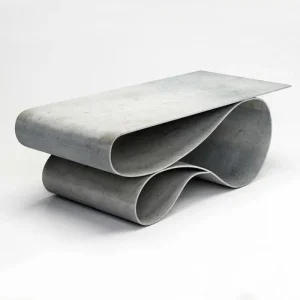
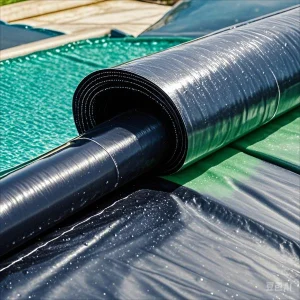
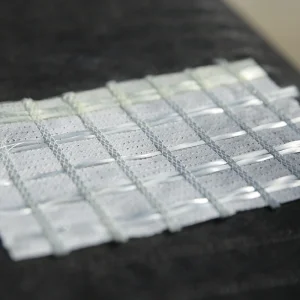
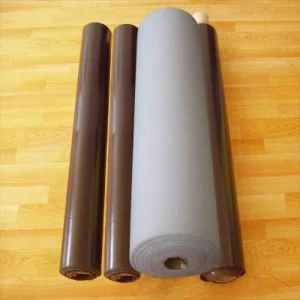
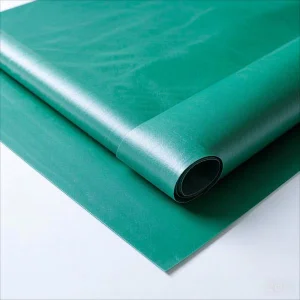
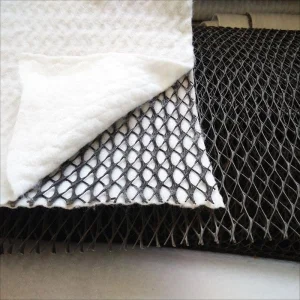
From high-performance concrete canvases to specialized drainage systems, our products are engineered for challenging construction and environmental projects.
 Hongyue