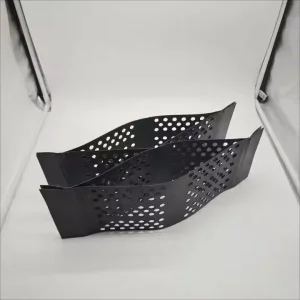
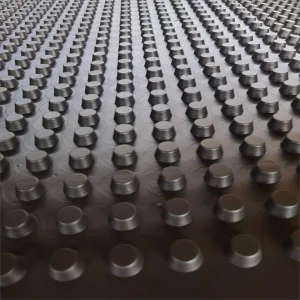
Providing certified, high-performance geosynthetic separation & filtration membranes for global infrastructure, engineered to rigorous European Standards.
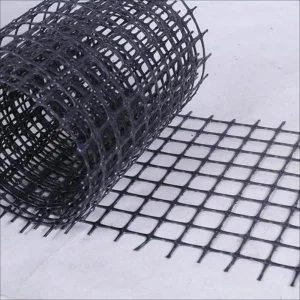
Explore our core engineering catalog including geotextiles, geomembranes, and specialized reinforcement grids.
An in-depth look at how needle-punched nonwovens are stabilizing modern infrastructure and meeting stringent regulatory guidelines.
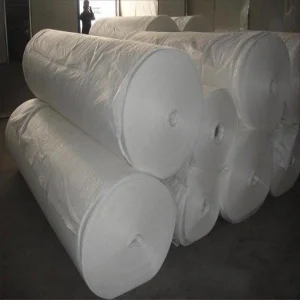
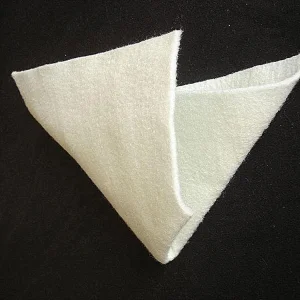
Within the civil and geotechnical engineering sectors, the 130g/m² (grams per square meter) weight class represents a critical balance between hydraulic permeability and mechanical robustness. As a needle-punched nonwoven fabric, typically constructed from high-grade Polyester (PET) or Polypropylene (PP) chips, this material acts as a synthetic separator and filter. By preventing soil layers of different particle size distributions from mixing, it maintains structural integrity under dynamic traffic loads.
Global infrastructure investments demand materials that reduce carbon output while ensuring project lifespans exceed 50 to 100 years. CE certification ensures that the 130g/m² geotextile you source meets European Union regulation (EU) No 305/2011 (Construction Products Regulation), validating properties like tensile strength, static puncture (CBR test), dynamic perforation (cone drop), and water permeability normal to the plane.
Roadway and Railway Base Separation: Prevents subgrade clay migration into clean subbase aggregate layers under dynamic wheel loading, preventing rutting and cracking.
Subdrainage and Filtration Systems: Allows water to pass freely normal to the plane while trapping fine particles in drainage channels, retaining wall backfills, and French drains.
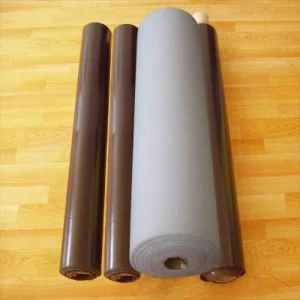
Geomembrane Protection: Acts as a physical cushion layer to prevent stone punctures on high-density polyethylene (HDPE) membranes in landfills and decorative water bodies.
Sourcing engineering materials requires verifiable data. Below is the standard technical specification array expected for CE-compliant 130g/m² polyester nonwoven needle-punched geotextiles:
| Property / Characteristic | Standard Test Method | Target Value | Tolerance Range |
|---|---|---|---|
| Mass Per Unit Area | EN ISO 9864 | 130 g/m² | ±10% |
| Tensile Strength (MD) | EN ISO 10319 | ≥ 7.5 kN/m | -1.0 kN/m |
| Tensile Strength (CMD) | EN ISO 10319 | ≥ 7.5 kN/m | -1.0 kN/m |
| Elongation at Break (MD) | EN ISO 10319 | 40% - 70% | ±15% |
| CBR Puncture Resistance | EN ISO 12236 | ≥ 1.3 kN | -0.2 kN |
| Dynamic Perforation (Cone Drop) | EN ISO 13433 | ≤ 28 mm | +4 mm |
| Water Permeability (VI50) | EN ISO 11058 | 110 l/(m²·s) | -25 l/(m²·s) |
| Characteristic Opening Size (O90) | EN ISO 12956 | 0.08 - 0.12 mm | ±0.02 mm |
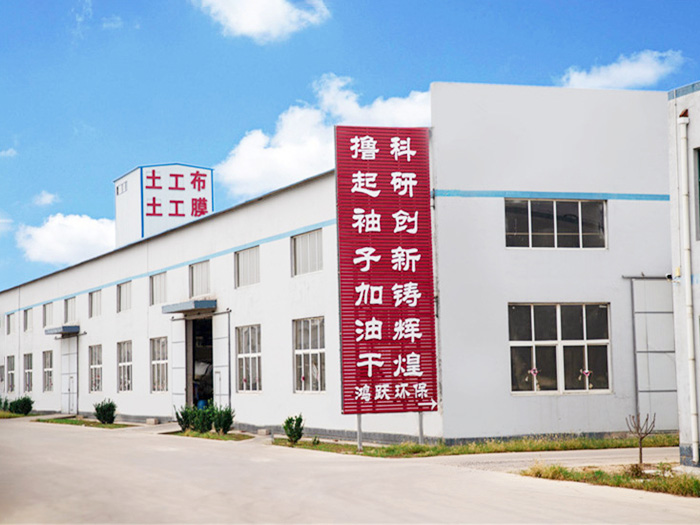
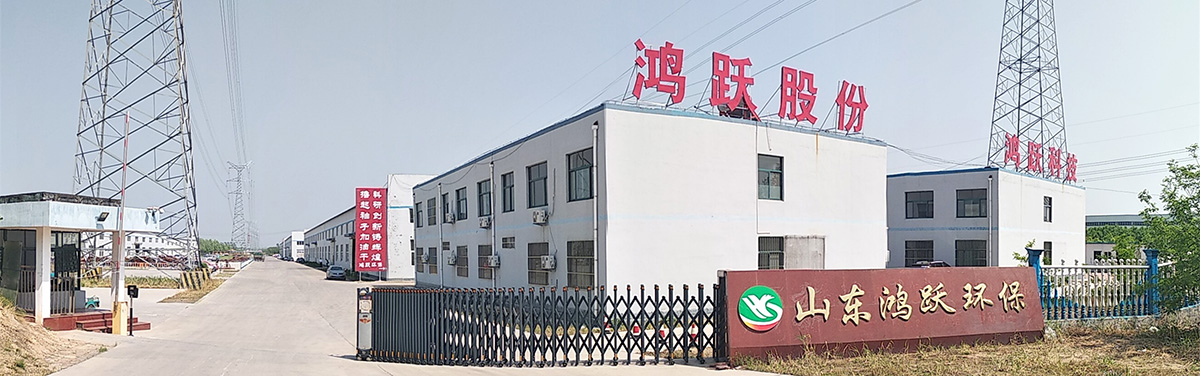
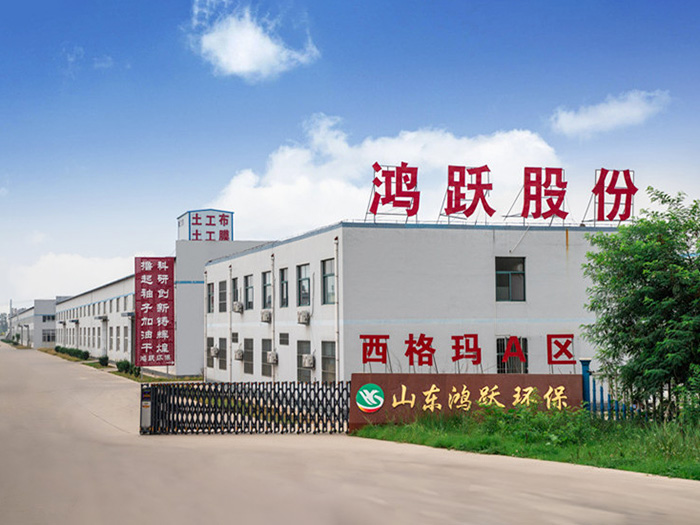
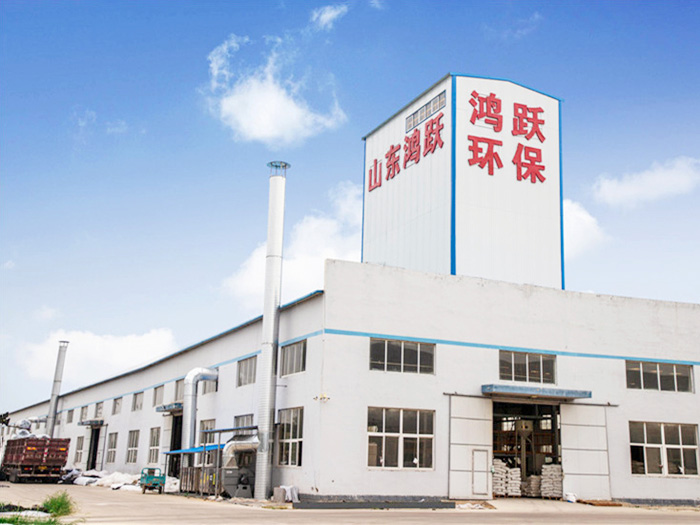
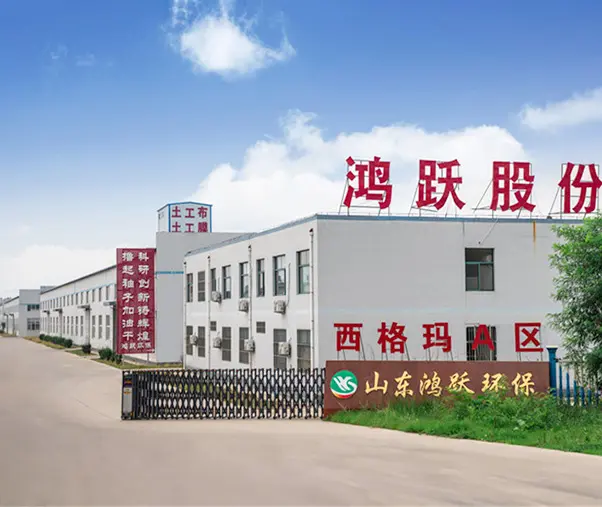
Located at the north end of Fufeng Street, Lingcheng District, Dezhou, Shandong Province, Shandong Hongyue Environmental Engineering Co., Ltd. is a scientific and technological geotechnical material manufacturer integrating engineering material production, sales, design, and construction services. The company was registered in the Lingcheng District Market Supervision and Administration Bureau of Dezhou City on April 6, 2023, with a registered capital of 105 million yuan. We are proud to operate one of the largest production bases of geotechnical materials in China, benefiting from a superior geographical location and highly convenient logistics networks.
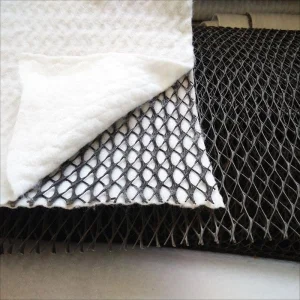
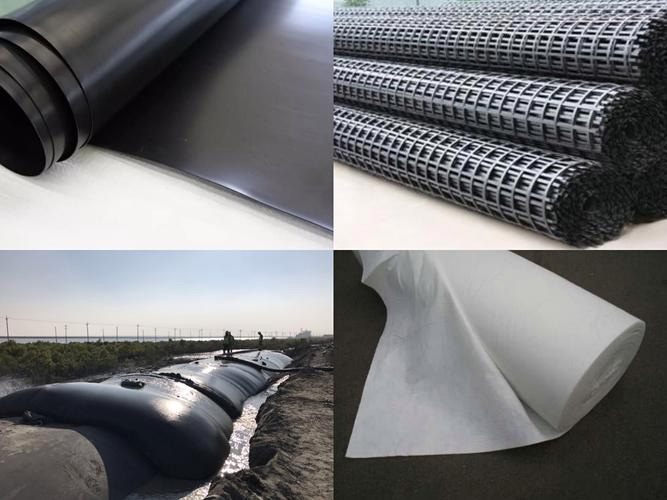
We specialize in manufacturing and distributing a broad array of geosynthetic materials, including geotextiles, geomembranes, composite geomembranes, waterproof boards, bentonite waterproof blankets (GCL), 3D composite drainage networks, (composite) drainage boards, woven and weaving geotextiles, membrane bags, blind ditches, waterproof and drainage combinations, woven bags, ecological bags, cement blankets, fiber plant blankets, and flexible pervious pipes.
Our organization is a member in good standing of the Dezhou Geotextile Association. Supported by a professional sales and technical team, our products are widely utilized in highways, railways, bridges, tunnels, water conservancy canals, artificial lakes, environmental protection, aviation, mining, and agricultural developments.
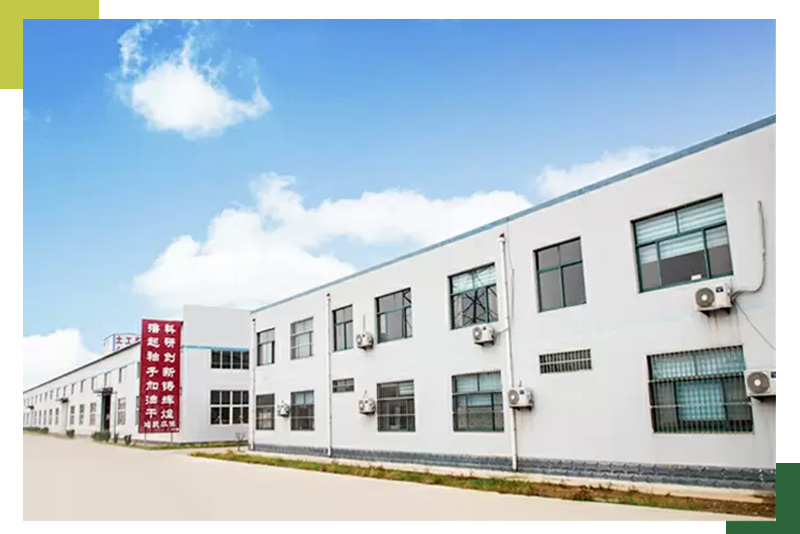
Through robust technical capability and rich on-site construction experience, Shandong Hongyue undertakes diverse civil containment and anti-seepage projects. We have standardized our construction sites, upgraded raw material checks, and trained professional field crews to integrate engineering supply with after-sales support. We adhere to the core philosophy: "customer-centered, innovation as a means, and survival through quality," striving to build the "Shandong Hongyue" brand into a global emblem of reliability.
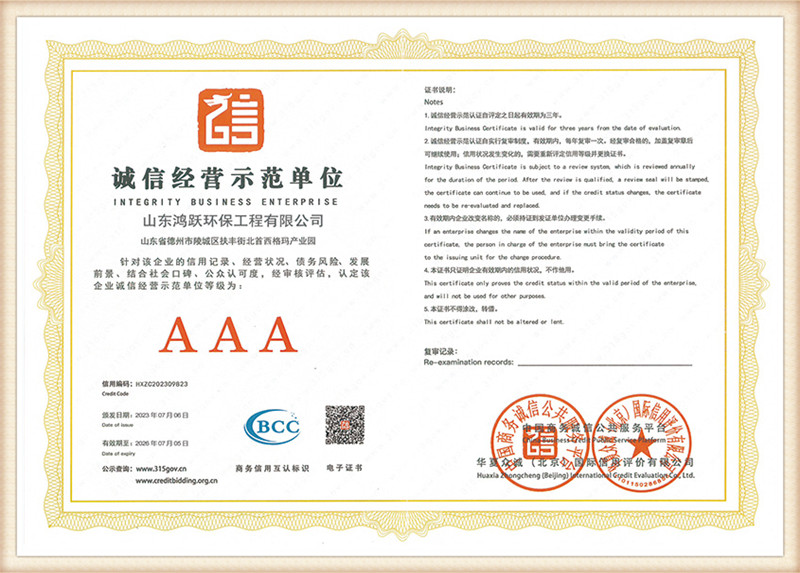
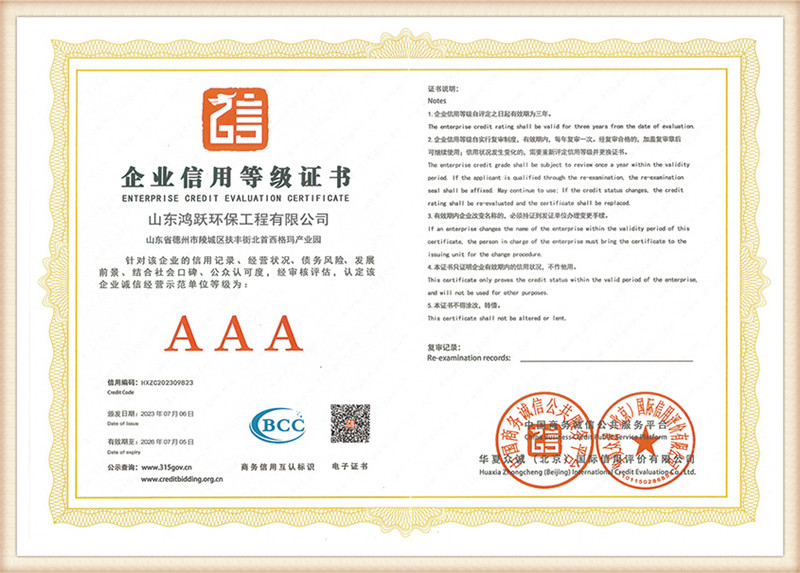
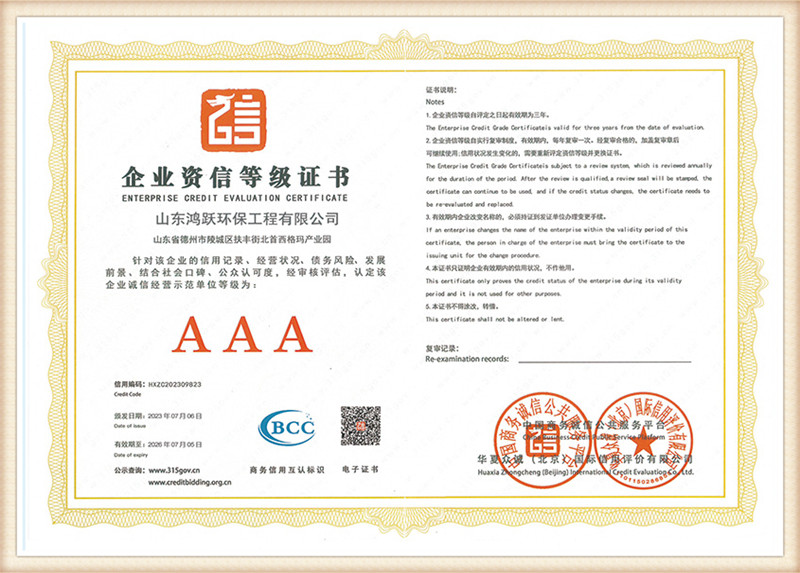
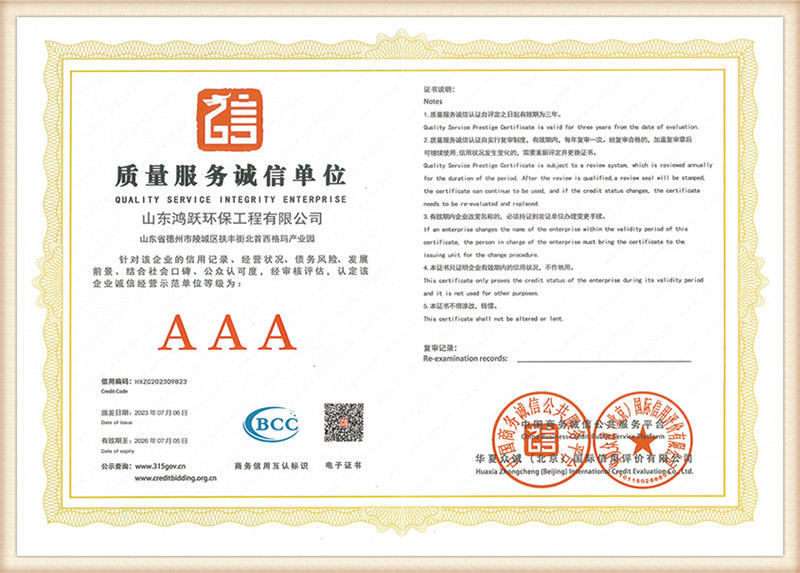
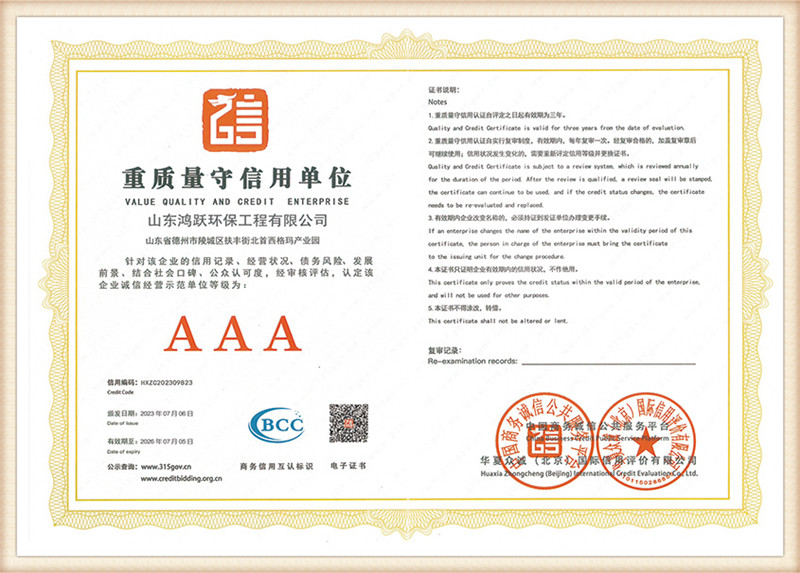
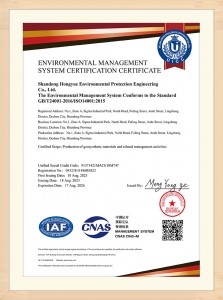
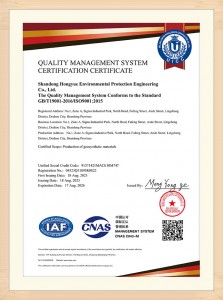
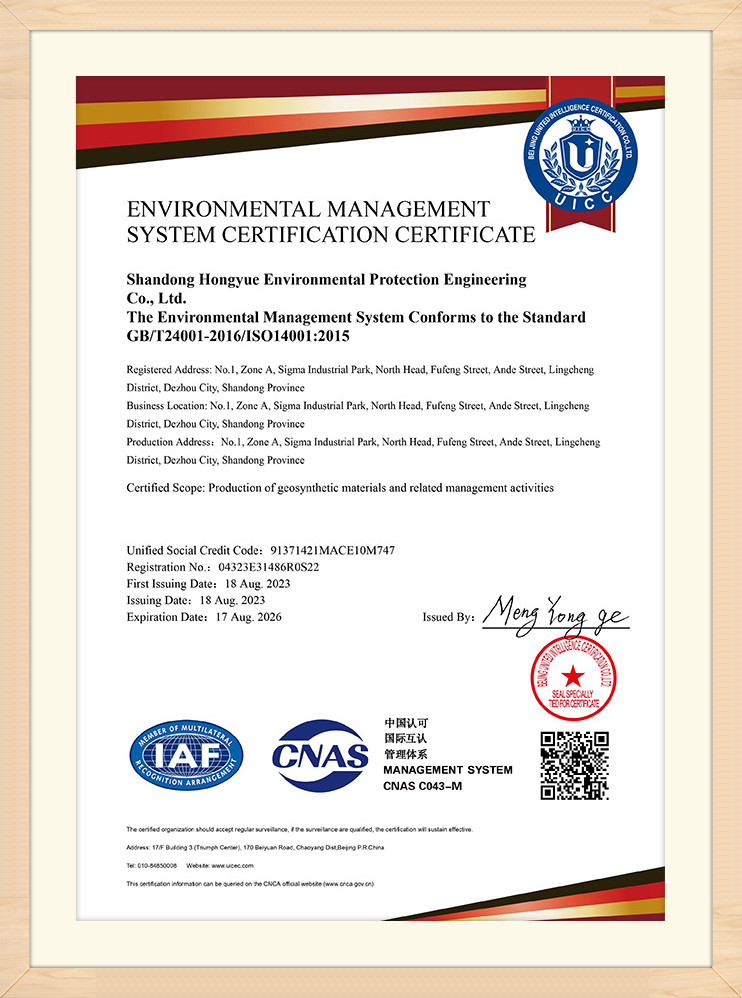
To support global supply chains, our company has passed ISO9001 international quality system certification, ISO14000 environmental system certification, and ISO45001 occupational health and safety management certification. The company has won multiple honors, including "Green and Environmentally Friendly Building Materials Products", "No Consumer Complaints", "Famous Chinese Brands", "High-Tech Industries", and "Quality Service Double Excellent Units". We maintain sales offices in over 40 major cities like Shanghai and Beijing, with overseas exports shipping to Europe, the United States, Australia, and Southeast Asia.
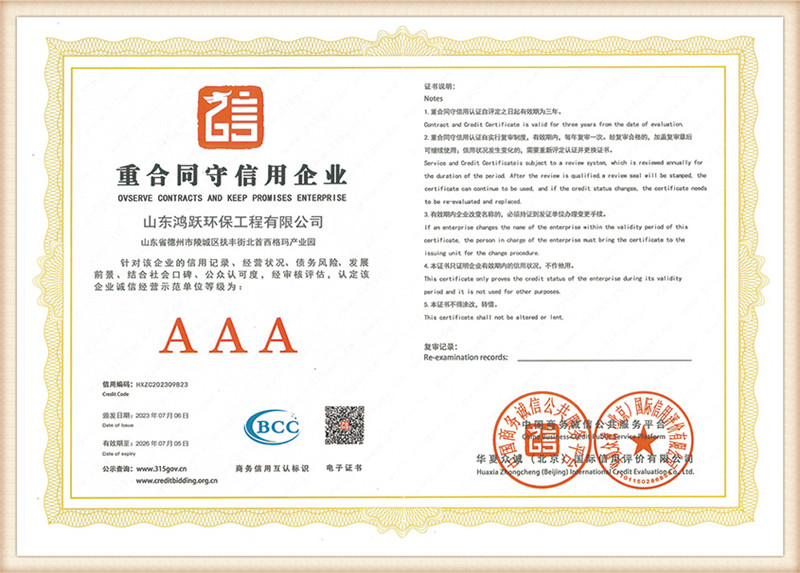
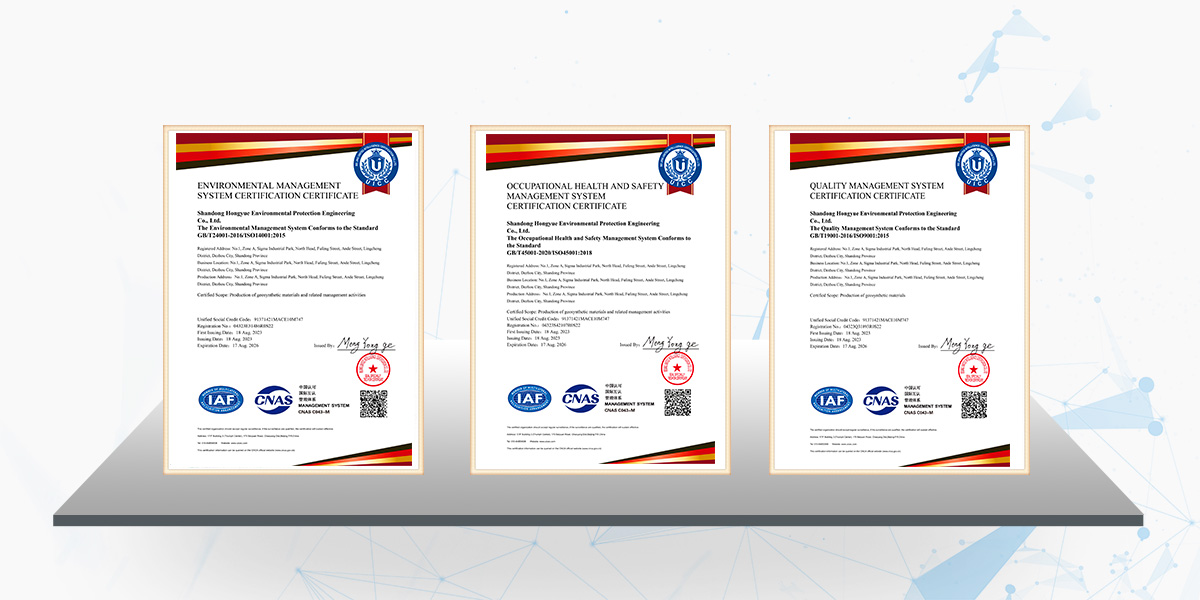
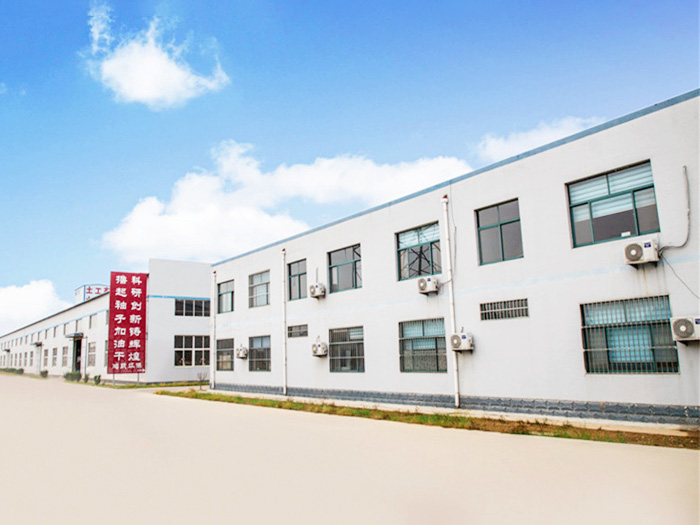
Walk through our Dezhou production facility. We ensure precision from raw polymer materials to standard packaged rolls.
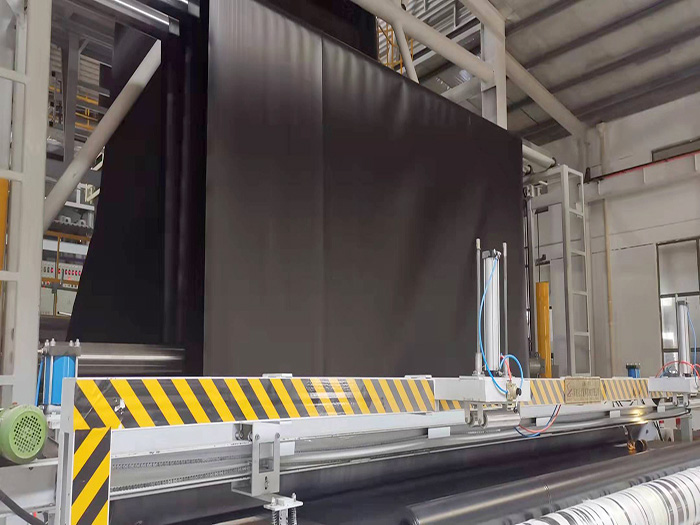
High capacity storage silos and automated feeding lines feed our extruder systems.
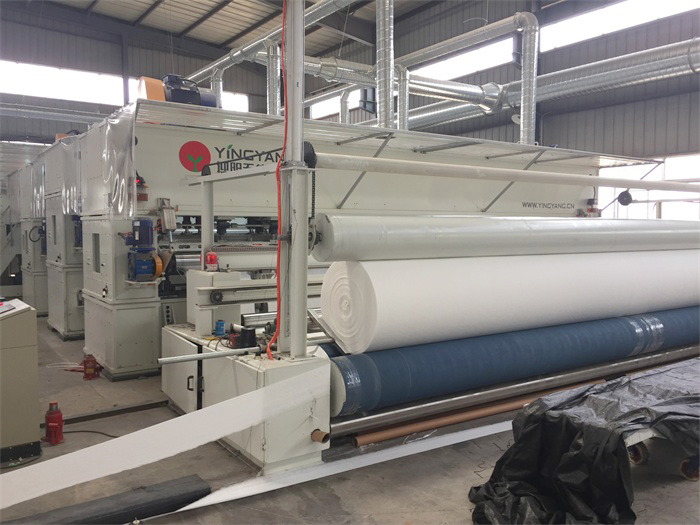
Multiple needle-punch passes mechanically lock fibers together to achieve 130g/m² density.
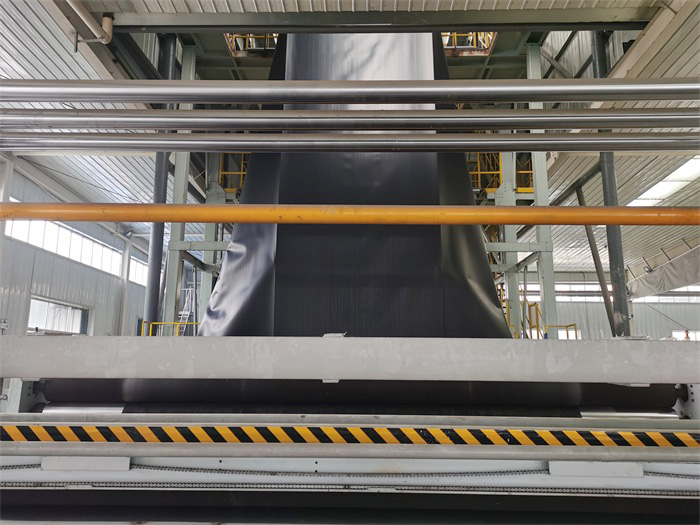
Maintains edge precision and uniform roll widths as specified by international orders.
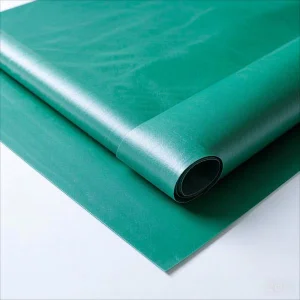
High capacity blow lines generate wide geomembranes for landfill and agricultural applications.
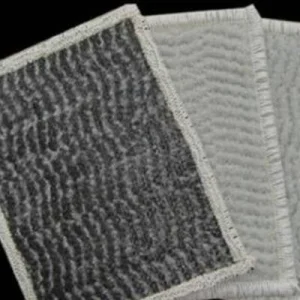
Stitches natural sodium bentonite between woven and nonwoven geotextiles for active hydraulic containment.
Keeps high volume stock dry, labeled, and wrapped for immediate sea shipping.
Rolls are secured into maritime containers for international export destinations.
Real-time feed rate and density tracking ensure consistency across every run.
Engineers audit physical properties before releasing goods for shipment.
A step-by-step breakdown of how raw polymer materials are transformed into durable, CE-certified geotextile membranes.
High-grade virgin or recycled polyester (PET) chips and polypropylene (PP) staple fibers are inspected and categorized to ensure clean raw materials free from impurities, protecting the geotextile’s tensile performance.
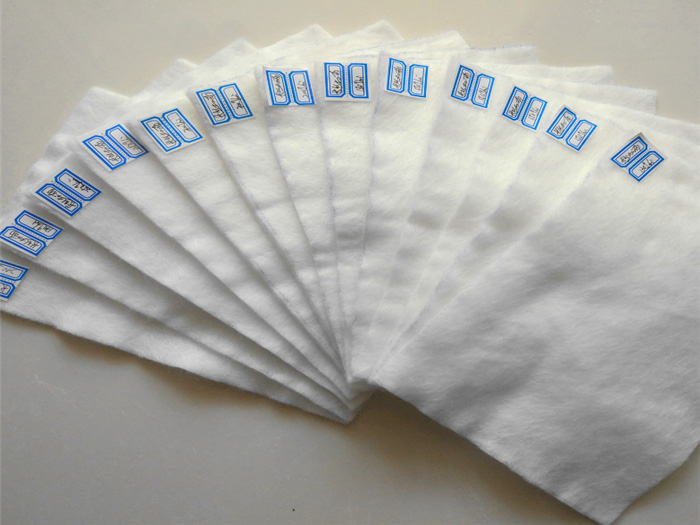
Fibers are processed through automated opening equipment to loosen clumps. High-speed blending chambers mix the batch to establish uniform density and color distribution across the material.
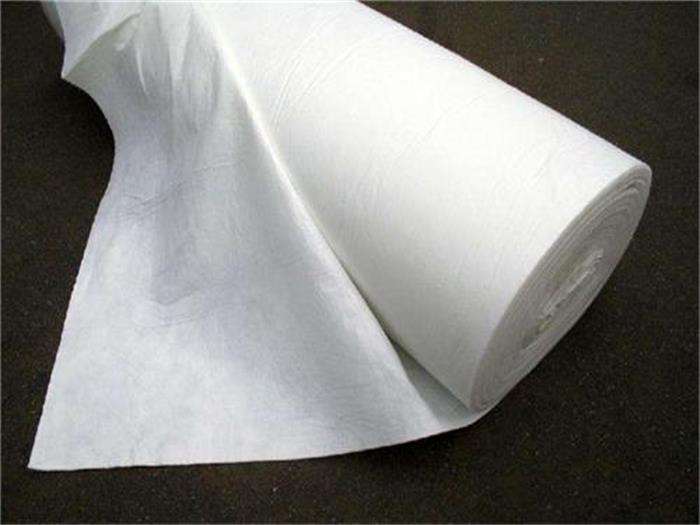
Carding machines align fibers into a fine web, and cross-lappers overlay several layers to achieve the 130g/m² target weight. Heavy needle-punch machines consolidate the layers mechanically.
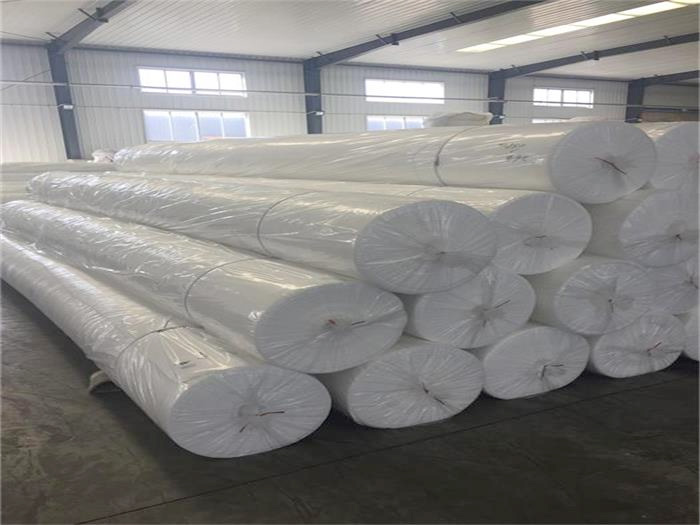
The consolidated web is drafted to orient the fibers for balanced machine and cross-machine direction tensile strength. Optional thermal rollers apply light surface bonding when requested for specific project sites.
Industrial blades slice the edges to precise widths (ranging from 1m to 6m). The geotextile is wound tightly onto cardboard cores, wrapped in protective UV-resistant film, and labeled for tracking.
Samples are drawn from every production batch and subjected to lab tests. We measure tensile strength, CBR puncture resistance, water permeability, and pore size before assigning a release tag.
See how Shandong Hongyue geosynthetics perform in critical public works, ecological restoration, and containment projects.
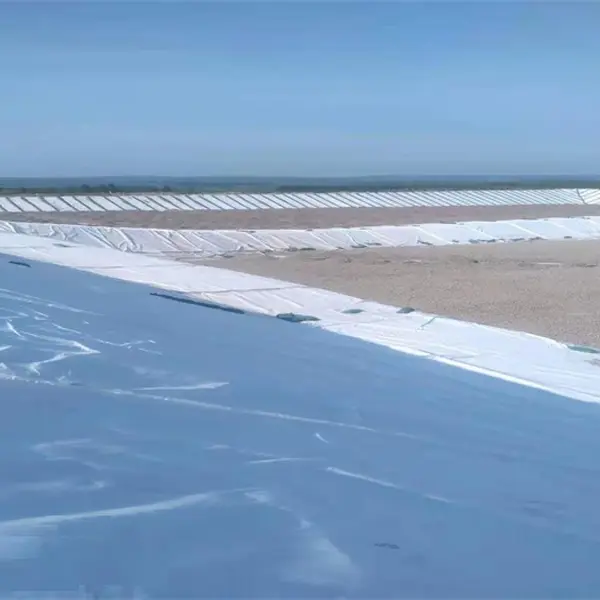
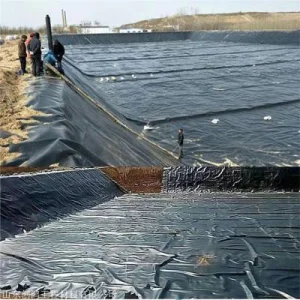
Prevents water loss in reservoirs and transport canals. We pair 130g/m² nonwovens with HDPE geomembranes to cushion and protect against sharp base gravels under hydraulic pressure.
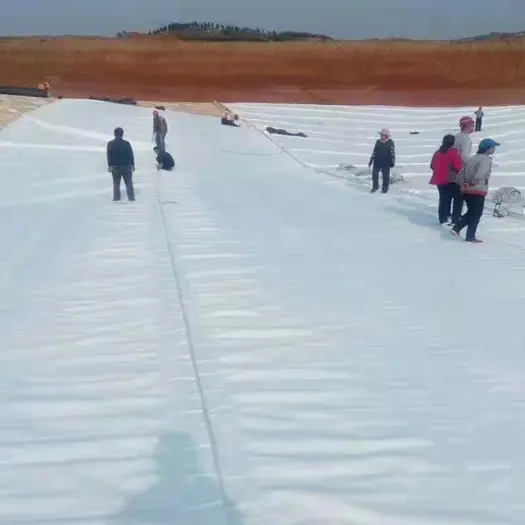
Protects banks and canal beds from erosion. Permits natural water passage through slopes while locking soil particles behind the lining, avoiding embankment instability.
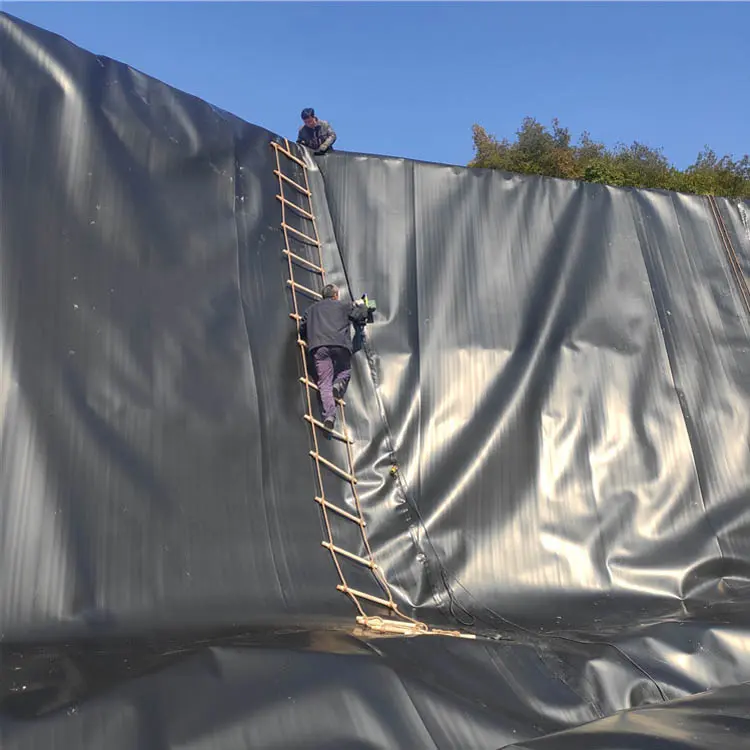
Used in municipal landfills and mining tailing containment ponds. Provides a high-permittivity drainage medium to channel leachate out of the base layer while preserving geomembrane integrity.
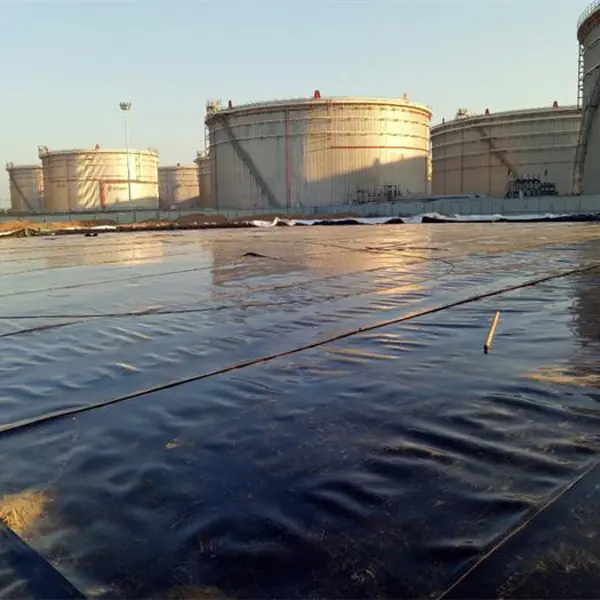
Implements barrier systems in fuel depot areas. Protects local groundwater reserves from fuel leaks and chemical run-offs, matching rigorous environmental safety standards.
Proper on-site preparation, placement, and anchoring are essential to achieving the designed life of geosynthetic systems.
A geosynthetic barrier is only as strong as its weakest seam. To ensure performance on-site, follow this protocol:
All finished products are tested to ensure they meet and exceed national and international standards.
Every kilometer of geotextile manufactured at our Dezhou plant is logged and sampled. Our testing program is structured in compliance with ISO9001 and CE requirements, utilizing calibrated equipment to run the following tests:
A closer look at how multi-layer geosynthetic barrier systems behave under dynamic hydraulic pressures.
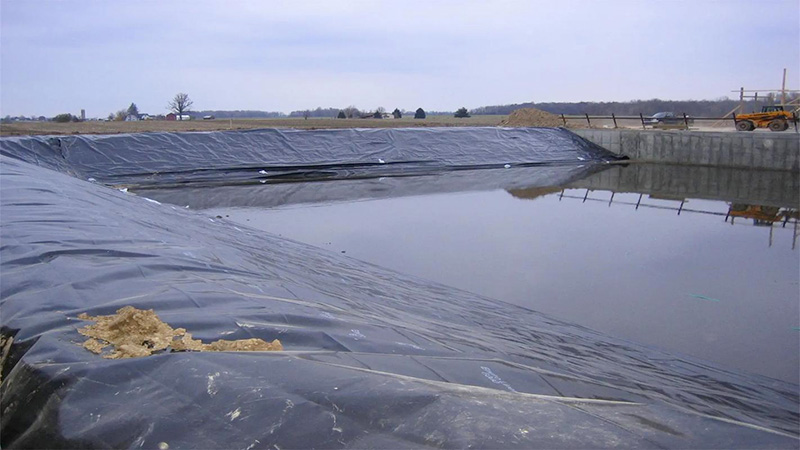
Applying composite lining structures prevents water loss in irrigation systems. By protecting the underlying geomembrane from soil friction, 130g/m² geotextiles extend service life to 50+ years.
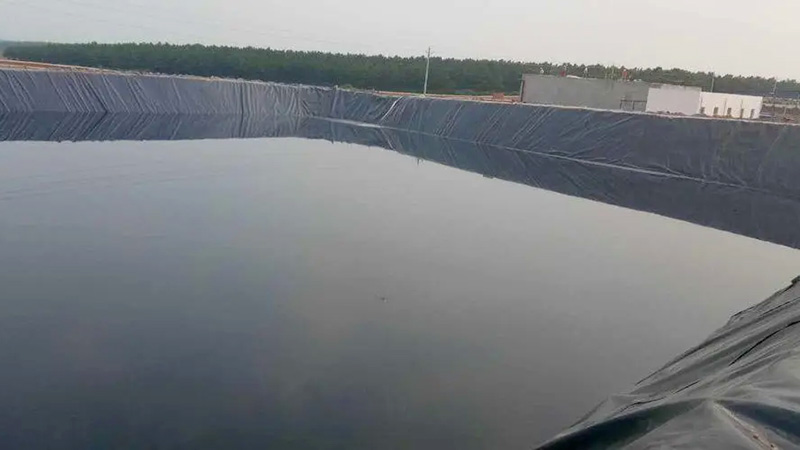
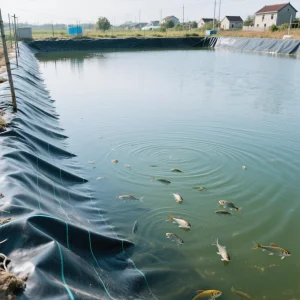
Protects artificial water storage structures. Combining impermeable geomembranes with puncture-resistant geotextile cushions prevents leakage through joints in rocky substrates.
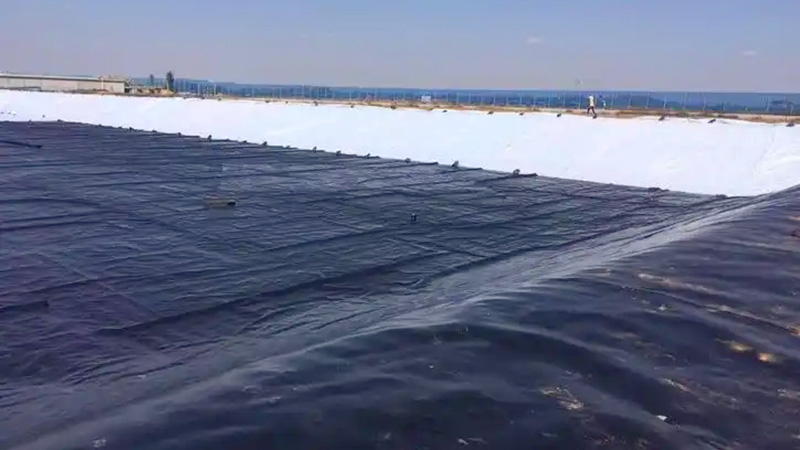
Nonwoven needle-punched geotextiles stabilize watercourse banks. They allow groundwater drainage while keeping soil particles in place, avoiding erosion during flood events.
The future of geosynthetics lies in circular polymers, improved UV performance, and smart monitoring systems.
To reduce dependence on fossil fuel feedstocks, Shandong Hongyue is exploring bio-based polymers (like PLA-co-PET) and high-consistency PCR (Post-Consumer Recycled) polymers. These alternative formulations maintain the tensile strength and CBR performance of standard virgin polymers while reducing the material's overall carbon footprint.
Standard polypropylene and polyester nonwovens degrade when exposed to sunlight. To address this, our research focuses on adding specialized HALS (Hindered Amine Light Stabilizers) and carbon black additives to our formulations, extending safe UV exposure times for open applications like slope stabilization.
Integrating fiber optic cables and conductive polymers directly into geotextiles during the needle-punching process allows real-time monitoring of strain, temperature, and moisture levels in large projects like dams and high-speed rail lines, warning operators of potential structural shifts before they occur.
Improving pore geometry distribution helps prevent clogging in environments with fine silt or clay particles. By modeling water passage in 3D, we can manufacture customized nonwoven structures that maintain long-term flow capacity even in challenging soil conditions.
Clear, direct answers to common questions about CE certification, shipping logistics, customization, and quality testing.
Yes, our 130g/m² nonwoven needle-punched geotextiles are CE-certified, complying with the EU Construction Products Regulation (CPR 305/2011). We provide a Declaration of Performance (DoP) and CE mark labels indicating tested mechanical and hydraulic characteristics (EN ISO 10319, EN ISO 12236, and EN ISO 11058).
Polyester (PET) geotextiles offer high tensile strength, excellent resistance to thermal degradation, and good long-term creep performance at a cost-effective price point. Polypropylene (PP) geotextiles are lighter, provide excellent chemical resistance in highly alkaline soils (pH > 9), and offer superior puncture resistance under mechanical stress.
Yes. While our standard roll width is 5.8m or 6.0m (designed for shipping containers), we can slit rolls to custom widths from 1.0m to 6.0m. Roll lengths can also be adjusted (typically 50m to 200m) to fit your project's layout, helping minimize overlapping waste and installation time.
For standard 130g/m² geotextile, our typical MOQ is 5,000 square meters. Standard orders are dispatched within 10 to 15 business days from our Dezhou factory to Qingdao port, with shipping times varying based on the destination port.
We operate under a registered capital of 105 million yuan and use advanced double-beam needle-punching production lines. Our quality management system is certified to ISO9001, ISO14001, and ISO45001, and we run regular in-house laboratory checks for weight, thickness, tensile strength, and puncture resistance on every batch.
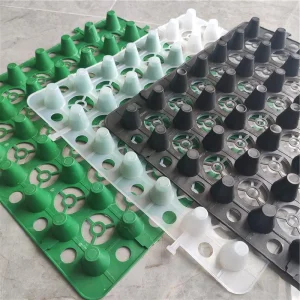
Complete your project requirements with our extensive line of drainage networks, geocells, and waterproofing options.
 Hongyue