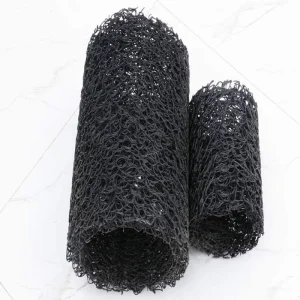
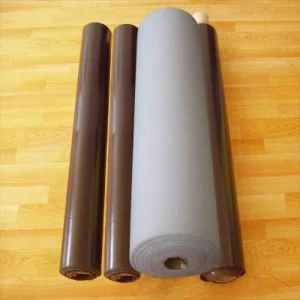
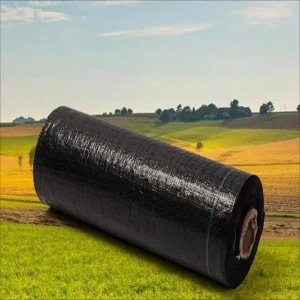
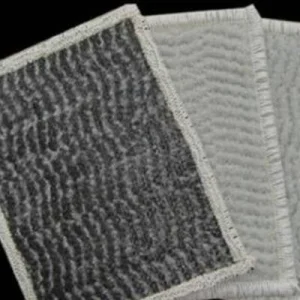
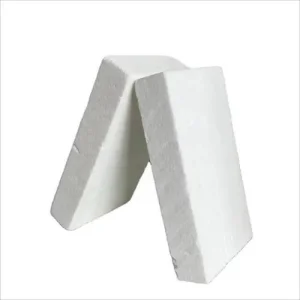
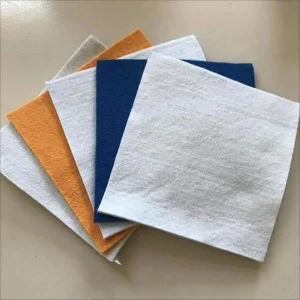
Explore our foundational range of CE-certified geotech fabrics, membranes, and drainage solutions designed to withstand extreme geotechnical stresses.
The global demand for high-performance geotechnical materials is experiencing unprecedented growth, driven by massive infrastructure upgrades, stringent environmental protection regulations, and a shift toward sustainable civil engineering practices. Among these solutions, geotech fabrics—encompassing non-woven geotextiles, woven filtration mats, reinforcement geomembranes, and geocells—stand at the forefront of structural stability, environmental containment, and hydraulic efficiency.
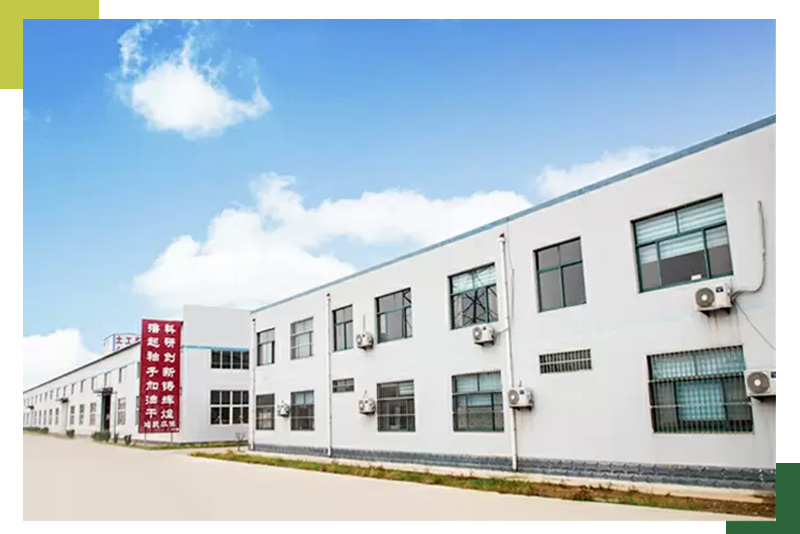
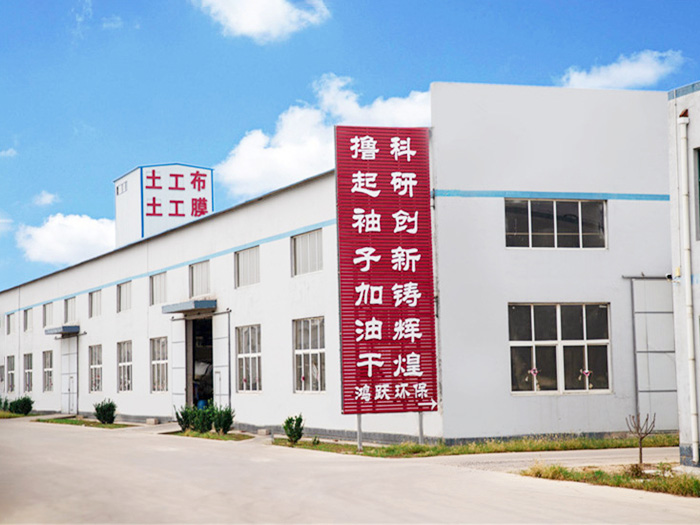
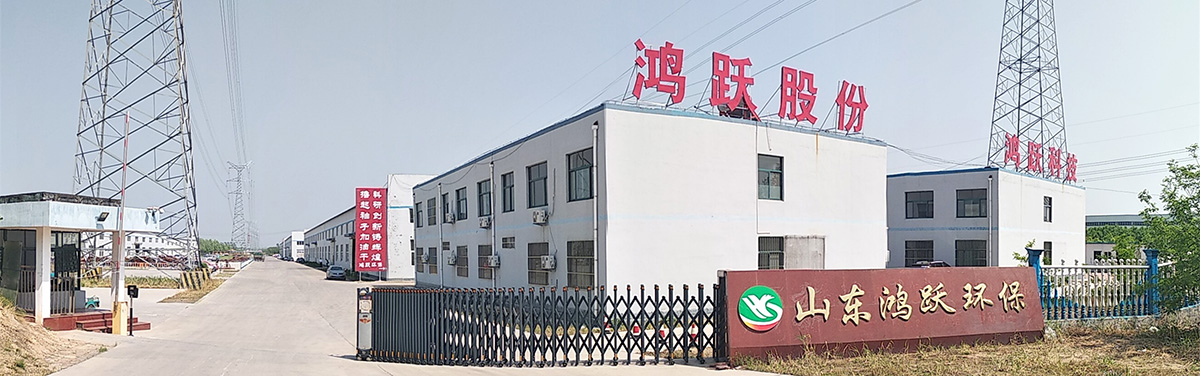
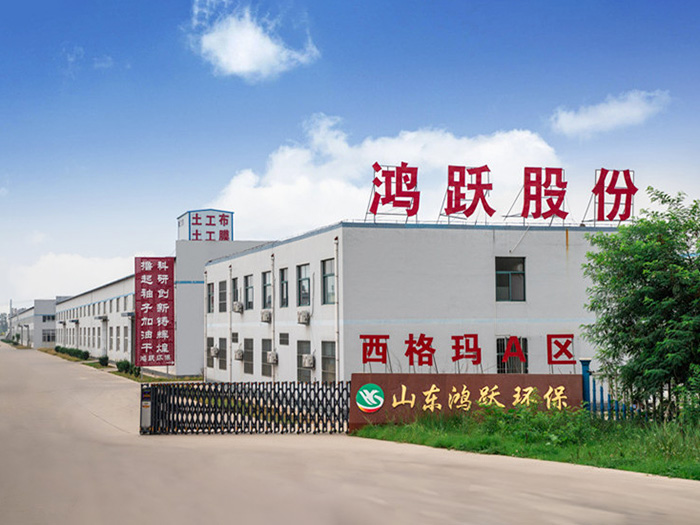
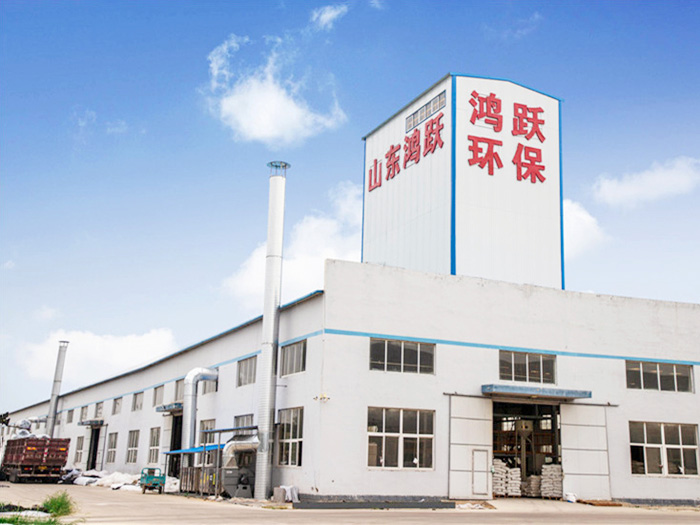
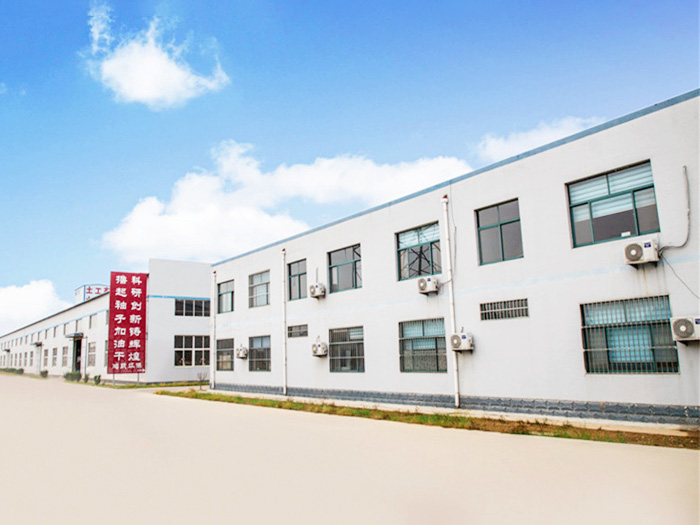
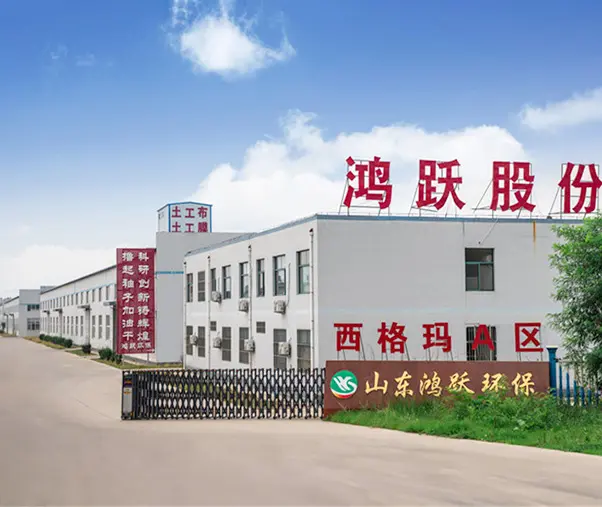
As a leading authority in geotechnical manufacturing, Shandong Hongyue Environmental Engineering Co., Ltd. integrates engineering material production, sales, design, and construction services. Registered with a capital of 105 million yuan in Dezhou City, Shandong Province, we represent one of the largest production bases of geotechnical materials in China. Our geographical position guarantees outstanding logistics efficiency, servicing global projects with speed and reliability.
"Geosynthetics serve as the silent skeletal support of modern civil works. Sourcing CE-certified materials ensures compliance with European Union Construction Products Regulations (CPR), directly mitigating structural risks across complex landscapes."
Registered Capital (RMB)
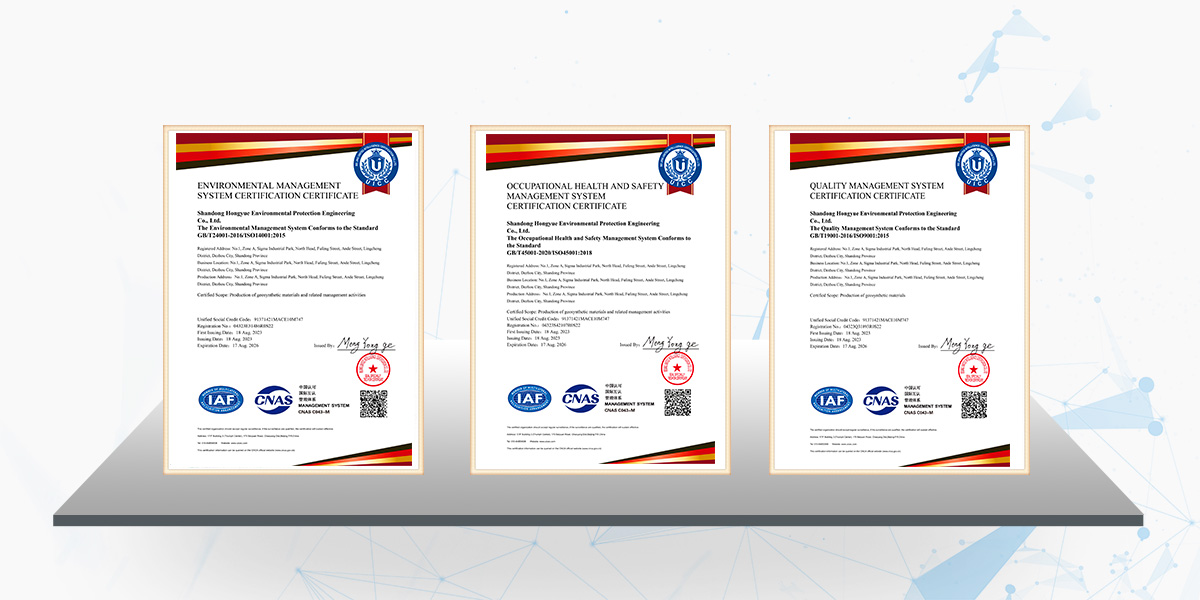
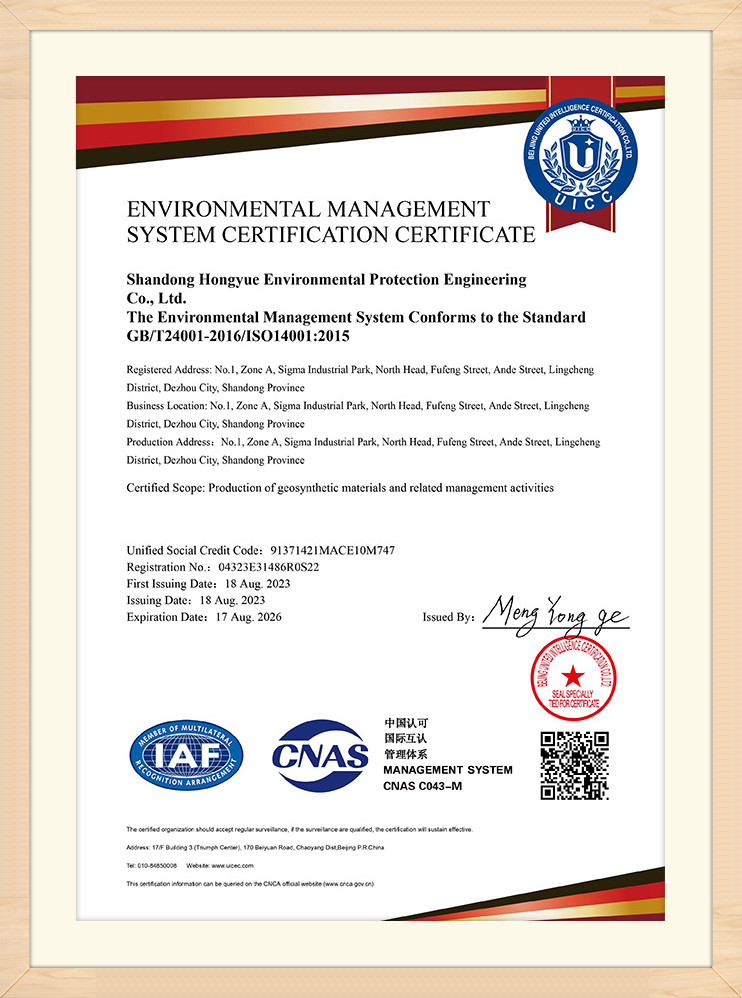
9001, 14000, 45001 Certified
Cities & Global Networks Served
National Quality Sampling Pass
A comprehensive analysis of certification benchmarks, functional engineering parameters, and global pricing mechanics.
CE certification acts as a critical passport for geosynthetic products entering the European Union and other highly regulated international markets. Under the EU Construction Products Regulation (CPR) No 305/2011, geotextiles and geotech fabrics must carry the CE mark, proving they meet harmonized standards such as EN 13249 (for roads), EN 13250 (for railways), EN 13253 (for erosion control), and EN 13254 (for reservoirs and dams). Achieving CE certification requires rigorous third-party auditing of production processes, initial type testing, and a comprehensive Factory Production Control (FPC) system. Sourcing from certified factories eliminates compliance risks for international contractors and ensures project resilience against chemical degradation, UV exposure, and mechanical stress.
Modern engineering demands multi-functional geotech fabrics. The market is shifting from simple barrier materials to advanced composite structures. For example, bentonite waterproof blankets (GCLs), composite drainage nets, and geocells are replacing traditional concrete drainage ditches and gravel filtration layers. This shift reduces carbon footprints, lowers shipping weights, and accelerates construction timelines. In regions experiencing rapid urbanization or severe climate events, these materials provide necessary structural reinforcement, reducing soil erosion and preventing catastrophic failures in steep slope embankments and high-speed rail subgrades.
| Geotech Material Category | Primary Engineering Function | Key Material Composition | Critical Performance Index | Standard Application Domain |
|---|---|---|---|---|
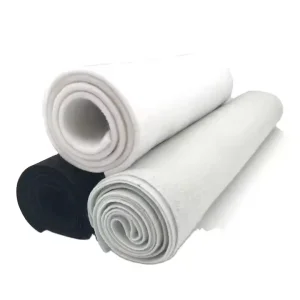
| Polyester / PP Geotextiles | Filtration, Separation & Drainage | Polyester (PET) / Polypropylene (PP) | CBR Puncture Resistance, Permeability | Roadbeds, Railway Ballast, Canals |
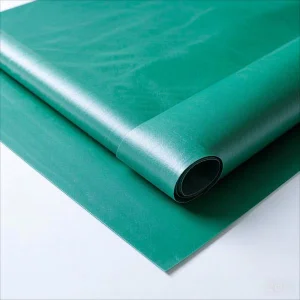
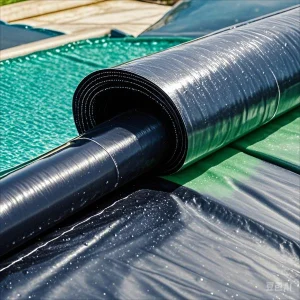
| HDPE/PVC Geomembranes | High-Barrier Impermeability | Polyethylene / Polyvinyl Chloride | Tensile Strength, Tear Resistance | Landfills, Tailings, Chemical Lagoons |
| Polypropylene Geocells | Soil Stabilization & Load Distribution | High-Density Polyethylene / PP | Seam Weld Strength, Cell Wall Height | Slope Erosion Control, Retaining Walls |
| Bentonite Waterproof Blankets | Self-Healing Seepage Barrier | Natural Bentonite & Double Geotextile | Swell Index, Fluid Loss Rate | Basements, Artificial Lakes, Landfills |
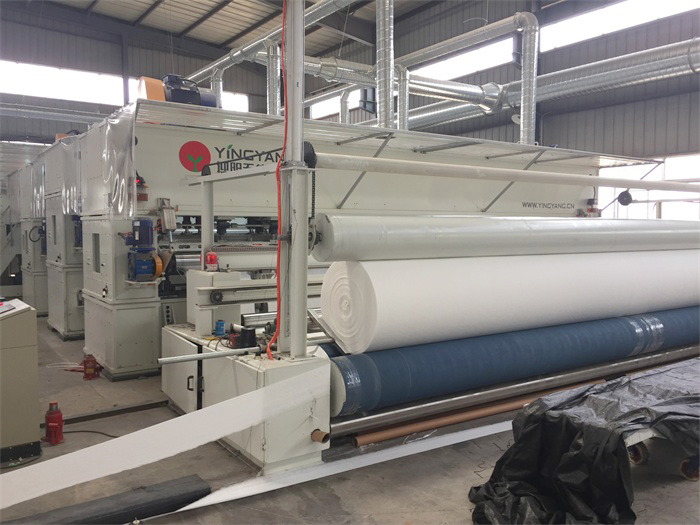
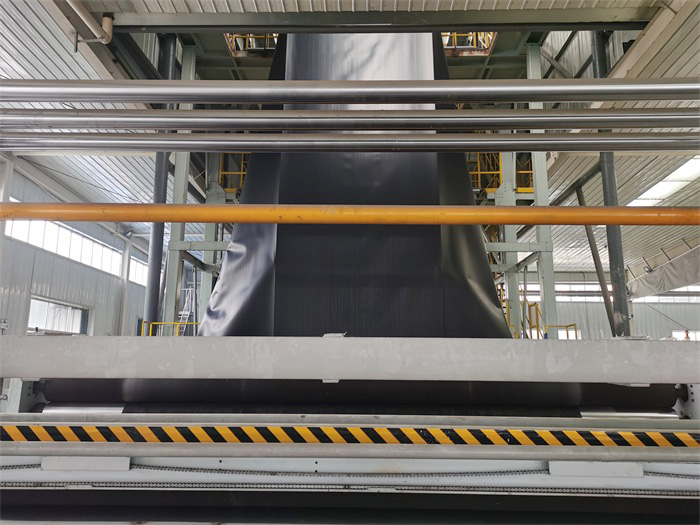
Observe the scientific execution of manufacturing steps, from raw polymer selection to certified roll wrapping.
Strict analysis of polyester chips, polypropylene filament, and viscose fibers. Every batch is tested for quality stability before entering the melt phase.
Screw extruders melt materials under precise temperature and pressure conditions, forming high-uniformity polymeric mixtures.
Extruded fibers are sprayed onto conveyors to create complex web structures, adjusting for density, pore structure, and fiber path.
Mechanical stretching and thermo-bonding align polymer structures, enhancing hydraulic filtration characteristics and tensile strength.
Accurate calibration of roll width, length, and weight before secure packaging to safeguard rolls from environmental damage during transport.
Every lot undergoes lab testing for burst strength, water permeability, and chemical resistance to align with international CE standards.
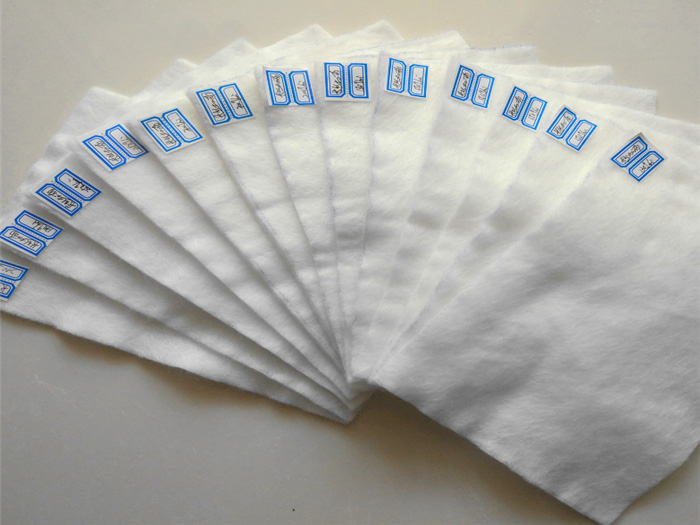
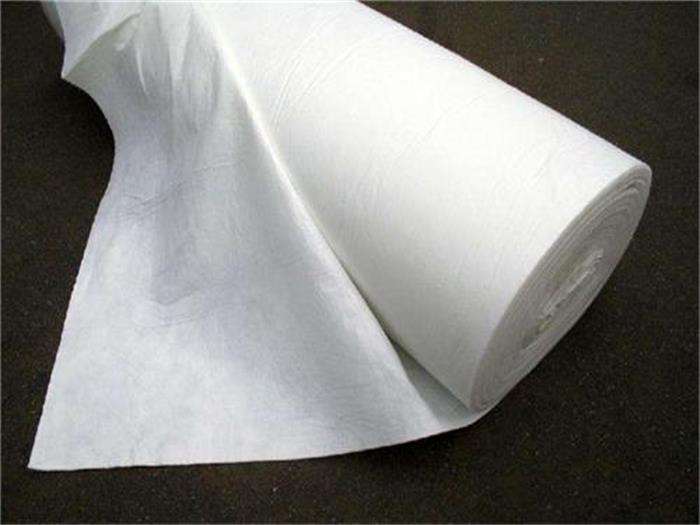
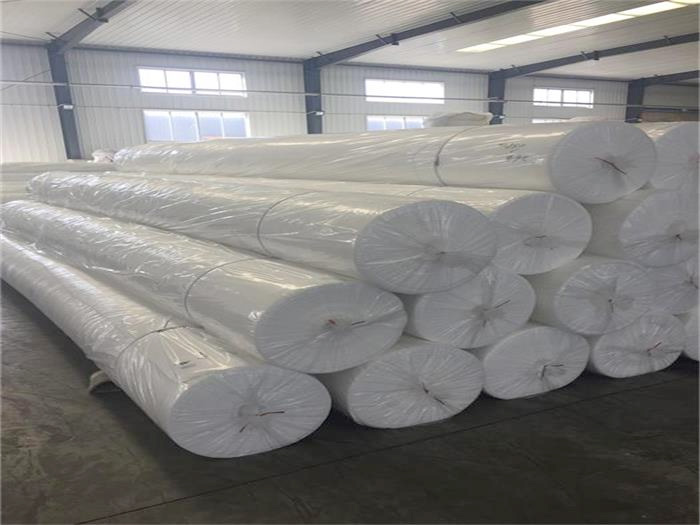
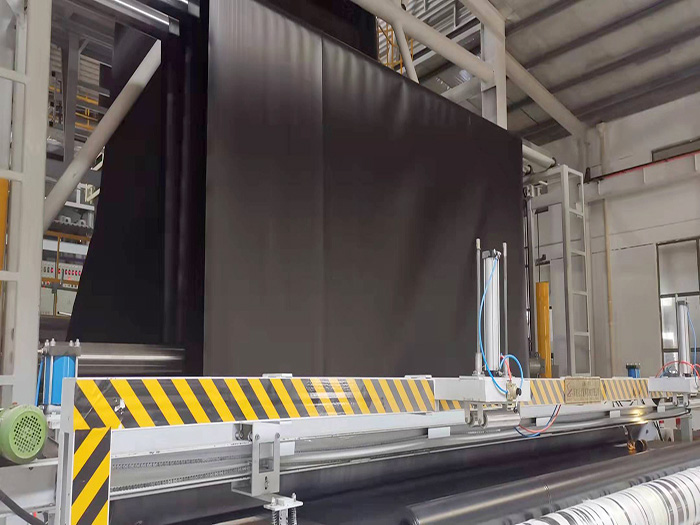
Engineered to resolve geotechnical challenges across structural reinforcing, soil containment, and hydraulic management.
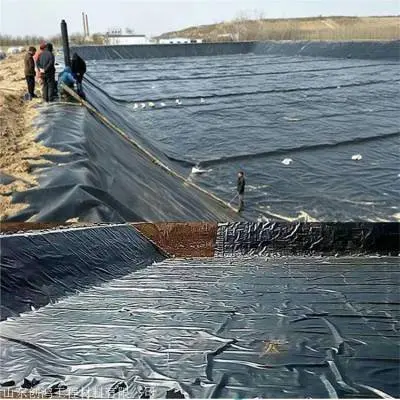
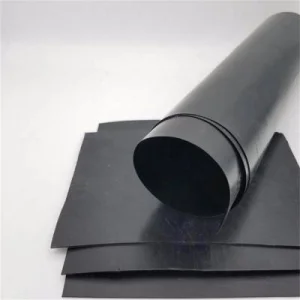
Specially formulated for aquaculture containment, preventing water loss and defending against organic soil contamination.
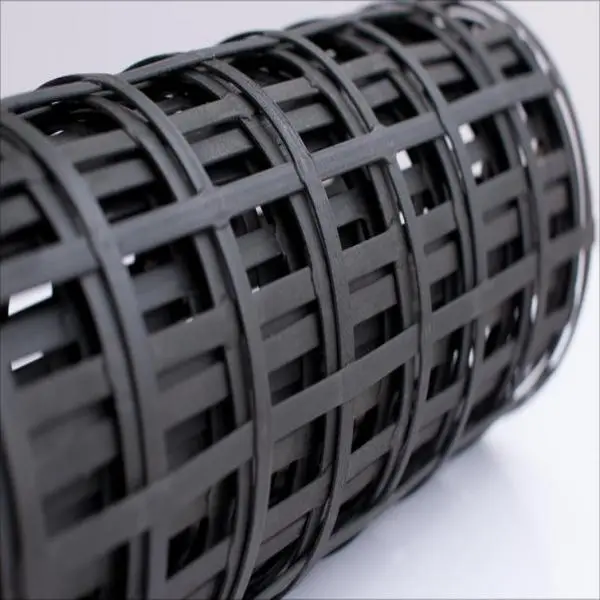
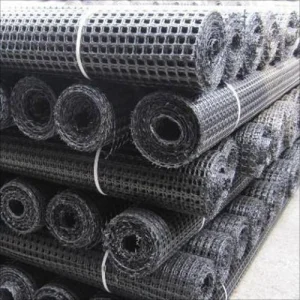
Combining steel strength with plastic chemical resilience for high-strength roadbed and retaining wall reinforcement.
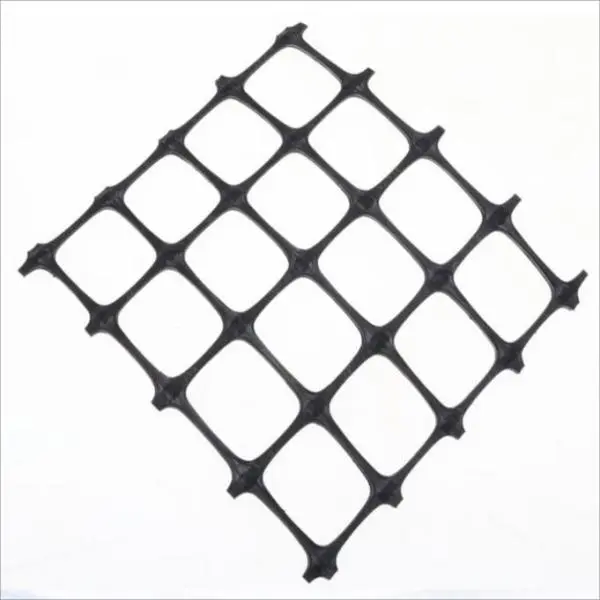
Biaxial and uniaxial formats engineered for structural load distribution, stabilizing loose soils in roadbed structures.
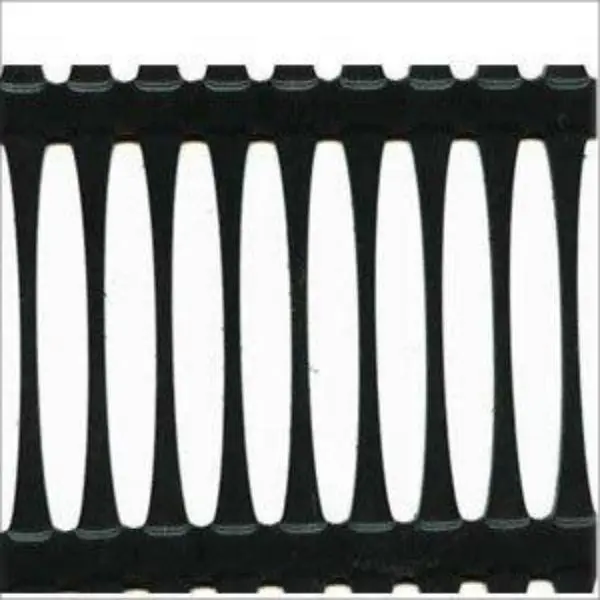
High directional tensile strength for retaining walls, slope containment projects, and structural embankments.
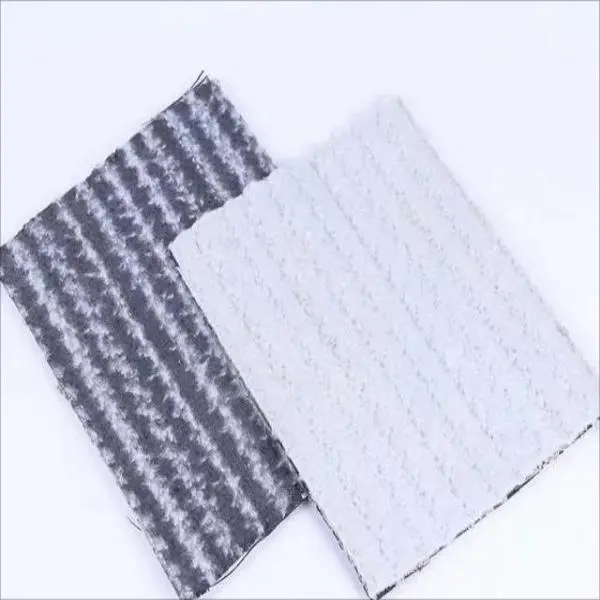
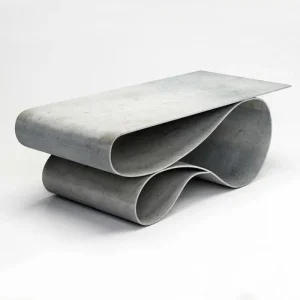
Fast-curing composite concrete canvas engineered for channel lining, slope stabilization, and concrete ditch repair.
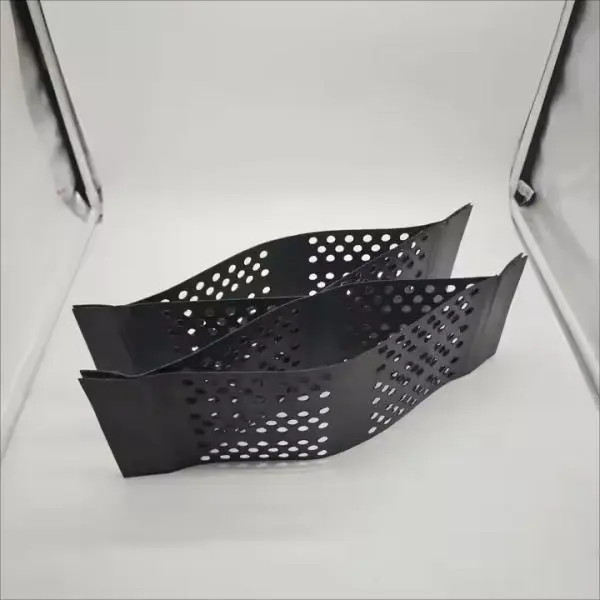
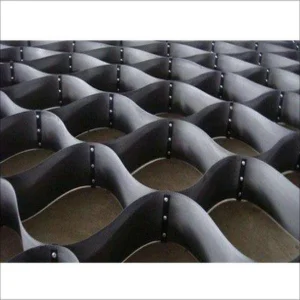
Honeycomb structure confinement system utilizing textured surfaces for high-performance soil stabilization.
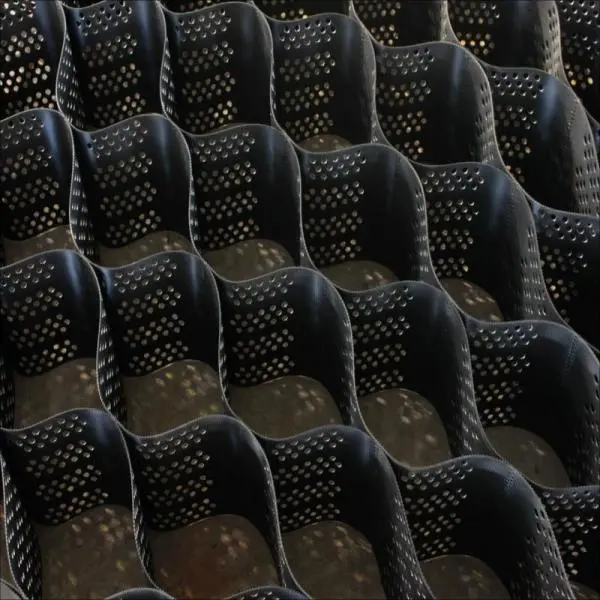
Constructed with high-density polyethylene for durability in demanding soil retention environments.
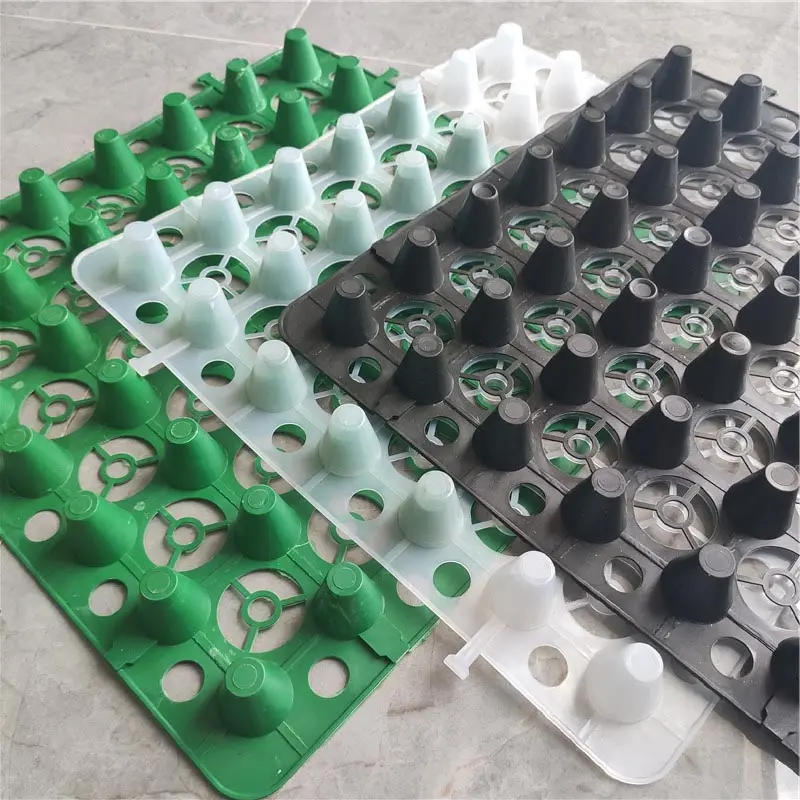
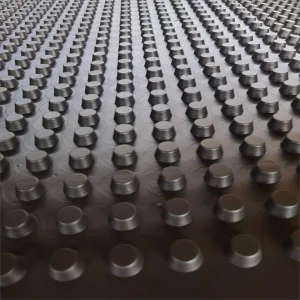
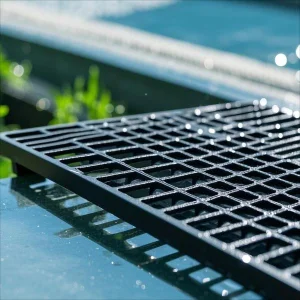
Ensures reliable roof drainage, soil aeration, and water storage in commercial building structures.
Integrated environmental and civil barrier systems engineered for complex landscapes.
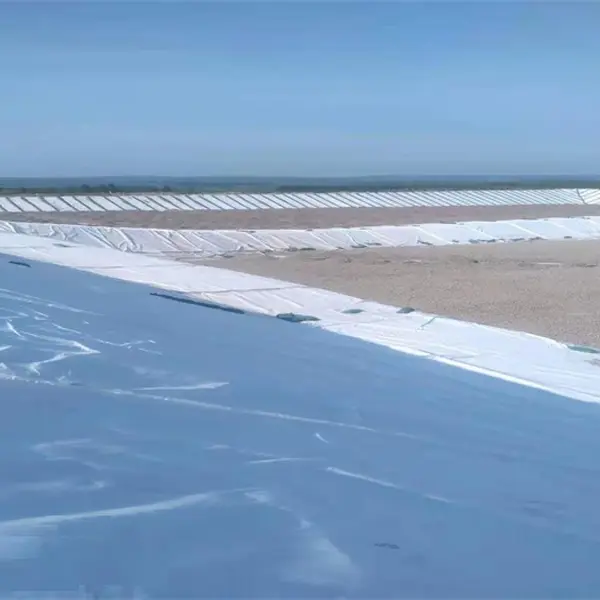
Seepage containment is critical in large dams and reservoirs. Our high-density polyethylene (HDPE) membranes are designed for high puncture resistance and flexible deployment across irregular substrate topographies, ensuring zero-permeability containment.
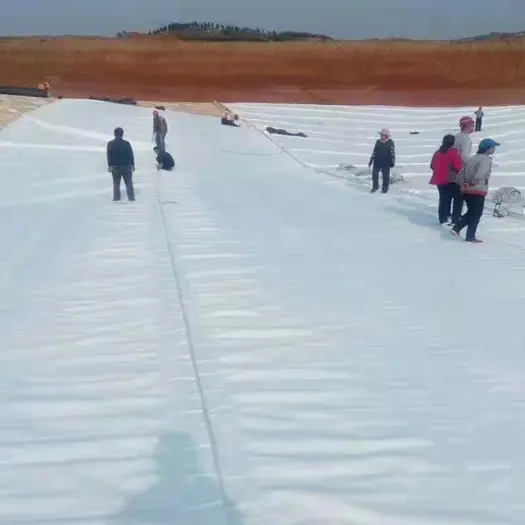
Active rivers and municipal canals demand erosion prevention alongside water conservation. Deploying composite geotextiles protects banks from hydraulic scour while maintaining the necessary subsoil drainage capacity.
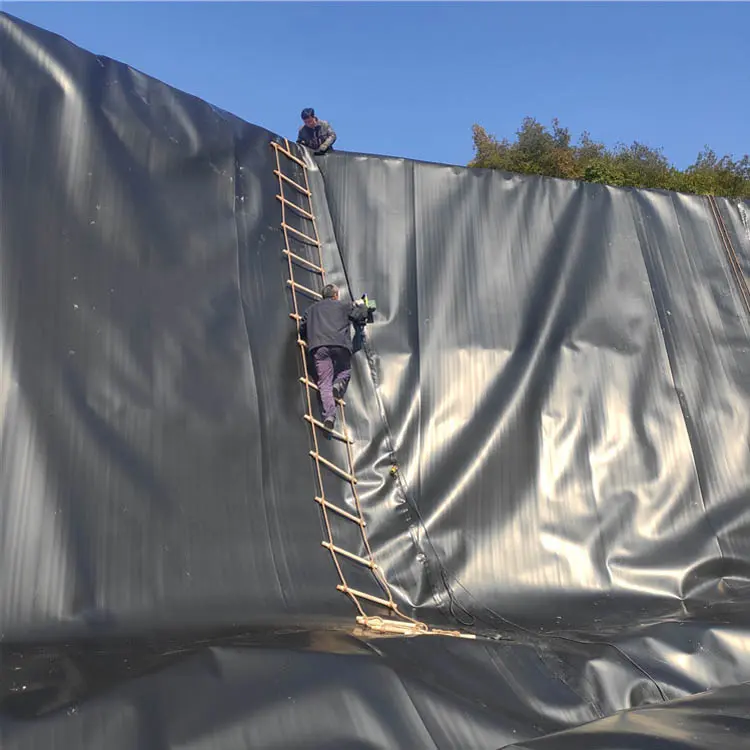
Environmental containment mandates multi-layer composite barrier systems. By layering bentonite clay liners (GCL), drainage nets, and thick HDPE geomembranes, we ensure municipal solid waste leachate cannot contaminate groundwater resources.
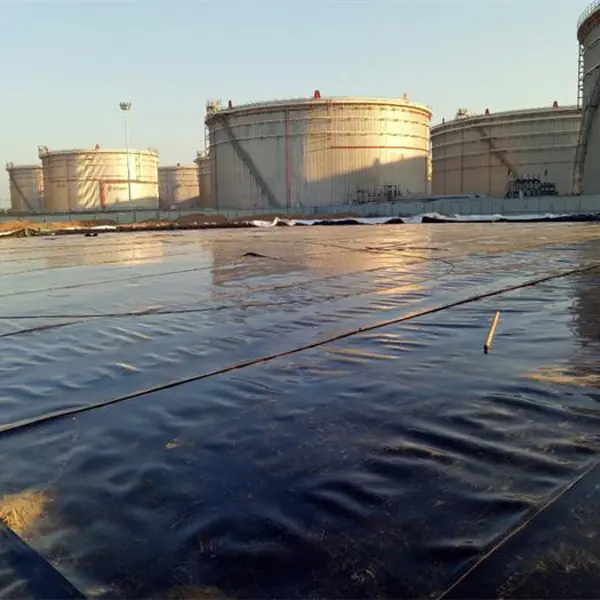
Petrochemical tank farms utilize specialized geomembranes within containment dikes. In the event of primary tank failure, our fuel-resistant liners contain hazardous hydrocarbons, protecting the surrounding ecosystems.
Sourcing geotech fabric requires a thorough evaluation of raw materials, manufacturing standards, and mechanical properties. To ensure your civil or environmental project conforms to structural safety requirements, engineers should focus on these critical parameters:
Tensile strength (measured in kN/m according to ASTM D4595) determines the material’s capacity to resist elongation under structural loads. Woven polyester geotextiles deliver high tensile modulus at low strain, ideal for embankment reinforcement. Conversely, non-woven needle-punched geotextiles provide greater elongation capacity (often >50% according to ASTM D4632), making them suitable for stress relief and protecting geomembranes from rock punctures.
For drainage and filtration, the fabric’s pore structure is critical. The Apparent Opening Size (AOS, ASTM D4751) must be calibrated to match the surrounding soil grain size. If the opening size is too large, soil particles will pass through, leading to erosion. If the opening is too small, the fabric will clog, raising pore water pressure and threatening slope stability. Proper permeability calibration ensures water flow while retaining soil structure.
Sourcing directly from Chinese geotextile clusters like Dezhou, Shandong, offers significant cost efficiencies. The unit price of geotech fabric is primarily determined by:
Ensure the manufacturer meets the following criteria before finalized contracting:
| ISO Standards | Validation of ISO9001 (Quality), ISO14001 (Environment), ISO45001 (Occupational Health) |
| CE Compliance | Verification of EN standards conformity for European and international infrastructure |
| Quality Lab Equipment | Presence of CBR puncture testers, hydrostatic head testers, and micro-tensile testers |
| Raw Material Tracking | Traceability metrics linking finished rolls to specific raw polymer batches |
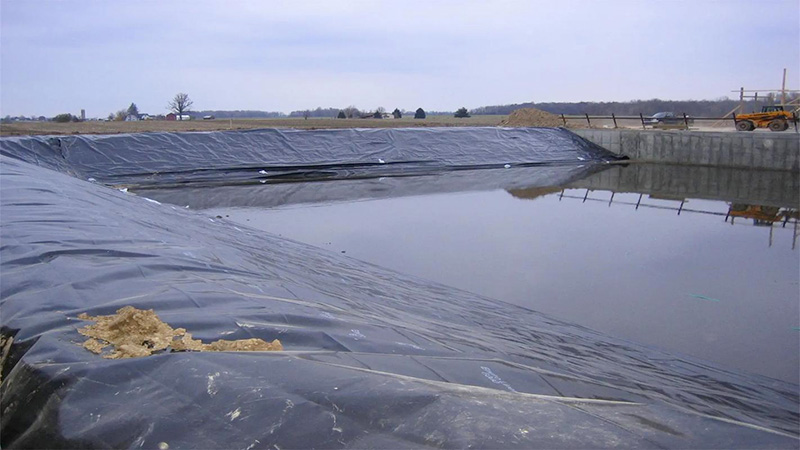
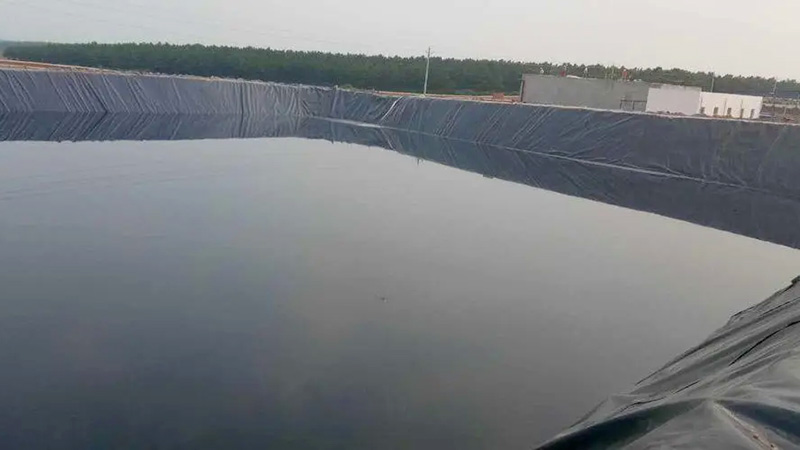
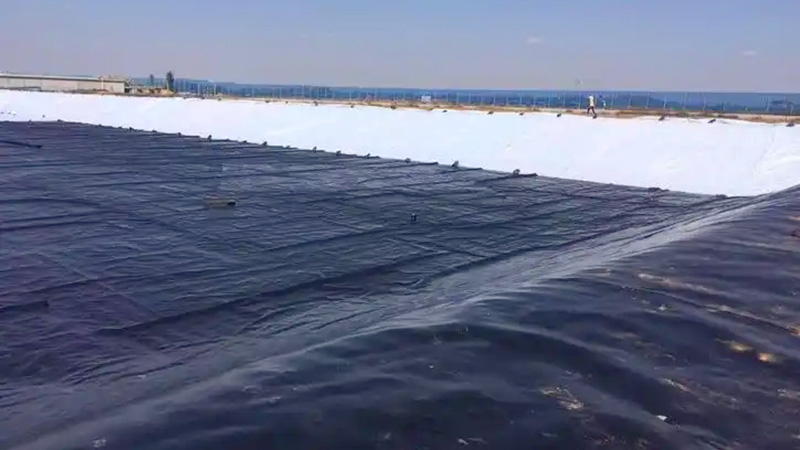
Images showcasing the installation of our geosynthetic barriers and reinforcing systems across major projects.
In-depth responses to critical design, quality compliance, and global shipping questions.
The operational lifetime depends on material raw polymers, installation conditions, and soil chemicals. For example, high-purity polypropylene (PP) geotextiles and virgin HDPE geomembranes containing quality carbon black stabilizers are designed to function for over 50 years under standard underground conditions, maintaining chemical stability in soil pH levels between 2 and 12.
CE certification mandates external compliance monitoring of manufacturing processes. Sourcing CE-certified products ensures they have passed strict European testing standards, proving consistent mechanical properties (tensile strength, puncture resistance, and permeability values) across every roll.
Non-woven geotextiles, produced by needle-punching or thermo-bonding, offer high water flow rates and elongation capacity, making them ideal for filtration, drainage, and protective layering. Woven geotextiles, produced by weaving polymer yarns, provide high tensile strength and load capacity, suited for roadbeds, railways, and retaining walls.
Engineers evaluate the Apparent Opening Size (AOS) relative to the soil's particle distribution. The AOS must be large enough to allow water passage while remaining small enough to retain fine soil particles, preventing soil piping and erosion.
Bentonite blankets offer self-healing properties. The natural sodium bentonite swells when exposed to water, sealing minor cracks or punctures and providing a durable barrier for environmental projects.
Located in the Lingcheng District of Dezhou, Shandong Province, our facility has direct access to key highway and railway networks. This proximity allows for efficient shipping to Qingdao Port and other logistics hubs, supporting timely delivery to international destinations.
Pricing is based on polymer index costs, fabric weight (GSM), roll size, shipping costs, and custom specifications, such as UV inhibitors. Direct factory sourcing from Shandong Hongyue balances production costs with reliable quality control.
Yes. We adjust weld spacing, cell height, cell wall thickness, and surface texture to meet specific design requirements, optimizing soil reinforcement and erosion control for civil engineering projects.
Shandong Hongyue operates a strict testing process, verifying product quality to ensure it matches national and international standards.
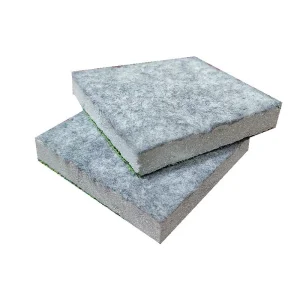
Review our specialty geocells, concrete blankets, and drainage structures engineered for environmental barrier projects.
 Hongyue