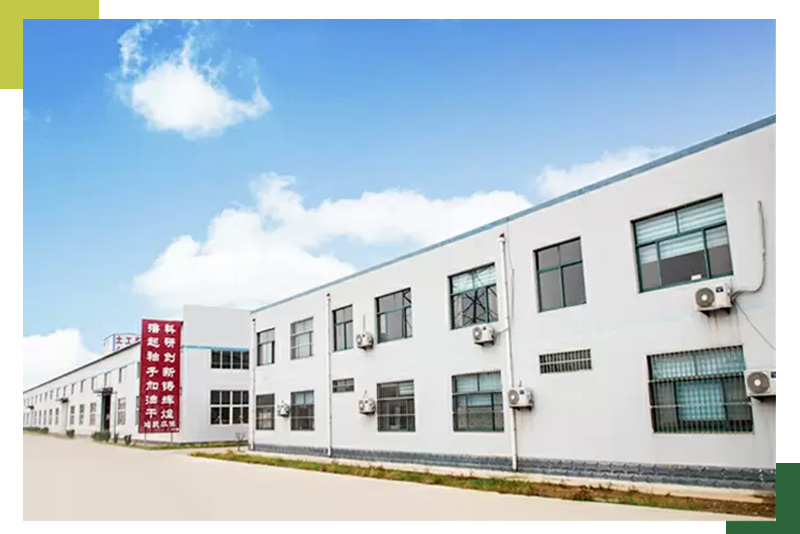
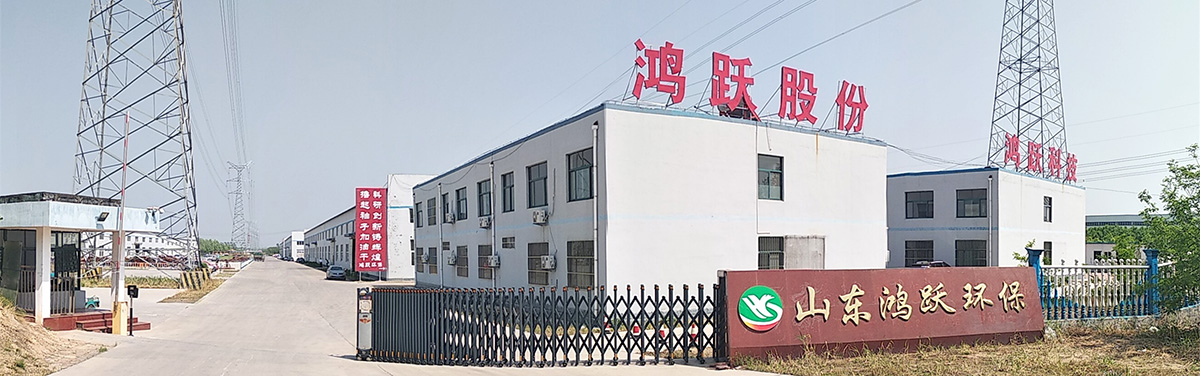
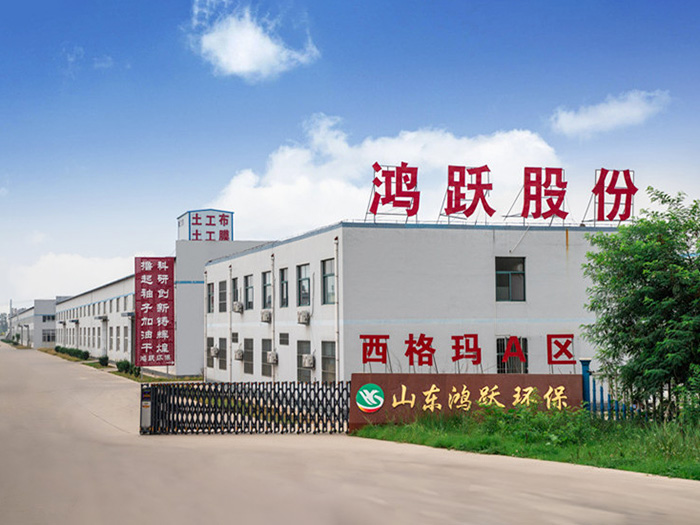
Shandong Hongyue Environmental Engineering Co., Ltd., strategically located at the northern sector of Fufeng Street, Lingcheng District, Dezhou City, Shandong Province, stands as a technological beacon in the global geotechnical materials manufacturing sector. Founded on April 6, 2023, and registered under the Lingcheng District Market Supervision and Administration Bureau of Dezhou City with a substantial capitalization of 105 million RMB, the enterprise has rapidly risen to operate one of the largest modern manufacturing and engineering execution hubs for geosynthetics in China.
Our integrated model bridges scientific material engineering, state-of-the-art extrusion and needle-punching production lines, global logistics coordination, and comprehensive civil design consulting. We cater directly to large-scale infrastructure systems including high-speed railways, trans-national waterways, environmental municipal landfills, and structural mining facilities.
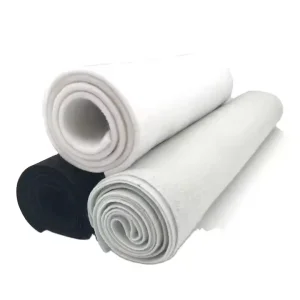
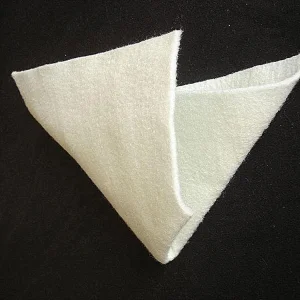
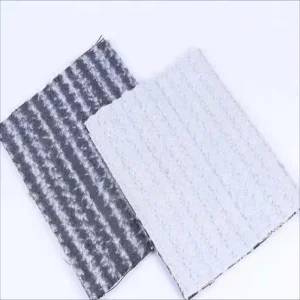
A true geotechnical system relies entirely on physical parameter consistency. Standard non-woven fibre geotextiles produced by Shandong Hongyue are manufactured through high-strength melt extrusion of virgin polypropylene (PP) or polyester (PET) chips, subsequent pneumatic web laying, and high-frequency mechanical needle punching. This creates a highly complex three-dimensional void matrix that offers outstanding structural stabilization and fluid transmission dynamics.
| Physical Property Parameter | Standard Testing Protocol | Virgin Polypropylene (PP) Value Range | High-Strength Polyester (PET) Value Range | Key Engineering Benefit |
|---|---|---|---|---|
| Mass Per Unit Area | EN ISO 9864 | 100 g/m² – 1200 g/m² | 100 g/m² – 1500 g/m² | Determines cushioning density & protection thresholds. |
| Wide-Width Tensile Strength | EN ISO 10319 | Up to 85 kN/m (MD / CD) | Up to 110 kN/m (MD / CD) | Resists high structural strain under bulk load displacement. |
| CBR Puncture Resistance | EN ISO 12236 | 1,200 N – 12,500 N | 1,000 N – 14,000 N | Prevents rock shear and angular aggregate puncture. |
| Water Permeability (H50) | EN ISO 11058 | 1.5 x 10⁻¹ to 9.5 x 10⁻² m/s | 1.2 x 10⁻¹ to 8.0 x 10⁻² m/s | Ensures rapid pore-water pressure dissipation. |
| Characteristic Opening Size (O90) | EN ISO 12956 | 0.06 mm – 0.22 mm | 0.05 mm – 0.25 mm | Prevents fine-grained soil migration while allowing water flow. |
| Chemical & UV Resistance | EN 14030 / EN 12224 | Excellent in high pH/acid environs | Outstanding oxidation stability | Guarantees 50+ years of active subterranean service life. |
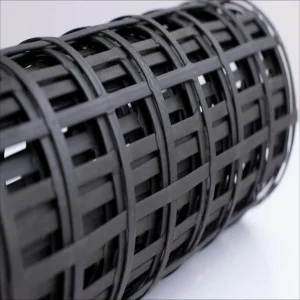
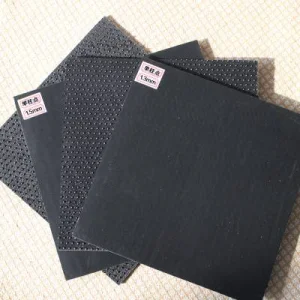
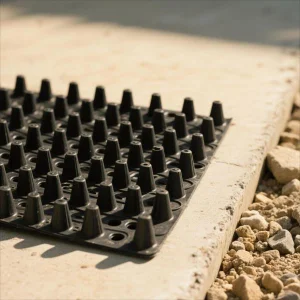
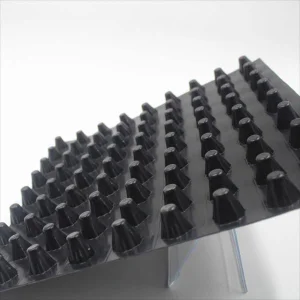
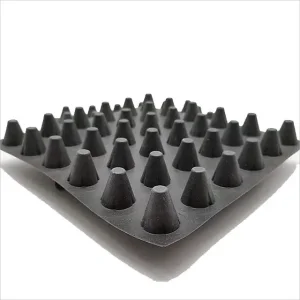
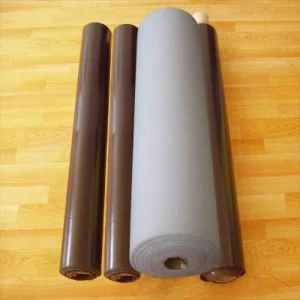
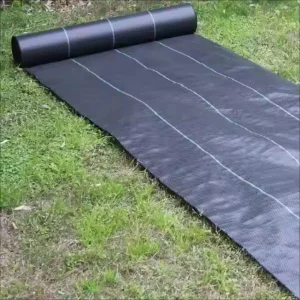
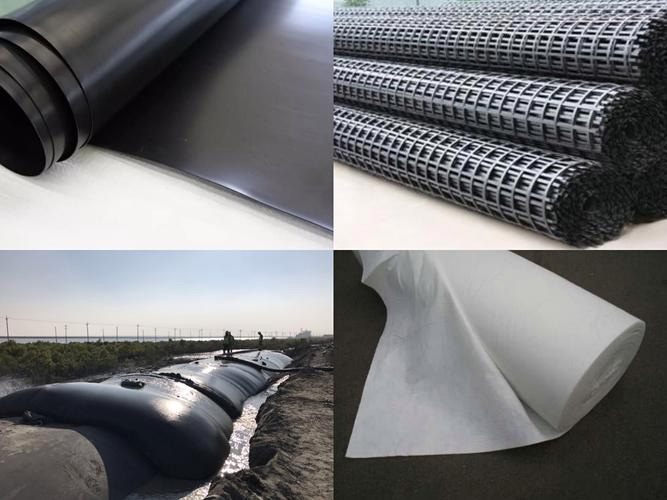
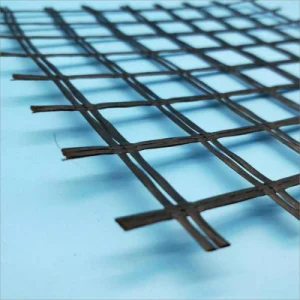
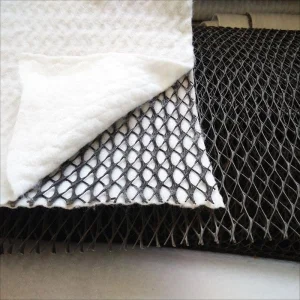
Our complete product portfolio forms a dynamic, supply-integrated catalog containing geotextiles, geomembranes, composite geomembranes, waterproof boards, bentonite waterproof blankets (GCL), 3D composite drainage networks, sheet-type and concrete drainage boards, woven grass-proof cloths, ecological bags, and glass-fiber reinforced cement blankets.
Shandong Hongyue's materials are specified globally across complex civil works. By combining specialized polymer chemistry with mechanical engineering, we create systems designed to withstand tectonic loads, chemical deterioration, and extreme hydraulic forces.
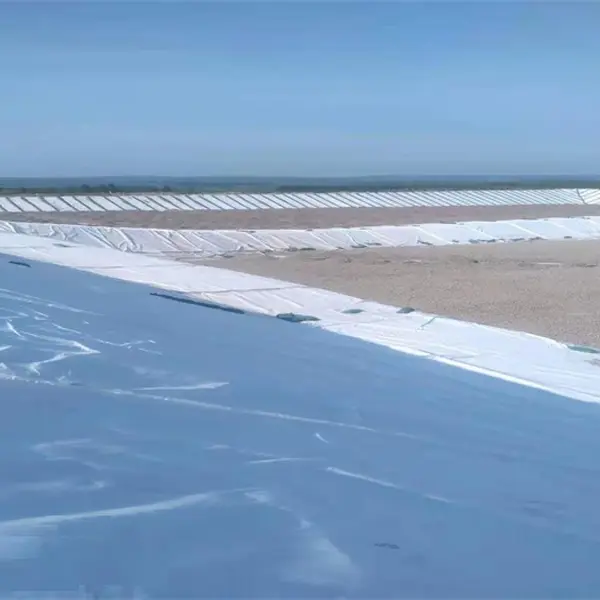
Water conservation schemes require zero tolerance for sub-grade erosion or structural leakage. Our high-performance non-woven geotextiles act as the primary filter-separator around geomembranes in reservoirs and channel beds. They cushion geomembranes against sharp substrates and prevent fine-grain soil transport, protecting dams from internal erosion.
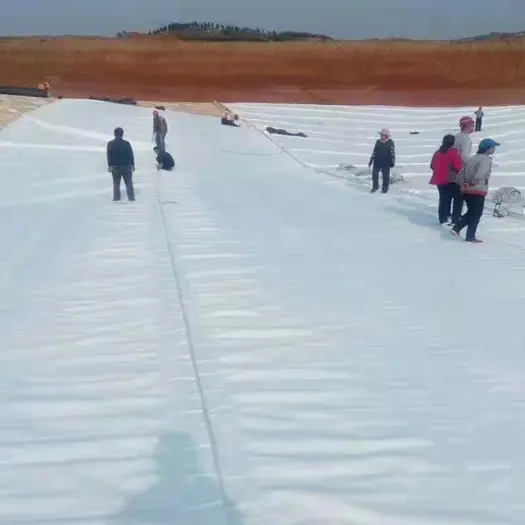
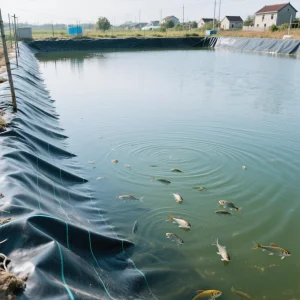
To control agricultural water loss, canals and artificial lakes must be sealed with multi-layer geosynthetic systems. Hongyue provides composite structures that combine concrete and geomembranes with needle-punched fiber backings. These backings stabilize the subsoil, handle hydraulic uplift pressure, and prevent sliding along the banks.
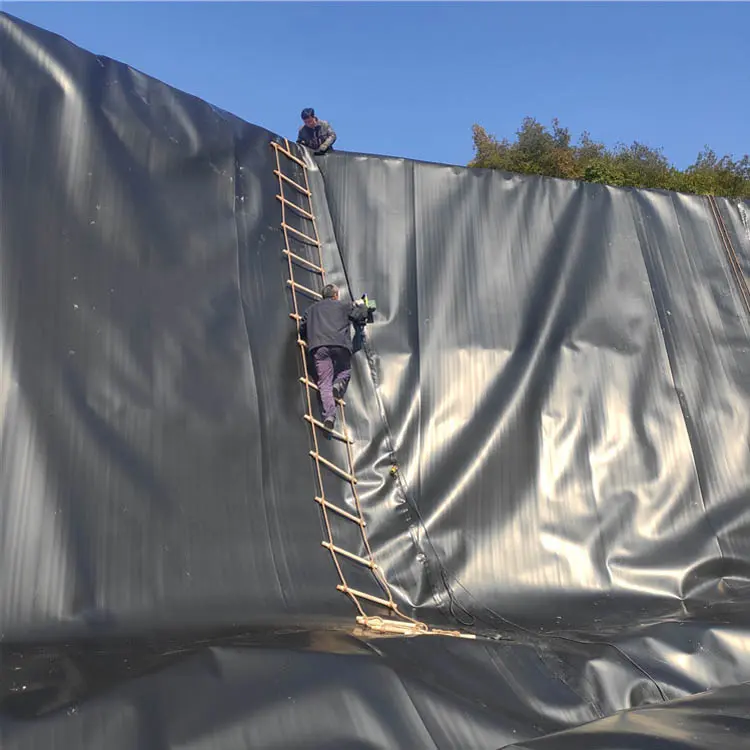
Environmental protection regulations require robust barriers for municipal solid waste landfills and mining containment systems. Our heavy-grade geotextiles (above 800 g/m²) protect high-density polyethylene (HDPE) geomembranes from punctures caused by sharp waste, while also collecting and draining leachate to prevent groundwater contamination.
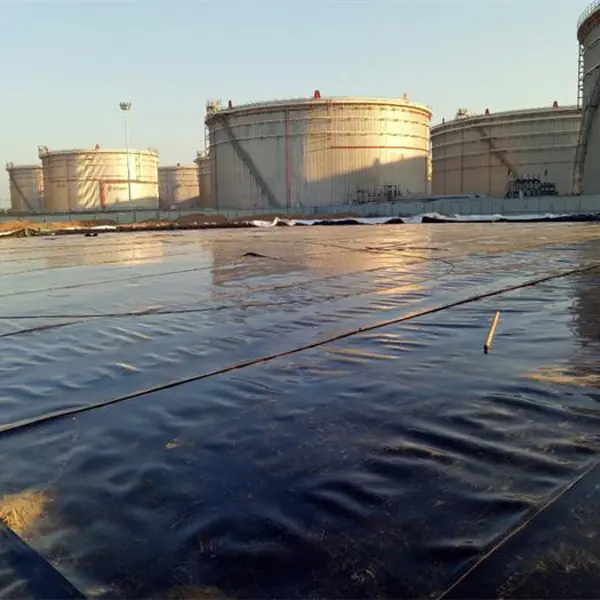
Industrial storage facilities require reliable containment to prevent hydrocarbon spills. We engineer specialized chemical-resistant barrier linings backed by high-tensile geotextile mats. These systems protect the secondary containment layer from settling soil and point-source pressures under heavy tank loads.
Our Dezhou manufacturing complex operates on a digital, automated production model that guarantees consistent polymer quality. We track raw materials from receiving to final winding, ensuring full traceability and high product reliability.
We source premium polyester (PET) chips and polypropylene (PP) granules. Each batch is tested for melt flow index (MFI), density, and moisture content before going to the production line.
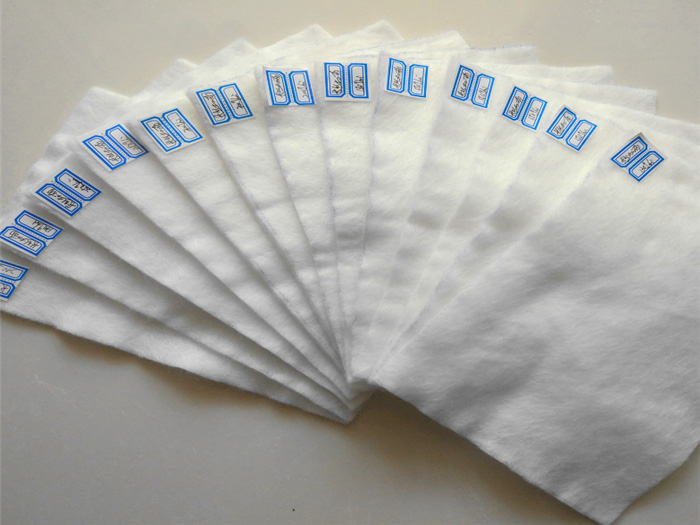
Polymers are processed in twin-screw extruders at precise temperatures (220°C - 290°C). The molten material is extruded through spinnerets to produce continuous filaments with controlled diameters.
Extruded filaments are drawn down using air jets and distributed onto a moving wire mesh. This process creates a uniform web structure with multi-directional fiber orientation.
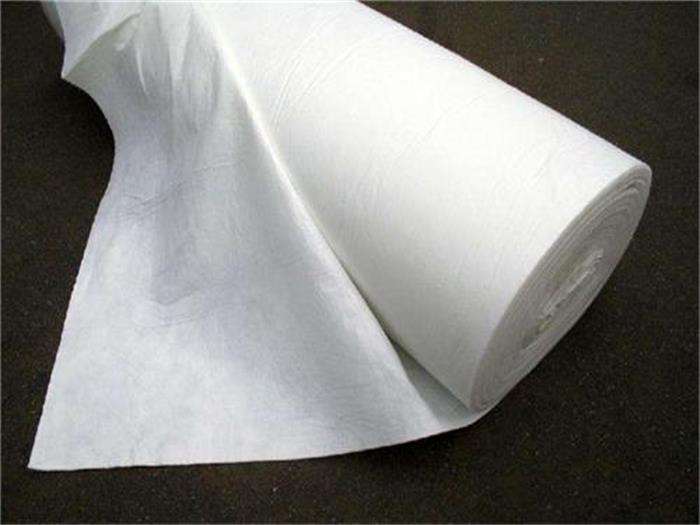
Thousands of barbed needles mechanical lock the web, compacting the fibers. We control needle density and penetration depth to achieve targeted tensile strength and density.
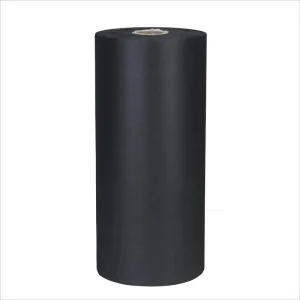
Completed geotextiles are rolled to specified lengths and widths. They are wrapped in protective UV-resistant films and labeled with tracking barcodes that identify the batch, date, and performance test data.
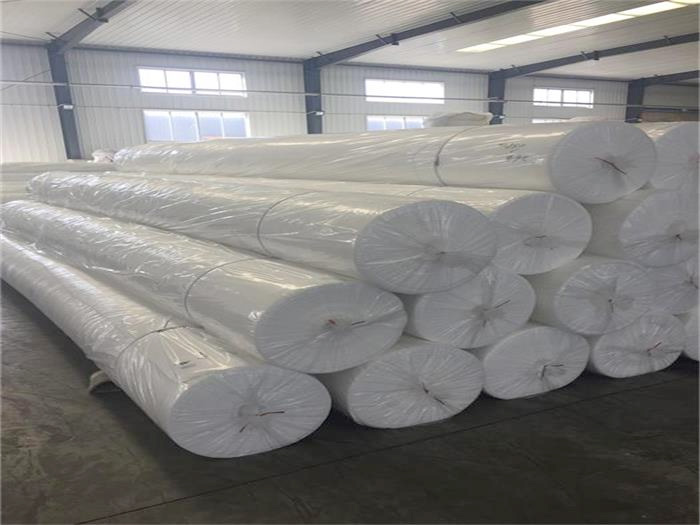
Our on-site laboratory tests each batch for key parameters, including thickness, tensile strength, tear propagation, puncture resistance, permeability, and pore size distribution.
Our factory utilizes advanced needle-punching looms, wide-width calendering lines, and testing equipment to produce high-performance geotextiles that meet international standards.
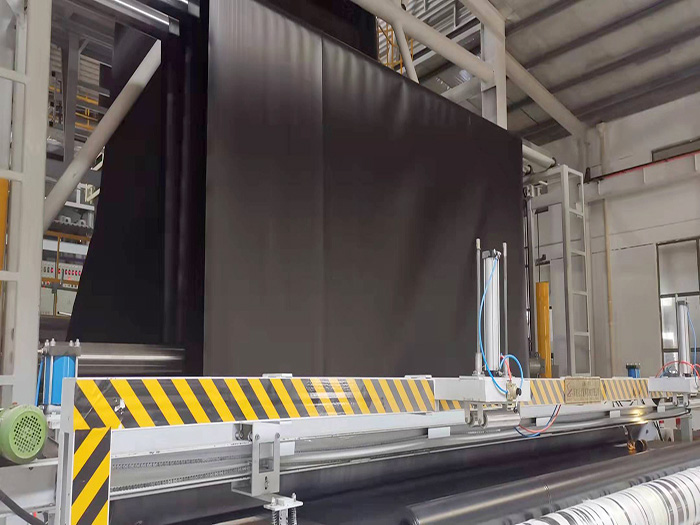
Automated width control systems and mechanical tensioners prepare wide-width rolls for transport.
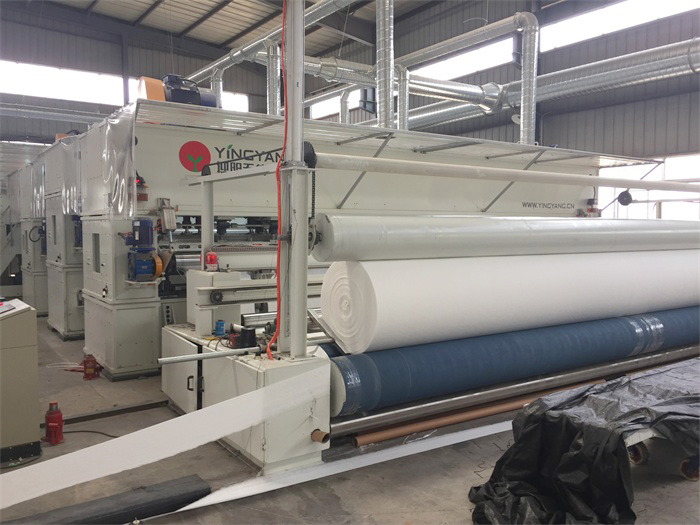
Computerized systems manage needle penetration density to ensure uniform mechanical properties.
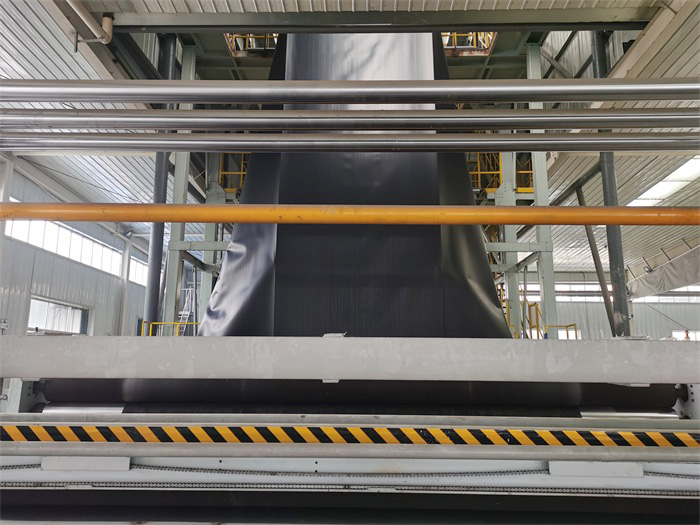
Closed polymer processing systems prevent contamination from dust and moisture.
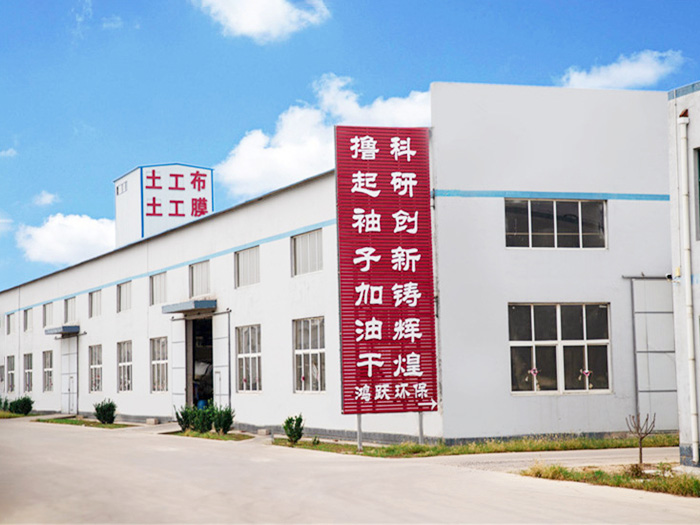
Thermal bonding options are available for projects requiring increased stiffness and thin profiles.
Automated slitting units cut rolls to custom widths to reduce material waste on-site.
Quality control technicians measure thickness and roll weight to ensure consistent material properties.
To meet the needs of global civil infrastructure, Shandong Hongyue is investing in three key technology programs designed to improve sustainability, longevity, and structural health monitoring.
We are developing geotextiles with integrated fiber-optic lines and conductive micro-threads. These smart materials will monitor soil strain, settlement, temperature variations, and chemical seepage, providing real-time structural health data for dams, bridges, and highways.
To reduce plastic waste in temporary applications like short-term erosion control, we are testing natural plant fibers (such as coir and jute) combined with biodegradable polylactic acid (PLA) polymers. These products offer reliable support during vegetation establishment and degrade without leaving microplastics behind.
We are refining our extrusion lines to produce geotextiles from post-consumer and industrial recycled PET without compromising tensile strength or durability. By optimizing molecular weight distribution, we can match the performance of virgin polymers and reduce carbon emissions per roll.
Geotextile and geomembrane systems require correct installation to ensure design performance. Improper substrate preparation, incorrect jointing, or physical damage during placement can compromise the containment system.
The sub-grade must be compacted and cleared of all sharp objects, roots, stones, and standing water. Loose soils should be stabilized to prevent differential settlement, which can overstress the synthetic lining.
Rolls should be unrolled flat to minimize wrinkles and tension. In wind-prone areas, sandbags or temporary weights should be placed on the panels to prevent movement until backfilling occurs.
For filtration and protection geotextiles, panels are typically overlapped by 300mm to 500mm or sewn with portable handheld machines. For geomembranes, we recommend dual-track hot-wedge welding to create a sealed barrier that can be pressure-tested.
Construction vehicles must not drive directly on the geosynthetic layers. A minimum of 300mm of protective soil or aggregate backfill must be placed over the geotextile before allowing light vehicle traffic.
Shows on-site technicians preparing overlaps and anchoring geotextiles along the slope anchor trench to prevent slippage.
Shandong Hongyue provides comprehensive compliance documentation and support to meet local regulatory and engineering standards worldwide.
We supply complete test certificates (MTRs) for every batch, confirming compliance with ISO, ASTM, and EN standards. Our CE-marked products comply with European Construction Products Regulation (CPR) EU 305/2011, allowing use in municipal, road, and environmental projects throughout the EU.
Our location in Dezhou, Shandong Province, provides direct rail and highway access to key ports like Qingdao and Tianjin. We coordinate international shipping, custom packaging, customs clearance, and container stowage to ensure timely delivery to jobsites globally.
Our engineers provide technical support during the design phase, including assistance with slope stability calculations, material selection, and drainage analysis. We can also provide on-site technical supervisors to assist with installation and QA testing.
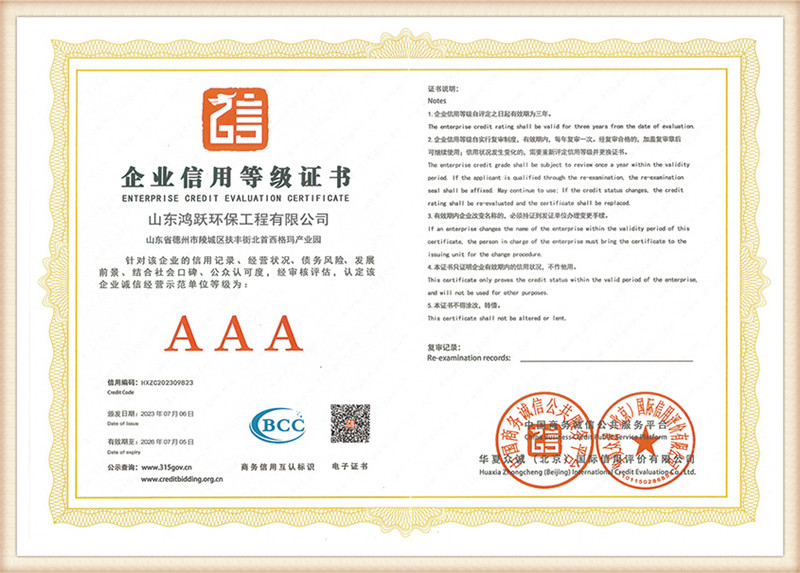
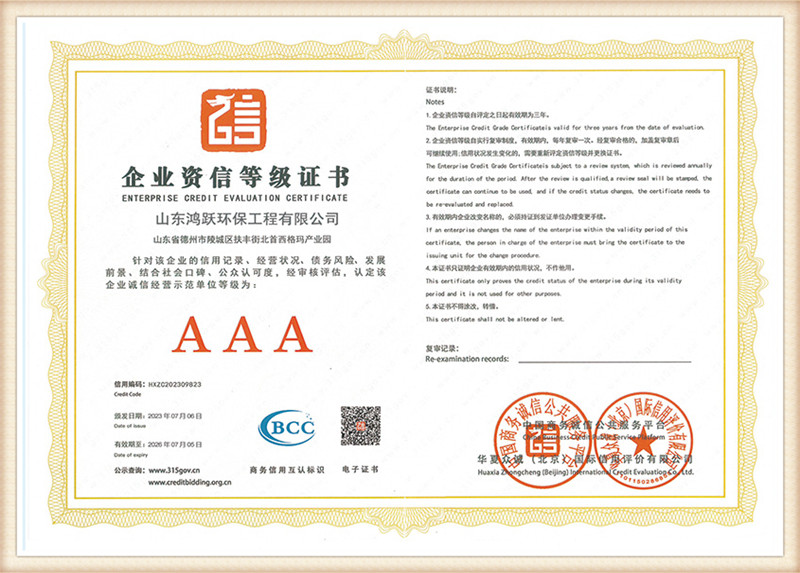
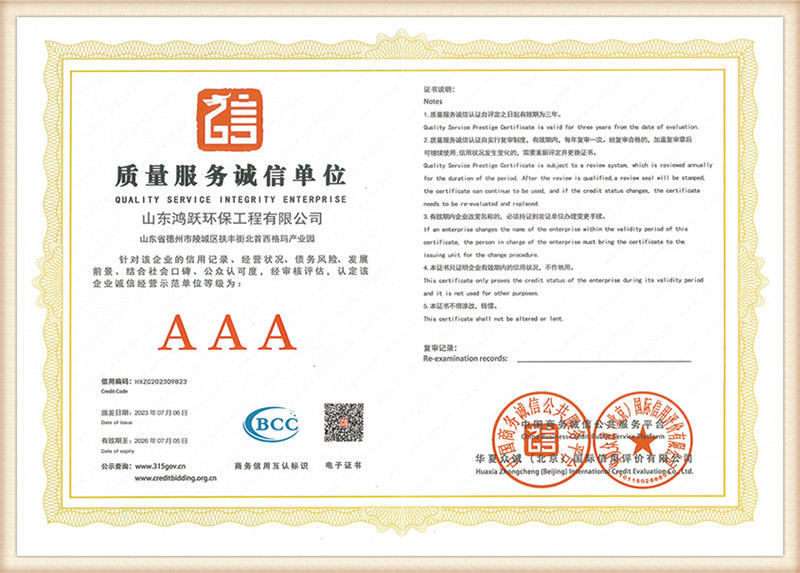
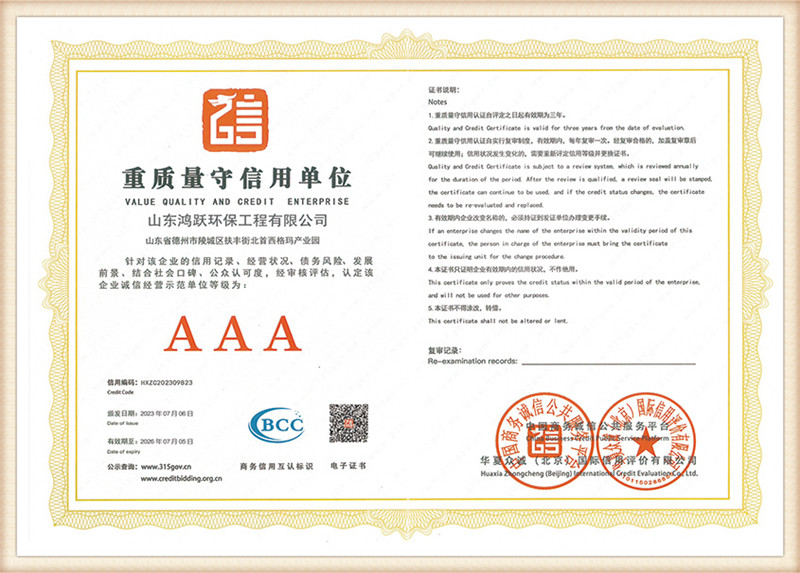
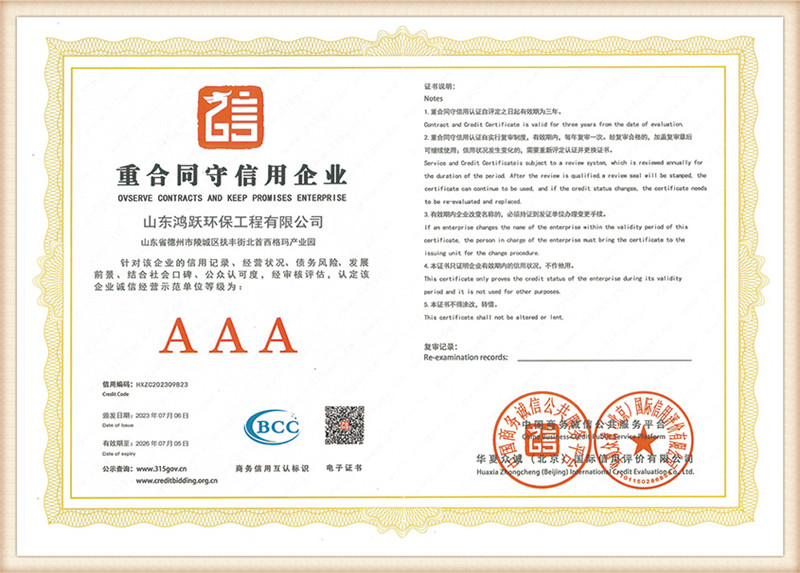
Our factory operates under an integrated management system certified to ISO9001 (Quality), ISO14001 (Environmental Protection), and ISO45001 (Occupational Health & Safety). Every batch of material undergoes testing in our lab and is verified through independent third-party laboratories (such as TRI, SGS, or China National Testing Center) to ensure compliance with project specifications.
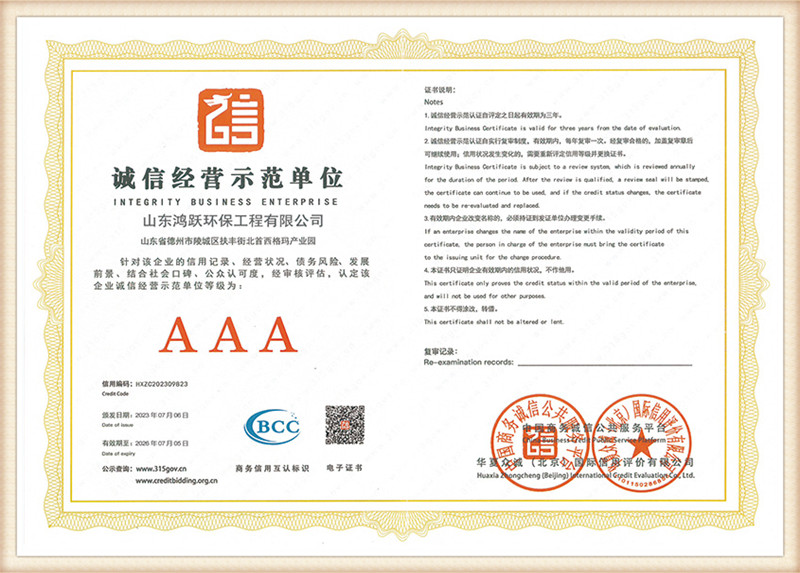
Quality System Auditing
Environmental Compliance
Occupational Safety Certification
CE Conformity Audits
National Quality Sampling
Green Building Materials
 Hongyue