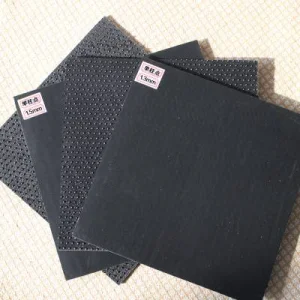
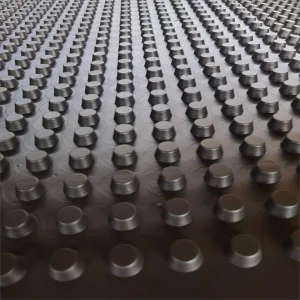
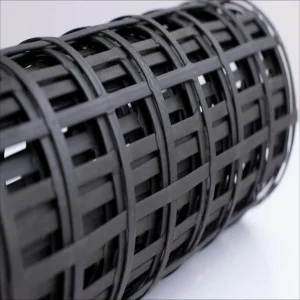
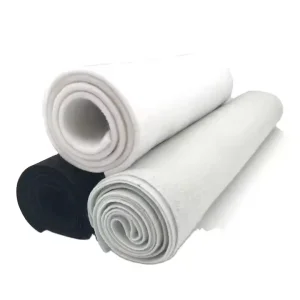
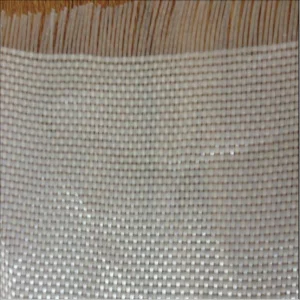
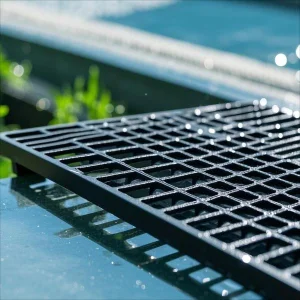
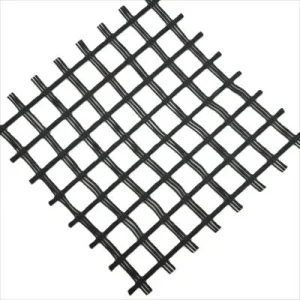
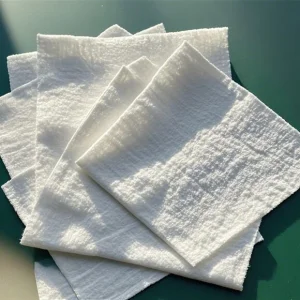
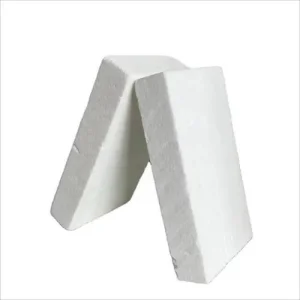
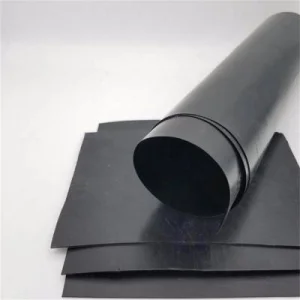
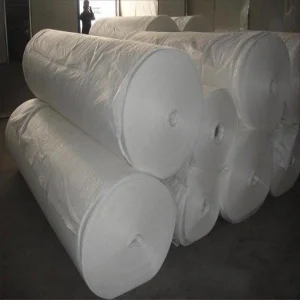
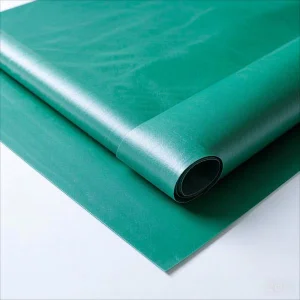
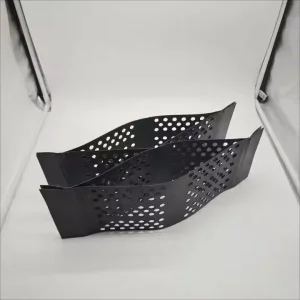
Discover our elite collection of high-performance geotechnical and industrial environmental protection products, manufactured to meet stringent CE certification guidelines.
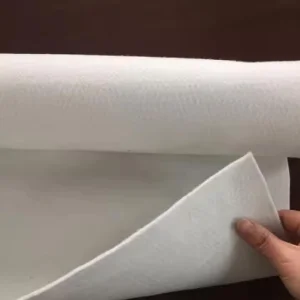
Analyzing the shift from linear construction plastics to eco-responsible, high-strength geotextile interfaces for international infrastructure.
Modern global infrastructure projects require extensive application of non-woven geotextile products and eco-friendly soil containment bags. Industrial demand in North America and Western Europe is driven by strict environmental mandates targeting plastic leakage and soil contamination. In these highly regulated regions, CE Certification is not merely a marketing attribute; it is a legally binding threshold of compliance ensuring mechanical persistence and zero toxin leaching under structural loads.
Concurrently, major developments in South Asia, Latin America, and Africa are utilizing non-woven ecological containment bags for long-term river training works, embankment stabilization, and municipal waste management. Manufacturers must offer high-volume production limits without compromising structural properties such as pore size distribution, grab tensile strength, and dynamic puncture resistance.
Geosynthetic engineered bags and filtration membranes have historically relied on virgin petrochemical polymers. However, carbon footprint reduction policies are forcing designers to specify materials with a verified Life Cycle Assessment (LCA). Today, manufacturers provide needle-punched formulations combining recycled Polyester (PET) and Polypropylene (PP) with highly stable additives to resist chemical oxidation and UV degradation.
For temporary agricultural applications, erosion control, and light construction, biodegradable options like PLA (Polylactic Acid) and PBAT blends are gaining significant traction. Finding the correct operational window between rapid biological degradation and the mechanical life expectancy of the construction project remains the primary challenge solved by high-end engineering processes.
Integrating Engineering Material Production, Sales, Design, and Construction Services.
Shandong Hongyue Environmental Engineering Co., Ltd., located at the north end of Fufeng Street, Lingcheng District, Dezhou, Shandong Province, is a scientific and technological geotechnical material manufacturer integrating engineering material production, sales, design and construction services. The company was registered in Lingcheng District Market Supervision and Administration Bureau of Dezhou City on April 6, 2023, with a registered capital of 105 million yuan. It is one of the largest production bases of geotechnical materials in China at present, with a superior geographical location and convenient transportation network.
Our products are widely applied in major infrastructure sectors including: highways, railways, bridges, tunnels, reservoir and canal water conservancy, artificial lakes, environmental protection, aviation, mining, and agriculture.
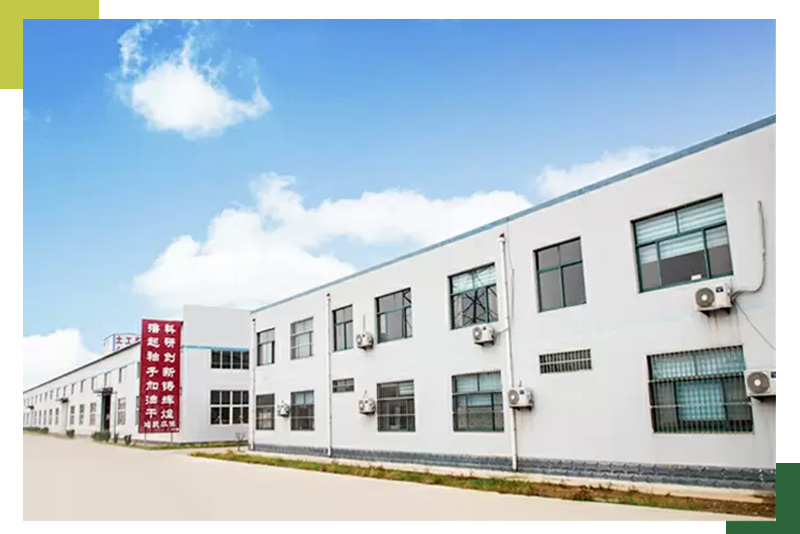
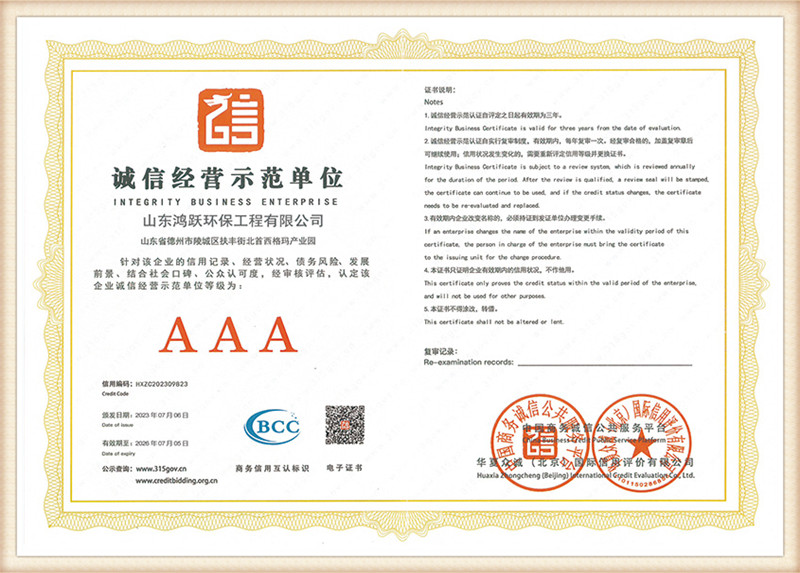
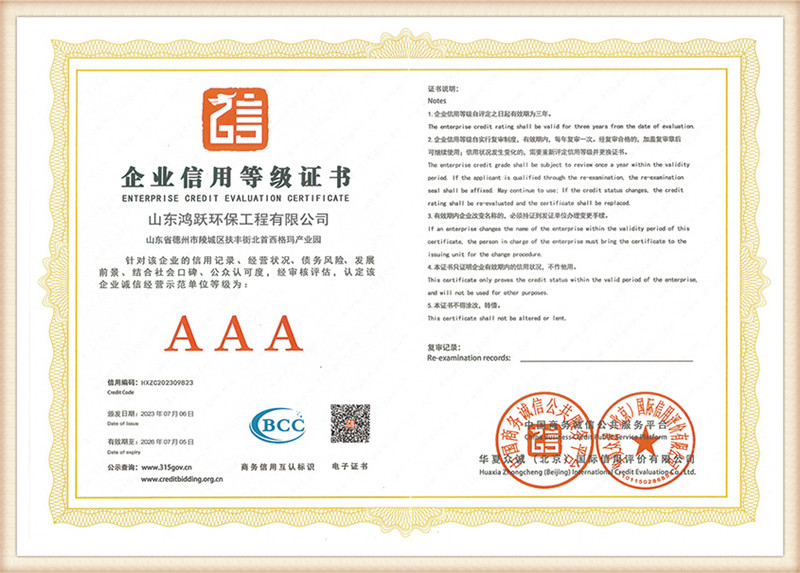
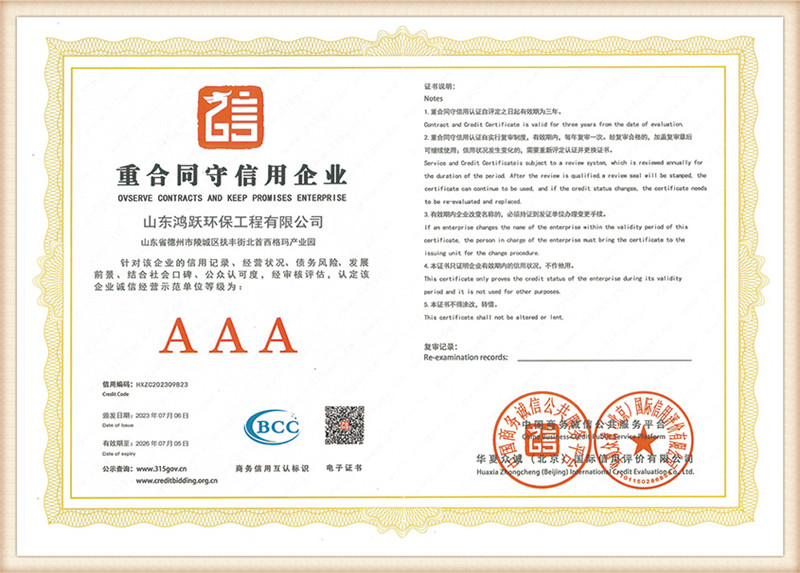
Our operation is built on rigorous structural certifications, verifying our technical credibility in the geotechnical industry:
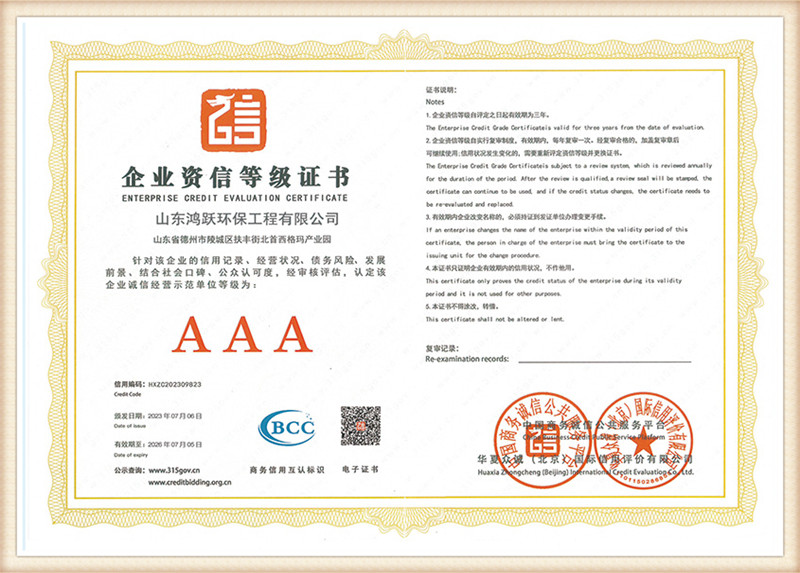
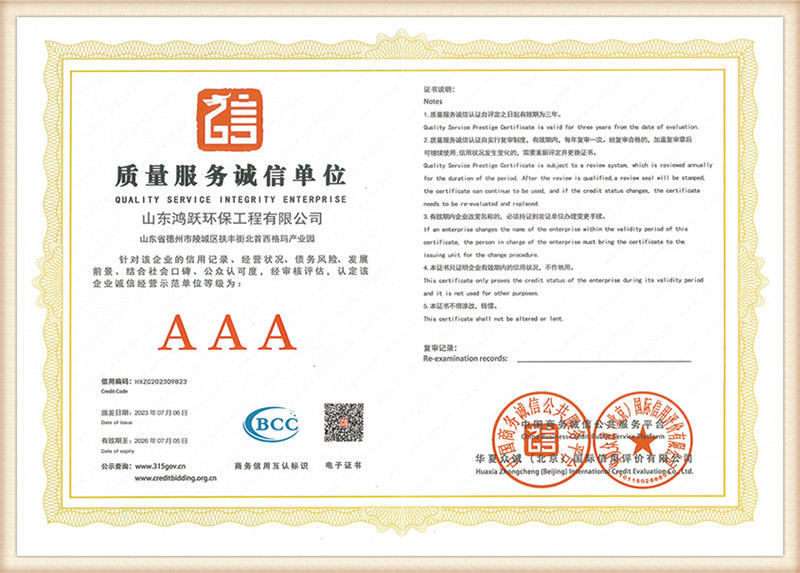
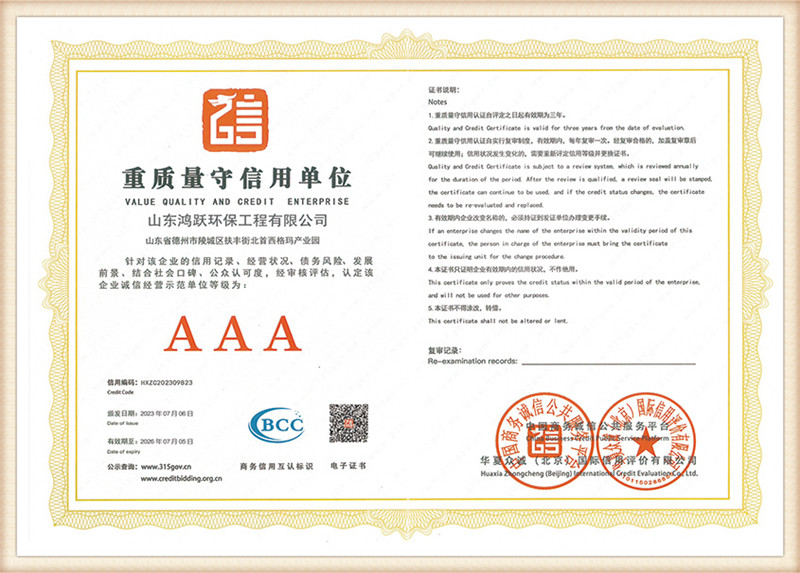
Verifiable production volume, global footprint, and structural credentials backing our non-woven ecological and geotechnical applications.
Standardization of mechanical steps guarantees the filtration uniformity and tensile strength required for CE validation.
The primary raw materials used are polyester chips, polypropylene filament, and viscose fiber. Materials undergo inbound testing to confirm chemical purity, moisture-free conditions, and consistent density index.
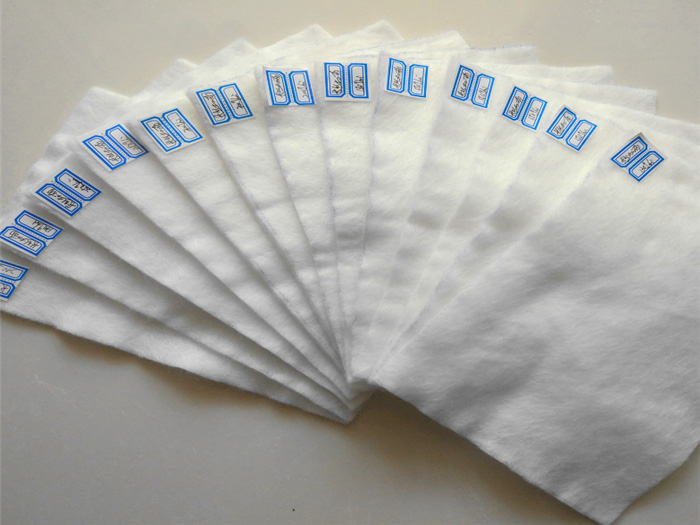
Polyester chips are heated and melted at precise, high temperatures, then extruded under high pressure via a screw extruder. Polypropylene filament and viscose fibers are mixed to form a uniform compound state.
The molten polymer compound is sprayed through specialized spinnerets to create micro-fine filaments, laying down a highly uniform network matrix on the conveyor belt. Micro-thickness and layout density are continuously monitored.
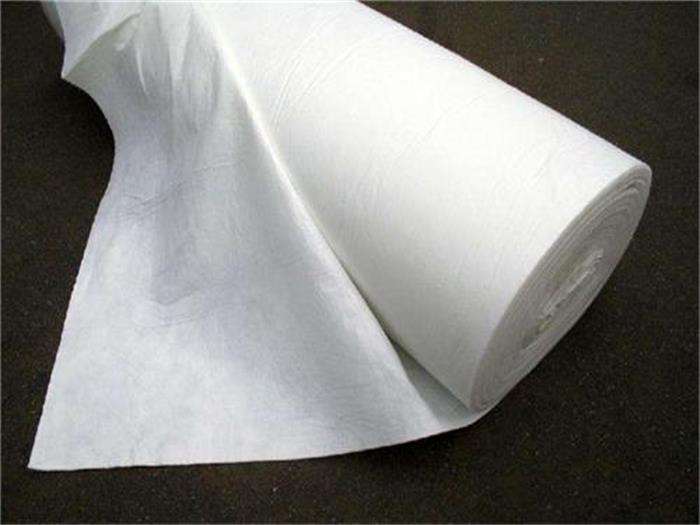
The fiber layers pass through high-speed needle punching or thermal-bonding systems. In this curing phase, speed and pressure are calibrated to set the geotextile's exact mechanical strength guidelines.
Cured geotextile sheets are rolled and packed to standard dimensions. Automated sensors verify width, roll weight, and roll length measurements before finalizing packaging.
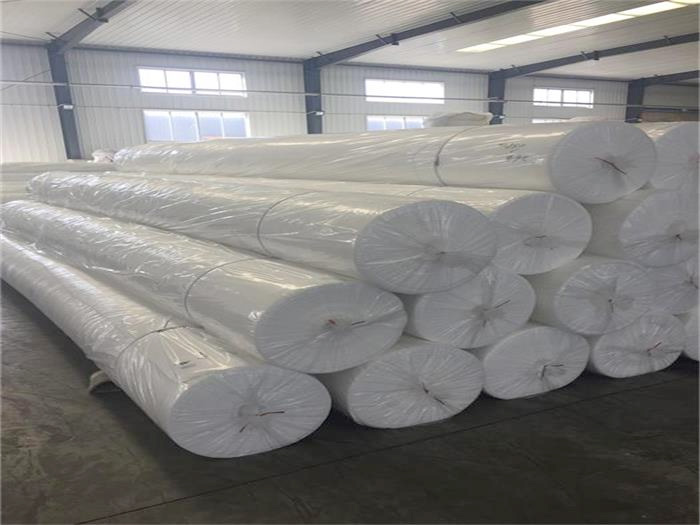
Samples from each manufacturing batch undergo laboratory testing, verifying physical properties (tensile strength, elongation capacity) and hydraulic capabilities (flux rate, opening size).
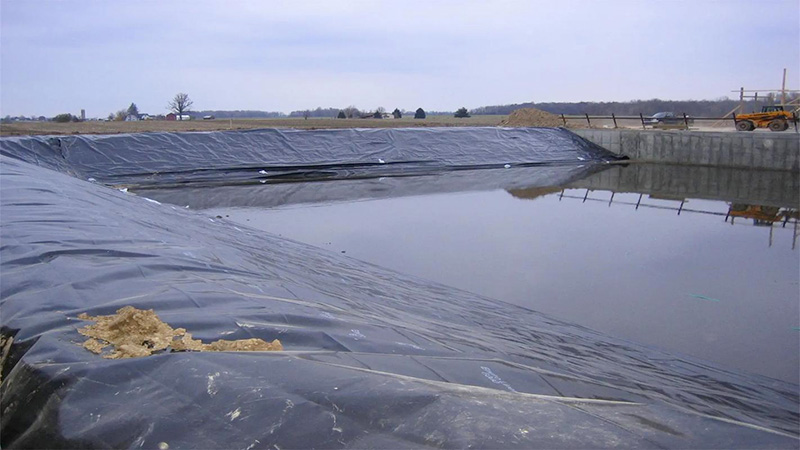
How CE-certified non-woven and geomembrane systems solve structural containment and seepage challenges in heavy infrastructure.
Geomembranes and non-woven protection fabrics prevent underground water channels from eroding dams and reservoirs. Our systems prevent internal soil movement under extreme hydrostatic pressure, keeping hydraulic infrastructure stable over long life cycles.
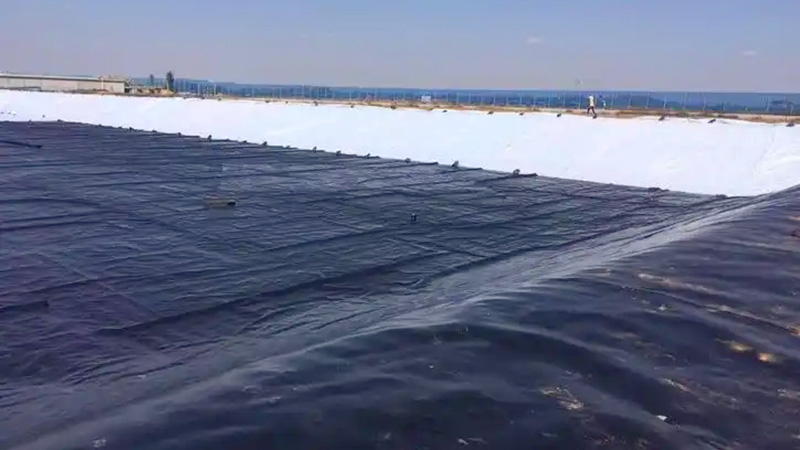
Erosion control requires robust filtration. Non-woven ecological bags filled with local sand act as protective layers along river banks, allowing water to pass through freely while preventing soil migration, preventing bank collapse.
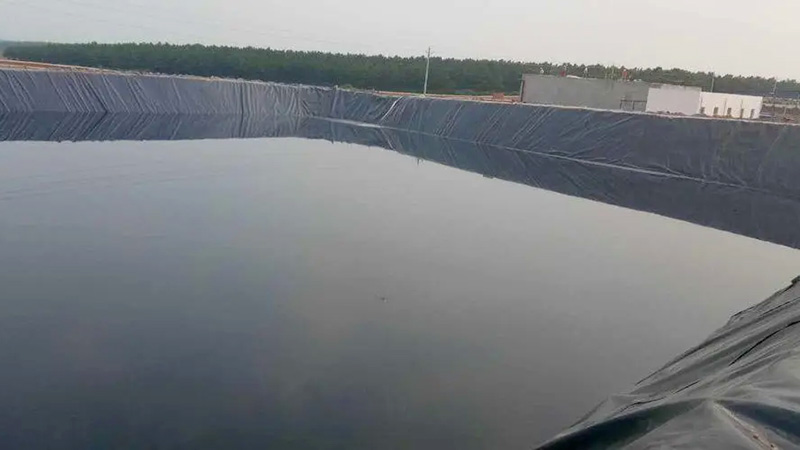
Landfills and industrial chemical storage facilities require dependable containment. Combining composite geomembranes with robust needle-punched geotextiles creates an impenetrable containment system that stops toxic leachate from reaching local water supplies.
Navigating the next decade of sustainable geotechnical engineering, polymer innovation, and bio-degradable matrices.
Our research and development pipeline is exploring the integration of functional carbon-based nanoparticles directly into the polymer melt prior to extrusion. This process improves tensile-to-weight ratios by 25% and enhances UV resistance. It ensures that ecological bags and filtration membranes deployed in high-exposure marine and mountain projects resist degradation, maintaining structural strength long after initial placement.
To support global carbon-neutral goals, our materials lab is developing PLA formulations derived from agricultural starch. The challenge of premature degradation is addressed through organic cross-linking agents that keep the fibers mechanically strong for up to five years, followed by harmless biological degradation into organic compost. This technology is ideal for temporary soil stabilization and forestry replanting initiatives.
Ensuring your design meets legal and environmental standards, supported by our experienced engineering network.
Our non-woven geotextile items conform to key European Harmonized Standards (EN series). This guarantees that parameters like pore size distribution, water permeability normal to the plane, and static puncture resistance (CBR test) align with the rigorous requirements of civil works throughout Europe. Designers can confidently specify Hongyue products for containment, filtration, and roadbed isolation layers.
With localized engineering branches and technical partnerships globally, Shandong Hongyue provides fast support. We assist with calculations, design layout drawings, and material installation guidelines, helping you secure project approval from municipal and environmental authorities.
Expert answers to the most common questions about selecting, testing, and installing eco-friendly non-woven products.
Browse the second half of our specialized catalog, featuring composite geotextiles, custom geogrids, and industrial-grade water management barriers.
 Hongyue