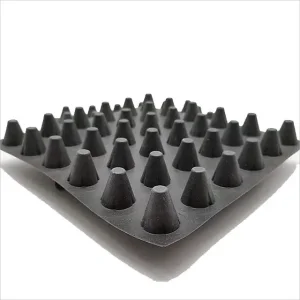
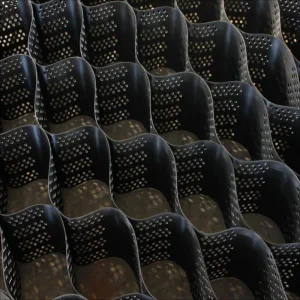
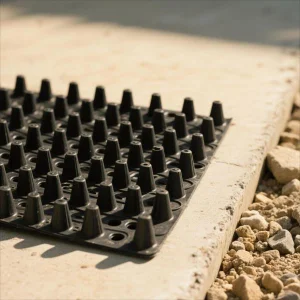
High-performance geosynthetic materials engineered to meet international safety and environmental guidelines.
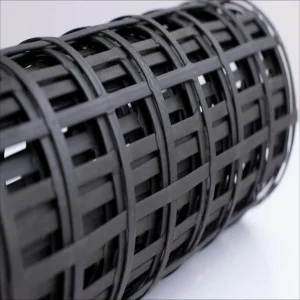
In modern civil and municipal engineering projects, soil stabilization is crucial for securing pavement lifespans and structural integrity. CE Certified Cirtex Geogrids have emerged as a benchmark solution for subgrade improvement, retaining walls, steep slopes, and load distribution systems.
As a leading developer in geotechnical engineering, Shandong Hongyue Environmental Engineering Co., Ltd. provides structural-grade biaxial and uniaxial geogrids matching these strict European compliance standards. These products guarantee reliable long-term design strength (LTDS) and resist installation damage even in challenging geological conditions.
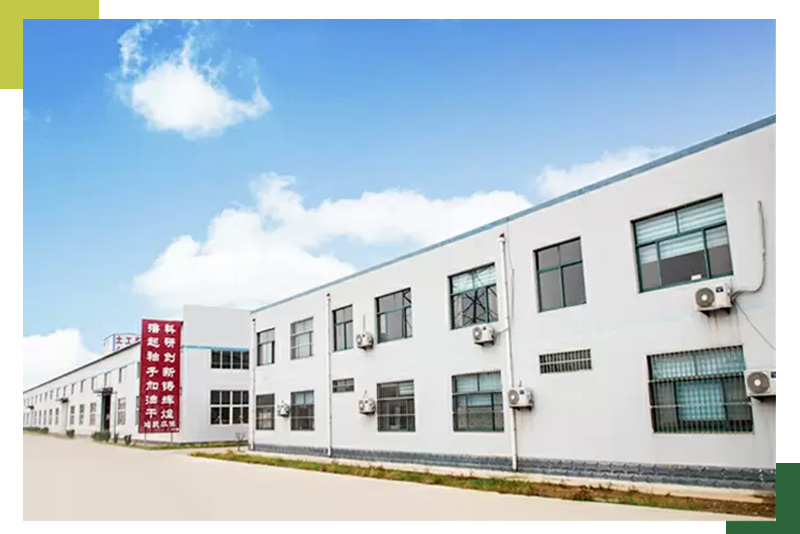
Established on April 6, 2023, and located at the northern end of Fufeng Street, Lingcheng District, Dezhou City, Shandong Province, Shandong Hongyue Environmental Engineering Co., Ltd. is a high-technology geotechnical materials manufacturer. Our facility integrates engineering material production, sales, structural design, and construction services into one complete solution.
With a registered capital of 105 million yuan, our facility is recognized as one of the largest production bases for geotechnical materials in China. Our central location in Dezhou offers superior transport options, ensuring rapid delivery to major logistics hubs and international shipping ports.
"We deliver reliable materials and professional services to back critical municipal and environmental infrastructure projects worldwide."
Understanding the needs of international engineering firms, contractors, and national authorities.
International consultants require geogrids that match strict performance curves. We supply comprehensive testing documentation covering aperture size stability, peak tensile strength, and radial stiffness to ensure long-term stability.
We provide full third-party certifications, including CE marks for European projects and ISO verification for global compliance. This documentation helps clear customs quickly and satisfies site inspectors.
Every civil project has unique needs. We configure custom roll widths and lengths to minimize cutting waste on site, saving money on large-scale installations.
Using certified geosynthetics to solve complex structural, municipal, and hydraulic challenges.
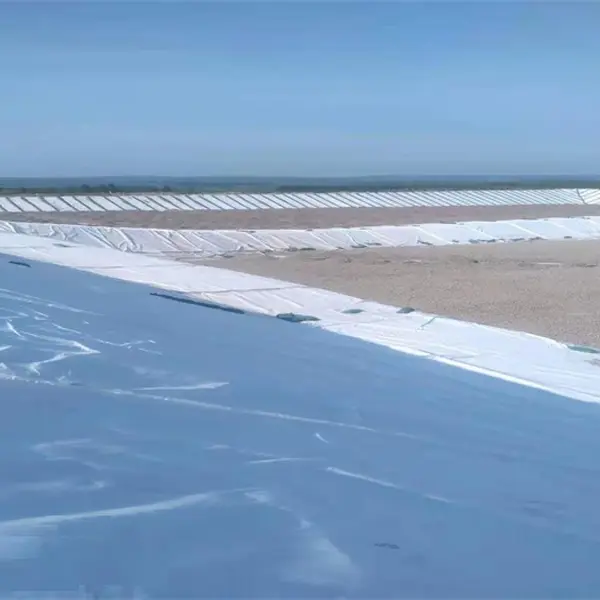
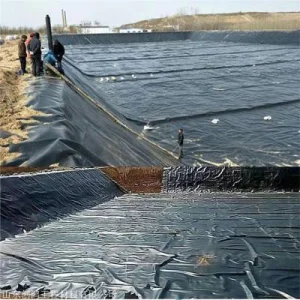
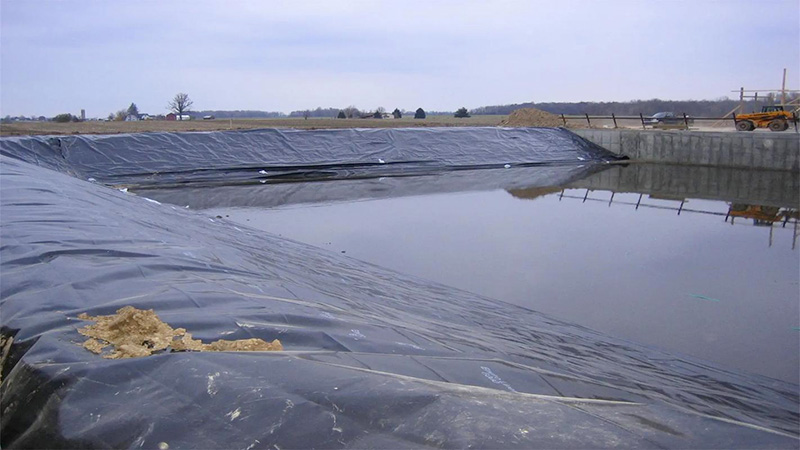
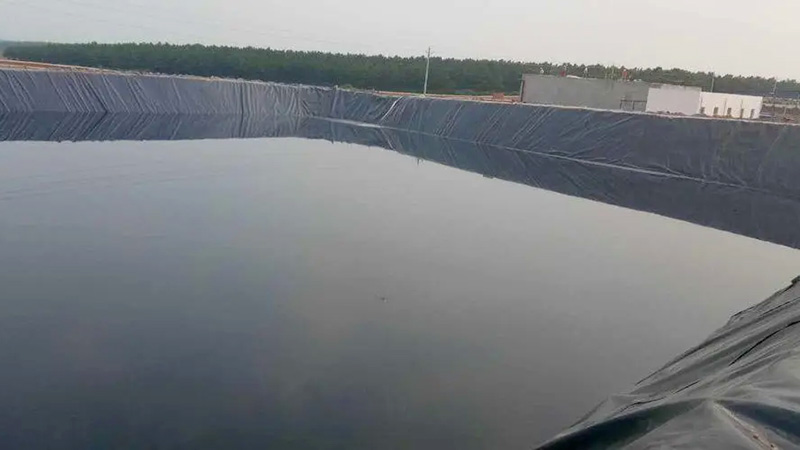
High-impermeability liners prevent leakage in reservoirs and protect clean water resources.
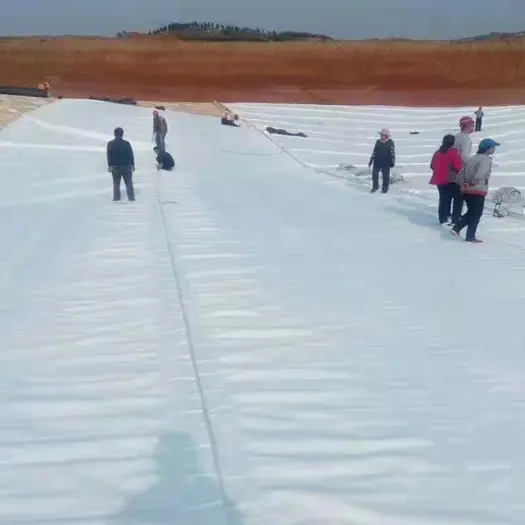
Durable lining systems maintain target water levels and shield local soils from erosion.
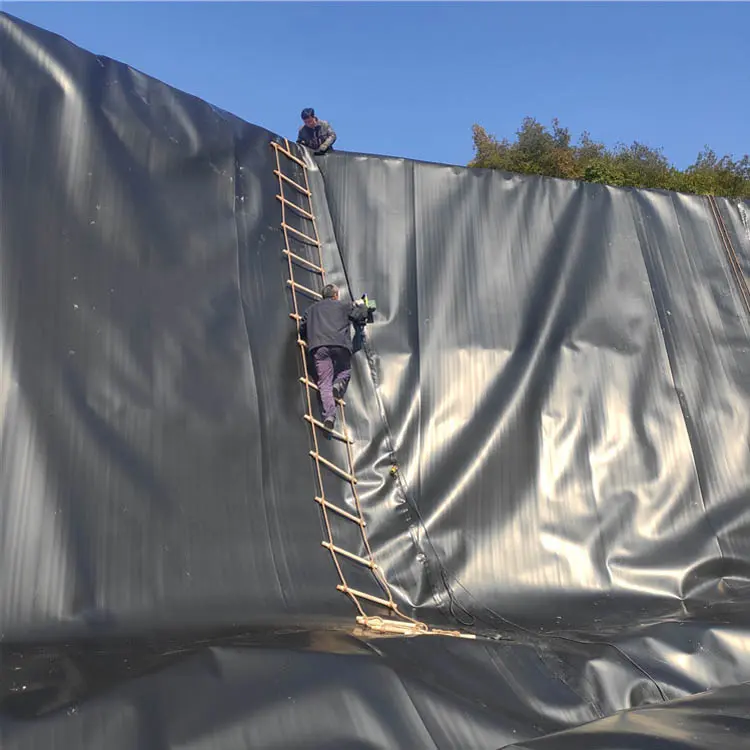
Advanced containment barriers prevent hazardous leachate from leaking into surrounding groundwater.
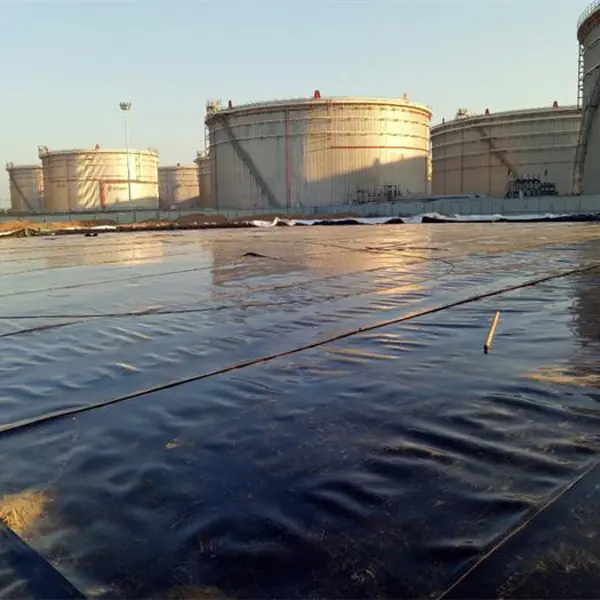
Secondary containment liners protect soil and water from fuel and chemical storage leaks.
How our Dezhou facility manufactures and monitors quality for every roll of geosynthetics.
We source premium polyester chips, polypropylene filaments, and high-density polyethylene resins. Each batch undergoes chemical and physical testing before entering production.
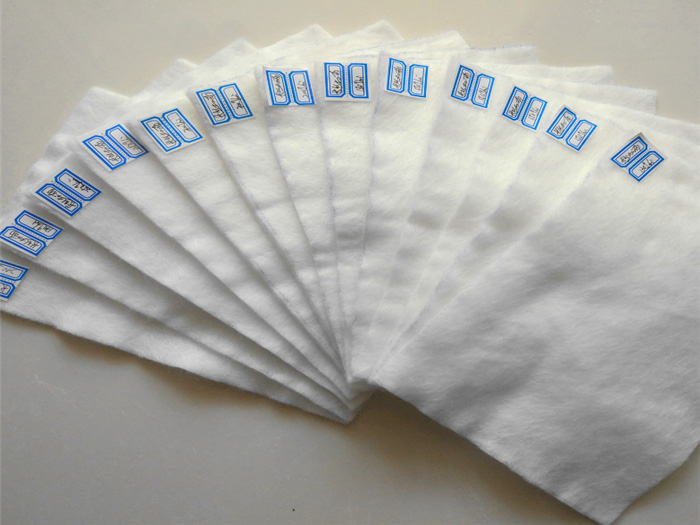
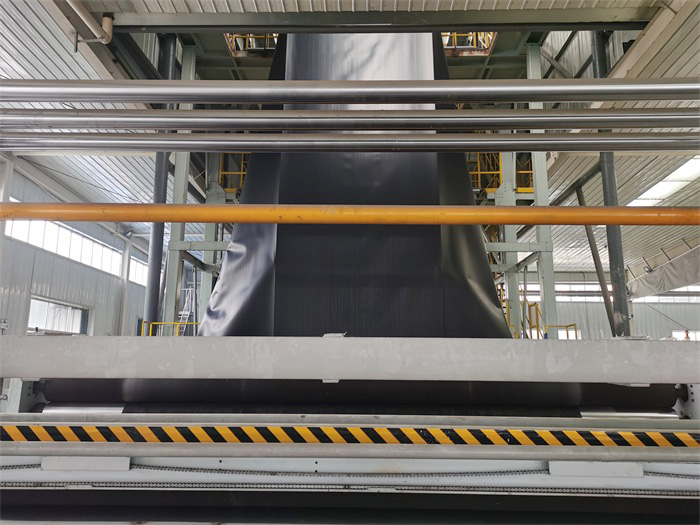
Polymer chips are melted at high temperatures, blended with UV stabilizers, and extruded through precision dies to form consistent structural ribs.
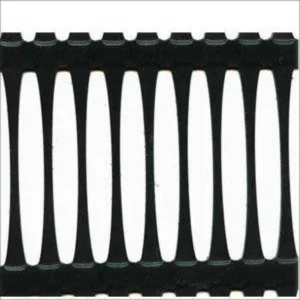
The extruded sheet is punched with regular aperture patterns. This web structure forms the base for biaxial and uniaxial grid products.
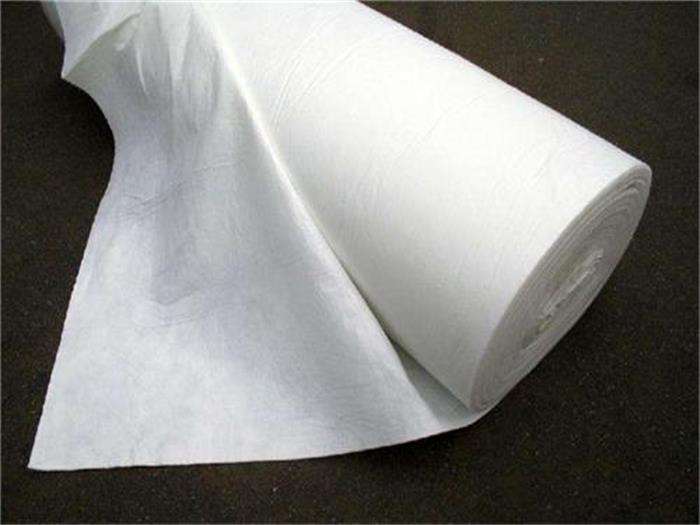
The punched polymer is heated and stretched under high tension. This process aligns the polymer molecules, giving the geogrid its high tensile strength.
Finished rolls are wound, labeled with batch details, and wrapped in protective covers to shield the material from UV rays during transit.
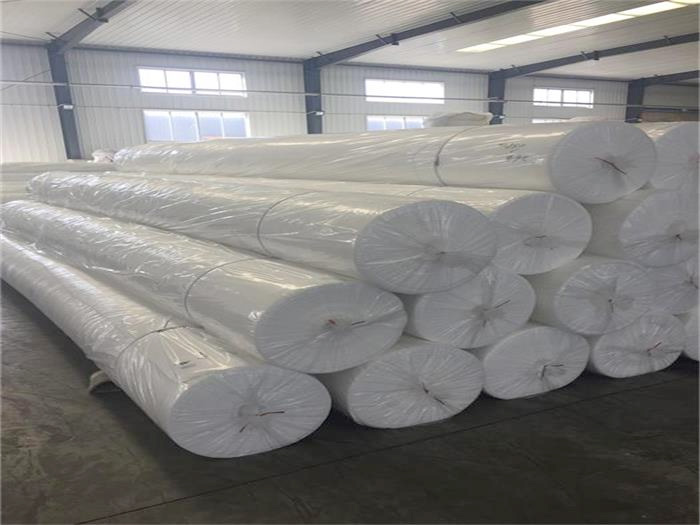
Our lab tests every batch for tensile strength, elongation limits, and junction efficiency. Only products meeting CE and ISO standards are released for shipment.
The global geosynthetics sector is shifting toward sustainable materials and longer-lasting product lifespans. Shandong Hongyue is investing in eco-friendly research to develop high-performance, carbon-neutral polymers that maintain their strength in acidic soils and heavy traffic zones.
Our future roadmap focuses on building smart geosynthetics. We are testing built-in fiber-optic sensors and conductive polymers that allow civil engineers to monitor subgrade stress levels in real-time, helping prevent landslides and embankment failures before they happen.
Our goal is to combine environmental safety with structural engineering, offering durable solutions for tomorrow's infrastructure networks.
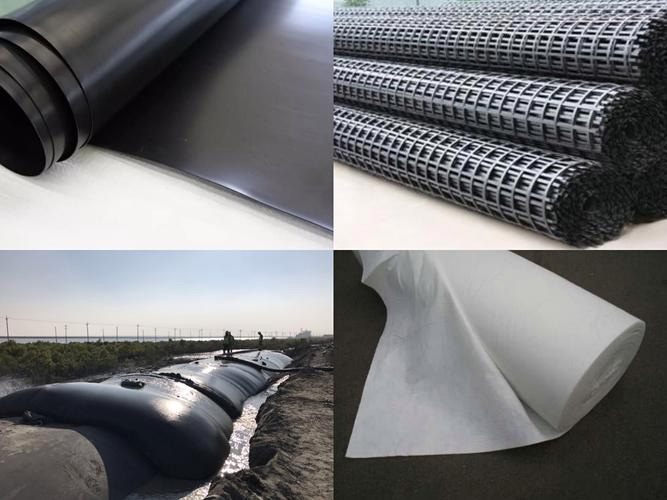
Every roll is tested to meet international standards for long-term civil engineering safety.
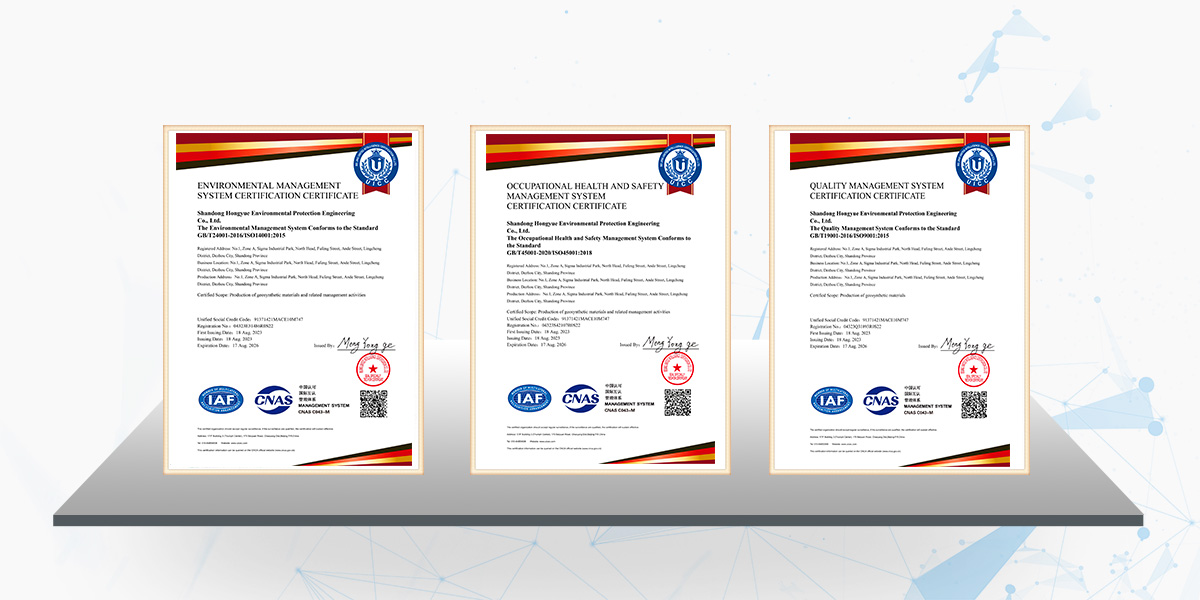
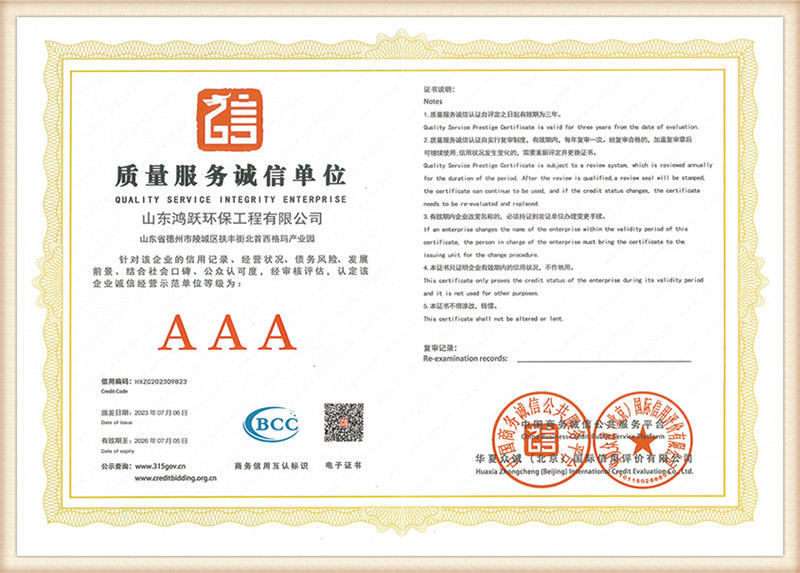
Our plant operates under ISO 9001 for quality management, ISO 14000 for environmental protection, and ISO 45001 for occupational health and safety standards.
Shandong Hongyue has earned numerous awards, including "Green Building Materials Brand" and "National Quality Assurance Unit" for our production practices.
We work with national testing agencies to verify our products, ensuring that all physical and chemical performance metrics meet state and international requirements.
| Property Checked | Common Test Methods | Target Specification Ranges | Practical Advantage |
|---|---|---|---|
| Peak Tensile Strength (kN/m) | ASTM D6637 / ISO 10319 | 20 kN/m to 150 kN/m | High load distribution capacity for steep slopes and base reinforcement. |
| Junction Efficiency (%) | GRI-GG2 / ASTM D7737 | > 90% of rib strength | Ensures the grid handles stress without joints cracking or breaking under load. |
| Carbon Black Content (%) | ASTM D4218 / ISO 6964 | 2.0% - 3.0% | Protects the material from UV damage during outdoor storage and installation. |
| Creep Rupture Limit | ASTM D5262 | Calculated over 120 years | Maintains soil reinforcement strength throughout the lifetime of the project. |
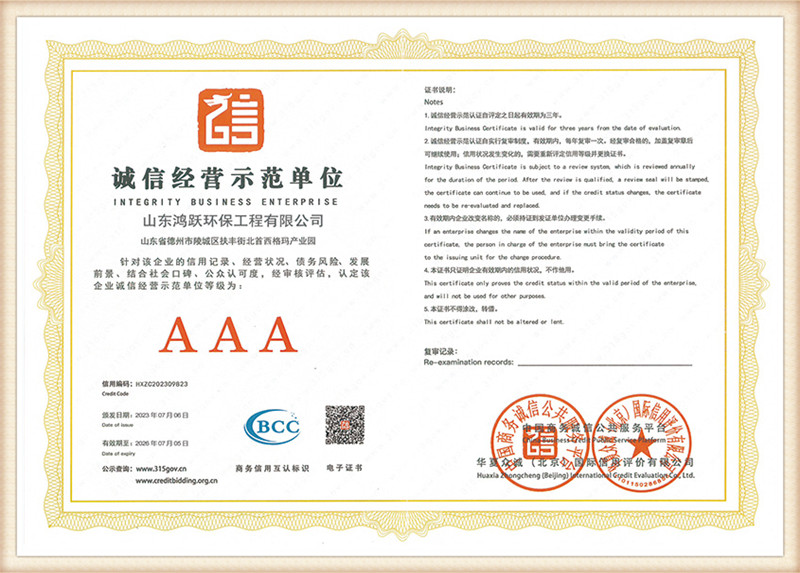
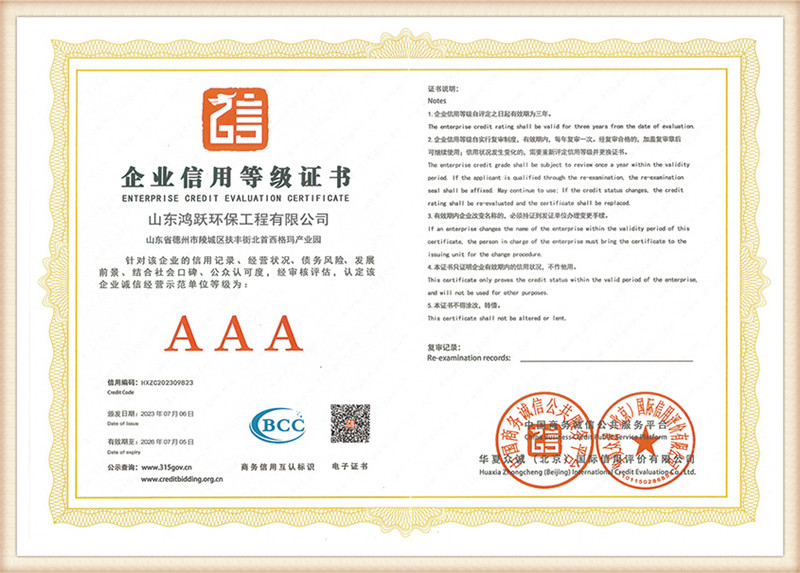
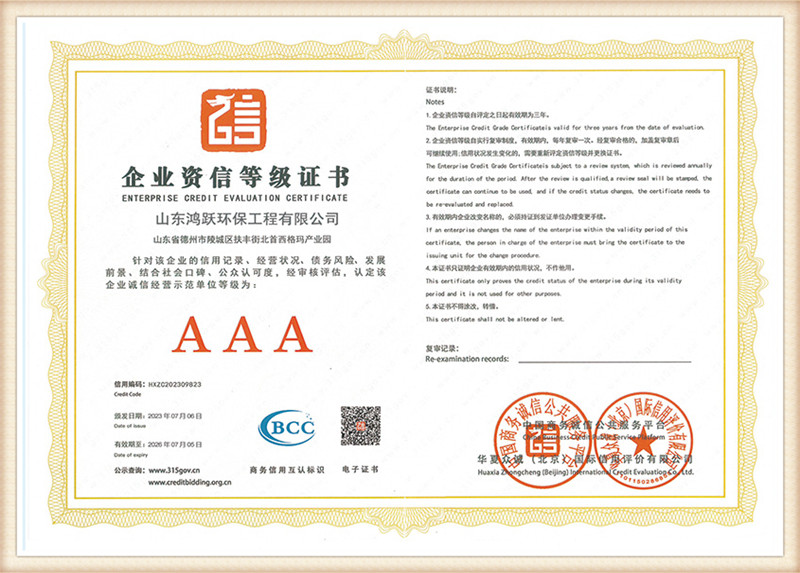
Proper on-site preparation, placement, and repair methods to maximize performance.
Remove all sharp rocks, roots, and debris from the foundation. Grade the soil surface flat and compact the subgrade to the project design specifications to prevent puncturing the synthetic layers.
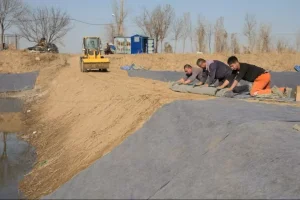
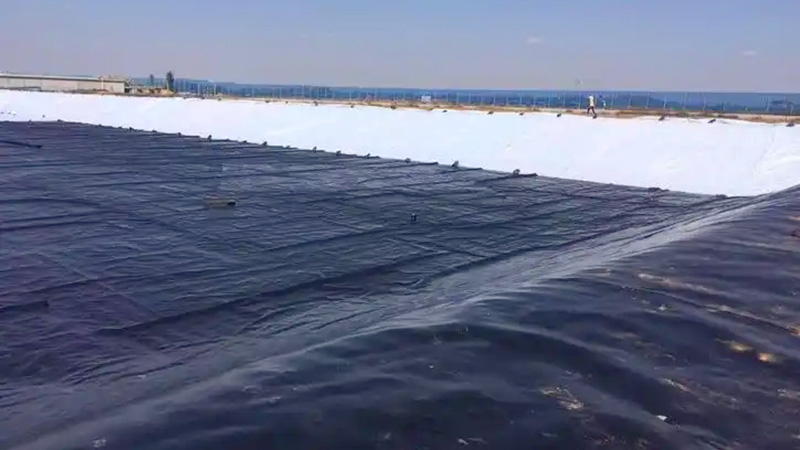
Roll out the geogrids or geomembranes flatly along the target alignment. Stretch the panels slightly by hand to remove wrinkles, securing them with stakes or soil mounds to keep them positioned before backfilling.
Overlap geomembranes by at least 100mm and weld them using hot-wedge or extrusion machines. Perform pressure tests on all dual-track welds to confirm the lining system is leak-free.
Inspect the laid material for tears, punctures, or UV exposure damage. Patch any damaged areas using matching material, overlapping the hole by at least 150mm in all directions before heat-welding.
To avoid damaging the materials, never drive machinery directly over exposed geogrids or membranes. Always spread and compact a protective lift of soil or aggregate before allowing vehicles onto the work area.
Technical answers to help buyers evaluate geogrids and plan installations.
CE certification confirms that our geogrids and drainage boards comply with European Union construction product regulation (CPR 305/2011). Under standards like EN 13249 and EN 13251, these products undergo rigorous testing for durability, mechanical resistance, environmental safety, and thermal properties, making them suitable for major infrastructure projects worldwide.
Uniaxial geogrids are stretched in one direction to handle high load-bearing demands along a single axis, making them ideal for retaining walls, bridge abutments, and steep slopes. Biaxial geogrids are stretched in two directions to distribute loads evenly, which works best for road bases, airfield runways, and railway foundations.
Our quality control starts with testing our raw polymer resins and continues through all manufacturing stages. We use an in-house laboratory to verify tensile properties, junction integrity, and UV resistance for each batch. This process is backed by ISO 9001, ISO 14000, and ISO 45001 certifications, ensuring our products meet international standards before leaving the factory.
Yes. We offer custom roll widths and lengths to match project designs, which helps minimize waste, cuts down on seams, and speeds up installation times. Contact our sales team for detail parameters and pricing quotes.
High-quality HDPE geogrids and geomembranes with built-in UV stabilizers and anti-oxidants are designed for long-term durability. When buried under soil and protected from direct sunlight, these materials are estimated to last over 100 years in typical environmental conditions.
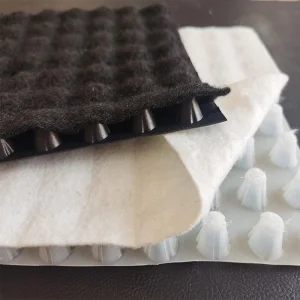
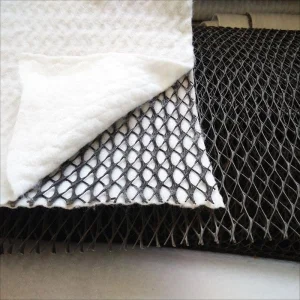
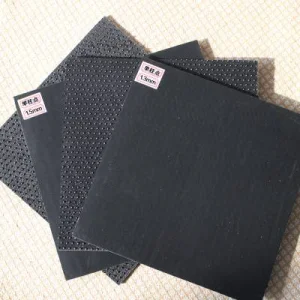
Explore our full catalog of high-durability geomembranes, drainage matrices, and subgrade stabilization materials.
 Hongyue