Explore our core selection of engineering-grade geotextiles, geogrids, and containment membranes engineered for structural stability and hydraulic integrity.
Addressing the complex engineering challenges of modern global infrastructure through structural optimization and advanced material design.
Modern civil infrastructure is undergoing a global paradigm shift, demanding higher structural performance, long-term environmental sustainability, and resilience against extreme climate occurrences. Geogrids and geotextiles represent the backbone of this transformation. As prime structural materials, geosynthetics serve critical functions in subgrade stabilization, load distribution, soil filtration, separation, and containment barriers. Unstable soft soils, shifting embankments, and hydrostatic stress are common geological challenges. Without proper remediation, these lead to premature structural failures in high-speed railways, municipal highways, commercial airport runways, and major containment facilities.
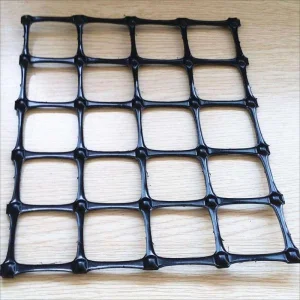
Our engineered solutions solve these macro-level structural issues systematically. By deploying biaxial or uniaxial polymer geogrids, tension is distributed uniformly, reducing the lateral deformation of aggregate layers. Geotextiles function simultaneously to prevent intermixing of subgrade fine particles with coarse structural aggregates, maintaining structural integrity over decades. This systematic stabilization reduces initial construction excavation costs and cuts down on long-term maintenance cycles. Whether building on expansive clays or constructing steep slopes, our tailored geosynthetic integrations provide predictable load-bearing performance and safety margins.
Increases overall load-bearing limits in weak soils by up to 150%.
Ensures optimal water discharge and separation metrics under heavy hydraulic heads.
Meets stringent AASHTO, ASTM, and European EN standards.
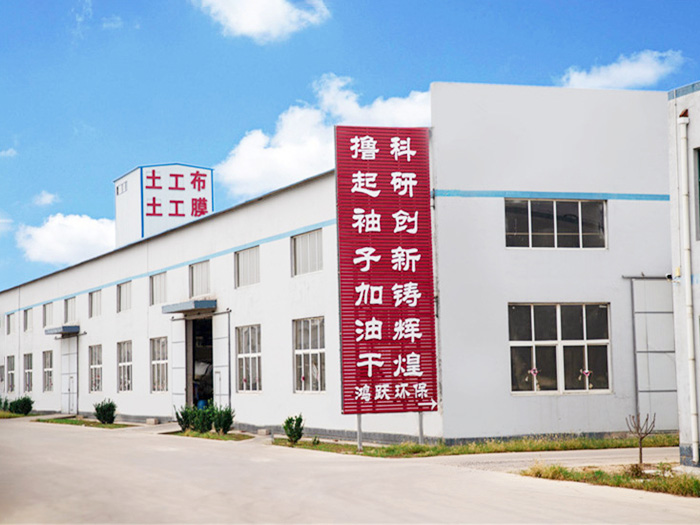
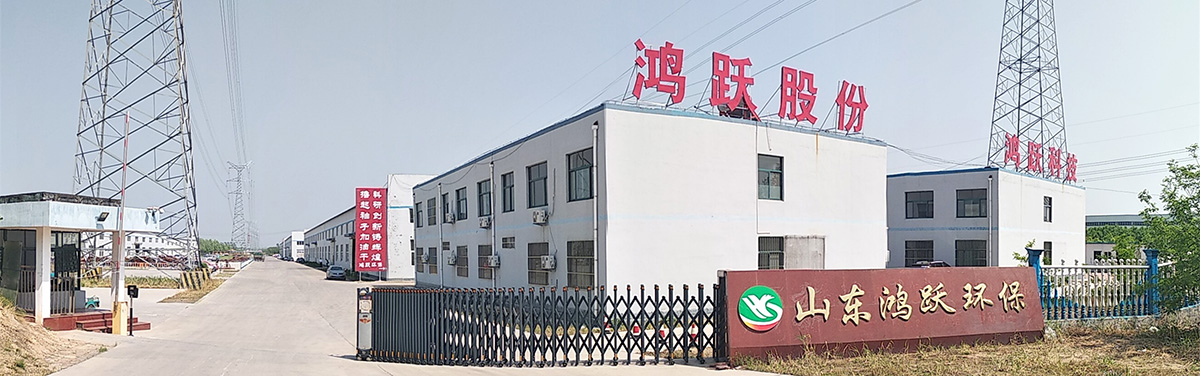
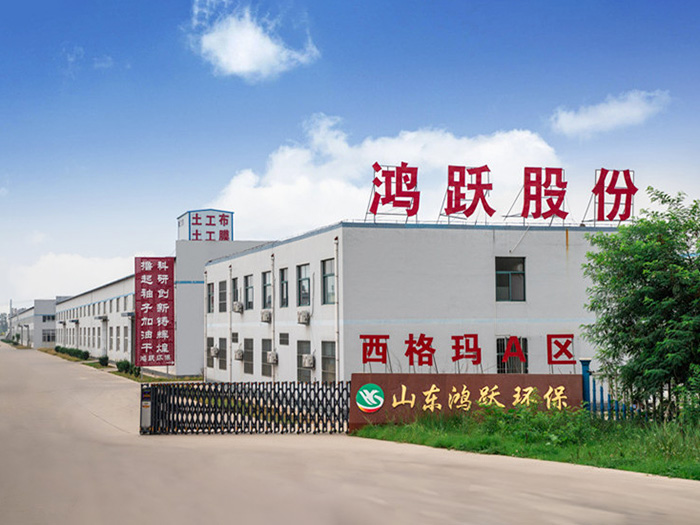
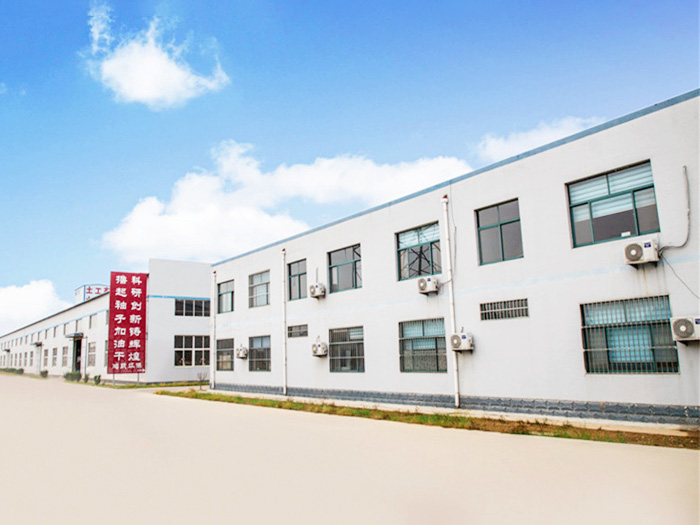
Shandong Hongyue Environmental Engineering Co., Ltd., located at the north end of Fufeng Street, Lingcheng District, Dezhou, Shandong Province, is a scientific and technological geotechnical material manufacturer integrating engineering material production, sales, design and construction services.
The company was registered in Lingcheng District Market Supervision and Administration Bureau of Dezhou City on April 6, 2023, with a registered capital of 105 million yuan. It is one of the largest production bases of geotechnical materials in China at present, located in Lingcheng District, Dezhou, Shandong Province, with superior geographical location and convenient transportation.
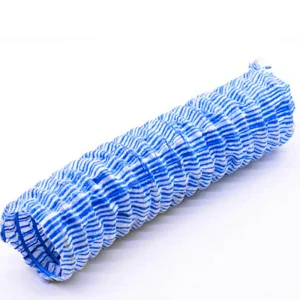
Since the establishment of the company has developed rapidly, business continues to grow and expand, our company mainly deals in geotextiles, geomembrane, composite geomembrane, waterproof board, bentonite waterproof blanket, 3D composite drainage net, (composite) drainage board, weaving cloth, woven cloth, geotextiles, membrane bags, blind ditches, waterproof and drainage combinations, woven bags, ecological bags, cement blankets, fiber plants blankets, geotextiles, flexible pervious pipes. Our business includes geosynthetics, waterproofing membrane production, sales, construction, and import/export of goods.
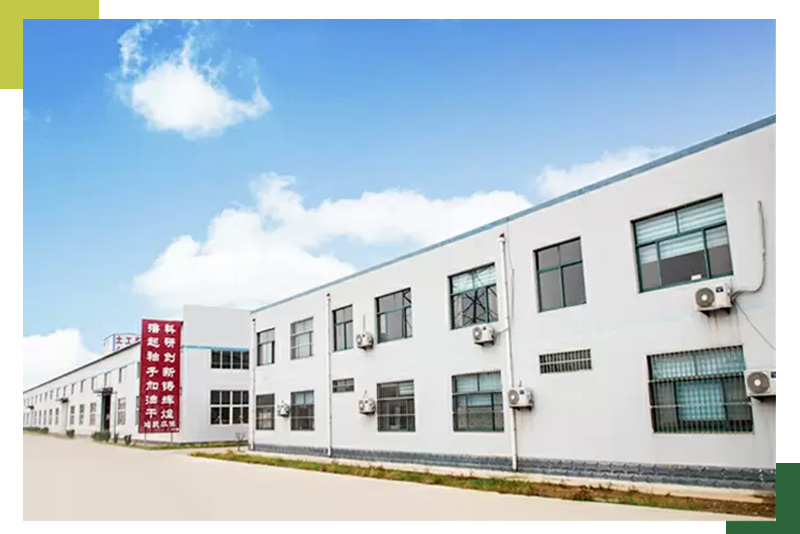
Scaling production to serve critical global markets across Europe, the Americas, Australia, and key international development zones.
Our strategic operations focus strongly on global distribution, enabling us to handle infrastructure projects at any scale. By establishing robust logistics paths and sales networks, Shandong Hongyue exports high-grade geogrids, geotextiles, and composite drainage boards to Europe, the United States, Australia, and various other parts of the world. Our location in Dezhou, Shandong Province, provides direct transit links to major shipping ports, ensuring rapid dispatch, competitive freight optimization, and reliable delivery timelines.
To support this international reach, we have built a structured sales and technical network across more than 40 large and medium-sized cities, including major industrial hubs like Shanghai and Beijing. This allows us to provide round-the-clock technical consultations, offer tailored project solutions, and maintain consistent quality across regional boundaries. Our engineering teams have over ten years of on-site experience, preparing them to handle project specifications under various geological conditions globally.
A look at our specialized geosynthetic lines designed for structural support, drainage, filtration, and containment.
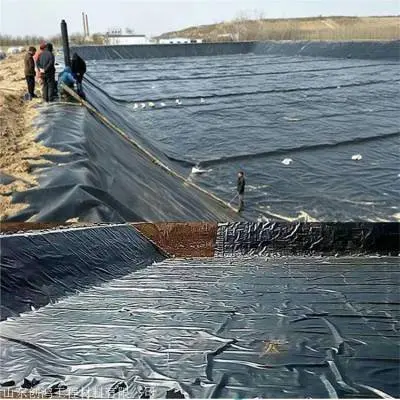
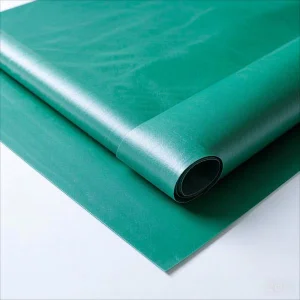
High-density impermeable liners designed specifically to protect aquaculture environments and prevent soil seepage.
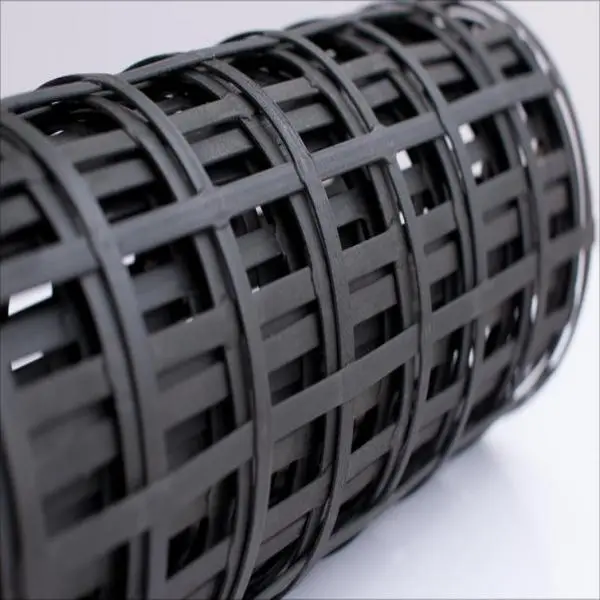
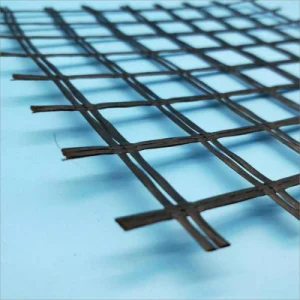
High-strength composite reinforcement material, combining steel wires with polymer protection for soil retention.
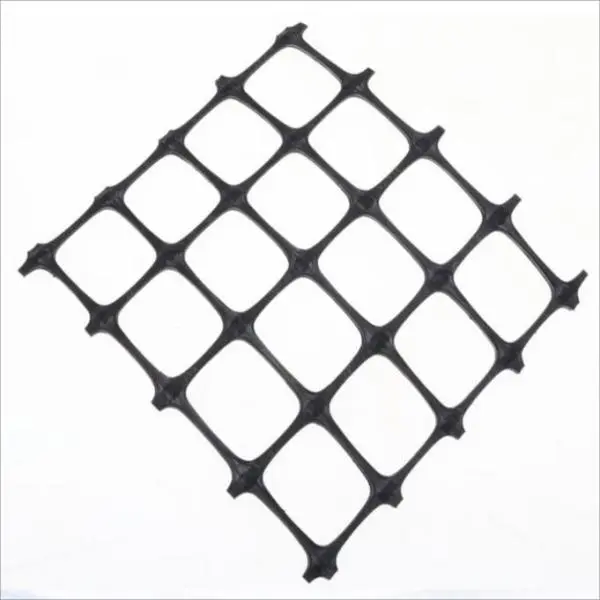
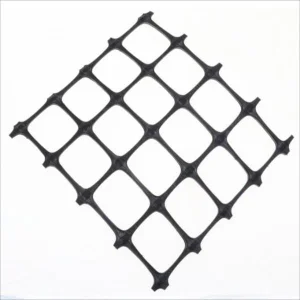
Provides structural stability for retaining walls, steep slopes, and soft subgrade reinforcements.
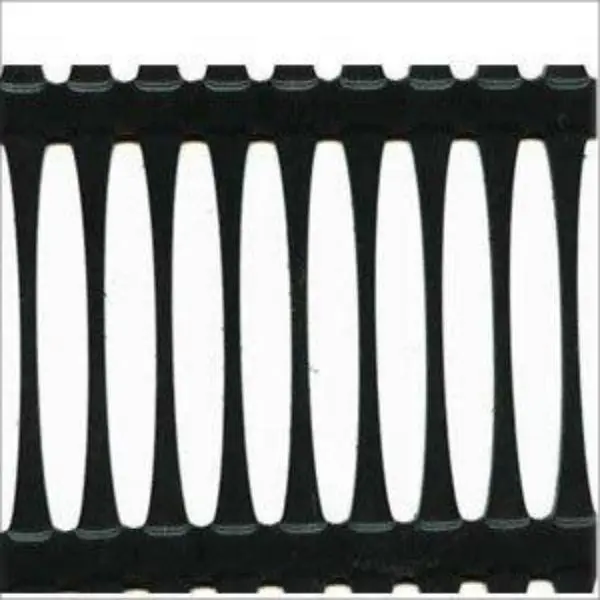
Optimized for high-tensile resistance along a single axis, perfect for retaining walls and steep slope designs.
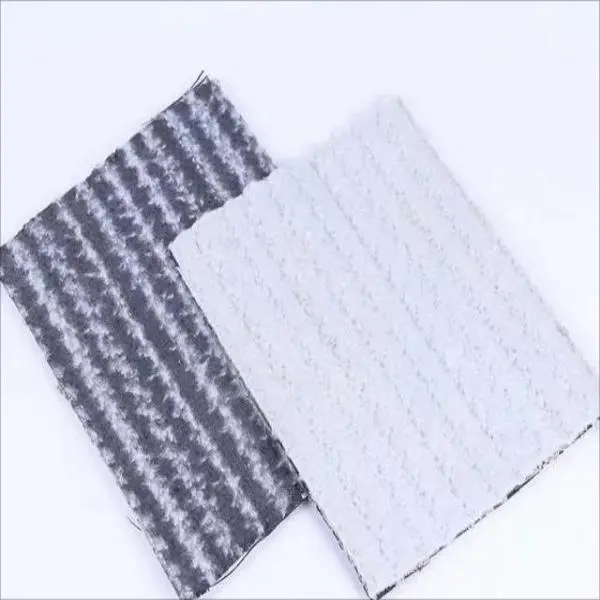
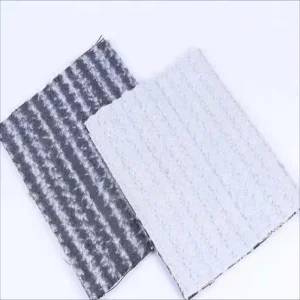
Innovative composite fabric that hydrates to form a durable, fire-resistant concrete layer for channel linings.
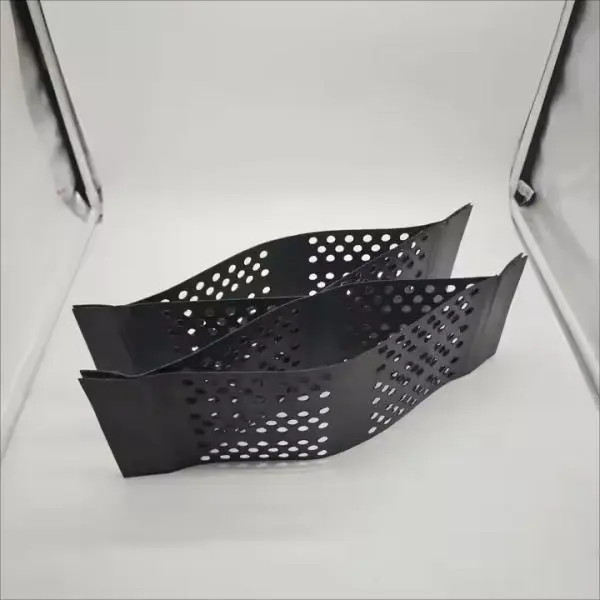
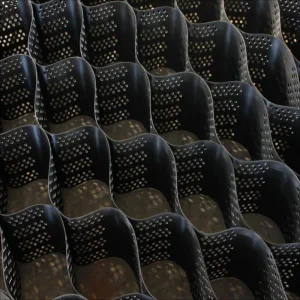
Three-dimensional cellular confinement systems designed to control erosion and stabilize base courses.
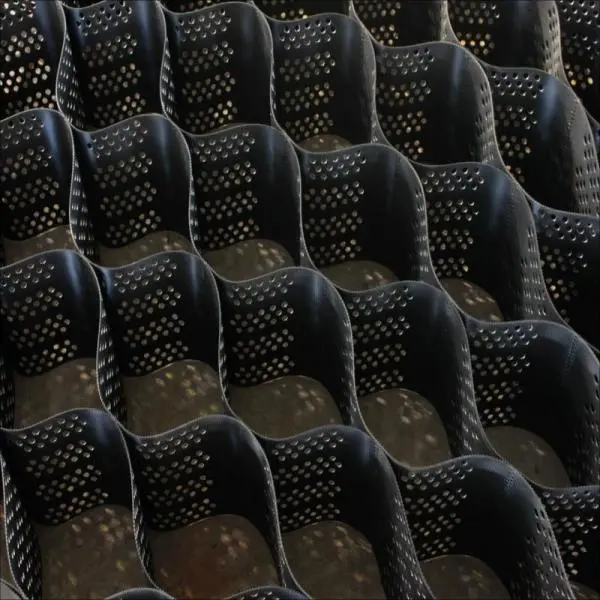
High-density polyethylene geocells offering reliable tensile strength and structural support for road foundations.
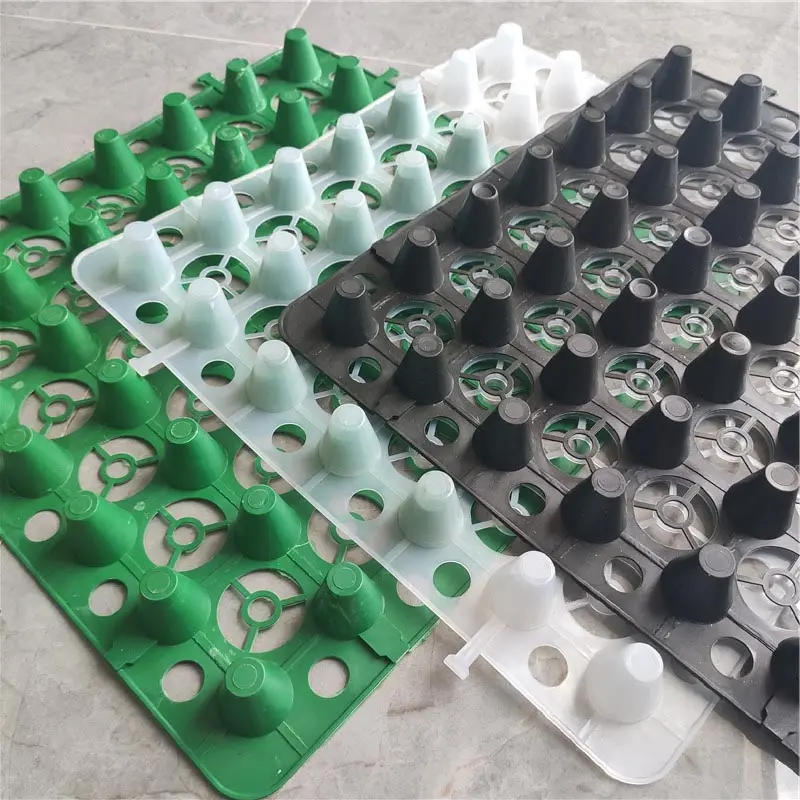
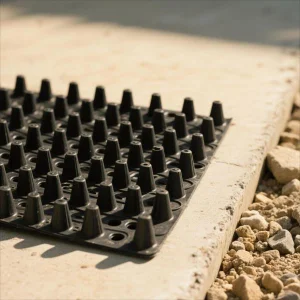
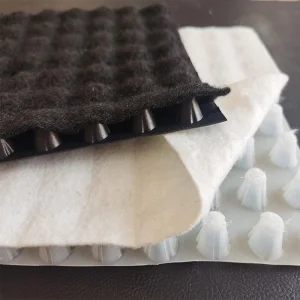
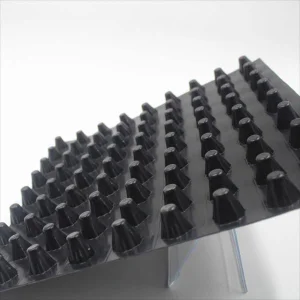
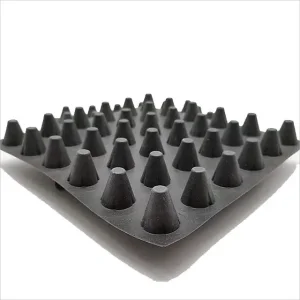
Double-function dimpled sheet designed to retain moisture for plants while draining away excess water.
We deliver comprehensive containment and stabilization systems tailored to specific infrastructure challenges:
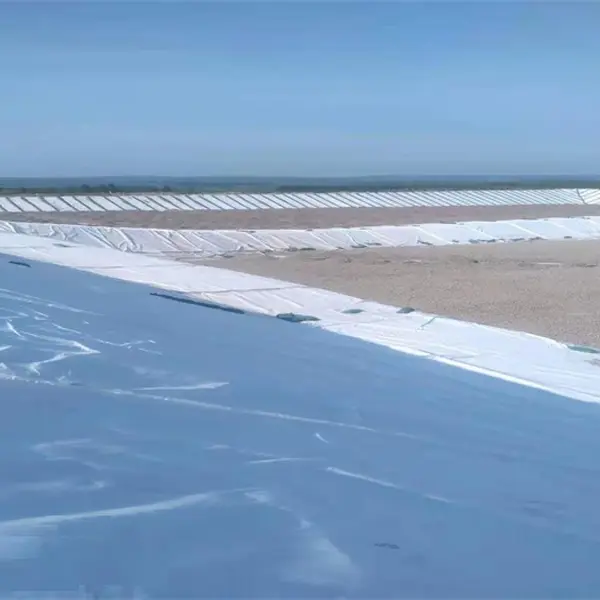
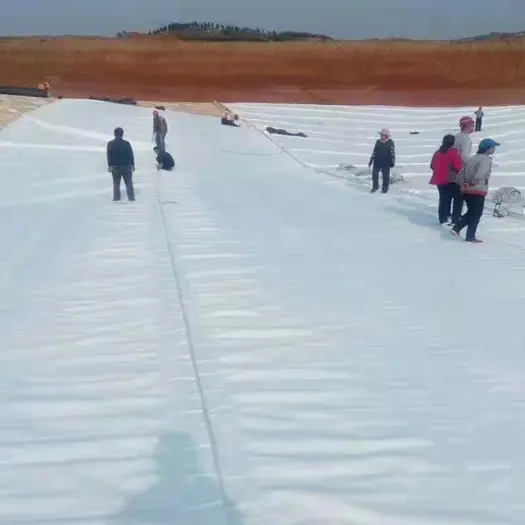
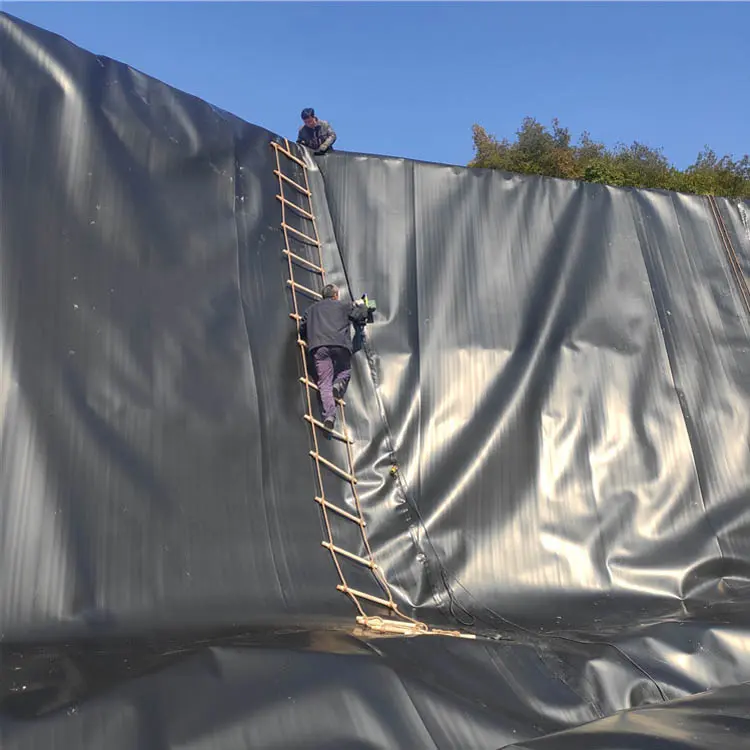
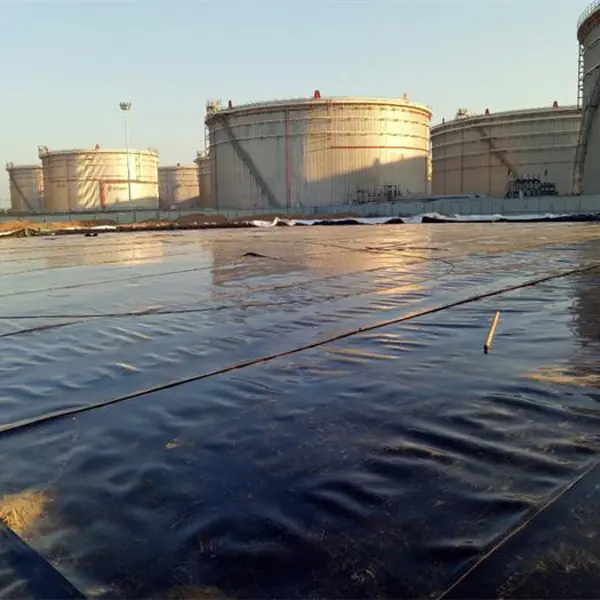
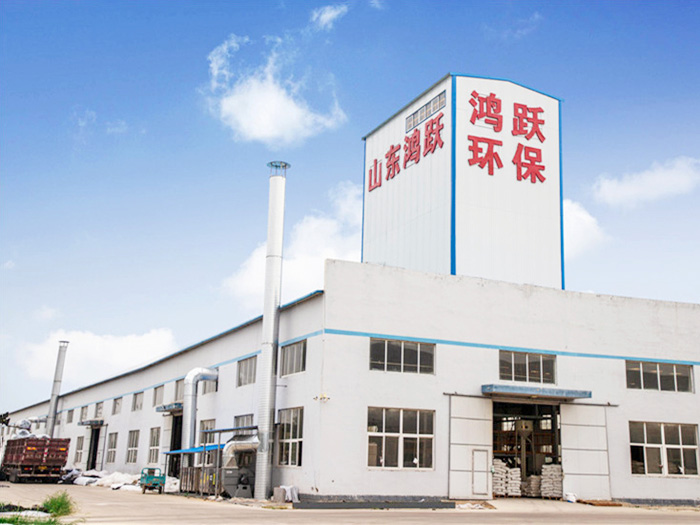
Inside our high-capacity production center in Dezhou, Shandong Province, operating advanced extrusion and needle-punching machinery.
Industrial Extrusion Line producing high-density geomembranes.
Our manufacturing base operates high-throughput polymer processing lines that produce premium non-woven and woven geotextiles, geogrids, geocells, and drainage composites. By using precise temperature profiles and automated tension controls, we ensure that every batch of geosynthetics maintains consistent structural properties, high tensile strength, and reliable puncture resistance.
This automated production setup minimizes variation in thickness and mass per unit area. This enables Shandong Hongyue to supply large-scale projects, such as municipal road upgrades, high-speed rail lines, and industrial waste containment facilities, with consistent materials that meet strict project specifications.
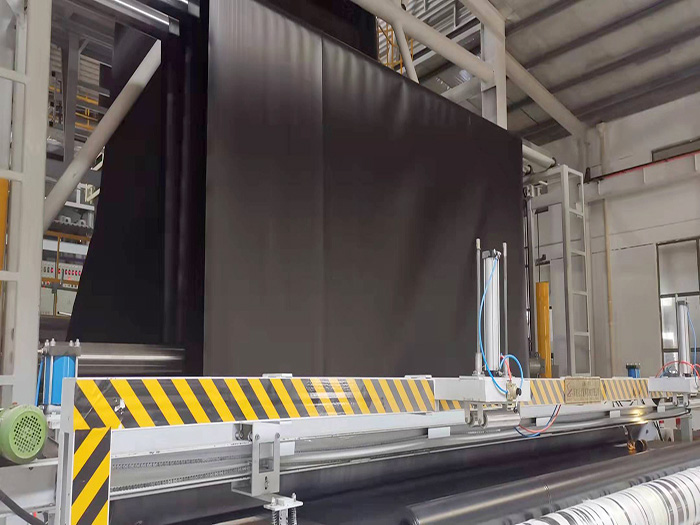
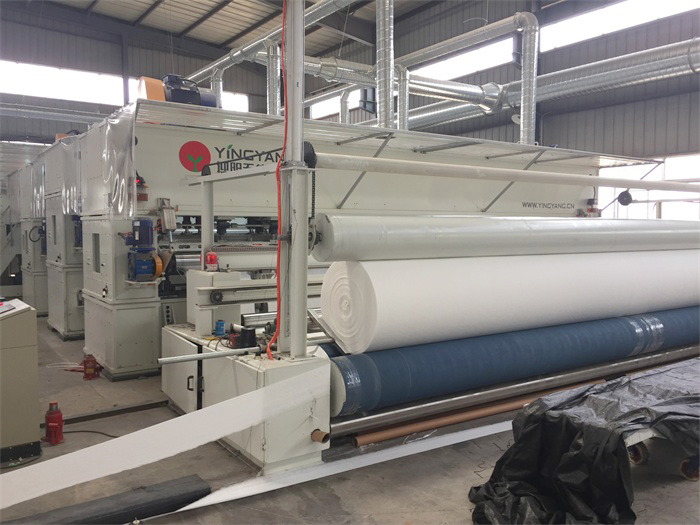
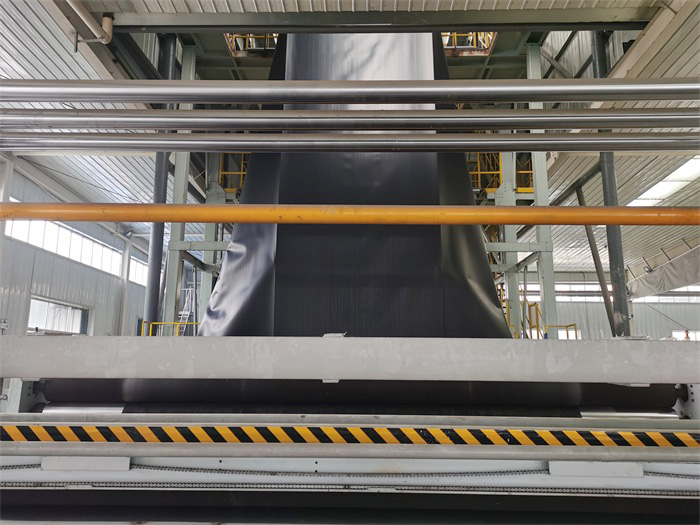
Understanding the manufacturing stages that transform raw polymer resins into durable, high-performance civil engineering fabrics.
The manufacturing process of high-grade geotextiles requires careful control at every stage to ensure functions like filtration, isolation, reinforcement, and protection perform reliably under heavy soil loads. Below is the step-by-step production process used at Shandong Hongyue:
We source high-grade raw materials, primarily polyester (PET) chips, polypropylene (PP) filament, and viscose fibers. These are inspected for purity, density, and moisture content before processing to ensure baseline material consistency.
Polyester chips are heated and extruded by twin-screw extruders. During extrusion, we carefully regulate temperature and pressure to ensure a uniform melt, adding stabilizers to improve long-term UV resistance.
The molten polymer is extruded through spinnerets to form fine filaments. These are laid onto a moving conveyor belt in a randomized, multi-layered web pattern to provide uniform tensile strength in all directions.
The loose fiber web passes through needle looms, where thousands of barbed needles interlock the fibers mechanically. The web then undergoes thermal curing to set its thickness and improve dimensional stability.
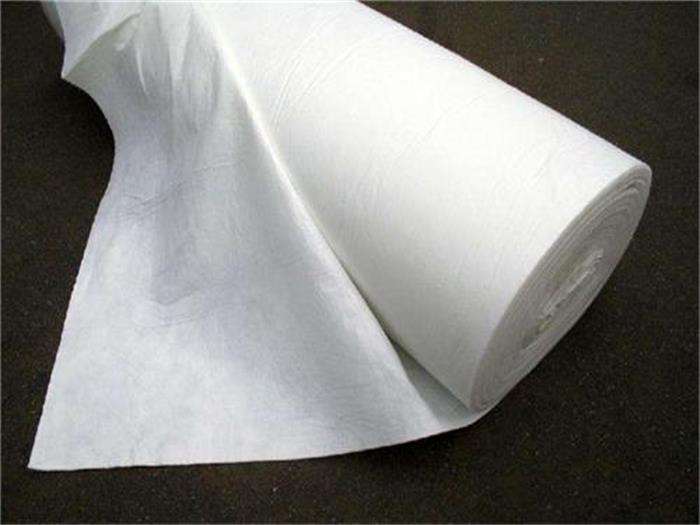
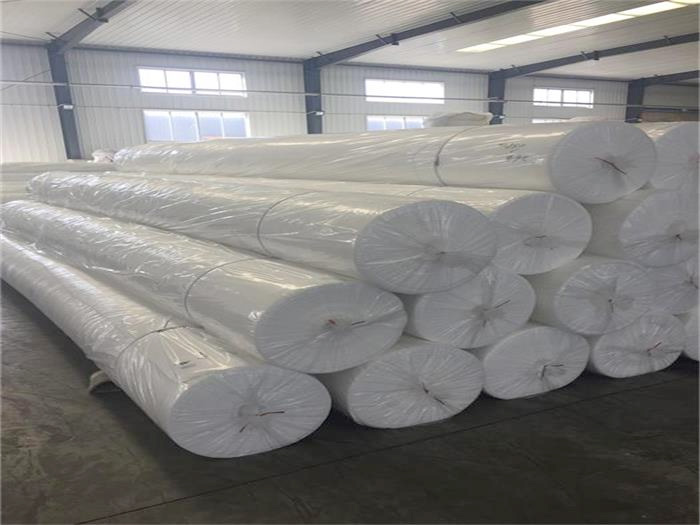
The finished geotextile sheet is slit to target widths and wound onto heavy-duty cores. Each roll is measured for length, width, and overall thickness to ensure it aligns with standard project requirements.
Samples from each run undergo laboratory testing. We verify physical, mechanical, and hydraulic properties—including tensile strength, puncture resistance, and water permeability—before approving the batch for dispatch.
A guide to geomembrane selection, site preparation, welding methods, and long-term maintenance for containment projects.
Choosing the correct geomembrane is essential for the long-term success of containment projects. The two most common options are High-Density Polyethylene (HDPE), which offers high chemical and UV resistance, and Linear Low-Density Polyethylene (LLDPE), which provides better flexibility and elongation for irregular terrains. Thicknesses typically range from 0.3mm for light drainage barriers to 2.0mm for heavy-duty industrial landfills, and the material's permeability must be low enough to prevent fluid migration into the surrounding soil.
Before laying the geomembrane, the subgrade must be compacted and cleared of sharp stones, debris, or roots that could cause punctures. The panels are then unrolled, aligned with adequate overlaps (typically 75mm to 150mm), and welded using hot-wedge or extrusion methods to create secure, leak-free seams. The membrane is then secured in perimeter anchor trenches to prevent wind uplift and movement.
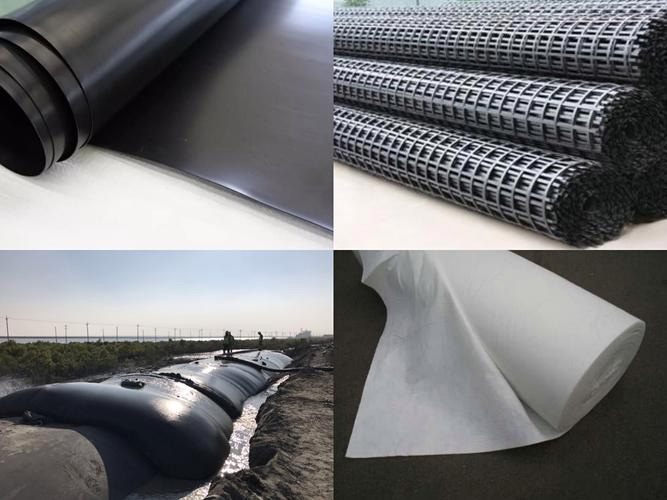
Double-track hot-wedge welding ensures reliable containment seams.
Confirming subgrade compaction levels and ensuring the surface is free of sharp objects before unrolling panels.
Using automated hot-wedge welders to fuse overlaps, creating a continuous barrier across the containment area.
Performing air-channel pressure tests along the welded seams and setting up routine inspections to check for wear.
Real-world applications of geosynthetics across water conservancy, transport infrastructure, and commercial roof drainage.
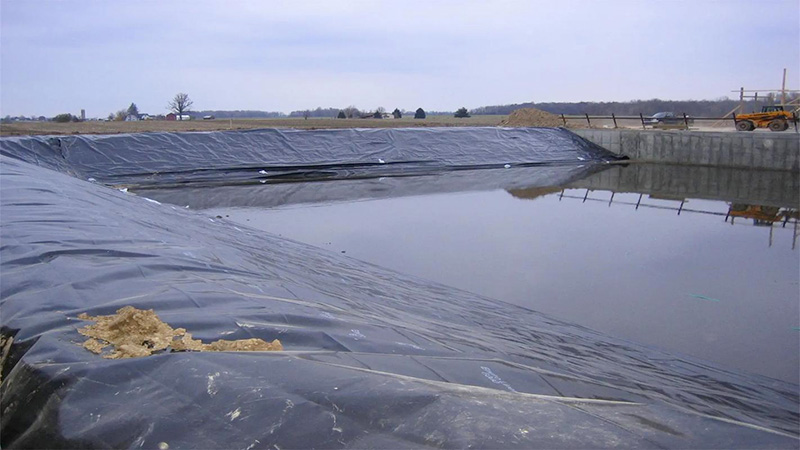
In reservoir construction, geomembranes are used to line the basin floor and slopes. This helps prevent water loss through joints and fractures in the bedrock, stabilizing the reservoir's capacity over long-term operation.
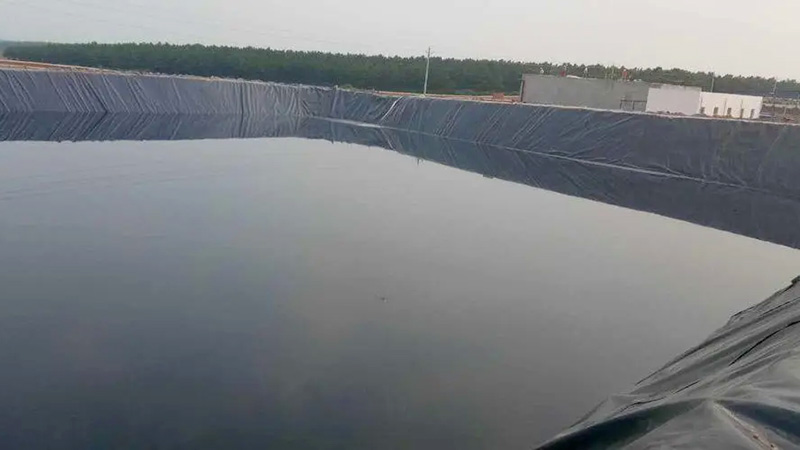
Levee construction uses composite geotextiles and geogrids to reinforce internal soils. This structure controls erosion and reduces the risk of piping failures during seasonal flood peaks, protecting low-lying communities.
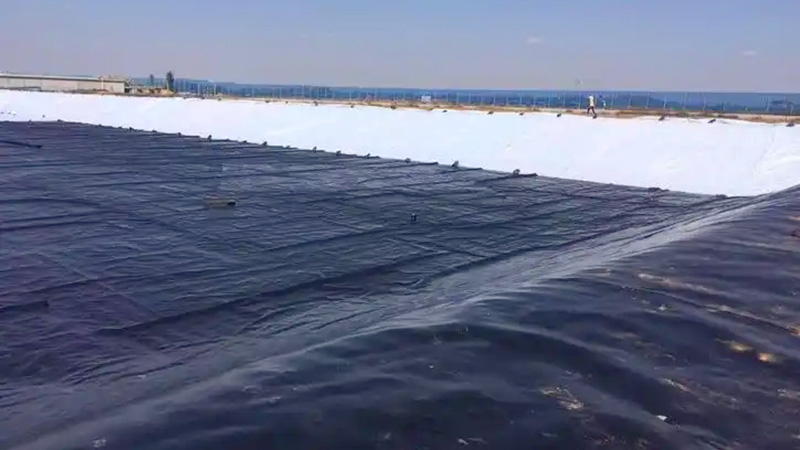
Lining channels with geomembranes and geotextiles prevents erosion along the banks. It also helps manage water flow, reduces siltation, and protects agricultural areas adjacent to the canal.
Maintaining strict quality control under international certifications to support large-scale public and private works.
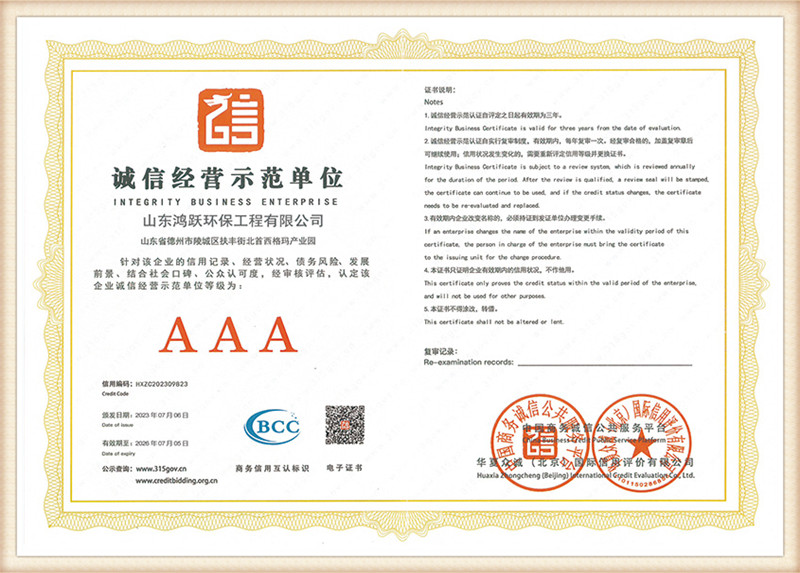
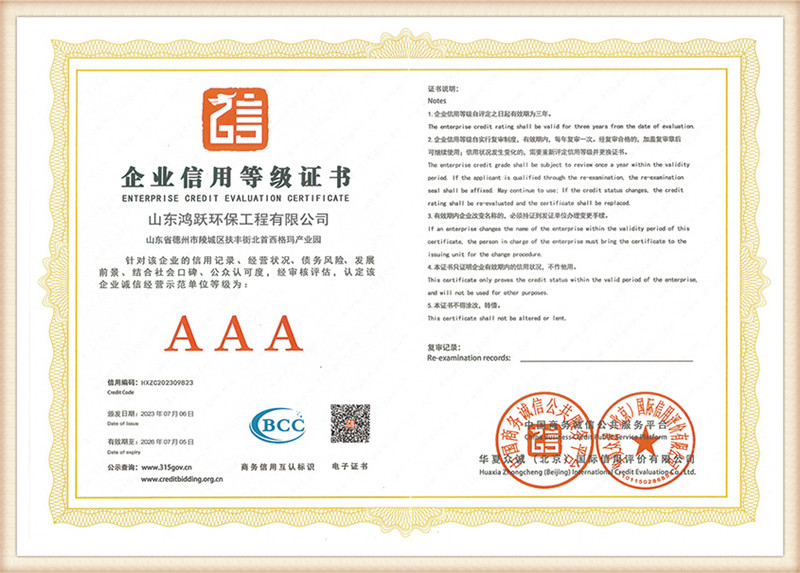
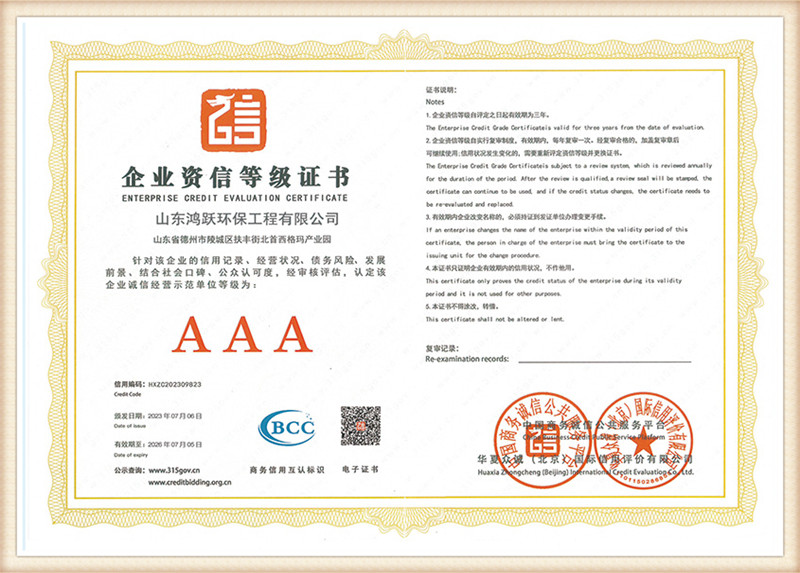
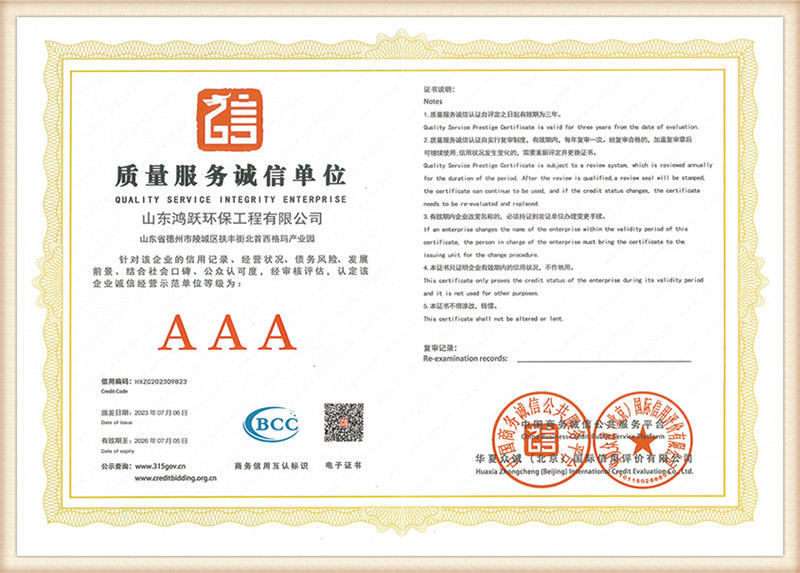
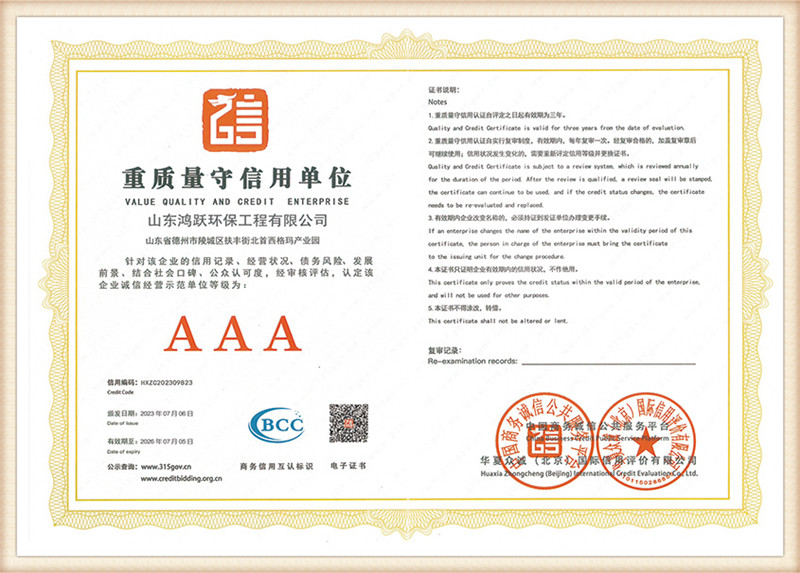
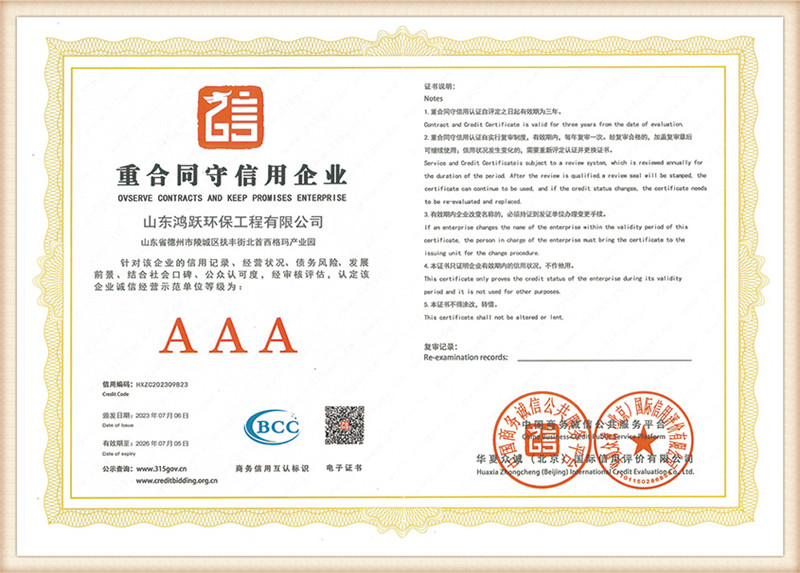
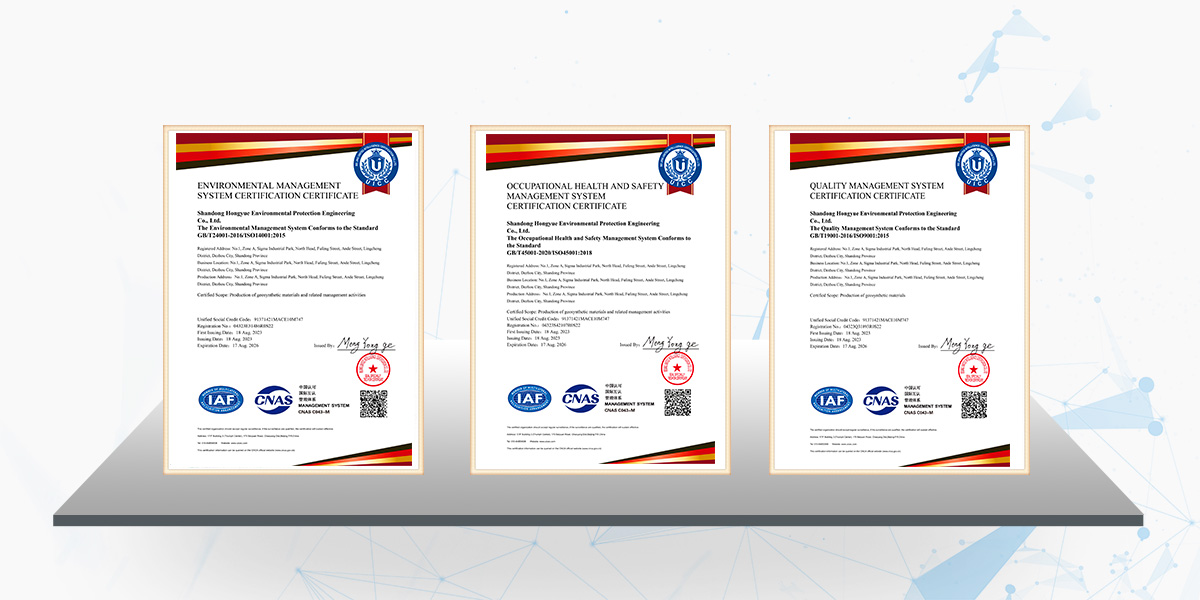
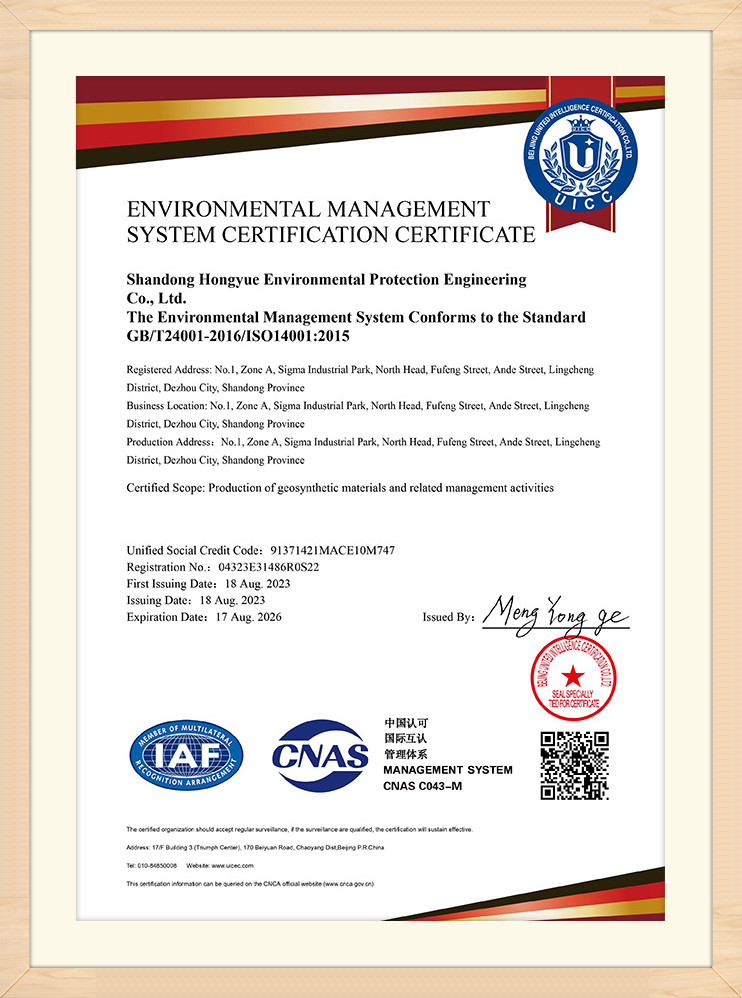
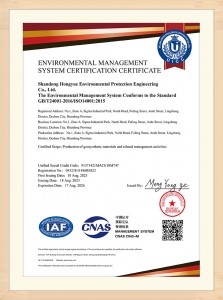
Shandong Hongyue Environmental Engineering Co., Ltd. operates under a certified quality management system, including ISO9001 (Quality Management), ISO14001 (Environmental Management), and ISO45001 (Occupational Health and Safety Management) certifications.
Our testing facility checks every batch of geosynthetics for physical, mechanical, and hydraulic consistency. The materials meet or exceed national Chinese standards, have been verified by the China National Testing Center, and are approved for export to markets that require CE compliance. This focus on testing and certification ensures our products perform reliably in key transport, environmental, and containment projects globally.
Developing sustainable, durable, and smart geosynthetic materials for next-generation civil engineering.
The geosynthetics industry is adapting to new environmental and durability requirements. Shandong Hongyue is updating its manufacturing processes to align with these trends, focusing on three main areas:
We are testing recycled polymer resins and biodegradable fibers to reduce the carbon footprint of temporary stabilization projects without affecting material performance.
We are researching geogrids integrated with fiber-optic strain sensors. These materials can monitor subgrade stresses in real-time, providing early warnings for critical infrastructure.
Our R&D team is refining polymer blends to improve resistance to acidic soils and chemical leachate, extending the design life of containment liners in industrial sites.
Clear, technical explanations to support your procurement, design, and field installation decisions.
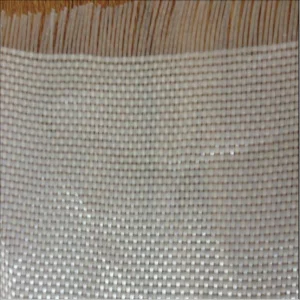
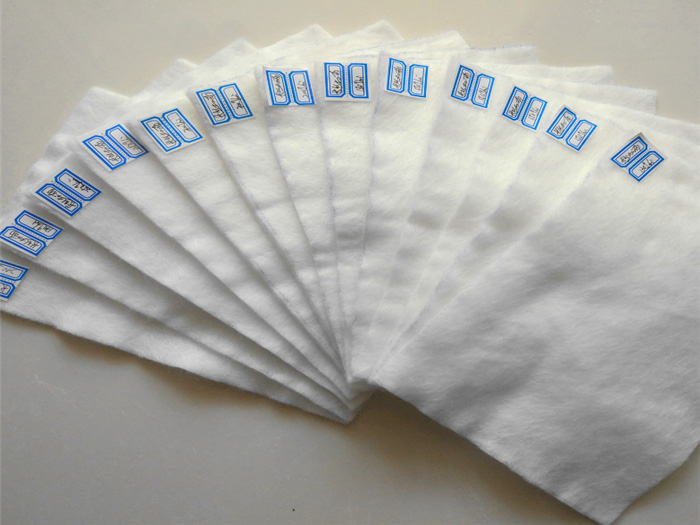
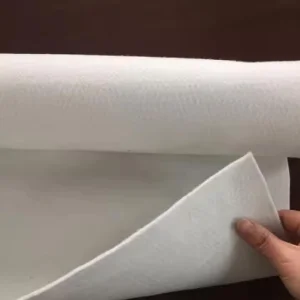
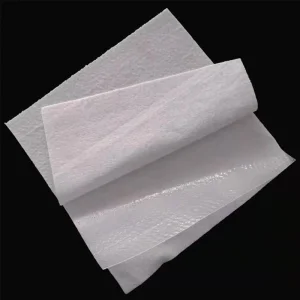
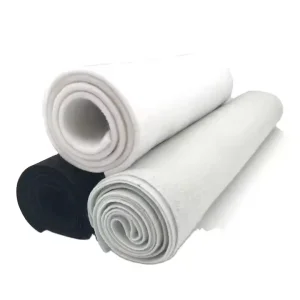
Woven geotextiles are manufactured by weaving synthetic fibers (usually polypropylene or polyester) together, resulting in high tensile strength and load-bearing capacity. They are primarily used for structural reinforcement, subgrade stabilization, and road base separation. Non-woven geotextiles are made by needle-punching or thermally bonding randomized fibers. They have lower tensile strength but excellent permeability, making them ideal for subsoil filtration, subsurface drainage, and protective cushioning under geomembranes.
We maintain quality through automated production lines and standardized testing. We run inline thickness monitors and weight-per-square-meter trackers, and verify physical properties in our laboratory against ISO standards. We test for tensile strength, elongation, hydraulic flow rates, and puncture resistance before approving any batch for dispatch.
Typical production and packing timelines range from 7 to 15 days after order confirmation, depending on volume. Located in Dezhou, Shandong Province, we primarily ship through Qingdao Port, which offers direct maritime routes to major destinations in Europe, North America, and Australia.
Yes, we can customize parameters such as roll width, length, thickness, and color. For high-volume projects, we also formulate polymer blends with specific UV stabilizers or chemical resistances to meet the environmental requirements of the site.
Review our specialized geotextile composites, geogrids, and industrial drainage systems designed for global infrastructure projects.
 Hongyue