Specially engineered anti-grass solutions customized for Vietnam's high-temperature, monsoonal climate zones.
Vietnam is rapidly ascending as a global agricultural powerhouse, particularly in high-value exports like dragon fruit, durian, mangoes, coffee, and organic tea. According to the Ministry of Agriculture and Rural Development (MARD) of Vietnam, agricultural exports have surged consistently, creating a profound industrial push toward high-tech, sustainable cultivation practices.
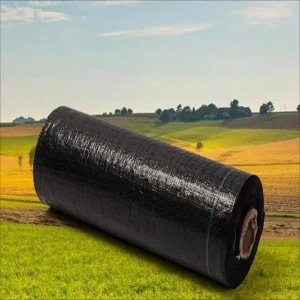
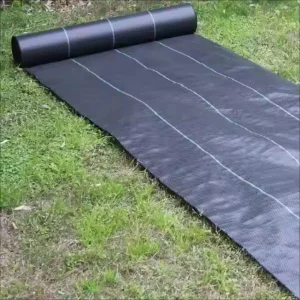
The tropical monsoonal climate of Vietnam—characterized by extreme humidity, high rainfall, and intense UV exposure—creates an environment where weed growth is exceptionally aggressive. Traditionally, farmers resorted to extensive chemical herbicide applications. However, with global destination markets (such as the EU, North America, and Japan) imposing strict Maximum Residue Limits (MRLs) on chemical residues, the Vietnamese agricultural sector is systematically transitioning to physical weed suppression technologies. This is where high-durability weed control cloth (also known locally as bạt phủ chống cỏ or vải địa kỹ thuật chống cỏ) becomes a mandatory operational asset.
Furthermore, major high-tech farming hubs such as Lam Dong (Da Lat), the Central Highlands (Tay Nguyen), and the vast Mekong Delta region require localized variations in textile weight, permeability, and UV stabilization parameters to withstand intense regional stresses.
Understanding how material science, environmental regulations, and logistics shape the weed control fabric industry.
Increasingly rigid carbon footprint standards and the global demand for organic-certified crops are driving massive adoption rates of geotextiles. Woven and non-woven weed barriers eliminate chemical runoffs, protecting soil microbiology and conserving groundwater tables.
Modern raw polymer compounding utilizes specialized Hindered Amine Light Stabilizers (HALS) and premium Carbon Black formulas. These additives prevent the photo-oxidation of Polyethylene (PE) and Polypropylene (PP) under extreme solar radiation index rates (UVI > 11), common in equatorial countries.
Leading exporters are developing fabrics that achieve the optimal compromise between water permeability and weed suppression. High-tensile woven structures allow fertilizer micro-irrigation systems to work smoothly while keeping the soil underneath oxygenated and structured.
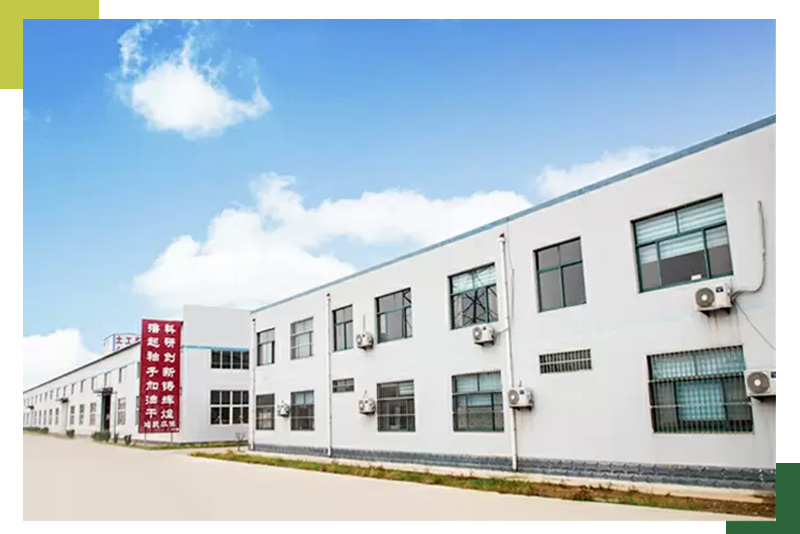
Located at the north end of Fufeng Street, Lingcheng District, Dezhou, Shandong Province, Shandong Hongyue is a scientific and technological geotechnical material manufacturer integrating engineering material production, sales, design, and construction services. With a registered capital of 105 million yuan, our facility is recognized as one of the largest production bases of geotechnical and geosynthetic materials in China, supported by superior geographic logistics and convenient transport links.
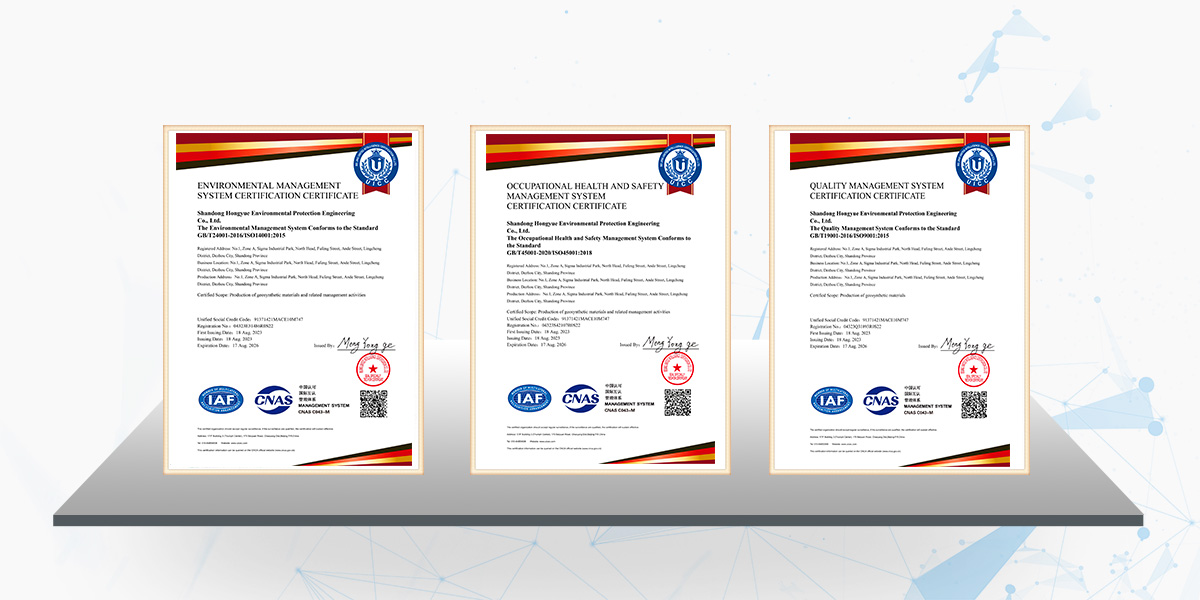
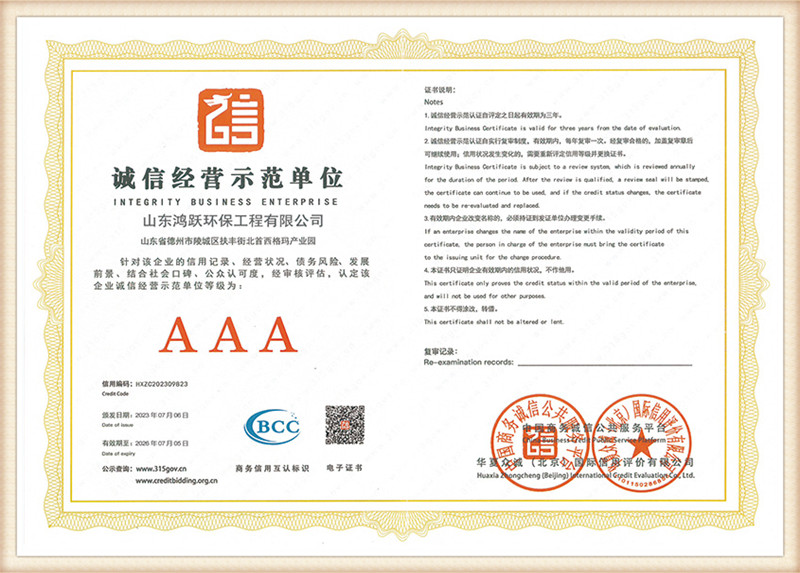
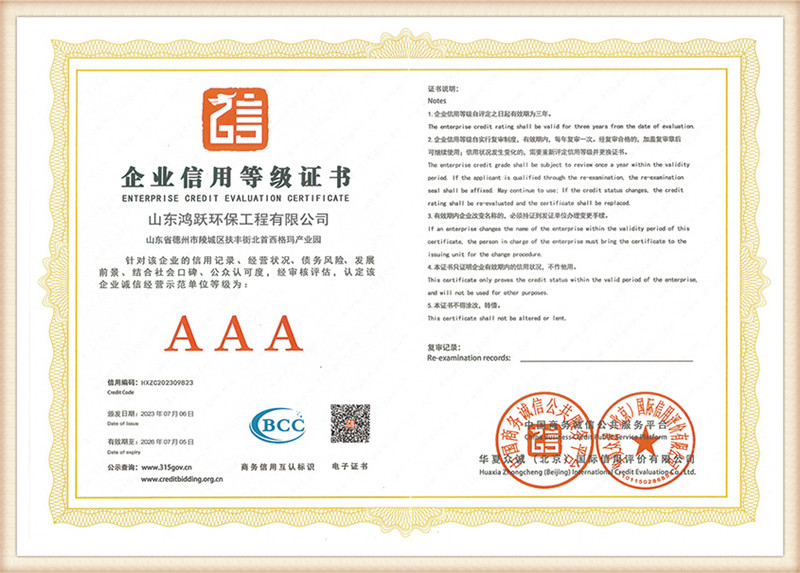
Our operation is systematically certified under the international quality system ISO9001, environmental system ISO14000, and occupational health and safety management system ISO45001. We have won multiple national awards including "Green and Environmentally Friendly Building Material Products" and "Famous Chinese Brands". Our industrial-grade products are utilized extensively in key municipal, agricultural, and hydraulic works globally, including European, American, Australian, and ASEAN markets.
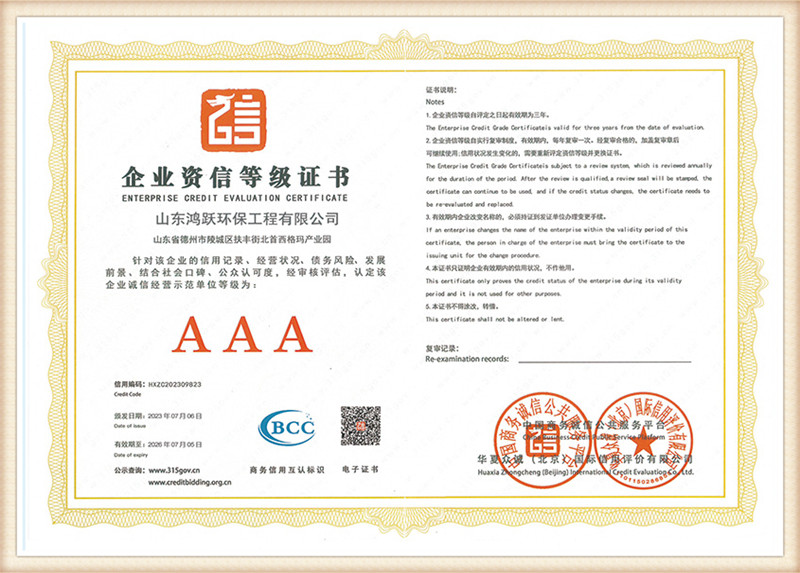
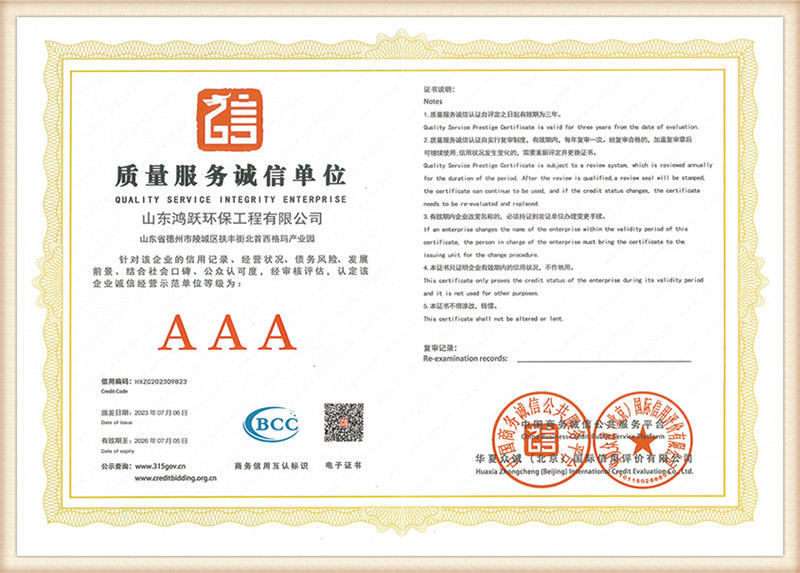
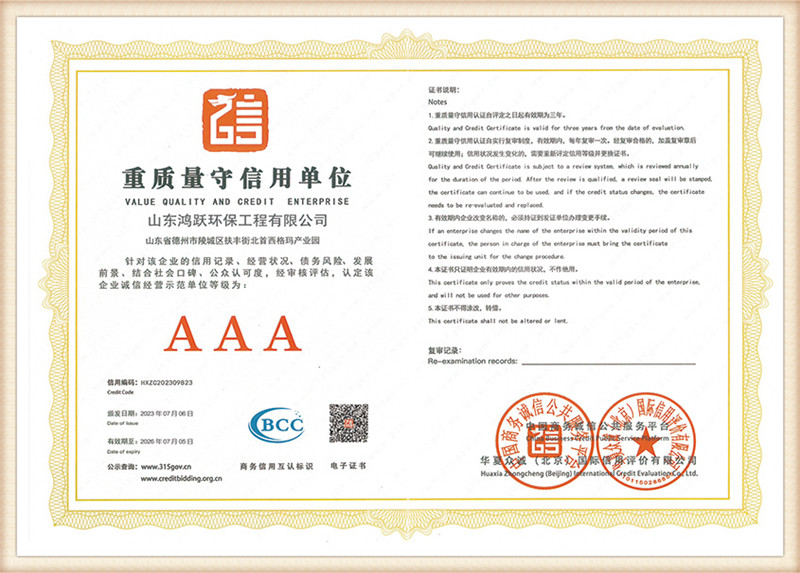
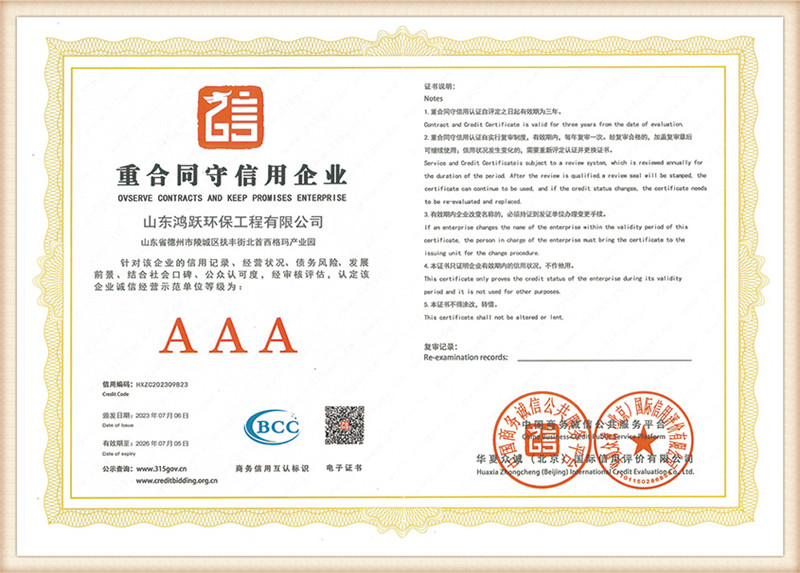
Our state-of-the-art production pipeline is designed to enforce maximum tensile performance and long-term biological resilience.
Polypropylene chips, polyester fibers, and UV light-stabilizers are selected and chemically verified. Raw material batches undergo density and moisture index checks before processing.
Polymer material is heated to a molten state in high-pressure screw extruders. Filaments are spun under monitored temperatures to maintain continuous fiber density.
Extruded filaments are distributed to lay down a uniform mesh. This step governs the product's ultimate structural weight, thickness distribution, and air permeability rates.
The fibrous web is fed through thermodynamic draft rollers to seal the weave matrix. This process maximizes the puncture resistance index of agricultural fabrics.
The cured geotextiles are rolled according to standard agricultural dimensions (1m, 2m, 3m, 4m widths) and packaged in protective anti-UV film layers.
Tensile stress, water permeability, vertical water flow rate, dynamic puncture, and UV aging tests are conducted to verify compliance with CE and ISO standards.
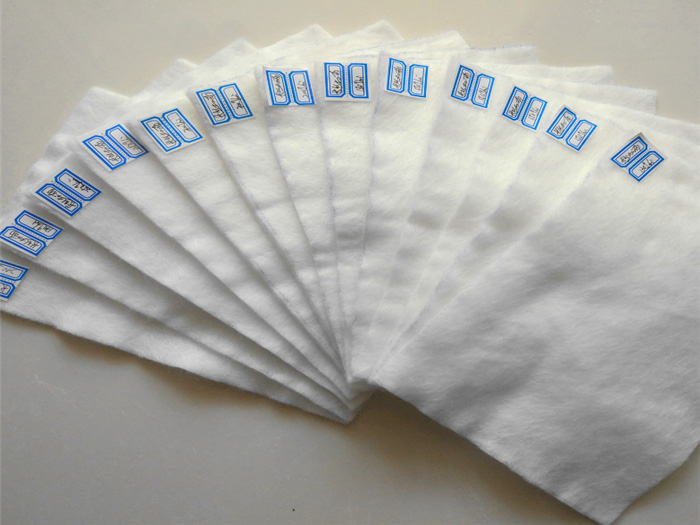
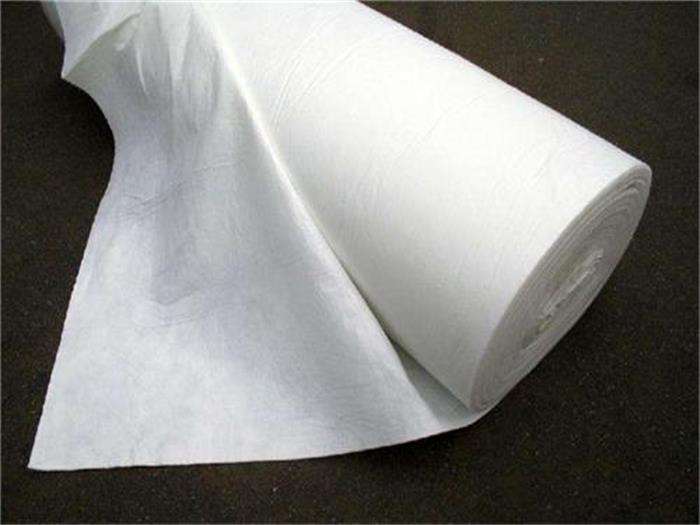
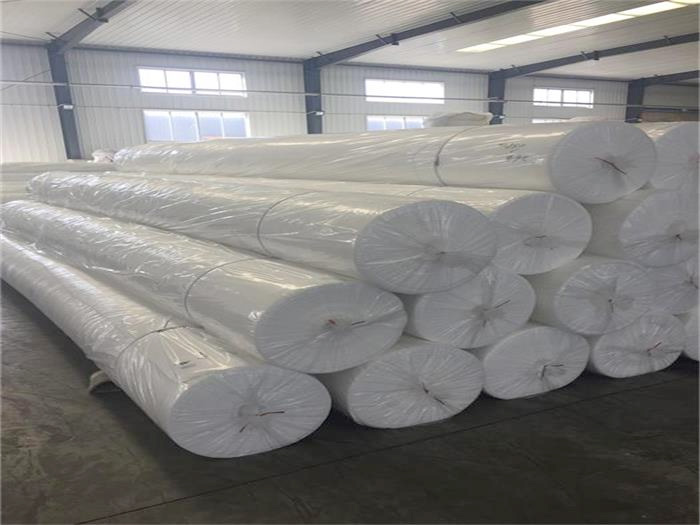
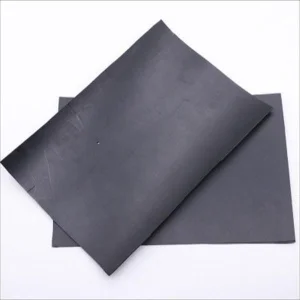
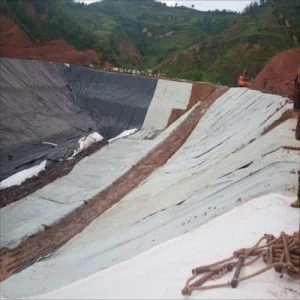
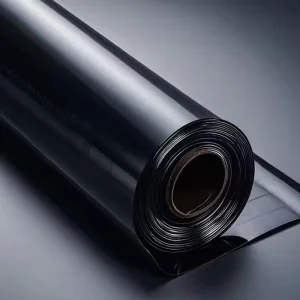
Geomembranes are robust impermeable barriers crucial for industrial hydraulic, agricultural aquaculture, and waste management projects. In Vietnam, these are primarily deployed for high-density shrimp ponds (Mekong Delta), reservoir linings, and landfill barrier systems.
Regular maintenance (such as surface clearing, debris prevention, and structural joint inspections) ensures our geomembrane projects achieve an active operational lifespan exceeding 20 years in tropical conditions.
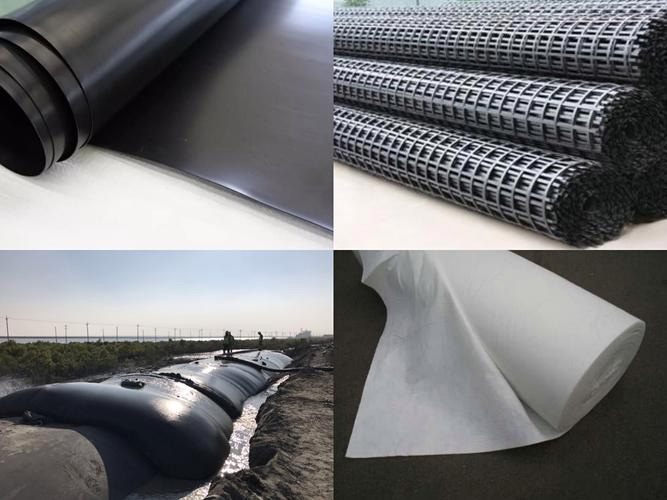
Providing integrated geotechnical solutions for critical agricultural water conservation, aquaculture, and civil engineering infrastructure.
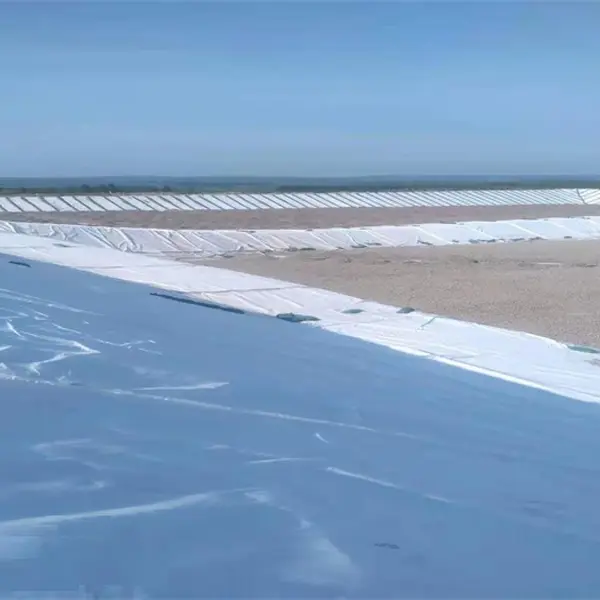
Mitigates heavy water seepage in porous tropical soils. Prevents water loss in dry seasons and stabilizes sub-base structures across Vietnam's main agricultural basins.
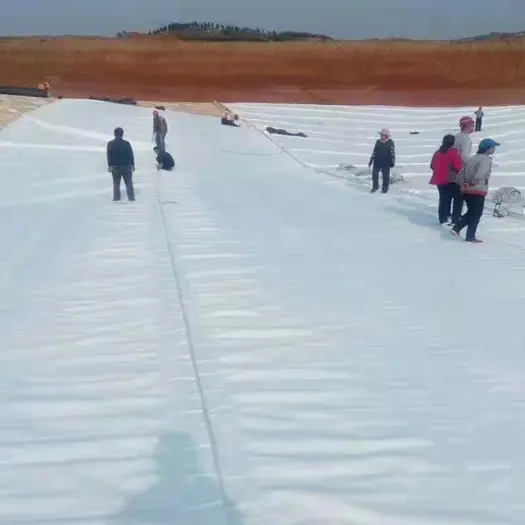
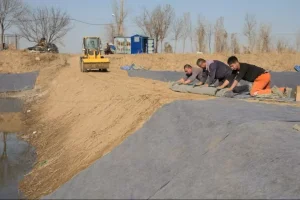
Protects riverbanks and canals against erosion during the monsoonal flooding seasons. Increases the hydraulic efficiency and structural lifespan of the regional drainage networks.
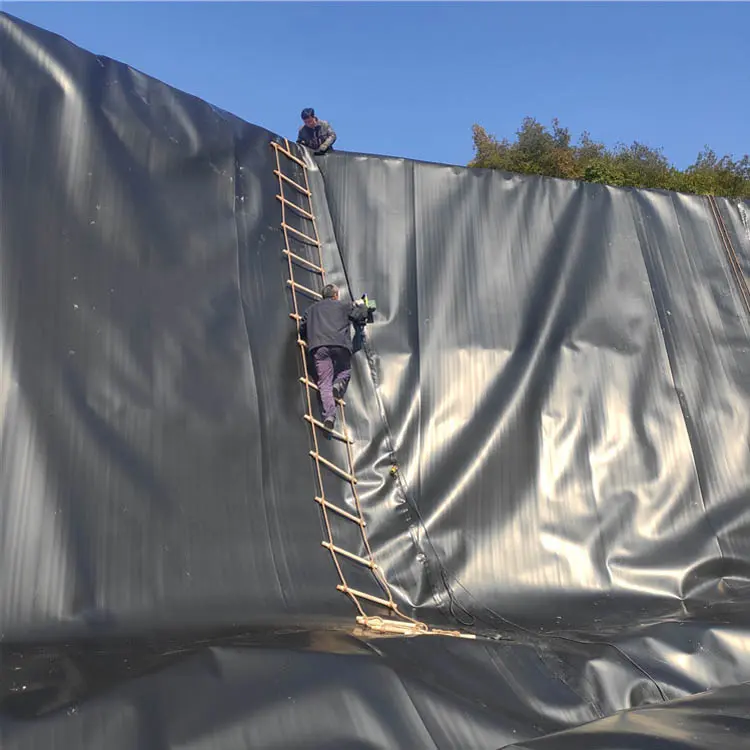
Prevents hazardous heavy metals and leachate components from permeating into local groundwater networks, meeting Vietnam's strict environmental compliance standards.
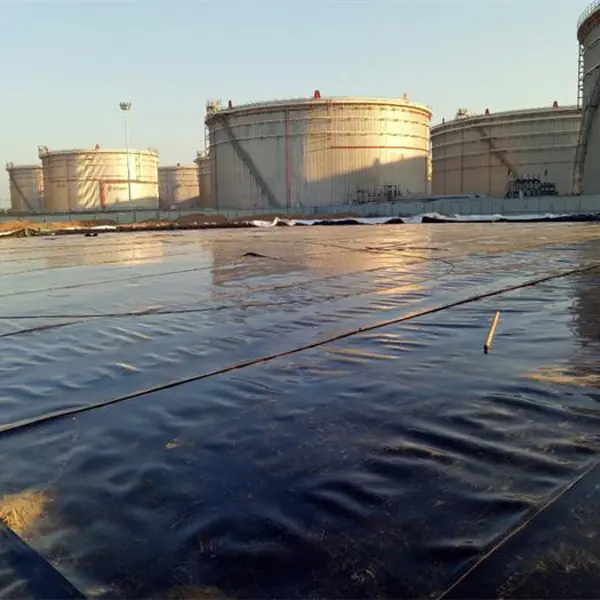
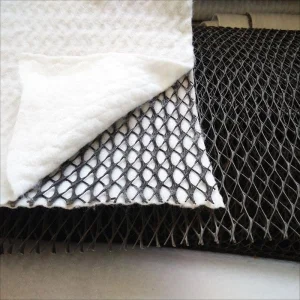
Robust composite liners deployed under industrial storage depots and refinery terminal hubs to block hydrocarbon migration in case of pipe or tank leaks.
Get professional answers from our engineering directors regarding logistics, customized parameters, and field performance.
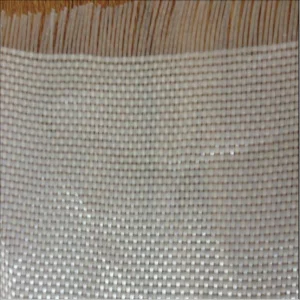
Woven fabric is characterized by high tensile strength and puncture resistance, making it suitable for pathways, greenhouses, and orchards where foot traffic or light machinery is common. Non-woven fabric offers superior water permeability and filtration, which is ideal for sub-soil drainage, slope stabilization, and delicate floriculture crops that demand steady soil respiration.
Our premium weed control products include specialized UV-stabilizer packages (HALS and high-dispersion Carbon Black). In Vietnam's tropical climate (with high UV index readings above 10), our standard woven fabrics are engineered to last 3 to 5 years under direct, continuous exposure, and more than 8 years if covered with mulch or soil.
Yes, our woven weed control cloth is designed with high hydric permeability parameters. Liquid fertilizers and water easily filter through the weave structure without pooling, maintaining healthy moisture profiles and optimal aerated conditions in the root zone.
Given our proximity to major international ports (like Qingdao), we can typically load containers and complete clearance within 7 to 10 working days after order verification. Transit time to major Vietnamese ports (Haiphong Port in the north, or Cat Lai/Ho Chi Minh City Port in the south) ranges from 5 to 9 days, depending on shipping schedules.
Yes. We offer customization for fabric weights from 70gsm to 150gsm, and widths ranging from 0.5 meters to 6 meters. Colors can also be customized (black, green, white, or dual-layer black-and-white for heat reflection).
Our products are manufactured using 100% virgin polymer raw materials. We undergo strict testing to ensure no toxic plasticizers, heavy metals, or chemical additives leach into the surrounding soil profile, complying with European REACH and EPA standard guidelines.
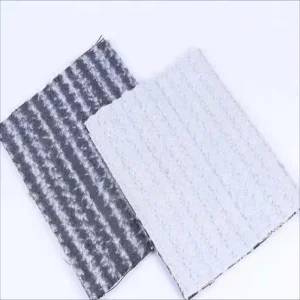
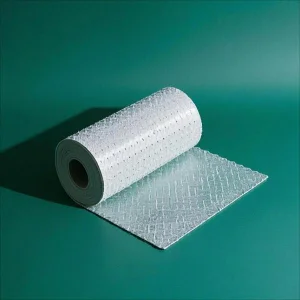
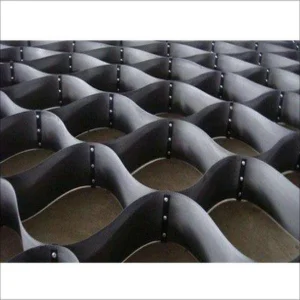
Explore our complete product lineup, manufactured to international standards under rigorous quality control.
Consult with our structural materials engineers to receive tailored configurations, pricing brochures, and complimentary material samples shipped directly to Vietnam.
 Hongyue