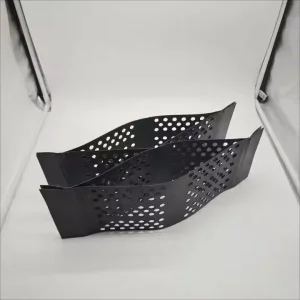
Highly durable solutions tailored to resist extreme UV exposure in the Atacama Desert and structural shifts in high-seismic zones.
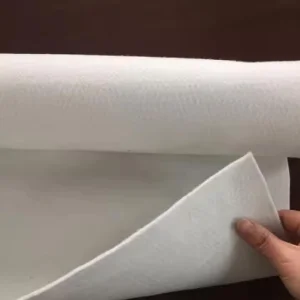
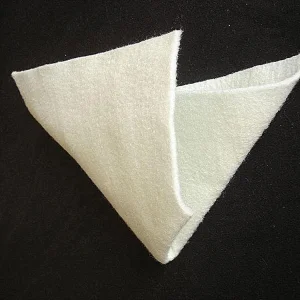
Chile's unique geography—stretching over 4,200 kilometers along the southwestern coast of South America—presents engineering challenges found nowhere else on earth. From the hyper-arid Atacama Desert in the north, home to some of the world's largest copper mining operations like Chuquicamata and Escondida, to the rainy, seismic southern Patagonia, geotextiles act as vital infrastructure anchors.
In northern mining districts, heap leaching pads and tailing dams require robust geosynthetic systems to prevent acid mine drainage from contaminating fragile Andean groundwater sources. Concurrently, Chile’s strict environmental watchdogs, such as the Superintendencia del Medio Ambiente (SMA), mandate zero-leakage containment solutions, elevating the demand for certified geotextiles and geomembranes.
Our heavy-duty geosynthetic products provide optimum tensile strength, exceptional puncture resistance, and chemical stability, meeting the strict Chilean engineering norms (such as standard specifications by MOP - Ministerio de Obras Públicas) for road networks, subgrade reinforcements, and reservoir basins.
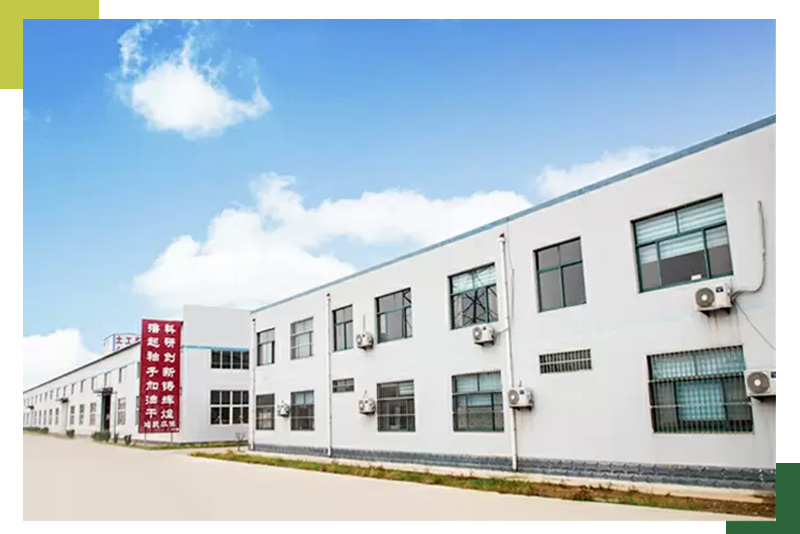
Our advanced manufacturing facility integrates research, precision fabrication, and international quality management.
Backed by structural integrity, multi-system certifications, and global export capability.
Shandong Hongyue Environmental Engineering Co., Ltd., located at the north end of Fufeng Street, Lingcheng District, Dezhou, Shandong Province, is a scientific and technological geotechnical material manufacturer integrating engineering material production, sales, design and construction services. The company was registered in Lingcheng District Market Supervision and Administration Bureau of Dezhou City on April 6, 2023, with a registered capital of 105 million yuan. It is one of the largest production bases of geotechnical materials in China at present, located in Lingcheng District, Dezhou, Shandong Province, with superior geographical location and convenient transportation.
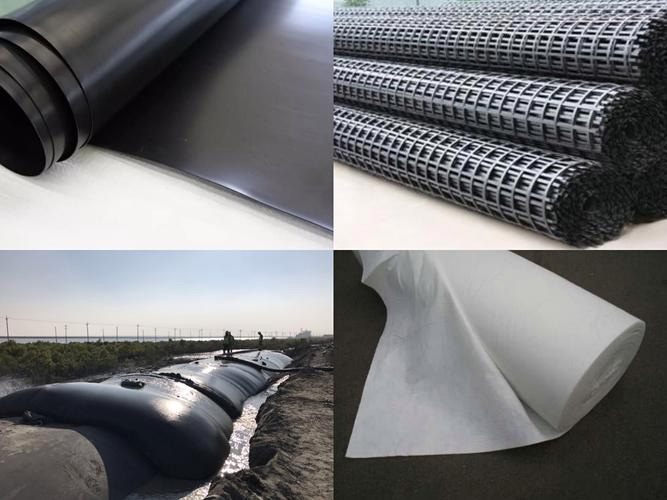
Since the establishment of the company, business continues to grow and expand. Our company mainly deals in geotextiles, geomembrane, composite geomembrane, waterproof board, bentonite waterproof blanket, 3D composite drainage net, (composite) drainage board, weaving cloth, woven cloth, membrane bags, blind ditches, waterproof and drainage combinations, woven bags, ecological bags, cement blankets, fiber plants blankets, and flexible pervious pipes. Our business includes geosynthetics and waterproofing membrane production, sales, construction, and import/export of goods. We have high-quality products and a professional sales and technical team. Our company belongs to the Dezhou Geotextile Association, and our products are widely used in highways, railways, bridges and tunnels, reservoirs and canals water conservancy, artificial lakes, environmental protection, aviation, mining, agriculture, and other fields.
Explore our mid-tier specialized range designed for soil reinforcement, drainage filtration, and structural barriers.
Integrating state-of-the-art hydraulic engineering with high-performance geomembranes.
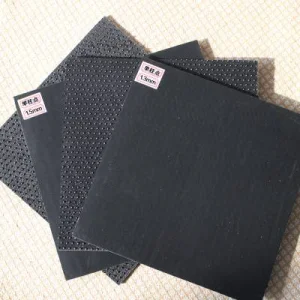
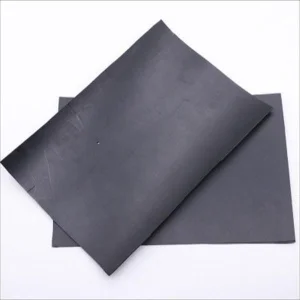
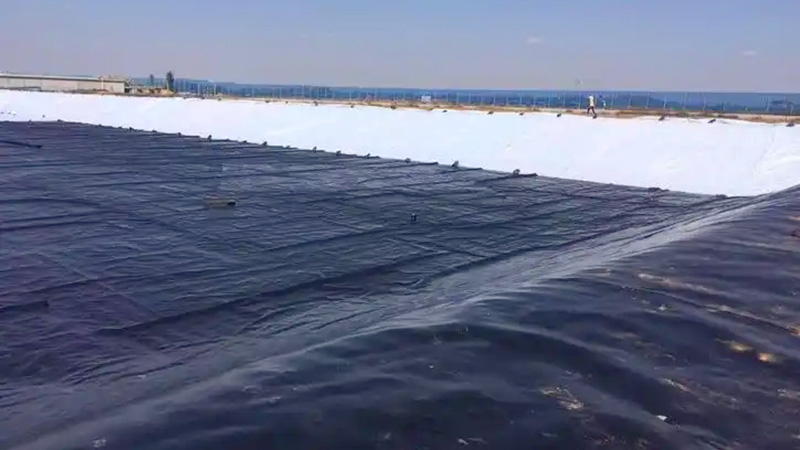
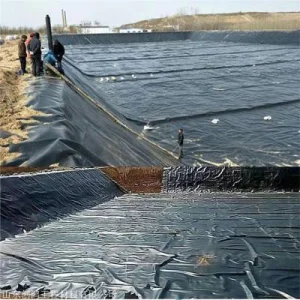
In hydraulic engineering, our composite geomembranes serve as an imperative protective boundary. Whether managing the flow of glacial water in the southern regions of Los Lagos or stabilizing the scarce water channels in the northern Coquimbo agricultural valley, our solutions are engineered to minimize water loss due to seepage. The combination of flexible geotextiles and high-density impermeable membranes offers both physical protection against rock punctures and an absolute hydraulic seal.
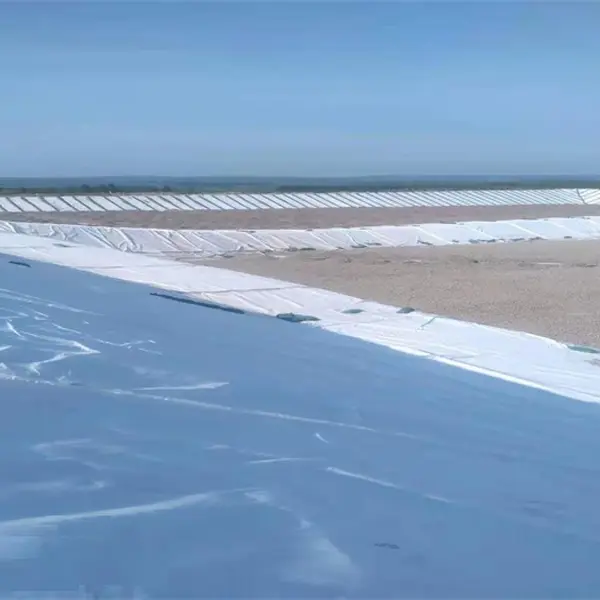
Optimizing reservoirs, canals, and farm storage ponds in arid zones.
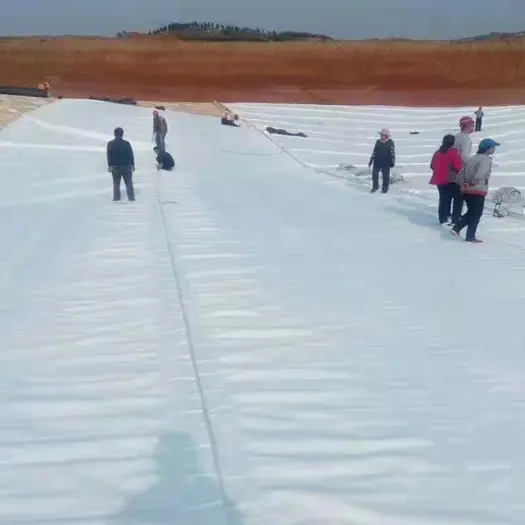
Reinforcing river beds and run-off zones to withstand heavy seasonal rains.
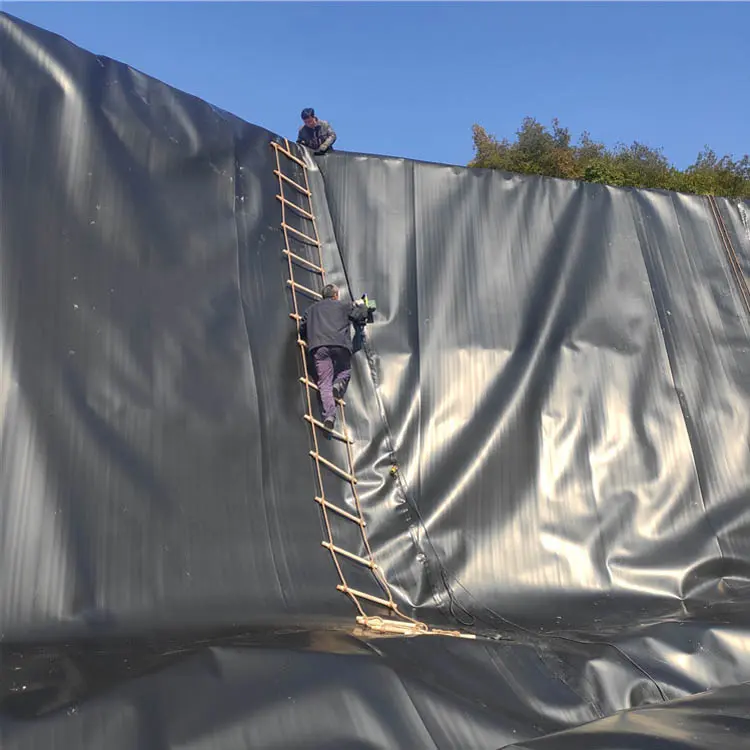
Engineered barrier systems aligned with Chilean landfill regulations.
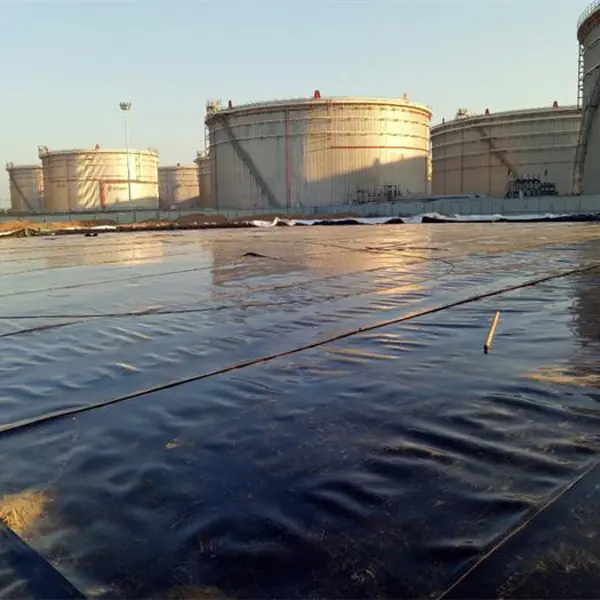
Preventing toxic spills in chemical processing and fuel tank yards.
Uncompromising precision from raw polypropylene/polyester chips to certified rolls ready for export.
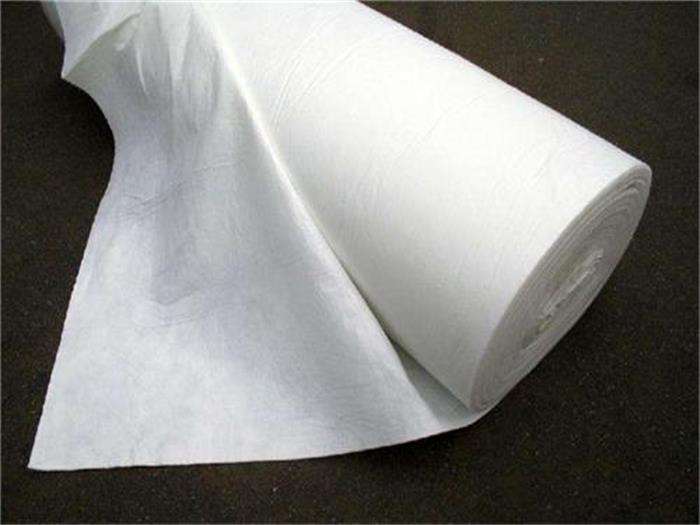
Geotextile is widely used in civil engineering materials, with filtration, isolation, reinforcement, protection and other functions. Its production process includes raw material preparation, melt extrusion, mesh rolling, draft curing, winding packaging and inspection steps. It requires processing and control across multiple stages, taking into count essential factors such as environmental protection and durability. Modern production equipment and technology have been widely adopted by Shandong Hongyue, significantly improving our production efficiency and product quality.
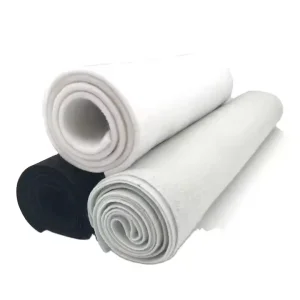
The primary raw materials of geotextiles are polyester chips, polypropylene filament, and viscose fiber. These raw materials undergo rigorous inspection, sorting, and dry storage to ensure physical uniformity and moisture resistance.
After the polyester slice is melted at high temperatures, it is extruded into a molten state by a twin-screw extruder. Polypropylene filament and viscose fiber are added and mixed. Temperature, pressure, and flow rates are digitally monitored to maintain structural integrity.
Following compounding, the melt is sprayed through precision spinnerets to form a dense fibrous web on the conveyor belt. Controlling the density, fiber orientation, and thickness of this web is critical for achieving optimal mechanical properties.
After laying the web, it passes through specialized needle-punching machinery for mechanical entanglement. Temperature, speed, and drafting ratios are controlled to ensure high tensile strength and puncture index.
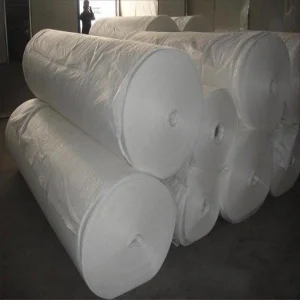
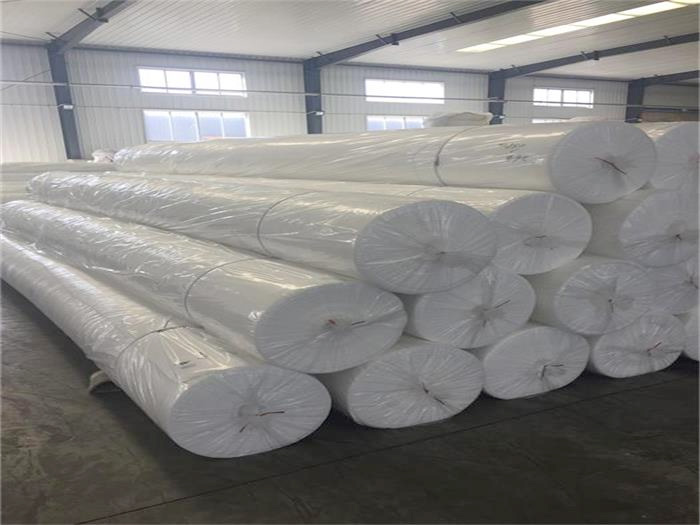
The cured geotextiles are rolled onto structural tubes, wrapped in protective UV-resistant film, and labeled with precise mechanical properties, thickness, and roll length measurements.
Samples from every batch undergo rigorous physical tests (tensile strength, tear index, water permeability) and chemical tests (UV aging resistance) in our internal laboratory before being cleared for global shipment.
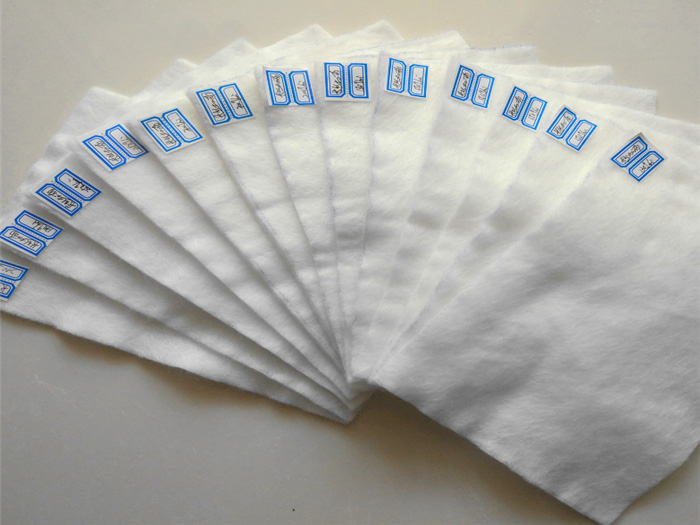
Best practices in subgrade preparation, thermal welding, and ongoing maintenance to guarantee lifetime durability.
Deploying geomembranes in sensitive Chilean mining and containment systems requires adhering to strict technical protocols. Our engineered application processes focus on three core areas: Selection, Laying, and Maintenance.
Choosing the correct geomembrane is paramount to project success. Material properties must align with environmental challenges: High-Density Polyethylene (HDPE) provides supreme chemical resistance and is ideal for mining leach pads, whereas Linear Low-Density Polyethylene (LLDPE) offers superior flexibility for settling ponds in high-altitude Andean environments. Thickness range usually varies between 0.3mm and 2.0mm depending on pressure loads and soil abrasiveness.
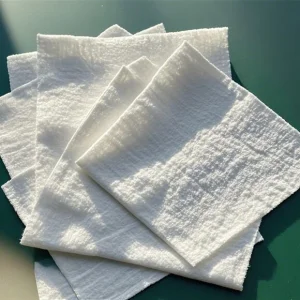
Ground surfaces must be compacted, leveled, and completely cleared of sharp rocks, debris, and vegetative root structures. We recommend laying a cushion layer of 100% polyester non-woven geotextile below the geomembrane. Joining sheets together must be executed via dual-track hot wedge welding, with air-channel testing applied to every seam to certify weld integrity.
To maximize service life, geomembrane installations require routine maintenance: regular cleaning of exposed surfaces to prevent chemical scale buildup, periodic seam inspection using non-destructive electrical leak location (ELL) methods, and immediate patching of any mechanical damage using hand-held extrusion welders.
Every shipment bound for San Antonio or Valparaíso is fully certified to international standards.
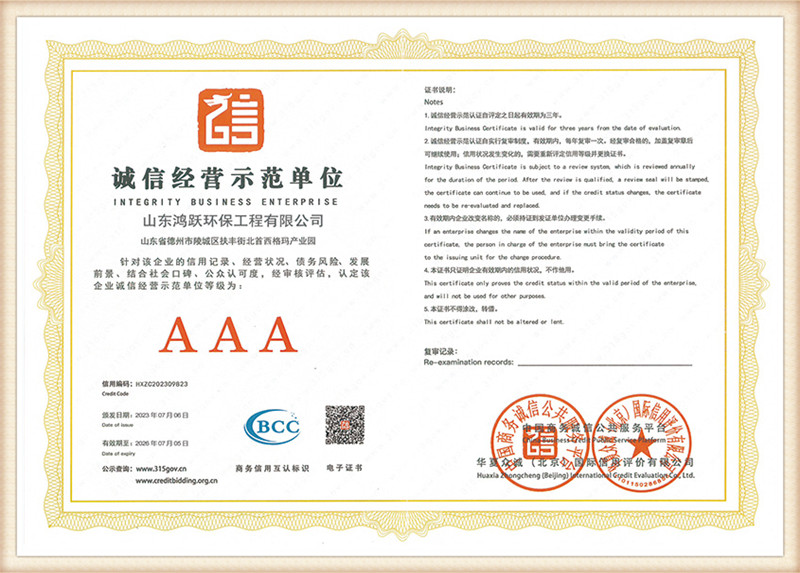
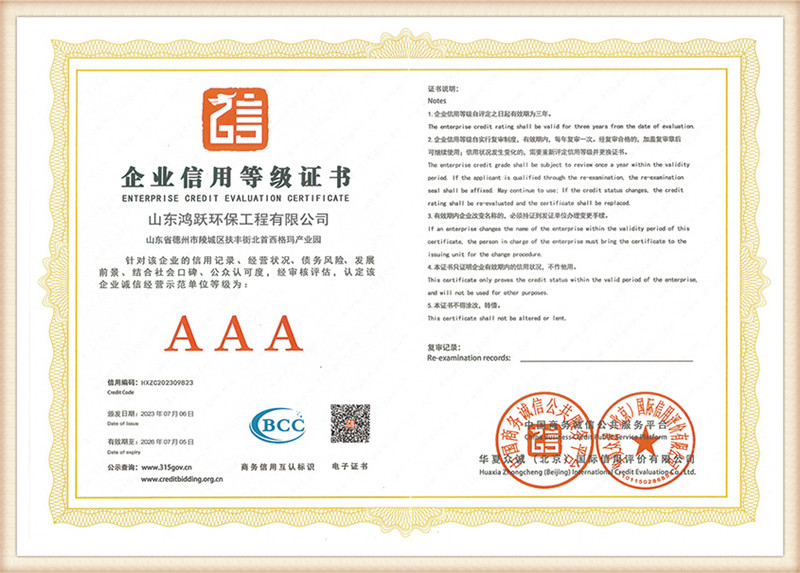
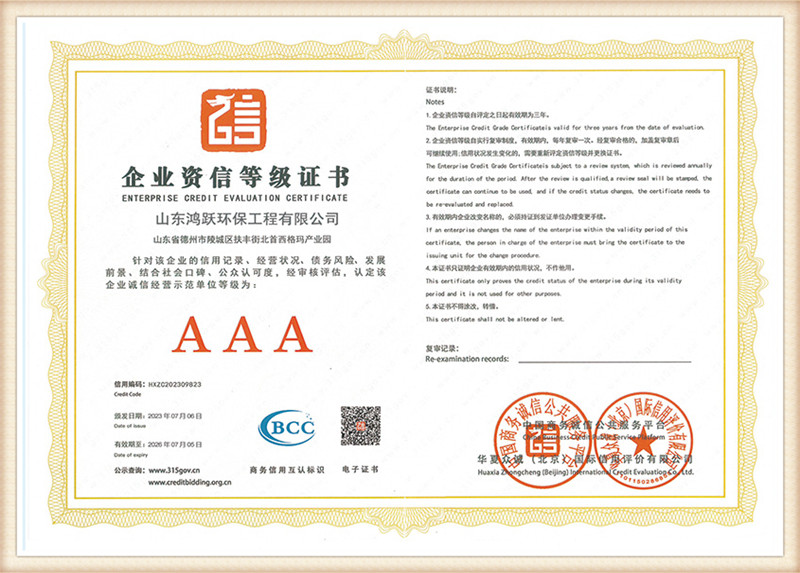
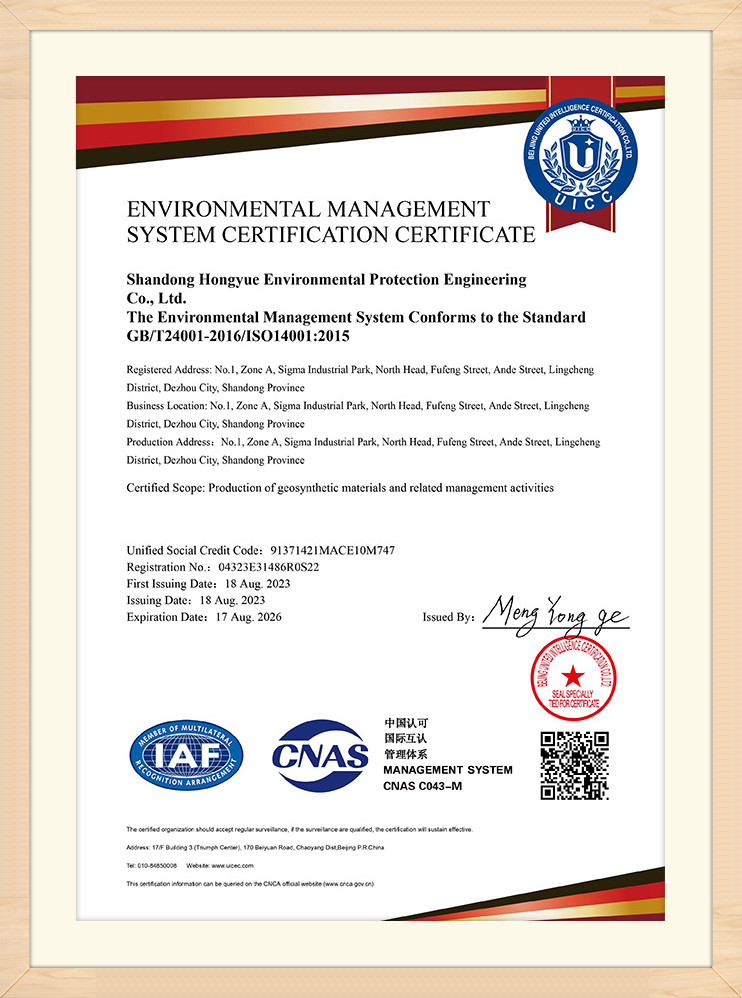
Shandong Hongyue Environmental Engineering Co., Ltd. operates under a complete, scientific management system. We have successfully obtained the ISO9001 International Quality System Certification, ISO14000 Environmental Management System Certification, and ISO45001 Occupational Health and Safety Management System Certification.
Our facility utilizes advanced production technology and equipment, complete with precision inspection testing instrumentation to ensure that our materials consistently achieve excellent tensile, hydraulic, and environmental performance. All produced geosynthetics meet or exceed international test standards (including ASTM, GRI-GM13, and CE certifications) and pass national quality supervision and sampling inspections commissioned by the State Administration of Quality Supervision and Inspection of China.
Compare material parameters to select the optimum geosynthetic solution for your specific application.
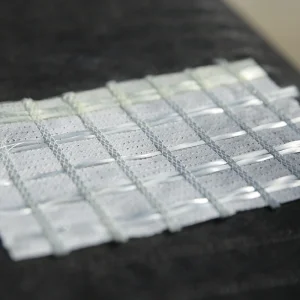
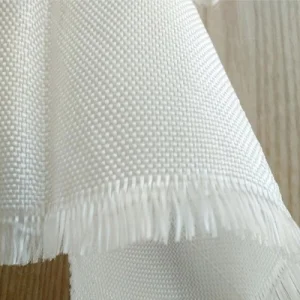
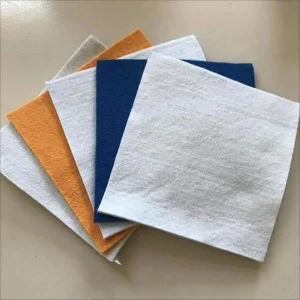
| Property Type | Polyester Non-Woven | Polypropylene Woven | Warp Knitted Composite | Filament Geotextile |
|---|---|---|---|---|
| Tensile Strength (kN/m) | 10 - 80 | 35 - 300+ | 50 - 150 | 15 - 120 |
| Elongation at Break (%) | 50% - 80% | 15% - 25% | 12% - 20% | 40% - 60% |
| CBR Puncture Resistance (N) | 1200 - 8500 | 2500 - 9000 | 3000 - 7500 | 1800 - 9000 |
| Permeability (cm/s) | 1.0 x 10^-1 to 10^-3 | 1.0 x 10^-2 to 10^-4 | Impermeable (when combined) | 1.0 x 10^-1 to 10^-3 |
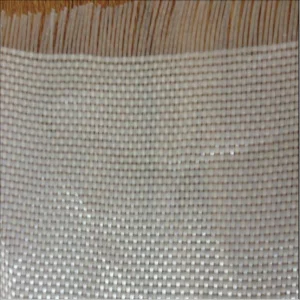
| Primary Application | Filtration, protection, drainage | Soil reinforcement, subgrade | Asphalt crack prevention | Railways, retaining walls |
Leveraging the China-Chile Free Trade Agreement to minimize import tariffs and secure efficient maritime shipping.
Procuring construction and geotechnical materials globally requires clear supply chain integration. Thanks to the TLC China-Chile (Tratado de Libre Comercio), most of our geosynthetic products qualify for zero or highly reduced tariffs when accompanied by a valid Certificate of Origin (Form F).
Shandong Hongyue works directly with major shipping lines to offer consolidated freight rates to major Chilean maritime hubs, including:
We provide full documentation in Spanish, including detailed commercial invoices, packing lists, Bill of Lading (B/L), and testing reports matching ASTM / GRI standards to guarantee swift customs clearing without delays.
Answers to critical questions asked by procurement departments and civil engineers in the Andean region.
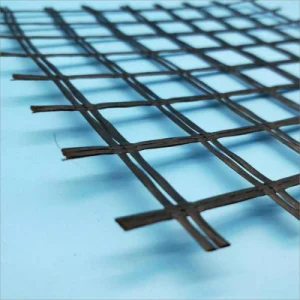
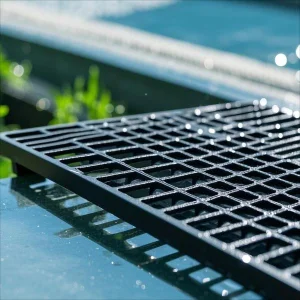
Select from our complete range of specialized membranes, geogrids, and drainage elements for Andean civil engineering.
Obtain high-performance geotextiles and geomembranes with competitive direct-from-factory pricing. Contact our sales and engineering support team today for custom quotes and project estimations.
Send Inquiry Now Hongyue