Advanced engineering materials tailored to withstand thermal stress, sub-zero installation, and heavy structural loading.
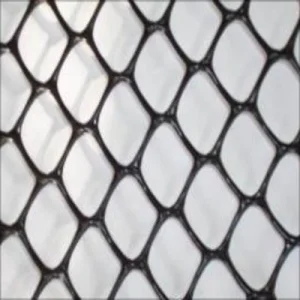

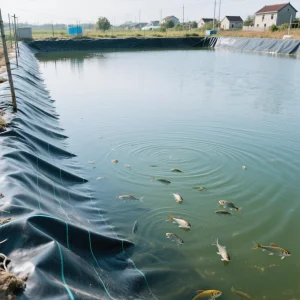
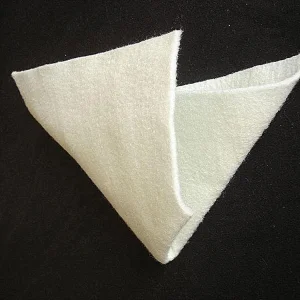
Russia's vast territory encompasses some of the most challenging engineering environments on Earth. From the permafrost zones of Siberia to the heavy mining regions of the Urals and major transportation corridors connecting Moscow and the Far East, soil stability and liquid containment are vital. Ground movement caused by annual freeze-thaw cycles poses severe threats to structural integrity, necessitating highly specialized drainage and reinforcement systems.
Under the current industrial landscape, Russian federal road networks and mining conglomerates require high-capacity, cold-resistant 3D composite geonets and geomembranes that meet strict GOST R engineering standards. Products must maintain mechanical resilience and chemical inertness at temperatures as low as -60°C. By implementing advanced HDPE and LLDPE polymers, projects achieve reliable subgrade drainage, preventing water accumulation and subsequent frost heave damage.
Uncontrolled thawing compromises structural foundations. Our geonets establish dynamic thermal drainage buffers, draining meltwater rapidly away from subgrades.
High structural load ratings ensure that landfills, roadways, and rail beds retain shape and structural integrity under constant mechanical stress.
All materials conform to international quality standards, ensuring smooth customs processing and technical approval for Russian engineering projects.
How Shandong Hongyue leverages automated high-capacity manufacturing to deliver cost-efficiency and premium engineering products globally.
Geosynthetics are critical in addressing international challenges, including climate change mitigation, water conservation, and waste containment. Globally, civil engineers are shifting away from traditional gravel drainage towards geosynthetic alternatives due to their lower carbon footprint, reduced material transit requirements, and significantly faster project installation speeds.
Based in Dezhou, Shandong, Shandong Hongyue features a registered capital of 105 million yuan. Operating state-of-the-art extrusion lines, we secure raw polymer materials in bulk, insulating overseas buyers from extreme market price fluctuations and ensuring stable pricing schedules throughout multi-year project lifecycles.
From customized width options (up to 6 meters) to multi-layered composite drainage structures combining geonets with nonwoven geotextiles, our engineering department designs tailored solutions matching Russian soil dynamics, ensuring optimum transmissive drainage under high soil pressures.
Located at the north end of Fufeng Street, Lingcheng District, Dezhou, Shandong Province, Shandong Hongyue is a scientific and technological geotechnical material manufacturer integrating engineering material production, sales, design, and construction services. The company was registered in Lingcheng District Market Supervision and Administration Bureau of Dezhou City on April 6, 2023, with a registered capital of 105 million yuan. It stands as one of the largest production bases of geotechnical materials in China, benefiting from a superior geographical location and convenient shipping corridors.
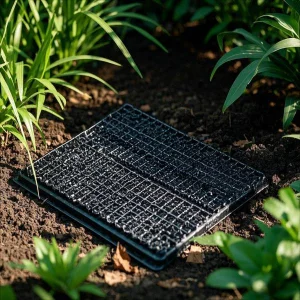
Since its establishment, the company has developed rapidly, expanding its scope across geotextiles, geomembranes, composite geomembranes, waterproof boards, bentonite waterproof blankets, 3D composite drainage nets, (composite) drainage boards, cement blankets, flexible pervious pipes, and other critical geosynthetics. Our products are widely used in highways, railways, bridges, tunnels, reservoirs, canals, artificial lakes, environmental protection, aviation, mining, and agriculture.
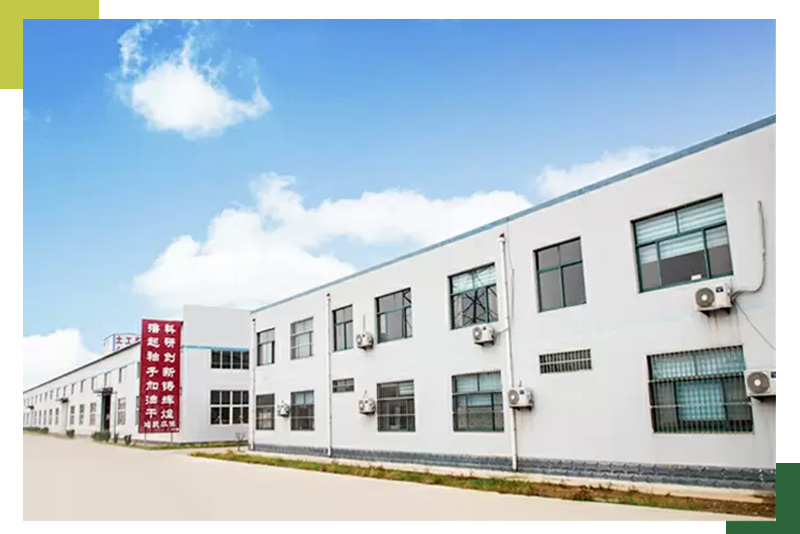
A visual tour through our advanced manufacturing workshops, showing extrusion capacity and high-quality raw materials.
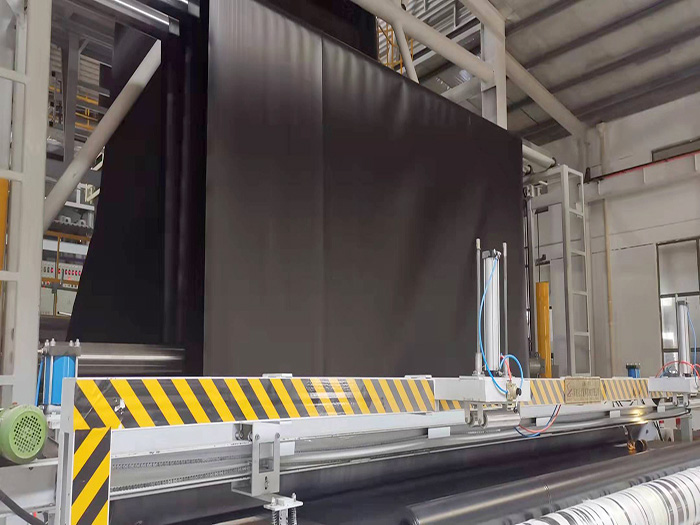
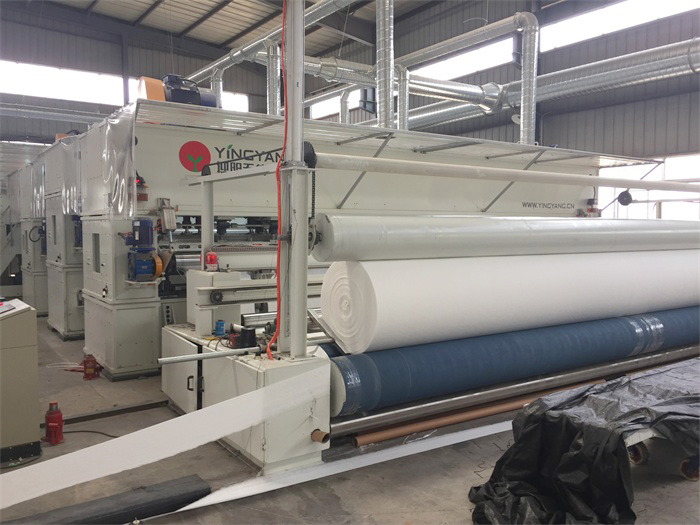
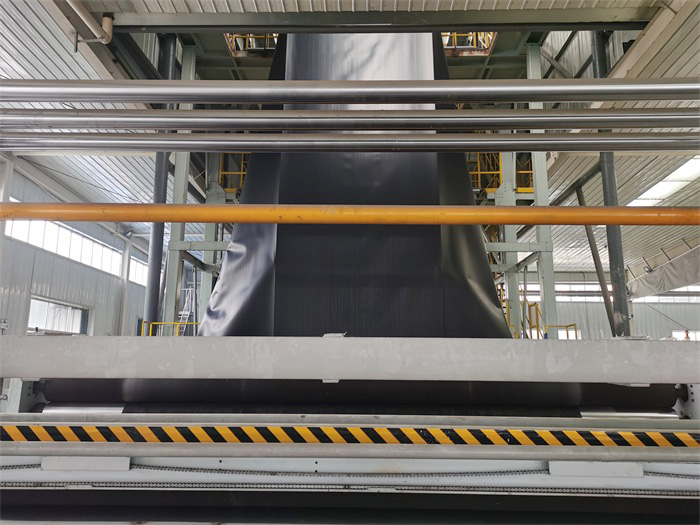
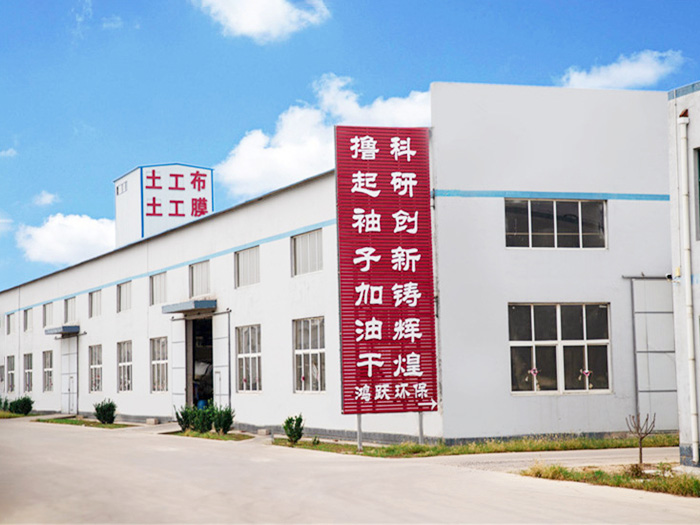
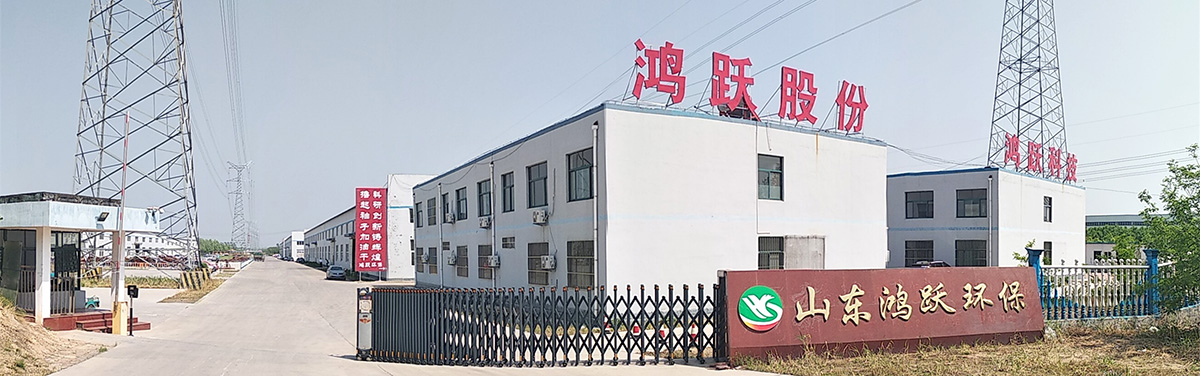
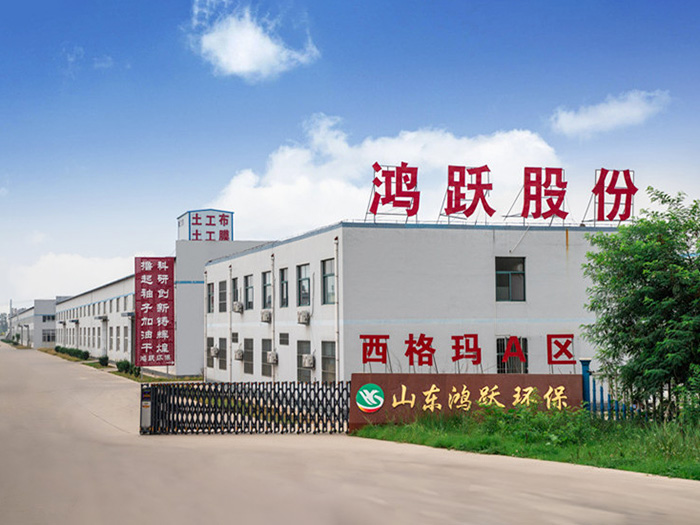
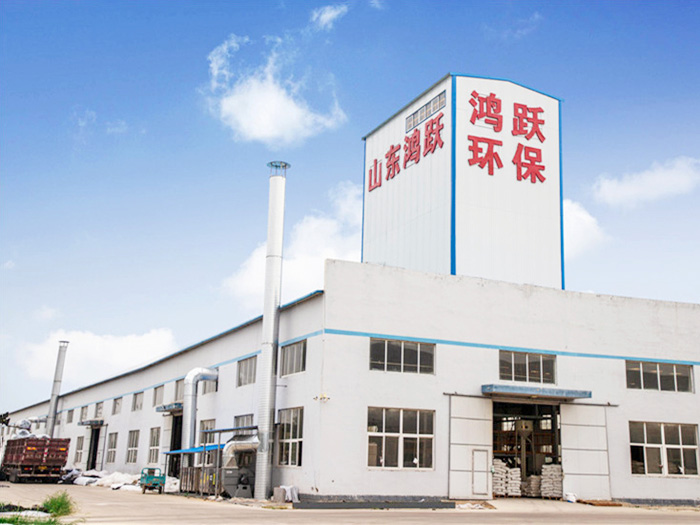
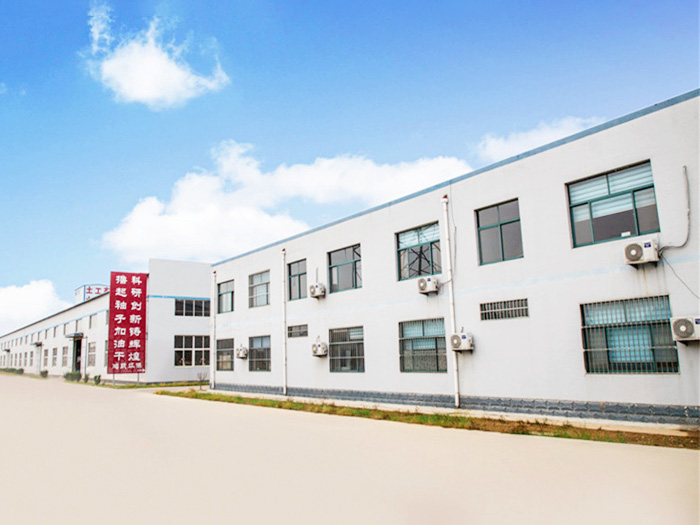
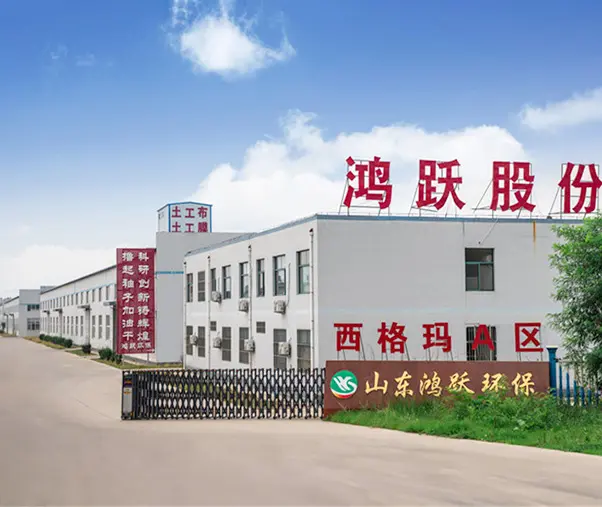
We maintain zero client complaints across our exports to Europe, North America, Australia, and Russia. All testing complies with ASTM, ISO, and GOST protocols.
A detailed engineering breakdown of how we ensure consistency and durability in high-performance geosynthetics.
The primary raw materials of geotextile include premium polyester chips, polypropylene filament, and viscose fiber. These raw materials undergo strict chemical testing to verify melt flow rate, density, and stability under temperature shifts before entering production lines.
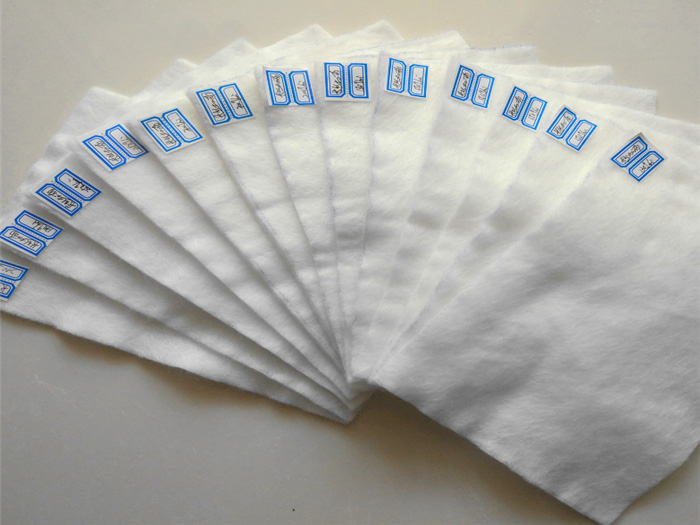
Polyester slices are melted at high temperatures and extruded by a screw extruder. Polypropylene filament and viscose fiber are introduced and blended. Temperature, pressure, and flow rate parameters are computer-controlled to ensure melt homogeneity.
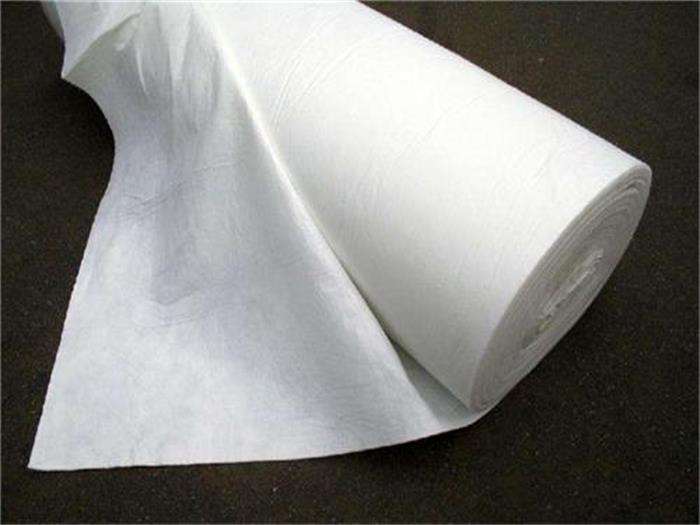
After mixing, the melt is sprayed through the spinneret to form a fibrous web structure on the conveyor belt. Web thickness, fiber orientation, and density are regulated. Rollers apply heat and mechanical draft ratios to finalize structural strength and physical stability.
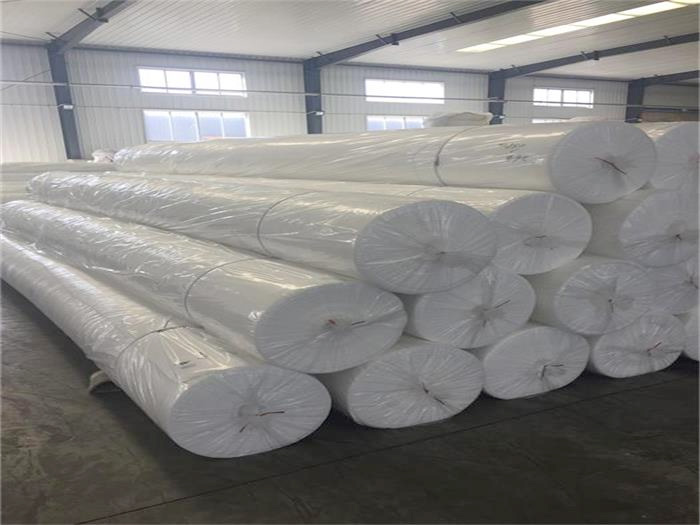
Cured geotextiles are rolled, measured for length, width, and thickness compliance, and prepared for shipping. At the end of each production run, physical, chemical, and dimensional properties undergo testing. Only materials meeting or exceeding international standards are approved for export.
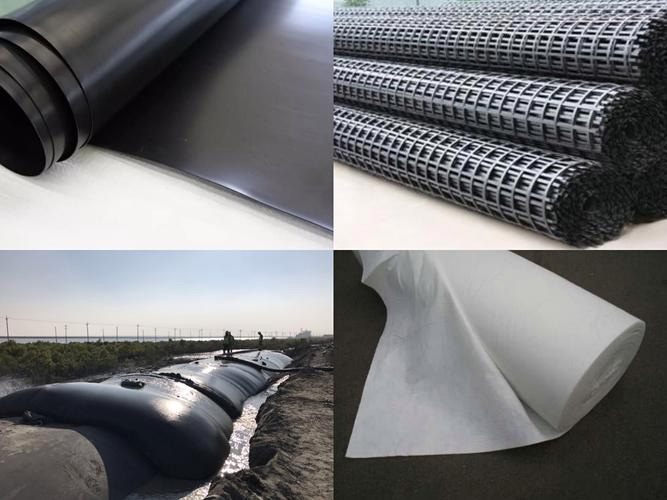
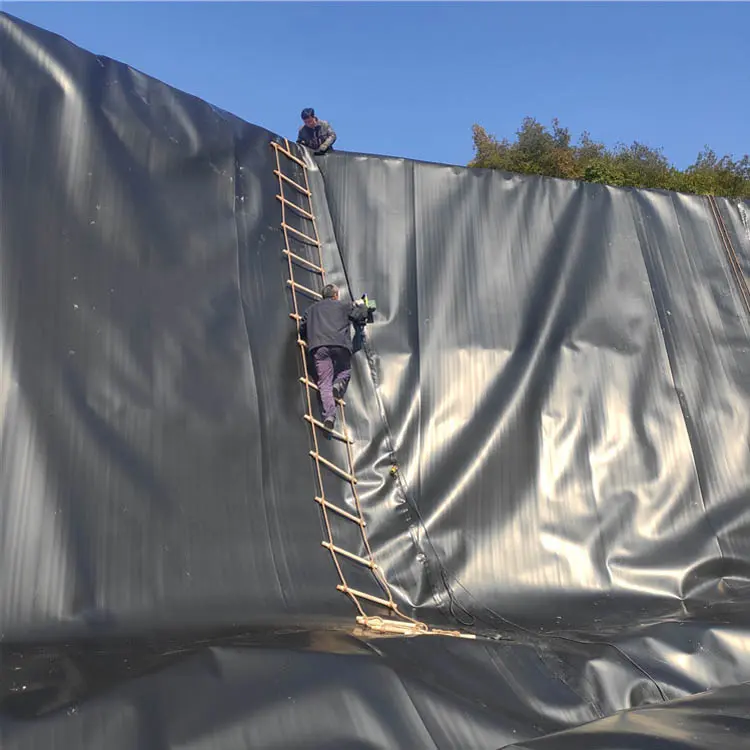
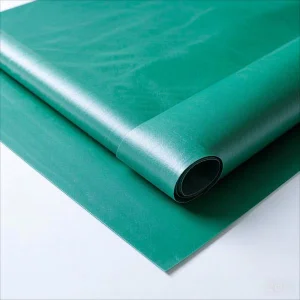
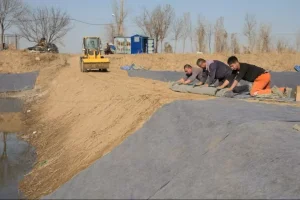
Geomembranes are highly versatile barriers utilized for containment, isolation, and reinforcement in demanding engineering works. Implementing geomembranes requires strict engineering protocols:
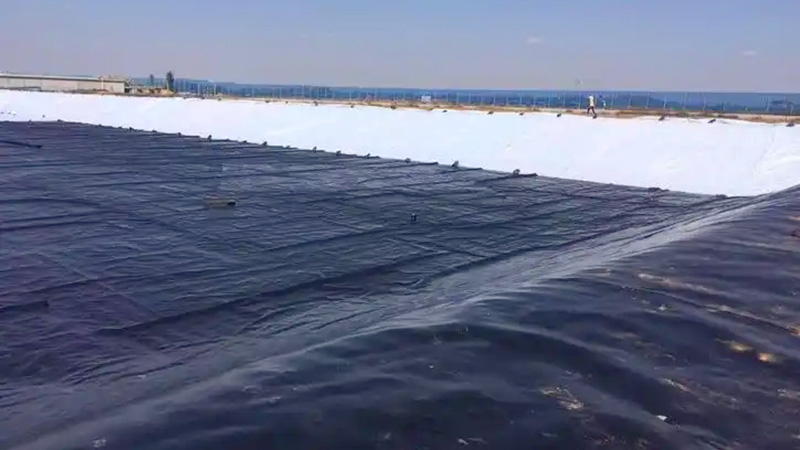
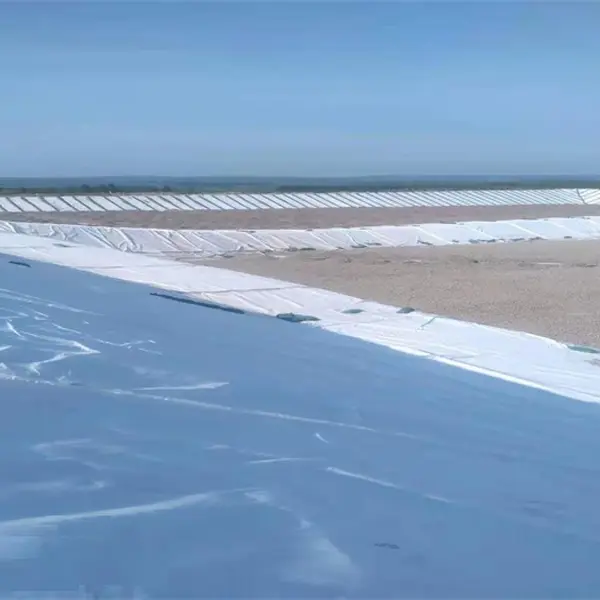
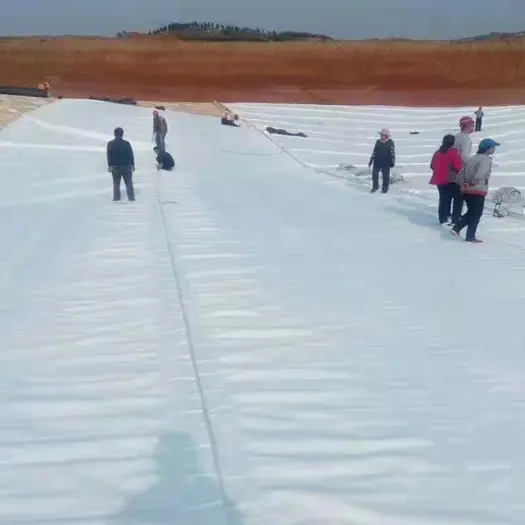
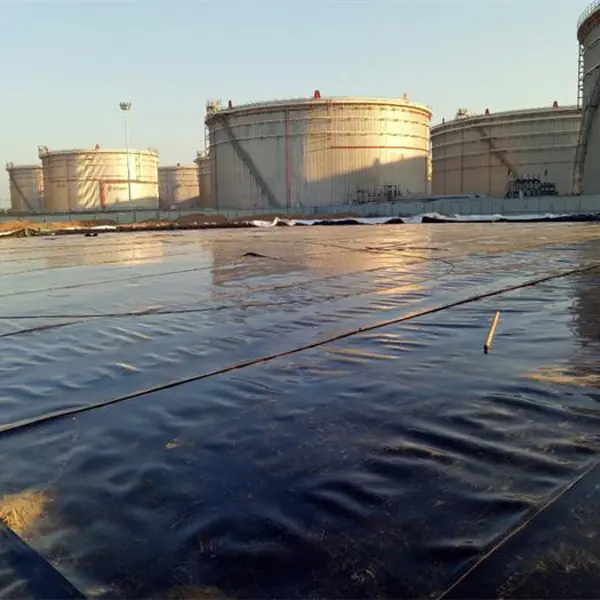
How we apply combined geosynthetic systems across dams, canals, industrial oil tank farms, and municipal landfills.
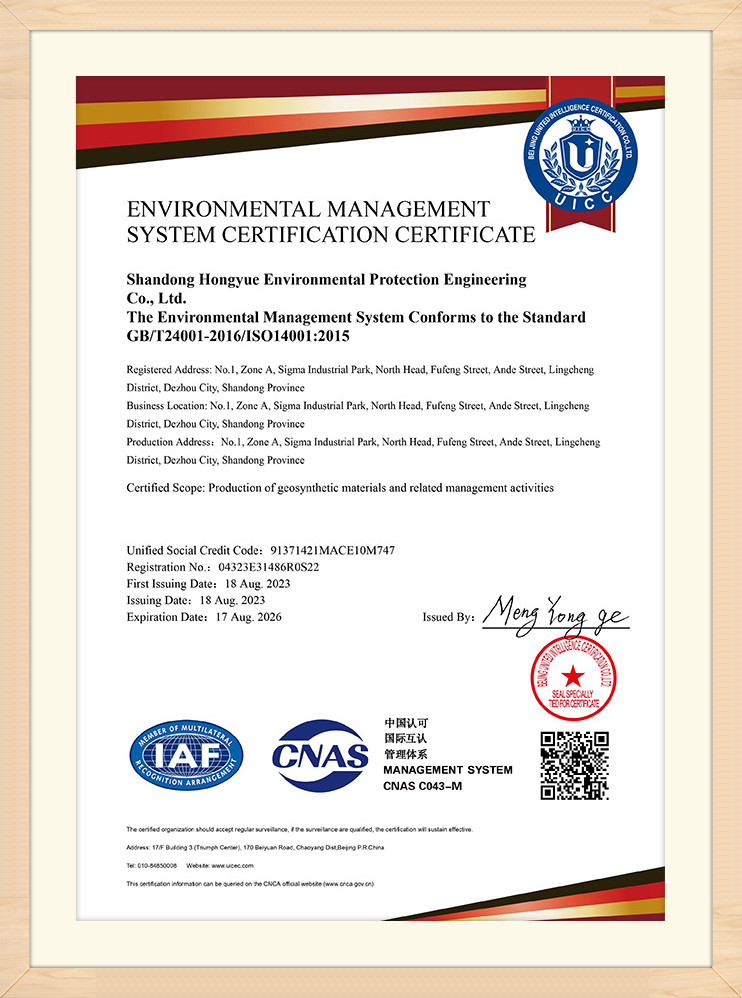
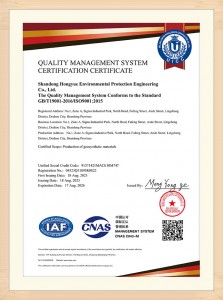
Shandong Hongyue operates a fully equipped, state-of-the-art product verification facility. We conduct strict material testing on all product batches before shipping to ensure consistent quality.
Our testing covers tensile strength, carbon black dispersion, UV aging resistance, hydraulic transmissivity, and multi-axial puncture resistance. All products comply with China National Testing Center standards and undergo regular national quality inspections. We supply full testing documentation and certificates with every order.
In cold regions like Siberia, road and civil infrastructure must withstand extreme temperature fluctuations. During winter, sub-zero temperatures freeze groundwater, forming ice lenses that expand and push the soil upward—a process known as frost heave. When spring arrives, these ice lenses thaw rapidly, supersaturating the soil and dramatically reducing its load-bearing capacity. This cycle leads to severe pavement cracking, shifting foundations, and structurally compromised subgrades.
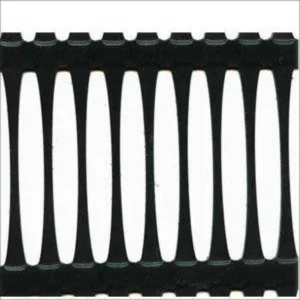
To prevent frost heave, engineers must quickly remove excess water from the subgrade before it can freeze. This is where 3D composite geonets provide an effective solution. By combining a highly structured HDPE geonet core with a nonwoven geotextile filter layer, geonets maintain a high liquid flow rate even under heavy vehicle and structural loads. The geotextile prevents soil particles from clogging the drainage path, while the geonet core quickly channels water away from the subgrade.
Additionally, the high tensile strength of HDPE geonets helps distribute traffic loads more evenly across the roadbed, reducing localized stress. Using durable, weather-resistant polymer compounds ensures that the drainage system remains fully functional for decades, significantly reducing maintenance costs and extending the lifespan of infrastructure in cold climates.
Get answers to common technical, logistics, and procurement questions regarding geonets and geomembranes.
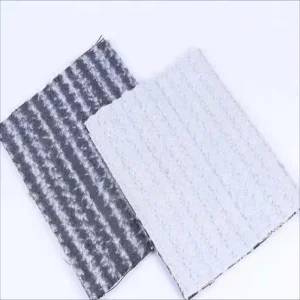
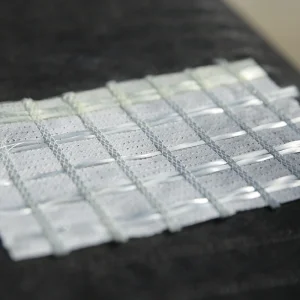
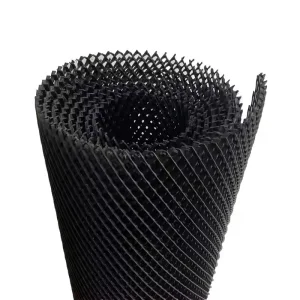
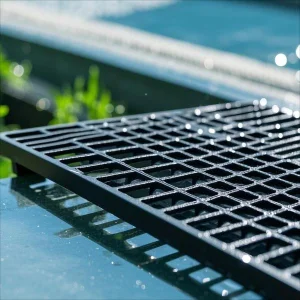
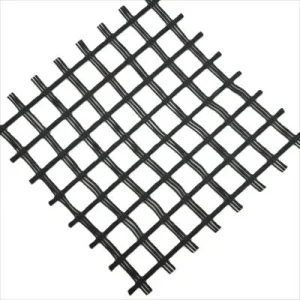
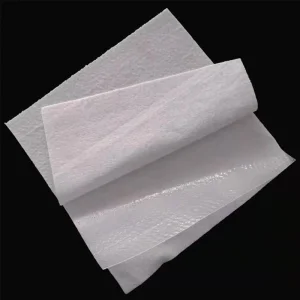
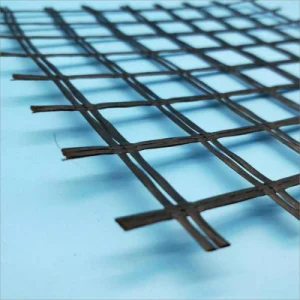
Explore our complete range of certified civil engineering products, manufactured to meet global design standards.
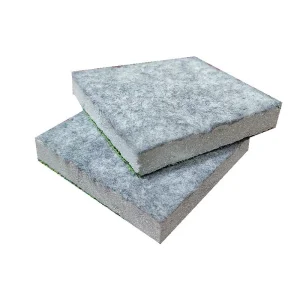
Get direct manufacturer pricing, customized roll specifications, and complete technical documentation from our engineering department.
Send Inquiry Now Hongyue