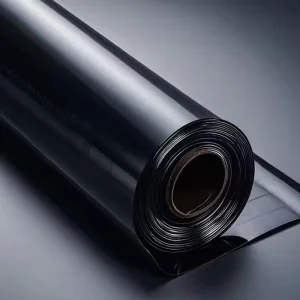
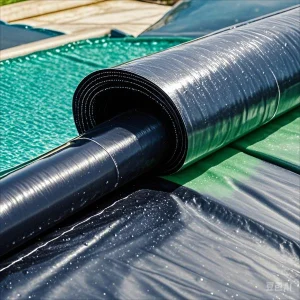
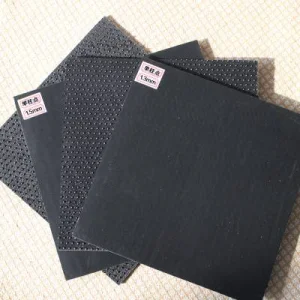
Geomembrane Manufacturer & Factory for Mexico

Premium ASTM Standard Barrier Liners for Mining, Waste Management, & Hydraulic Infrastructures in Mexico

  Request Specifications & Free Samples

Engineered Barrier Solutions for Mexico

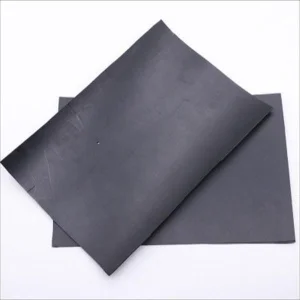
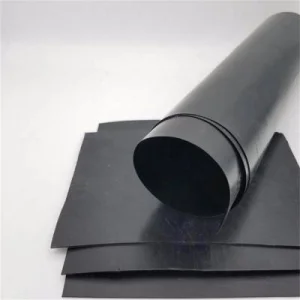
Our premier range of high-performance geosynthetic materials designed to withstand aggressive chemical exposures, mechanical strains, and UV conditions typical of industrial projects across Mexico.

Mexico's Industrial and Environmental Geosynthetics Paradigm

Mexico is experiencing a significant structural transition in its environmental and resource-management sectors. Propelled by strict guidelines from environmental agencies like SEMARNAT (Secretaría de Medio Ambiente y Recursos Naturales) and the national water commission CONAGUA, the adoption of premium geosynthetic liners has become a mandate rather than an option. The reliance on legacy soil compaction methods has shifted to advanced engineered geomembranes to manage wastewater, isolate toxic mining residues, and preserve valuable freshwater resources.

From the copper and silver mines of Sonora and Zacatecas to the intensive agricultural fields of Sinaloa, our engineered geomembranes serve as critical infrastructure components. For heap leach operations, our liners provide exceptional resistance against acidic and alkaline leach liquors, maintaining structural integrity under immense static and shear stresses.

  • Optimized formulation with high-performance carbon black dispersion for exceptional UV stability.
  • Superior multi-axial tensile strength and high stress crack resistance index (NCTL).
  • Strict adherence to GRI-GM13 standard parameters for high density polyethylene (HDPE).
  • Wide format roll design (up to 8m width) to minimize seam lines and thermal welding failures.
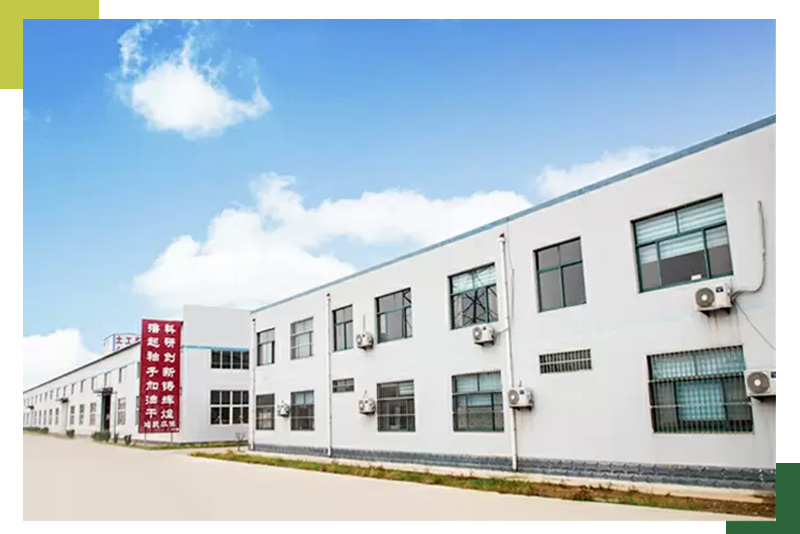
Hongyue Geomembrane Manufacturing Factory Facility
105M
Registered Capital (RMB)
GRI-GM13
Industry Specification Compliance
ISO 9001
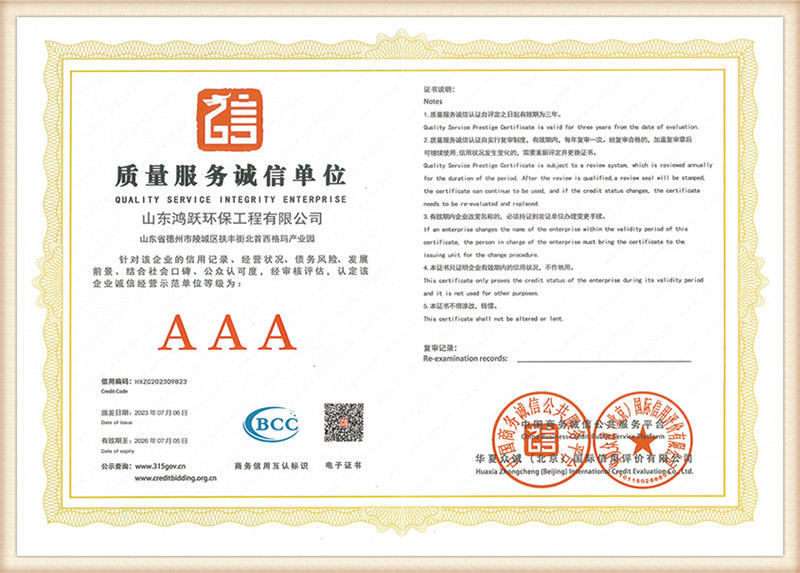
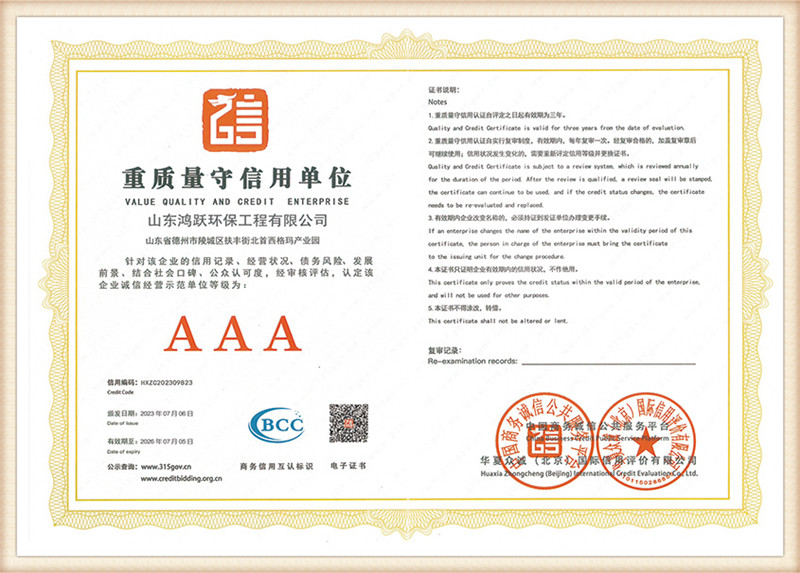
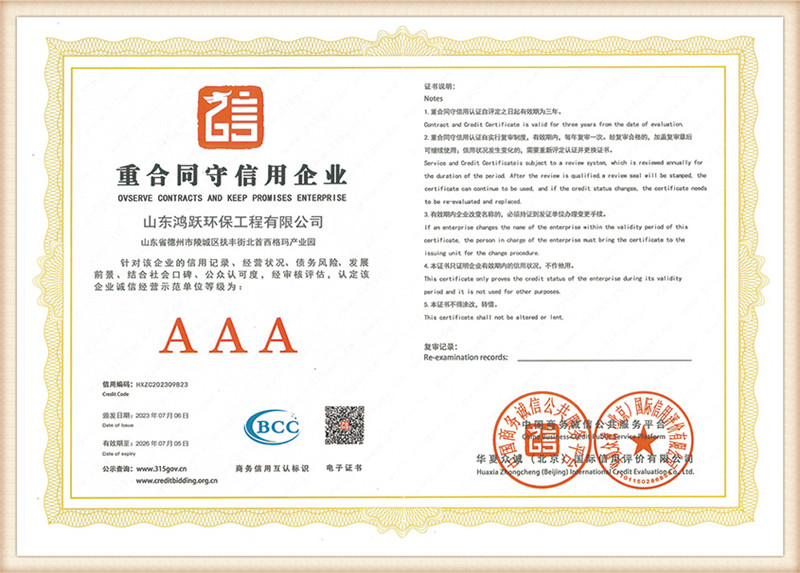
Certified Quality System
24h
Global Logistics & Support Support

Geosynthetic Barrier Systems for Diverse Industrial Sectors

Our engineered solutions cover specialized environmental criteria, from aging-resistant structures for extreme environments to smooth and textured containment barriers.

About Shandong Hongyue Environmental Engineering Co., Ltd.

Shandong Hongyue Environmental Engineering Co., Ltd., based in Lingcheng District, Dezhou, Shandong Province, is a major manufacturer of geosynthetic materials in China. With a registered capital of 105 million yuan, the company provides geotechnical materials, engineering design, and technical installation consulting globally.

Systematic Quality Verification

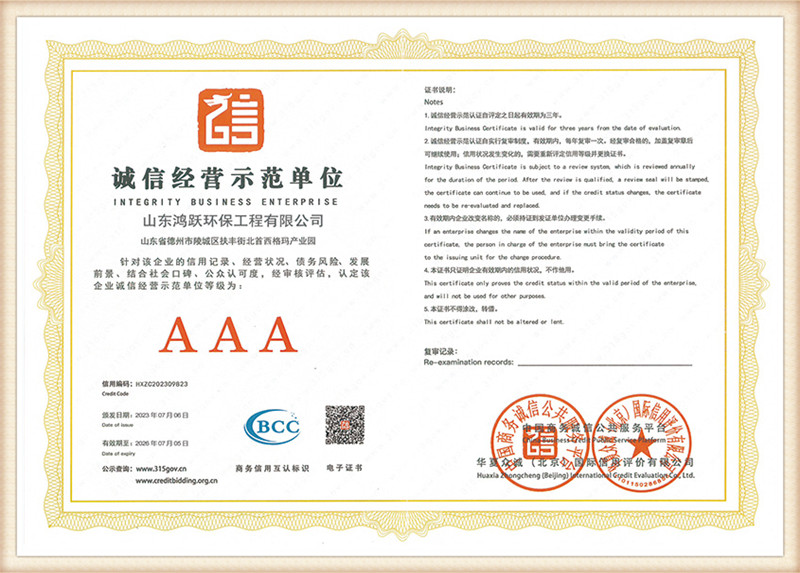
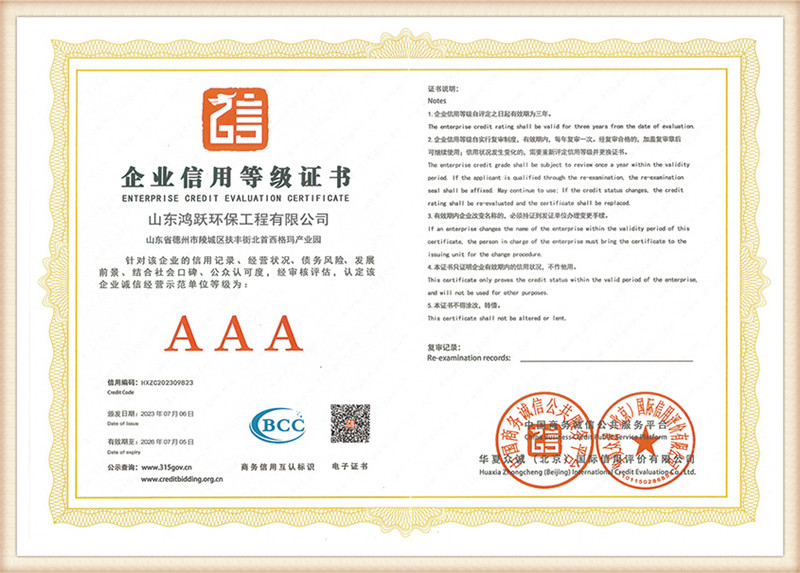
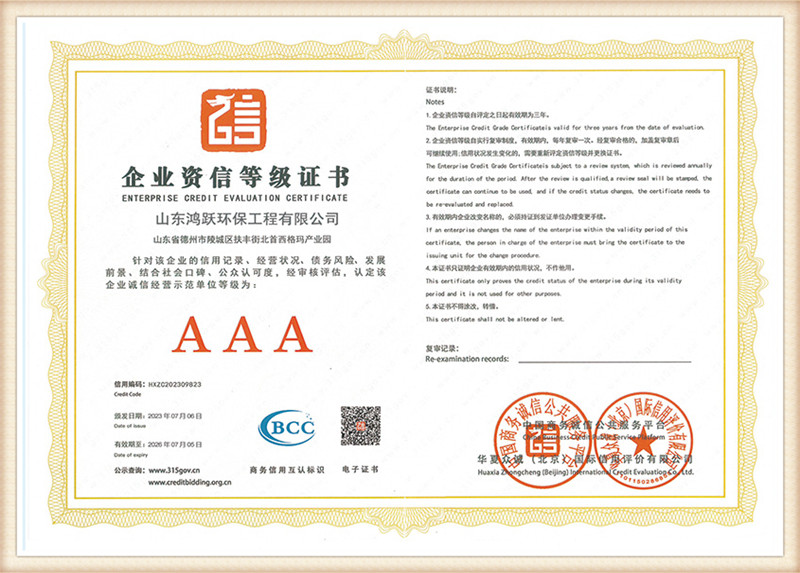
Our company operates under international management systems, holding certifications for ISO9001 (Quality Management), ISO14000 (Environmental System), and ISO45001 (Occupational Health & Safety). Every batch of raw polymer resin undergoes rigorous testing prior to melt extrusion to verify molecular weight, density, and chemical purity.

In collaboration with international testing laboratories, our geomembranes meet or exceed GRI-GM13 (for HDPE) and GRI-GM17 (for LLDPE) specifications. We perform continuous monitoring on roll thickness, carbon black concentration, tensile properties, and puncture resistance to ensure consistent barrier integrity.

Integrated Supply Chain and Logistics to Mexico

For global projects, navigating shipping timelines is critical. Located in Shandong Province with proximity to major ports like Qingdao and Tianjin, we provide optimized freight routes to primary Mexican ports, including Manzanillo and Lázaro Cárdenas on the Pacific coast, and Altamira or Veracruz on the Gulf coast.

Our scale of production ensures prompt fulfillment of bulk orders, reducing project lead times. We offer custom container loading configurations to prevent roll deformation during maritime transit and ensure safe arrival on-site.

Quality Management Certification Inspection
Advanced Geosynthetics Manufacturing Line
Geomembrane Extrusion and Quality Checking
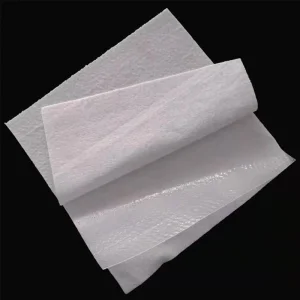
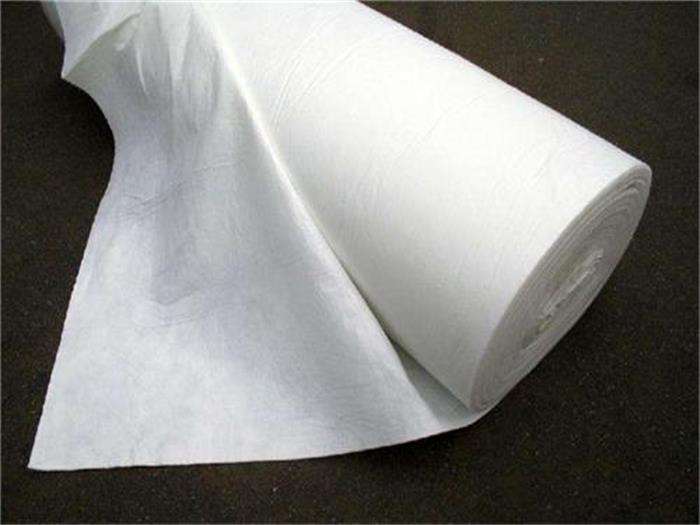
Geotextile Woven Rolling Warehouse
Geosynthetic Liner Testing Laboratory
Logistics Shipment Container Loading

GRI-GM13 Standard Technical Specifications

Comparison of standard requirements for High-Density Polyethylene (HDPE) Geomembranes used in containment and environmental applications.

Property Checked Test Method (ASTM) Unit 0.75 mm (30 mil) 1.0 mm (40 mil) 1.5 mm (60 mil) 2.0 mm (80 mil)
Density (min. average) ASTM D1505 / D792 g/cm³ 0.940 0.940 0.940 0.940
Tensile Properties (Yield Strength) ASTM D6693 (Type IV) kN/m 11 15 22 29
Tensile Properties (Break Strength) ASTM D6693 (Type IV) kN/m 20 27 40 53
Tear Resistance (min. average) ASTM D1004 N 93 125 187 249
Puncture Resistance (min. average) ASTM D4833 / D6241 N 240 320 480 640
Carbon Black Content (range) ASTM D1603 / D4218 % 2.0-3.0 2.0-3.0 2.0-3.0 2.0-3.0
Stress Crack Resistance (SP-NCTL) ASTM D5397 (Appendix) hrs > 500 > 500 > 500 > 500

Geomembrane Production Process & Engineering

Our facility utilizes raw materials and automated blow-film and flat-die extrusion processes to produce robust geotextiles and liners.

1. Raw Material Verification

High-grade virgin polyethylene resins are mixed with carbon black and thermal stabilizers. Each batch undergoes density and melt flow index (MFI) checks to confirm processing parameters.

2. Continuous Blow-Film Extrusion

The melted compound is extruded through a circular die, blown into a vertical column, and cooled. This process helps distribute polymer chains evenly in both directions.

3. Automated Thickness Control

Inline sensors monitor thickness variations in real time, adjusting die temperatures to maintain uniform dimensions across the entire roll width.

Geotextile Roll Processing and Winding Line

Quality Control & Multi-Axial Inspection

After extrusion, samples from each production roll are sent to our laboratory for structural testing.

  • Thermal Stability: Verified via Oxidative Induction Time (OIT) testing (ASTM D3895) to measure lifespan.
  • Tensile & Elongation: Evaluated using computerized testing frames to ensure performance under structural strain.
  • Carbon Dispersion: Microscopic analysis verifies dispersion patterns, preventing localized stress fractures under sunlight exposure.

Primary Applications in Mexico

Our geosynthetic solutions address containment challenges in municipal and industrial projects throughout Mexico.

Mining Heap Leach Pads

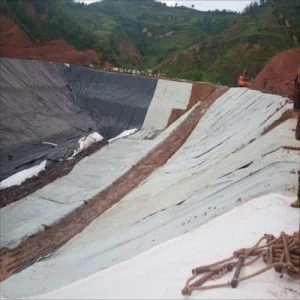
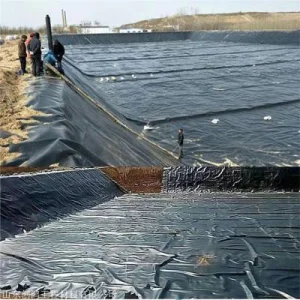
Heap leaching requires chemical containment barriers. Our 1.5mm and 2.0mm HDPE geomembranes serve as secure liners under gold and copper heap leach pads, protecting groundwater from cyanide leach solutions in northern Mexico.

Municipal Solid Waste (Landfills)

In compliance with SEMARNAT NOM-083 regulations, our containment barriers prevent municipal landfill leachate from contaminating aquifers, providing long-term soil isolation.

Agricultural Reservoirs

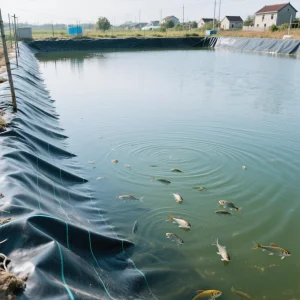
For regions experiencing water scarcity, such as Sonora, Chihuahua, and Sinaloa, our geomembranes line irrigation canals and storage basins, minimizing water loss from seepage.

Full Geosynthetics & Containment Catalog

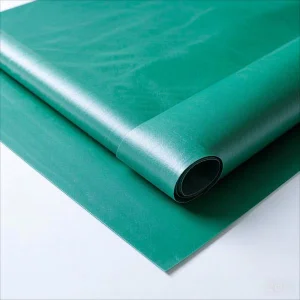
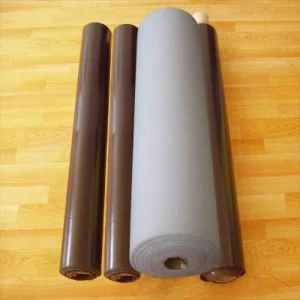
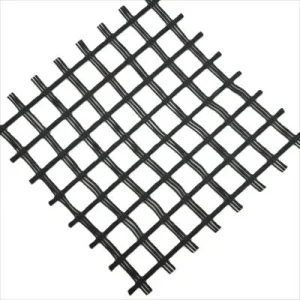
Browse our structural containment materials, from fish pond liners and PVC barriers to filtration geotextiles and stabilization geocells.

Material Comparison Matrix for Environmental Projects

Understanding physical differences is key to choosing the correct barrier lining.

Polymer Type Key Strengths Primary Limitations Typical Applications
HDPE (High-Density Polyethylene) Exceptional chemical resistance, strong UV stability, cost-effective for large areas. Lower flexibility, sensitive to stress-cracking under concentrated tension. Mining heap leach pads, municipal landfills, wastewater ponds.
LLDPE (Linear Low-Density PE) Higher flexibility, conforms to irregular shapes, high elongation. Slightly lower chemical resistance compared to pure HDPE. Landfill caps, storage reservoir linings, complex topography.
PVC (Polyvinyl Chloride) Highly flexible, easy to weld on-site, excellent tear properties. Susceptible to plasticizer migration, lower UV resistance. Tunnels, underground foundation walls, backyard ponds.

Localized Logistical & Regulatory Compliance for Mexican Importers

Navigating Mexican Customs & Certifications

Importing industrial geosynthetics into Mexico requires understanding customs classifications and testing frameworks. Our team provides complete documentation to support customs clearance, including:

  • Fraction Arancelaria (Harmonized System Code alignment) to ensure correct tariff declarations.
  • Detailed Certificate of Analysis (COA) confirming raw material origin and property consistency.
  • Compliance verification with SEMARNAT NOM-083-SEMARNAT-2003 for municipal solid waste landfills.
  • Factory certificates matching the physical markings on each delivered roll.

Direct Shipping Routes to Main Industrial Ports

We coordinate ocean freight with international carriers to secure competitive rates and reliable transit times:

  • Pacific Coast: Direct routes from Qingdao/Tianjin to Manzanillo and Lázaro Cárdenas, serving mining operations in Sonora, Zacatecas, and Durango.
  • Gulf Coast: Deliveries to Altamira or Veracruz to support water infrastructure in Nuevo León, Tamaulipas, and central Mexico.
  • Inland Coordination: We assist in organizing container transport from ports to your construction site.

Frequently Asked Questions (FAQ)

Find answers to common questions about geomembrane selection, compliance, logistics, and installation in Mexico.

Q1: Which geomembrane thickness is recommended for mining heap leach pads in Mexico?

For gold and copper heap leaching projects (e.g., in Sonora or Zacatecas), the standard specification is a 1.5 mm (60 mil) or 2.0 mm (80 mil) HDPE geomembrane. This thickness provides the puncture resistance required to support heavy ore loads and resist acidic processing chemicals.

Q2: How do your geomembranes comply with Mexican environmental regulations like NOM-083?

NOM-083-SEMARNAT-2003 regulates waste containment lining systems. Our HDPE geomembranes meet or exceed these requirements by complying with GRI-GM13 standard specifications, which verify mechanical properties, density, and chemical resistance to protect groundwater from leachate contamination.

Q3: What are the transit times and shipping ports for deliveries to Mexico?

Shipments originate from China (typically Qingdao or Tianjin port). The sea transit time to Pacific ports like Manzanillo or Lázaro Cárdenas is approximately 22 to 30 days. For Gulf ports like Veracruz or Altamira, transit times range from 35 to 45 days.

Q4: Why choose HDPE over LLDPE or PVC for industrial water reservoirs?

HDPE is generally preferred for open reservoirs due to its higher UV resistance and chemical stability. LLDPE is better suited for caps or situations requiring high elongation, while PVC is typically reserved for tunnel projects or foundations where high flexibility is needed.

Q5: Can you manufacture custom roll widths and lengths?

Yes. We can manufacture custom roll widths up to 8 meters and adjust roll lengths to minimize the number of field seams required for your project site, which helps reduce installation time and potential leak points.

Q6: What certifications support the quality of your geomembranes?

Our manufacturing facility is certified under ISO 9001:2015 (Quality Management), ISO 14001:2015 (Environmental Management), and ISO 45001:2018 (Occupational Health and Safety). Our products are tested to meet ASTM international standards.

Q7: Do you provide installation technical support?

Yes, we provide engineering documentation, welding parameters, and technical installation guides. We can also provide on-site technical consulting or remote installation supervision to support your containment project.

Q8: How is the UV resistance of your geomembranes verified for high-radiation regions of northern Mexico?

Our geomembranes contain 2.0% to 3.0% carbon black dispersion and specialized antioxidant packages. We verify long-term UV resistance through High Pressure OIT (ASTM D5885) and Oven Aging (ASTM D5721) testing protocols to confirm stability in high-radiation areas.

Partner with a Reliable Geomembrane Supplier

Whether you are planning a municipal landfill in Monterrey, a mining heap leach pad in Sonora, or a canal lining project in Sinaloa, we can assist with material selection, custom fabrication, and logistical planning.

  Send Inquiry Now