Engineered specifically to withstand Kenya's complex soil behaviors and heavy climatic rainfall regimes
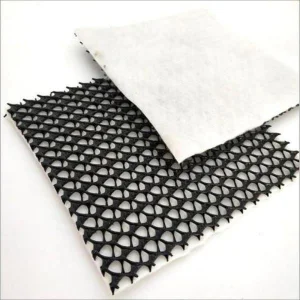
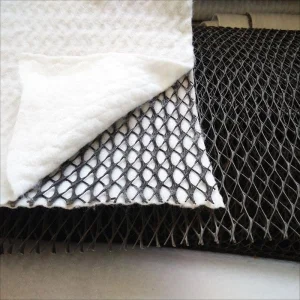
Kenya's rapid urbanization, highlighted by large-scale projects like the Nairobi Expressway, the LAPSSET Corridor Project, and expansion of local road networks in Kisumu and Mombasa, demands state-of-the-art engineering solutions. Standard stone-and-gravel french drains are proving insufficient due to high transport costs, lengthy installation timelines, and vulnerability to siltation. In response, modern engineering designs heavily incorporate Three-Dimensional Composite Drainage Networks to guarantee sustainable and long-lasting subgrade drainage.
A prominent geological obstacle in Nairobi and Rift Valley zones is the presence of heavy, expansive clays known locally as Black Cotton Soil. This soil expands drastically when wet and cracks when dry, exerting high structural pressure on pavements. Without a proper three-dimensional drainage path, pore water pressure rises within the subgrade, causing pavement cracking and eventual failure. High-quality geosynthetic drainage networks rapidly drain excess water out of the sub-base, mitigating expansion forces and keeping the structural layers stable.
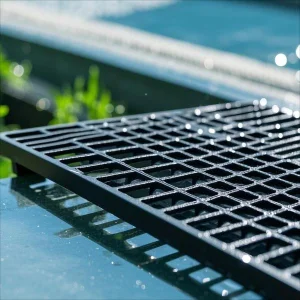
Maintains excellent in-plane water flow capacity even under heavy compressive loads up to 200 kPa typical of deep highway embankments.
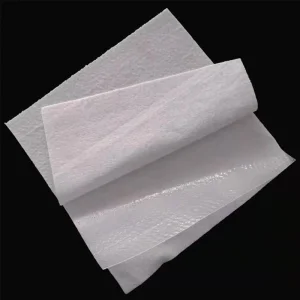
Integrated with nonwoven geotextiles possessing optimized Apparent Opening Size (AOS), permitting water inflow while filtering fine clays.
Formulated with custom carbon black and UV inhibitors to resist intense tropical UV radiation during the onsite installation phase in Kenya.
Shandong Hongyue Environmental Engineering Co., Ltd., located at the north end of Fufeng Street, Lingcheng District, Dezhou, Shandong Province, is a scientific and technological geotechnical material manufacturer integrating engineering material production, sales, design and construction services. The company was registered in Lingcheng District Market Supervision and Administration Bureau of Dezhou City on April 6, 2023, with a registered capital of 105 million yuan. It is one of the largest production bases of geotechnical materials in China at present, located in Lingcheng District, Dezhou, Shandong Province, with superior geographical location and convenient transportation.
Since the establishment of the company has developed rapidly, business continues to grow and expand, our company mainly deals in geotextiles, geomembrane, composite geomembrane, waterproof board, bentonite waterproof blanket, 3D composite drainage net, (composite) drainage board, weaving cloth, woven cloth, geotextiles, membrane bags, blind ditches, waterproof and drainage combinations, woven bags, ecological bags, cement blankets, fiber plants blankets, flexible pervious pipes. Our business includes geosynthetics, waterproofing membrane production, sales, construction, import and export of goods.
We have high quality products and a professional sales and technical team. Our company belongs to the Dezhou Geotextile Association, and products are widely used in highways, railways, bridges and tunnels, reservoirs and Canals Water Conservancy, artificial lakes, environmental protection, aviation, mining, agriculture and other fields.
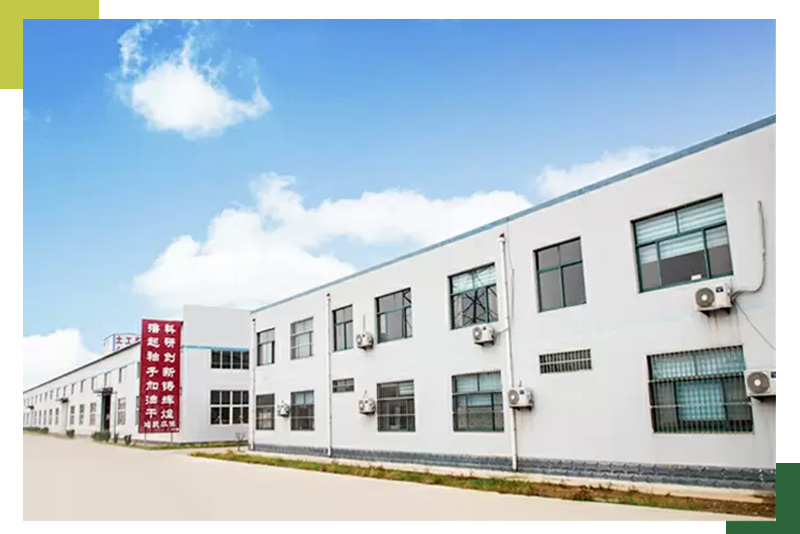
The company has successively passed the ISO9001 international quality system certification, ISO14000 environmental system certification, and ISO45001 occupational health and safety management system certification, and has won multiple honors such as "green and environmentally friendly building materials products", "no consumer complaints", "famous Chinese brands", "high-tech industries", "quality service double excellent units", and "provincial-level poverty alleviation leading enterprises". The company has established sales networks or agency agencies in more than 40 large and medium-sized cities such as Shanghai and Beijing, and its products are exported to multiple countries such as Europe, the United States, Australia, and various parts of the country. The products are widely used in key projects in various provinces and cities.
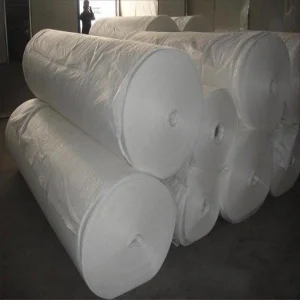
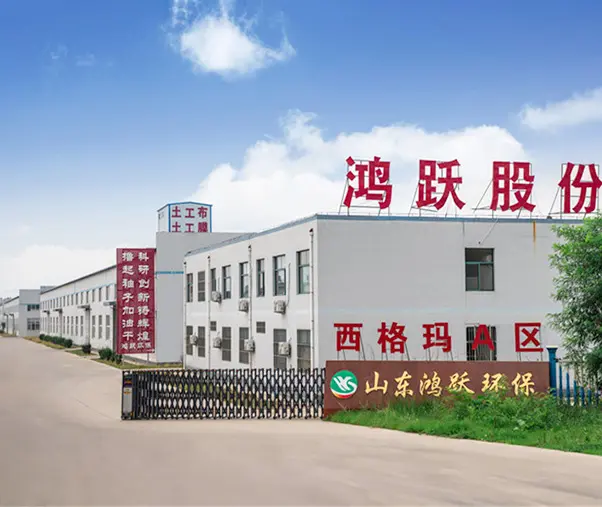
Shandong Hongyue operates advanced production lines that guarantee the consistency of geosynthetic physical and hydraulic properties. Our facilities utilize continuous online monitoring of roll thickness, mass per unit area, and tensile performance. Below is a look at our production floor:
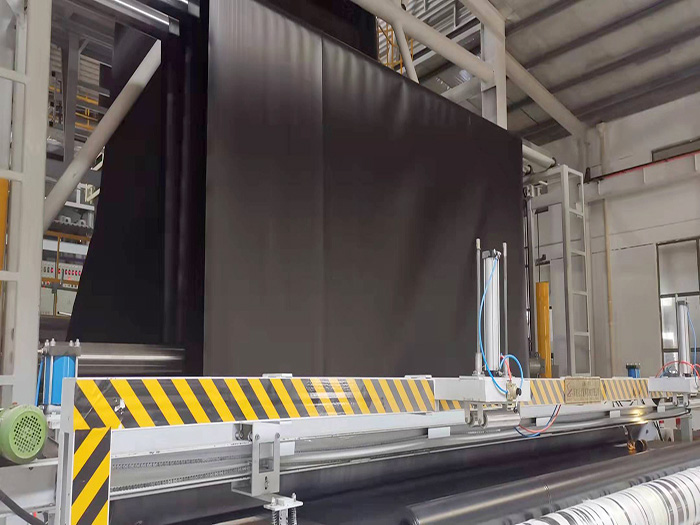
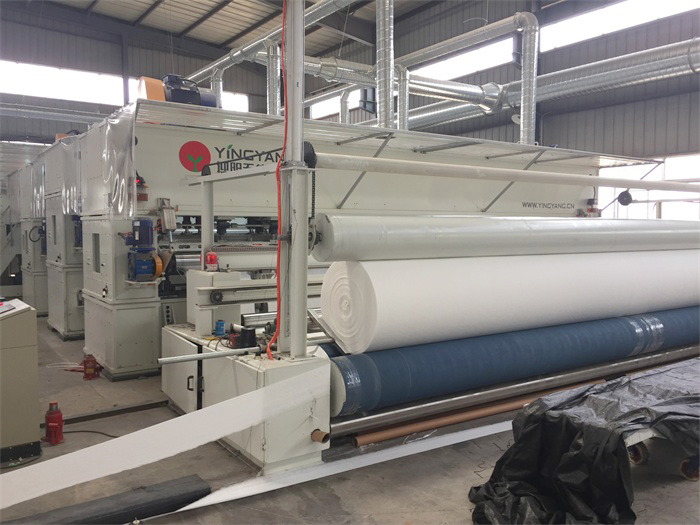
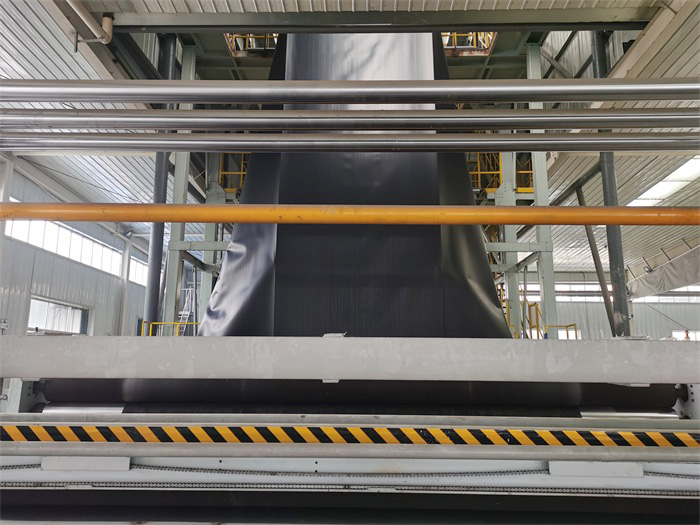
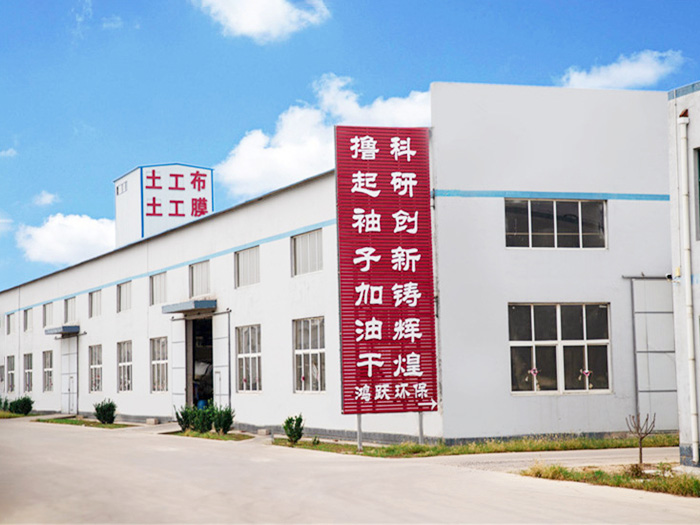
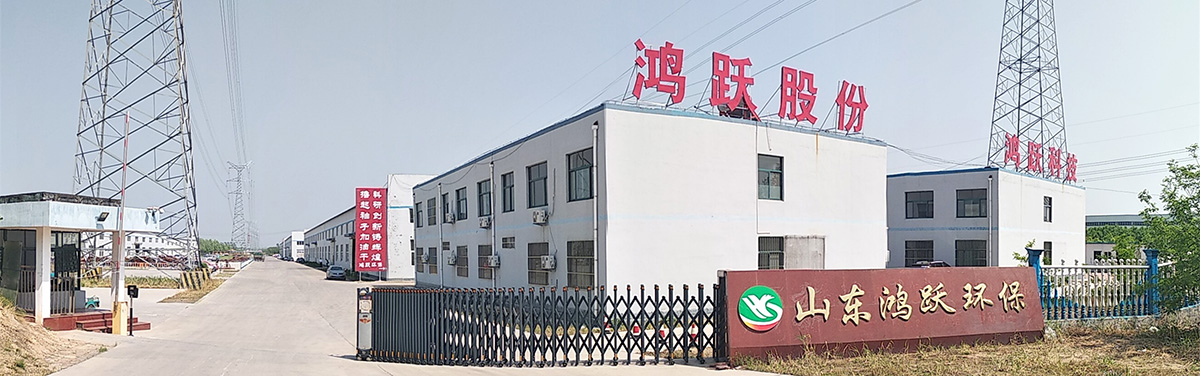
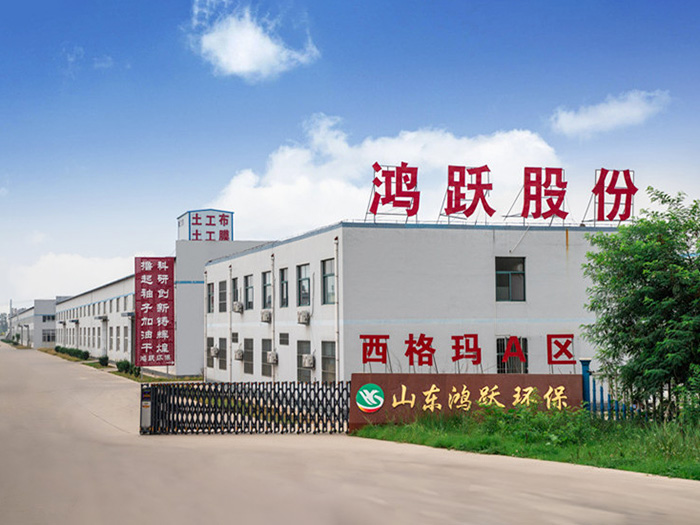
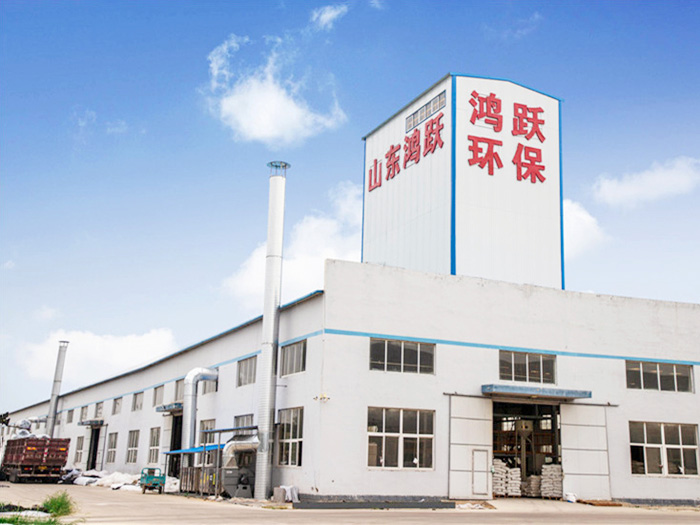
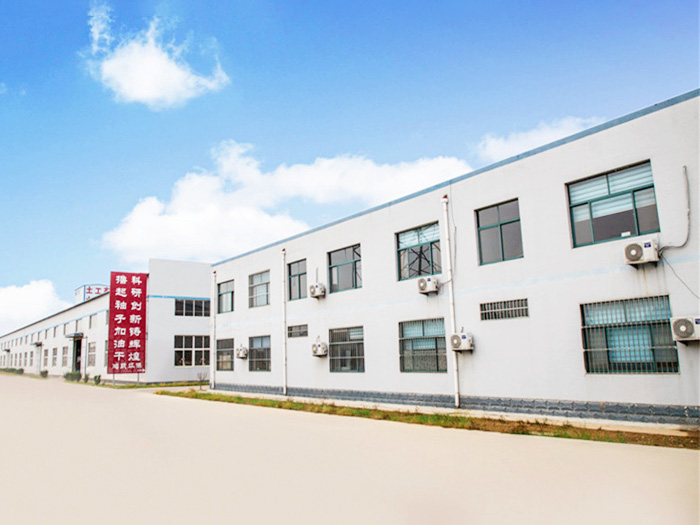
Our commitment to technical precision guarantees that all manufactured geosynthetics achieve standard-compliant values before export to East Africa.
Geotextile is widely used in civil engineering materials, with filtration, isolation, reinforcement, protection and other functions, its production process includes raw material preparation, melt extrusion, mesh rolling, draft curing, winding packaging and inspection steps, need to go through multiple links of processing and control, but also need to consider its environmental protection and durability and other factors. Modern production equipment and technology have been widely used, making the production efficiency and quality of geotextiles have been significantly improved.
The main raw materials of geotextile are polyester chips, polypropylene filament and viscose fiber. These raw materials need to be inspected, arranged and stored to ensure their quality and stability.
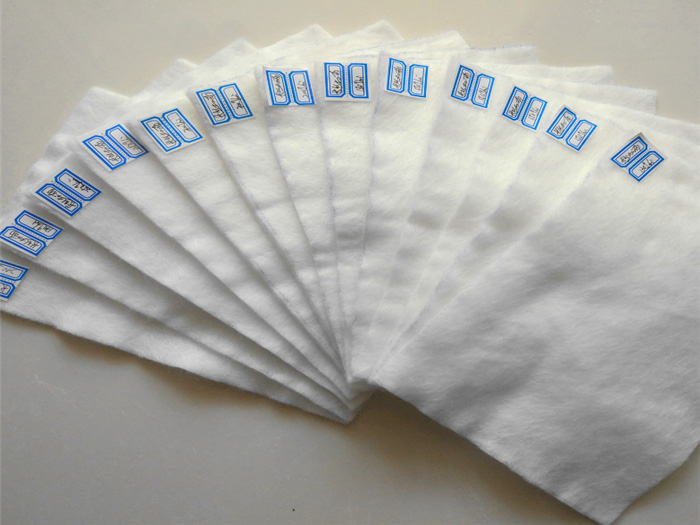
After the polyester slice is melted at high temperatures, it is extruded into a molten state by a screw extruder, and polypropylene filament and viscose fiber are added for mixing. In this process, the temperature, pressure and other parameters need to be precisely controlled to ensure the uniformity and stability of the melting state.
After mixing, the melt is sprayed through the spinneret to form a fibrous substance and form a uniform network structure on the conveyor belt. At this time, it is necessary to control the thickness, uniformity and fiber orientation of the mesh to ensure the physical properties and stability of the geotextile.
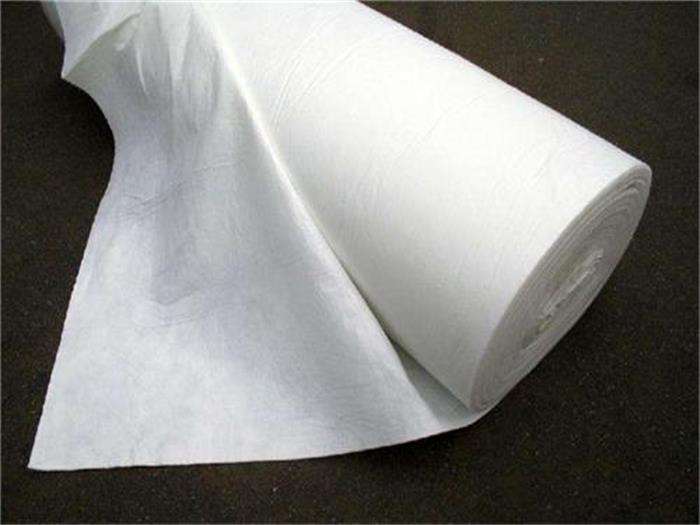
After laying the net into rolls, it is necessary to carry out draft curing treatment. In this process, the temperature, speed and draft ratio need to be precisely controlled to ensure the strength and stability of the geotextile.
The geotextile after draft curing needs to be rolled up and packed for subsequent construction. In this process, the length, width and thickness of the geotextile need to be measured to ensure that it meets the design requirements.
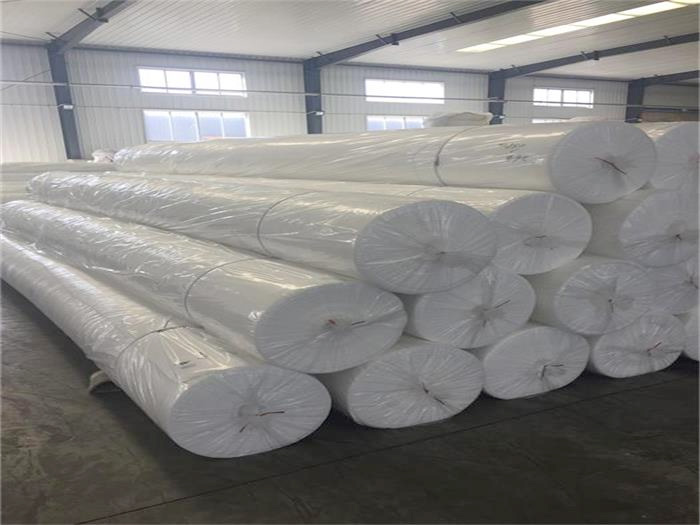
At the end of each production link, the quality of geotextile needs to be inspected. The inspection contents include physical property test, chemical property test and appearance quality test. Only geotextiles that meet the quality requirements can be used in the market.
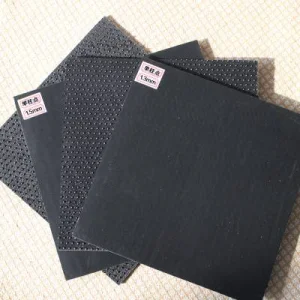
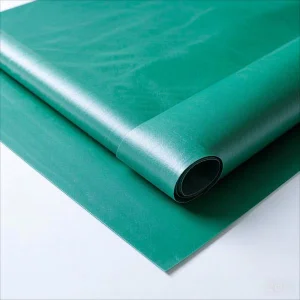
Geomembrane is a kind of material widely used in engineering projects, which has the functions of seepage prevention, isolation and reinforcement. Proper installation and material selection are paramount.
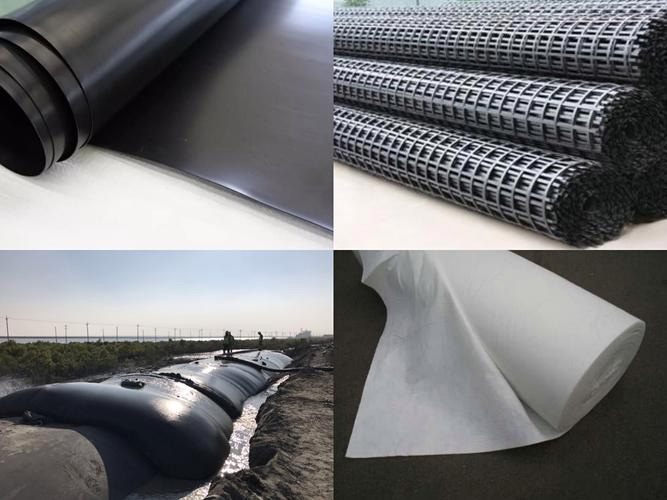
The laying of geomembrane needs to follow certain steps and techniques:
Maintenance of geomembrane can extend its service life and function:
In Summary: The application technology of geomembrane includes selecting suitable geomembrane, laying geomembrane correctly and maintaining geomembrane regularly. Reasonable application of geomembrane can effectively improve the functions of seepage prevention, isolation and reinforcement of engineering projects, and provide guarantee for the smooth progress of engineering.
We provide comprehensive solutions across water conservancy, waste management, and road stabilization projects.
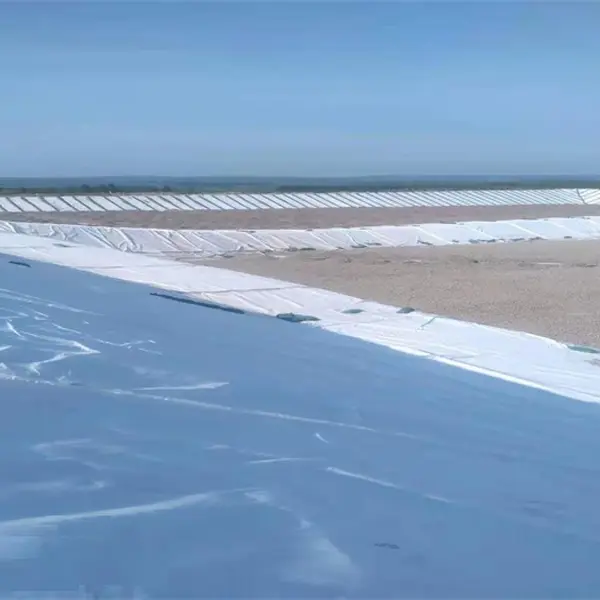
Reliable canal lining and dam reinforcement systems custom-tailored for Kenya's water irrigation networks.
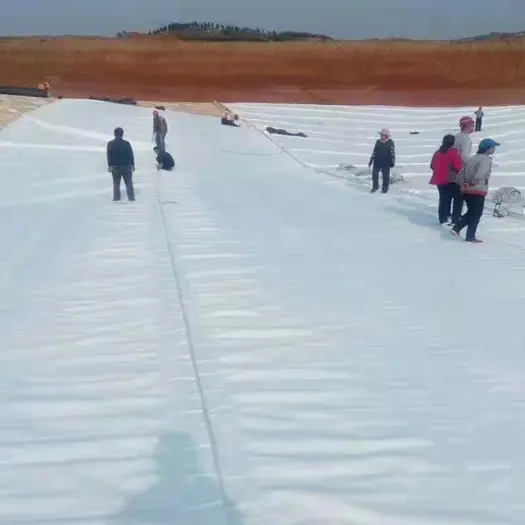
Impermeable lining solutions that eliminate soil erosion and water loss in key municipal channels.
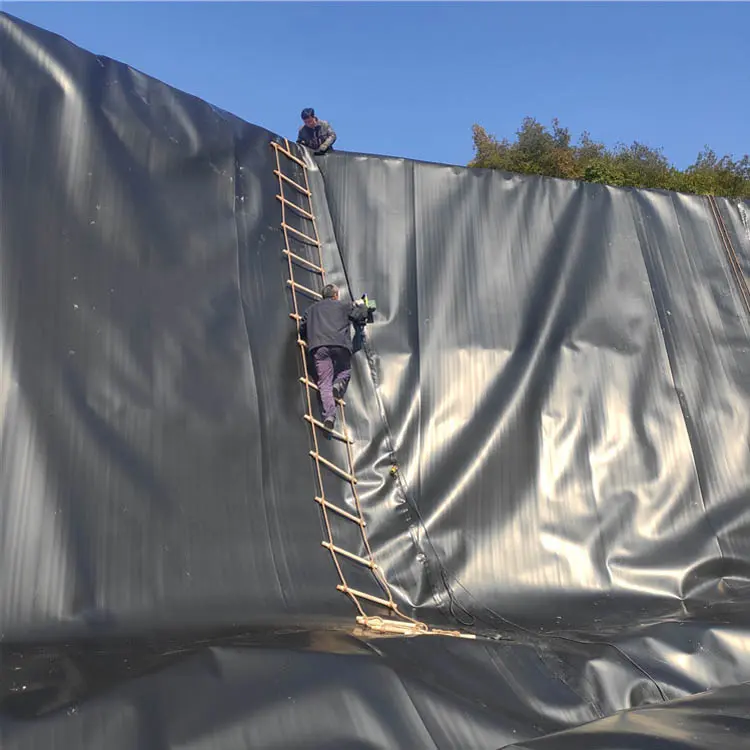
Modern ecological containment designs safeguarding local groundwater tables from hazardous leachates.
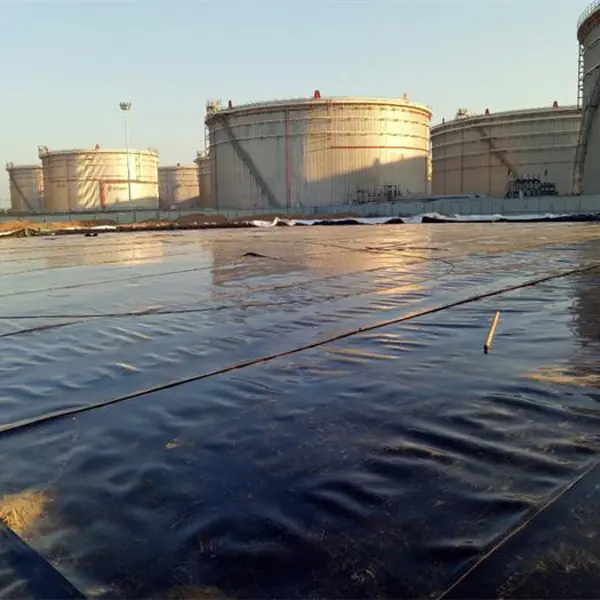
Chemical resistant linings engineered for the secondary containment barriers of fuel storage facilities.
Shandong Hongyue Environmental Engineering Co., Ltd. has a complete and scientific management system, has passed the ISO9001 international quality system certification, ISO14000 environmental system certification, ISO45001 occupational health and safety management system certification. It has won many honors such as "Green building Materials Products", "No consumer complaints", "China Famous Brand", "High-tech Industry", "Quality Service Double excellent Unit", "Provincial poverty alleviation Leading Enterprise" and so on.
The company adopts the most advanced production technology and equipment process, and has perfect detection means and precision inspection equipment to ensure that the products always maintain excellent performance. The quality of all products produced by the company has reached or exceeded international standards, and passed the certification of China National Testing Center, and all passed the national quality supervision and sampling inspection commissioned by the State Administration of Quality Supervision and Inspection.
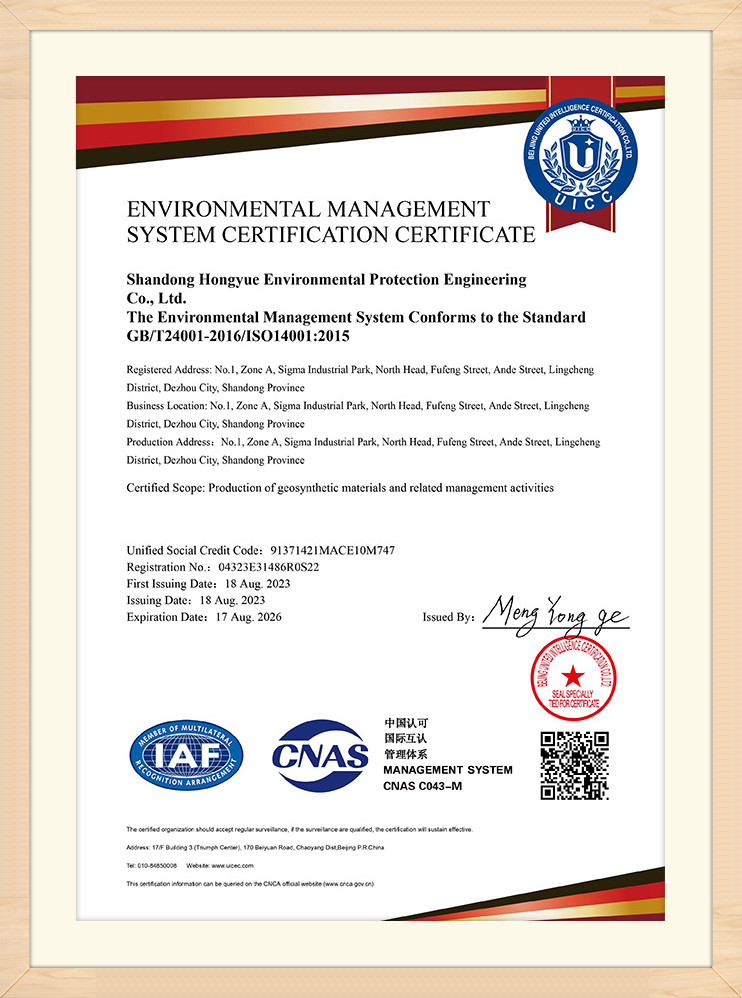
Shandong Hongyue Environmental Protection Engineering Co., Ltd. has built a group of sophisticated technology, experienced production technology and market service team, engineers and technicians have more than ten years of experience, several years to serve domestic and foreign large-scale engineering construction sites. The company has gradually established offices in large and medium-sized cities across the country, engaged in material consulting, project follow-up, construction design, marketing management and other services, under the cooperation of the headquarters, to provide our customers with 24-hour comprehensive service and product technical consultation.
With continuous market development and stable, reliable, high-performance geomaterials products, as well as scientific, economic solutions and deep, comprehensive technical support, Shandong Hongyue has accumulated rich experience in engineering design, product development and construction and many other aspects, the company's integrity, strength and product quality is gaining more and more project owners and engineering parties recognition.
Geomembrane, as an efficient anti-seepage material, plays a vital role in water conservancy projects. Its excellent anti-seepage performance, light and easy construction characteristics and relatively low cost make geomembrane become an indispensable part of water conservancy projects.
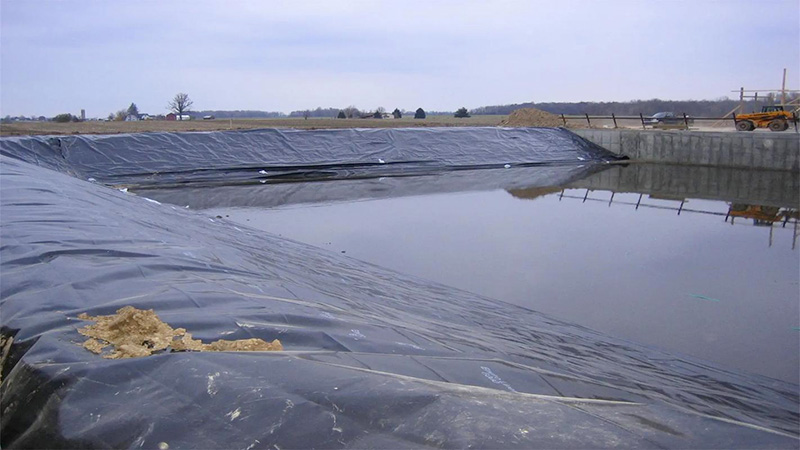
First of all, in the construction of reservoirs, geomembrane can play a very good anti-seepage role. Because reservoirs are usually built in valleys or low-lying areas, the geological conditions are more complex, so effective measures need to be taken to avoid leakage between the bottom of the reservoir and the surrounding rock. The use of geomembrane can effectively solve this problem, and can also improve the safety and stability of the whole reservoir.
Secondly, it is also necessary to use geomembrane to strengthen the anti-seepage effect during the construction of levees. A dike is a man-made structure whose main purpose is to protect the downstream area from flooding. However, in the construction process, there will be many unpredictable factors leading to loopholes, at this time, it is necessary to use geomembrane for remedial measures.
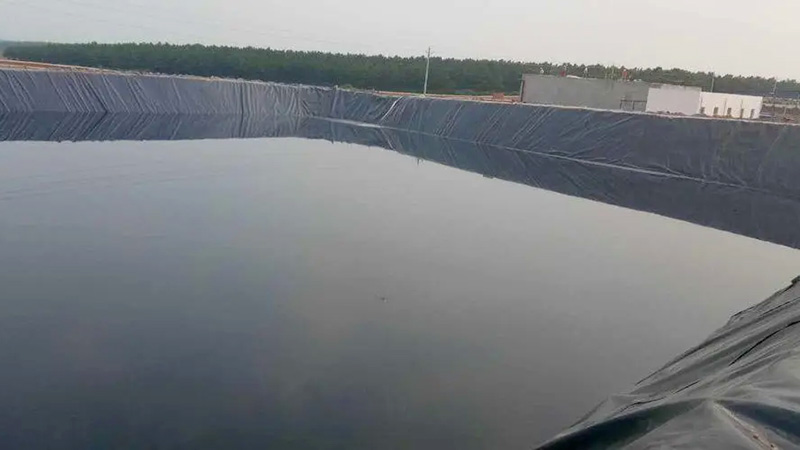
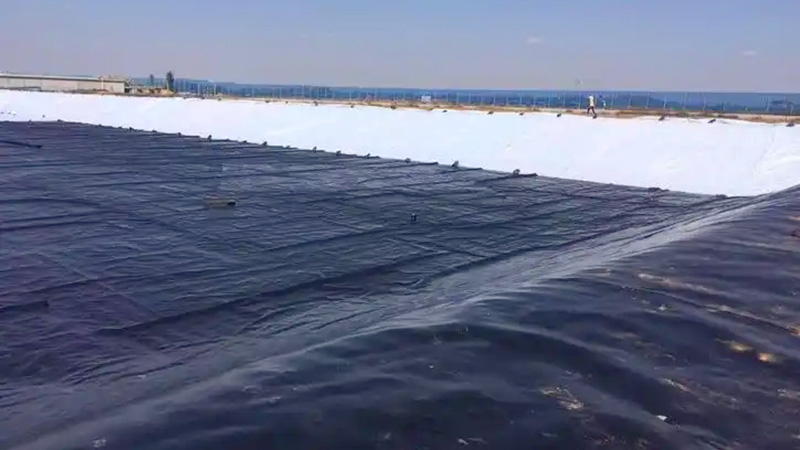
Third, in the river and channel governance, geomembrane also has a wide range of applications. Rivers and channels are very important components of water conservancy projects, they can not only regulate water flow, protect farmland and urban infrastructure, but also improve the ecological environment of the entire region. However, in the governance process will encounter some difficult problems, such as loopholes, landslides and so on. At this time the use of geomembrane can be a good solution to these problems.
Factory direct geosynthetics and lining materials for international procurement
Below is a summary of the specialized geosynthetic and lining options available for custom fabrication and supply in Kenya:
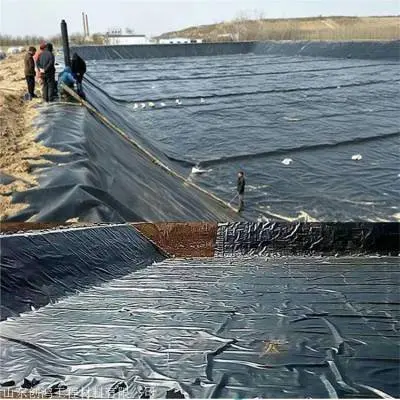
Specially designed to keep water contained in commercial fish farming ponds across Kisumu and Kakamega counties.
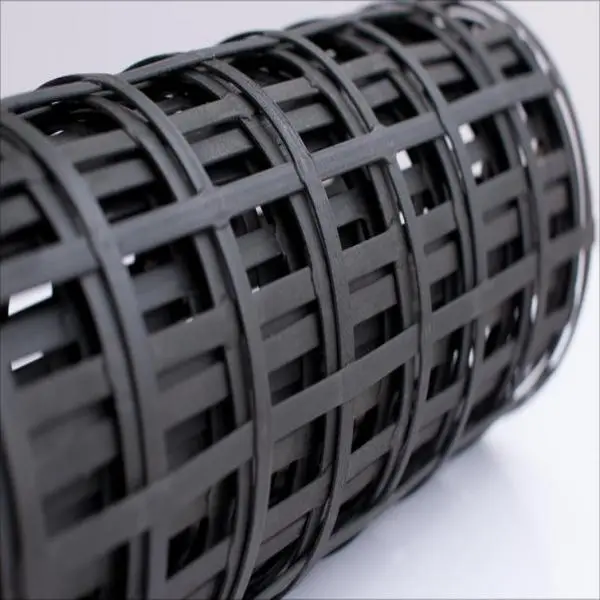
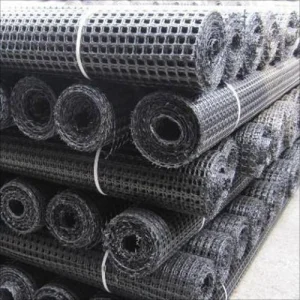
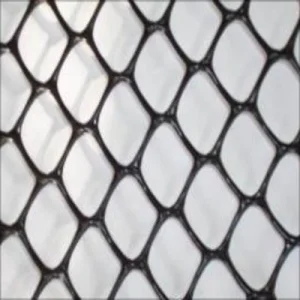
High strength composite grids providing ultimate structural reinforcement for unstable subgrades.
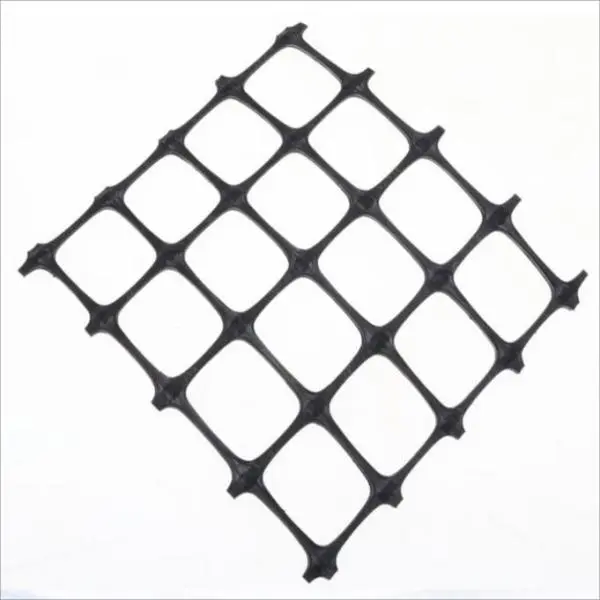
Lightweight yet durable soil reinforcement grids, perfect for embankment stability in steep terrain.
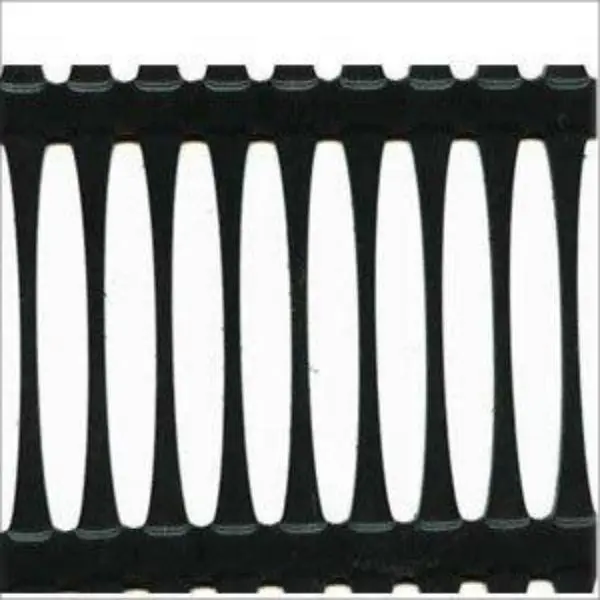
Optimized for unidirectional load resistance on retaining walls and bridge abutments.
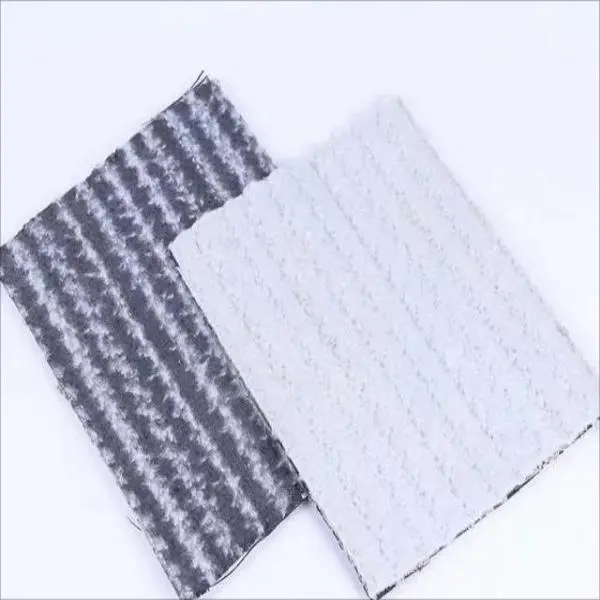
Innovative, rapidly deployable concrete lining solution for slope protection and canal lining.
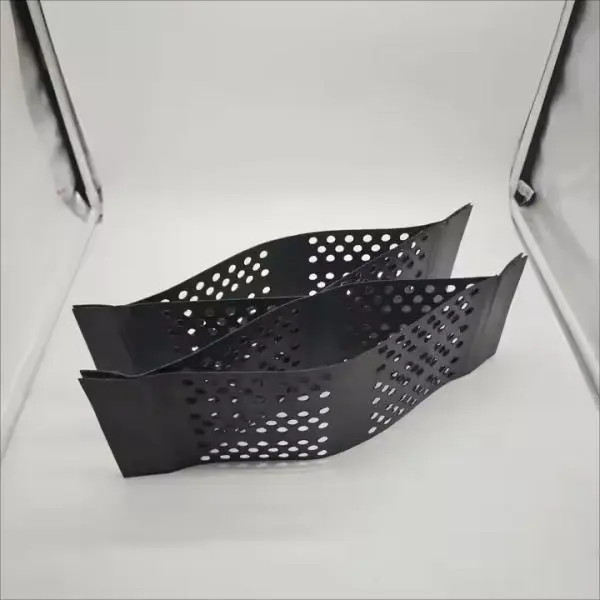
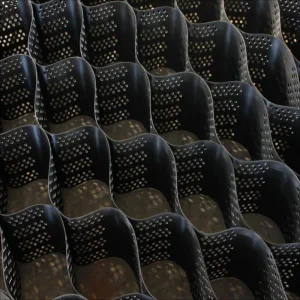
Cellular confinement systems that secure fill materials and prevent sliding on steep slopes.
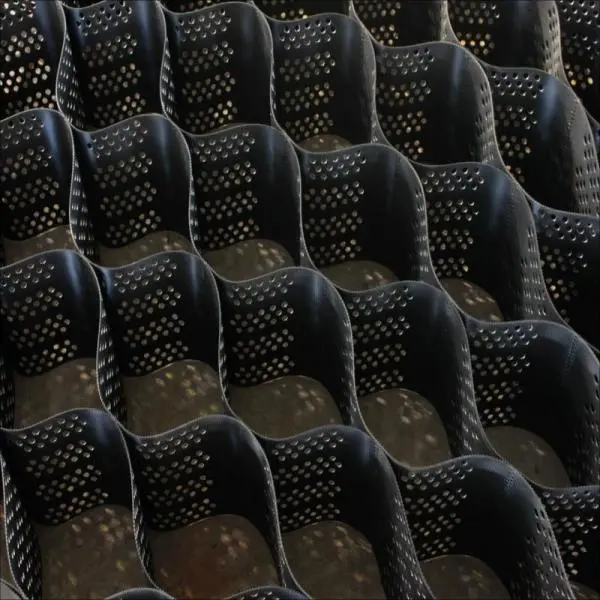
High density polyethylene cellular sheets offering exceptional load-bearing performance.
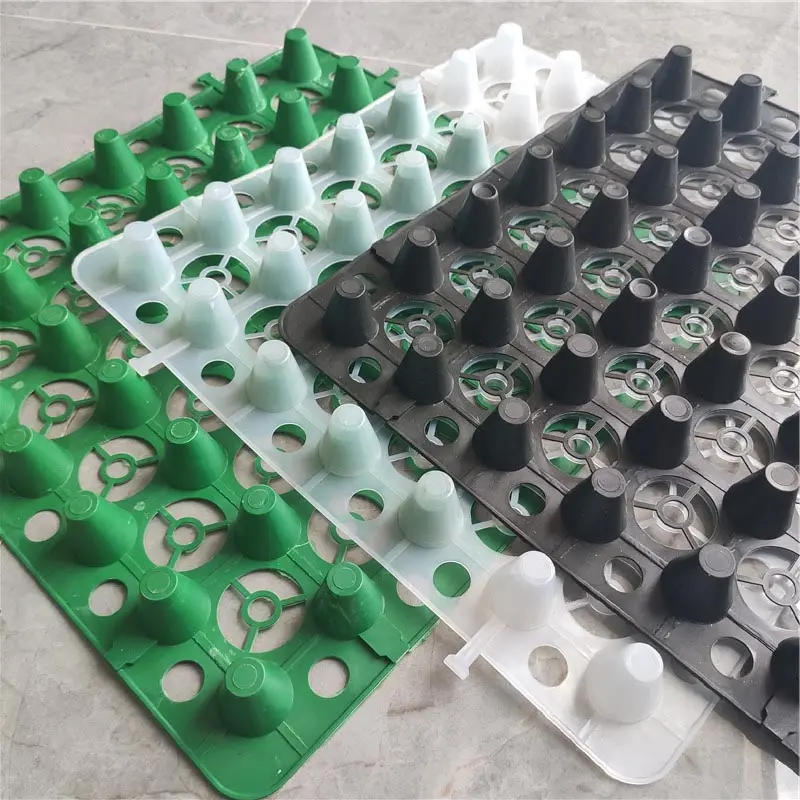
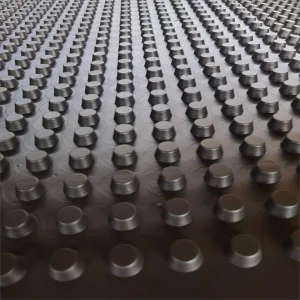
Perfect for roof gardens and basement plazas, ensuring excellent water flow and detention.
Critical engineering answers regarding geosynthetic drainage networks in East African climates
Get in touch with our team of structural geosynthetic engineers today. We provide free engineering estimations, structural layouts, and factory-direct wholesale quotes for Kenyan and international buyers.
Send Inquiry Now Hongyue