Engineered to handle persistent hydraulic pressure, protect dykes, and provide robust sub-soil water flow paths across the Netherlands.
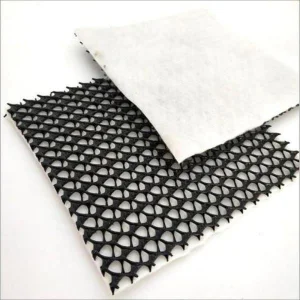
High-flow structural drainage cores designed for maximum hydraulic transmissivity under high compressive loads in landfill and dyke engineering.
Inquire Now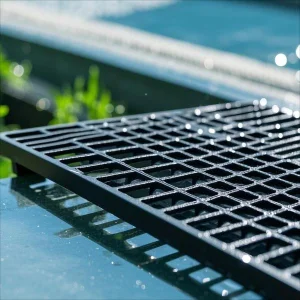
Flexible and durable high-density polyethylene drainage nets, specifically calibrated for urban runoff control and sports field sub-base drainage.
Inquire Now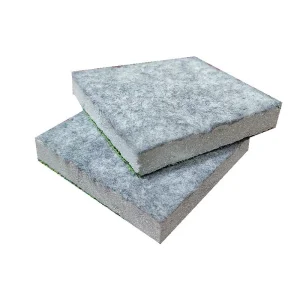
Rapid-hardening concrete geotextile composite offering robust erosion protection along canals, rivers, and drainage channels.
Inquire Now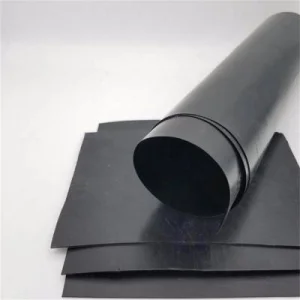
Highly imperious reinforced barriers designed to withstand chemical exposure and mechanical stresses in delta containment systems.
Inquire NowAdapting high-performance drainage networks to subsiding peat soils, high water tables, and severe delta climate conditions.
With more than a quarter of the Netherlands' land area lying below sea level, water resource management is not merely a civil utility—it is a fundamental survival requirement. The country's unique geomorphology, characterized by extensive networks of polders, dykes, locks, and sandy or peaty soils, demands geotechnical drainage networks of exceptional reliability. Standard drainage solutions fail to address the critical issue of soil subsidence, peat consolidation, and high lateral hydraulic pressures.
This is where modern 3D composite drainage networks show their value. By replacing traditional gravel drains with low-profile, high-permeability geosynthetics, Dutch civil engineering projects reduce structural dead loads, prevent soil migration, and maintain long-term hydraulic transmissivity. Whether implementing canal linings, protecting high-speed railway subgrades, or reinforcing coastal protection walls, our products are tailored to meet these strict civil standards.
Draining sub-sea-level agricultural polders requires consistent water collection without removing fine soil particles, preventing internal erosion and piping.
Highways like the A10 and A4 demand robust lateral drainage underneath asphalt layers to mitigate pore water pressure buildup during heavy storm events.
Amsterdam and Rotterdam increasingly mandate green roofs and permeable public spaces. Our drainage nets provide the ultimate light water-retention structural matrix.
Inside the chemistry, mechanical performance, and design flow calculations of Shandong Hongyue environmental materials.
Traditional bi-planar drainage nets often suffer from core deformation under sustained mechanical loading, resulting in reduced hydraulic transmission. Shandong Hongyue’s 3D composite drainage networks employ a tri-planar structure. The middle vertical ribs provide high rigidity and straight flow channels, while the diagonally crossing top and bottom ribs prevent the geotextile filter layer from encroaching into the drainage channel.
A closer look at our high-speed, automated production lines designed to deliver geotechnical supplies to major projects across the Netherlands.
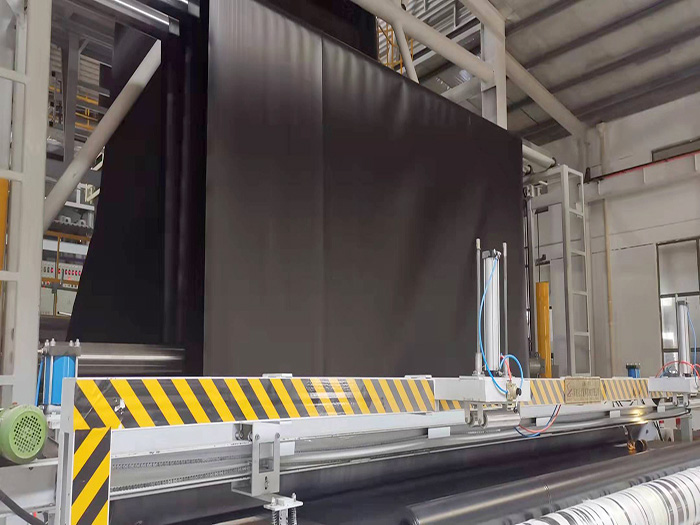
Processing premium virgin HDPE chips under digital temperature controls to achieve consistent melt indexing and density parameters.
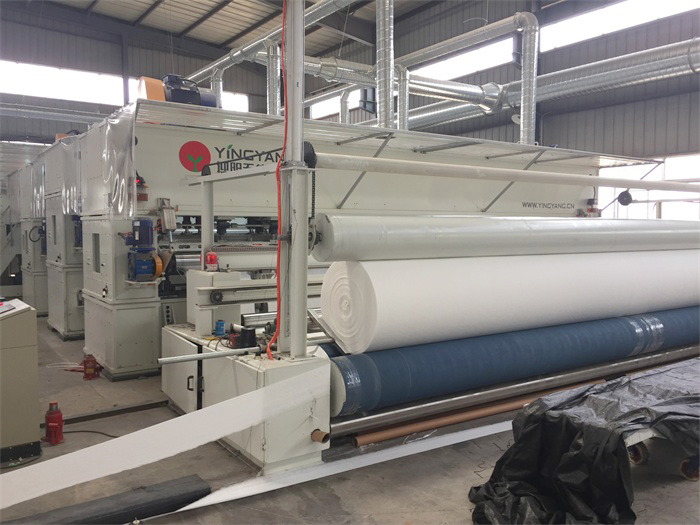
Shaping the core ribs through precision rollers to ensure consistent core thickness, tensile distribution, and flow channel layout.
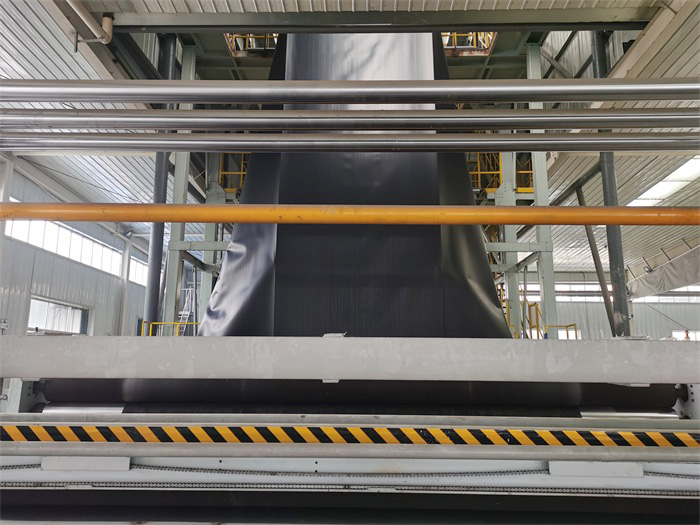
Every roll undergoes automated laser scanning and ultrasonic testing to verify membrane thickness and physical integrity before shipping.
Combining multiple layers to form high-performance protection systems for hydraulic and landfill construction.
For canal beds and banks, relying on simple geomembranes can lead to gas and water buildup underneath the barrier, causing uplift and ruptures. Combining a 3D composite drainage network below a protective geomembrane channels subsurface water away, preserving slope stability.
Our solutions are designed to work together, combining high-tensile geocells for slope protection, non-woven geotextiles for filtration, and high-performance geomembranes for containment.
A breakdown of the step-by-step manufacturing and molecular-level control processes used in our facilities.
Developing robust civil engineering materials requires high thermal stability and consistent material density. From polymer selection to packaging, every step is carefully monitored to match international standards.
Premium virgin HDPE granules are melted under digital control to maintain consistent viscosity and melt index values. The addition of carbon black (typically 2-3%) and UV stabilizers ensures protection against light degradation during installation.
The molten polymer is extruded through custom dies to form a tri-planar mesh core. Precise control over cooling rates prevents thermal stress build-up and micro-cracking within the plastic ribs.
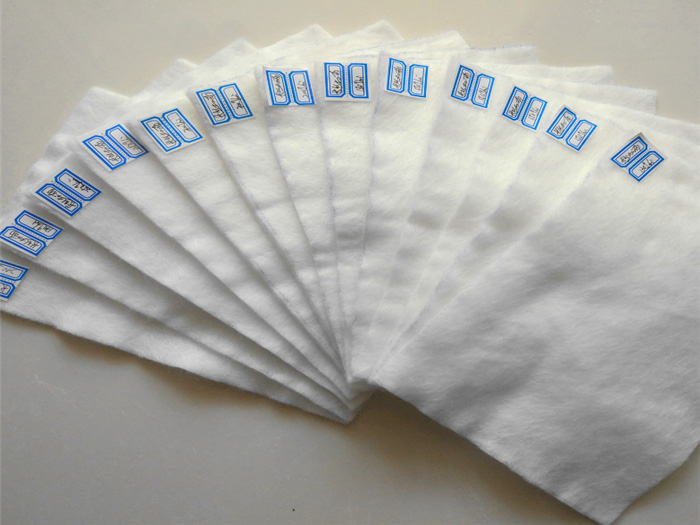
Using precise thermal bonding methods, non-woven filter fabrics are attached to the core without reducing the flow capacity of the channels inside, ensuring long-term water filtration.
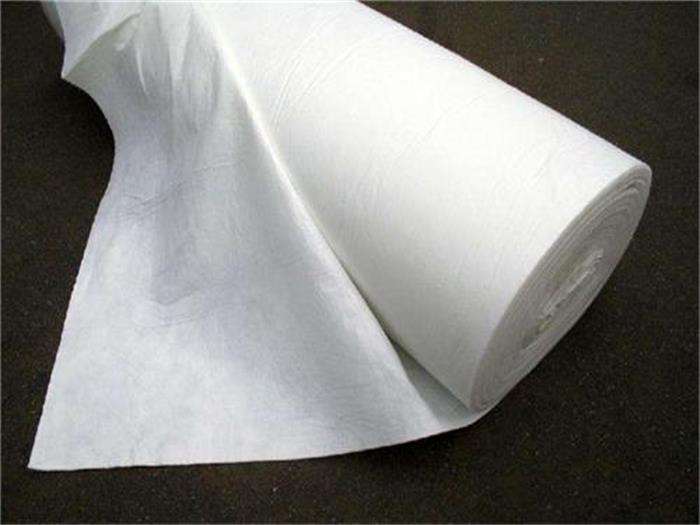
Finished materials are wound under automated tension control to prevent core deformation and wrapped in UV-resistant protective sleeves for shipping.
Streamlined logistics, CE markings, and reliable shipping to key Dutch ports like Rotterdam and Amsterdam.
All geosynthetic products comply with CE requirements for civil and infrastructure drainage. We provide complete EN ISO test reports covering raw material density, load capacity, water flow rates, and chemical resistance.
Our strategic manufacturing location near transport hubs allows for efficient container loading and reliable shipping schedules to the Port of Rotterdam, ensuring your project timeline remains on track.
Our engineering team provides full support, offering flow capacity calculations, soil-geotextile compatibility analysis, and installation guidance for complex projects.
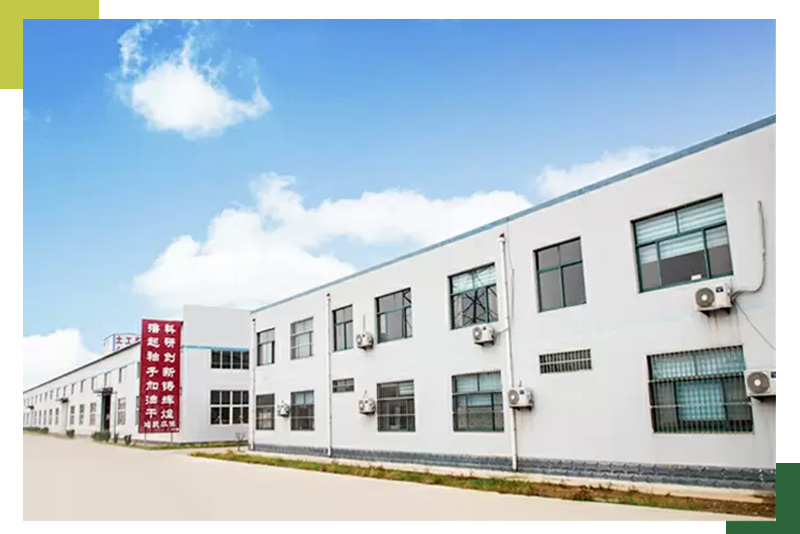
With years of production experience and high-capacity manufacturing lines, Shandong Hongyue is a reliable partner for large-scale environmental projects. We prioritize quality control, using modern testing laboratories to check tensile limits, thickness variations, and water flow capacities for every batch.
Our materials are designed for long-term performance, providing stable drainage and filtration even in challenging subsurface soil environments.
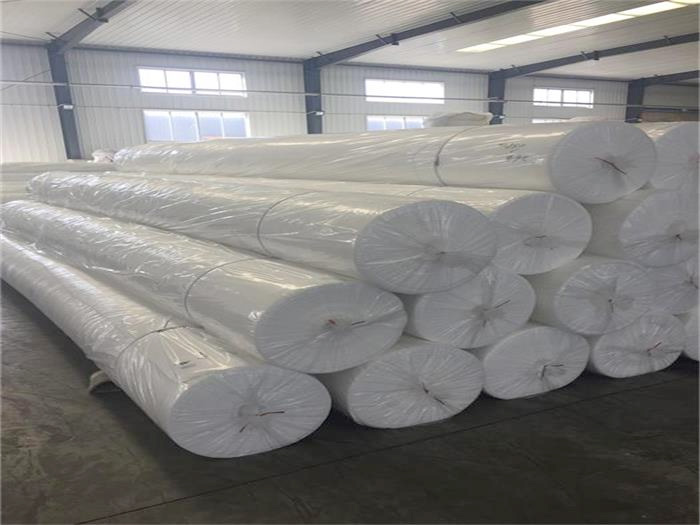
Explore our full range of CE-certified slope protection, filtration, water containment, and drainage solutions for the Netherlands.
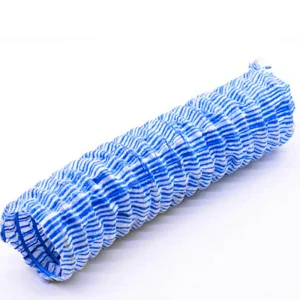
Flexible underground drainage pipes built with high-tensile spring steel cores, ideal for draining soft soils in Dutch agricultural fields.
Inquire Now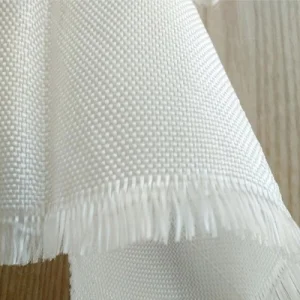
High-tensile woven polyester filament geotextiles designed for subgrade stabilization and soil reinforcement in coastal industrial sites.
Inquire Now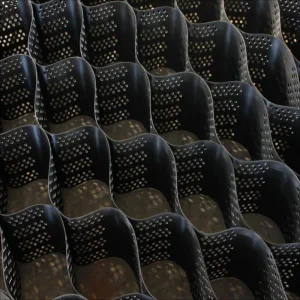
Expandable honeycombed soil-confinement matrices designed to prevent lateral soil movement under heavy traffic loads.
Inquire Now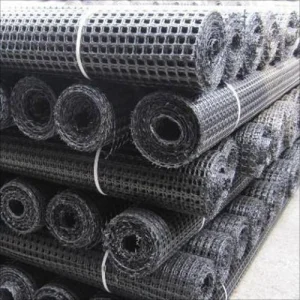
Highly durable polypropylene geocells tailored for coastal restoration and dune stabilization projects along the Wadden Sea.
Inquire Now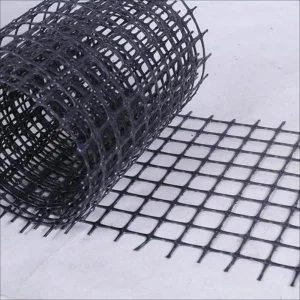
High-aperture reinforcement geogrids designed to distribute heavy loads evenly across soft peat foundations.
Inquire Now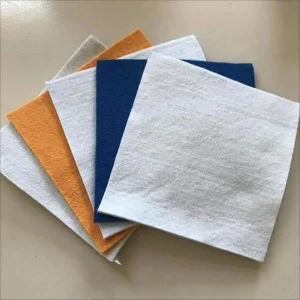
Needle-punched non-woven geotextile filter fabrics designed to prevent soil migration in high water table environments.
Inquire Now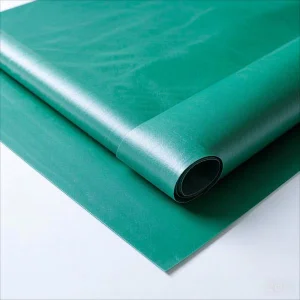
Long-life geomembranes engineered to resist UV degradation and temperature variations in exposed agricultural lagoons.
Inquire Now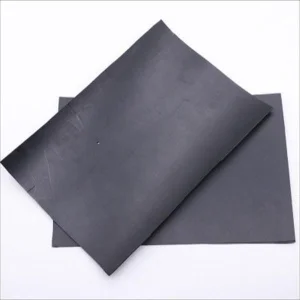
Premium smooth HDPE sheets offering high chemical resistance for landfill capping and industrial water storage basins.
Inquire NowOur commitment to reliable, high-performance environmental materials backed by rigorous internal and external inspections.
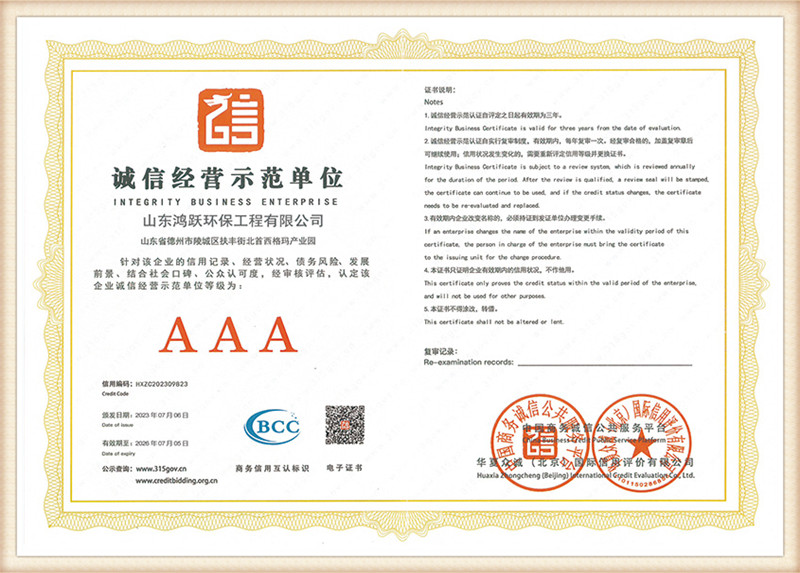
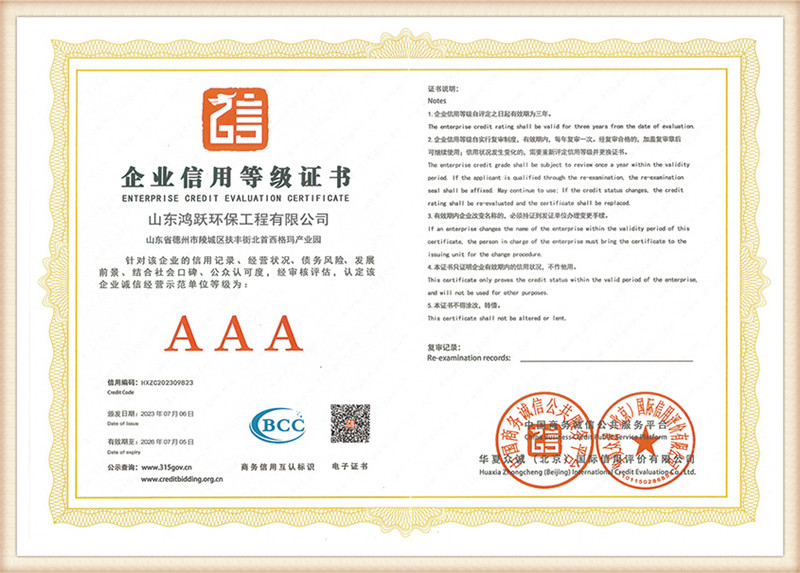
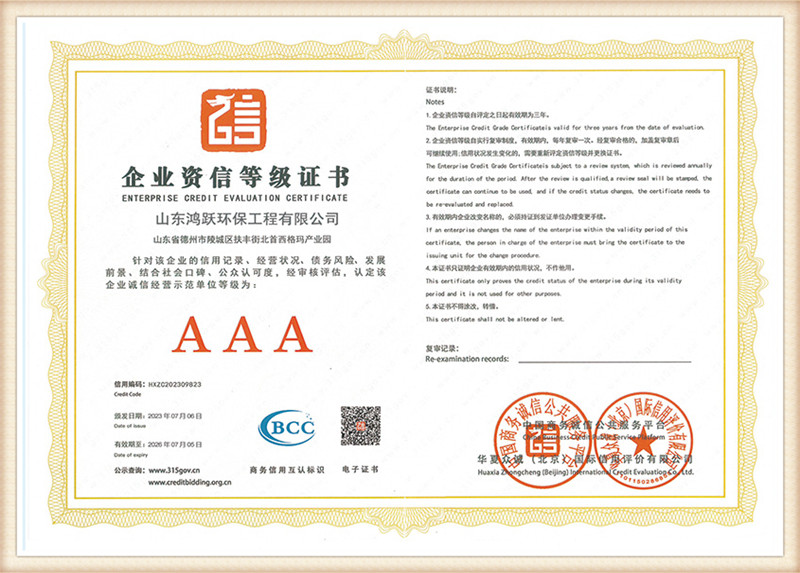
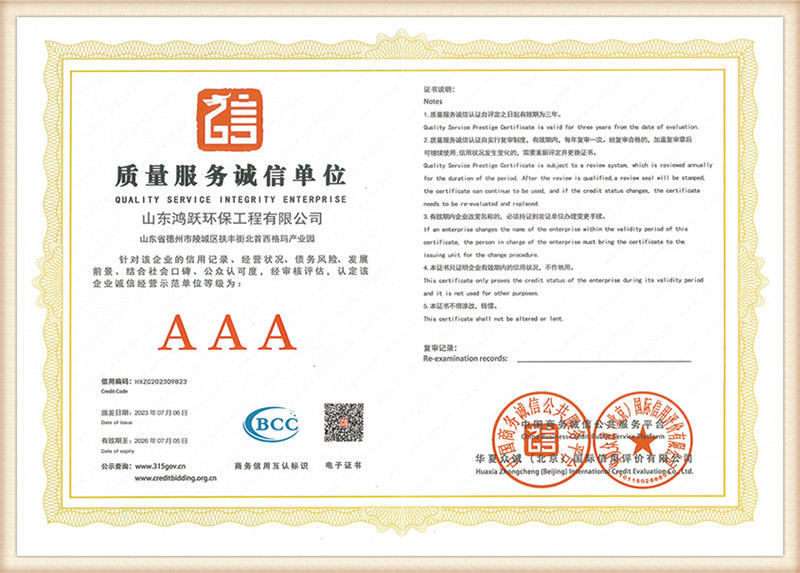
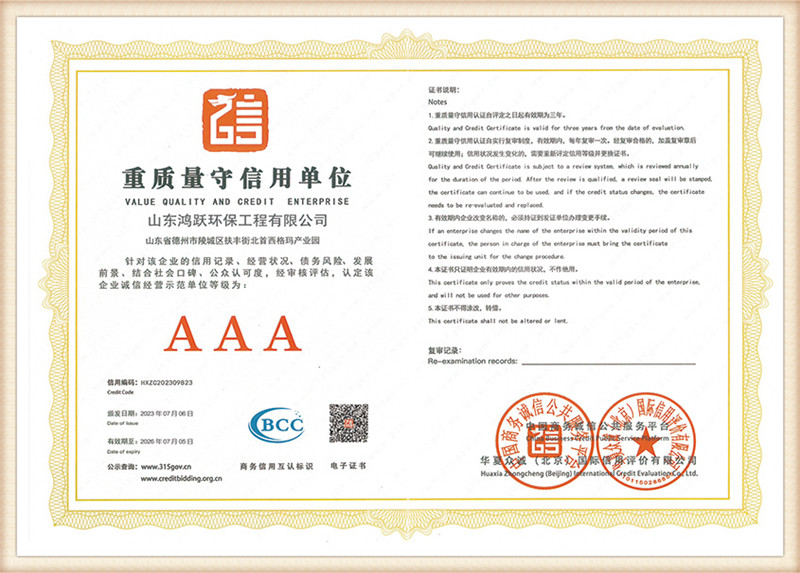
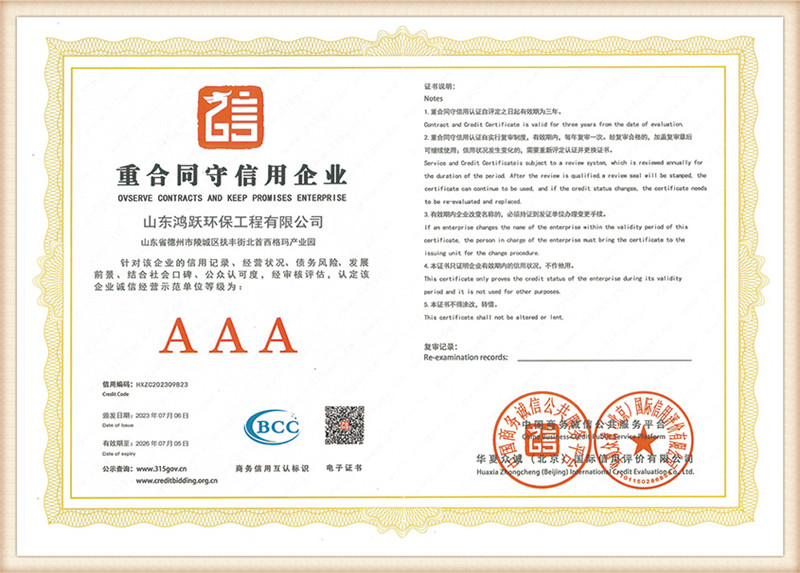
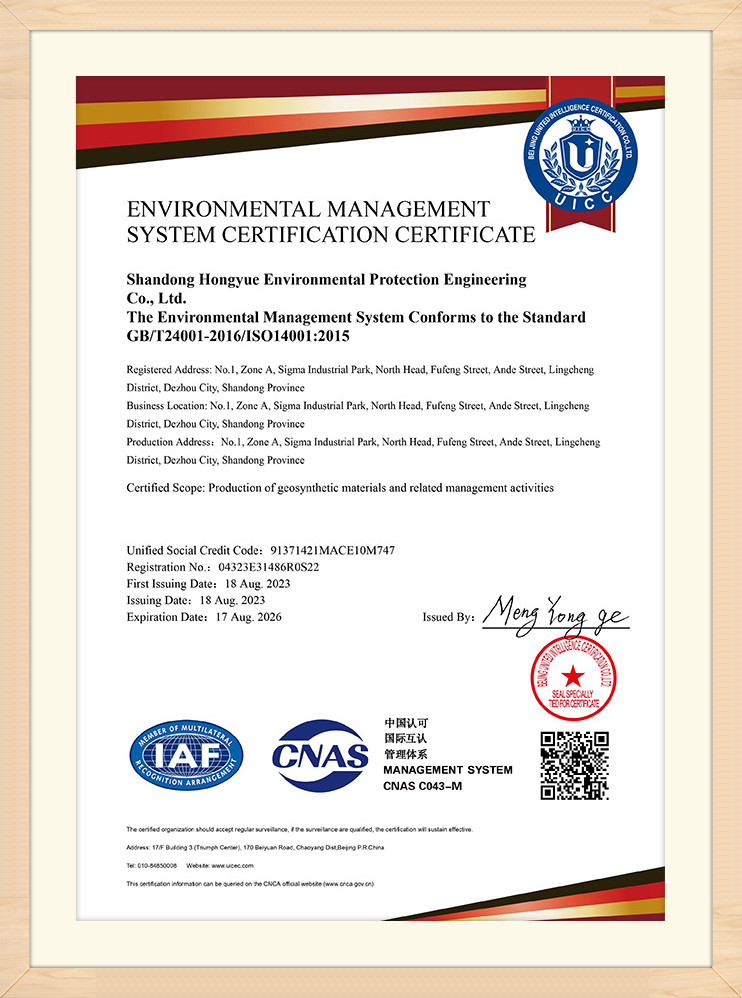
Shandong Hongyue Environmental Engineering Co., Ltd. operates a scientific management system certified under the ISO9001 international quality, ISO14001 environmental management, and ISO45001 occupational health and safety standards. Our products have received awards for "Green Building Materials" and are widely used in critical municipal and civil engineering projects.
Equipped with modern testing facilities, we check mechanical parameters including puncture resistance, flow capacity, and chemical degradation to ensure consistent performance across all batches.
How our combined geosynthetic systems protect critical water infrastructure and prevent environmental contamination.
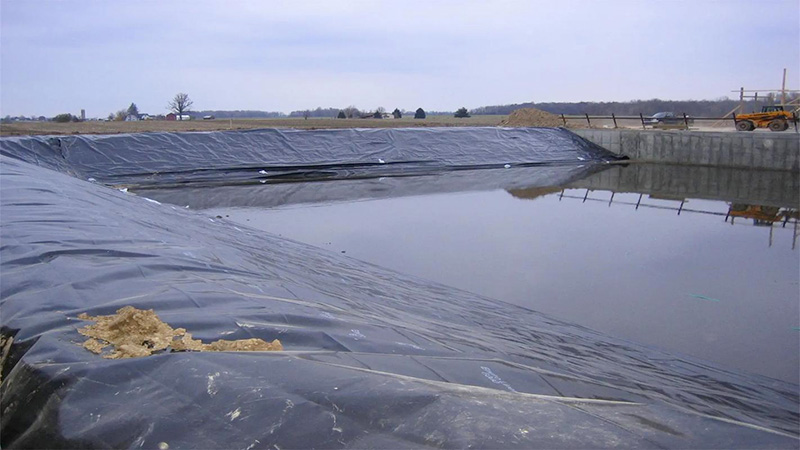
Our geomembranes act as impermeable barriers in agricultural canal networks, preventing water loss to the surrounding soil while resisting root penetration and tear damage.
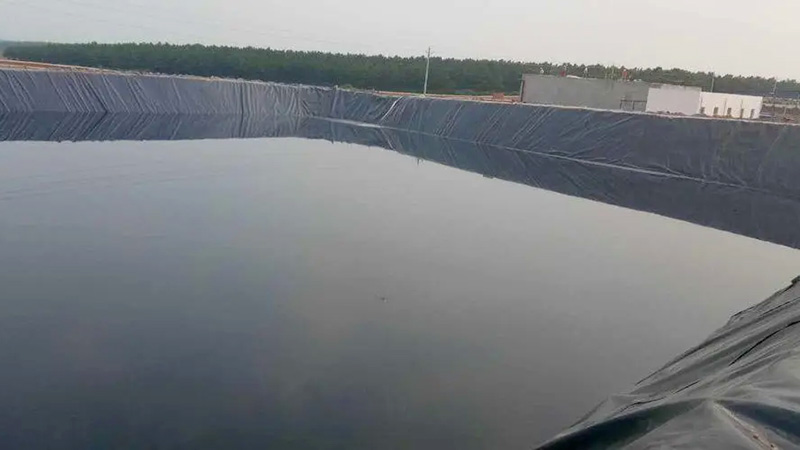
Installed beneath protective layers along river banks, our composite geosynthetics drain excessive pore water, reducing internal pressure and preventing slope failures during tidal cycles.
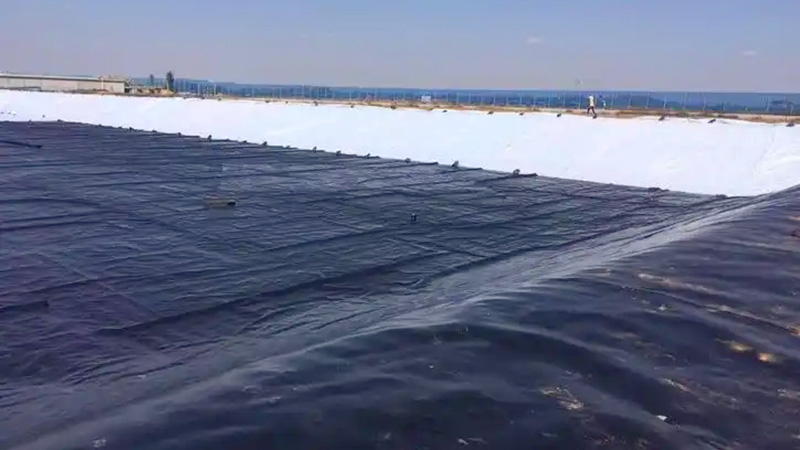
Double-lined geomembrane configurations with integrated leak detection layers protect local groundwater resources near chemical storage areas and agricultural treatment facilities.
Detailed engineering guidelines on installing, designing, and selecting geosynthetic drainage networks in the Netherlands.
Traditional gravel drains require significant excavation depth, increase mechanical load on soft soil layers, and are prone to silt clogging. Our 3D composite drainage networks are lightweight, thin, and combine high-flow cores with integrated non-woven filters to provide reliable filtration and water flow.
Our entire geotechnical product line is CE certified and tested according to EN ISO guidelines. We supply ISO 9001 and ISO 14001 documentation with every shipment, ensuring compliance with local Dutch environmental and civil regulations.
Peat soils are highly compressible. For these conditions, we recommend biaxially stretched geogrids to distribute traffic and civil loads, combined with flexible 3D drainage networks that maintain flow capacity even when minor settlement occurs.
Manufactured from high-molecular-weight virgin HDPE with added carbon black and UV stabilizers, our drainage products are designed for a service life exceeding 50 years under standard underground chemical and mechanical conditions.
For drainage networks, we recommend overlapping adjacent cores by 75-100 mm and tying them with plastic fasteners. The geotextile layer should be secured with tape or thermal bonding to prevent soil migration into the joint.
Yes, our HDPE cores show high resistance to acids, alkalis, and common chemicals found in industrial soils and landfills, preserving flow capacity in demanding environments.
Typically, production takes 7 to 15 days depending on order volume. Sea freight to the Port of Rotterdam takes approximately 30 to 35 days, and we coordinate all customs documentation to ensure smooth delivery.
We test our products using ISO 12958 procedures, measuring flow rates under varying vertical pressures (from 20 kPa to 200+ kPa) and different hydraulic gradients (i=0.1 to i=1.0) to ensure consistent performance.
Need custom roll dimensions, specific flow capabilities, or competitive pricing for an upcoming project in the Netherlands? Contact our technical sales team for support.
Send Inquiry Now Hongyue