Optimized for subgrade reinforcement, erosion control, and heavy precipitation drainage during monsoon seasons.
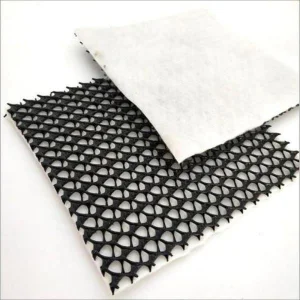
Specially designed for civil landfills and highway foundation drainage under local heavy traffic loads in the Philippines.
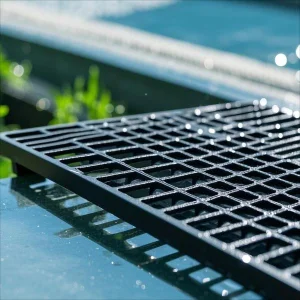
Flexible polymeric structure providing optimal high-flow water passage, ideal for urban underground subways and basement walls.
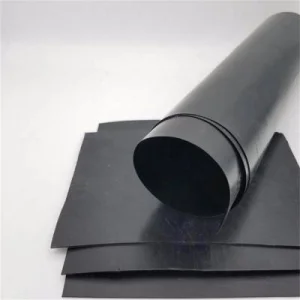
Heavy-duty barrier for containment structures, preventing chemicals and wastewater from leaching into clean agricultural soils.
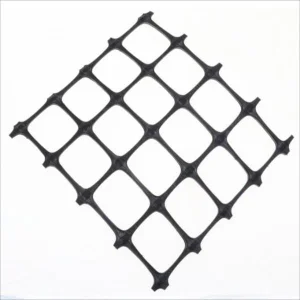
High mechanical tensile strength geogrid to stabilize soft soils in Philippine delta regions and mountain road embankments.
The geographic location of the Philippine archipelago subjects it to high levels of tropical precipitation, seismic vulnerabilities, and dynamic soil types. Modern infrastructure upgrades under initiatives such as the "Build Better More" campaign demand highly resilient geological materials. Traditional gravel and aggregate-based subsurface drainage layers struggle with rapid silting and structural instability. Consequently, high-performance geocomposites—most notably three-dimensional composite drainage networks—have become critical to current civil, environmental, and transportation engineering projects across Manila, Cebu, Davao, and neighboring coastal provinces.
By combining high-density polyethylene (HDPE) geonets with custom-bonded nonwoven geotextiles, composite drainage systems offer high planar water conductivity under continuous high compressive pressures. This technical analysis explores the industrial capabilities of Shandong Hongyue Environmental Engineering Co., Ltd., dissects the localized engineering demands of the Philippine infrastructure market, and details the performance benchmarks required for sustainable municipal applications.
For Philippine project engineers specifying drainage layers, the primary variables are long-term hydraulic transmissivity under high mechanical pressures (often up to 200 kPa) and stability against chemical degradation in landfill or municipal runoff environments.
Engineers operating in tropical regions face specific environmental challenges. Rainfall events often exceed 100mm per hour, causing rapid soil saturation, elevated pore water pressures, and subsequent structural failures of retaining walls and slopes. The geonet cores utilized must be engineered to provide:
As a leading Chinese supplier of geosynthetic materials, Shandong Hongyue Environmental Engineering Co., Ltd. satisfies these strict civil requirements. Operating from a registered facility with 105 million RMB in capital, our plant maintains systematic manufacturing standards validated by international quality controls. By establishing localized logistics networks, Shandong Hongyue bridges the gap between high-capacity manufacturing in Shandong, China, and major port distribution hubs in Manila, Batangas, and Cebu, ensuring competitive timelines and robust technical consultation directly on-site.
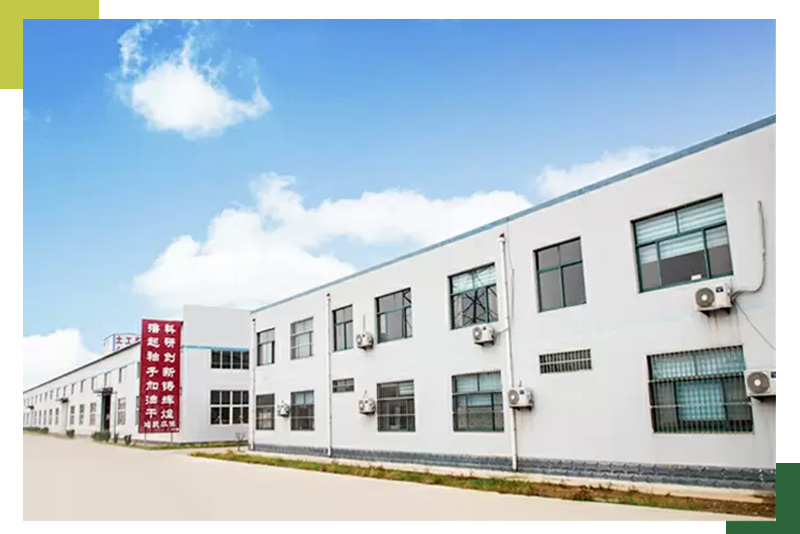
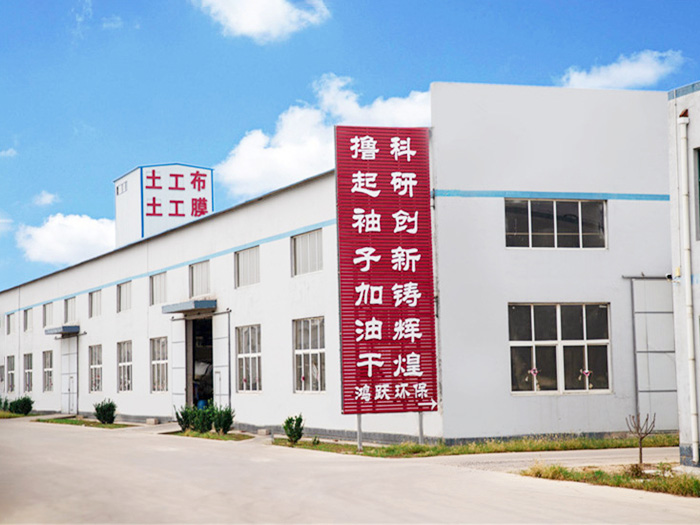
Figure 1: Shandong Hongyue Manufacturing Complex & Administration Offices in Dezhou, China.
The manufacturing process at the Hongyue plant is divided into distinct, monitored stages to ensure structural integrity and mechanical properties:
| Production Step | Core Processes | Quality Control Parameters Checked |
|---|---|---|
| 1. Material Formulation | Virgin HDPE Pellets + Carbon Black + UV Inhibitors | Melt Flow Index (MFI) and polymer density check |
| 2. Melt Extrusion | Multi-layered die head extrusion at high temperature | Temperature stability and homogeneous compound mix |
| 3. Net Forming & Laying | Cross-overlapping strands formed into 3D structure | Strand angle, aperture size, and total net thickness |
| 4. Thermal Lamination | Nonwoven geotextile thermal bonding to geonet core | Peel strength (ASTM D7005) and structural adhesion |
| 5. Quality Auditing & Testing | Physical specimen extraction and mechanical testing | Tensile strength, transmissivity, and mass per unit area |
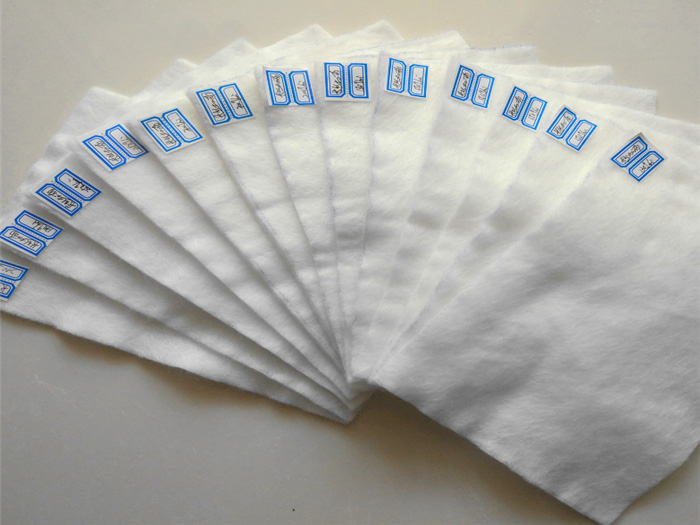
Figure 2: Nonwoven geotextile raw material processing and mechanical needle-punching line.
Unlike standard sheet drains, three-dimensional drainage geonets consist of a thick polymer core of rib networks intersecting at specific angles. This spatial configuration creates open flow paths. Nonwoven geotextiles heat-bonded to one or both sides prevent surrounding soil and fine silt from invading the channels, avoiding blockages while allowing water to pass through continuously. In the Philippines, this multi-functional structure replaces the typical 300mm sand/gravel layer, conserving space and reducing project excavation expenses.
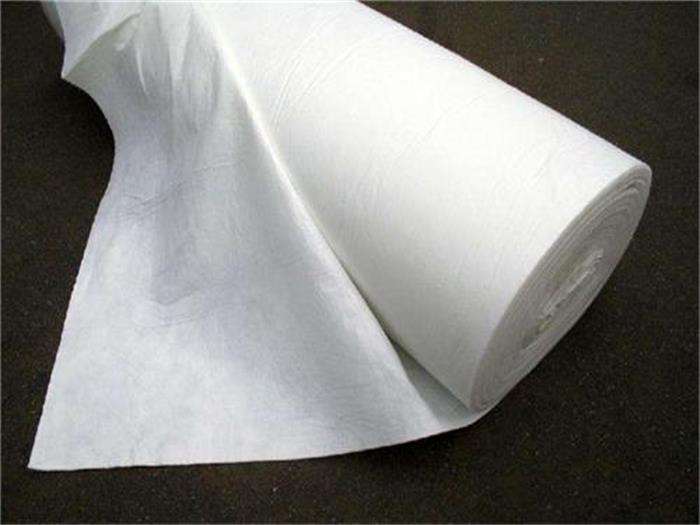
Figure 3: Thermal bonding and structural web-forming process at the Shandong Hongyue plant.
Practical structural implementation is critical to the longevity of municipal assets. The following application scenarios demonstrate how geocomposites are utilized across the country:
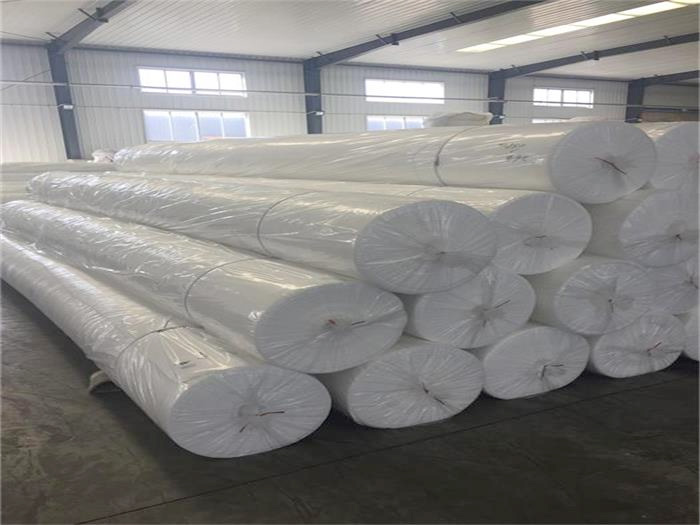
Figure 4: Automated roll wrapping, labeling, and quality inspection system.
Compliance with local regulations (such as the Philippine Department of Public Works and Highways standards) requires clear documentation of material specs, tensile strength, and water flow capacity. Shandong Hongyue provides full certifications (ISO 9001, ISO 14001, ISO 45001) with every delivery. Materials are packed in robust, weather-resistant plastic wrapping to protect them from moisture and UV damage during sea transport and local storage at tropical job sites.
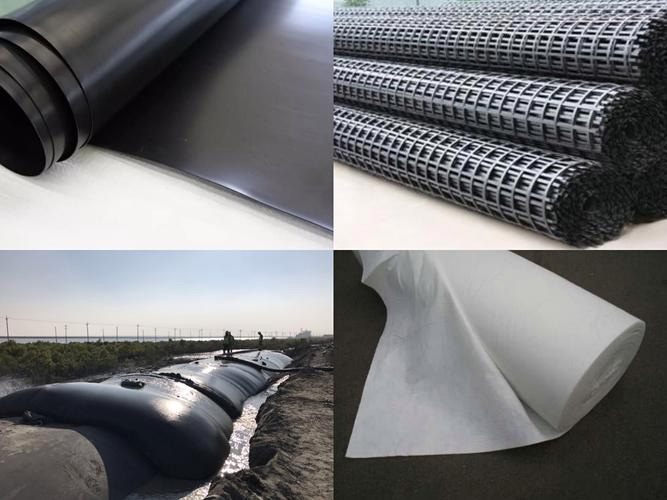
Figure 5: Field deployment of impermeable barrier materials on civil earthworks.
Shandong Hongyue Environmental Engineering Co., Ltd. provides high-performance geosynthetics and custom design services for challenging tropical projects.
Send Inquiry NowOur ISO-certified manufacturing process guarantees consistent tensile strength, puncture resistance, and planar flow rates.
Shandong Hongyue's production facilities in Lingcheng District, Dezhou, utilize automated manufacturing systems. The plant runs continuous melt-extrusion systems that produce dense, high-profile structures with consistent channel dimensions. Combined with inline thermal-lamination machinery, the nonwoven geotextile remains securely bonded to the core even when exposed to high shear forces during aggregate backfilling.
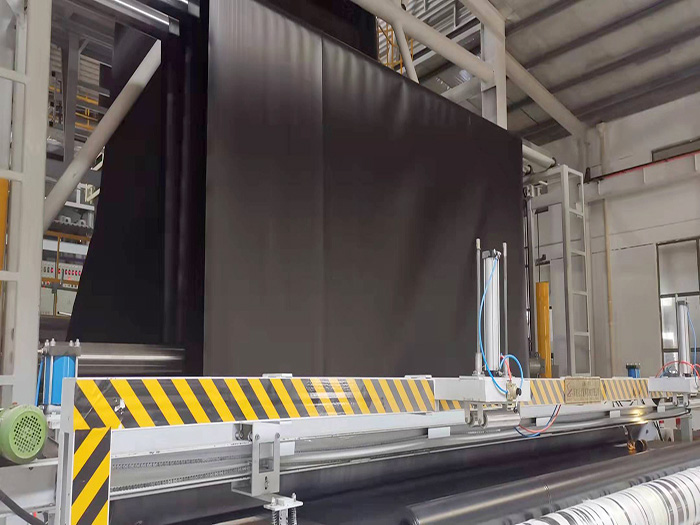
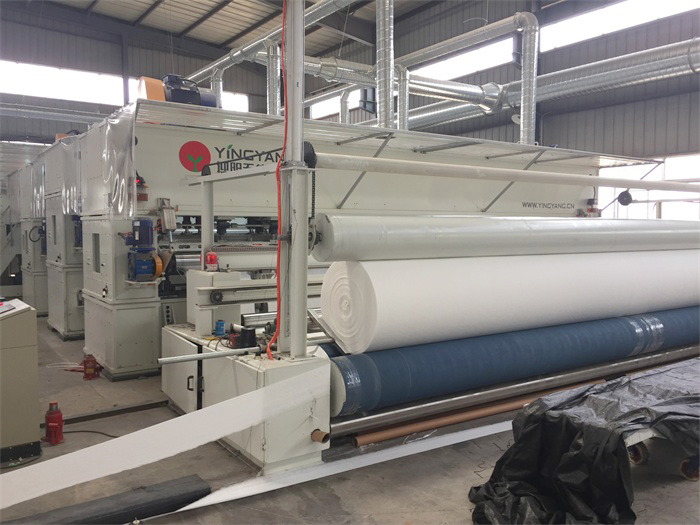
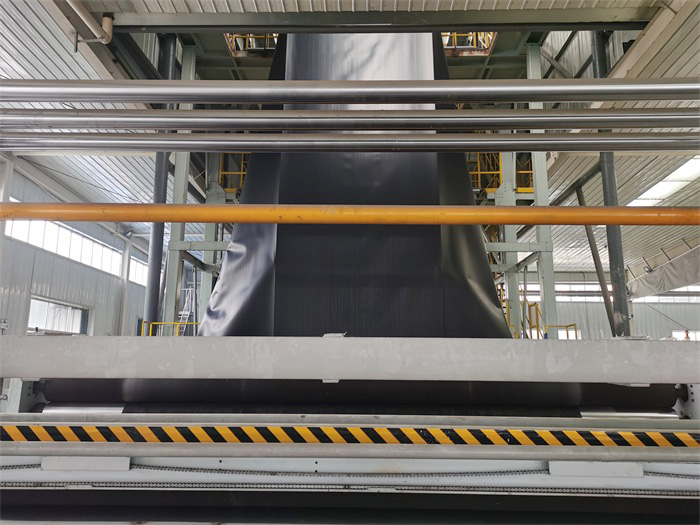
A guide to proper deployment and maintenance for lasting hydraulic performance in civil engineering projects.
Select the appropriate geomembrane material (typically HDPE or LLDPE) and thickness (0.3mm to 2.0mm) based on project containment and pressure needs. Thicker membranes are ideal for harsh chemical exposures.
Clear the subgrade of sharp objects, rocks, and debris. Lay the geocomposite smoothly, using overlapping joints. Secure and seal the seams correctly to prevent shifting and ensure a continuous water flow path.
Perform regular inspections for tears or clogs, especially after heavy rains. Prompt repairs of any damaged sections will preserve the hydraulic efficiency and structural stability of the overall site.
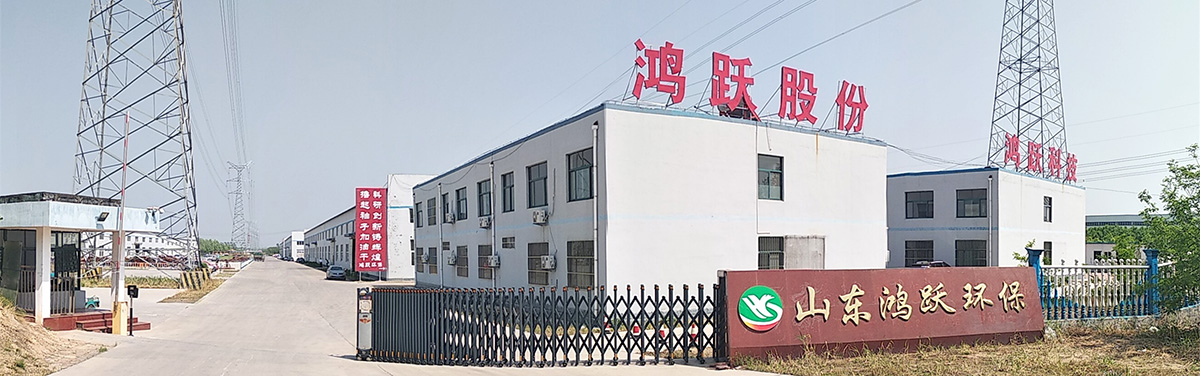
Figure 6: High-capacity production warehouse and quality check system of geosynthetic rolls.
Ensuring seepage prevention, bank stabilization, and effective containment in canals, reservoirs, and aquaculture farms.
In municipal reservoirs and irrigation storage across the Philippines, preventing subgrade water loss is essential. High-durability geomembranes provide a continuous containment barrier. This stabilizes water volumes and prevents seepage into the subgrade, protecting the structural integrity of the surrounding earthen embankments.
During storms, river channels face rapid, high-volume flows that can erode banks and cause structural damage. Installing geomembranes reinforced with nonwoven geotextiles protects channel banks. This system stops soil erosion, controls water loss, and prevents bank collapses in agricultural and municipal areas.
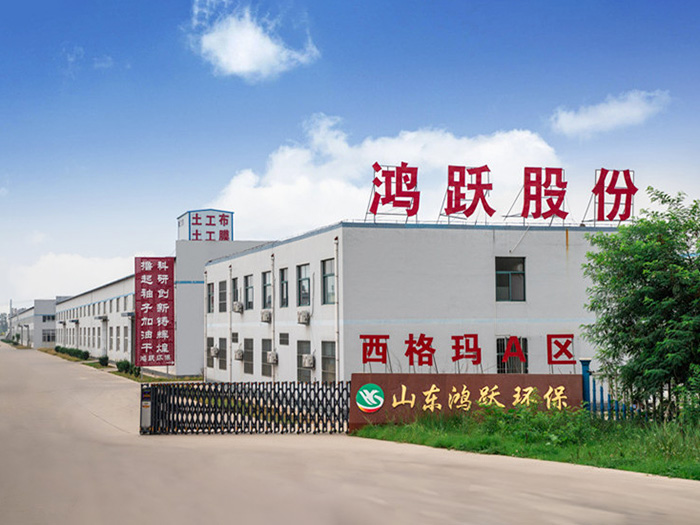
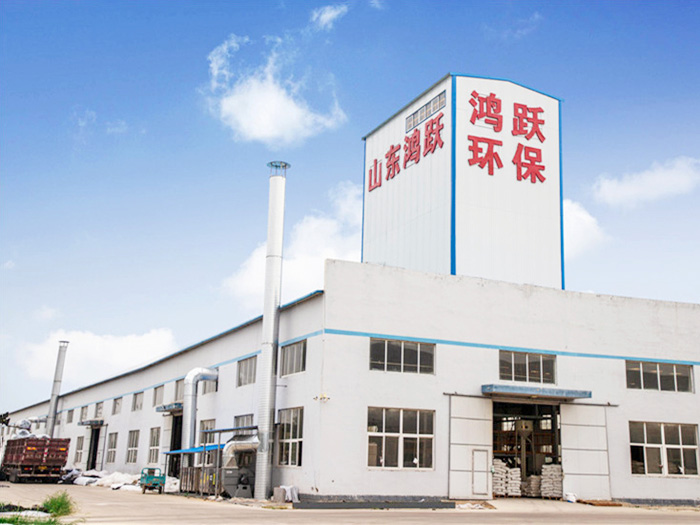
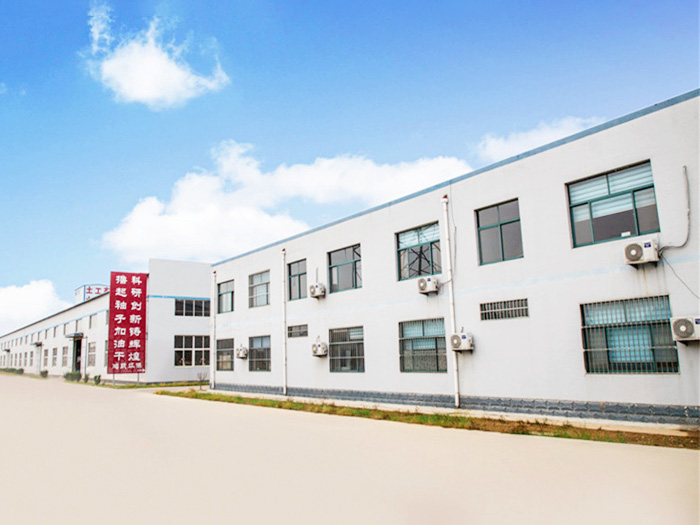
Figure 7: Geomembrane installation and slope lining for major canal projects.
Detailed technical answers addressing common inquiries from structural designers, site managers, and municipal planners.
Explore our full range of certified geosynthetics, geomembranes, and geocells designed for professional civil works.
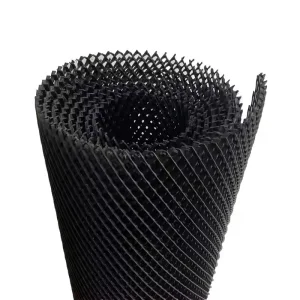
Heavy-duty 3D structure that maintains open drainage paths even under high compressive soil loads.
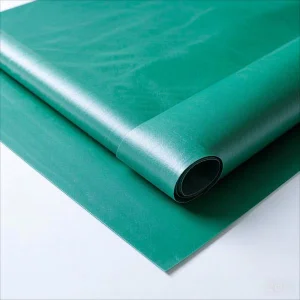
Specially formulated to resist UV aging and high temperatures in tropical, exposed municipal layouts.
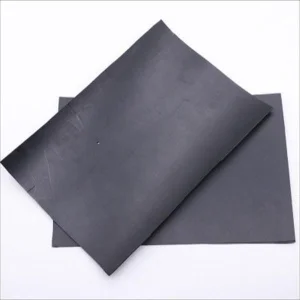
High-density smooth liner for containment basins, fish ponds, and municipal wastewater treatment projects.
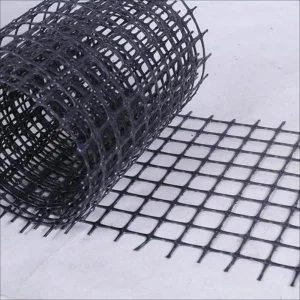
Biaxial geogrid designed to distribute dynamic traffic loads across soft subgrades, preventing rutting.
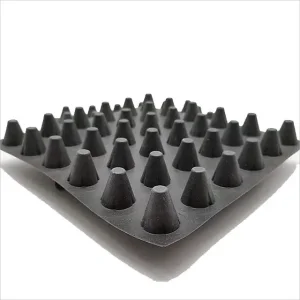
High compressive strength drainage board for commercial building basements and underground parking roofs.
Flexible geonet core combined with filter geotextiles, suited for heavy-load highway foundations.
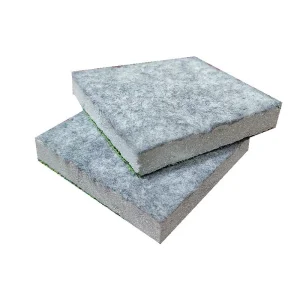
Flexible cement-impregnated blanket that hardens upon hydration, providing fast slope stabilization.
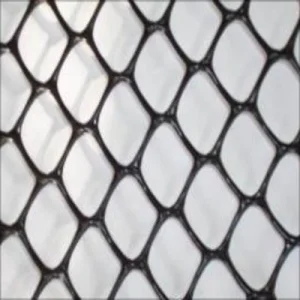
Rugged extruded HDPE geonet core designed for high-capacity liquid and gas transmissivity.
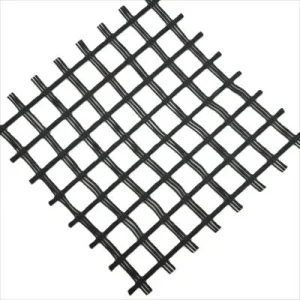
High-strength cellular confinement system to reinforce base materials on steep inclines and channels.
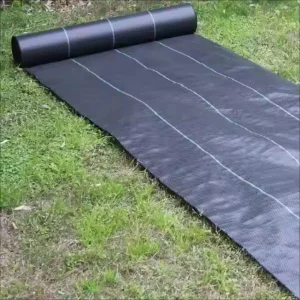
Permeable weed control fabric that suppresses grass growth while allowing water infiltration.
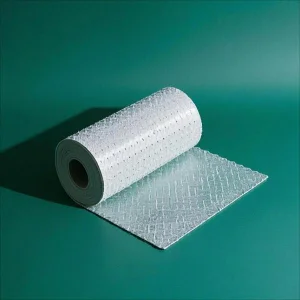
Flexible dimpled plastic board in roll form for quick installation along foundation walls.
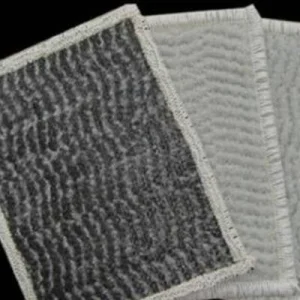
Geosynthetic clay liner (GCL) containing sodium bentonite that swells upon hydration to seal leaks.
Get in touch with our engineering team for technical specifications, load-bearing assessments, and custom price quotes tailored to your requirements in the Philippines.
 Hongyue