Select engineering-grade geocells and geogrids optimized for London's dense clay geologies and structural load requirements.
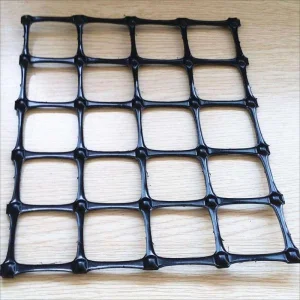
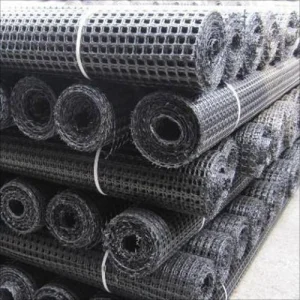
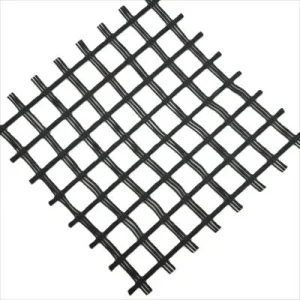
Greater London is built primarily on the London Clay Formation, a stiff, highly compressible, and overconsolidated clay noted for significant volume changes during seasonal moisture shifts. Modern developers face structural stability challenges, compounded by strict local environmental regulations. Sustainable Drainage Systems (SuDS) are mandated under the UK Flood and Water Management Act, requiring all new developments to regulate stormwater runoff and mitigate flood risks.
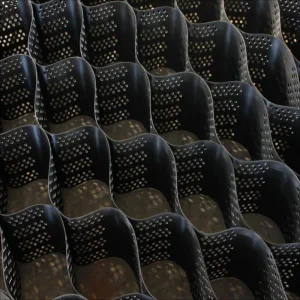
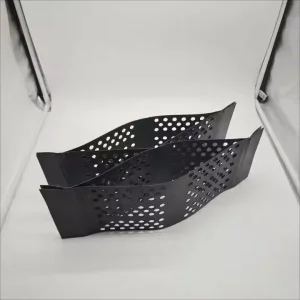
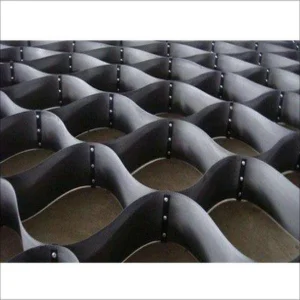
Consequently, conventional asphalt and concrete paving solutions are increasingly replaced by permeable systems that rely on advanced cellular confinement, such as Geocell technology. By confining soil, gravel, or sand within a strong polymer honeycomb matrix, Geocells prevent lateral displacement under dynamic traffic loads. This transforms poor structural soils into stable load-bearing platforms while maintaining high permeability, facilitating natural infiltration, and reducing the stress on municipal drainage systems.
Globally, the civil engineering sector is shifting toward materials with lower embodied carbon and longer design lives. Governments worldwide are enforcing strict environmental impact assessments. Concurrently, the global geocells market is expanding rapidly due to rise in infrastructure development across Asia-Pacific, North America, and Europe.
High-Density Polyethylene (HDPE) geocells are leading this expansion due to their chemical inertness, UV resistance, and tensile strength. Concurrently, composite materials incorporating glass fiber and polypropylene are gaining traction for applications requiring lower thermal expansion coefficients and higher stiffness. This global trend aligns with London's Net-Zero 2030 strategy, which prioritizes materials that reduce the overall carbon footprint of infrastructure projects.
Registered Capital (RMB)
9001 / 14000 / 45001
Cities Service Network
Years Engineering Exp
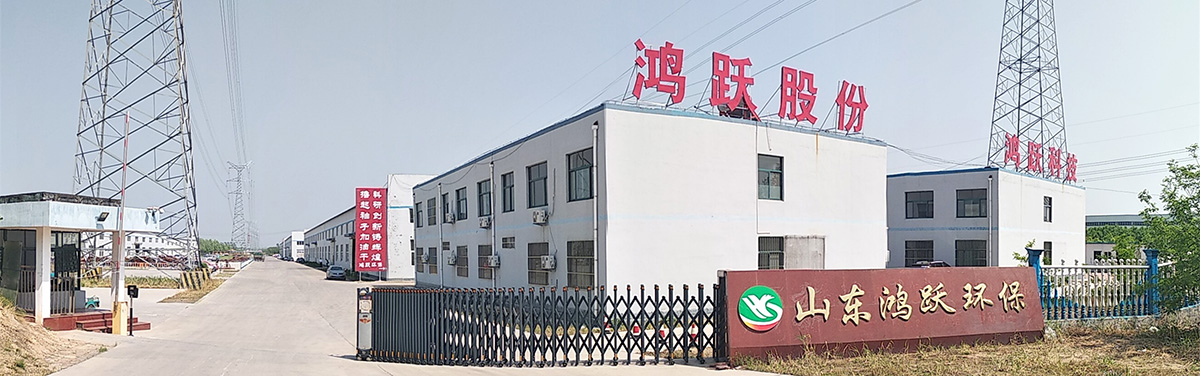
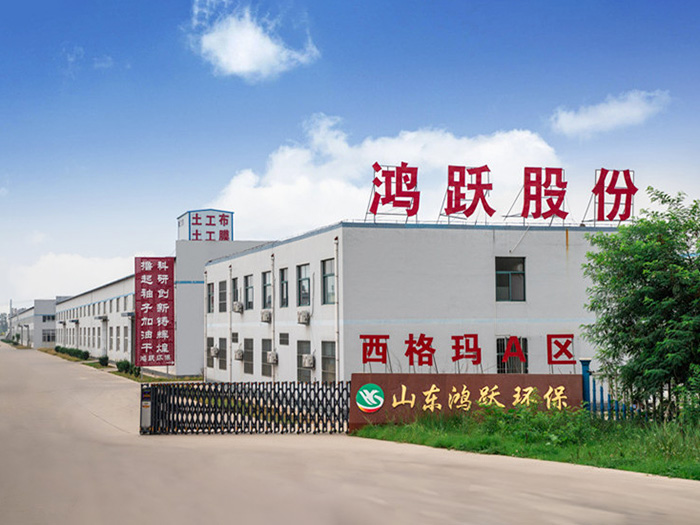
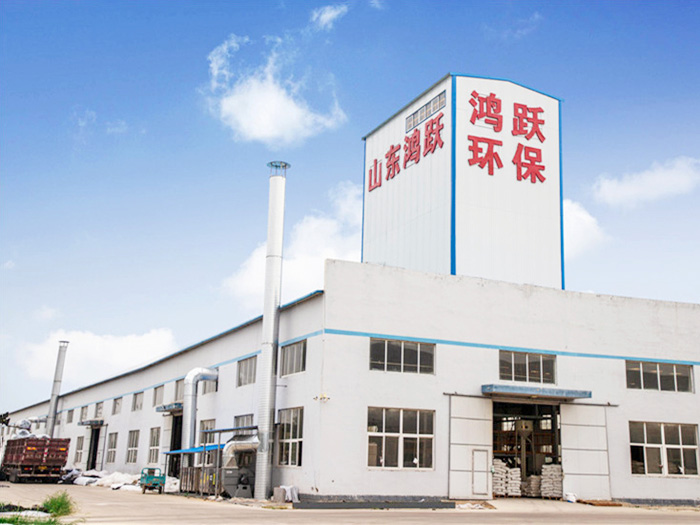
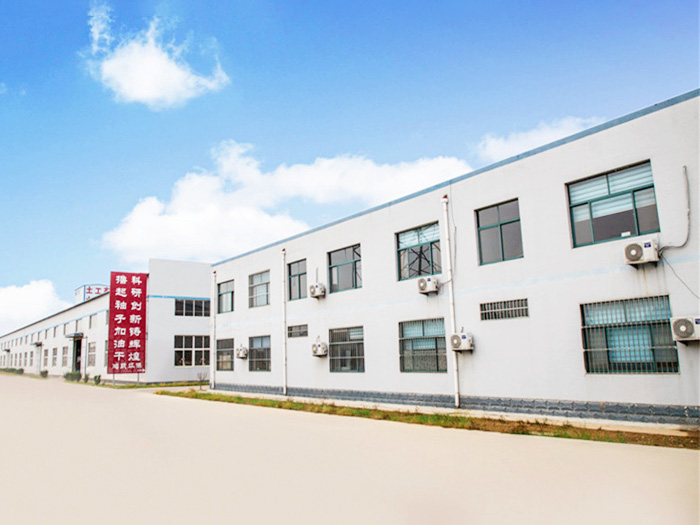
Shandong Hongyue Environmental Engineering Co., Ltd., located at the north end of Fufeng Street, Lingcheng District, Dezhou, Shandong Province, is a scientific and technological geotechnical material manufacturer integrating engineering material production, sales, design and construction services. The company was registered in Lingcheng District Market Supervision and Administration Bureau of Dezhou City on April 6, 2023, with a registered capital of 105 million yuan. It is one of the largest production bases of geotechnical materials in China at present, located in Lingcheng District, Dezhou, Shandong Province, with superior geographical location and convenient transportation.
Since the establishment of the company has developed rapidly, business continues to grow and expand, our company mainly deals in geotextiles, geomembrane, composite geomembrane, waterproof board, bentonite waterproof blanket, 3D composite drainage net, (composite) drainage board, weaving cloth, woven cloth, membrane bags, blind ditches, waterproof and drainage combinations, woven bags, ecological bags, cement blankets, fiber plants blankets, flexible pervious pipes. Our business includes geosynthetics, waterproofing membrane production, sales, construction, import and export of goods.
We have high quality products and a professional sales and technical team. Our company belongs to the Dezhou Geotextile Association, and our products are widely used in highways, railways, bridges and tunnels, reservoirs and canals water conservancy, artificial lakes, environmental protection, aviation, mining, agriculture, and other fields.
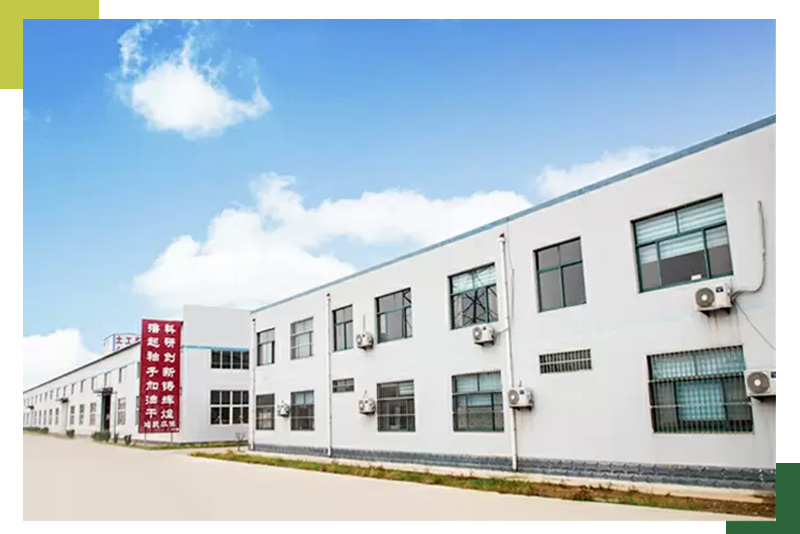
Our manufacturing capabilities ensure that all geocells, geomembranes, and geotextiles are processed using high-precision automated systems.
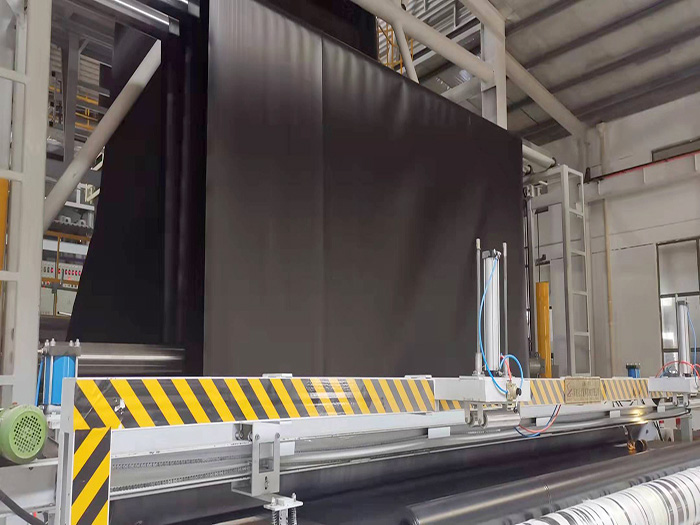
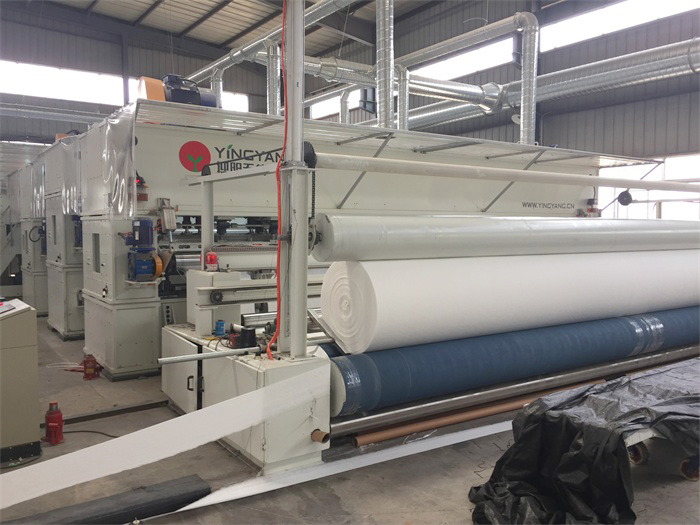
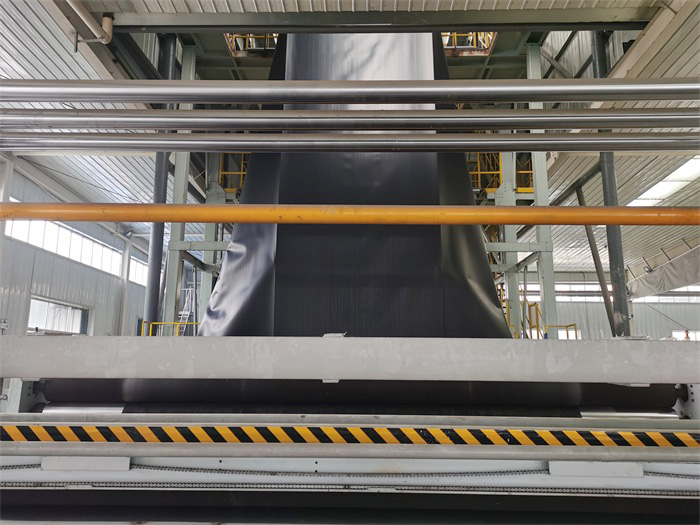
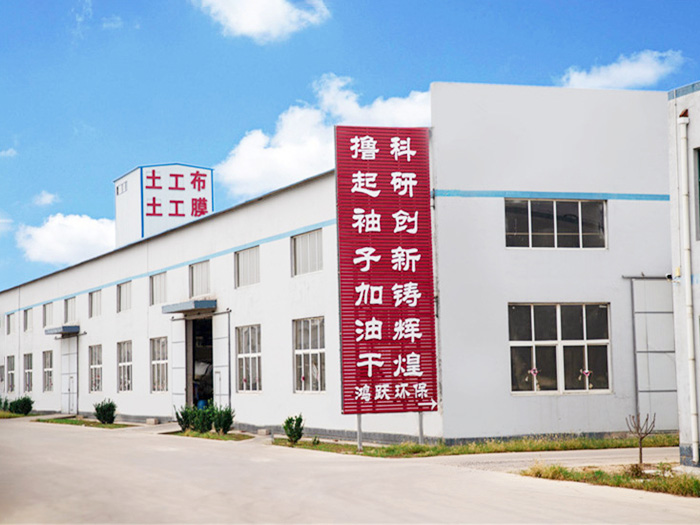
The company has strong technical strength and rich construction experience, with the capability to undertake various challenging anti-seepage projects. We have achieved standardization of construction site management, standardization of anti-seepage materials, professionalization of construction teams, and integration of engineering after-sales service.
We take "serving customers and benefiting people's livelihoods" as our responsibility, adhering to a corporate culture of "working hand in hand and creating the future together," and the principle of "customer-centered, innovation as a means, and survival through quality." We continuously improve our core competitiveness and strive to build the "Shandong Hongyue Environmental Protection Brand."
Our products are integrated into robust systems that provide critical functions, including slope reinforcement, barrier containment, and hydrological control.
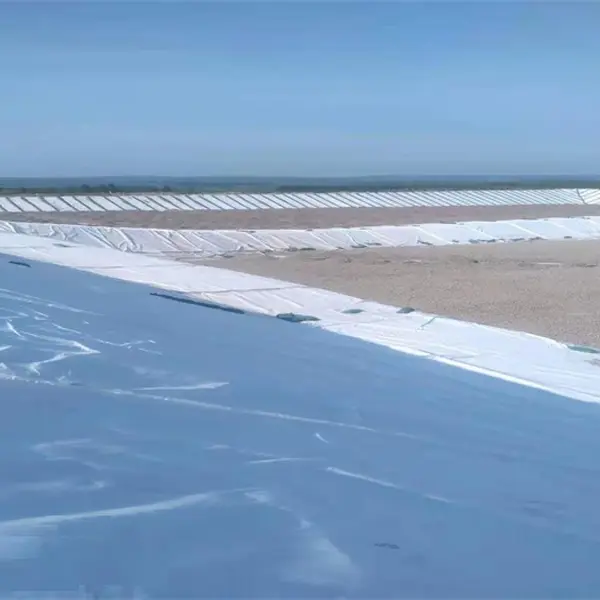
Securing dams, reservoirs, and retaining structures against high pressure water tables.
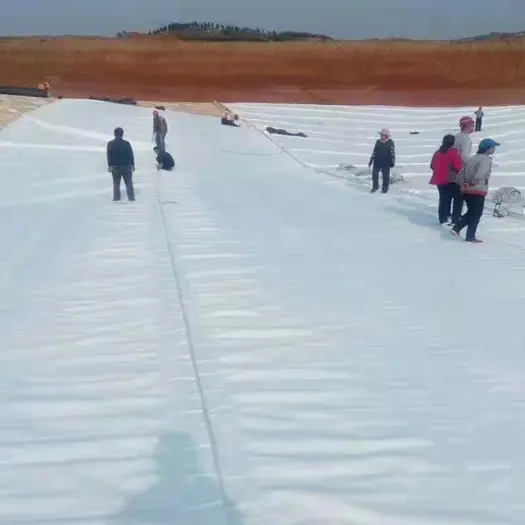
Lining irrigation canals and urban channels to optimize water flow and prevent lateral leakage.
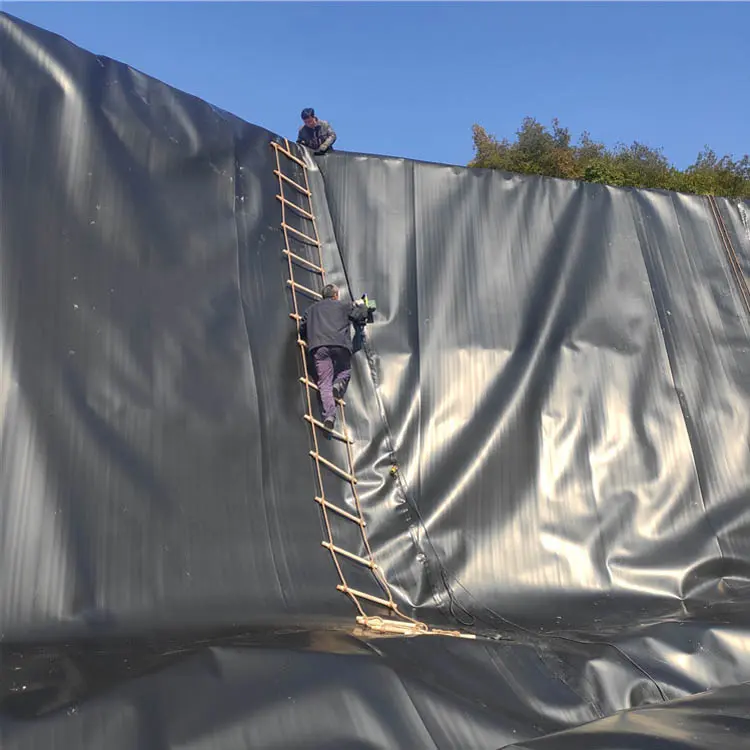
Providing robust impermeable barriers to prevent hazardous runoff from contaminating groundwater.
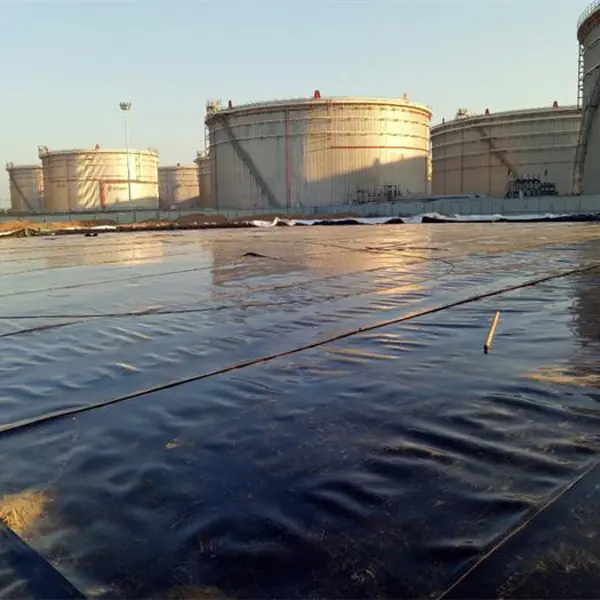
Implementing double containment barriers for petrochemical tank farms, complying with safety codes.
Understand our end-to-end manufacturing workflows, ensuring physical properties that meet standard geotechnical limits.
Geotextile is widely used in civil engineering materials, featuring filtration, isolation, reinforcement, and protection functions. Its production process includes raw material preparation, melt extrusion, mesh rolling, draft curing, winding packaging, and inspection steps. It requires processing and control across multiple stages, taking into account environmental protection and durability. Modern production equipment and technology are utilized, significantly improving the production efficiency and quality of our geotextiles.
The main raw materials of geotextiles are polyester chips, polypropylene filament, and viscose fiber. These raw materials must be inspected, organized, and stored to ensure their quality and structural stability.
After the polyester slice is melted at high temperatures, it is extruded into a molten state by a screw extruder, and polypropylene filament and viscose fiber are added for mixing. Parameters like temperature and pressure are precisely controlled to ensure a uniform melt.
Following mixing, the melt is sprayed through the spinneret to form a fibrous substance, creating a uniform network structure on the conveyor belt. Controlling the thickness, uniformity, and fiber orientation of the mesh is necessary to secure physical properties.
After laying the net into rolls, it is subjected to draft curing treatment. The temperature, speed, and draft ratio are precisely managed to ensure the physical strength and dimensional stability of the geotextile.
The draft-cured geotextile is rolled and packaged for transport. Its length, width, and thickness are measured to ensure compliance with design requirements.
Quality inspections are performed at the end of each production stage, covering physical property tests, chemical resistance tests, and appearance quality checks. Only geotextiles meeting the standard criteria are dispatched to the market.
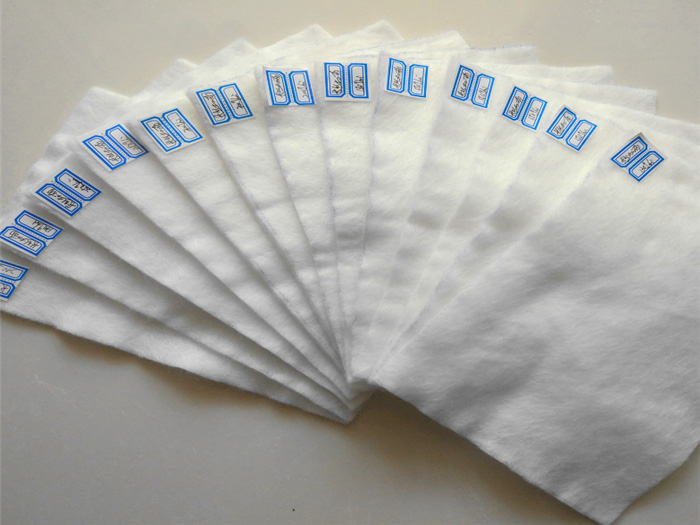
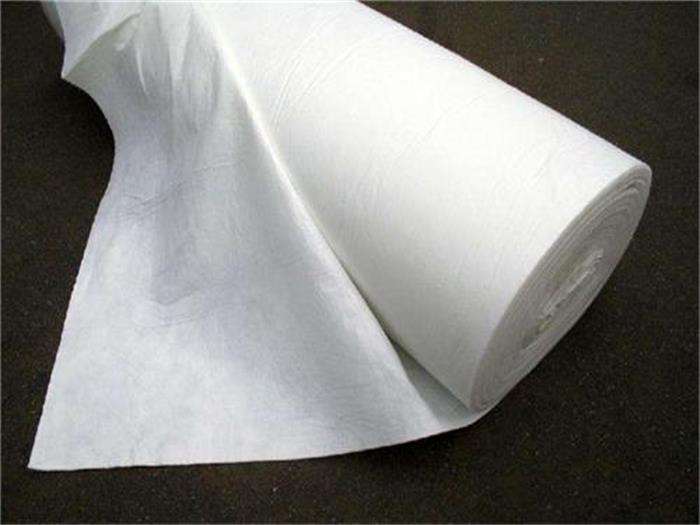
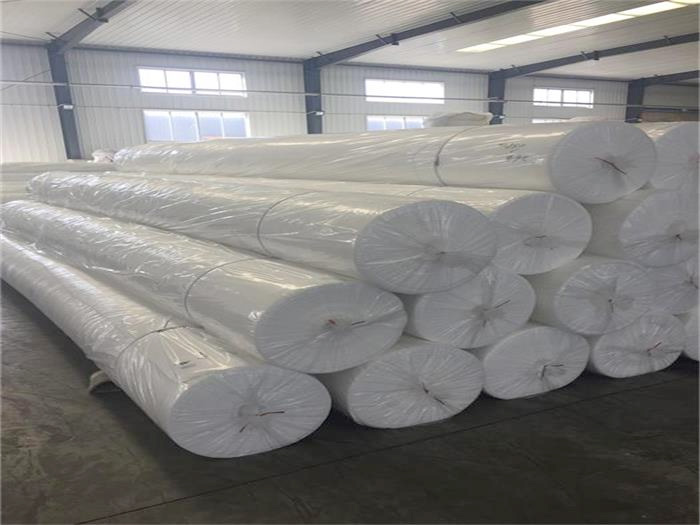
Proper execution of geomembrane installation prevents water path bypasses and ensures long-term slope and hydraulic containment integrity.
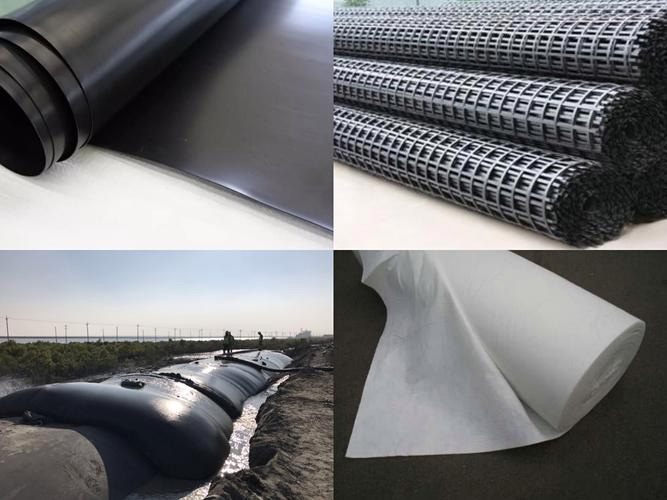
In Summary: The application technology of geomembrane includes selecting the appropriate geomembrane, laying the geomembrane correctly, and maintaining it regularly. Reasonable application of geomembrane can effectively improve the functions of seepage prevention, isolation, and reinforcement of engineering projects, providing a guarantee for smooth progress.
It is critical to choose the suitable geomembrane. Key selection points include:
The laying of geomembrane must follow established civil engineering standards:
Proper maintenance extends the service life and functional durability of the barrier:
Shandong Hongyue Environmental Engineering Co., Ltd. mainly produces various types and specifications of geotextile, geomembrane, composite geomembrane, waterproof plate, bentonite waterproof blanket, composite geomembrane drainage network, anti-drainage board, waterproof roll, geogrid, water stop, permeable pipe and other products, forming four material systems of impermeability, environmental protection, protection, reinforcement, and water stop, for an integrated supply.
We have a complete and scientific management system, and have passed the ISO9001 international quality system certification, ISO14000 environmental system certification, and ISO45001 occupational health and safety management system certification. The company has won honors such as "Green building Materials Products," "No consumer complaints," "China Famous Brand," "High-tech Industry," "Quality Service Double Excellent Unit," and "Provincial poverty alleviation Leading Enterprise."
The company utilizes advanced production technology and equipment, and maintains precise inspection instrumentation to ensure that our products perform reliably. All products meet or exceed international standards, have passed certification by the China National Testing Center, and comply with national quality supervision and sampling inspections commissioned by the State Administration of Quality Supervision and Inspection.
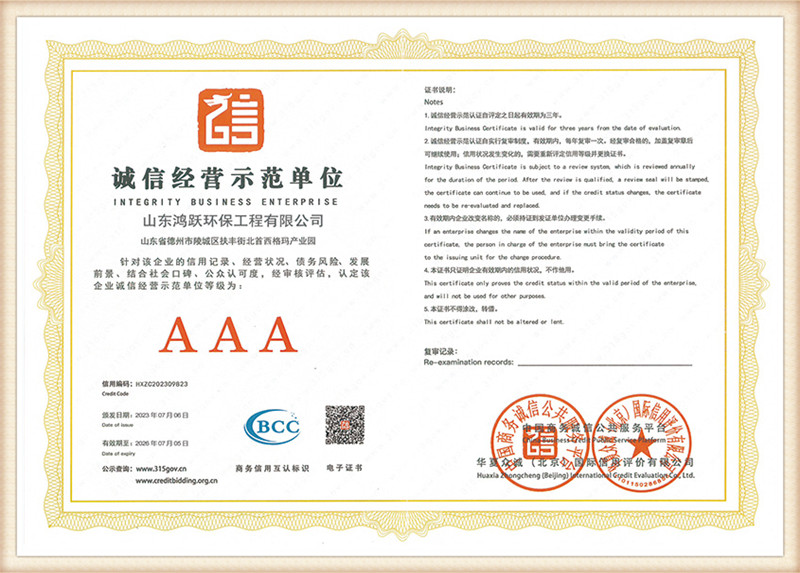
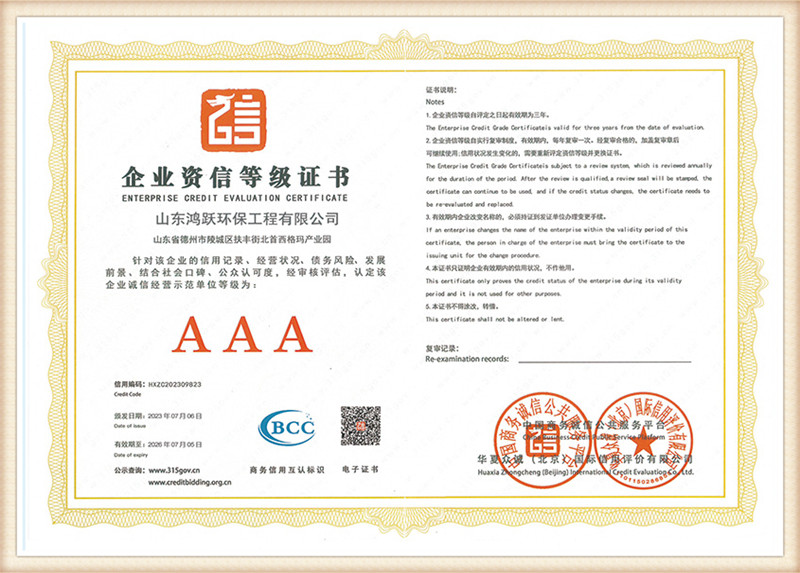
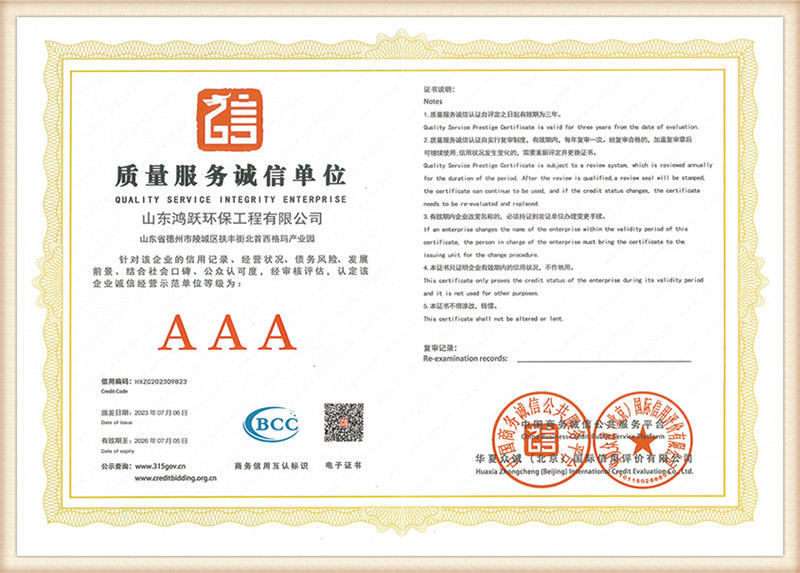
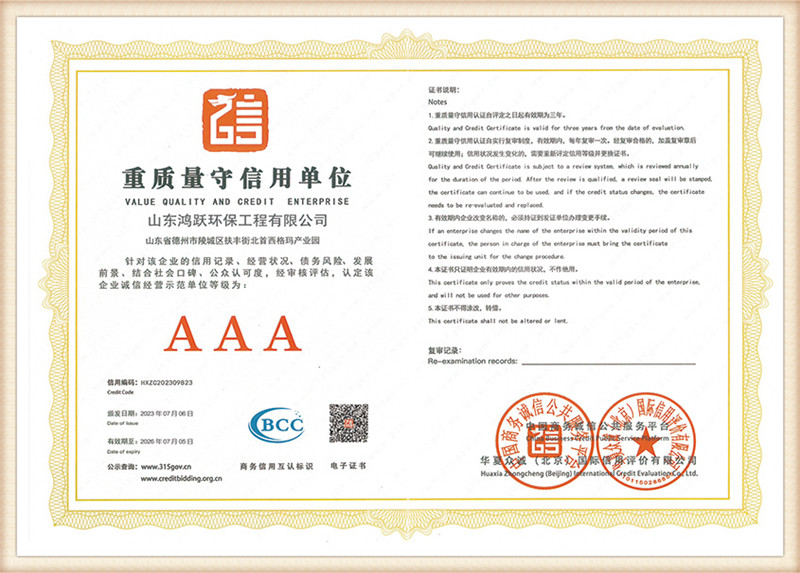
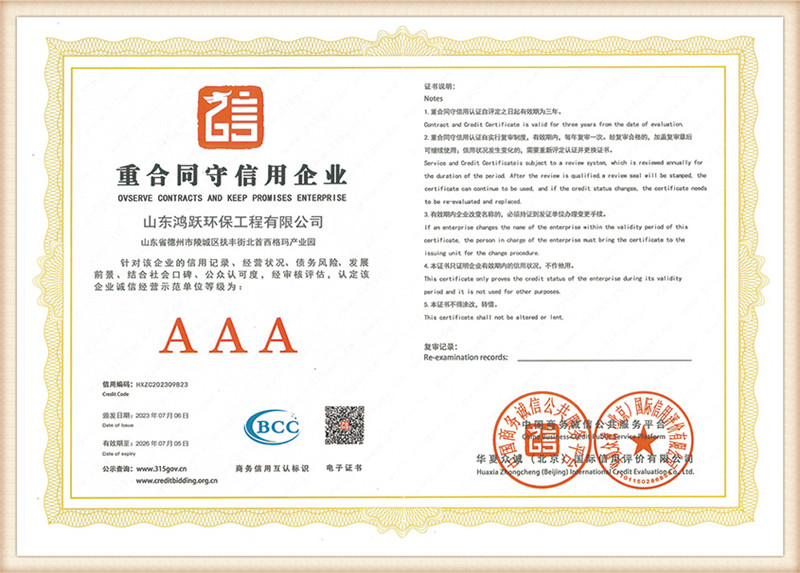
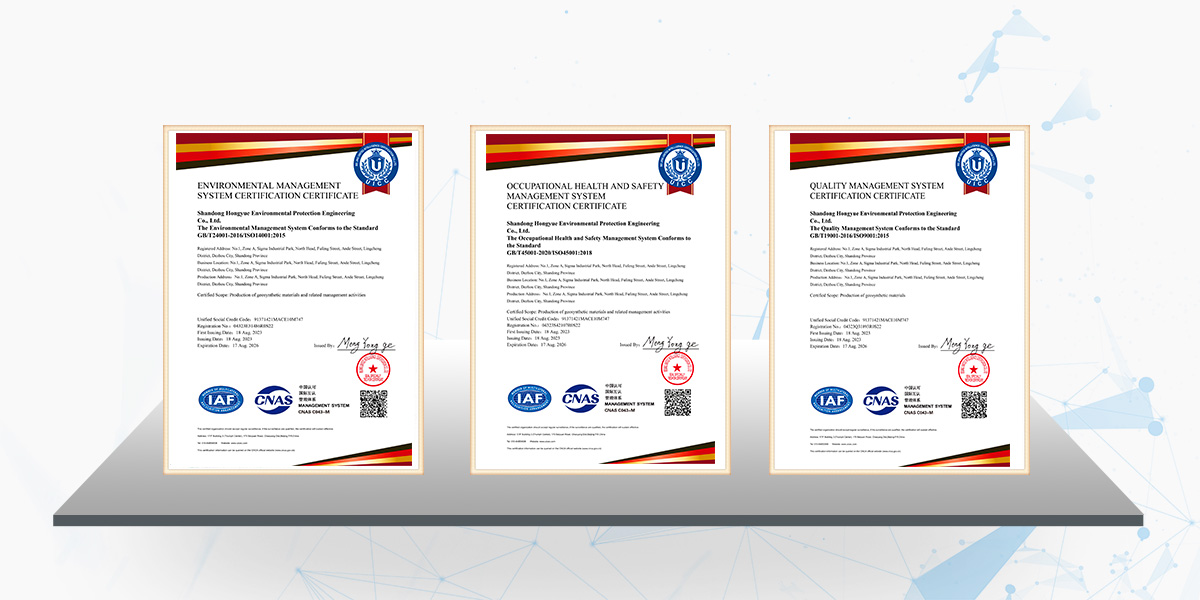
Shandong Hongyue Environmental Engineering Co., Ltd. has established a technical team with engineers and technicians having more than ten years of experience, serving both domestic and international large-scale engineering construction sites. The company has established offices in large and medium-sized cities across the country, providing material consulting, project follow-up, construction design, marketing management, and 24-hour service and product technical consultation.
With steady market development and high-performance geomaterials products, as well as economical solutions and comprehensive technical support, Shandong Hongyue has accumulated experience in engineering design, product development, and construction, earning recognition from project owners and contractors.
Geomembranes and drainage materials play a key role in water management, preventing water path loss and structural failure.
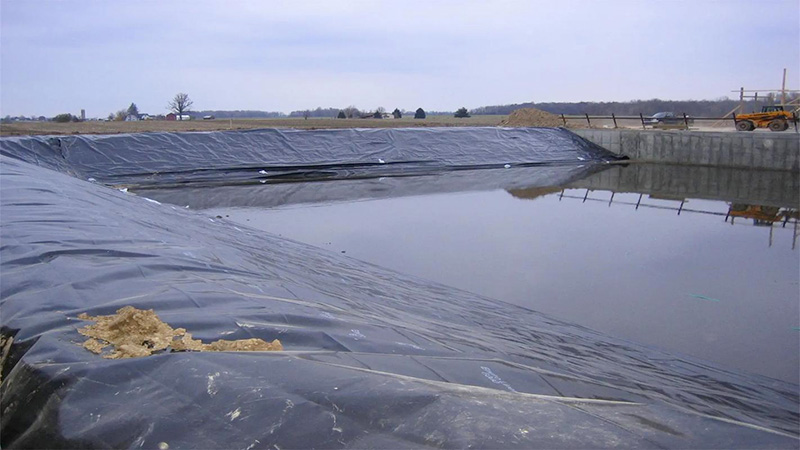
In reservoirs constructed in challenging geological valleys, geomembranes prevent bottom leakage, improving the safety and stability of the entire storage pool.
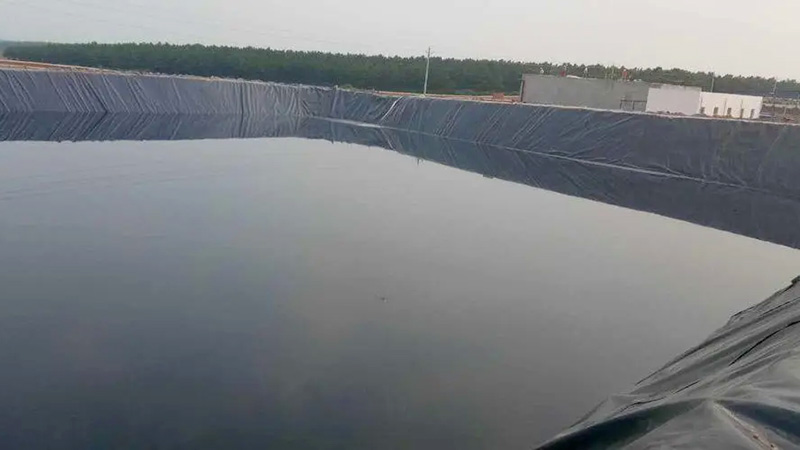
Using reinforced geomembranes inside levees forms a barrier that prevents internal erosion and piping, protecting communities downriver.
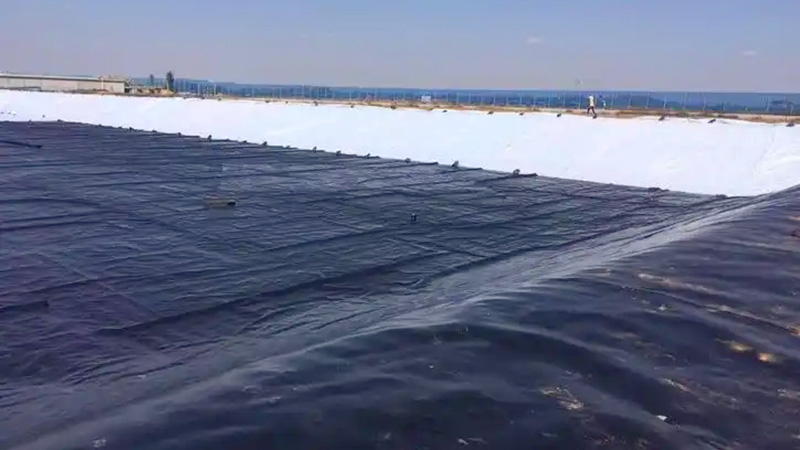
Lining channels stabilizes banks against erosion while minimizing water loss, supporting the regional ecological balance.
To meet evolving sustainability metrics and structural performance requirements, Shandong Hongyue is advancing research in high-performance geotechnical engineering. Our future roadmap focuses on three key areas:
Integrating optical fibers and electro-conductive filaments into geocell walls. This allows real-time structural health monitoring of major slopes, roadbeds, and embankments, transmitting deformation data to engineers before failure occurs.
Focusing on bio-based polymers and post-consumer recycled HDPE. Our goal is to reduce carbon footprints without compromising chemical resistance or tensile durability, aligning with the carbon targets of global projects.
Iterating cell designs with micro-textured wall finishes and friction-enhancing slot patterns. This improves interlocking with fine sand and clay soils, reducing required infill volumes by up to 15%.
Get answers to technical questions about geocells, drainage selection, and installation compliance.
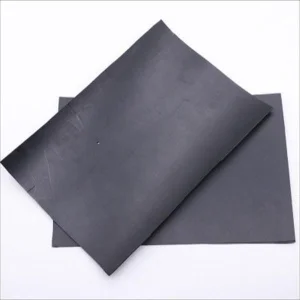
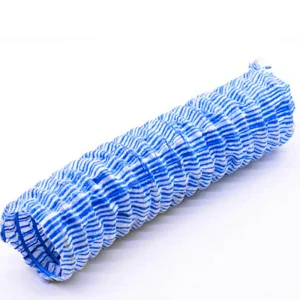
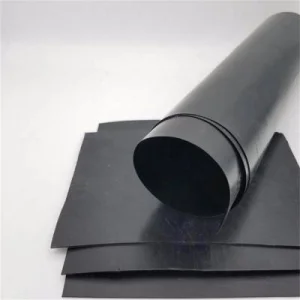
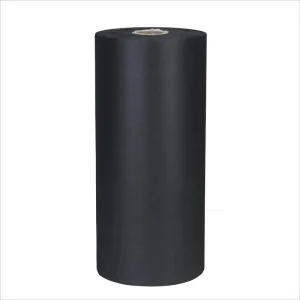
Explore our range of geomembranes, cement blankets, drainage sheets, and geotextiles, ready for global dispatch and integration into civil engineering designs.
 Hongyue