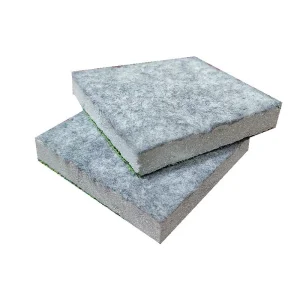
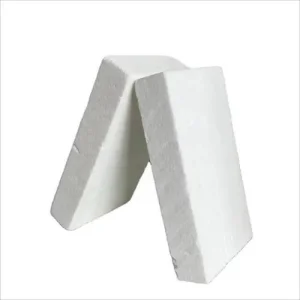
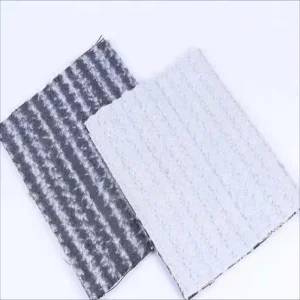
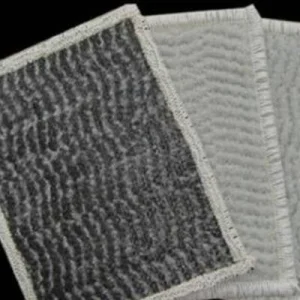
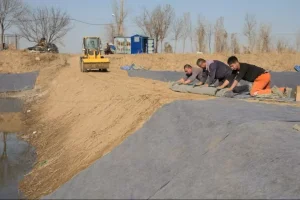
In modern geotechnical engineering, the speed of urbanization and the expansion of heavy transportation networks have placed severe demands on raw construction materials. Cement Blankets (also known as Geosynthetic Cementitious Composite Mats - GCCM) represent a revolutionary leap in structural design. Combining flexible textile technology with high-density, rapid-setting concrete properties, these matrices allow engineering crews to lay durable concrete linings without the heavy machinery, mixing stations, or extensive labor hours required by traditional concrete pouring methods.
Istanbul, serving as the historical and industrial bridge between Europe and Asia, has run into unique challenges regarding soil stability, rapid marine and transit developments, and severe meteorological events. As local and international contractors look to secure projects like the Northern Marmara Highway, metro line excavations, and canal bypass pathways, high-quality, CE-certified geotechnical structures are no longer optional—they are an absolute baseline for performance, safety, and longevity.
The geography of the Marmara region poses highly localized engineering difficulties. Istanbul's diverse terrain spans highly weathered clayey soils, coastal sands, and complex rock slopes prone to landslides during high-precipitation winter periods. Traditional shotcreting (sprayed concrete) on steep road cuts and canal basins frequently develops micro-fissures due to seismic shifts and temperature variances, leading to catastrophic seepage failures.
Furthermore, local environmental agencies are enforcing stricter regulatory measures regarding run-off from structural sites. Sprayed concrete and wet-poured mixtures can dramatically alter the pH balance of local waterways, harming aquatic life. Cement blankets present an ideal green alternative. By locking dry-mixed cement within a needle-punched three-dimensional fiber matrix with a robust, anti-seepage PVC backing, the concrete hydrates cleanly inside the textile structure, eliminating chemical runoff and preserving the surrounding soil ecosystems.
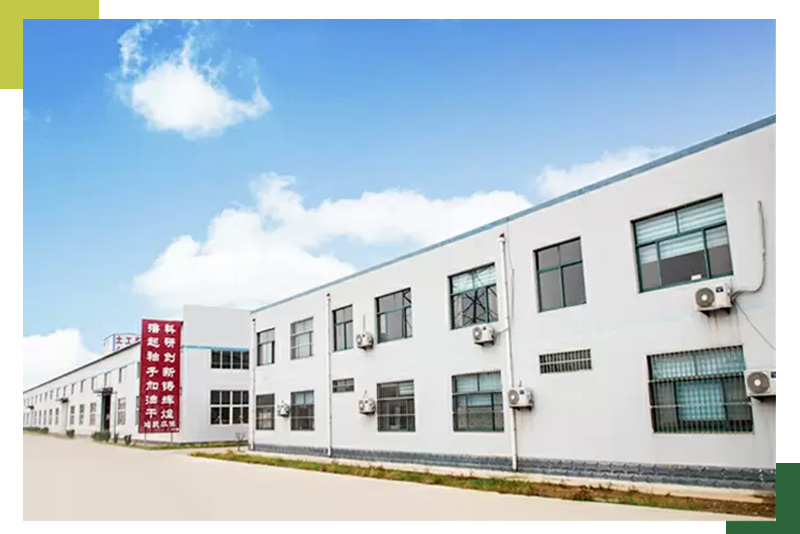
Shandong Hongyue Environmental Engineering Co., Ltd., located at the north end of Fufeng Street, Lingcheng District, Dezhou, Shandong Province, is a leading, scientific, and technological geotechnical material manufacturer integrating engineering material production, sales, design, and construction services. The company was registered under the Lingcheng District Market Supervision and Administration Bureau of Dezhou City on April 6, 2023, with a registered capital of 105 million yuan. We are proud to operate one of the largest modern production bases of geotechnical materials in China, characterized by superior geographical positioning and high-speed logistics access.
Our rapid expansion is driven by a commitment to high-performance products and professional sales and technical support. As a member of the Dezhou Geotextile Association, our product suites are widely deployed globally in railways, highway embankments, municipal bridges, mining, agricultural irrigation, and hazardous landfill management.
Global procurement directors and supply chain managers in the Marmara basin face stringent demands: project timelines are tight, port clearances can introduce friction, and material specifications are non-negotiable. Shandong Hongyue addresses these challenges through massive structural advantages:
Take a look inside our high-performance manufacturing lines. We combine advanced polymer chemical processing with rigorous mechanical testing to ensure every square meter exceeds field parameters.
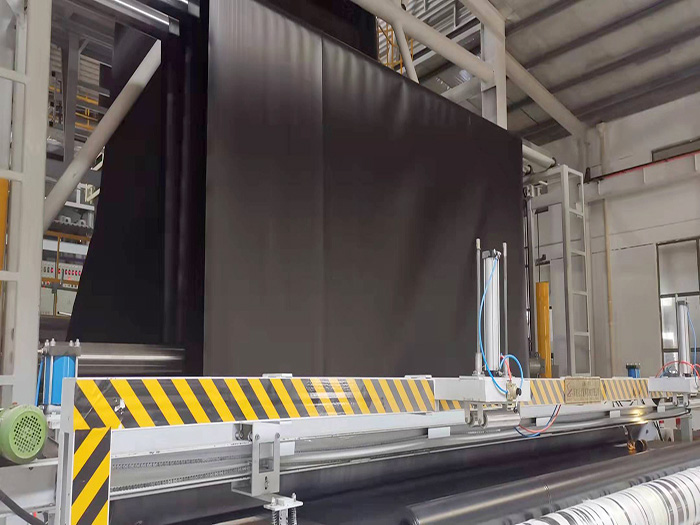
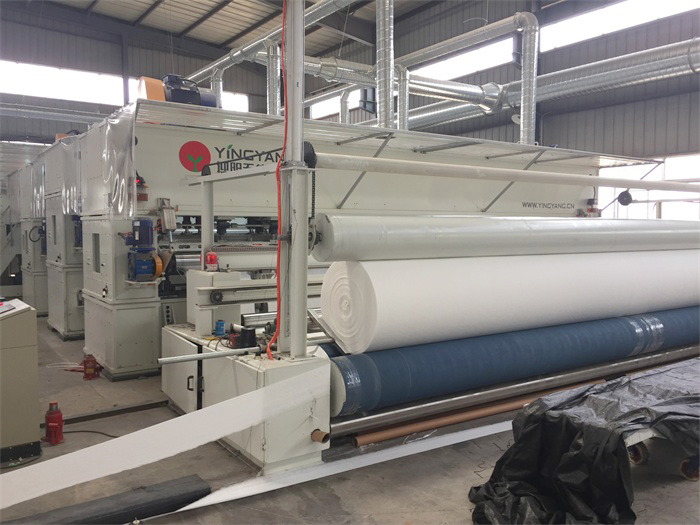
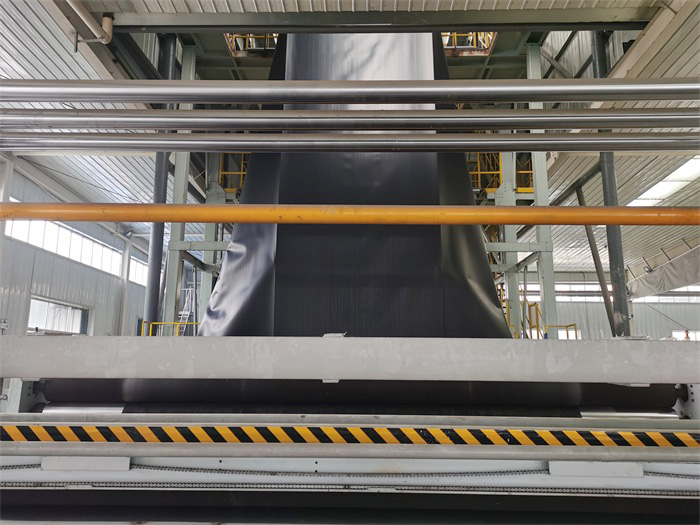
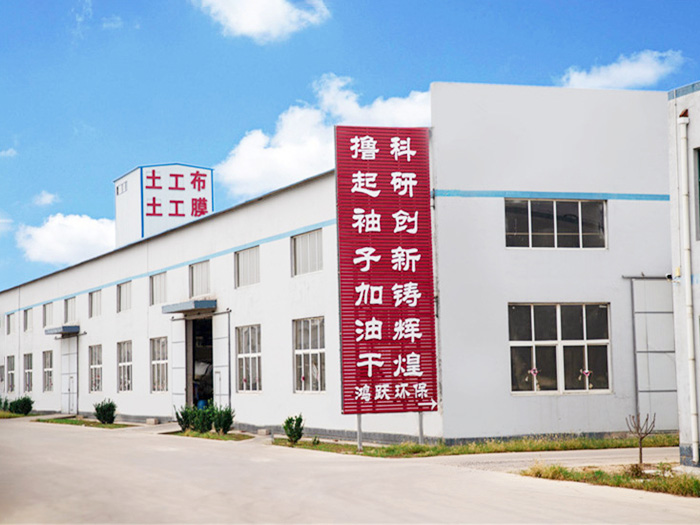
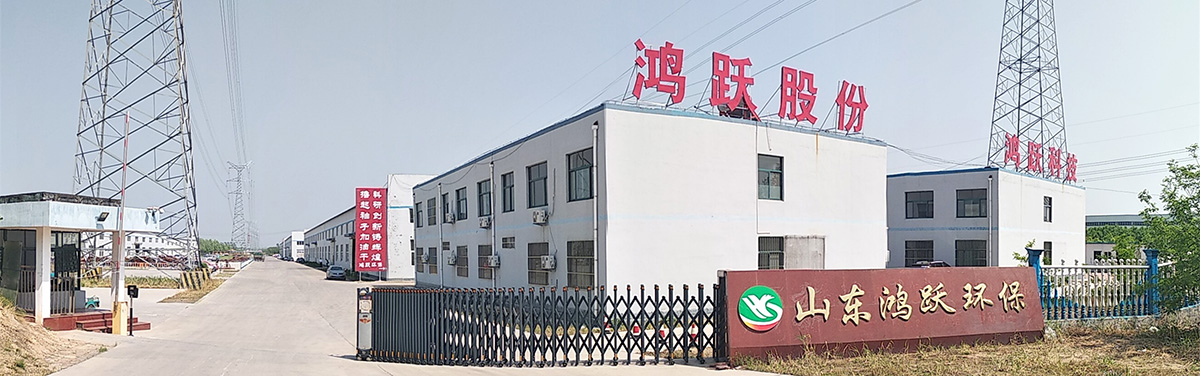
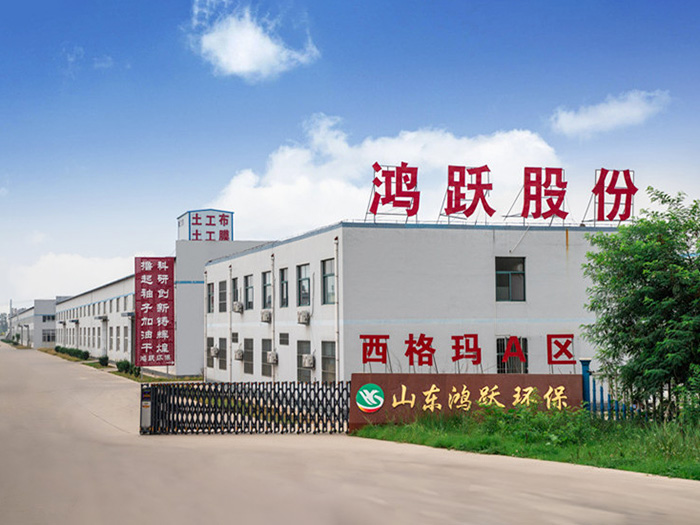
"Our products always maintain excellent performance. The quality of all products produced by the company has reached or exceeded international standards, and passed the certification of China National Testing Center, and all passed the national quality supervision and sampling inspection commissioned by the State Administration of Quality Supervision and Inspection."
A comprehensive understanding of our manufacturing process gives project designers assurance in the longevity of our geotextiles. Every stage is highly monitored under computerized controls to avoid defects in tensile density, thickness, or polymer structure.
High-quality raw polyester chips, polypropylene filament, and viscose fibers undergo inspection. This stage verifies polymer purity and molecular weight to ensure optimal baseline strength and UV stability.
Polyester chips are heated to a molten state in our screw extruders. Polypropylene filament and viscose fibers are mixed thoroughly under precision temperature and pressure parameters to guarantee structural uniformity.
The liquid polymer mix is forced through advanced spinnerets, creating fine fibers. These are distributed onto a continuous conveyor belt to form a structured web. Control over fiber orientation determines multidirectional tensile properties.
The loose web passes through physical needling or thermal bonding processes. Here, thousands of needles interlock the fibers, determining the ultimate thickness, puncture resistance, and hydraulic permeability of the geotextile sheet.
Cured sheets are trimmed, measured, and rolled. Labels indicating width, roll length, batch codes, and CE stamps are applied. This secures full traceability from the raw material batch to the job site.
Selecting the proper geomembrane represents only half the challenge; correct installation is what guarantees barrier integrity over time. Here are the core operational guidelines practiced by our engineers globally:
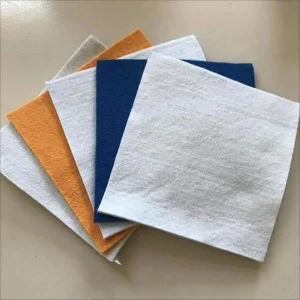
Before unrolling the lining, the substrate soil must be graded. Remove sharp stones, roots, or trash that could puncture the polymer barrier. The surface must be compacted and smooth. In many civil designs, a protective non-woven geotextile cushion is laid first to protect the geomembrane.
Rolls must be aligned to minimize seams. Unroll panels carefully, avoiding wrinkles or heavy tension. In windy conditions, apply temporary sandbags to prevent movement. Panels should overlap by a minimum of 10-15 cm to prepare for thermal wedge welding.
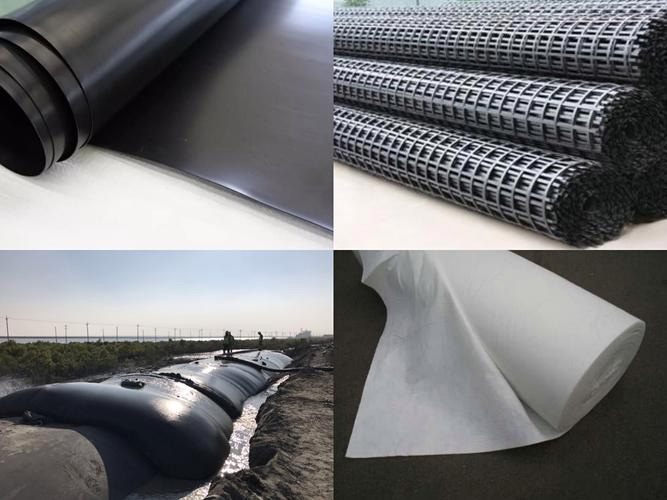
Double-track hot wedge welding machines are used for linear seams. Extrusion welding is reserved for details, corners, and pipe penetrations. Every seam must undergo air pressure testing or vacuum box testing to verify structural tightness. No water or gas passage is permitted.
Regular visual inspections detect early signs of localized stress, mechanical puncture, or weathering. Standard repairs involve placing a patch over the damaged zone and extrusion welding the margins. Keep the surface clear of heavy debris and equipment that exceed the membrane's load bearing limits.
How do Hongyue materials solve real-world problems for Turkish engineers? Let's analyze major local scenarios:
Istanbul’s canal infrastructure requires advanced, long-term anti-seepage linings. Traditional clay liners are susceptible to drying cracks. Using our composite geomembranes or bentonite waterproof blankets provides an active, self-healing clay layer that swell upon contact with moisture, shutting off potential flow paths.
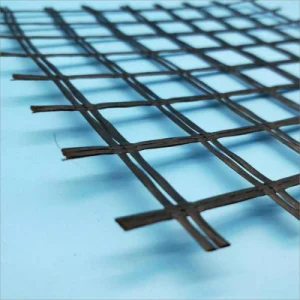
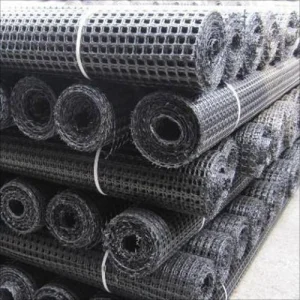
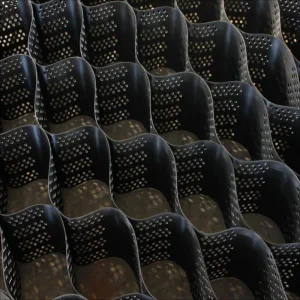
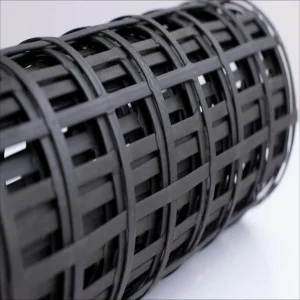
Southeastern and northern highway routes around Istanbul feature steep, cut-slope geography. Using high-tensile glass fiber geogrids and HDPE geocells helps lock subbase aggregates in place. This distributes point loads from heavy freight traffic, preventing rutting and road deformations.
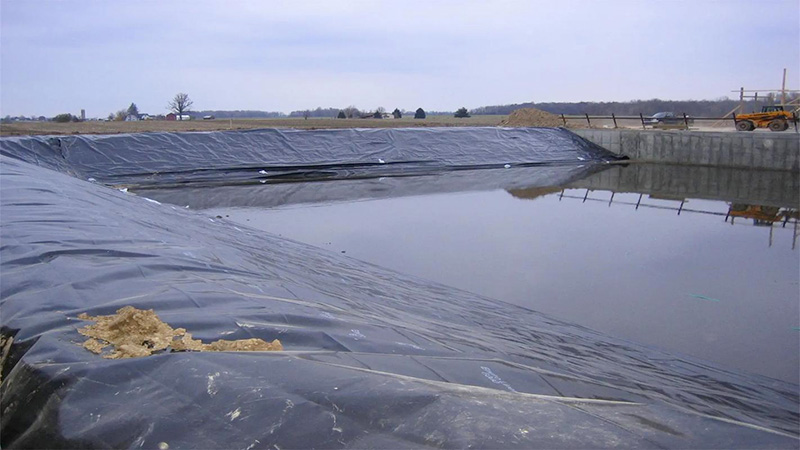
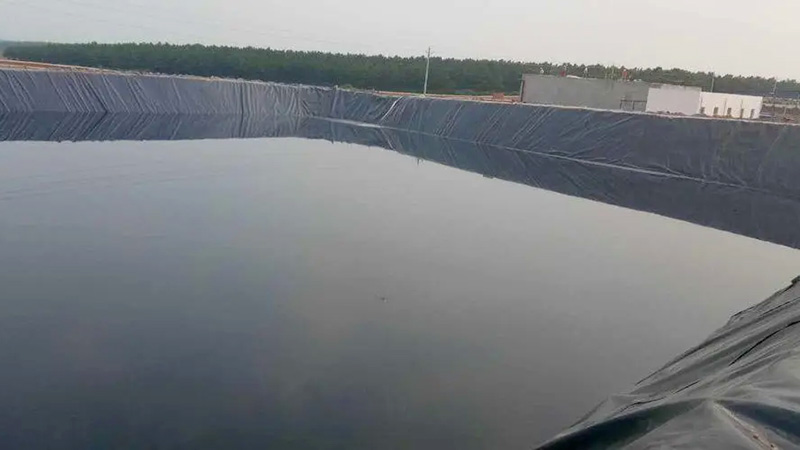
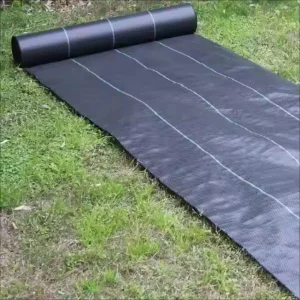
Explore our extensive range of high-performance geosynthetics and waterproof materials. Direct factory pricing with customized engineering dimensions is available on all models.
The global geosynthetics market is undergoing rapid evolution. Key drivers include green infrastructure initiatives, carbon emission constraints, and a shift towards rapid, machine-assisted installation methods. In Europe and Asia, civil projects are moving away from traditional cast-in-place concrete structures because of high carbon outputs and extended cure times.
Cement blankets (GCCMs) play directly into this green shift. Traditional concrete requires heavy concrete mixer trucks, continuous fuel consumption, and significant water waste on site. A cement blanket, by contrast, is shipped in compact rolls, placed on the slope, and hydrated using locally sourced water—even saltwater in coastal settings. This reduction in logistic complexity translates to a carbon footprint reduction of up to 90% compared to typical concrete installations.
In addition, smart geogrids and biocomposite textiles are seeing wider adoption. Fiber optic tracking embedded in geogrid matrices allows real-time structural health monitoring of embankments along railways and heavy shipping lanes, paving the way for predictive municipal maintenance.
Get in touch with our engineering team today to receive a comprehensive quote, technical data sheets, and custom solution designs tailored for your next project in the Istanbul region.
Send Inquiry Now Hongyue