High-performance geosynthetic composite lining systems configured specifically for the intense physical stress and hydrological demands of Sri Lanka's monsoonal infrastructure upgrades.
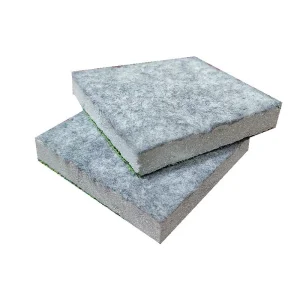
Certified for rigorous European Standards (CE) and engineered to deliver optimal structural integrity for high-angle railway and highway cuttings across Nuwara Eliya and Kandy districts.
Inquire Pricelist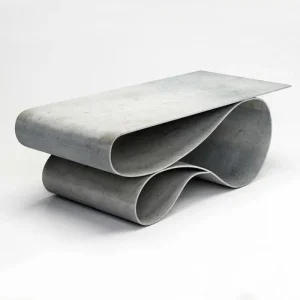
An ultra-flexible lining solution designed to counter hydraulic shear stresses in high-volume watercourses like the Kelani and Mahaweli river basins during active monsoons.
Inquire Pricelist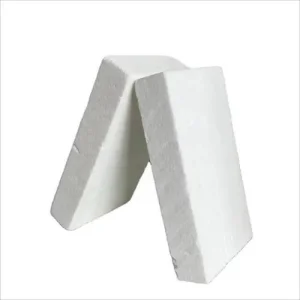
Revolutionary fiber-reinforced cement matrix providing rapid curing and structural stabilization, reducing project times by 90% compared to traditional concrete mixing.
Inquire Pricelist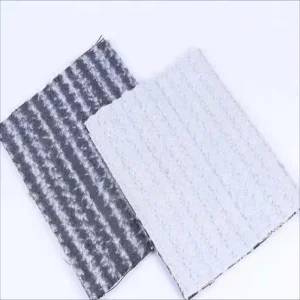
Enhanced tensile strength configuration reinforced with high-durability glass fibers to resist harsh coastal salt spray and saline groundwater conditions in Sri Lanka's littoral zones.
Inquire PricelistSri Lanka, situated in the tropical Indian Ocean, exhibits a distinct topography dominated by coastal plains and a rugged central highland system. The island is highly susceptible to two major seasonal monsoons: the Southwest Monsoon (May to September) and the Northeast Monsoon (December to February). During these periods, precipitation levels surge, triggering severe soil erosion, flash floods, and geohazards such as landslides in steep terrains like Nuwara Eliya, Kandy, and Ratnapura. For civil engineers, hydraulic designers, and contractors, maintaining the structural integrity of drainage channels, road embankments, and slope profiles is a constant challenge under these extreme meteorological circumstances.
Traditionally, infrastructure development in Sri Lanka relied on cast-in-place concrete, shotcrete, or stone masonry for erosion control and channel lining. While effective, these methods present massive disadvantages in the modern construction landscape: they require heavy machinery transport, a high volume of skilled labor, excessive water consumption for mixing, and are prone to premature cracking due to thermal expansion and soil settling. Furthermore, transporting raw concrete components into remote highland terrains poses major logistical blockages.
This is where Geosynthetic Cementitious Composite Mats (GCCMs)—commonly referred to as **Cement Blankets**—emerge as a paradigm shift. Synthesizing the flexibility of geosynthetics with the high structural performance of conventional concrete, these materials can be laid down rapidly and hydrated on-site. The application of Cement Blankets in the Sri Lanka market has grown exponentially, fueled by government-backed infrastructure expansions, agricultural irrigation modernization, and coastal development initiatives. Hongyue's specialized range of GCCMs offers a robust, cost-effective, and long-lasting alternative that aligns with the sustainable development goals of South Asian engineering works.
By eliminating the requirement for concrete mixing plants, batching trucks, and extensive steel reinforcements, Cement Blankets reduce carbon footprints by up to 90% compared to traditional concrete lining, while speeding up project delivery times by up to ten times.
Agriculture remains a vital component of Sri Lanka's economy, particularly in the North Central and Eastern Provinces. Large-scale irrigation networks, such as the Mahaweli Development Programme, require extensive networks of canals to distribute water from reservoirs (wewas) to agricultural fields. Traditional earthen canals suffer from massive seepage losses, which can exceed 30% of total transported water volume. Concrete canvas and cement blankets create a highly impermeable, erosion-resistant barrier. They prevent water loss, suppress weed growth, and reduce the risk of structural collapse, thereby optimizing agricultural yield and conserving valuable freshwater reserves.
The Expansion of the Southern Expressway, Central Expressway, and the mountain railway extensions highlights the need for advanced slope protection. The high precipitation and steep geological structures in regions like Nuwara Eliya and Badulla present severe landslide risks. Conventional shotcrete application often peels off or cracks under hydrostatic pressure. Hongyue's CE-certified slope protection cement blankets allow drainage while preventing surface erosion, adapting dynamically to the natural contours of the soil. This prevents catastrophic landslides and guarantees passenger safety on Sri Lanka’s transport arteries.
Sri Lanka's coastline is continuously subjected to wave action and salt spray. Projects in the Port City Colombo and southern coastal towns require specialized structural barriers. Glass fiber-reinforced cement blankets are optimized to withstand high salinity levels, offering severe erosion control for seawalls, breakwater revetments, and coastal drainage outlets without suffering chemical degradation.
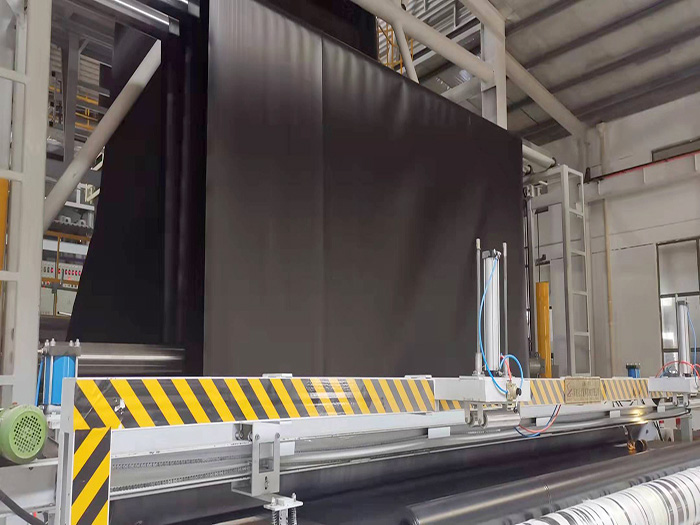
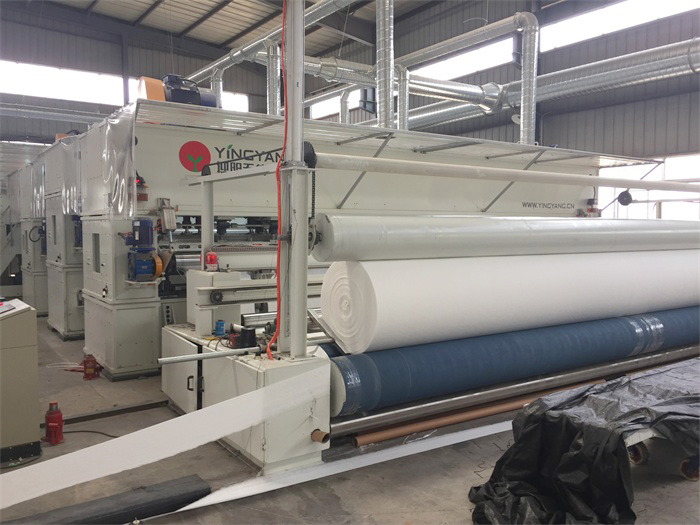
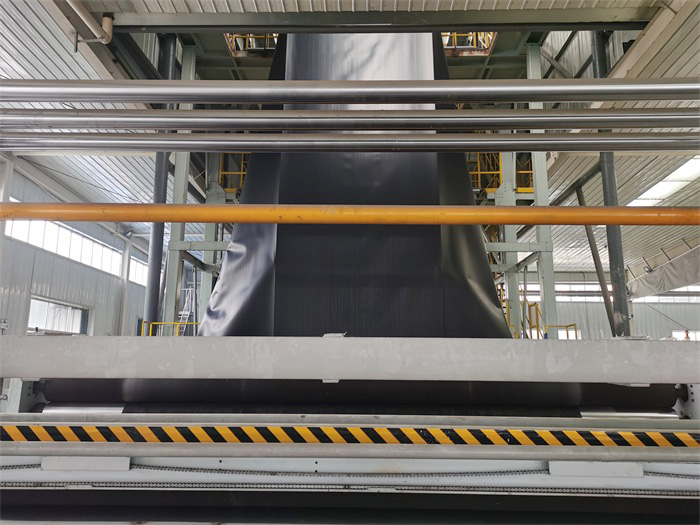
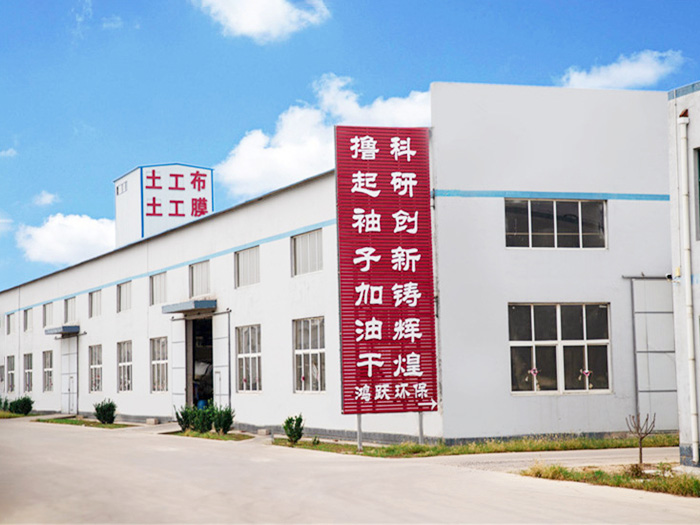
Shandong Hongyue Environmental Engineering Co., Ltd. runs a complete and scientific management system, holding ISO9001 international quality system certification, ISO14000 environmental system certification, and ISO45001 occupational health and safety management certification. Our factory operates automated, high-precision needle-punching and compound production lines that ensure the uniform distribution of dry concrete powder within the 3D fiber matrix. This guarantees uniform thickness, density, and physical properties across the entire surface area of the roll.
Our state-of-the-art production base in Dezhou, Shandong Province, utilizes advanced European technologies to manufacture composite geomembranes, geobags, and cement mats.
Correct installation is vital for the long-term durability of cement blankets, especially in areas with high rainfall. Our technical team recommends the following steps:
The cost of procuring cement blankets for Sri Lankan projects is determined by several core factors. We provide transparent, ex-factory pricing structure coupled with optimized logistics services to Colombo Port. The primary pricing drivers are:
| Thickness Grade | Typical Applications | Roll Weight (approx) | Price Estimate Range |
|---|---|---|---|
| 5mm (GCCM5) | Light drainage ditches, weed suppression, temporary erosion controls | 7.5 kg/m² | Contact for FOB Quote |
| 8mm (GCCM8) | Roadway slope protection, agricultural canals, culvert linings | 12.5 kg/m² | Contact for FOB Quote |
| 10mm (GCCM10) | Railway trackbed stabilization, flood control bunds, heavy runoff zones | 15.0 kg/m² | Contact for FOB Quote |
| 15mm (GCCM15) | Industrial wastewater ponds, heavy mining slopes, coastal revetments | 23.0 kg/m² | Contact for FOB Quote |
Logistics & Customs Clearence: Shipping is organized from our primary export terminals in Qingdao or Tianjin Port directly to the Port of Colombo. We supply all standard shipping documents, certificates of origin, and laboratory testing reports to facilitate smooth customs clearance through Sri Lankan customs.
A complete suite of geosynthetics designed to complement cement blanket systems, offering comprehensive protection for civil engineering projects in Sri Lanka.
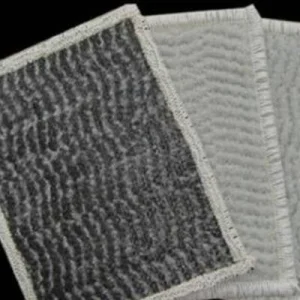
Self-sealing sodium bentonite clay liners providing reliable containment barriers for artificial lakes and municipal water storage projects.
Inquire Pricelist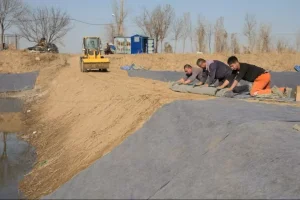
Customizable bentonite clay liners designed to meet specific engineering requirements for landfills and industrial waste containment.
Inquire Pricelist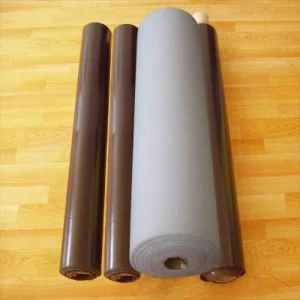
Flexible, high-durability geomembranes suitable for water containment in shrimp and fish farming across the Southern and Eastern Provinces.
Inquire Pricelist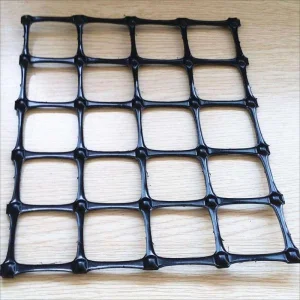
Three-dimensional cellular confinement systems designed to secure topsoil and prevent erosion on steep slopes in mountainous areas.
Inquire Pricelist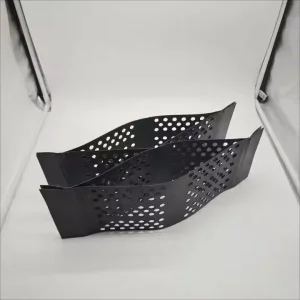
Engineered composite geocells providing load distribution and structural stabilization for soft subgrades in road construction.
Inquire Pricelist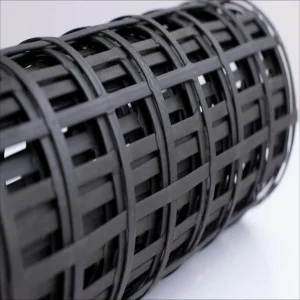
High-tensile geogrids designed for load distribution and soil reinforcement in heavy-traffic highway projects.
Inquire Pricelist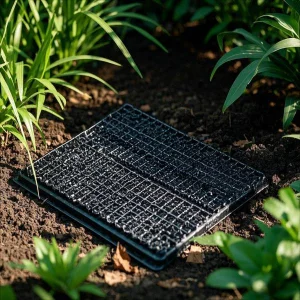
Dimpled plastic drainage boards engineered to redirect groundwater away from foundations and underground structures.
Inquire Pricelist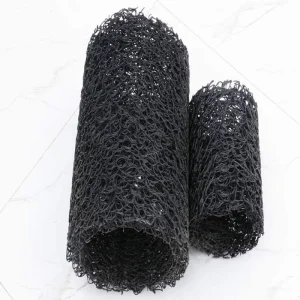
Efficient underground drainage conduits designed to manage excess water levels and prevent root rot in agricultural areas.
Inquire PricelistThese high-performance geosynthetic materials are commonly used in combination with cement blankets to build robust, multi-layered containment and stability systems.
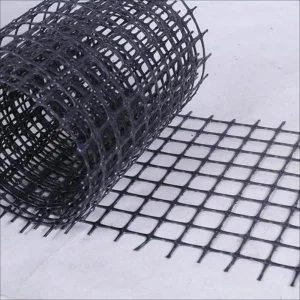
Engineered to distribute structural loads across road foundations, minimizing rutting and soil deformation under heavy traffic.
Get Quotation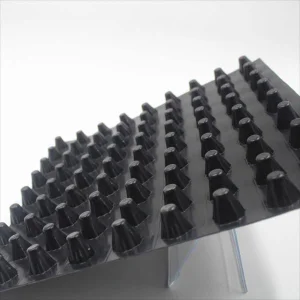
Simplifies installation in vertical wall structures, delivering reliable waterproofing and drainage for urban construction.
Get Quotation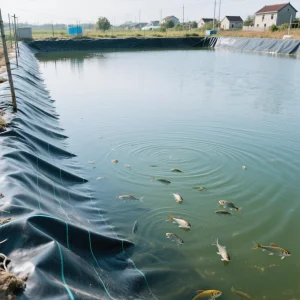
Highly flexible polyethylene membrane with excellent elongation properties, suitable for waste cells and lining systems.
Get Quotation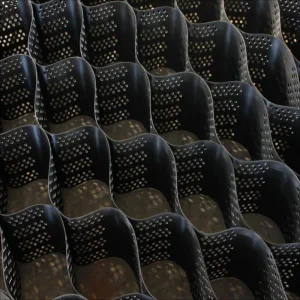
High-density cellular structures designed to support soil and aggregate in steep slopes and highway embankments.
Get QuotationAnswers to key questions regarding the application, shipping, and installation of GCCMs for the Sri Lanka market.
 Hongyue