Engineered geosynthetics tailored for the heavy industrial demands and freeze-thaw cycles of the Chicago Metropolitan Area.
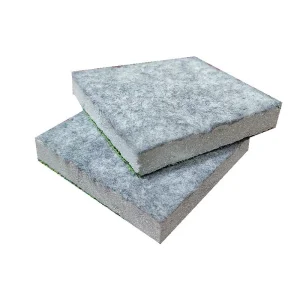
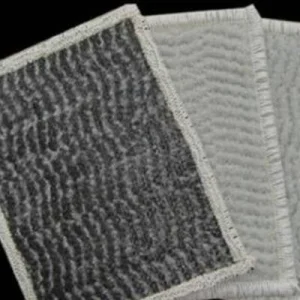
The Chicago metropolitan area, a historical node of North American transport, is facing a critical phase of structural rejuvenation. Spanning from the Cook County channel upgrades to the complex industrial developments near the Port of Chicago, civil engineers are searching for alternatives to traditional, carbon-heavy poured concrete. Cement Blankets (also known as Concrete Canvas or GCCMs) offer a highly efficient, flexible, and rapid-hardening solution that has revolutionized modern civil engineering.
Given the local soil profiles—predominantly glacial till, heavy clay, and high moisture levels near the Great Lakes basin—erosion control along railway embankments, highway culverts, and stormwater management systems is a perpetual challenge. Traditional concrete works require extensive site preparation, formwork, and reinforcement. Conversely, cement blankets can be unrolled, positioned, and hydrated on-site, hardening to full design strength within 24 hours. This minimizes road closures and infrastructure downtime in busy Midwestern corridors.
Additionally, Chicago's severe seasonal shifts require materials that can withstand intense freeze-thaw cycles. Our engineered cement blankets incorporate a high-density, three-dimensional fiber matrix that accommodates concrete expansion without structural cracking, offering superior durability compared to standard rigid concrete slabs.
Integrating state-of-the-art production capabilities in China with regional supply chains across North America.
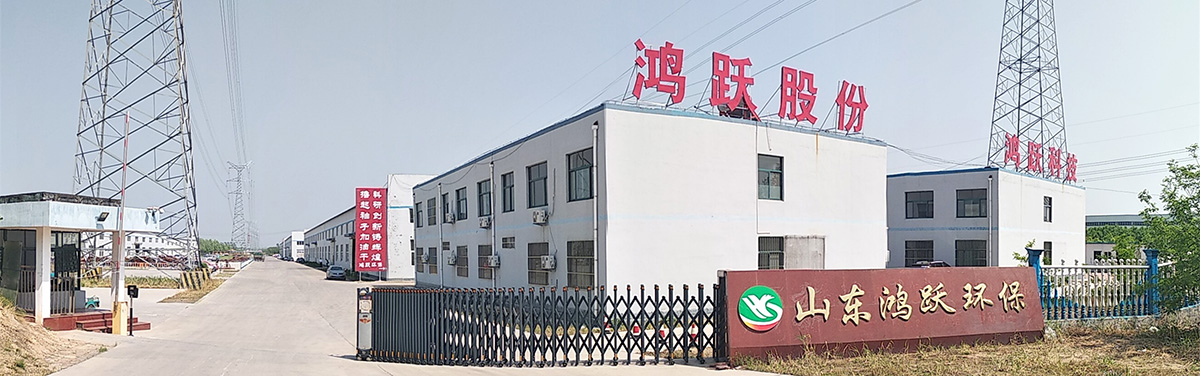
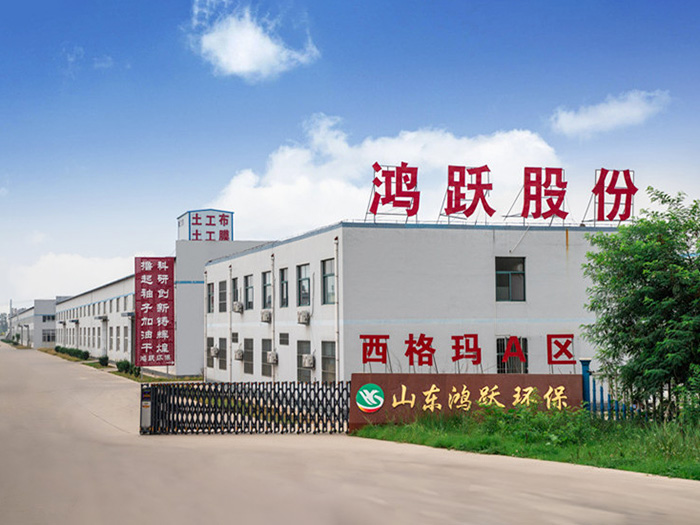
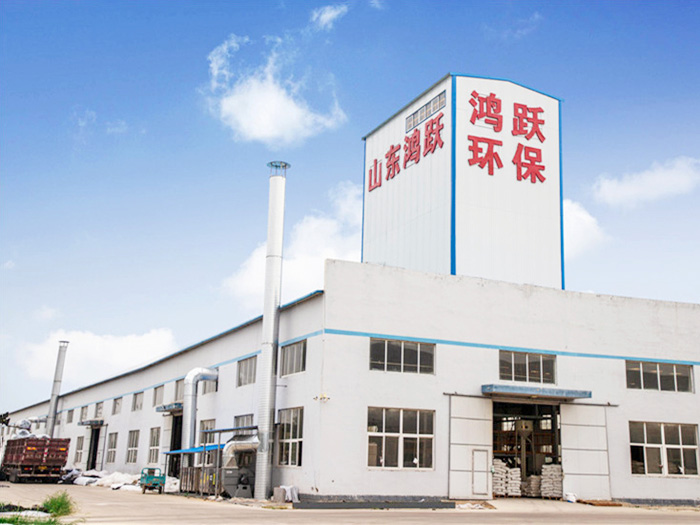
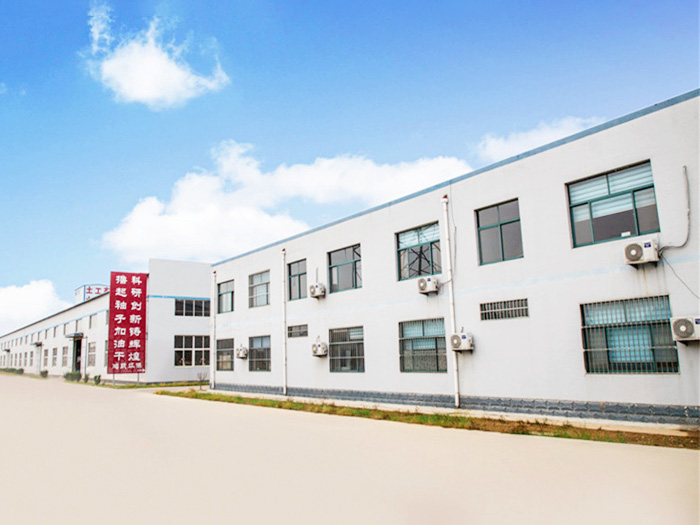
Shandong Hongyue Environmental Engineering Co., Ltd., located in Dezhou, Shandong Province, is one of China's largest geotechnical material manufacturers. Integrating scientific research, automated engineering production, and global shipping pipelines, we provide the global infrastructure sector with verified high-performance cement blankets, geotextiles, geomembranes, and bentonite waterproof mats. Our logistics route links directly from Dezhou to Qingdao Port, enabling rapid shipping to the Port of Chicago and Midwest rail terminals.
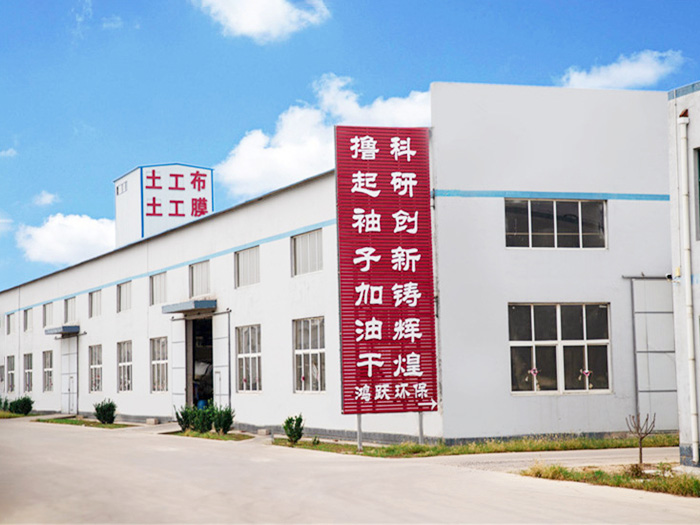
Shandong Hongyue Environmental Engineering Co., Ltd., located at the north end of Fufeng Street, Lingcheng District, Dezhou, Shandong Province, is a scientific and technological geotechnical material manufacturer integrating engineering material production, sales, design and construction services. The company was registered in Lingcheng District Market Supervision and Administration Bureau of Dezhou City on April 6, 2023, with a registered capital of 105 million yuan. It is one of the largest production bases of geotechnical materials in China at present, located in Lingcheng District, Dezhou, Shandong Province, with superior geographical location and convenient transportation.
Since the establishment of the company has developed rapidly, business continues to grow and expand, our company mainly deals in geotextiles, geomembrane, composite geomembrane, waterproof board, bentonite waterproof blanket, 3D composite drainage net, (composite) drainage board, weaving cloth, woven cloth, geotextiles, membrane bags, blind ditches, waterproof and drainage combinations, woven bags, ecological bags, cement blankets, fiber plants blankets, geotextiles, flexible pervious pipes, business includes geosynthetics, waterproofing membrane production, sales, construction, import and export of goods. We have high quality products and professional sales and technical team, our company belongs to Dezhou Geotextile Association, products are widely used in highways, railways, bridges and tunnels, reservoirs and Canals Water Conservancy, artificial lakes, environmental protection, aviation, mining, agriculture and other fields.
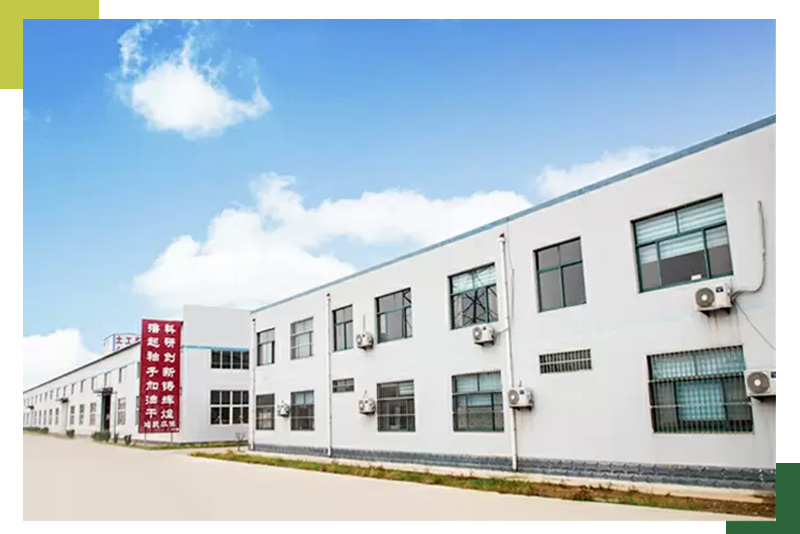
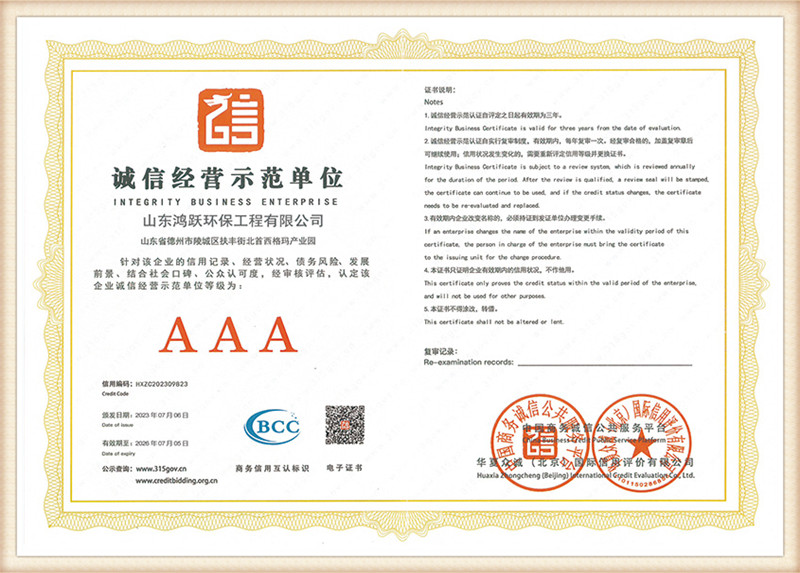
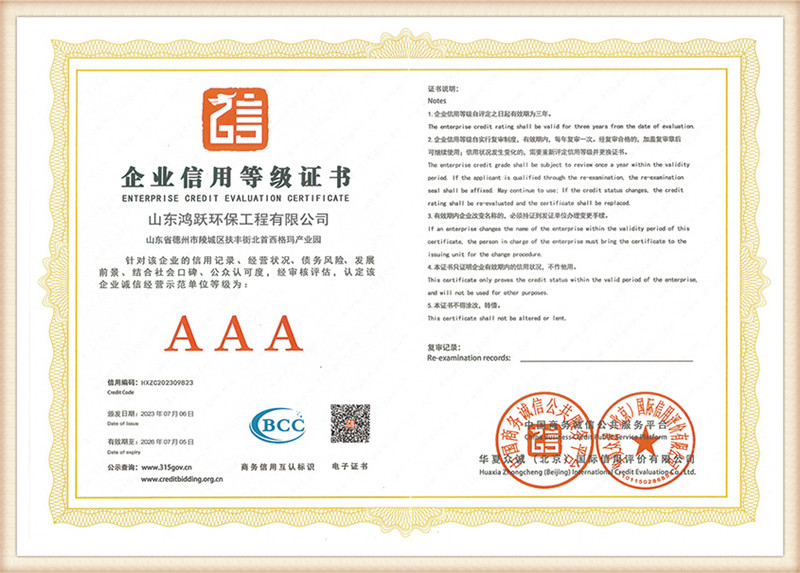
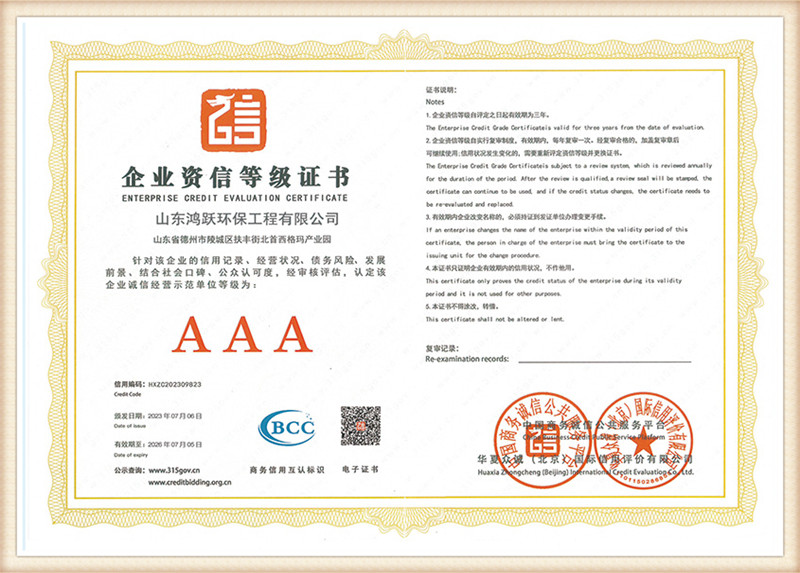
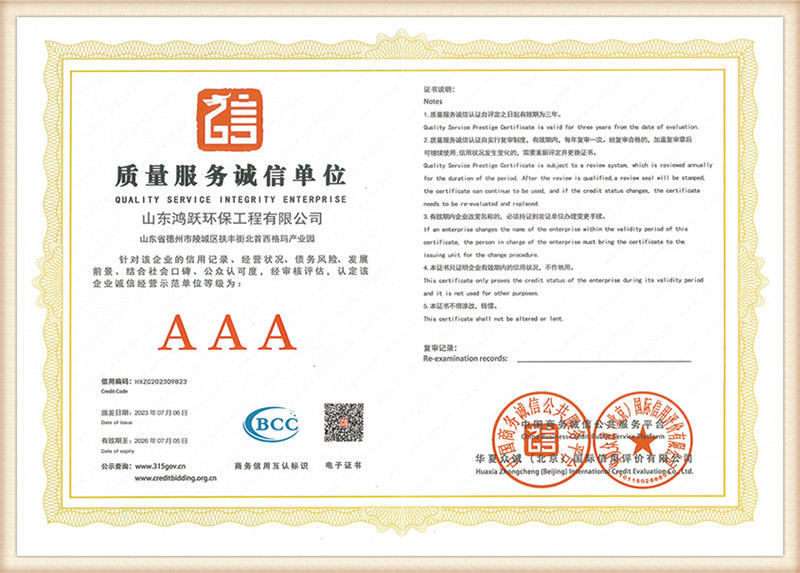
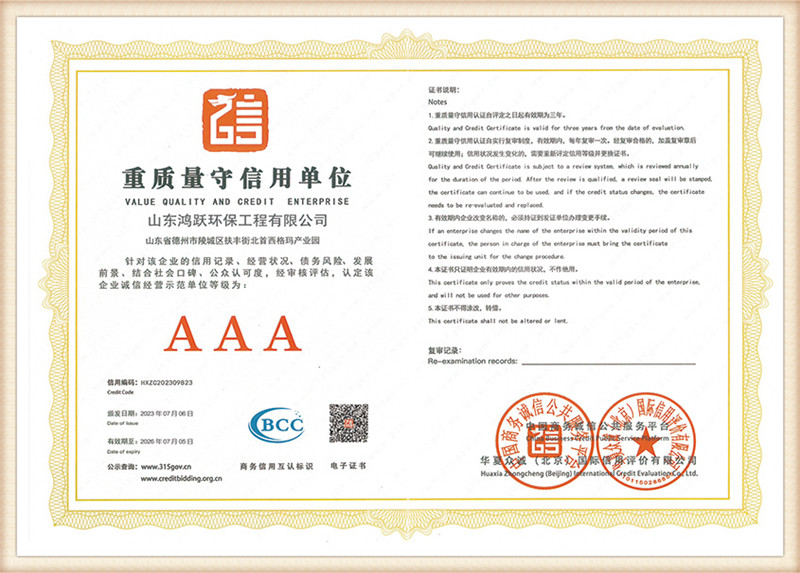
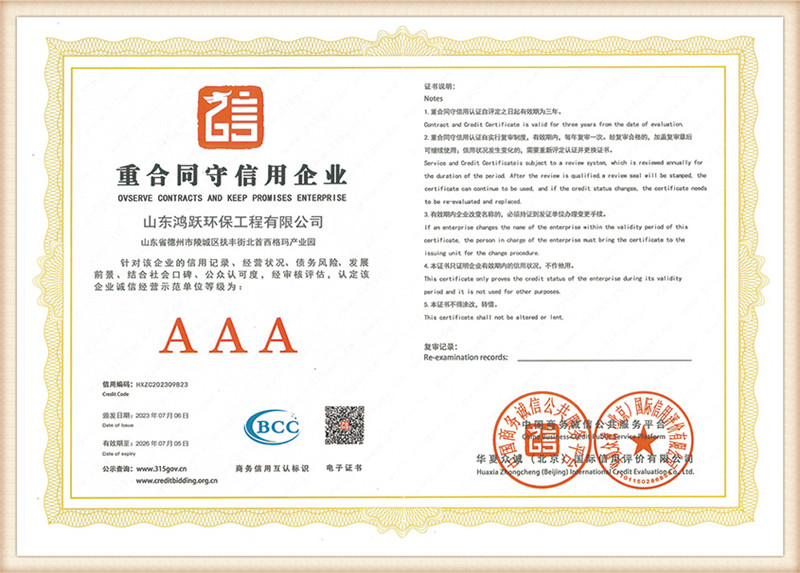
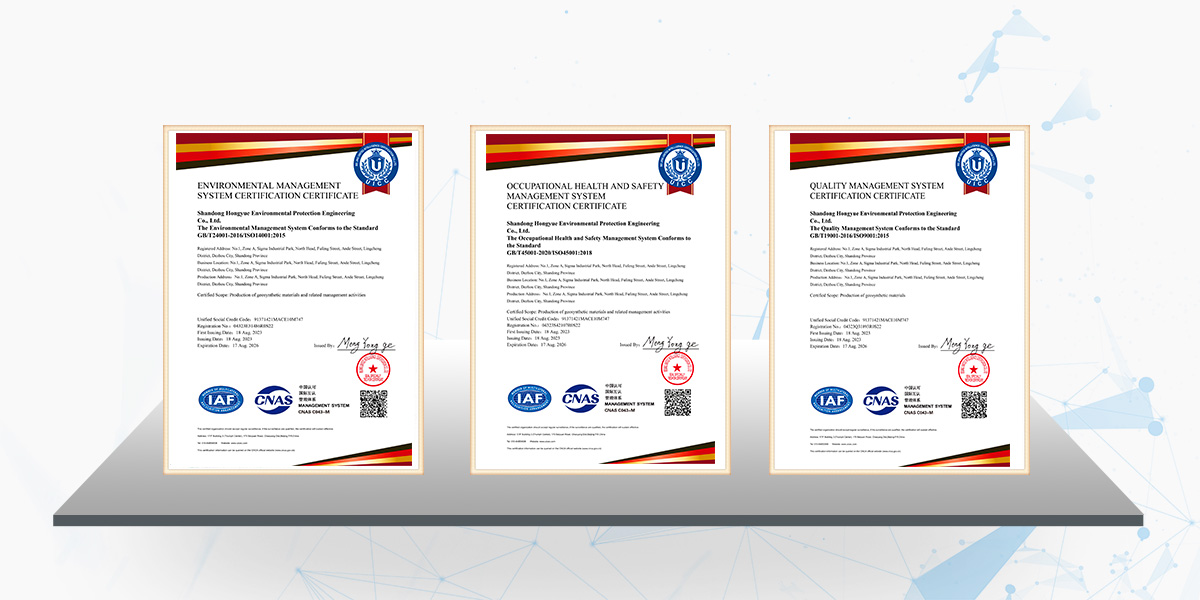
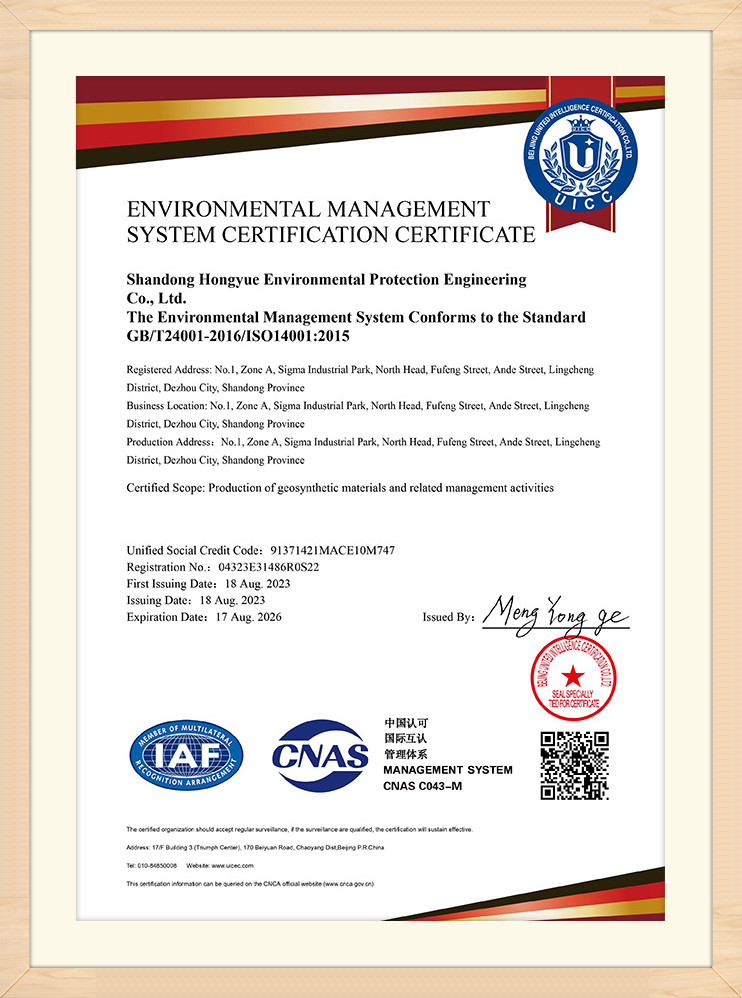
The company has successively passed the ISO9001 international quality system certification, ISO14000 environmental system certification, and ISO45001 occupational health and safety management system certification, and has won multiple honors such as "green and environmentally friendly building materials products", "no consumer complaints", "famous Chinese brands", "high-tech industries", "quality service double excellent units", and "provincial-level poverty alleviation leading enterprises". The company has established sales networks or agency agencies in more than 40 large and medium-sized cities such as Shanghai and Beijing, and its products are exported to multiple countries such as Europe, the United States, Australia, and various parts of the country. The products are widely used in key projects in various provinces and cities. The products are widely used in various fields such as highways, railways, bridges and tunnels, reservoir and canal water conservancy, artificial lakes, environmental protection, aviation, mining, agriculture, etc.
The company has strong technical strength and rich construction experience, and has the ability to undertake various difficult anti-seepage projects. We have achieved standardization of construction site management, standardization of anti-seepage materials, professionalization of construction teams, and integration of engineering after-sales service. The company takes "serving customers and benefiting people's livelihoods" as its responsibility, adhering to the corporate culture of "working hand in hand and creating the future together", adhering to the principle of "customer-centered, innovative as a means, and survival through quality". continuously improving its core competitiveness, and striving to build the "Shandong Hongyue Environmental Protection Brand". Shandong Hongyue Environmental Protection Technology Co., Ltd. is dedicated to providing you with high-quality products and first-class services!
Advanced engineering pathways and stringent QA/QC guidelines ensure consistent performance under load.
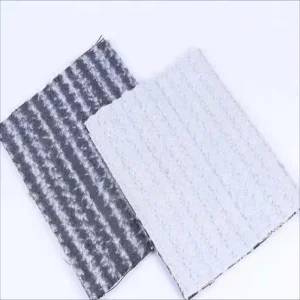
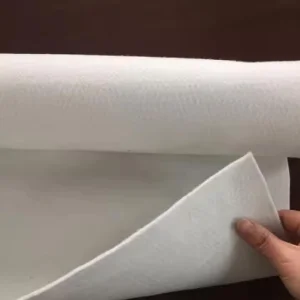
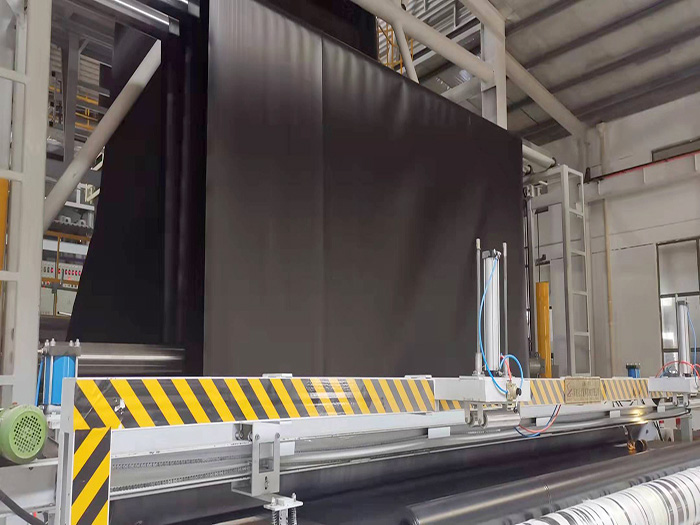
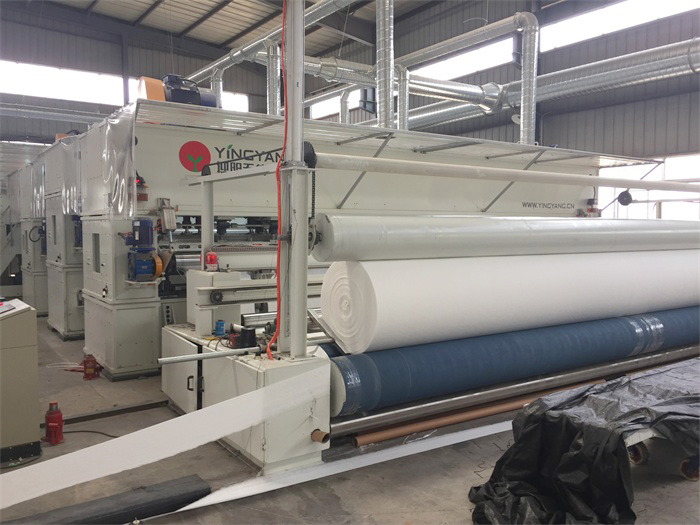
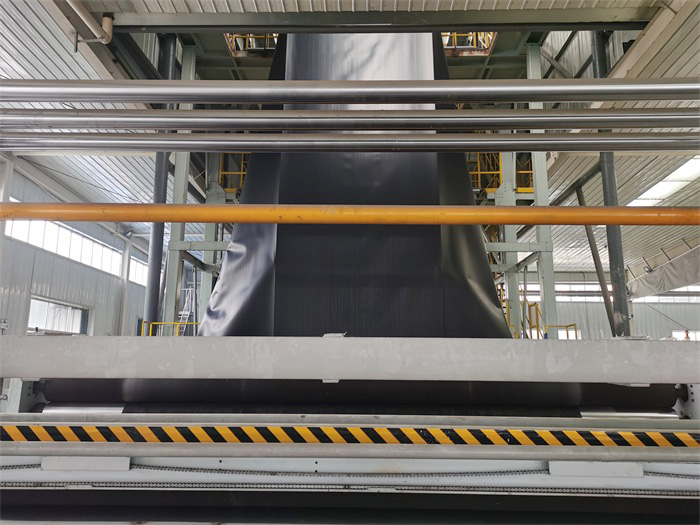
Geotextile is widely used in civil engineering materials, with filtration, isolation, reinforcement, protection and other functions, its production process includes raw material preparation, melt extrusion, mesh rolling, draft curing, winding packaging and inspection steps, need to go through multiple links of processing and control, but also need to consider its environmental protection and durability and other factors. Modern production equipment and technology have been widely used, making the production efficiency and quality of geotextiles have been significantly improved.
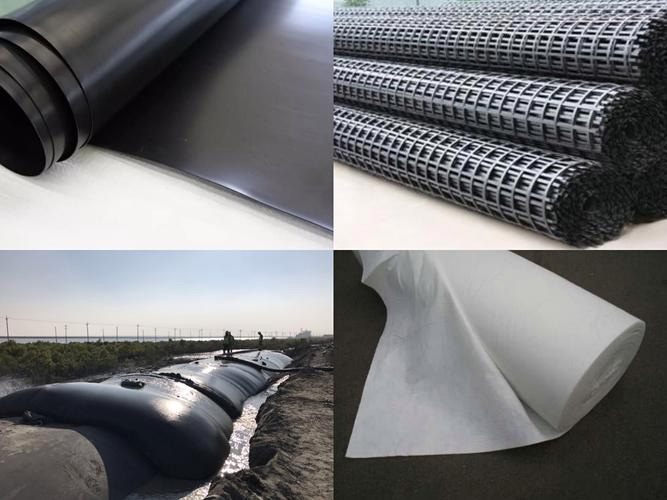
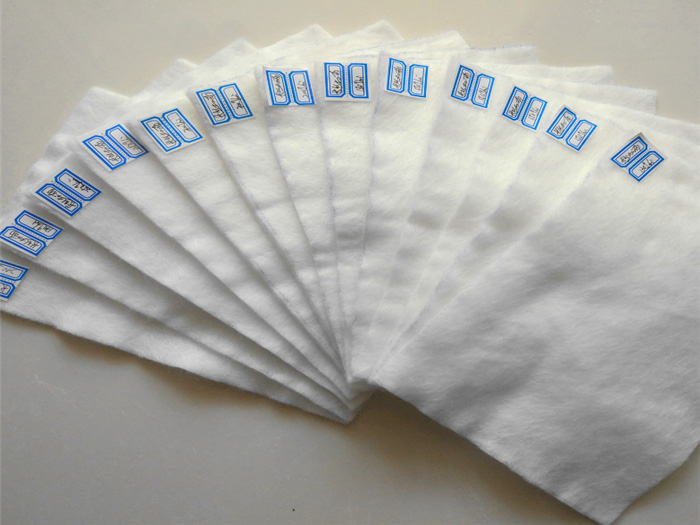
Geomembrane is a kind of material widely used in engineering projects, which has the functions of seepage prevention, isolation and reinforcement. Proper installation and material selection are key to preventing barrier breakdowns in the field. Our comprehensive technical application guidelines outline critical steps:
It is very important to choose the suitable geomembrane. Key factors include:
- Material properties: Select HDPE (High-Density Polyethylene) or LLDPE (Linear Low-Density Polyethylene) depending on UV exposure, chemical aggressive environments, or slope requirements.
- Thickness: Typically ranges from 0.3mm to 2.0mm. Choose thicker liners for heavy mechanical impact regions.
- Impermeability: Secure a low hydraulic conductivity barrier (typically < 1x10⁻¹² cm/s) to block all ground seepage.
Follow structured deployment guidelines:
- Land preparation: Level and clear the subgrade of sharp rocks, vegetation, and structural voids.
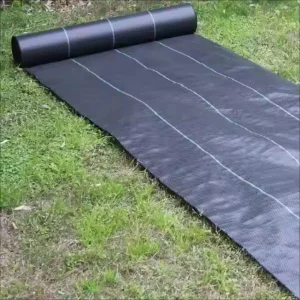
- Laying method: Roll out geotextile / geomembrane panels evenly without creating stress wrinkles.
- Joint treatment: Thermal hot-wedge welding must be verified on-site through non-destructive air-pressure testing to guarantee waterproof joints.
- Fixing method: anchor trenching or mechanical fasteners secure panels along top slopes.
- Cleaning: Routinely remove debris from slopes and channels to prevent hydraulic flow blockages.
- Inspection: Conduct yearly visual inspection for puncture points or subgrade settling.
- Avoid sharp objects: Protect lining systems from mechanical machinery during site operations.
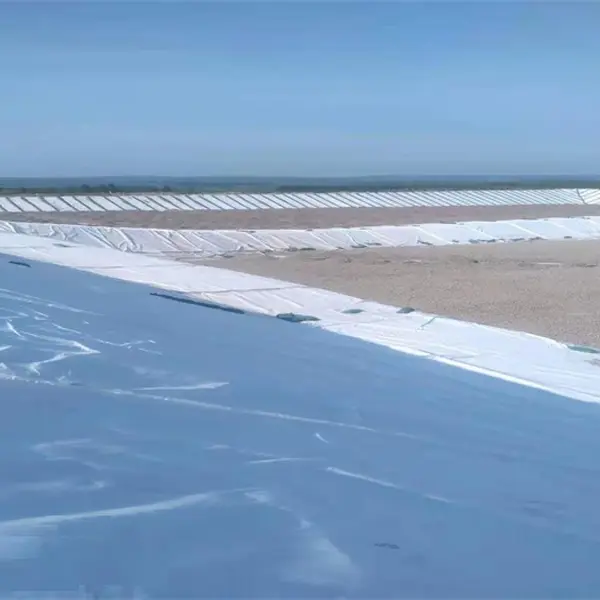
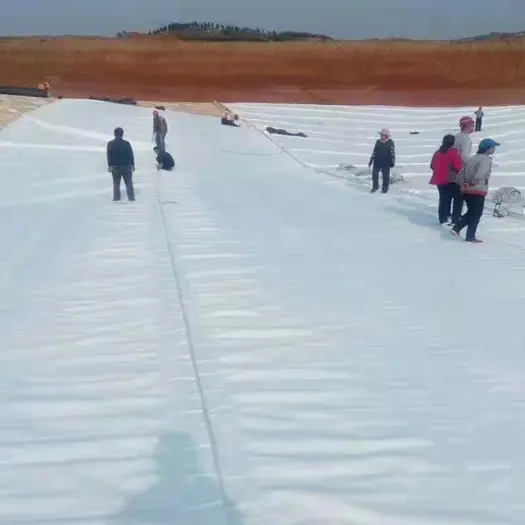
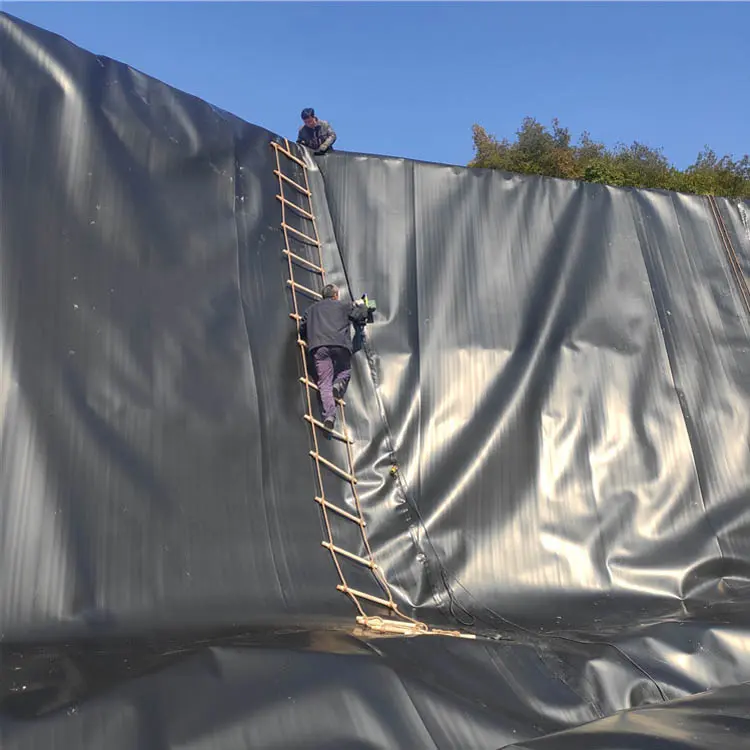
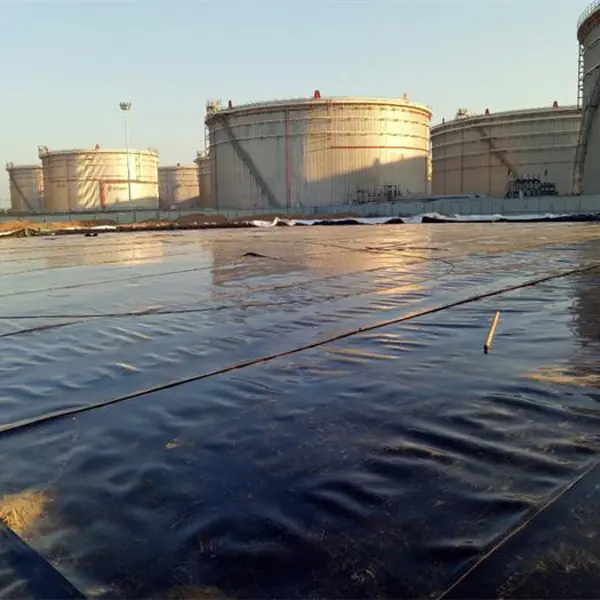
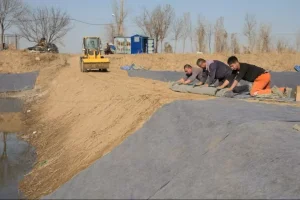
Real-world deployment of composite geosynthetics in watercourse containment, municipal landfills, and industrial yards.
Our high-capacity manufacturing lines in Shandong supply a wide array of CE, ISO, and ASTM-compliant geotechnical solutions for global projects.
We manufacture customized thickness, width, tensile strength, and composite configurations tailored for your spec sheets.
Get Instant QuotationAnswers to key engineering, installation, and procurement questions for Midwestern geosynthetics projects.
The price of cement blankets (GCCMs) in the Chicago region typically ranges from $15 to $45 per square meter. The final cost depends heavily on structural thickness (typically 5mm, 8mm, or 13mm), core geotextile composition (glass-fiber reinforced matrices command a premium), batch volume, and custom certifications (such as CE, Class 1 fire-proofing, or ASTM standards). Direct shipment from our manufacturing hub in Dezhou, Shandong Province, significantly reduces unit costs compared to local distribution markups.
Traditional rigid concrete slabs crack under sub-zero Chicago winters because they cannot flex with the shifting soil. Our cement blankets are engineered with high-strength, three-dimensional fiber matrices that offer micro-flexibility. This allows the hydrated cementitious layer to move slightly with the subgrade during thermal cycles without cracking. The material retains a design life of over 50 years under standard environmental conditions.
Our factory in Dezhou is ideally positioned near primary national expressways, facilitating rapid transport to Qingdao Port. Shipping transit times from Qingdao to major U.S. West Coast ports (LA/Long Beach) average 14–18 days, followed by intermodal rail transfer straight to Chicago's intermodal hubs, which takes an additional 5–7 days. We provide comprehensive import documentation, including CE certification, material test reports, and compliance data to expedite customs clearance.
Yes. A primary benefit of our cement blankets is that hydration does not require purified water. Clean municipal water is ideal, but brackish water, river run-off, or non-acidic industrial water can be used on-site without affecting the final cured compressive strength. This is highly advantageous for environmental remediation sites in outlying Chicago industrial waterways.
Get in touch with the technical engineering team at Shandong Hongyue. We provide standard design drafts, tailored bulk pricelists, and laboratory verification sheets.
Send Inquiry Now Hongyue