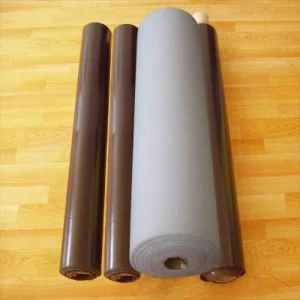
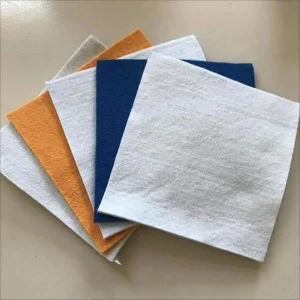
Engineered to mitigate geological risk, manage rapid storm-water channels, and support infrastructure deployment under challenging tropical climates.
Evaluating geographic and urban factors driving the transition from traditional concrete methods to rapid-hydration GCCM technology.
Jakarta, the sprawling economic heartbeat of Indonesia, is facing unprecedented civil engineering trials. Built upon a low-lying delta intersected by 13 torrential rivers (including the heavily populated Ciliwung River basin), the Jakarta Metropolitan Area (Jabodetabek) is continuously combating severe coastal subsidence, seasonal flooding, and mudslides. In tandem with the National Capital Integrated Coastal Development (NCICD) master plan and the continuous expansion of the MRT, LRT, and trans-Java highway systems, the demand for fast, resilient, and highly durable erosion control solutions has spiked dramatically.
Traditional concrete pouring and shotcreting methods present massive logistical challenges in Jakarta's congested urban areas and challenging terrain. Heavy concrete mixing trucks struggle to navigate the narrow access paths along canals and hillside settlements. Shotcreting causes substantial environmental pollution, runs the risk of washing away during unexpected tropical downpours, and is highly prone to structural cracking in the region's soft, unstable soils. Consequently, leading engineering firms and municipal contractors in Jakarta are actively transitioning to Geosynthetic Cementitious Composite Mats (GCCMs), commonly referred to as Cement Blankets.
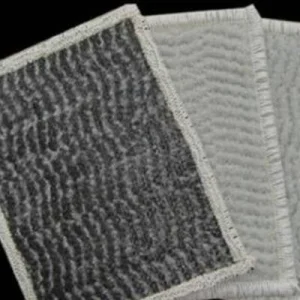
By blending geosynthetic polymers with custom dry cement formulations, these materials roll out like carpet and cure on-site with simple hydration. Shandong Hongyue Environmental Engineering Co., Ltd. serves as an expert exporter, shipping premium-grade cement blankets directly to Tanjung Priok Port to satisfy the high demands of Indonesian state-owned and private infrastructure developers.
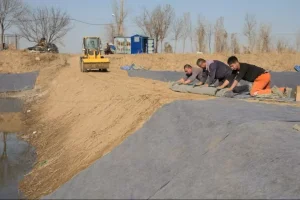
Ideal for rapid storm canal lining in North and West Jakarta, maintaining structural integrity under high water flow velocities.
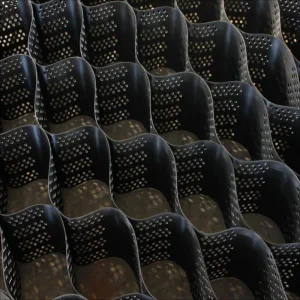
Reinforces steep, unstable slopes along southern Jakarta's transport corridors and residential hillsides.
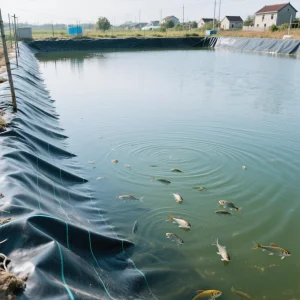
Protects vulnerable soils along coastal embankments from wave erosion and saltwater penetration.
How Shandong Hongyue aligns scientific manufacturing with international standards to support large-scale industrial projects in Jakarta.
Global procurement teams operating in Southeast Asia prioritize three core criteria: regulatory compliance (ISO/CE/SNI), high installation speed, and proven material chemistry. Shandong Hongyue Environmental Engineering Co., Ltd., based in the renowned geotechnical manufacturing hub of Lingcheng District, Dezhou, Shandong Province, has successfully established a multi-million-yuan, high-tech manufacturing pipeline to meet these demanding global standards.
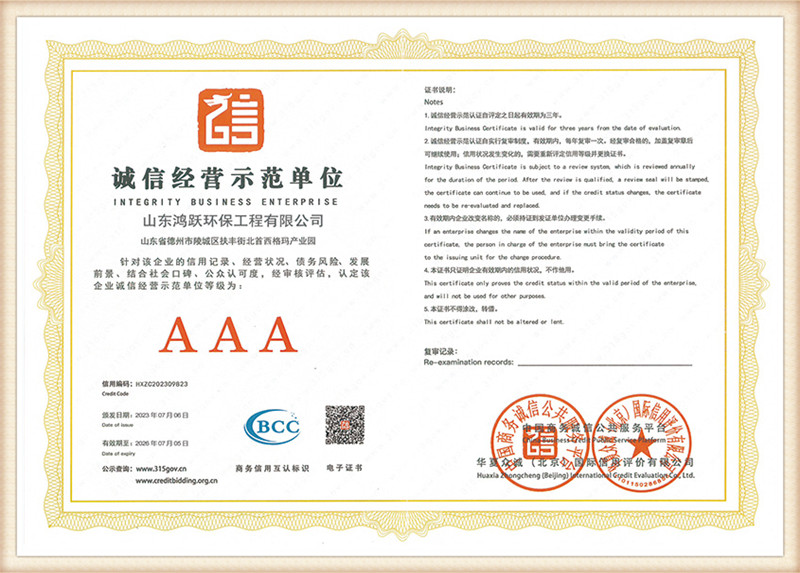
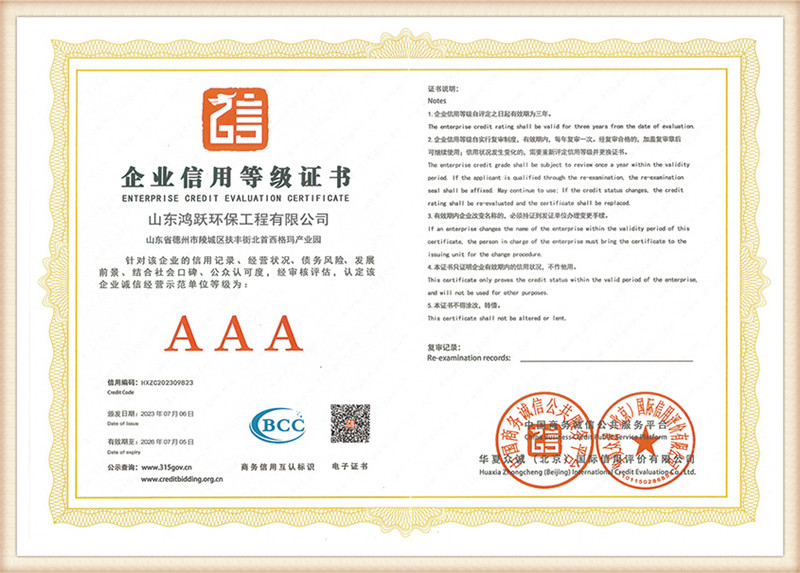
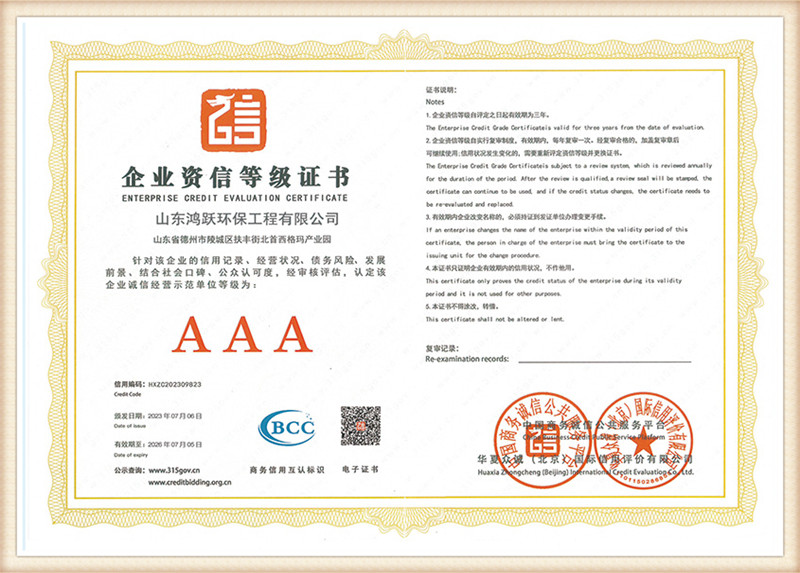
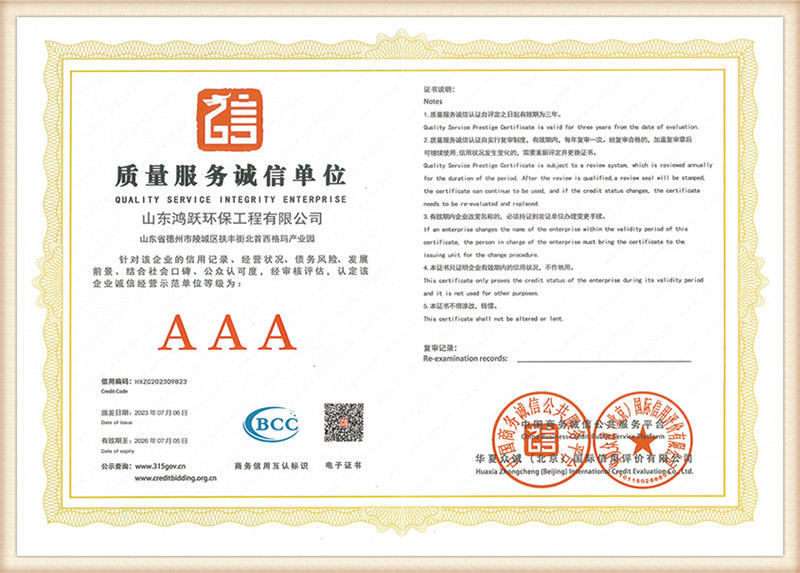
With a registered capital of 105 million yuan, our operations have passed the ISO9001:2015 International Quality Management System, ISO14001:2015 Environmental Management System, and ISO45001:2018 Occupational Health and Safety Management System. This comprehensive certification guarantees that every roll of cement blanket and related geosynthetics (including HDPE geomembranes, bentonite waterproof blankets, and geocells) matches international environmental and mechanical thresholds.
| Performance Criteria | Traditional Shotcrete Method | Shandong Hongyue GCCM (Cement Blanket) | Jakarta Application Advantage |
|---|---|---|---|
| Installation Velocity | Slow (Requires mixing, framing, spraying, curing) | Rapid (Up to 800m² per day with a small crew) | Minimizes lane closures on major Jakarta Toll Roads. |
| Rain / Water Sensitivity | High risk of wash-out prior to final setting | Impervious to wash-out; cures underwater | Allows year-round installation during monsoon seasons. |
| Carbon Footprint | High (Massive carbon emissions during dry prep & transport) | Low (Up to 90% savings compared to standard concrete slabs) | Helps project developers secure clean green-building credits. |
| Cracking Resistance | Low (Highly prone to shrinkage and differential settlement) | High (Internal 3D fiber matrix distributes load evenly) | Adapts perfectly to Jakarta's subsiding soft clay soils. |
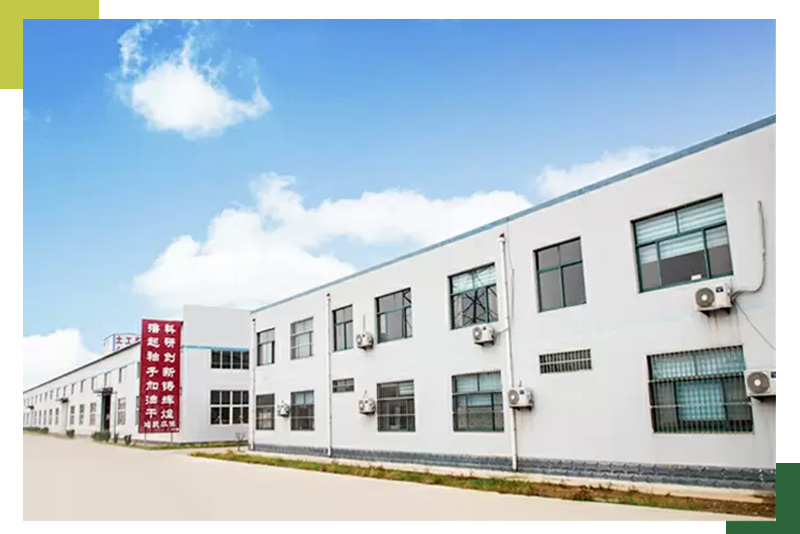
Ensuring absolute consistency in composite properties through high-precision manufacturing steps.
The reliability of a cement blanket depends heavily on the quality of its structural layers: the 3D fiber matrix that locks in the cement and the synthetic backing that stops leaks. Below is a detailed look at Shandong Hongyue's advanced production and quality management workflow, which runs under the strict supervision of our experienced engineering staff.
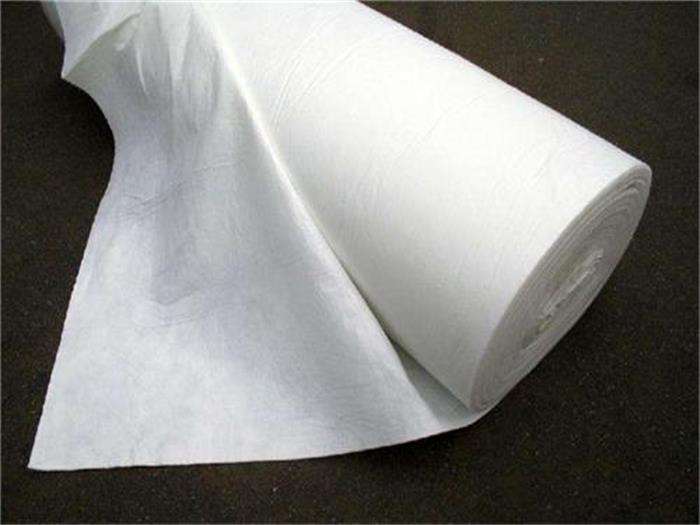
We source premium polyester chips, high-tenacity polypropylene filament, and viscose fibers. The polyester chips are extruded at high temperatures through screw extruders to form a uniform molten polymer mix, ensuring a strong base layer.
The molten polymer mix is sprayed through custom-designed spinnerets to form a dense 3D matrix. A mechanical needle-punching process links the fibers, creating a stable, three-dimensional chamber designed to hold the dry cement powder.
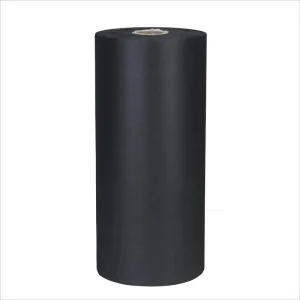
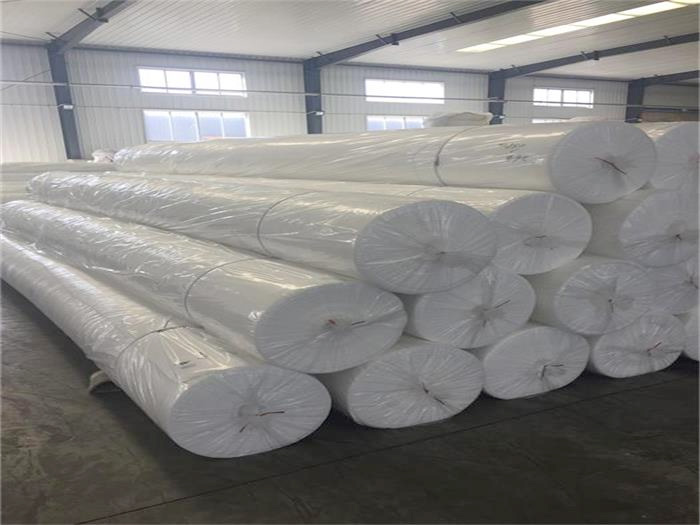
High-grade dry cement mix is evenly vibrated into the 3D fiber matrix. The material is then laminated with an anti-seepage geomembrane backing. The rolls undergo draft-curing and strict thickness checks before they are packaged for export.
Aligning with local regulatory bodies, environmental standards, and regional site conditions.
Using imported geosynthetic materials in Indonesian national infrastructure projects requires strict alignment with local rules. Projects led by the Ministry of Public Works and Public Housing (PUPR) require compliance with the Standar Nasional Indonesia (SNI) and require a detailed AMDAL (Environmental Impact Assessment). Shandong Hongyue's cement blankets are engineered using non-toxic, non-leaching cement mixtures. This ensures that the water running off the cured blanket does not alter the pH level of surrounding waterways, protecting the agricultural regions of West Java and the marine life of Jakarta Bay.
Additionally, our logistics network provides comprehensive support for customs clearance at Tanjung Priok Port. We supply complete paperwork, including Certificates of Origin (CO), CE compliance declarations, and rigorous lab test reports. This streamlined process prevents customs delays, keeping construction schedules for critical projects in the Jabodetabek region on time.
Exploring the integration of AI-assisted remote sensing and carbon-neutral binding agents in future cement blankets.
As the construction sector moves toward digital integration, Shandong Hongyue is exploring next-generation smart geosynthetics. Our research and development roadmap focuses on embedding distributed fiber-optic sensors directly into the 3D matrix of the cement blanket. These sensors will allow structural monitoring of slope displacement along high-speed rail lines and key highways in real-time, sending alerts to central management systems before landslides occur.
Furthermore, in response to global carbon reduction mandates, our laboratory in Dezhou is developing a low-carbon cement formulation. This formula replaces standard binders with industrial by-products like fly ash and blast furnace slag, reducing carbon emissions by an additional 30% without sacrificing compressive strength. This ensures that infrastructure projects in Jakarta meet the highest green construction standards.
Technical guidance on importing, installing, and specifying GCCMs for tropical engineering applications.
Explore our full range of geotextiles, geomembranes, and geocells designed for professional soil stabilization and water control projects in Jakarta.
 Hongyue