Engineered Materials for Seepage Control, Reinforcement, and Infrastructure Protection
A Technical Overview of High-Performance Woven Geotextile Manufacturing and Application
Woven geotextiles represent one of the most critical breakthroughs in modern civil and environmental engineering. Composed of interlocking synthetic fibers, typically polypropylene (PP) or polyester (PET), these materials provide substantial tensile strength, puncture resistance, and planar structural support. Unlike their non-woven counterparts, which prioritize volumetric water flow and filtration depth, woven geotextiles are meticulously engineered to bear heavy loads, distribute structural stress, and prevent lateral soil migration. As global infrastructural projects scale in magnitude and complexity, the demand for robust, high-performance woven geotextiles has shifted from standard off-the-shelf specs to customized, project-specific designs.
For modern civil works, the optimization of subgrade stabilization, embankments, and earth-retaining walls requires a deep understanding of soil-geosynthetic interactions. Utilizing woven geotextiles allows engineers to build on soft soils, reduce required aggregate thicknesses, and extend the design life of transport networks. Shandong Hongyue Environmental Engineering Co., Ltd. stands at the forefront of this industrial sector, translating polymer science into scalable, field-proven containment and structural systems.
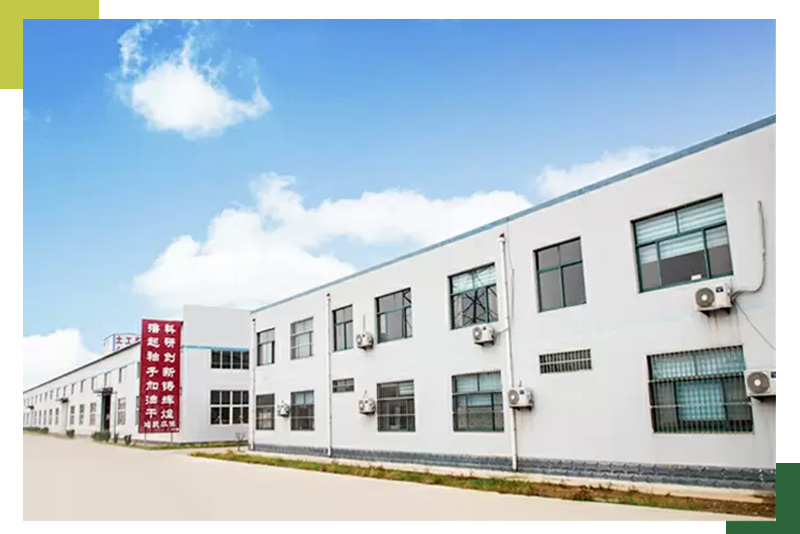
Established as a pioneering force in the geotechnical sector, Shandong Hongyue Environmental Engineering Co., Ltd., located at the north end of Fufeng Street, Lingcheng District, Dezhou, Shandong Province, is a scientific and technological geotechnical material manufacturer integrating engineering material production, sales, design, and construction services. The company was registered in the Lingcheng District Market Supervision and Administration Bureau of Dezhou City on April 6, 2023, with a registered capital of 105 million yuan.
Today, Shandong Hongyue stands as one of the largest and most advanced production bases of geotechnical materials in China. Our strategic geographical location in Shandong Province provides superior logistics connections, allowing us to rapidly ship containerized materials to global ports, ensuring construction schedules are met without delay.
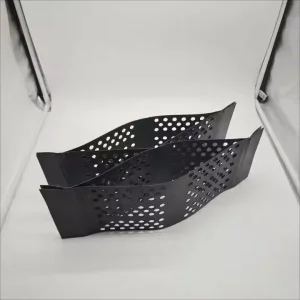
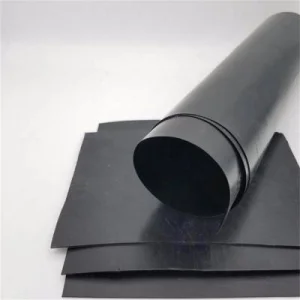
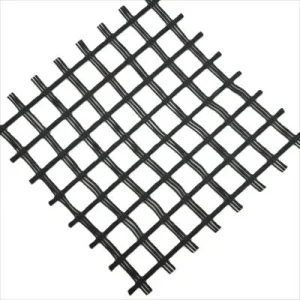
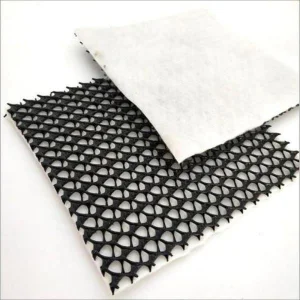
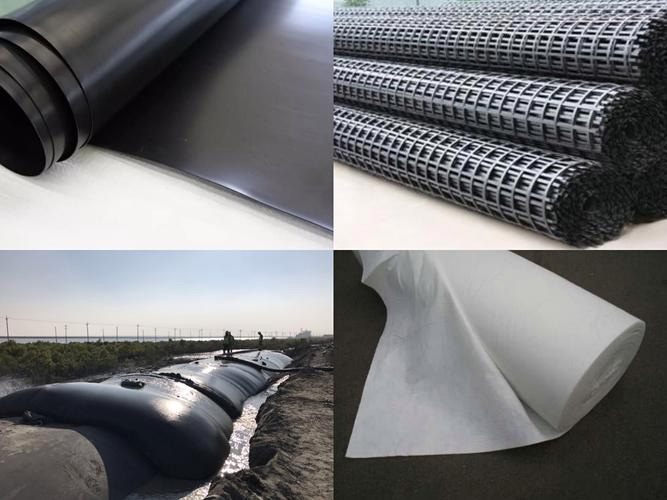
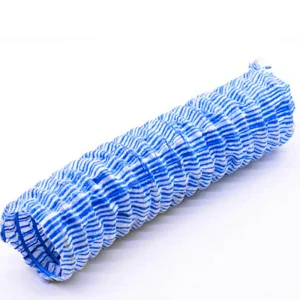
Our expansive product portfolio encompasses high-performance geotextiles, geomembranes, composite geomembranes, waterproof boards, bentonite waterproof blankets (GCL), 3D composite drainage networks, composite drainage boards, weaving cloth, flexible permeable pipes, cement blankets, and ecological bags. With highly specialized engineering teams, we deliver turnkey solutions for projects demanding rigorous quality certifications and long-term soil barrier reliability.
Adapting to the Changing Landscapes of Environmental Law, Climate Adaptation, and Infrastructure Expansion
Global engineers are prioritizing geotextiles that demonstrate minimal elongation under peak stresses. Polypropylene woven yarns provide optimal modulus profiles, preventing localized shear failures in road base subgrades and railway beds.
Large infrastructure developers now mandate environmental footprints for procurement. Using geosynthetics reduces the need to transport hundreds of tons of quarry stone, significantly lowering a project’s carbon footprint.
Climate change forces hydraulic structures to withstand severe floods and wave impacts. Heavy-duty woven geotextiles with customized opening sizes ensure soil retention while discharging excessive hydraulic pore pressures.
In international sourcing, compliance is not negotiable. Procured geotextiles must conform strictly to AASHTO M288 specifications for survivability classifications (Class 1, Class 2, and Class 3). These define required levels of tensile strength, grab strength, tear resistance, and burst pressure depending on installation severity. Concurrently, European markets look for CE marking under standard EN 13249 and related directives, requiring detailed declarations of long-term durability, including resistance to chemical acids, oxidation, and biological degradation.
Under the Hood of Our Advanced State-of-the-Art Weaving Facilities in Shandong
Geotextile is widely used in civil engineering, performing vital functions in filtration, isolation, reinforcement, and protection. Our manufacturing pipeline integrates state-of-the-art melt extrusion and high-capacity weaving machines, facilitating precise control over mechanical properties and filament orientation.
High-grade polypropylene chips and polyester slices are systematically inspected and stored. Specialized carbon black additives are integrated at this stage to impart optimal UV stabilization, critical for projects exposed to sunlight.
The raw polymers are heated into a molten state inside a high-precision extruder and forced through flat dies to form a uniform thin sheet. This sheet is instantly quenched and slit into flat structural tapes (yarns) designed for high-tensile resistance.
The flat yarns are transferred onto warp beams and woven on heavy-duty industrial looms. We weave warp and weft yarns tightly together to form flat, highly stable planar structures with consistent pore size distributions.
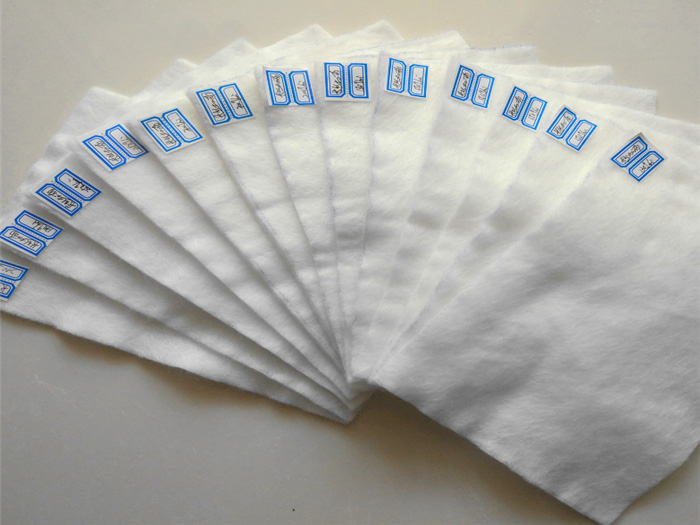
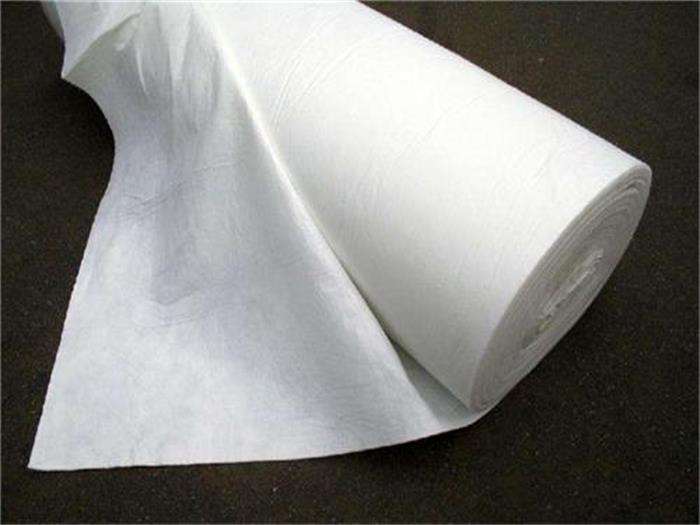
To eliminate post-production shrinkage and optimize mechanical load distribution, the woven fabric is subjected to inline thermal curing. This heat setting aligns the polymer chains, locking in tensile strength and dimensional stability.
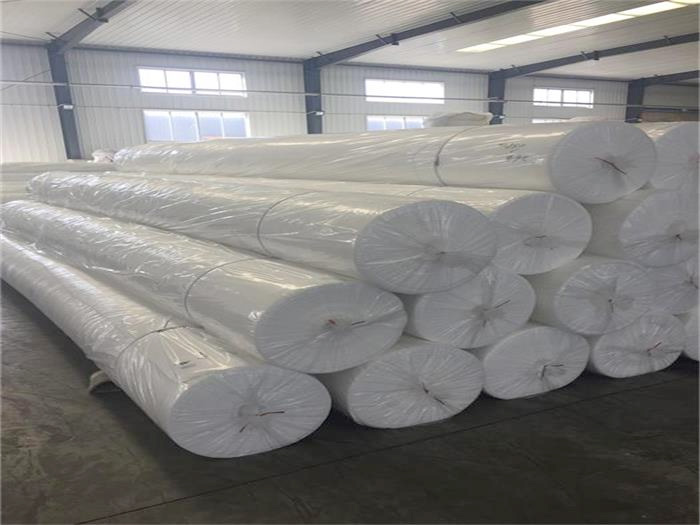
Completed rolls are precisely trimmed to width, measured for linear length, and wrapped in protective UV-resistant geotextile packaging to prevent on-site contamination or degradation prior to installation.
Our Quality Control laboratory conducts physical and mechanical testing on every production lot. This includes testing grab tensile, wide width tensile strength, apparent opening size (AOS), permitivity, and puncture resistance to ensure compliance with ASTM and ISO benchmarks.
Integrated Infrastructure Systems for Hydraulic, Transportation, and Environmental Protection Containment
In reservoirs, dams, and channel systems, water flow constantly threatens to erode surrounding soils. Woven geotextiles serve as reliable filtration layers under rip-rap or concrete blocks, enabling water to drain freely while preventing fine soil migration.
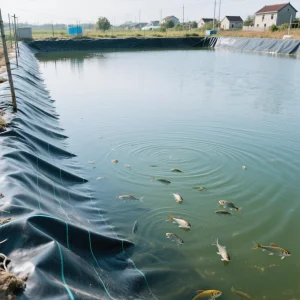
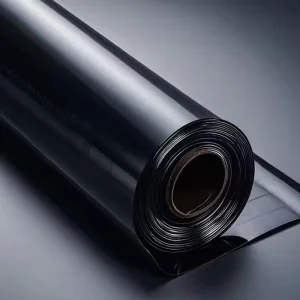
Additionally, for larger water storage facilities, we supply complete systems combining geomembranes and geotextiles. Woven geotextiles act as cushion layers, protecting high-density polyethylene (HDPE) membranes from rough, rocky subgrades and prevent localized punctures.
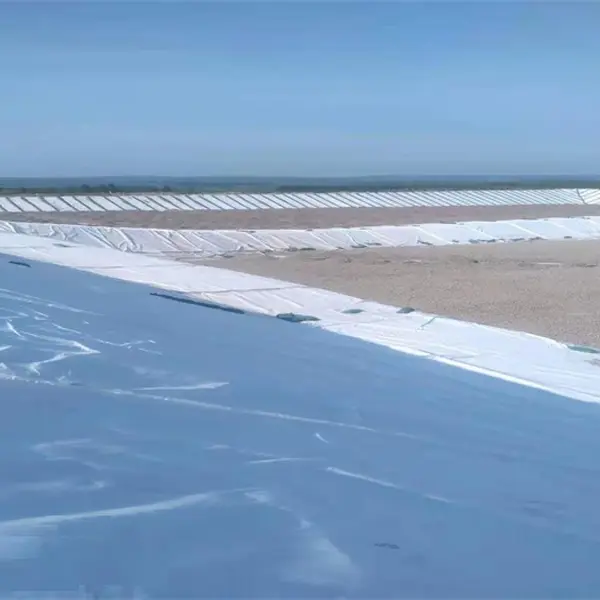
Municipal and industrial waste landfills demand impenetrable seepage barriers. We construct multi-layer protection systems using composite geomembranes, bentonite waterproof blankets (GCL), and heavy-duty drainage networks. This composite system encapsulates toxic leachate, protecting local aquifers from contamination.
Our materials undergo rigorous testing to ensure stability in chemically aggressive environments, maintaining physical structure when exposed to highly acidic leachates and heavy metals.
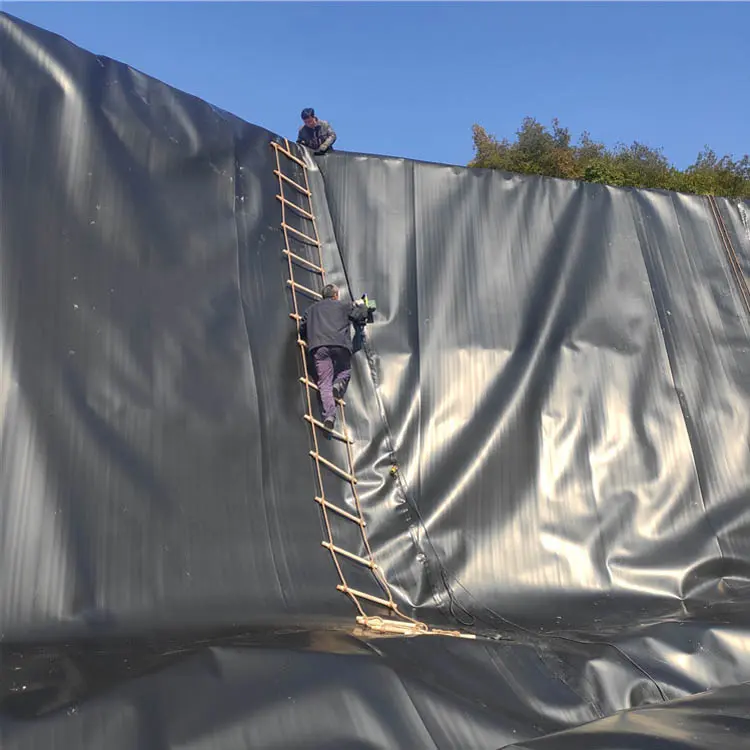
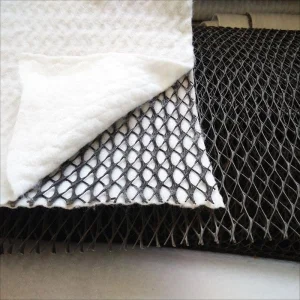
Canals and municipal stormwater channels must transport water efficiently with minimal losses to subgrade infiltration. Our self-adhesive drainage boards, combined with woven geotextiles and reinforced geomembranes, form continuous impervious channels that prevent lateral water migration and protect adjacent road foundations from softening.
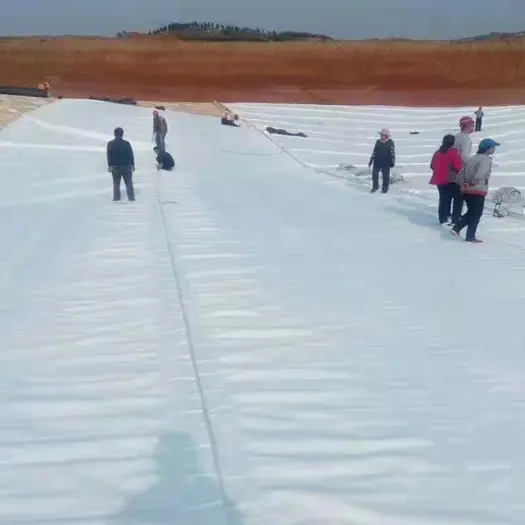
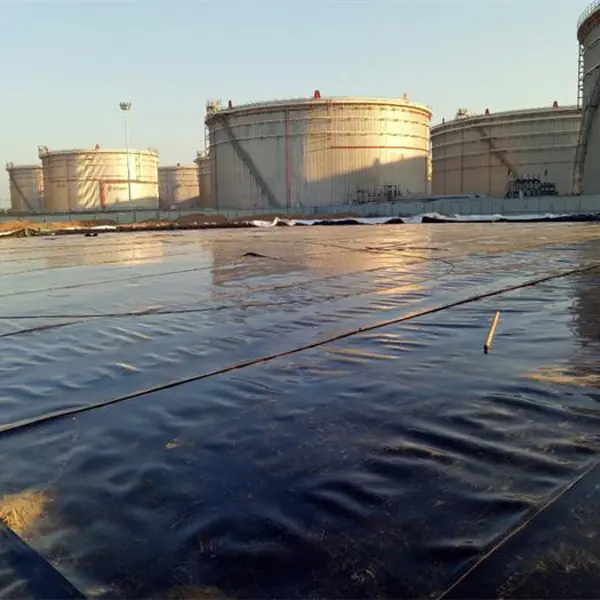
Industrial petrochemical facilities use secondary containment dikes to prevent ecological damage from spills. Shandong Hongyue supplies specialized, oil-resistant geomembrane solutions designed to withstand hydrocarbons, and provides technical installation guidance for secure welding around pipe penetrations and structural footings.
Crucial Standards for Material Selection, Subgrade Laying, Jointing, and Maintenance
Choose materials based on mechanical stress and site chemistry. High-Density Polyethylene (HDPE) provides excellent chemical resistance for waste facilities, while Linear Low-Density Polyethylene (LLDPE) offers greater flexibility for complex terrain settling.
Remove all sharp stones, roots, and organic matter from the subgrade. Use low-contact-pressure machinery to avoid tearing. Lay the panels flat without over-tensioning, allowing for thermal expansion and contraction.
Use dual-track hot wedge welding to join adjacent geomembrane sheets. Test the seam integrity using air pressure tests along the channel. Repair any localized damage with extrusion welding and verify with vacuum testing.
Uncompromising Standards in Geosynthetic Research, Laboratory Testing, and Global Certification
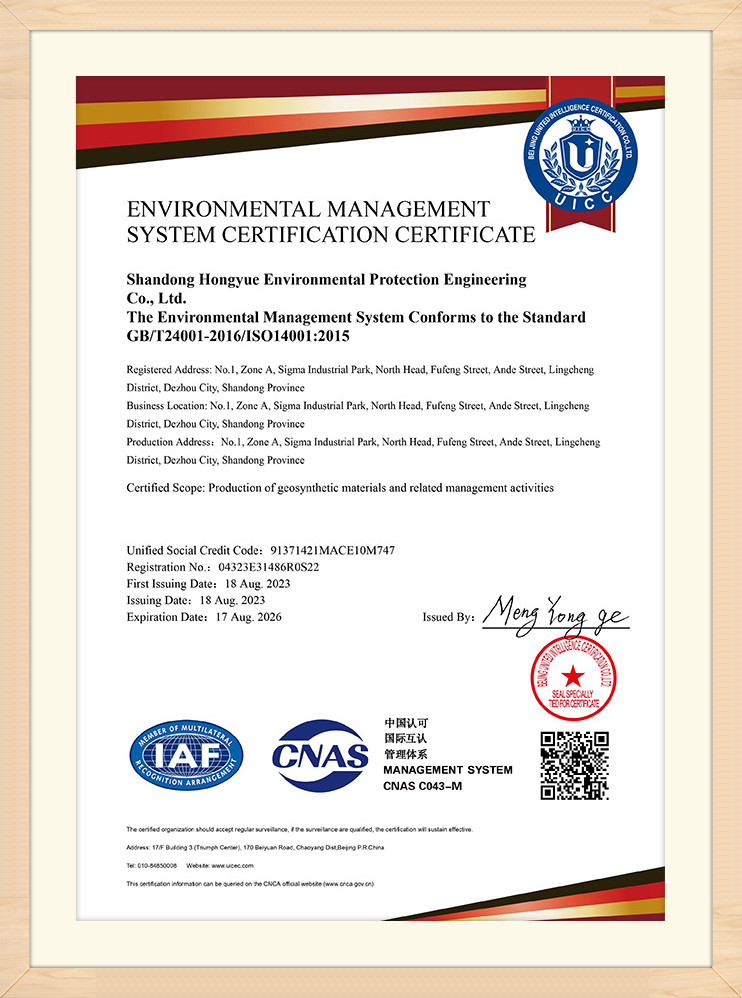
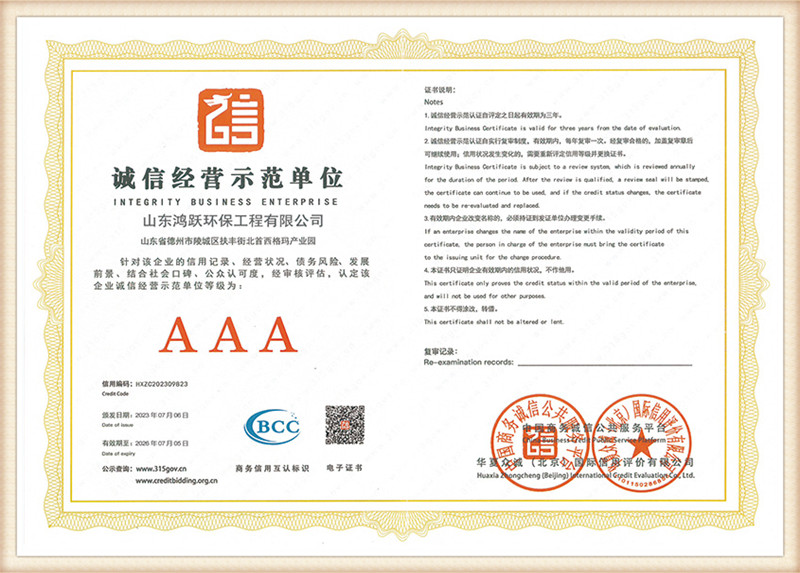
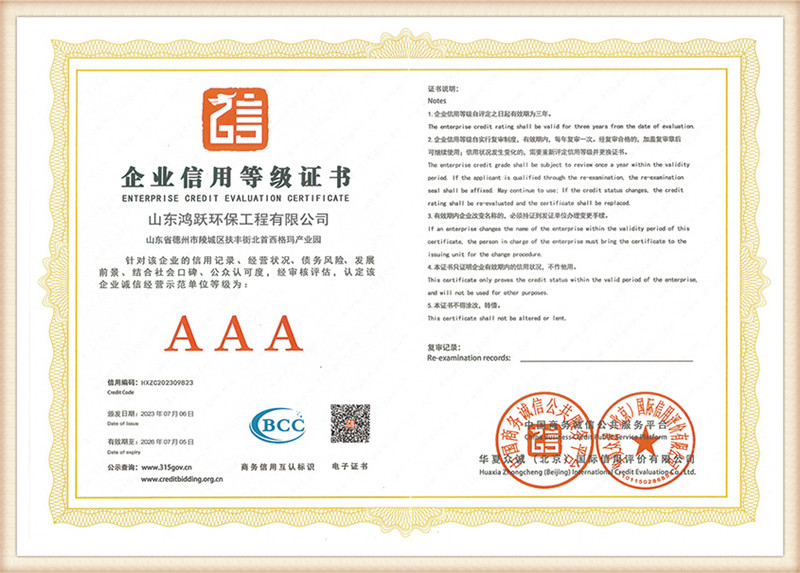
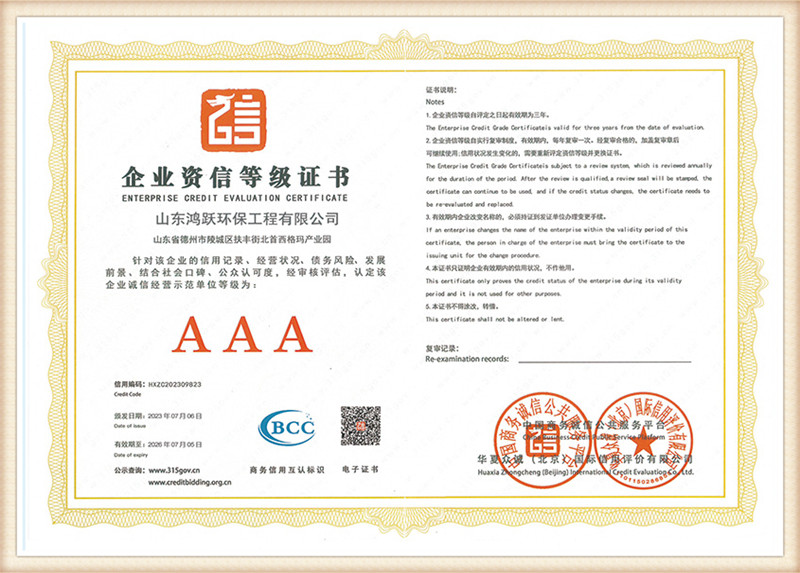
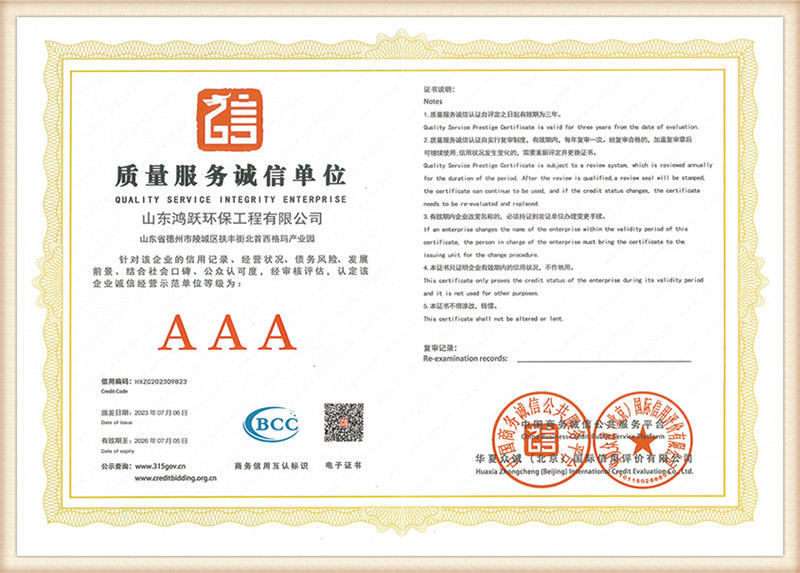
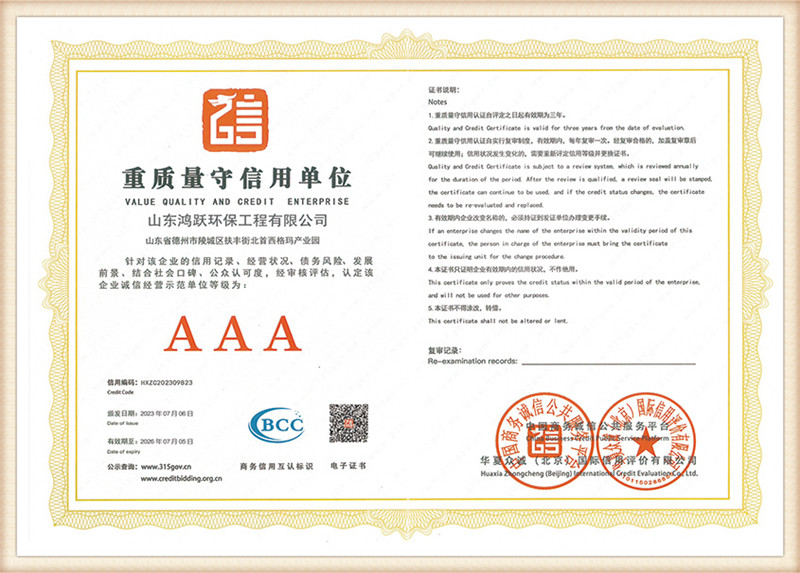
Shandong Hongyue Environmental Engineering Co., Ltd. operates a comprehensive quality management system certified under ISO9001, ISO14000 (Environmental Management), and ISO45001 (Occupational Health and Safety). We have received multiple state and provincial honors, including "Green Building Materials Products," "Famous Chinese Brand," and "Quality Service Double Excellent Unit."
Our on-site testing facility is equipped to perform wide-width tensile tests, hydrostatic burst testing, carbon black dispersion analysis, and long-term creep evaluation. All products comply with or exceed international ASTM standards. They are regularly verified by the China National Testing Center and national quality supervision sampling, guaranteeing reliability for international civil works.
Pioneering the Next Generation of Smart and Ecological Geosynthetic Materials
We are researching smart geotextiles integrated with fiber-optic micro-sensors. These sensors will monitor stress concentrations and subgrade settlements in real-time, allowing operators to detect potential structural failures early.
We are testing bio-based polypropylene alternatives and post-consumer recycled PET resins to lower the carbon footprint of our manufacturing process while maintaining durability and tensile performance.
To support high-load bridge structures, we are expanding our production of PVA woven geotextiles. These provide higher creep resistance and chemical stability in highly alkaline soils, such as near concrete structures.
Addressing Common Questions About Purchasing, Specifications, Durability, and Engineering Design
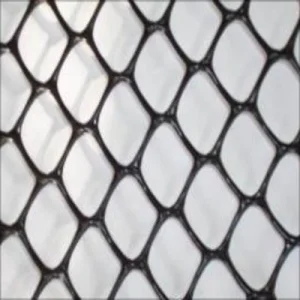
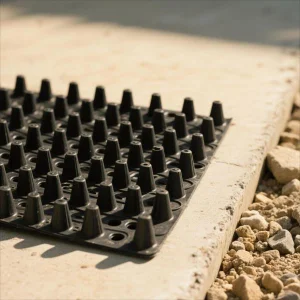
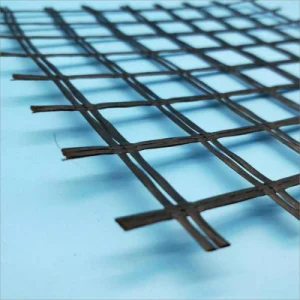
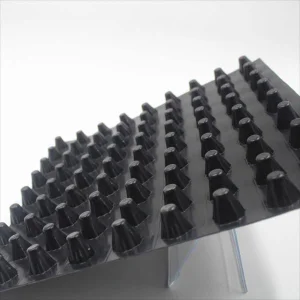
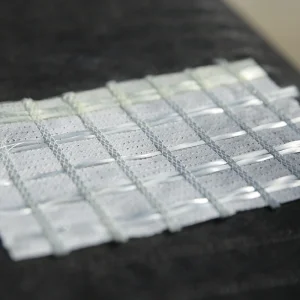
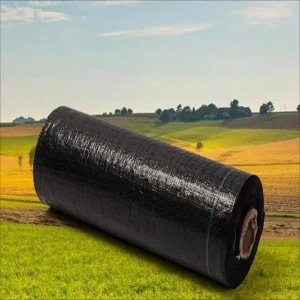
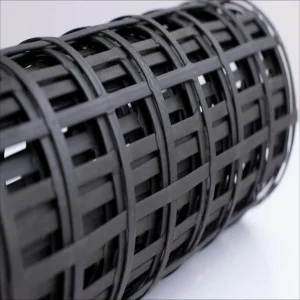
Premium Drainage Nets, Geogrids, and Ground Stabilization Fabrics
 Hongyue