Explore our engineering-grade geotextiles, geocomposites, and anti-seepage materials designed for critical civil infrastructure projects.
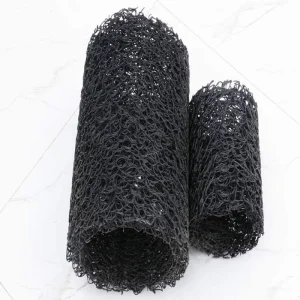
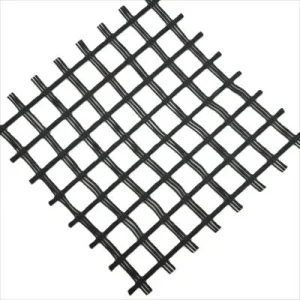
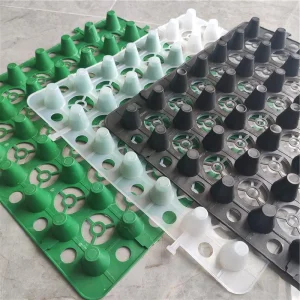
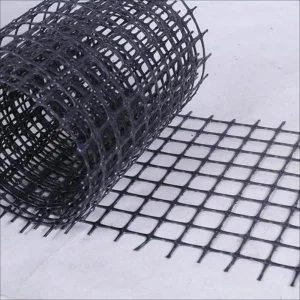
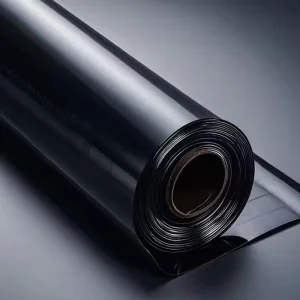
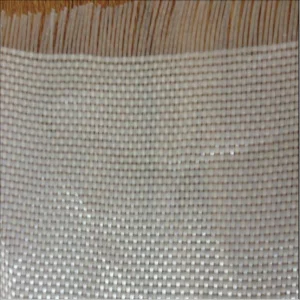
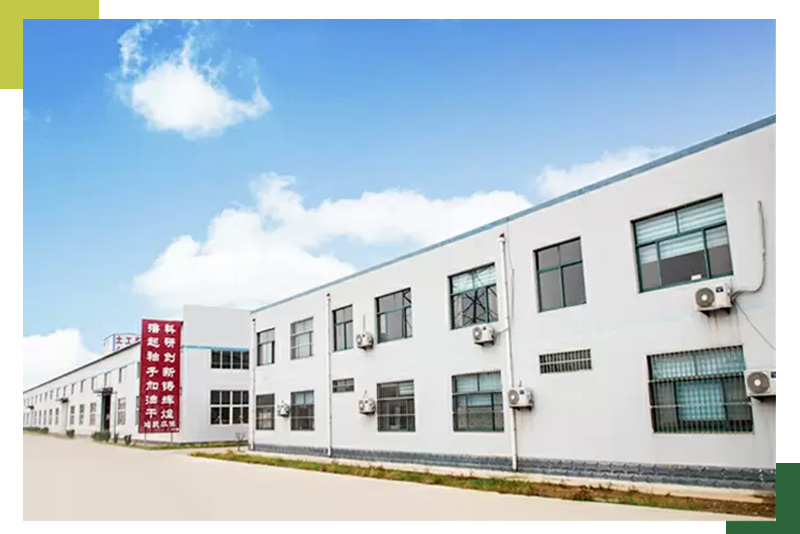
Located at the north end of Fufeng Street, Lingcheng District, Dezhou, Shandong Province, Shandong Hongyue Environmental Engineering Co., Ltd. is a scientific and technological geotechnical material manufacturer integrating engineering material production, sales, design, and construction services.
Registered in the Lingcheng District Market Supervision and Administration Bureau of Dezhou City on April 6, 2023, with a robust registered capital of 105 million yuan, we have quickly developed into one of the largest and most advanced production bases of geotechnical materials in China. Our superior geographical location and convenient transportation links allow us to efficiently distribute high-performance geotextile products worldwide.
An in-depth look at how polymer characteristics and mechanical structure prevent subgrade migration and secure critical structural foundations.
The primary function of soil separation fabric is to prevent two distinct soil layers with differing particle size distributions from intermixing. By maintaining separate subgrade and base coarse aggregate layers, the fabric preserves the structural integrity, load-bearing capacity, and dynamic load transfer capacity of roads, railways, and foundations over long-term operations.
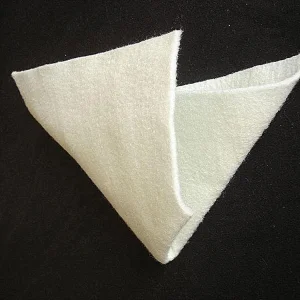
Properly engineered needle-punched nonwoven geotextiles offer high cross-plane water permeability while capturing fine soil particles. This process allows groundwater to flow freely without creating excessive pore water pressure, preventing piping actions and base erosion under dynamic traffic loading conditions.
In harsh installation conditions, fabrics are subjected to mechanical stress from sharp crushed aggregate and heavy compaction equipment. Utilizing high-tenacity polypropylene or polyester fibers yields excellent CBR puncture resistance and high tensile strength to survive rigorous installation phases.
| Property Designation | Test Standard | Light Duty (150 g/m²) | Medium Duty (300 g/m²) | Heavy Duty (500 g/m²) | Primary Target Applications |
|---|---|---|---|---|---|
| Tensile Strength (MD/CD) | ASTM D4632 | ≥ 6.5 kN/m | ≥ 15 kN/m | ≥ 25 kN/m | Subgrade stabilization & base separation |
| CBR Puncture Resistance | ASTM D6241 | ≥ 1,500 N | ≥ 3,200 N | ≥ 5,500 N | Protection against sharp aggregate piercing |
| Water Permeability | ASTM D4491 | 1.8 x 10⁻¹ cm/s | 1.2 x 10⁻¹ cm/s | 8.0 x 10⁻² cm/s | Ensures lateral and cross-plane drainage |
| Apparent Opening Size (AOS) | ASTM D4751 | 0.15 - 0.25 mm | 0.08 - 0.18 mm | 0.05 - 0.12 mm | Fines containment and filtration efficiency |
How we manufacture, lay, and maintain state-of-the-art geosynthetic liners to meet international civil engineering benchmarks.
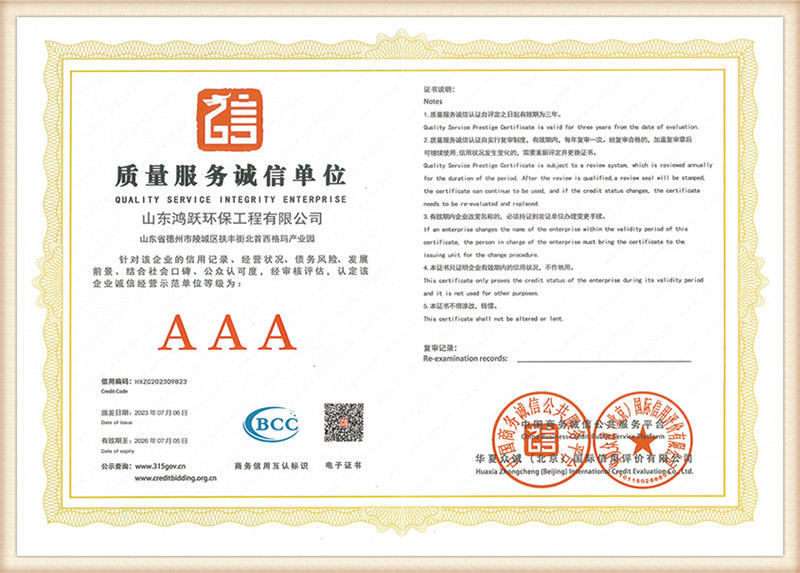
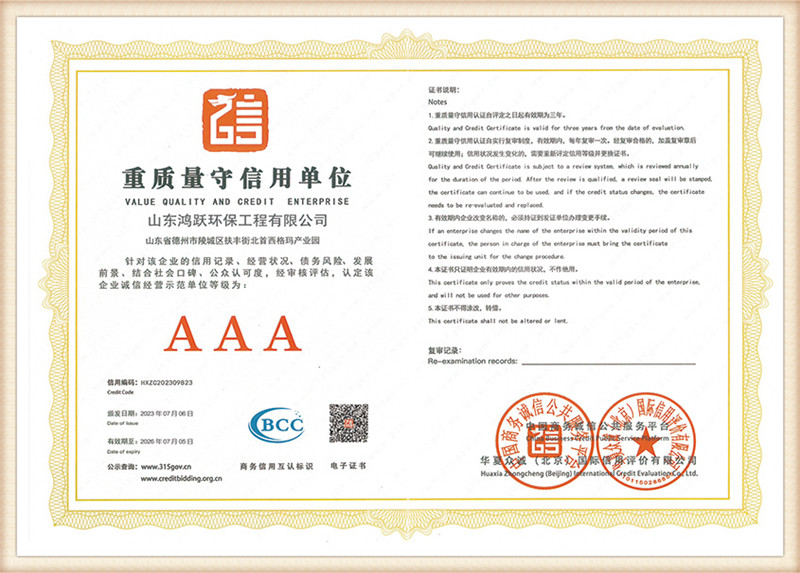
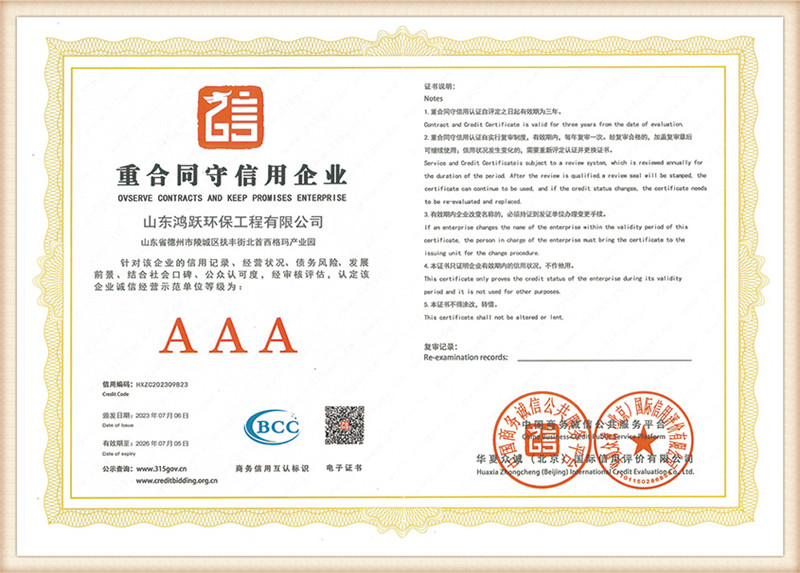
The primary ingredients of geotechnical fabrics are high-purity polyester (PET) chips, polypropylene (PP) granules, and viscose fibers. Every batch undergoes strict quality control and melt-index verification to guarantee consistent physical performance of the finished fabric.
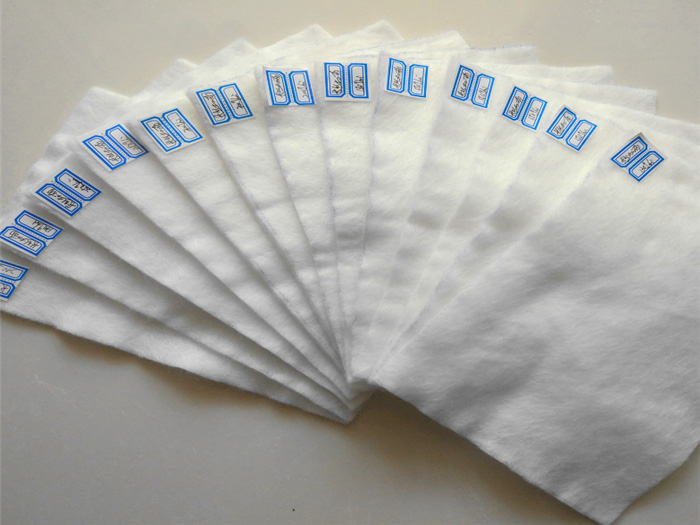
Polyester chips are heated to a molten state in a high-pressure screw extruder. The molten polymer is pumped through spinneret plates to form continuous micro-filaments. Polypropylene or viscose fibers are blended in at controlled ratios to establish UV-resistance and elasticity profiles.
The extruded filaments are drawn down by high-velocity air streams and distributed onto a continuous conveyor belt. This forms a web structure with multi-directional fiber orientation. Precise adjustments in web speed dictate the ultimate thickness and mass-per-unit-area of the geotextile.
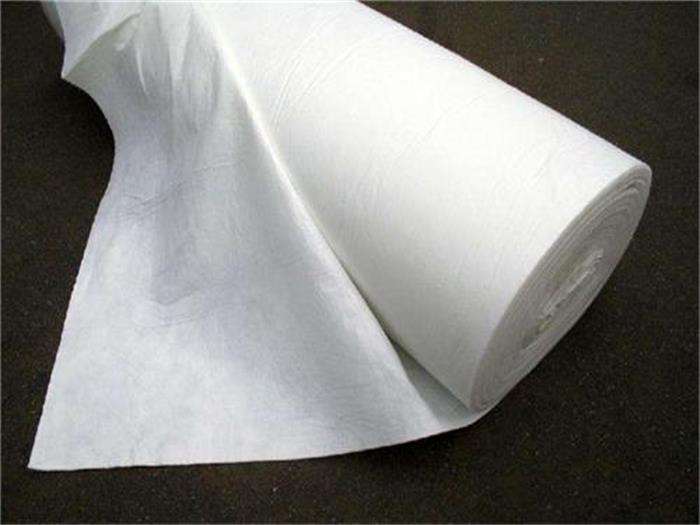
The loose fiber web passes through mechanical needle-punching machines. Thousands of barbed needles pierce the web vertically, entangling the filaments. Optionally, the fabric undergoes calendar thermal bonding or draft curing under precise temperatures to lock the fibers, increasing tensile strength and structural stability.
Following consolidation, the fabric is trimmed to exact widths and rolled under tension into standard industrial formats. Roll sizes are typically 4m to 6m wide to reduce overlap joints in large-scale construction zones. Outer packaging protects the fabric from UV radiation during transit.
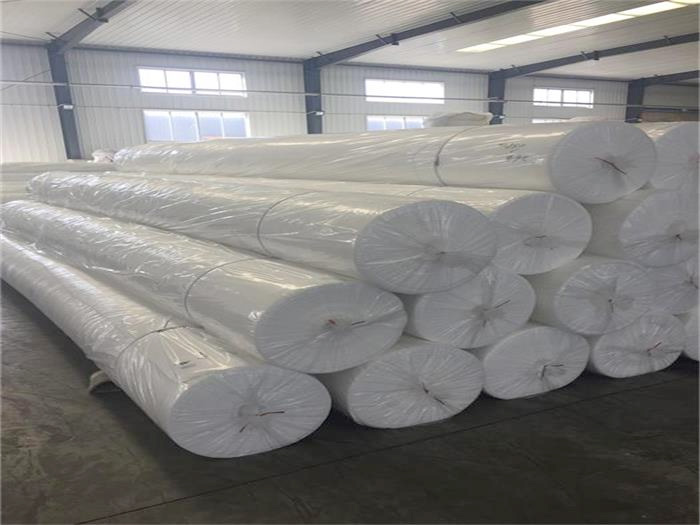
Samples from each roll undergo testing at our in-house testing facility. We measure tensile strength, elongation, trapezoidal tear resistance, CBR puncture limit, and apparent opening size. We ensure that our products meet or exceed ASTM, ISO, and CE certifications before dispatch.
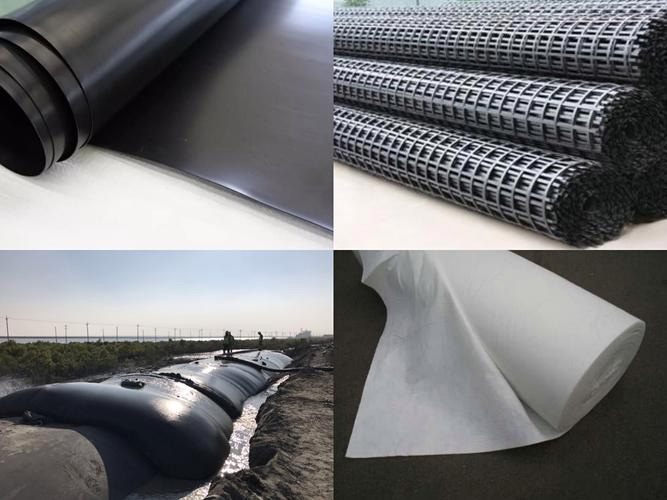
Deploying soil separation fabrics and geomembranes in critical infrastructure projects requires strict engineering protocols. Below are the key steps to ensure optimal performance:
The ground surface must be cleared of tree roots, large rocks, and debris. Any significant ruts or depressions should be graded and compacted. This prevents physical puncture of the barrier during stone placement.
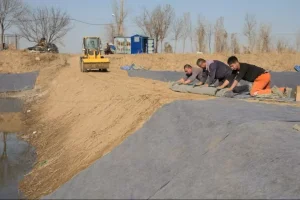
Rolls must be unrolled manually or mechanically in the direction of structural construction. For long slopes, the fabric should be laid from top to bottom. Avoid pulling the fabric too tight; a slight ripple allows for minor movement during soil compaction.
Adjacent rolls must overlap by at least 300mm to 500mm depending on subgrade strength (CBR value). In soft or saturated soils, overlaps should be heat-bonded or sewn using handheld industrial sewing machines. For geomembranes, double-track hot wedge welding is used to form a secure seal.
Our geosynthetics perform crucial functions in key projects across various provinces and cities globally. Key areas of application include:
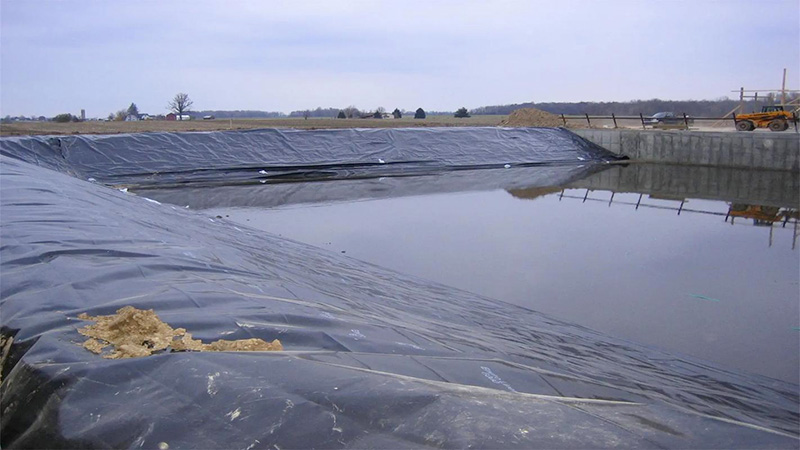
Our geomembranes and composite materials are widely used in reservoir beds, irrigation channels, and riverbanks. They control seepage losses, stabilize slopes, and protect adjacent subgrades from water-induced degradation.
During flood defense, geotextiles act as filters inside the dam core. They prevent the migration of fine silt while letting internal water pressure discharge safely, averting piping failures and structural collapse.
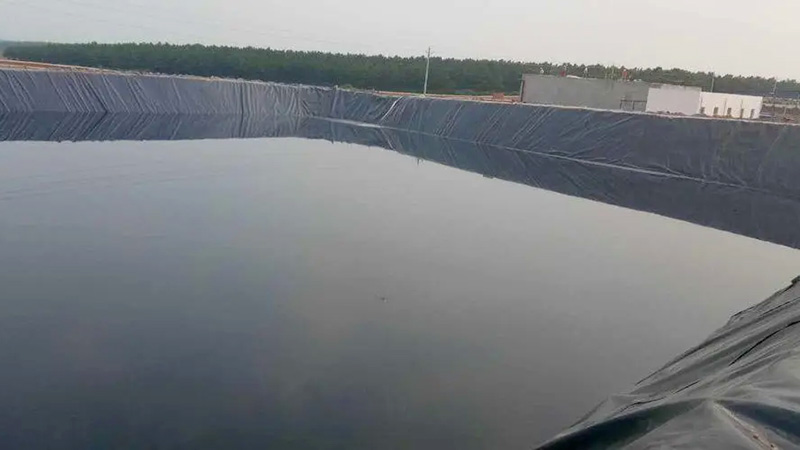
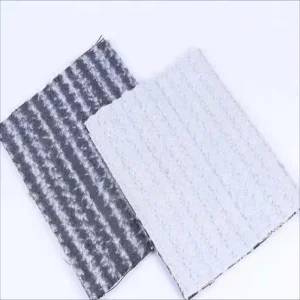
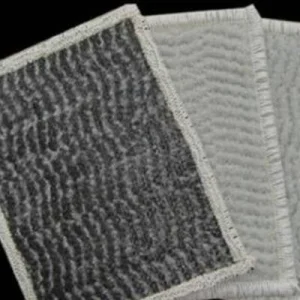
Landfills require double-layer containment systems. Standard configurations use high-density geomembranes, needle-punched geotextiles, and bentonite waterproof blankets to trap leachates, protecting municipal aquifers from chemical runoffs.
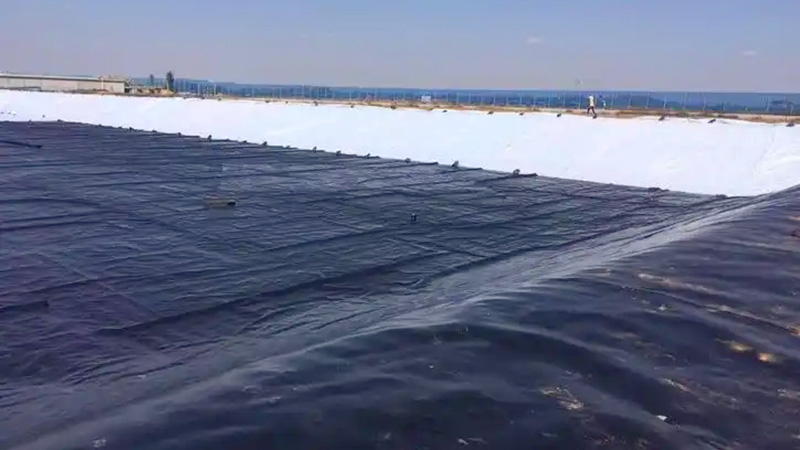
The global demand for high-performance soil separation fabrics is experiencing rapid growth, driven by massive infrastructure investments, urbanization, and climate change adaptation strategies. Globally, regulatory bodies like the Federal Highway Administration (FHWA) in the United States and the European Committee for Standardization (CEN) have set strict guidelines requiring geosynthetic separation layers in all highway and high-speed railway projects. This standardization ensures that subgrade materials do not mix with drainage aggregate, extending the operating life of infrastructure by up to 150%.
From a commercial perspective, procuring managers focus on two primary objectives: material longevity and purchasing efficiency. Traditional sourcing methods often involve complex distributor channels that add up to 40% in markups. By sourcing directly from large-scale factories, civil engineering firms can optimize their project budgets. The wholesale market relies on bulk container shipping from integrated hubs, where economies of scale reduce the cost per square meter, making extensive civil installations financially viable.
Shandong Province, particularly the Dezhou industrial region, is recognized globally as the largest hub for geosynthetics. This cluster provides a complete supply chain from raw petrochemical polymers to final roll packing. Shandong Hongyue Environmental Engineering Co., Ltd. leverages this proximity to secure raw polypropylene and polyester chips at competitive prices, insulating international clients from extreme market price volatility.
Our factory runs advanced extruders and wide-width needle-punching lines that operate continuously. This setup minimizes downtime, enabling us to manufacture up to 80,000 square meters of high-grade geotextile daily. Furthermore, Dezhou's logistics network connects directly to the Port of Qingdao, ensuring that bulk container orders are loaded, cleared through customs, and shipped globally with minimal delays.
The future of soil separation fabrics lies in real-time structural health monitoring. By weaving micro-fiber-optic sensors directly into the nonwoven matrix, engineers can detect subgrade shifts, strain distribution, and temperature changes. This technology provides early warning signs of dam cracks or landslide risks before catastrophic failure occurs.
Aligned with global carbon-reduction targets, our R&D team is developing biodegradable polymers derived from polylactic acid (PLA) and high-strength recycled PET. These eco-friendly geotextiles are tailored for temporary reinforcement projects, leaving zero microplastic residues in the environment once the soil consolidates.
Get answers to common technical and commercial questions about choosing, importing, and applying soil separation fabrics.
Polyester (PET) geotextiles have a higher melting point and excellent creep resistance, making them ideal for high-temperature paving and long-term tensile reinforcement. Polypropylene (PP) geotextiles are lighter, have excellent chemical and acid/alkali resistance, and perform exceptionally well in wet soils, environmental waste management, and landfill liners.
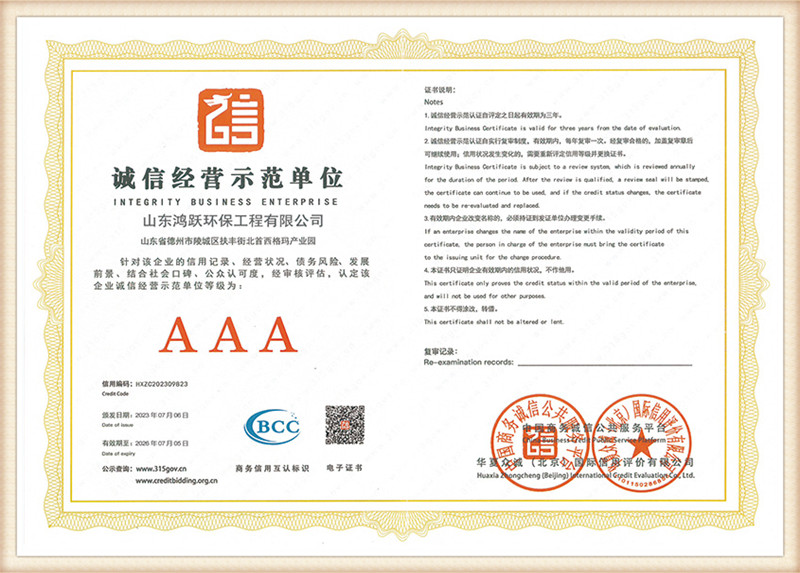
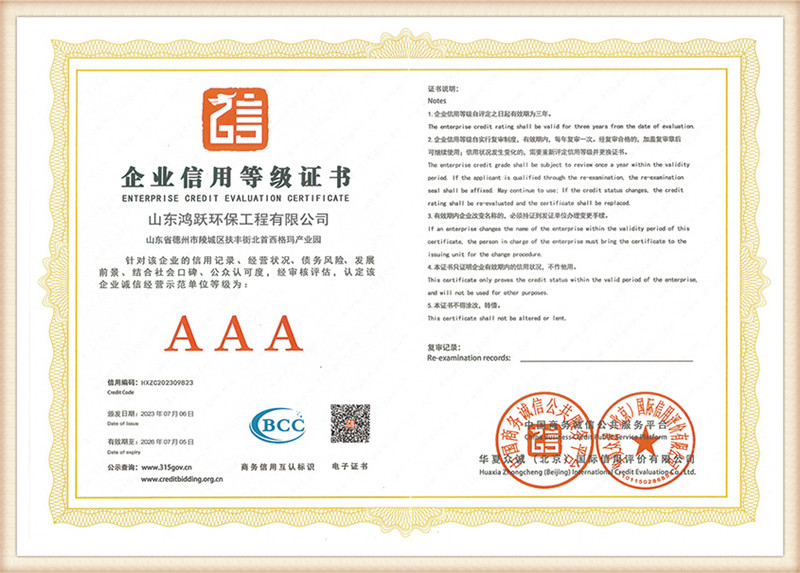
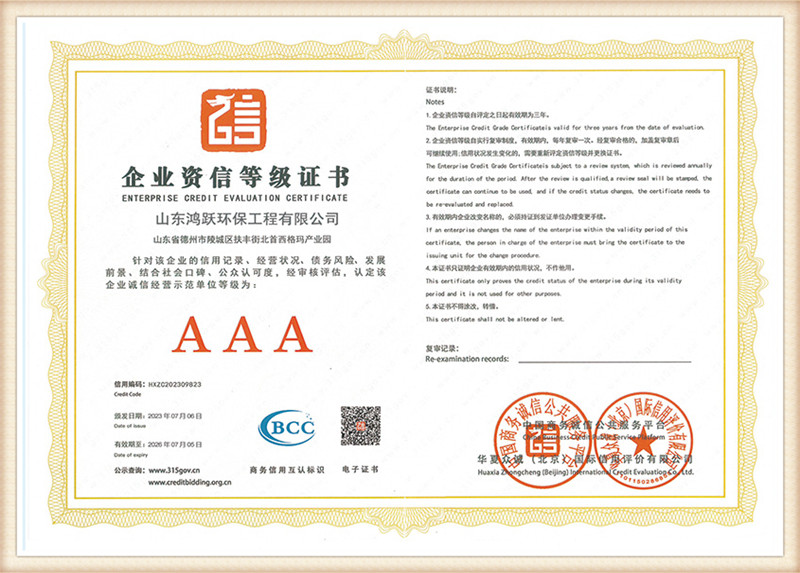
Shandong Hongyue operates an in-house laboratory certified by national testing centers. Our materials undergo testing under ASTM (American Society for Testing and Materials) and ISO/EN guidelines. Additionally, our products carry CE certification, proving compliance with European health, safety, and environmental standards.
The wholesale price is primarily determined by three variables: the polymer raw material cost (PP/PET), the mass per unit area (g/m²), and shipping logistics. Buying directly from China in bulk container quantities lowers the cost per square meter compared to regional distributor networks. Contact us for custom quotes based on your project specifications.
We provide a 24-hour comprehensive technical support service. Our engineering team assists with material selection, joint welding layout designs, and installation calculations to ensure your project stays on schedule and complies with local design standards.
Browse our specialized waterproofing, drainage, and slope protection products for challenging geological environments.

 Hongyue