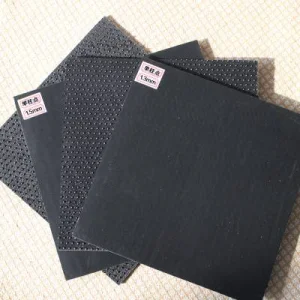
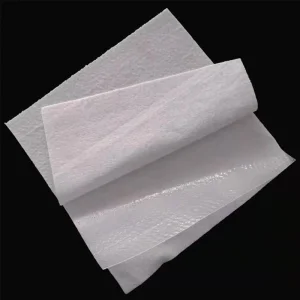
Select industrial engineering solutions designed to international structural safety specifications.
Analyzing structural performance, polymer design, and regulatory demand driving modern geotechnical and packaging infrastructures.
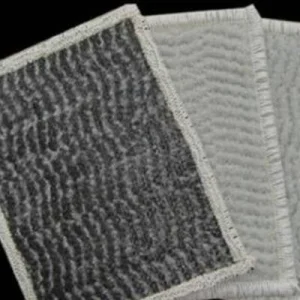
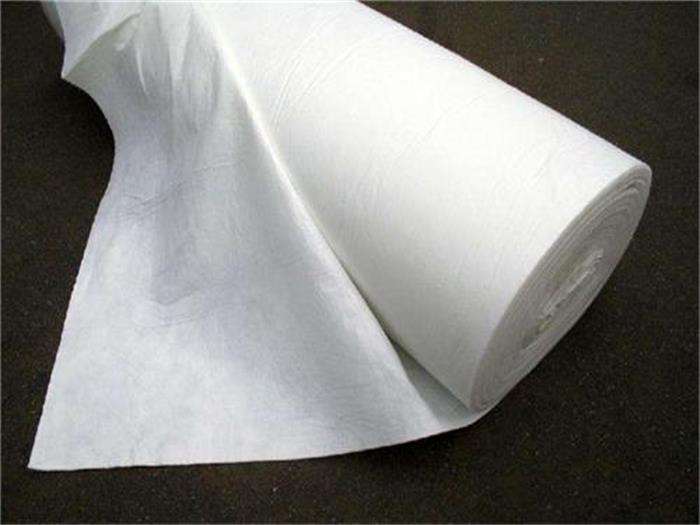
The global transition away from single-use plastics has catalyzed a structural shift towards Non-Woven Polypropylene (NWPP) and composite ecological barrier systems. While commercial retail sectors utilize lightweight non-woven bags to meet zero-waste policies, heavy industries and environmental engineers deploy heavy-grade, needle-punched non-woven geobags and composite systems. These materials play critical roles in slope stabilization, erosion protection, and hydraulic structures.
Under international environmental guidelines, non-woven eco bags must meet rigorous requirements for tensile strength, permeability, UV resistance, and chemical stability. By using advanced polymer extrusion methods, modern factories manufacture non-woven fabrics that serve as stable, long-term filtration layers. These layers retain soil particles while permitting the free passage of water, effectively preventing structural collapse in dynamic hydrological conditions.
Today's procurement directors must balance mechanical performance with overall cost-efficiency. Our integrated supply chain at Shandong Hongyue Environmental Engineering Co., Ltd. addresses this challenge. We combine scientific geocomposite formulation with high-efficiency output to deliver certified environmental materials that perform reliably under complex field conditions.
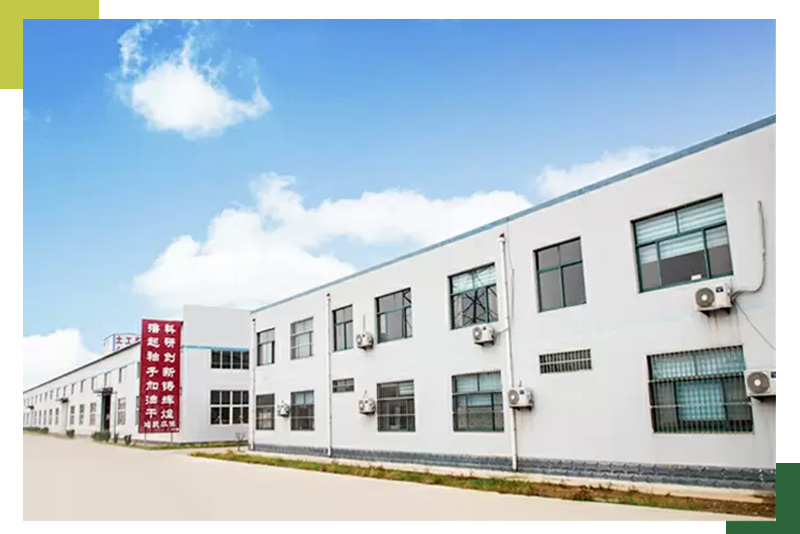
Shandong Hongyue Environmental Engineering Co., Ltd. — Your trusted partner in scientific geotechnical material fabrication.
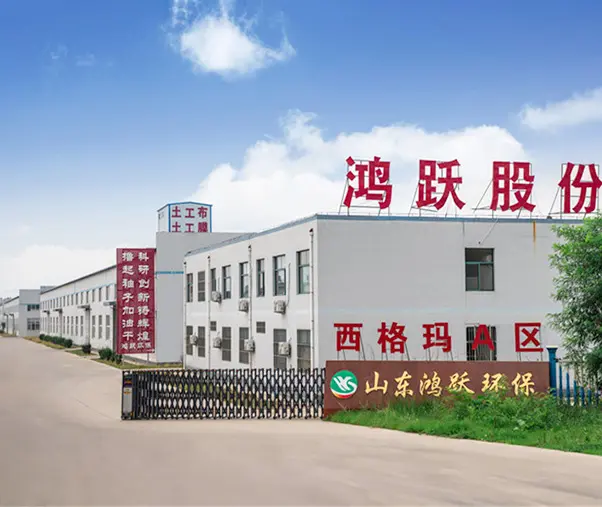
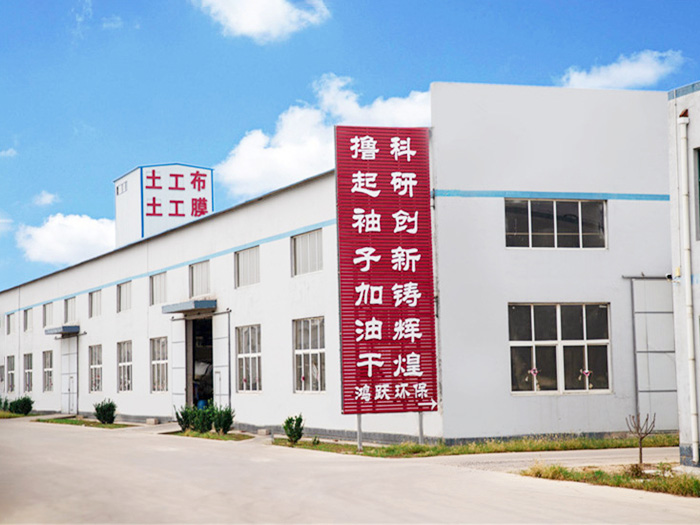
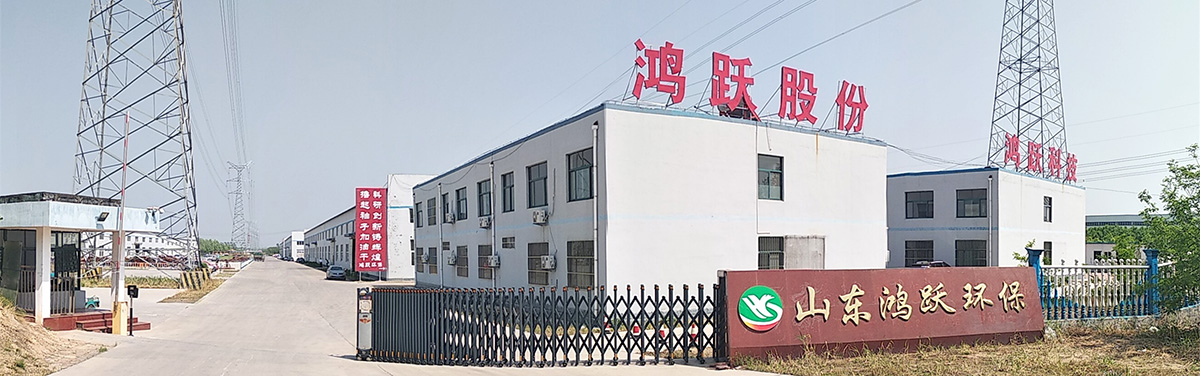
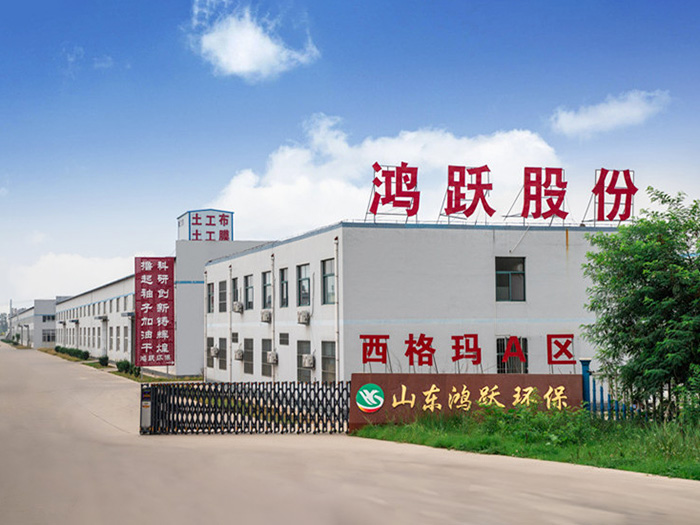
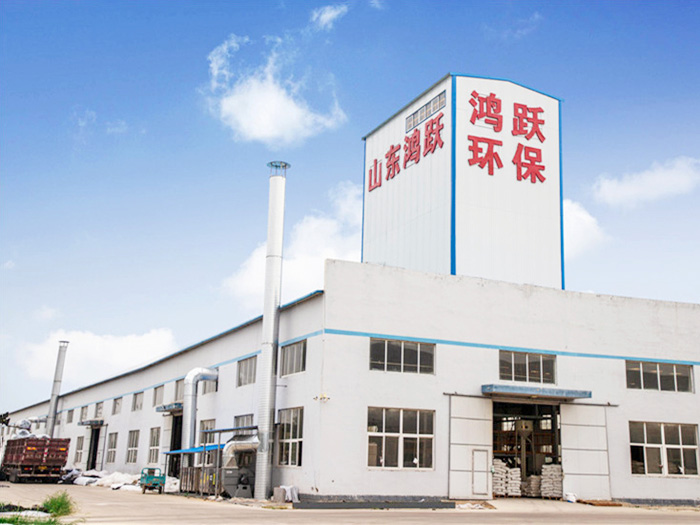
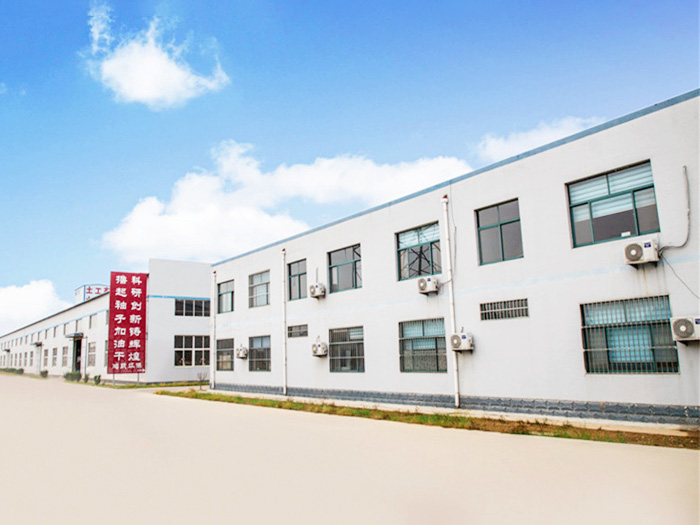
Located at the north end of Fufeng Street, Lingcheng District, Dezhou, Shandong Province, Shandong Hongyue Environmental Engineering Co., Ltd. is a scientific and technological geotechnical material manufacturer integrating engineering material production, sales, design, and construction services. The company was registered in Lingcheng District Market Supervision and Administration Bureau of Dezhou City on April 6, 2023, with a registered capital of 105 million yuan. Today, it stands as one of the largest production bases of geotechnical materials in China, benefiting from a superior geographical location and convenient transport networks.
Our comprehensive business operations cover geosynthetics, waterproofing membrane production, sales, construction, and international goods import/export. With a highly qualified technical team and state-of-the-art testing equipment, we are active members of the Dezhou Geotextile Association. Our products are widely used in highways, railways, bridges, tunnels, reservoir and canal water conservancy projects, artificial lakes, environmental protection, aviation, mining, and agricultural installations worldwide.
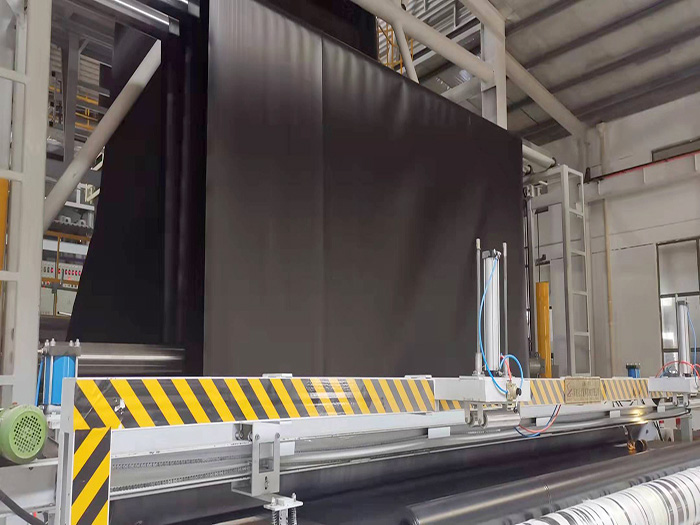
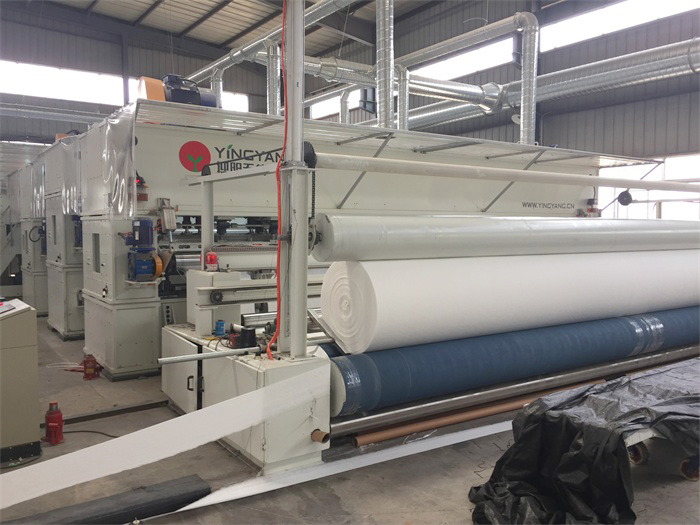
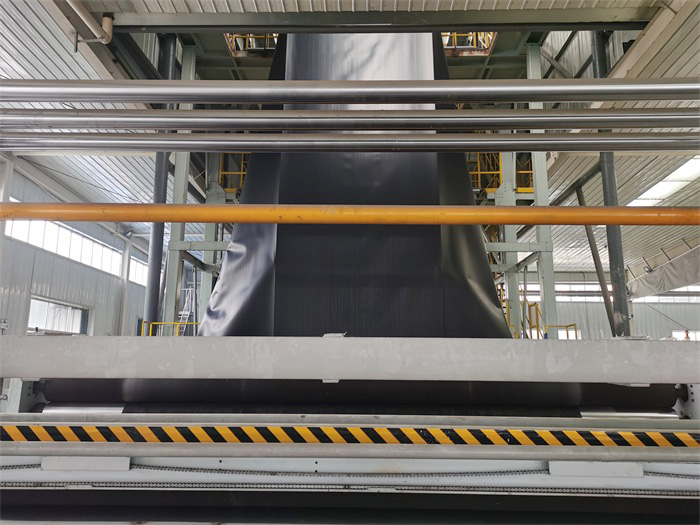
Meticulous manufacturing phases executed under strict quality controls to ensure high tensile performance.
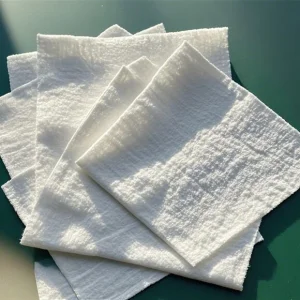
Geotextiles are widely used civil engineering materials that perform key functions in filtration, separation, reinforcement, and protection. Our production line utilizes modern, high-precision equipment to process raw polymers into durable non-woven fabrics. By maintaining strict control over parameters like temperature, draft ratios, and needle density, we ensure consistent physical properties in every batch.
Through this standardized approach, we achieve a high degree of fiber entanglement. This structure allows our non-woven eco bags to withstand tough installation conditions and perform reliably over a long service life, even in demanding engineering applications.
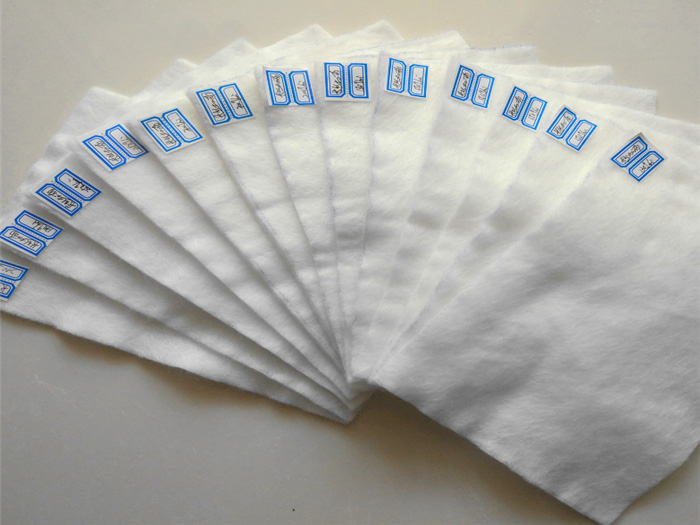
The primary raw materials used are high-grade polyester chips, polypropylene filament, and viscose fibers. These materials undergo strict entry inspections and are stored in moisture-controlled areas to protect their molecular stability.
Polyester slices are melted at high temperatures and extruded through a screw system, where they are mixed with polypropylene and viscose fibers. Temperature and pressure are monitored continuously to maintain uniform viscosity.
The molten mixture is extruded through a spinneret, forming fine fibers that lay down as a uniform web on a moving conveyor belt. Staff adjust the laydown speed to control the density, thickness, and fiber orientation of the web.
The web passes through a series of needle looms. Thousands of barbed needles repeatedly punch the web, interlocking the fibers. Next, a draft curing process stretches the material to align the fibers and increase tensile strength.
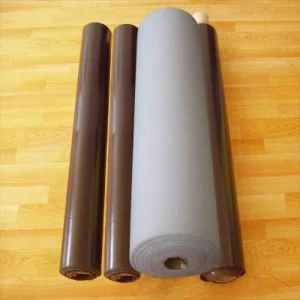
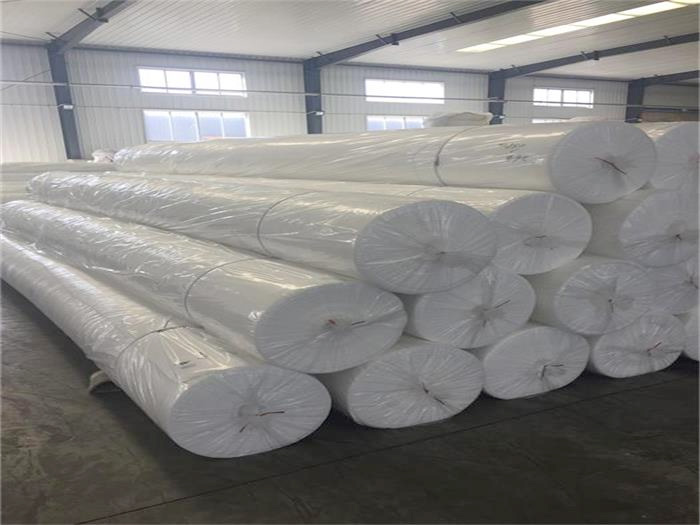
Once cured, the geotextile is trimmed to specified widths, wound onto heavy-duty cores, and wrapped in protective film to shield it from moisture and UV damage during transport.
Samples from every batch undergo physical and chemical testing. We measure key performance metrics, including tensile strength, puncture resistance, and permeability, to ensure compliance with relevant standards.
How to choose, lay, and maintain synthetic liners to ensure long-term containment and leak prevention.
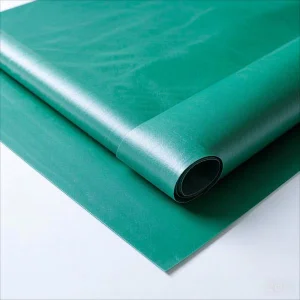
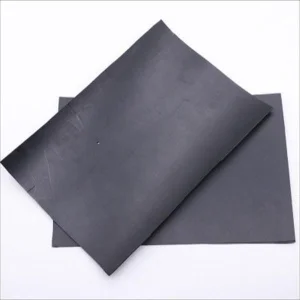
Geomembranes serve as critical containment liners in modern environmental engineering projects. Selecting the right polymer, such as High-Density Polyethylene (HDPE) or Linear Low-Density Polyethylene (LLDPE), is essential to meeting the chemical and mechanical demands of the site. Liner thickness generally ranges from 0.3mm for light agricultural containment to over 2.0mm for heavy-duty industrial and municipal landfill applications.
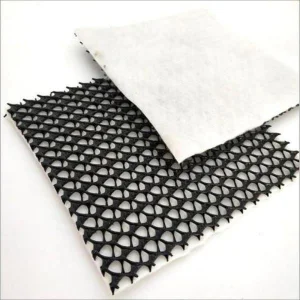
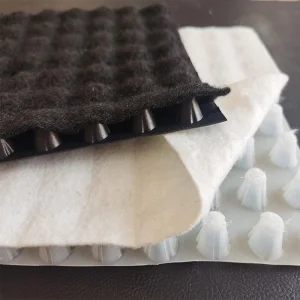
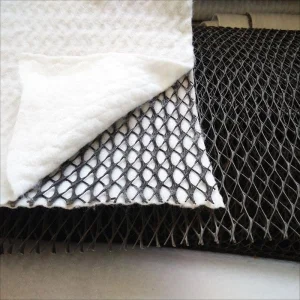
Proper site preparation is crucial for a successful installation. The subgrade must be compacted and cleared of sharp rocks, roots, or debris that could puncture the liner. In many designs, a non-woven geotextile layer is placed beneath the geomembrane to act as a cushion, distributing stress and protecting the liner from physical damage.
Seaming and joint treatment are critical steps in the installation process. Technicians use thermal wedge fusion welding for long, straight seams and extrusion welding for detail work and repairs. Regular quality control, including destructive and non-destructive seam testing, helps ensure the long-term integrity of the containment system.
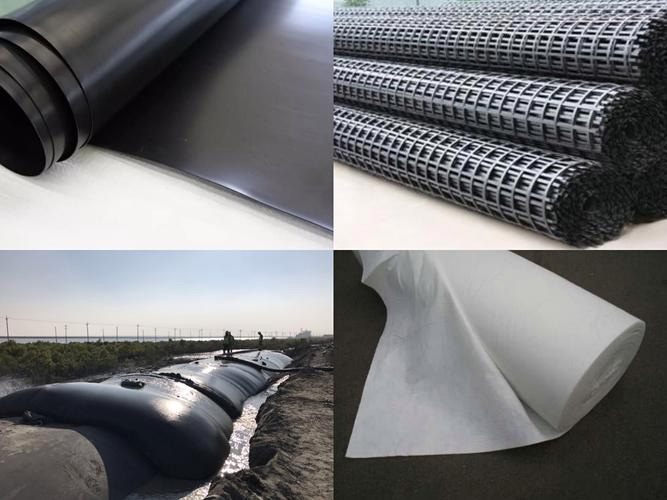
Choose the correct polymer formulation based on chemical resistance requirements, thermal expansion factors, and site conditions.
We supply liner thicknesses from 0.3mm to 2.0mm, allowing engineers to match the material profile to the specific pressure and puncture risks of the project.
Thermal fusion welding forms strong, continuous seams, helping to prevent leakage along panel joints across the containment area.
Our products are tested and certified to meet high international engineering and environmental safety standards.
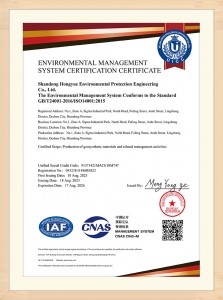
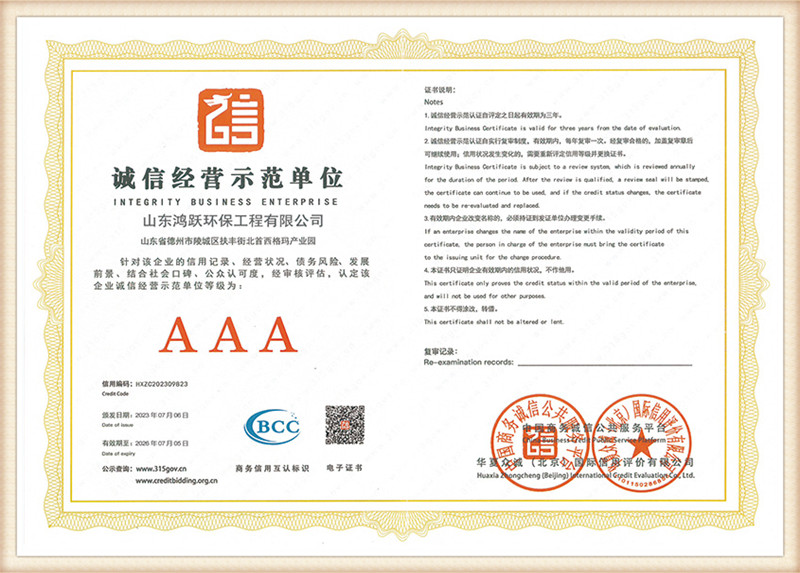
Shandong Hongyue Environmental Engineering Co., Ltd. operates under a comprehensive, certified quality management framework. We have successfully obtained ISO9001:2015 International Quality Management System, ISO14001:2015 Environmental Management System, and ISO45001:2018 Occupational Health and Safety Management System certifications.
Our production facilities utilize modern testing equipment to monitor quality throughout the manufacturing process. Key properties, such as tensile strength, tear resistance, hydraulic conductivity, and long-term UV resistance, are verified prior to shipment. All products undergo testing by the China National Testing Center and conform to national quality standards.
This commitment to consistent product quality has earned the company numerous recognitions, including the title of "Green and Environmentally Friendly Building Materials Products," "China Famous Brand," and "High-Tech Industry" status, reflecting our focus on reliable manufacturing practices.
Our geotechnical systems perform critical functions in civil infrastructure and environmental protection projects worldwide.
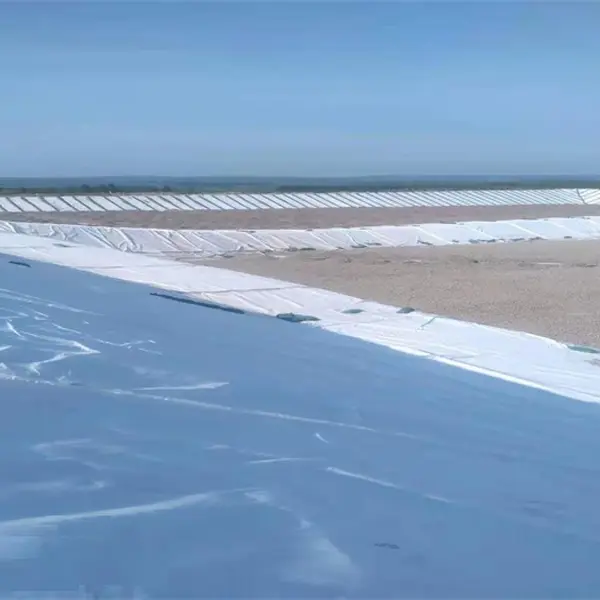
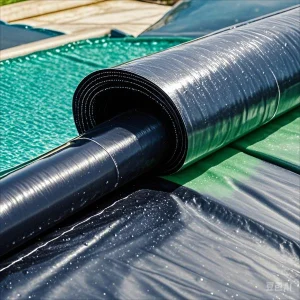
HDPE geomembranes and non-woven cushioning layers line reservoirs and canals, minimizing water loss from seepage and stabilizing the subgrade.
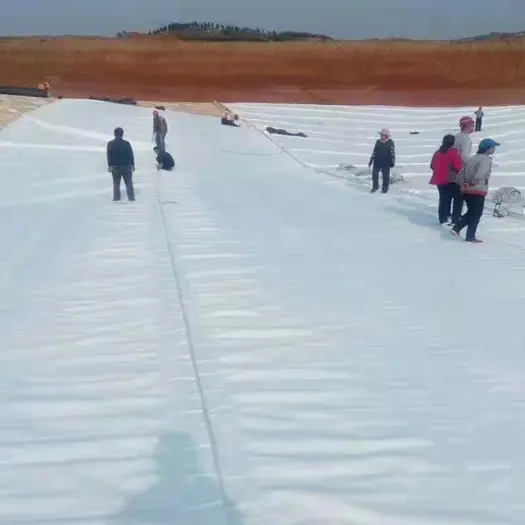
Composite geotextiles protect channels from bank erosion and scour, helping to manage water flow and support local riparian vegetation.
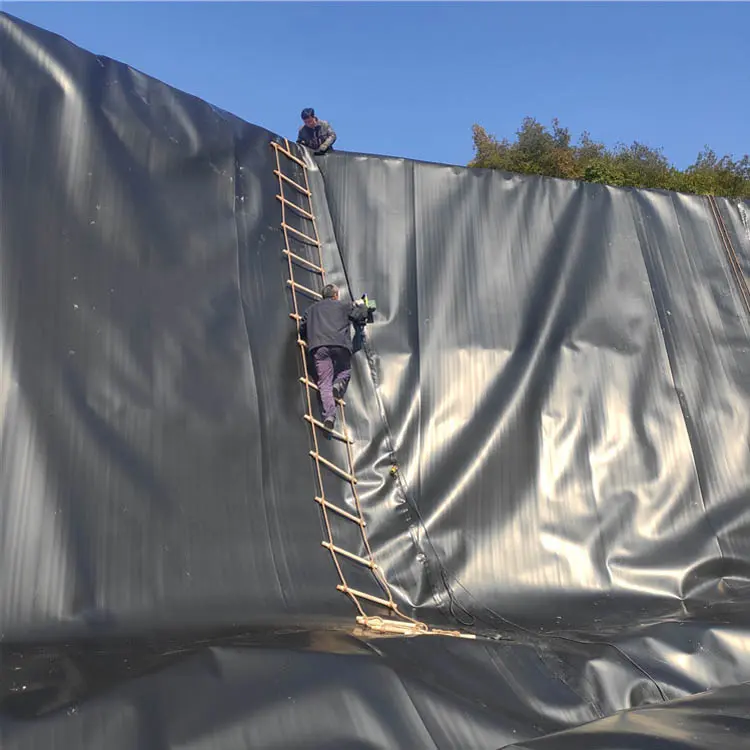
Multi-layered lining systems, including GCLs and heavy geomembranes, isolate municipal and industrial waste to protect groundwater from contamination.
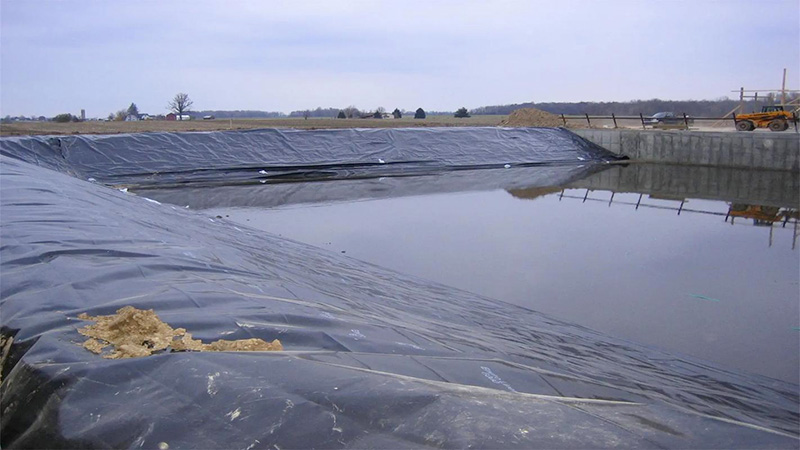
Non-woven geobags filled with soil are stacked along slopes and shorelines to provide immediate erosion protection while allowing vegetation to establish roots.
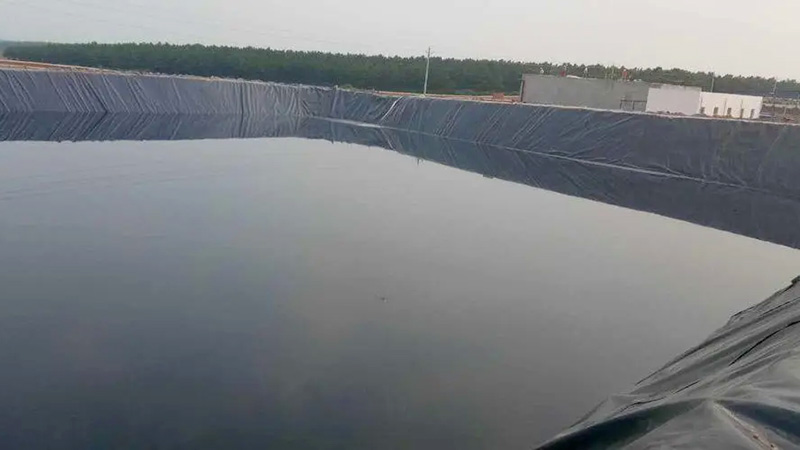
Geotextile tubes and bags reinforce dykes and levees, helping them withstand wave action and high-water events during seasonal floods.
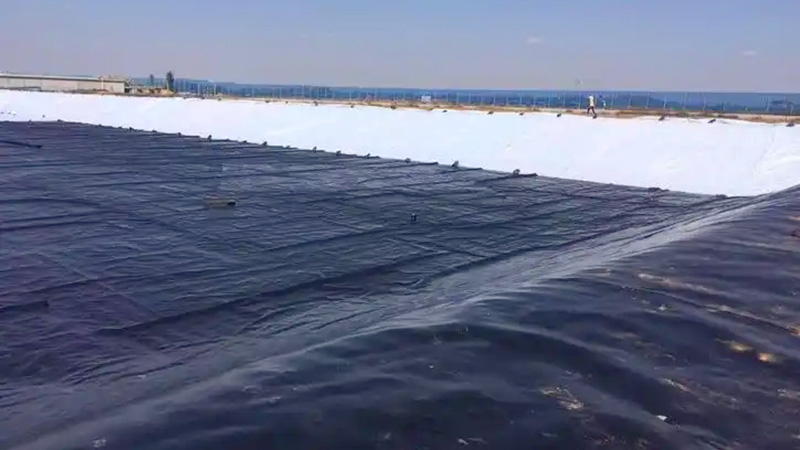
Large-format geotextile containers are placed along shorelines and breakwaters to absorb wave energy and stabilize coastal foundations.
Key supply chain factors, technical considerations, and market trends for international purchasers of non-woven and geosynthetic materials.
B2B buyers of non-woven eco bags and geosynthetics must carefully evaluate a range of technical specifications to ensure compatibility with their project requirements. Key factors include mass per unit area, tensile elongation limits, pore size distribution, and long-term chemical resistance. Sourcing from experienced manufacturers allows buyers to customize roll dimensions, sewing configurations, and material blends to meet local regulatory and installation demands.
Supply chain reliability and logistics efficiency are also critical, particularly for large-scale infrastructure projects. Our location in Dezhou, Shandong Province, provides access to established highway networks and rail hubs, streamlining transport to major sea ports like Qingdao and Tianjin. This proximity helps us maintain reliable delivery schedules and minimize shipping delays for global shipments.
Additionally, compliance with international standards remains a priority for modern procurement teams. Working with manufacturers that maintain ISO certifications, CE markings, and transparent testing records helps buyers simplify local approval processes and ensure the materials meet project specifications.
Clear answers to common questions about non-woven materials, geomembranes, and international logistics.
We primarily use high-grade polyester (PET) chips, polypropylene (PP) filament, and viscose fibers. The choice of polymer depends on the application: PP filament is favored for its high chemical resistance, while PET offers excellent thermal stability and long-term durability in varied subgrades.
We operate under a certified quality management system conforming to ISO 9001, ISO 14001, and ISO 45001. Samples from each batch are tested for thickness, tensile strength, and permeability in our in-house lab, and our products undergo regular verification by third-party testing organizations.
Lead times vary based on the order size and custom specifications, but typically range from 15 to 30 days. Our location in Dezhou allows for efficient road transit to major northern Chinese ports, helping us dispatch shipments promptly once production is complete.
Yes, we can customize roll widths, lengths, and unit weights to meet your project specifications. Our engineering team can work with you to determine the appropriate dimensions based on your installation methods and site logistics.
Common field verification methods include air pressure testing for dual-track hot wedge seams and spark testing or vacuum box testing for single-track extrusion welds. These methods check the continuity and strength of the joints across the lined area.
High-performance engineering materials for filtration, reinforcement, and containment systems.
 Hongyue