Engineered geotextiles and membranes designed for high tensile strength, supreme puncture protection, and severe geological containment demands.

Evaluating macro-demand dynamics, engineering benchmarks, and modern infrastructure adaptation strategies.
In the modern era of civil engineering, industrial development, and environmental protection, structural containment integrity is of paramount importance. Traditional earthen and concrete protection methods are increasingly being superseded by advanced geosynthetics. The global geotextile protection market is witnessing unprecedented growth, driven by stringent municipal environmental policies, heavy capital allocations for intercontinental transportation infrastructure, and the necessity to secure landfills and tailing ponds against catastrophic failures.
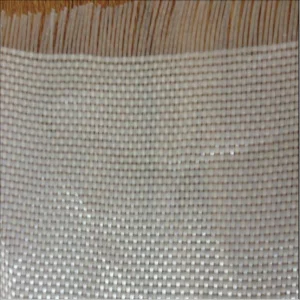
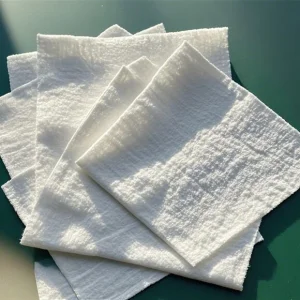
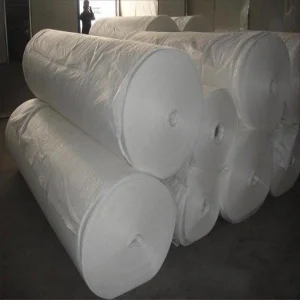
Geotextiles act as critical physical shielding layers, protecting delicate impermeable geomembranes from localized mechanical punctures, stone shear damage, and high concentrated point loads. Our factory-direct wholesale platforms enable procurement managers to bypass intermediate distribution costs, obtaining direct access to specialized materials configured precisely for regional ASTM, ISO, and EN compliance requirements. By sourcing from state-of-the-art facilities, buyers secure robust structural guarantees alongside significant material margin savings.
Underpinning infrastructure security with massive production assets, capital depth, and validated engineering metrics.
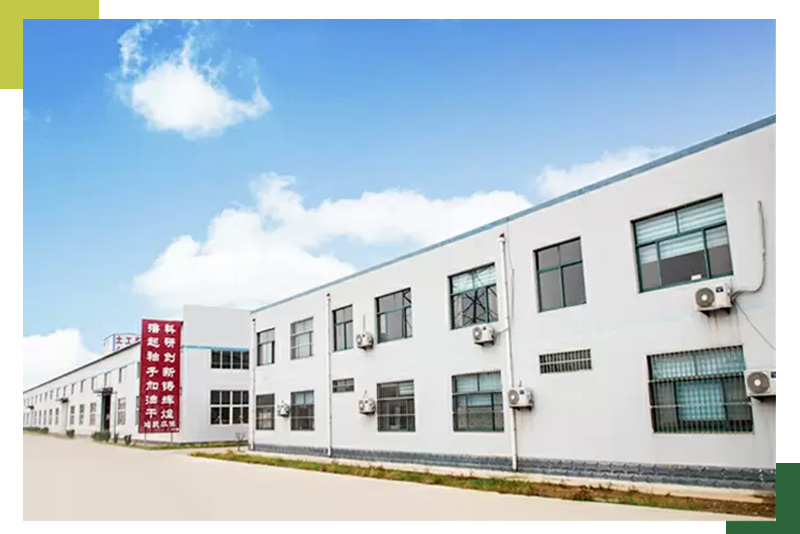
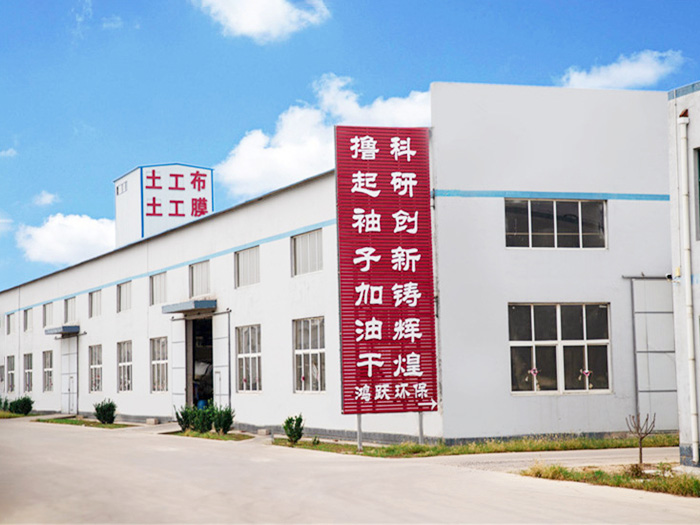
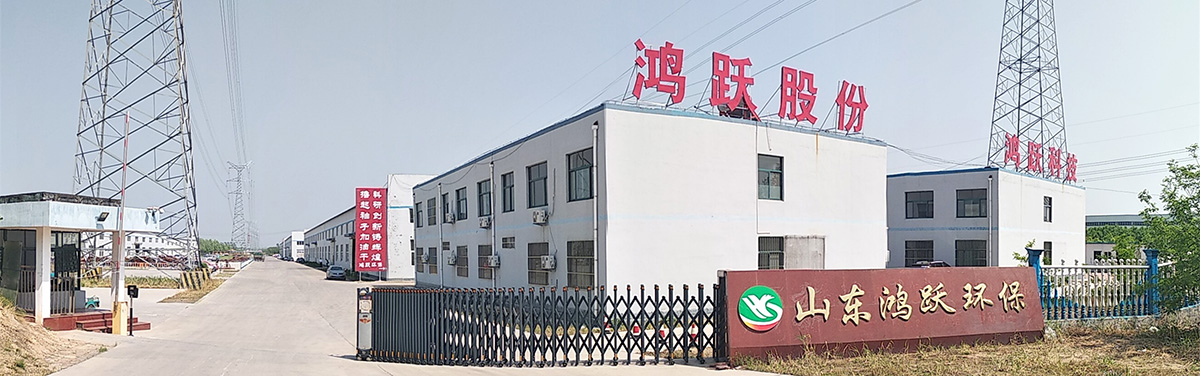
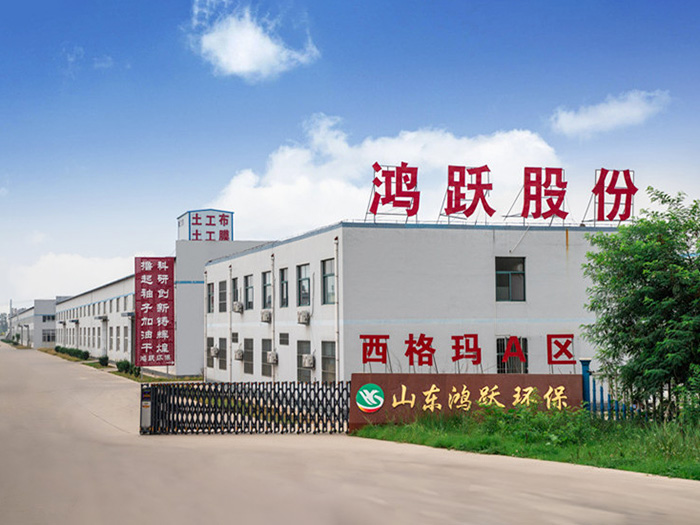
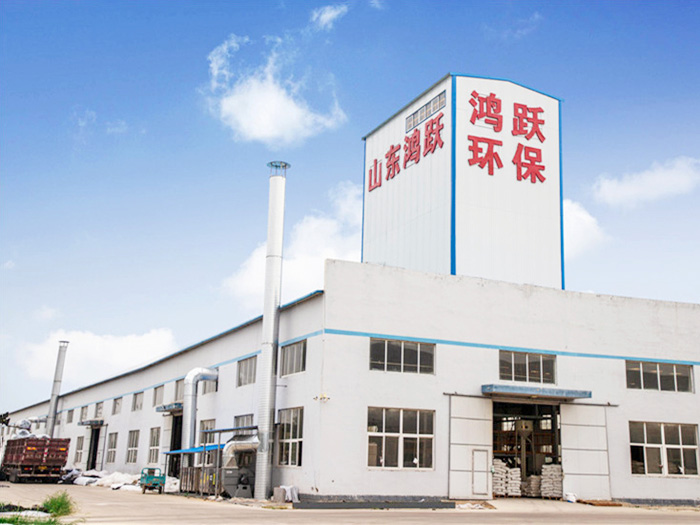
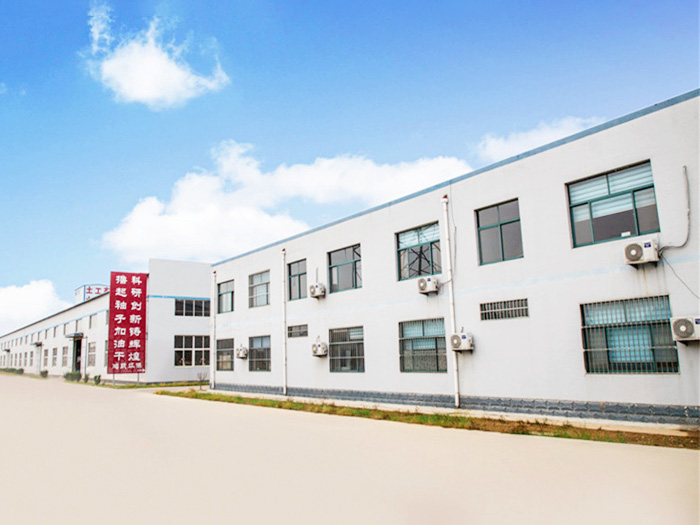
Located at the north end of Fufeng Street, Lingcheng District, Dezhou, Shandong Province, Shandong Hongyue Environmental Engineering Co., Ltd. is a leading scientific and technological geotechnical material manufacturer integrating engineering material production, sales, design, and construction services. Registered with a robust capital structure of 105 million yuan, our operations constitute one of the largest production bases of geotechnical materials in China, supported by superior geographical logistics networks and convenient railway and port accesses.
How raw polymers are transformed through precise mechanical and thermal steps to create high-performance geotextile protection barriers.
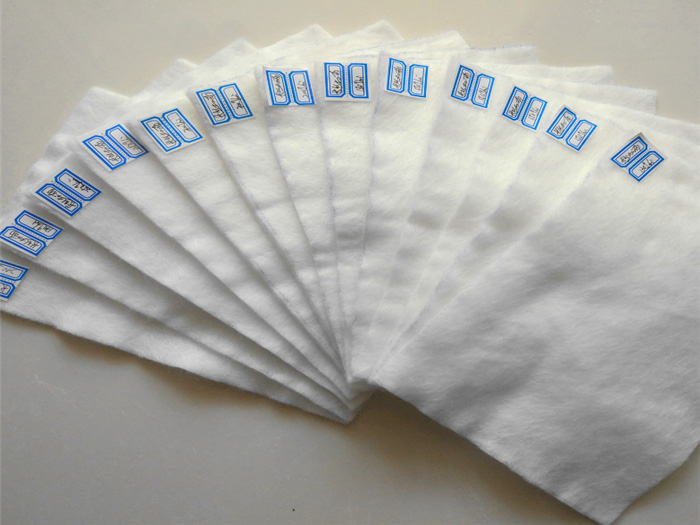
High-purity raw materials such as premium polyester (PET) chips, polypropylene (PP) filament, and viscose fibers undergo inspection. This step ensures thermal stability, UV resistance additives, and baseline molecular weight configurations prior to heat processing.
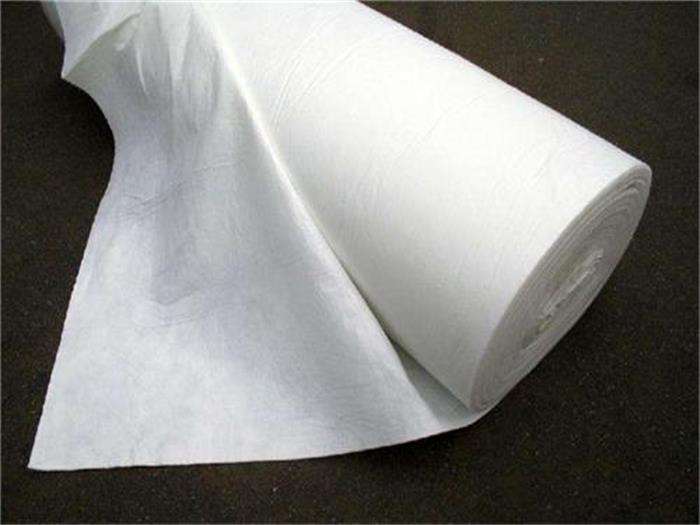
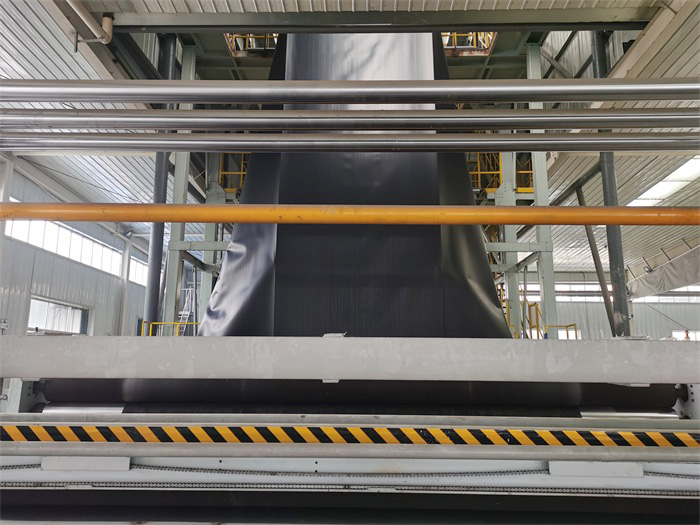
Polyester slices are melted at high temperatures and extruded via precise multi-nozzle spinnerets to form continuous fibers. These fibers are distributed across high-speed conveyor belts to produce a uniform, three-dimensional overlapping web structure.
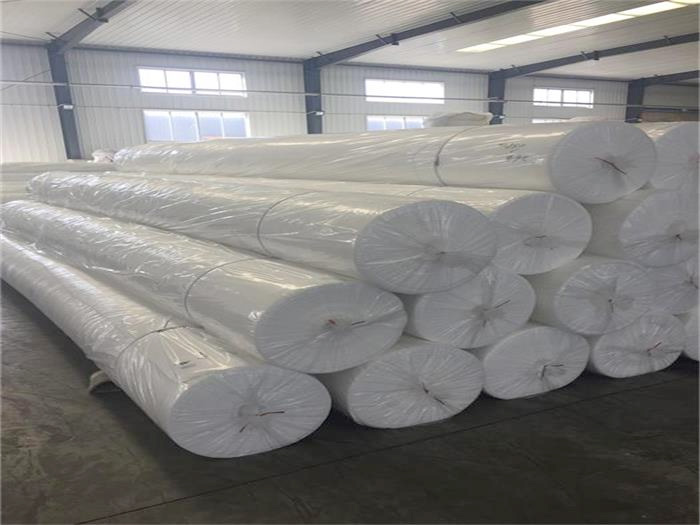
The structured web undergoes mechanical needle-punching or thermal bonding to lock fibers together. This improves physical tensile strengths. Each batch is measured, rolled, tested for hydraulic transmissivity and CBR puncture strength, and packaged for transit.
Aligning customized geotechnical configurations with regional environmental realities and challenging earthwork requirements.
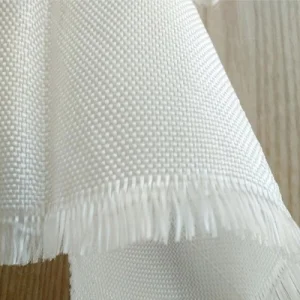
Every infrastructure project possesses distinct geological properties that demand specific geotextile attributes. Factors such as localized ground settlement, acidic or alkaline chemical exposure in soils, high water tables, and freeze-thaw cycles dictate whether a nonwoven polyester filament or a woven high-strength polypropylene is the correct choice.
| Application Scenario | Geological Challenges | Recommended Material Mix | Key Performance Metrics |
|---|---|---|---|
| Hydraulic Engineering & Reservoirs | Hydrostatic pressure, continuous sub-surface water flow, slope erosion. | Filament Nonwoven Geotextile + HDPE Geomembrane | Water permeability (ASTM D4491), high puncture resistance. |
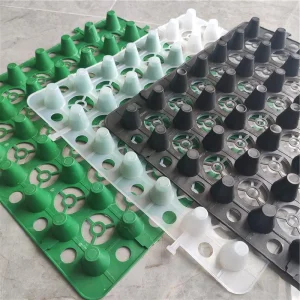
| Landfill & Tailings Containment | Acidic leachate exposure, high point loading, hazardous waste seepage. | 3D Composite Drainage Network + Heavy GCL Blanket + LLDPE Liner | Chemical resistance (ASTM D5322), high shear strength. |
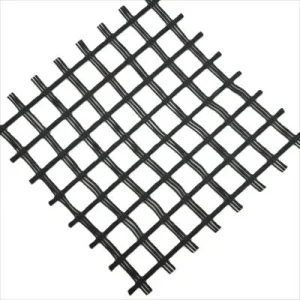
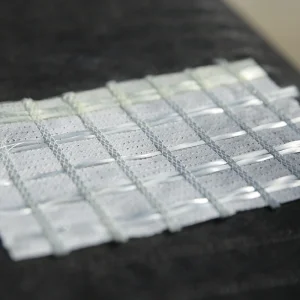
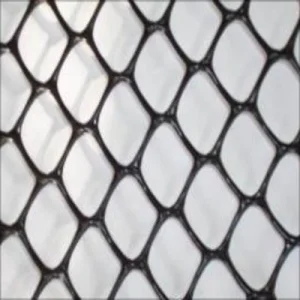
| High-Speed Rail & Highways | Dynamic structural loads, dynamic vibration, subgrade settlement. | Warp Knitted Composite Geotextiles + Steel-Plastic Geogrids | Tensile strength (ASTM D4595), creep resistance. |
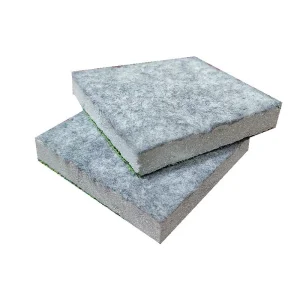
| Coastal & Slope Erosion Control | Wave action, rapid current erosion, environmental runoff. | Slope Protection Cement Blanket + Ecological Geobags | Shear stress resistance, quick curing times, vegetation compatibility. |
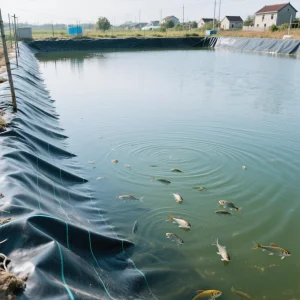
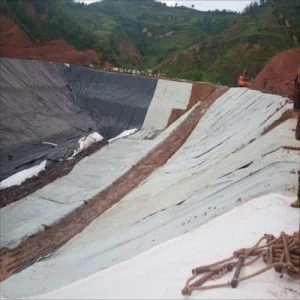
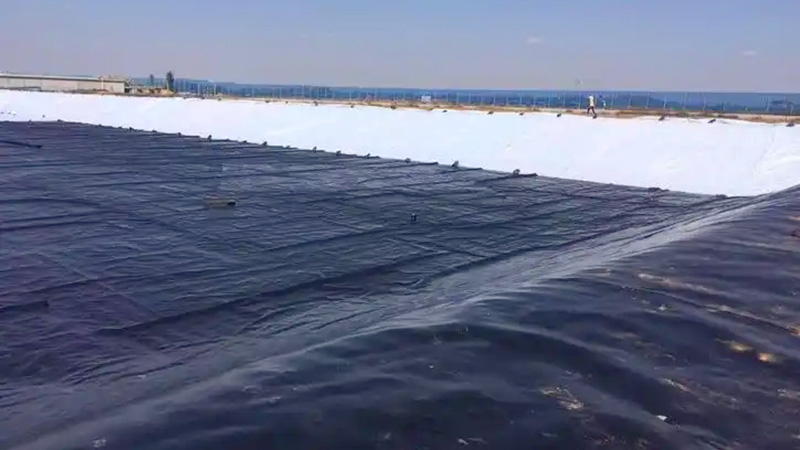
For instance, in reservoir dam waterproofing projects, using composite membranes with continuous filament nonwoven geotextiles prevents fine soil migration while shielding the core impermeable layer from jagged bedrock formations.
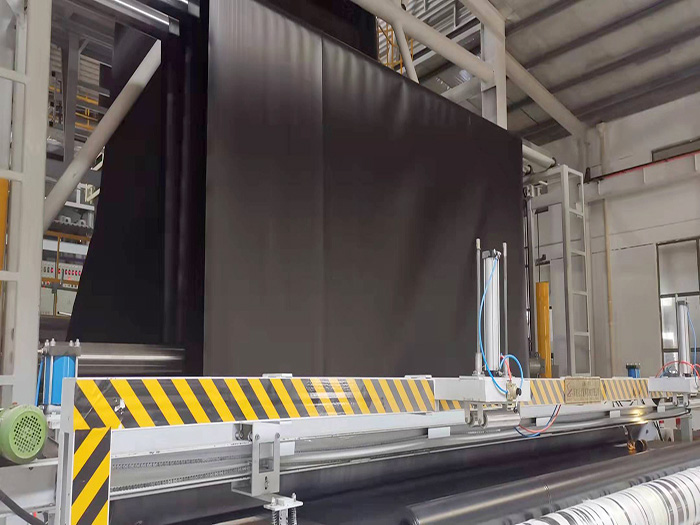
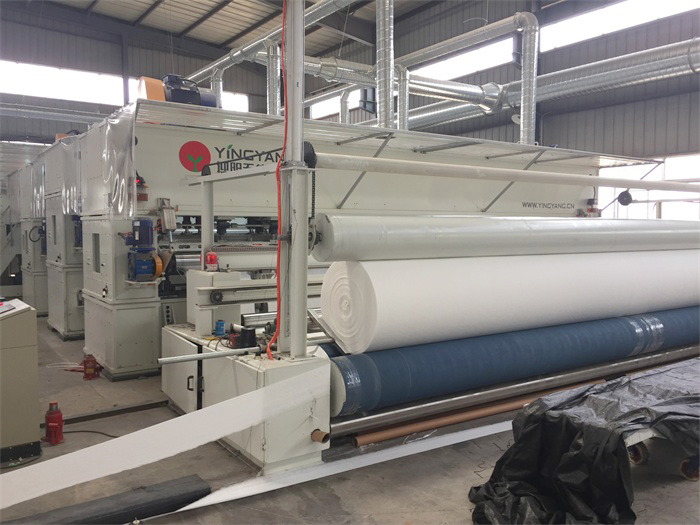
A transparent view into our large-scale production workshops, engineering testing labs, and high-capacity storage warehouses in Dezhou, Shandong.
A comprehensive study of material properties, surface installation guidelines, and preventative lifetime maintenance.
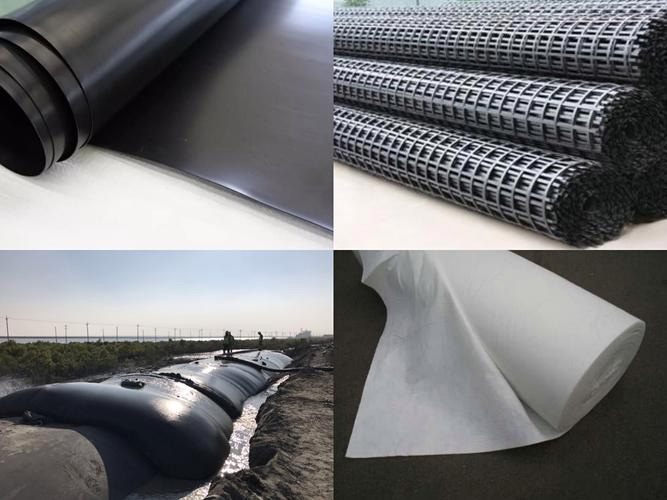
Deploying high-performance geomembranes requires strict compliance with standard operating procedures to ensure long-term impermeability and prevent costly fluid containment failures.
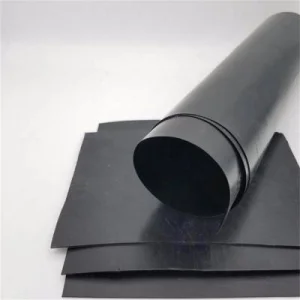
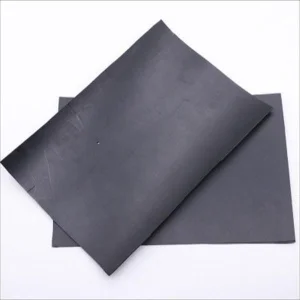
1. Select geomembrane: Match material selection (HDPE vs. LLDPE) and membrane thickness (0.3mm to 2.00mm) to the chemical demands of your project. High-Density Polyethylene provides superior UV and chemical resistance, whereas Linear Low-Density Polyethylene offers excellent elongation properties for high-settlement environments.
2. Ground & Land Preparation: The receiving subgrade must be compacted and cleared of sharp rocks, vegetation, and debris. Use sand layers or heavy-duty geotextile backing where required to shield the liner from underlying stones.
3. Laying & Thermal Seaming: Securely anchor the membrane in trenches, allowing for mild slack to accommodate thermal expansion and contraction. Apply double-track wedge welding to all horizontal joints, followed by air-pressure testing to verify weld integrity.
Demonstrated applications of advanced geomembranes and geotextiles in critical water conservancy and waste containment projects.
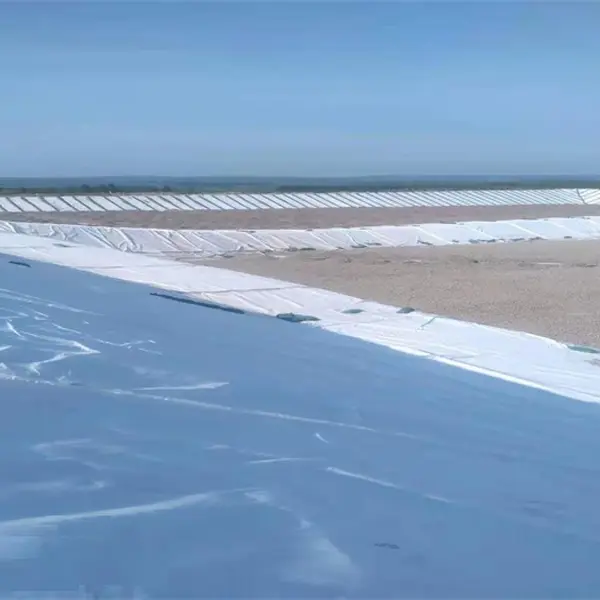
Protects channels and dams from seepage, preserving water volumes and stabilizing earth fill structures.
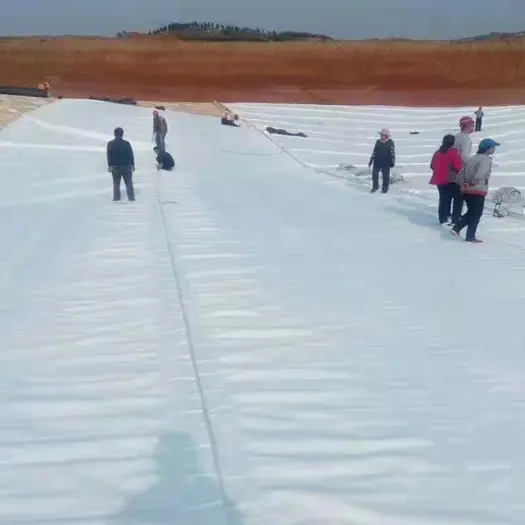
Prevents loss of agricultural and industrial water during inter-basin transport through porous terrains.
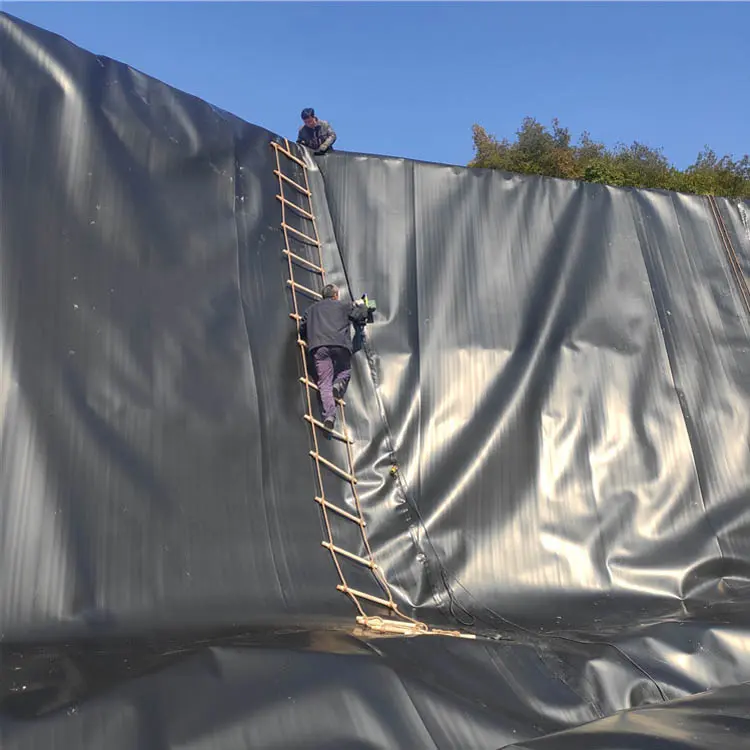
Critical environmental barrier system isolating municipal leachate from local drinking aquifers.
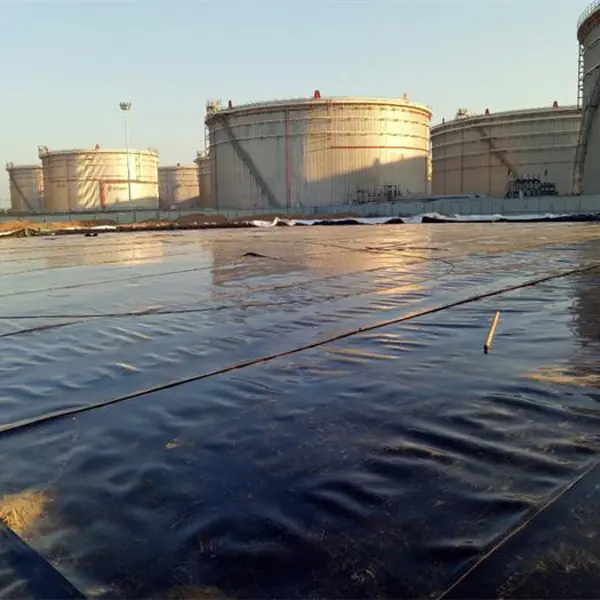
Provides emergency secondary containment for oil storage sites, preventing contamination of surrounding soils during potential tank leaks.
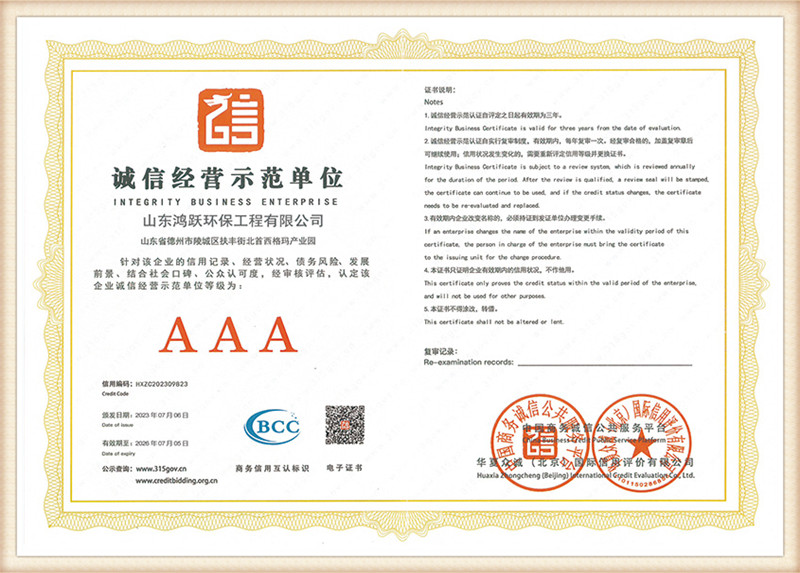
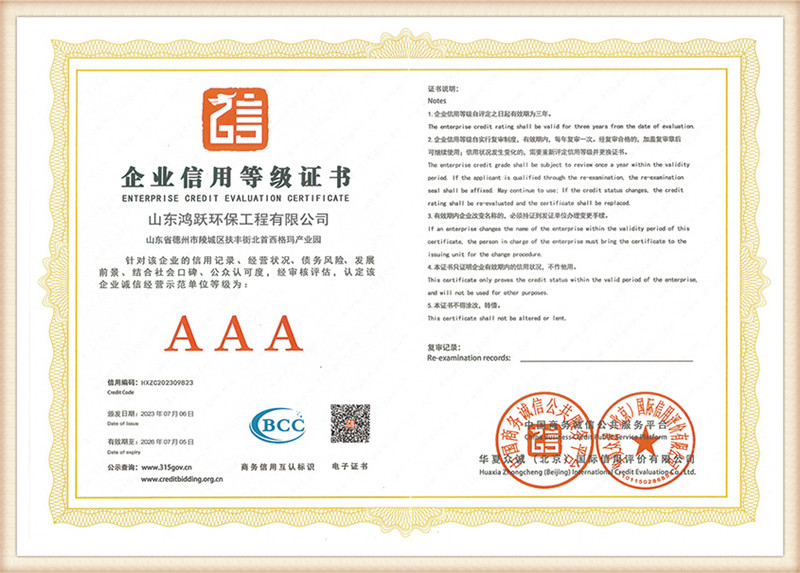
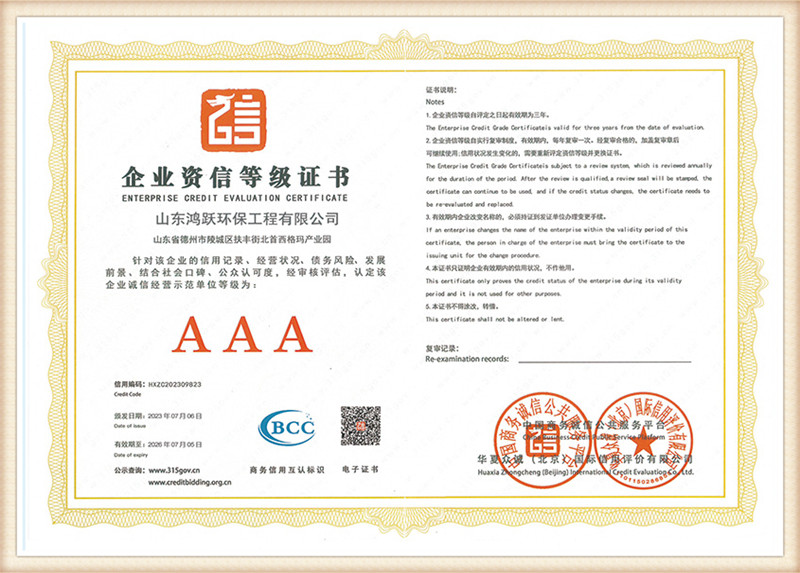
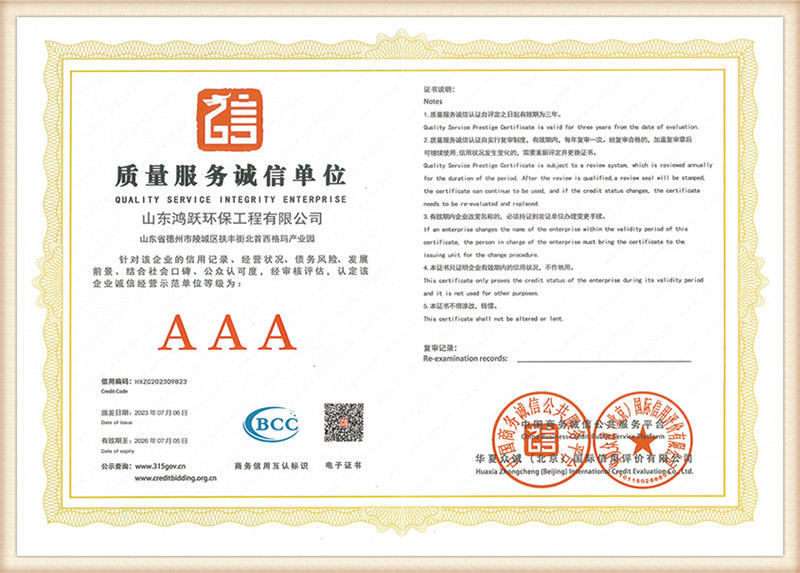
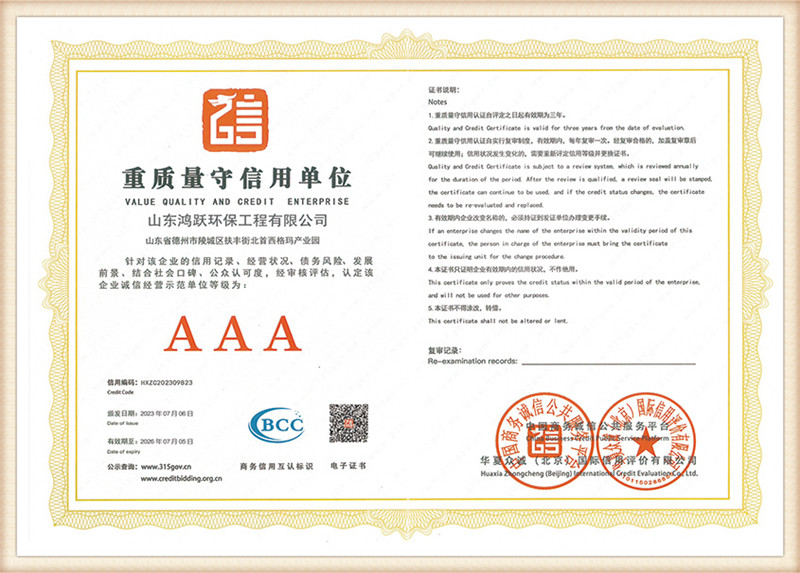
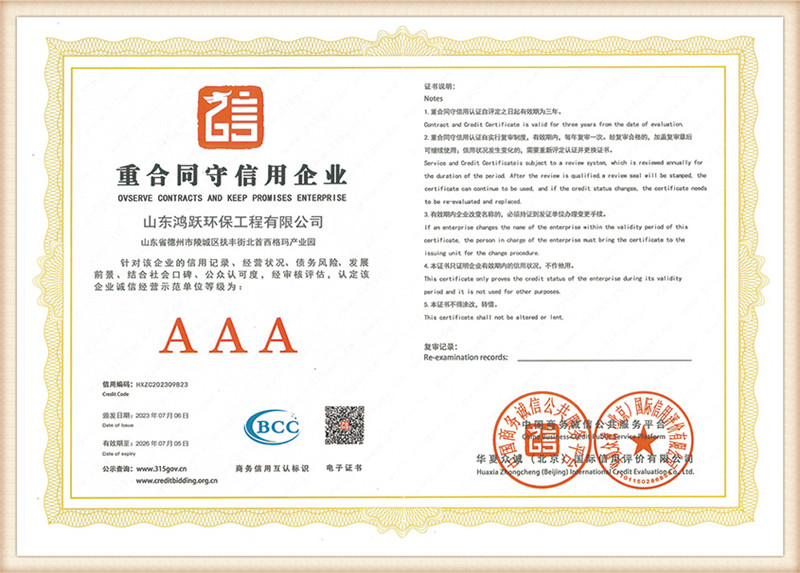
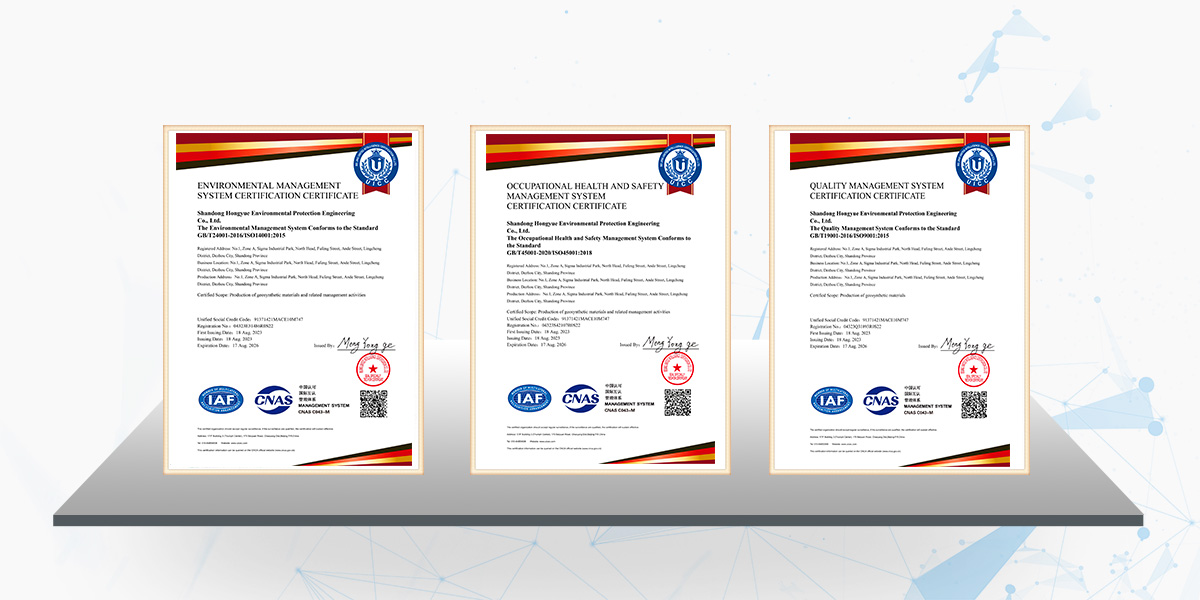
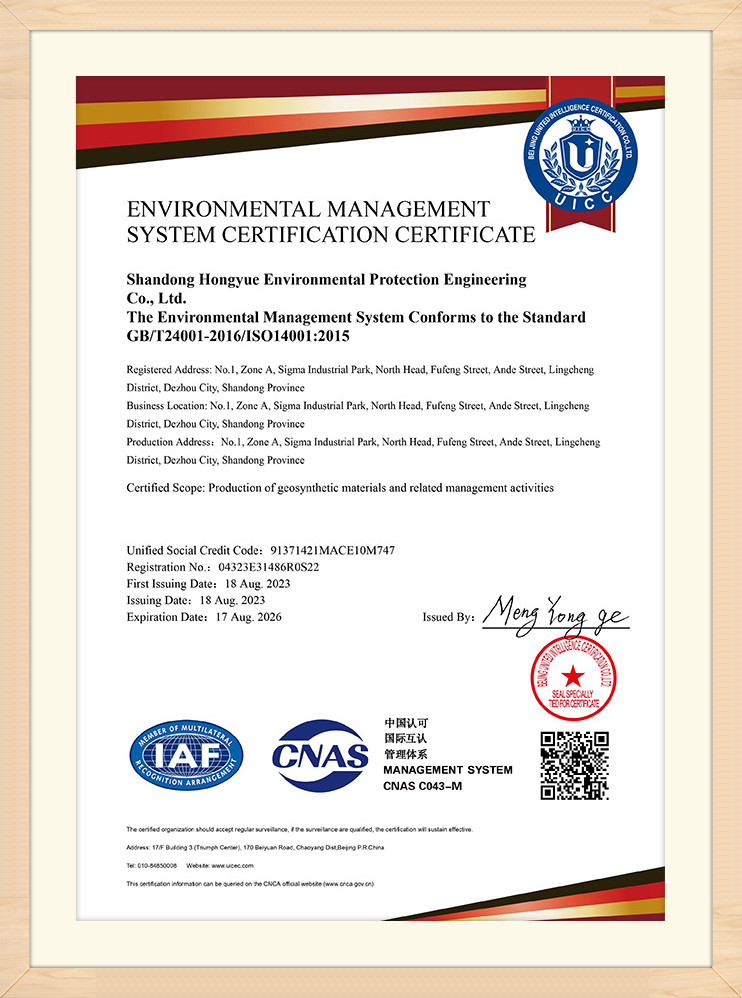
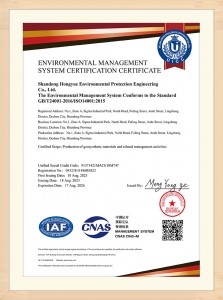
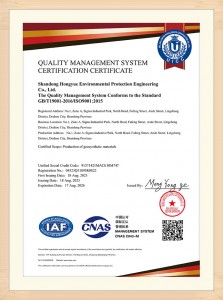
Passed international ISO 9001, ISO 14000, and ISO 45001 audits. Verified by national inspection agencies.
Shandong Hongyue Environmental Engineering Co., Ltd. utilizes advanced testing facilities to ensure every batch meets or exceeds international quality standards. The company's products have been verified by the China National Testing Center and passed national quality supervision sampling checks.
Why sourcing direct from Shandong's premier industrial geosynthetics cluster offers unparalleled security, velocity, and value.
Shandong Province, particularly the Dezhou region, houses the world's most concentrated geosynthetics manufacturing cluster. This provides Shandong Hongyue with direct access to local polymer feedstocks, reducing domestic raw material transit costs. Our long-standing membership in the Dezhou Geotextile Association ensures immediate access to raw materials and skilled labor, stabilizing pricing structures even during volatile energy markets.
Whether your project requires specific filament denier properties, tailored roll dimensions to minimize on-site waste, or dynamic composite structures (such as geomembranes thermal-bonded directly with nonwoven geotextiles), our production lines can adapt to match your specifications. We provide complete chemical additives configuration support, including custom color matches and UV packages.
Our factory leverages efficient highway networks connecting to Qingdao Port, Tianjin Port, and major railway hubs, ensuring reliable shipping timetables for intercontinental destinations. In-house customs support and integrated documentation workflows help prevent transshipment delays, keeping your project schedules on track.
Verifying structural compliance to meet localized civil regulations and international guidelines.
When purchasing bulk geotextiles, civil engineers must verify that the products comply with local environmental and mechanical regulations. Shandong Hongyue products are manufactured in accordance with strict ASTM, EN, and national standards, ensuring reliable performance in demanding environments.
Our dedicated technical support team offers comprehensive pre-sale planning and post-sale installation consulting. This includes on-site welding verification, air-pressure testing training, and seam integrity inspection checklists to help prevent field deployment issues.
Detailed engineering answers for purchasing managers, structural engineers, and logistics coordinators.
Explore our high-performance geogrids, geocells, and specialty barrier products designed for advanced structural stabilization.
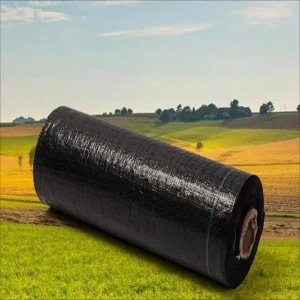
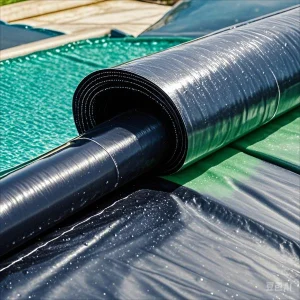
Using geomembranes and geotextiles to protect agricultural and municipal land against erosive water currents.
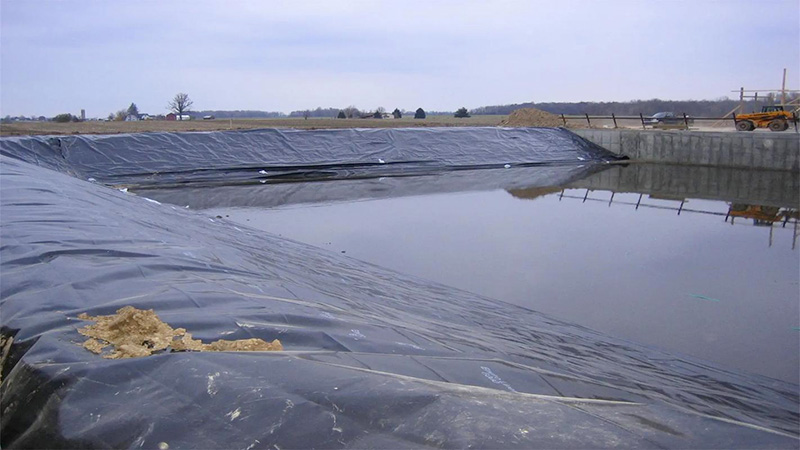
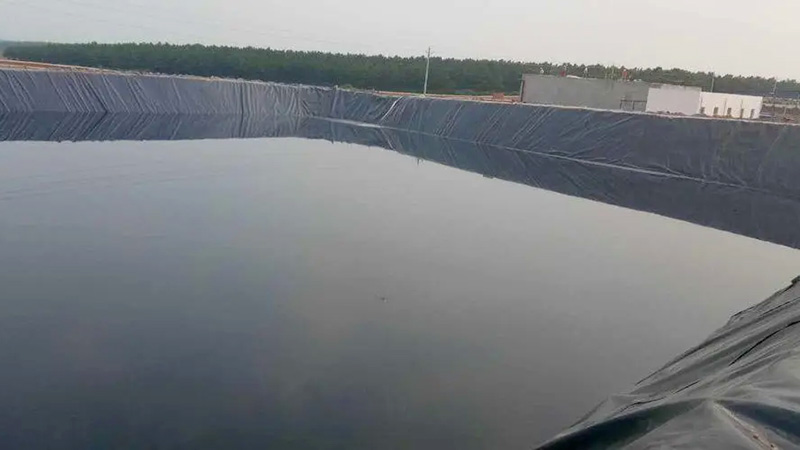
During dike construction, subsurface structural anomalies or localized settlement can lead to internal erosion and leakages. Incorporating geotextile protection layers helps stabilize adjacent soil while allowing water to pass through safely.
Additionally, in river and channel restoration works, geosynthetic materials help prevent shoreline erosion and slope instability. They offer a reliable alternative to traditional rip-rap and concrete linings, reducing material costs while helping to preserve local aquatic environments.
 Hongyue