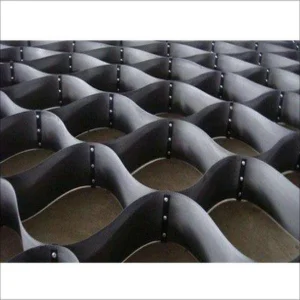
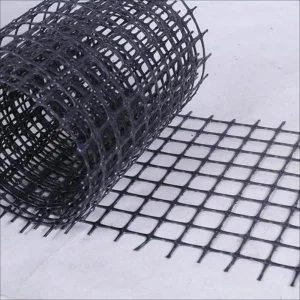
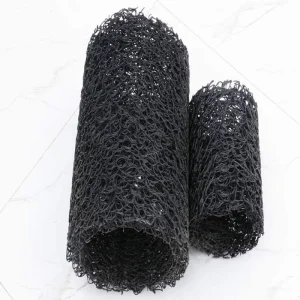
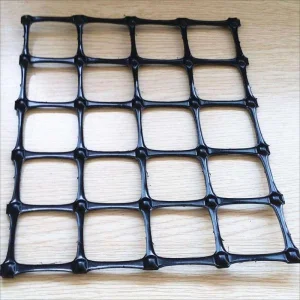
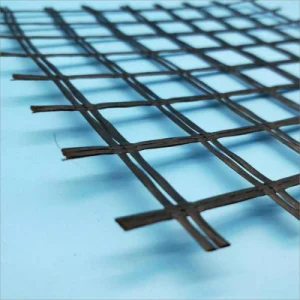
Explore our primary selection of industrial-grade geocells, non-woven geotextiles, and advanced civil drainage networks.
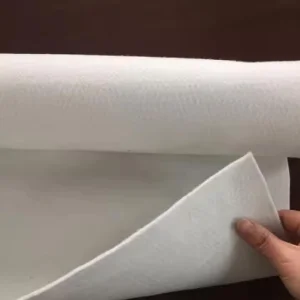
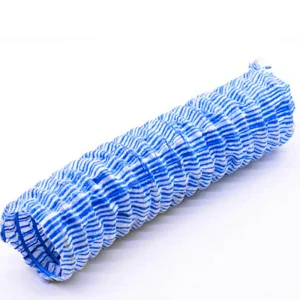
Geotextiles represent the backbone of contemporary geotechnical engineering, serving as a dynamic interface between soil layers and structural components. In subsurface drainage applications, the primary function of geotextiles is to permit lateral and vertical liquid flow while preventing fine particulate matter from passing through, thereby mitigating internal piping and clogging. The hydraulic mechanism relies on two fundamental engineering criteria: permeability (or permittivity) and retention (soil particle filtration capacity).
Non-woven polyester and polypropylene filament matrices are engineered using mechanical needle-punching or thermal bonding. This creates a highly porous, three-dimensional structure simulating the natural pore distribution of graded granular filters. According to critical soil-retention formulas, the apparent opening size (AOS) of the geotextile must be optimized relative to the $d_{85}$ size of the adjacent soil, ensuring that a stable natural filter zone forms just behind the geotextile interface.
E-E-A-T Technical Principle: Effective geotextile design prevents the build-up of excess pore water pressure, which is a leading contributor to slope failure, roadbed settlement, and foundation shifts. Without structured geosynthetics, subsurface hydraulic gradients inevitably lead to soil particle migration and systemic structural collapse.
The international demand for industrial geosynthetics is expanding rapidly, spurred by massive civil infrastructure investments, urban drainage renovations, and global climate adaptation initiatives. In North America and Europe, stringent environmental protection standards require landfills, mining facilities, and transport corridors to utilize advanced multi-layered separation geotextiles to protect underground aquifers. Meanwhile, rapidly developing regions in the Asia-Pacific and South America rely on geotextiles to stabilize deep soft-clay foundations in highway, high-speed rail, and coastal reclamation works.
As a leading volume-driven wholesale supplier, Shandong Hongyue Environmental Engineering Co., Ltd. addresses these market requirements by delivering highly stable, cost-effective materials directly from China's primary manufacturing hubs. Large-scale procurement prices are highly dependent on global petrochemical indexes (such as polypropylene and polyester resin costs), shipping distances, and material thickness (indicated by grams per square meter, GSM). Below is an indicative market pricing matrix for various geotextile drainage components to guide engineering estimators.
| Material Type & Specifications | Common Weight (GSM) | Primary Functions | Estimated Price Range (USD/m²) |
|---|---|---|---|
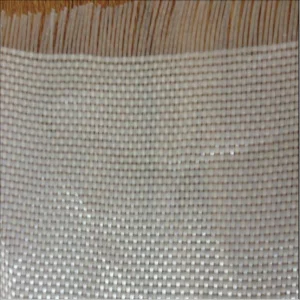
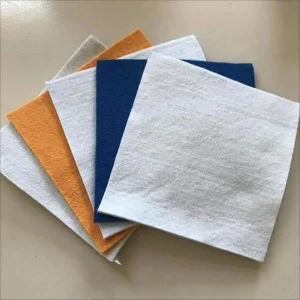
| PET Non-Woven Geotextile (Filament) | 150g - 800g | Filtration, Separation, Road Dam Stabilization | $0.25 - $1.80 |
| Polypropylene (PP) Non-Woven Geotextile | 100g - 600g | Acidic/Alkaline Environmental Filtration, Landfills | $0.30 - $1.95 |
| Woven Geotextile (High Strength) | 120g - 400g | Soil Reinforcement, Silt Protection, Coastal Dykes | $0.40 - $2.20 |
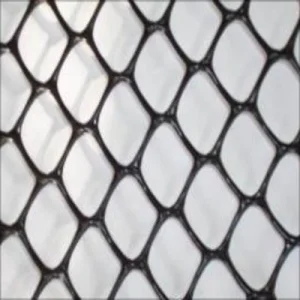
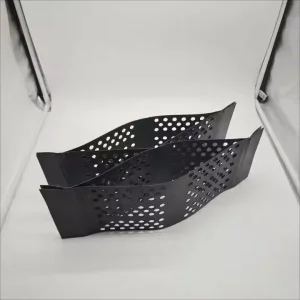
| Composite Drainage Net / Board | Thickness 3mm - 8mm | Garages, Tunnel Vaults, High-Flow Drainage | $1.10 - $3.50 |
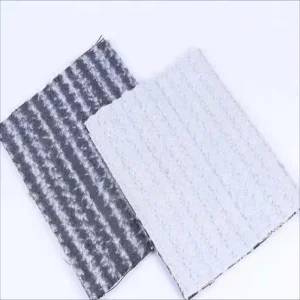
| Bentonite Waterproof Blanket (GCL) | 4000g - 5500g | Hydraulic Seepage Prevention, Secondary Containment | $1.80 - $4.20 |
| Polyethylene Geomembrane (HDPE / LLDPE) | 0.5mm - 2.5mm | Absolute Containment, Reservoirs, Mining Leach Pads | $0.60 - $4.80 |
Note: The price parameters above are indicative and subject to fluctuating polymer index values and customized manufacturing specifications (e.g., width, length, UV resistance package additions). For custom quotes, please query our direct engineering office.
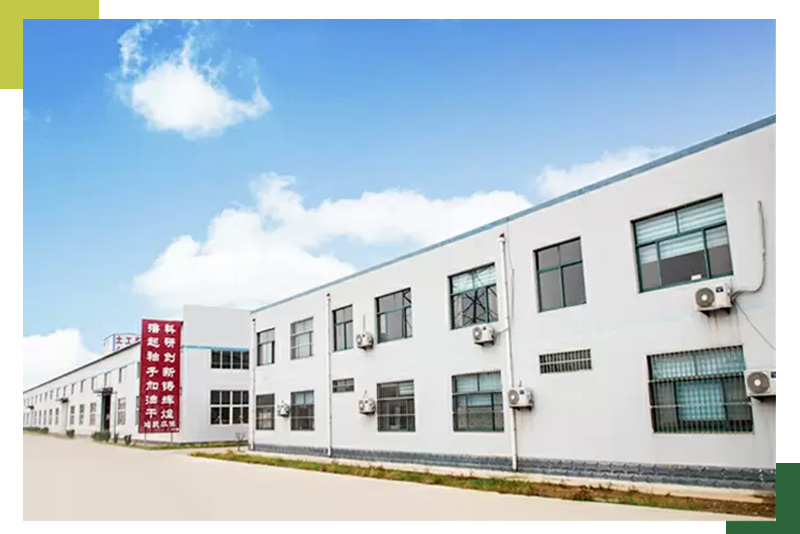
Shandong Hongyue Environmental Engineering Co., Ltd., located at the north end of Fufeng Street, Lingcheng District, Dezhou, Shandong Province, is a scientific and technological geotechnical material manufacturer integrating engineering material production, sales, design and construction services. The company was registered in Lingcheng District Market Supervision and Administration Bureau of Dezhou City on April 6, 2023, with a registered capital of 105 million yuan. It is one of the largest production bases of geotechnical materials in China at present, located in Lingcheng District, Dezhou, Shandong Province, with superior geographical location and convenient transportation.
Since the establishment of the company has developed rapidly, business continues to grow and expand, our company mainly deals in geotextiles, geomembrane, composite geomembrane, waterproof board, bentonite waterproof blanket, 3D composite drainage net, (composite) drainage board, weaving cloth, woven cloth, geotextiles, membrane bags, blind ditches, waterproof and drainage combinations, woven bags, ecological bags, cement blankets, fiber plants blankets, geotextiles, flexible pervious pipes, business includes geosynthetics, waterproofing membrane production, sales, construction, import and export of goods.
We have a high quality products and professional sales and technical team. Our company belongs to the Dezhou Geotextile Association, and our products are widely used in highways, railways, bridges and tunnels, reservoirs and canals water conservancy, artificial lakes, environmental protection, aviation, mining, agriculture and other fields.
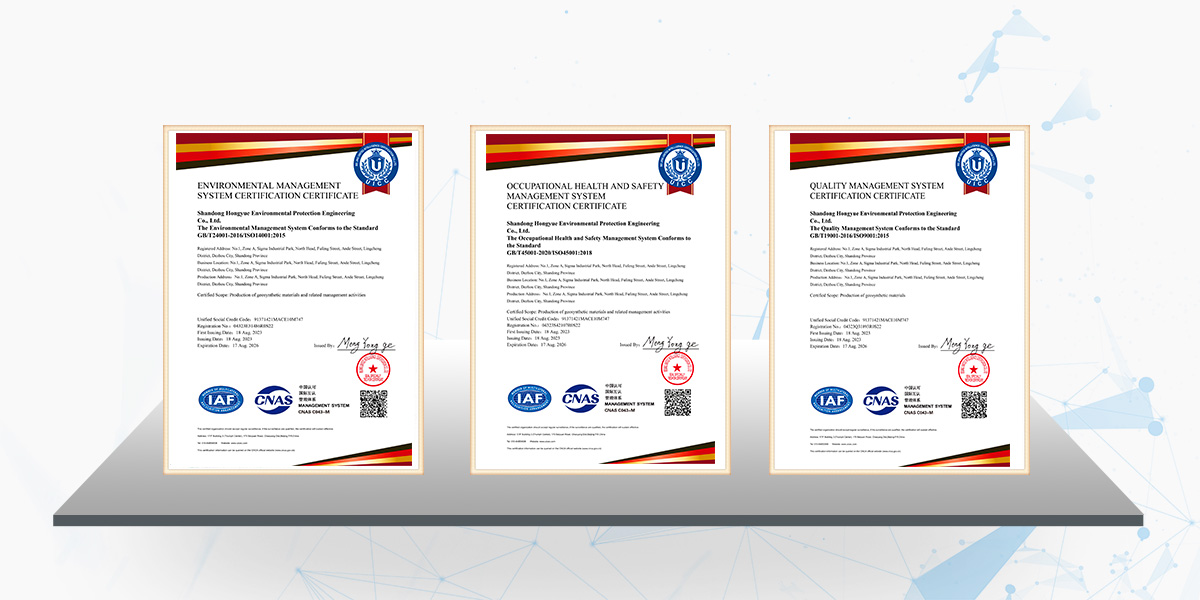
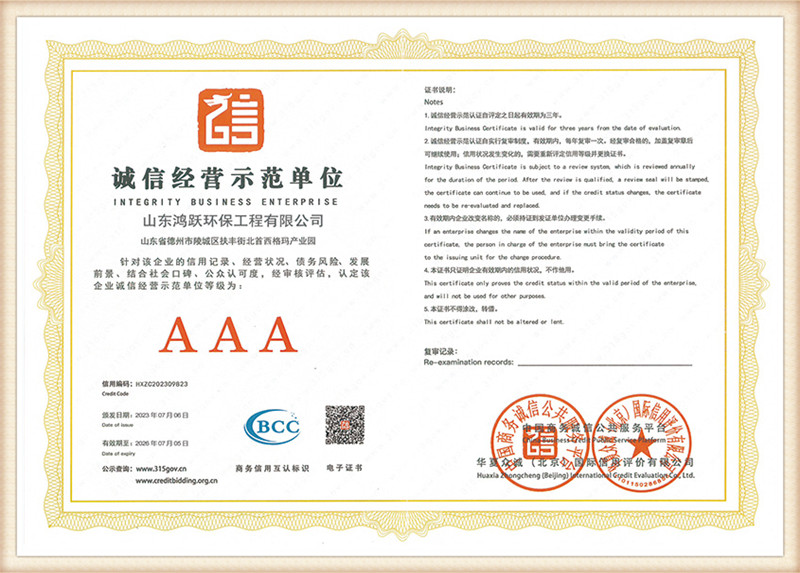
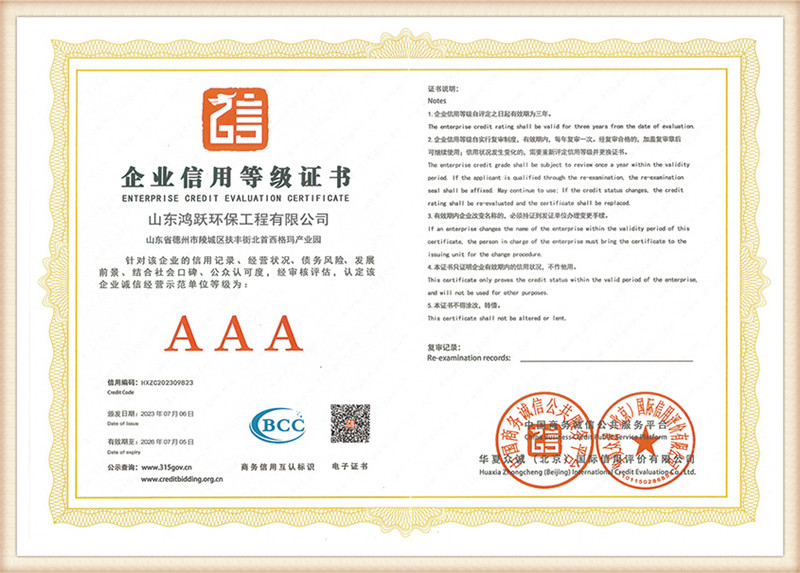
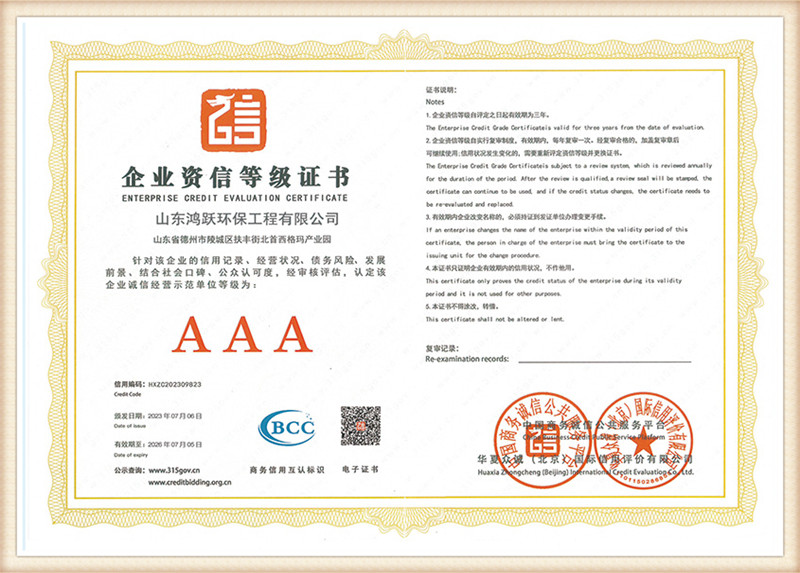
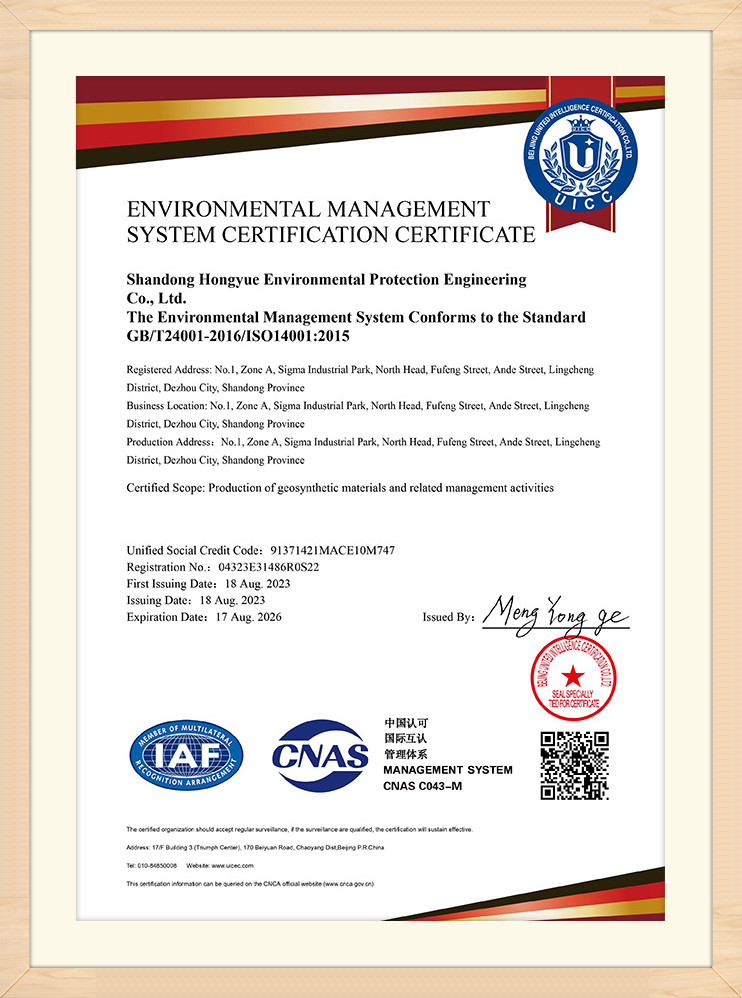
The company has successively passed the ISO9001 international quality system certification, ISO14000 environmental system certification, and ISO45001 occupational health and safety management system certification.
Proud recipient of prestigious honors including "Green and Environmentally Friendly Building Materials Products", "No Consumer Complaints", "Famous Chinese Brands", "High-Tech Industries", and "Quality Service Double Excellent Units".
With established agent services and branches in over 40 domestic metropolitan areas (like Shanghai, Beijing), our heavy industrial export networks reliably serve critical infrastructure builds in Europe, the United States, and Australia.
Take a visual walkthrough of our high-volume extruder units, needle-punch arrays, and storage logistics warehouses in Dezhou, Shandong.
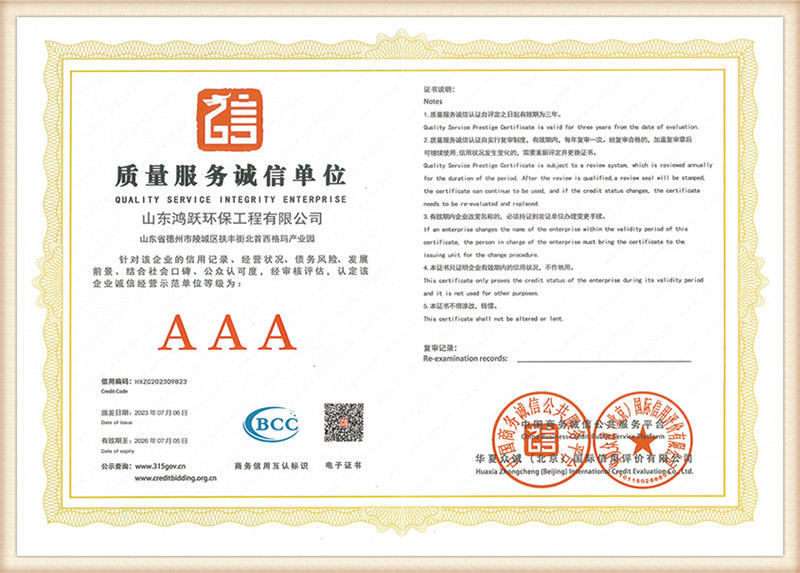
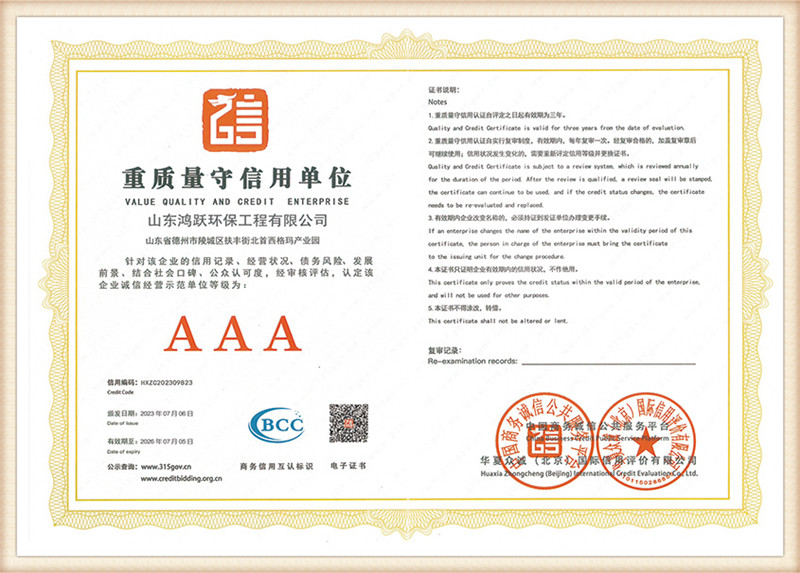
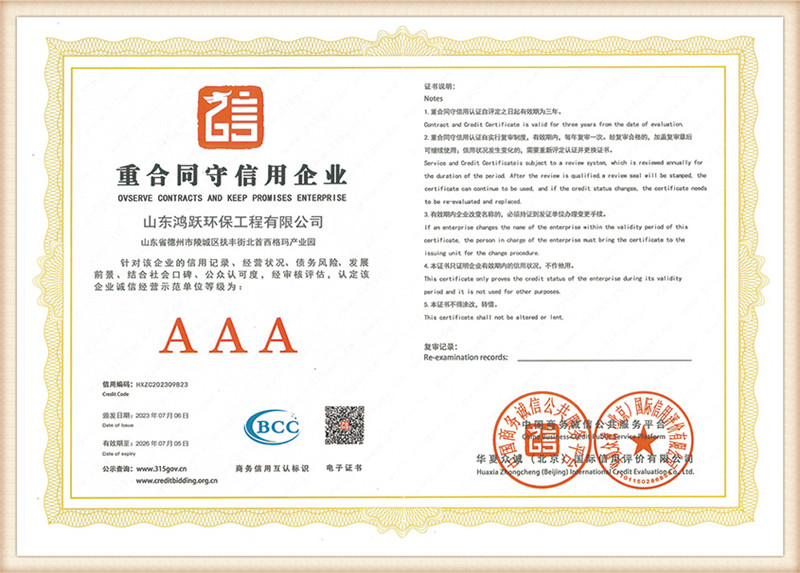
Geotextile is widely used in civil engineering materials, with filtration, isolation, reinforcement, protection and other functions. Its production process includes raw material preparation, melt extrusion, mesh rolling, draft curing, winding packaging and inspection steps, requiring multiple links of processing and control, and consideration of environmental protection and durability. Modern production equipment and technology have been widely used, making the production efficiency and quality of geotextiles significantly improved.
The main raw materials are polyester chips, polypropylene filament and viscose fiber. These raw materials need to be inspected, arranged and stored to ensure quality and stability.
Polyester slice is melted at high temperatures and extruded into a molten state by a screw extruder, adding polypropylene filament and viscose fiber for mixing. Precise temperature controls ensure uniformity.
After mixing, the melt is sprayed through the spinneret to form a fibrous substance, creating a uniform network structure on the conveyor belt. Net thickness and fiber orientation are tightly managed.
After laying the net into rolls, we carry out draft curing treatment. Temperature, speed and draft ratio must be precisely controlled to maximize tensile and shear strength.
The geotextile after draft curing is rolled up and packaged. Length, width and thickness are rigorously measured to ensure alignment with spatial and load-bearing design parameters.
At the end of each production link, the physical, chemical, and dimensional characteristics of the geotextile are tested. Only components passing strict tolerances enter the shipping log.
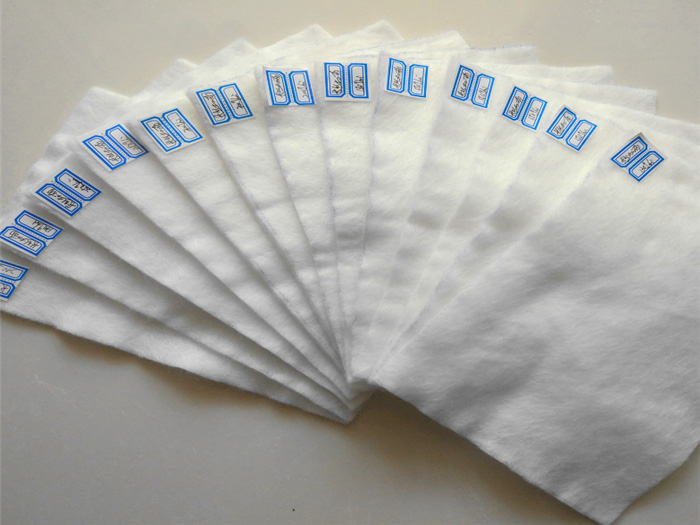
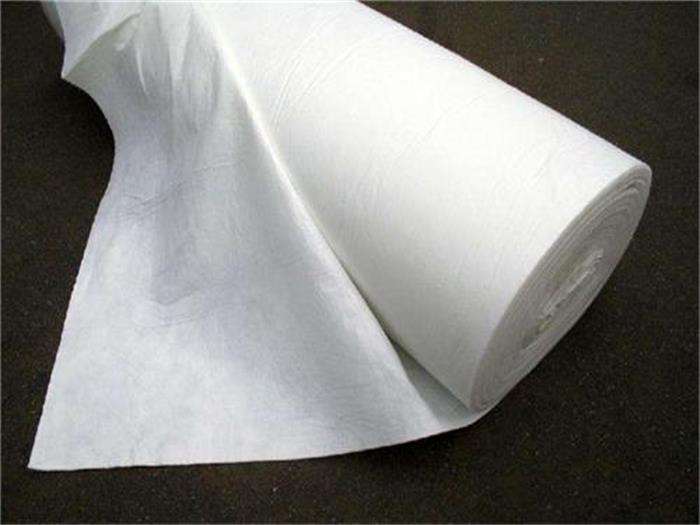
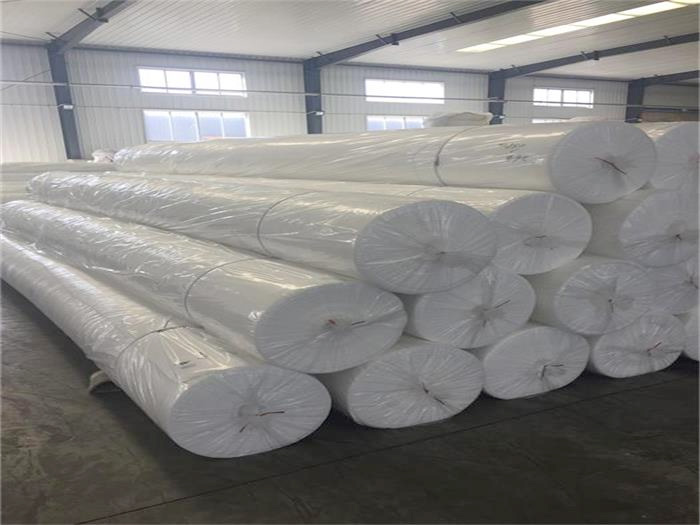
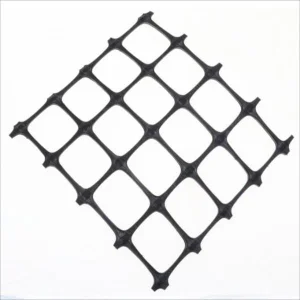
Shandong Hongyue Environmental Protection Engineering Co., Ltd. mainly produces various types and specifications of geotextile, geomembrane, composite geomembrane, waterproof plate, bentonite waterproof blanket, composite geomembrane drainage network, anti-drainage board, waterproof roll, geogrille, water stop, permeable pipe and other products, forming four material systems of impermeability, environmental protection, protection, reinforcement and water stop, integrated supply.
Shandong Hongyue Environmental Protection Engineering Co., Ltd. has a complete and scientific management system, and has passed ISO9001, ISO14000, and ISO45001. The company adopts the most advanced production technology and equipment process, and has perfect detection means and precision inspection equipment to ensure that the products always maintain excellent performance. The quality of all products produced by the company has reached or exceeded international standards, and passed the certification of China National Testing Center, and all passed the national quality supervision and sampling inspection commissioned by the State Administration of Quality Supervision and Inspection.
Our specialized engineers have over a decade of hands-on civil and field installation experience. Whether optimizing polymer formulation for severe chemical environments (such as coal-ash ponds or saline-alkali marshlands) or calculating the structural support coefficient for deep high-speed rail embankments, we provide complete, integrated engineering support.
Proven Performance: Our technical team assists in 24-hour design consultancies, providing customized site layouts and detailed drainage parameter evaluations to avoid hydraulic failures.
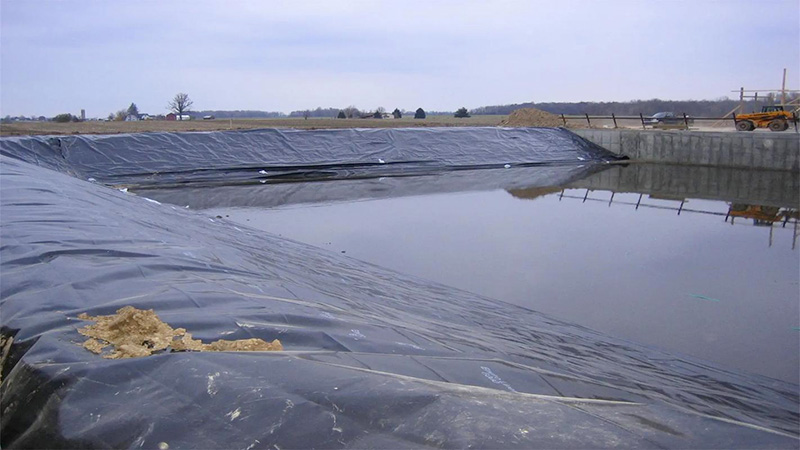
Modern environmental protection structures require multi-layered geosynthetic packages to prevent pollution migration and water resources degradation. This requires integrating geomembranes, bentonite clay liners, and non-woven protective geotextiles.
Geomembrane, as an efficient anti-seepage material, plays a vital role in water conservancy projects. Its excellent anti-seepage performance, light and easy construction characteristics and relatively low cost make geomembrane an indispensable part of water conservancy projects.
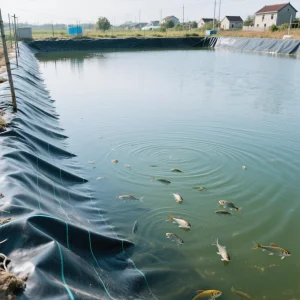
In the construction of reservoirs, geomembrane can play a very good anti-seepage role. Because reservoirs are usually built in valleys or low-lying areas, the geological conditions are more complex, so effective measures need to be taken to avoid leakage between the bottom of the reservoir and the surrounding rock. The use of geomembrane can effectively solve this problem, and can also improve the safety and stability of the whole reservoir.
Rivers and channels are very important components of water conservancy projects, they can not only regulate water flow, protect farmland and urban infrastructure, but also improve the ecological environment of the entire region.
However, in the governance process will encounter some difficult problems, such as loopholes, landslides and so on. At this time the use of geomembrane can be a good solution to these problems. During the construction of levees, geomembrane is also used to strengthen the anti-seepage effect to prevent flooding from breaching unpredictably.
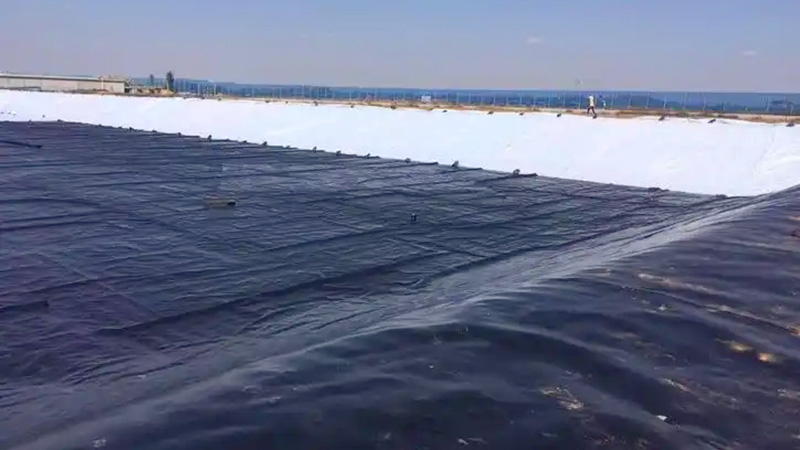
It is very important to choose the suitable geomembrane:
• Material properties: HDPE and LLDPE are chosen according to chemical resistance and flexibility needs.
• Thickness: Ranges from 0.3mm to 2.0mm depending on pressure loads.
• Impermeability: High hydraulic containment prevents groundwater leakage.
Follow structured protocols for high-integrity installation:
• Land preparation: Ensure laying bed is level, removing sharp rocks.
• Laying method: Cover or fold based on site layout.
• Joint treatment: Thermal fusion welding prevents joint leakage.
• Fixing method: Lock geomembrane in anchor trenches at edges.
Ensure long service life:
• Cleaning: Keep the membrane surface clean of debris.
• Inspection: Regularly check for structural displacement or damage.
• Damage Prevention: Limit vehicular traffic and sharp tool contact.
The integration of sensory technologies into geoproducts is driving the development of Smart Geosynthetics. Traditional geotextile drainage layers successfully handle liquid flow, but lack active diagnostics. Emerging models feature woven-in fiber-optic sensors or conductive polymers. These allow real-time monitoring of subsurface strain levels, temperature changes, pore water pressures, and chemical leakages in critical landfill or dam installations.
In parallel, bio-synthetic polymers and recycled PET chips are gaining prominence as industries prioritize carbon footprint reductions. The engineering team at Shandong Hongyue is currently testing long-life, bio-derived raw materials to extend the operational lifespan of subsurface drainage systems beyond 100 years. This research is critical for reducing environmental impact in key global infrastructure projects.
Find answers to key technical questions and design considerations when specifying wholesale geotextile drainage networks.
Non-woven geotextiles possess a high three-dimensional void ratio, providing superior planar water permittivity and making them ideal for subsoil filtration and planar drainage. Woven geotextiles are made from interlaced polymer ribbons. While strong under tension, they have lower water permeability and are primarily used for structural soil separation and reinforcement.
AOS selection depends on target soil properties, particularly particle size distribution. Under ASTM D4751 standards, the geotextile's pore structure must be small enough to retain the $d_{85}$ soil fraction, but open enough to maintain hydraulic flow without creating a high-pressure boundary zone.
ISO 9001/14000/45001 certifications verify that raw materials and finished products undergo standardized testing. This guarantees consistent tensile strength, puncture resistance, and flow properties, ensuring products meet the stringent requirements of government agencies and civil engineering projects.
Bulk pricing depends on required polymer weight (GSM), raw material resin indexes, specific roll widths (up to 8 meters), UV-stabilization needs, and shipping logisitics. Shandong Hongyue provides custom quotes based on project specifications to optimize cost-efficiency.
Select from our high-density polyethylenes, structural geogrids, and composite reinforcement barriers.
 Hongyue