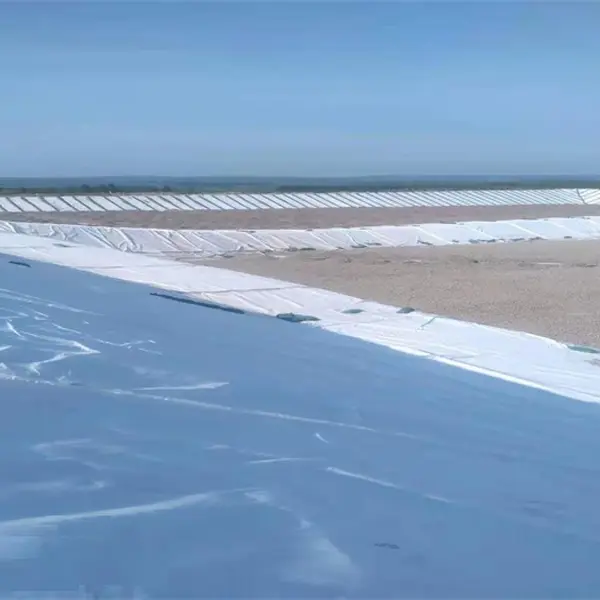
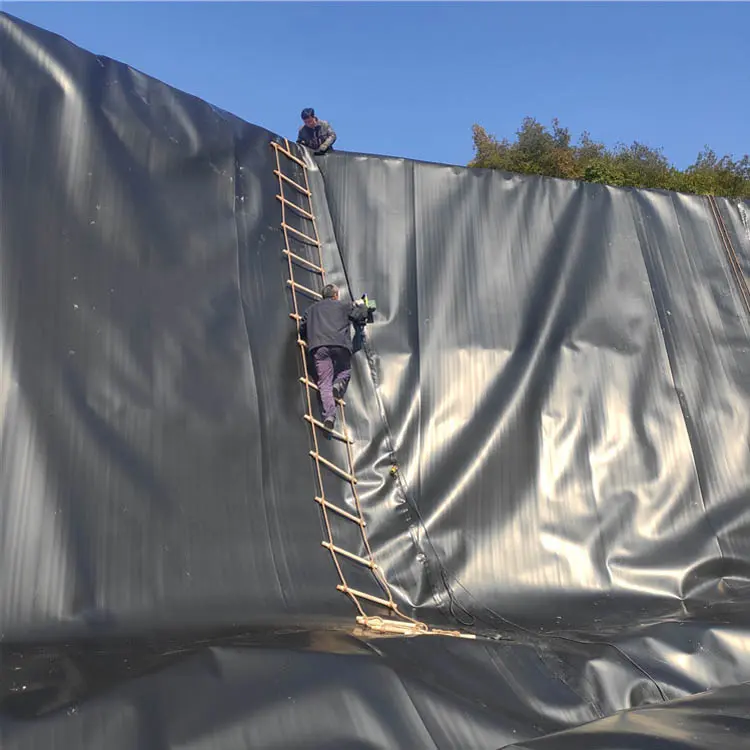
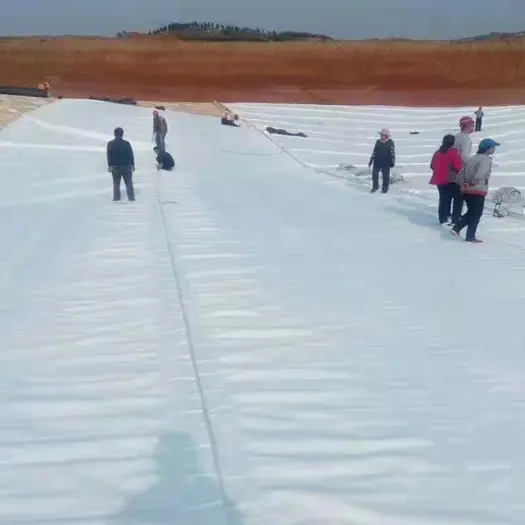
Explore our primary geotechnical systems designed for global civil engineering and erosion control.
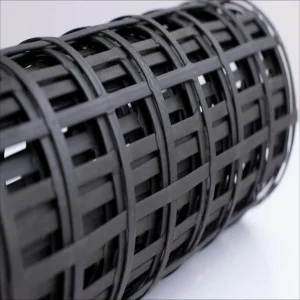
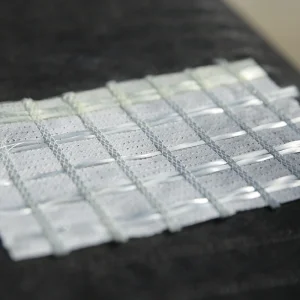
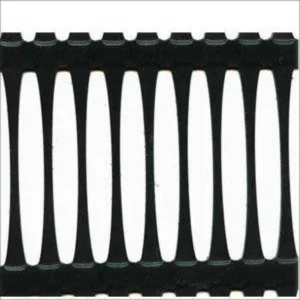
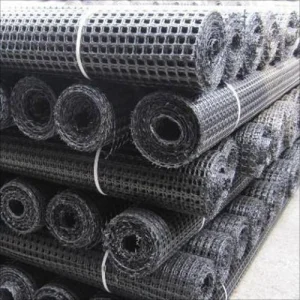
Within contemporary civil and geotechnical engineering, stabilizing steep grades and retaining structures demands materials that exceed conventional limits. Geogrid mesh retaining walls form the backbone of modern slope stabilization, offering soil-reinforcement capabilities that prevent lateral displacement while redistributing shear stresses.
By using polymer-based grids—specifically manufactured from High-Density Polyethylene (HDPE), Polypropylene (PP), or Polyester (PET)—engineers create composite reinforced soil masses. These systems interact through friction and interlocking apertures, locking soil particles in place to turn weak earth into a stable block capable of supporting high loads.
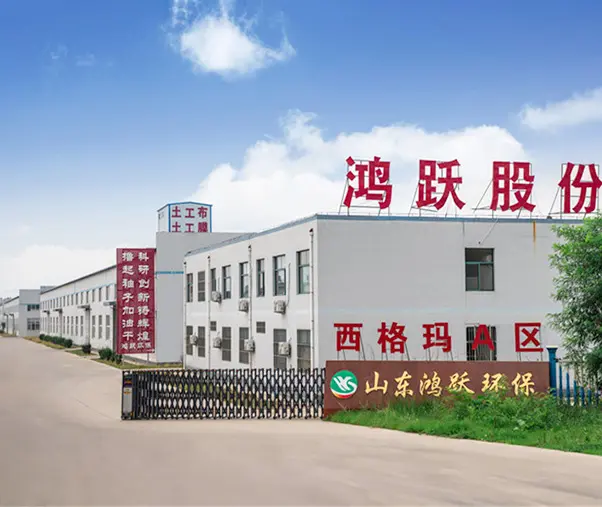
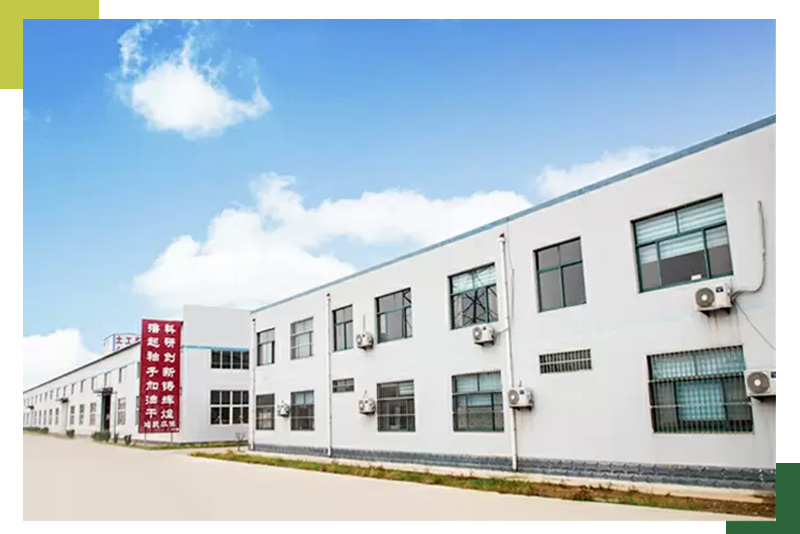
Located at the north end of Fufeng Street, Lingcheng District, Dezhou, Shandong Province, Shandong Hongyue Environmental Engineering Co., Ltd. is a leading manufacturer of geotechnical materials. We integrate material design, advanced scientific manufacturing, global logistics, and comprehensive field construction support.
Registered on April 6, 2023, with a capital of 105 million yuan, our Dezhou manufacturing complex represents one of the largest geogrid and geomembrane facilities in Northern China. Located near major highway systems, we ensure prompt container dispatch and delivery to international shipping ports.
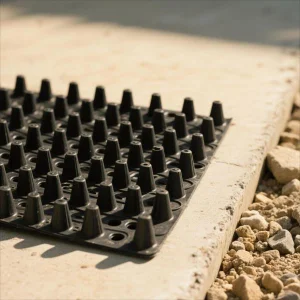
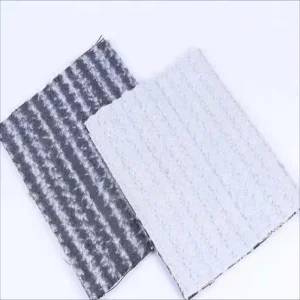
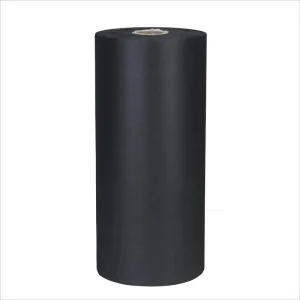
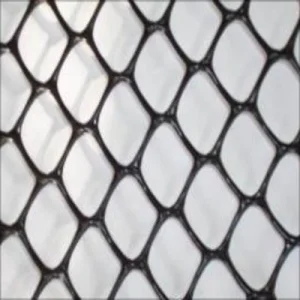
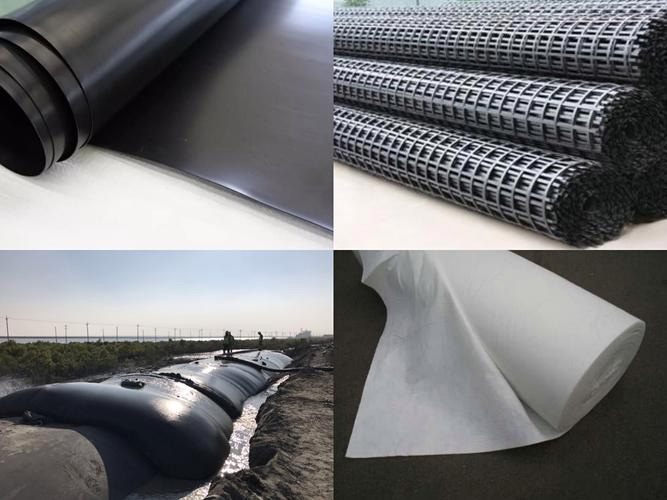
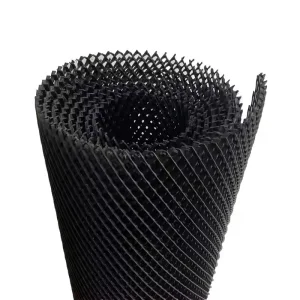
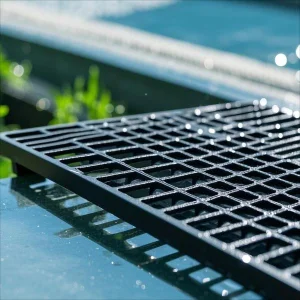
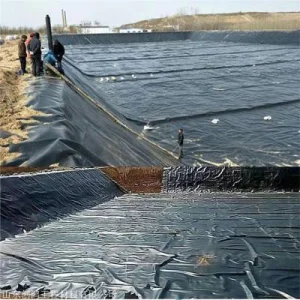
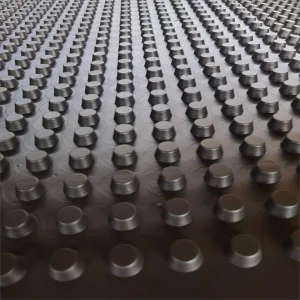
Our core capabilities focus on producing performance-tested geosynthetics, including geotextiles, geomembranes, composite geogrids, waterproof boards, bentonite clay liners (GCL), 3D composite drainage nets, geocells, and concrete blankets.
We support major infrastructure projects worldwide, including highway embankments, high-speed rail subgrades, airport runways, reservoirs, mining tailing ponds, and municipal landfills. Our technical division partners with project designers from initial feasibility assessments through site installation to ensure compliance and longevity.
How polymer reinforcement technology prevents structural deformation and mitigates earth pressure.
When backfill material is compacted over the geogrid, particles fit into the grid apertures. This interlocking creates a passive resistance mechanism that restricts lateral movement of the soil mass, effectively turning loose fill into a coherent structural block.
Soil naturally lacks tensile strength. By inserting horizontal layers of high-tensile geogrids, active lateral earth pressures are transferred into tensile forces within the polymer grid, reducing the stress applied to the wall face and allowing for taller, steeper walls.
Our raw materials are formulated to resist long-term tension deformation (creep). This ensures that retaining structures retain their shape and vertical alignment under continuous load throughout their design life.
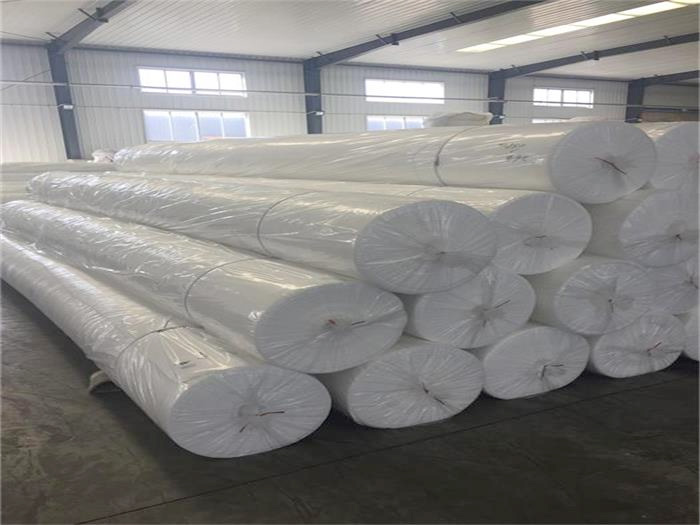
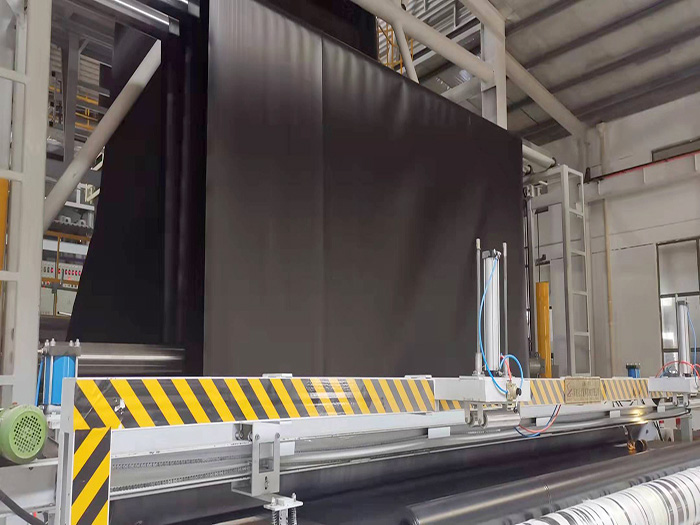
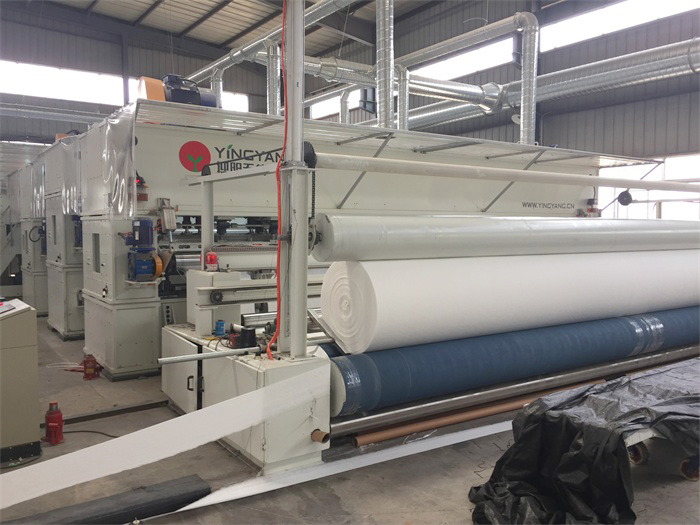
Inside our modern Dezhou production facility, where we control quality from raw polymer to finished rolls.
Our plant operates advanced melt-extrusion and punching-stretching lines that produce uniaxial and biaxial geogrids to exact tolerances. Our processes comply with global quality standards, ensuring our products match specifications for international civil infrastructure projects.
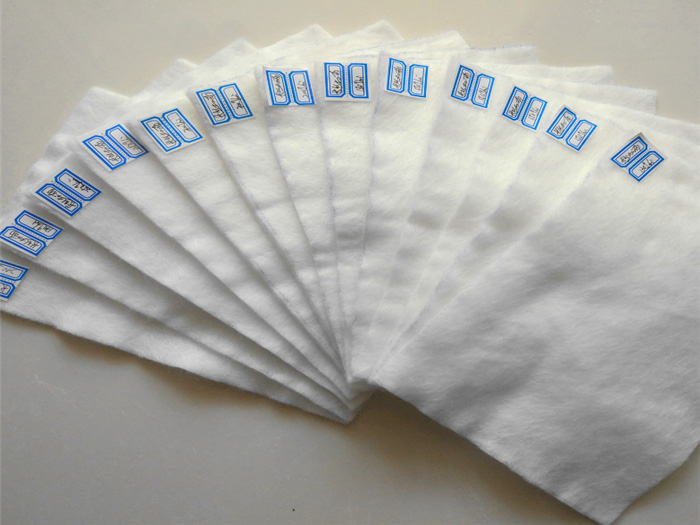
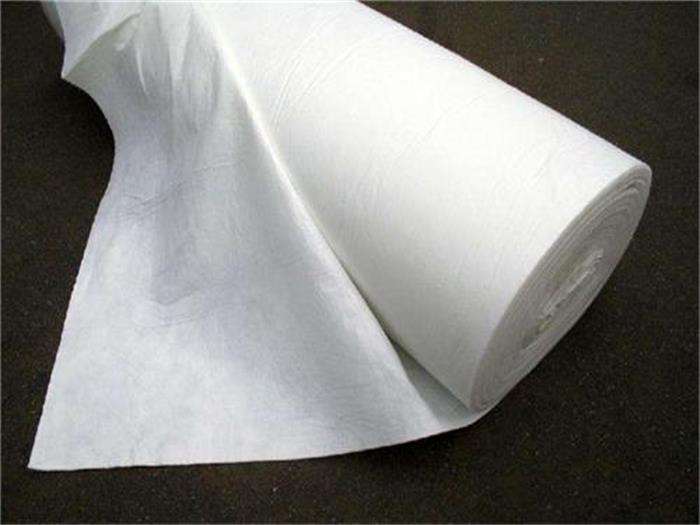
Certified reliability. Our materials pass testing standards established by the China National Testing Center.
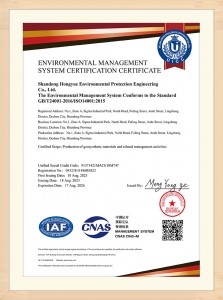
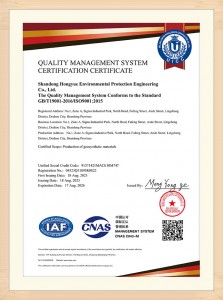
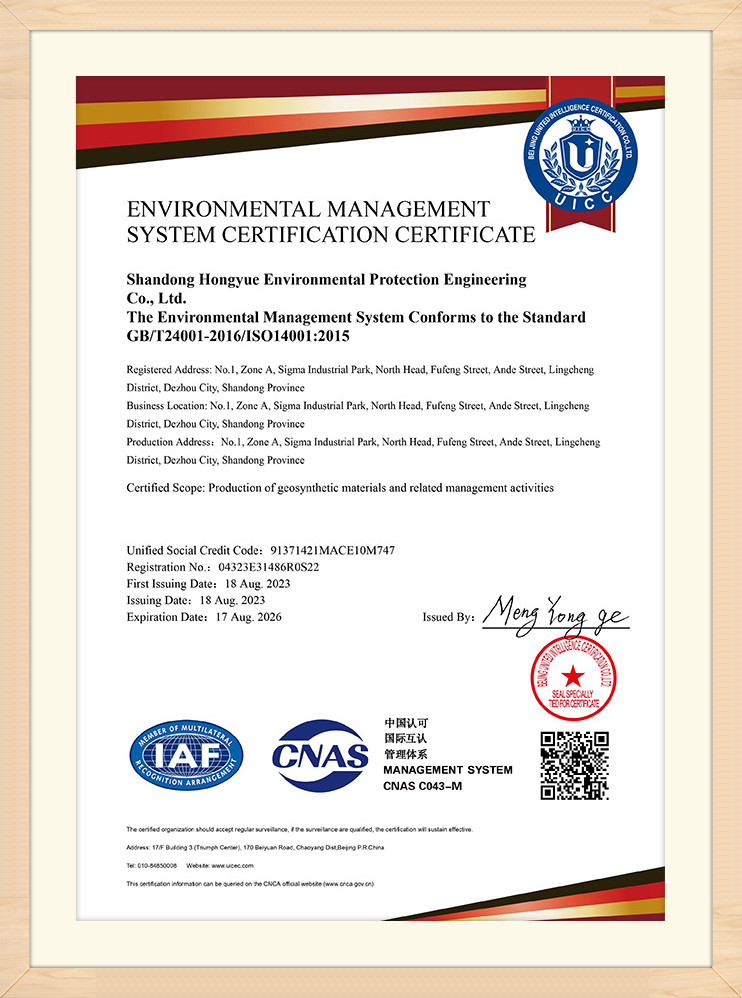
Shandong Hongyue has established a quality control network certified to ISO9001:2015 (Quality Management), ISO14001:2015 (Environmental Protection), and ISO45001:2018 (Occupational Health & Safety).
Our internal laboratory tests every production run for critical criteria, including:
Our products have been tested and approved by third-party inspection firms to meet strict domestic and international engineering requirements.
How our geogrids, geomembranes, and geotextiles work together in civil applications.
Proper installation of geogrid mesh retaining walls is critical to their long-term performance. Without correct tensioning and compaction, a geogrid cannot effectively develop its tensile strain resistance, reducing its stabilizing effect.
Key Installation Steps:
Infrastructure projects require adherence to international standards. Our manufacturing processes and materials conform to international test methods, including:
Our polymer geogrids are tested to meet ASTM D6637 (Tensile Properties of Geogrids), ASTM D5261 (Mass per Unit Area of Geotextiles), and ASTM D5321 (Shear Testing of Soil and Geosynthetic Interactions).
Our drainage sheets and geogrids meet the European Union's CE certification standards, verifying compliance with EN 13249 through EN 13256 for roadway and railway construction.
With offices in major commercial hubs across China and agency channels globally, we provide delivery coordination, localized import clearance support, and project site technical assistance.
Shandong Hongyue invests in developing the next generation of geosynthetics. Our research team focuses on three key innovations:
Integrating optical fibers and piezo-resistive elements into geogrid ribs allows for real-time monitoring of strain in critical retaining walls. This permits early detection of structural movement in high-risk zones.
Developing structural geogrids from post-consumer recycled PET and bio-based polyolefins to reduce carbon footprints while maintaining long-term mechanical properties and creep resistance.
Formulating specialized polymer additives to improve performance in concrete-rich environments, protecting the grid against alkaline degradation.
Answers to common technical questions about geogrid mesh specification, installation, and manufacturing.
Explore our full line of geosynthetics, drainage materials, and protective barriers.

 Hongyue