Premium wholesale structural materials supplied directly by our world-class manufacturing facility.
Unlocking structural performance through advanced engineered polymeric systems in global civil infrastructure projects.
The global geosynthetics market is undergoing a structural transition. Rapid urbanization, strict environmental regulations, and critical infrastructure renewal projects across North America, Europe, and the Asia-Pacific region are driving exponential demand for robust polymeric soil reinforcement grids.
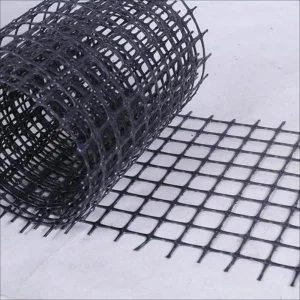
Geo Grid fabrics represent the pinnacle of geotechnical engineering technology, designed to solve complex soil mechanics challenges. From high-speed railway embankments to deep foundation stabilisation for industrial complexes, these structural lattices distribute stress, prevent soil shearing, and dramatically extend the lifespans of critical public works.
Using high-tensile uniaxial and biaxial geogrids reduces aggregate base thickness requirements by up to 40%, directly translating to lower carbon emissions and reduced overall material costs.
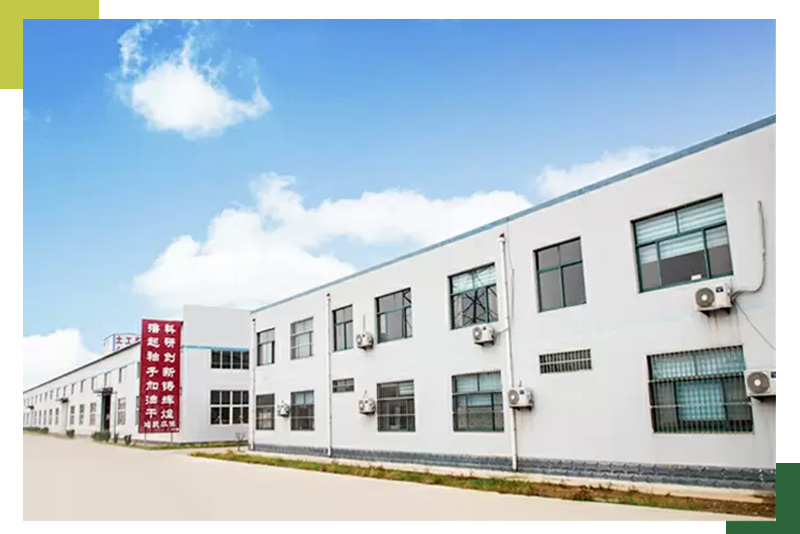
E-E-A-T analysis of Dezhou's geotechnical industrial cluster & Shandong Hongyue's production capability.
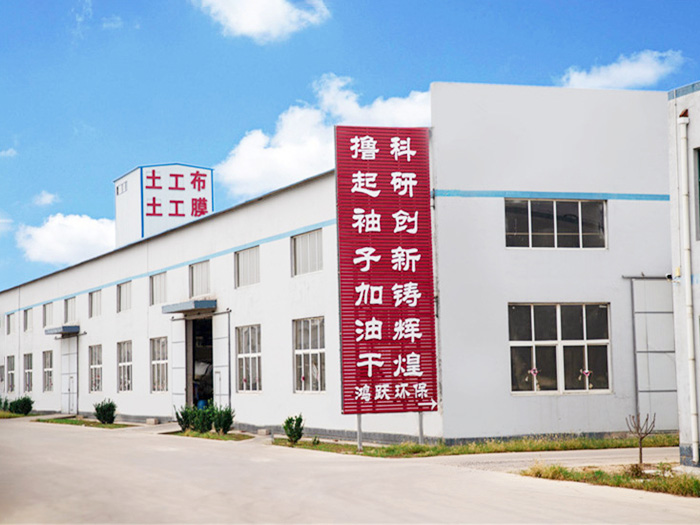
Located in the legendary Lingcheng District of Dezhou City, Shandong Province—known as China's leading production base for geotechnical materials—Shandong Hongyue Environmental Engineering Co., Ltd. stands as a titan in this sector. Established with a registered capital of 105 million yuan on April 6, 2023, the company is built on a foundation of scientific innovation and precision manufacturing.
Our facility seamlessly integrates design, testing, advanced manufacturing, and engineering construction support. Because we operate within an optimized local supply chain and utilize high-output automated extrusion lines, we are able to bypass intermediary costs. This allows us to offer global partners competitive wholesale pricing while maintaining strict compliance with international structural standards.
We source high-grade virgin polyester chips (PET), high-density polyethylene (HDPE), and polypropylene (PP) to guarantee long-term degradation resistance in acidic or alkaline soils.
Multiple state-of-the-art production lines operating 24/7 enable rapid order fulfillment for megaprojects, without sacrificing dimensional consistency.
Our strategic location in Dezhou provides direct access to major highways, railways, and Chinese maritime ports, ensuring streamlined shipping to over 40 countries.
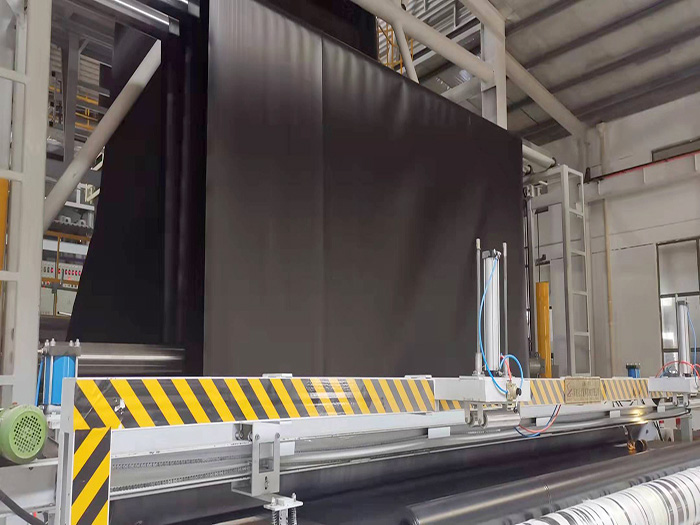
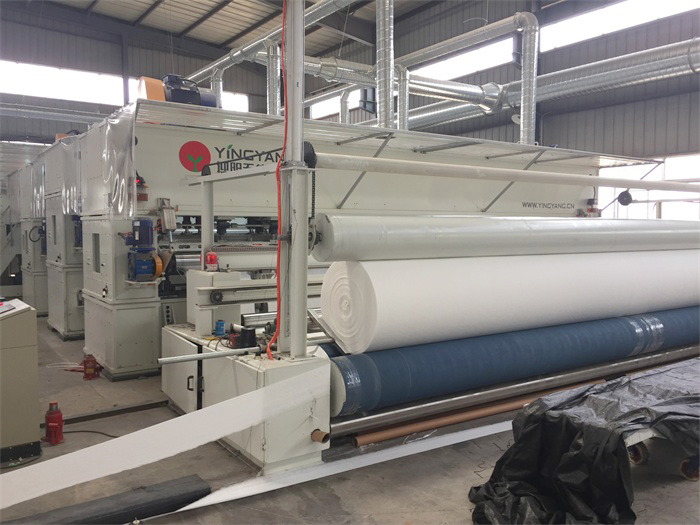
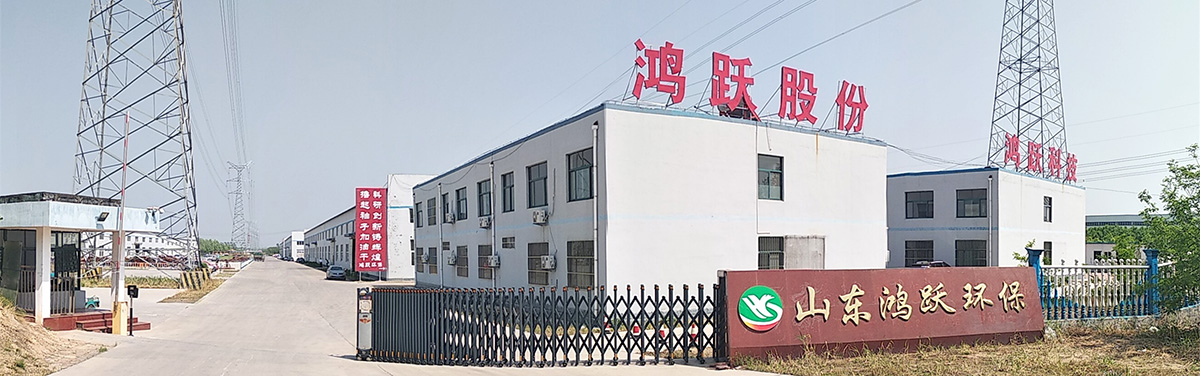
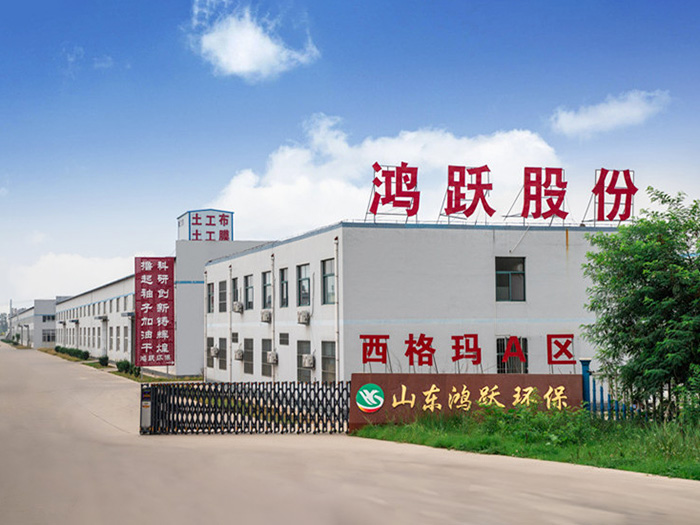
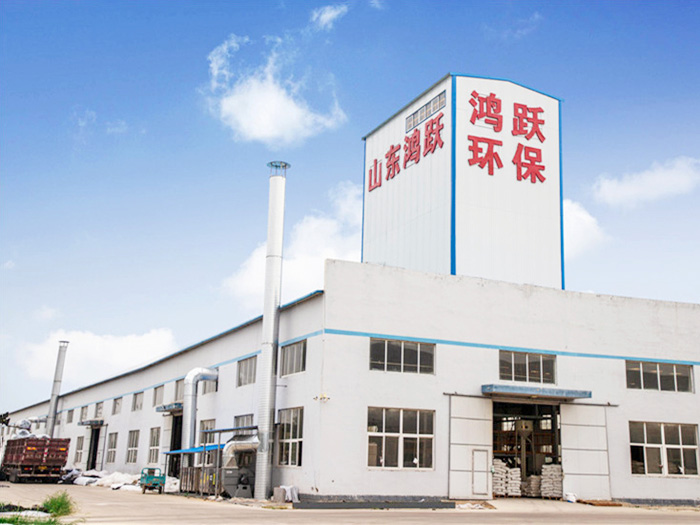
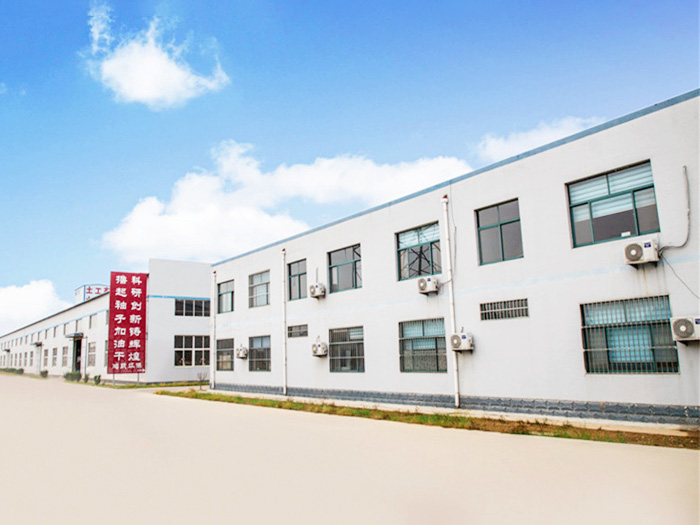
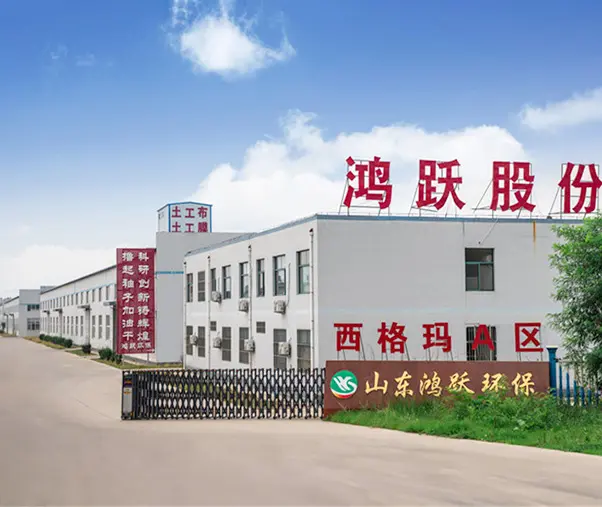
Transparent production spaces showcasing our advanced facilities, high-output extruders, and raw material warehousing.
How geotechnical engineers utilize different classes of geogrids and membranes in severe environments.
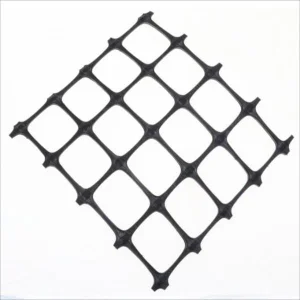
Under repeated dynamic traffic loads, weak subgrade soils tend to fail. Biaxially stretched plastic geogrids distribute vertical wheel pressure across a wider horizontal plane, minimizing differential settlement and preventing pavement cracking.
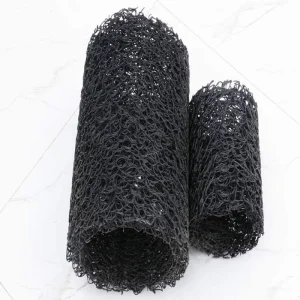
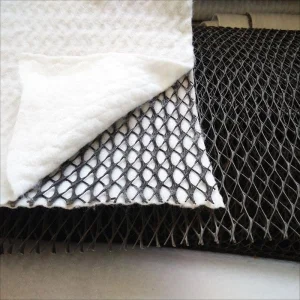
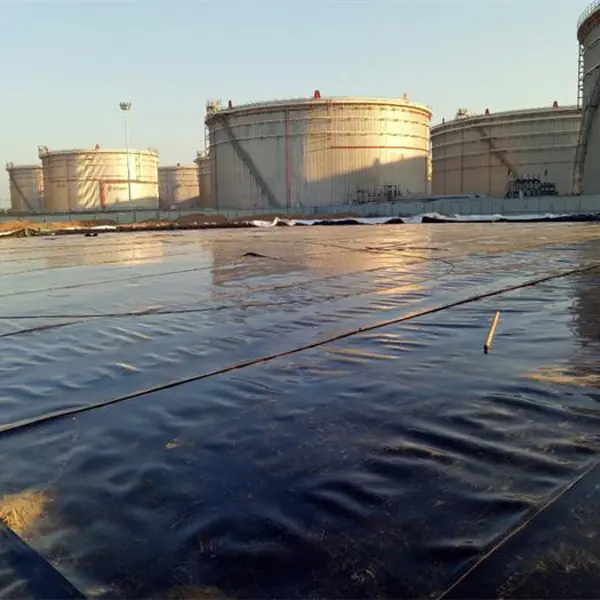
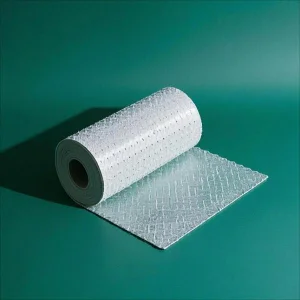
Modern landfills require strict zero-seepage containment. High-density geomembranes combined with 3D composite drainage networks prevent contaminated leachate from penetrating ground water systems, providing environmental security for decades.
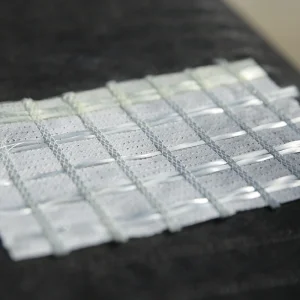
Watercourses and channels are susceptible to constant water erosion. Uniaxially stretched geogrids and warp-knitted composite geotextiles reinforce embankments, preventing soil washing while facilitating natural hydrological filtration.
| Material Class | Primary Reinforcement Direction | Tensile Strength Range | Best Application Scenario |
|---|---|---|---|
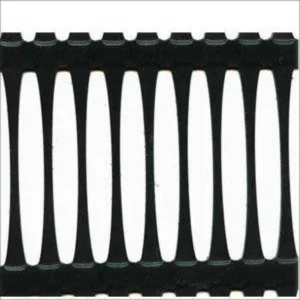
| Uniaxial Geogrid | Single axis (Longitudinal) | 50 kN/m to 300 kN/m | Retaining walls, steep slope stabilization, landslide remediation |
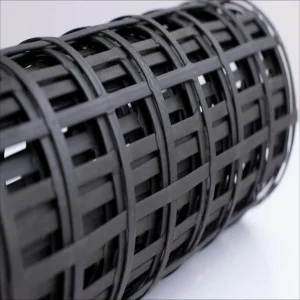
| Biaxial Geogrid | Dual axis (Radial distribution) | 20 kN/m to 80 kN/m | Road subgrades, railway ballast, parking lots, foundation stabilization |
| Steel-Plastic Composite Geogrid | High strength dual axis | 80 kN/m to 200+ kN/m | High-load mining haul roads, marine structures, deep soft ground treatment |
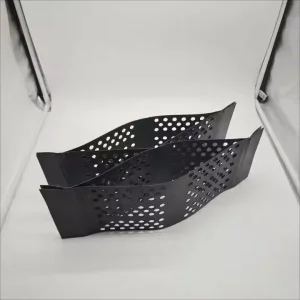
| Composite Geocell | Three-dimensional confinement | Varies based on weld joint | Channel protection, load support, vegetative slopes, desert road bases |
A look into our QA monitoring protocols and standard operating procedures (SOPs).
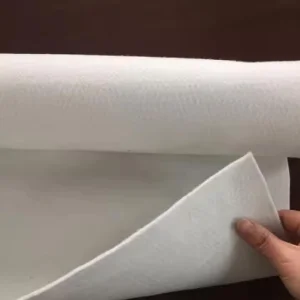
High-quality geotextiles are critical filter barriers. Their production at our Dezhou plant utilizes advanced automated systems to ensure micro-pore consistency:
Virgin polyester chips, polypropylene filament, and viscose fibers are inspected for moisture level and molecular density to prevent down-line tensile failures.
Polymer chips are melted at precise temperatures via our automated screw extruders and mixed to ensure chemical homogeneity.
The molten mixture is extruded through specialized spinnerets, producing fine fibers that form an isotropic mesh network on our conveyor systems.
Mechanical needle punching and heat-setting align the polymer chains, optimizing tensile strength, dimensional stability, and water permeability.
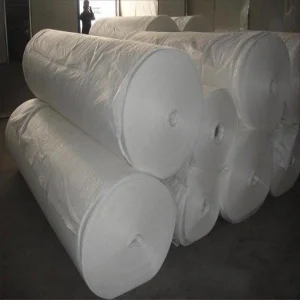
Finished rolls are measured for thickness, water flux, and puncture resistance, with all data logged prior to global export shipping.
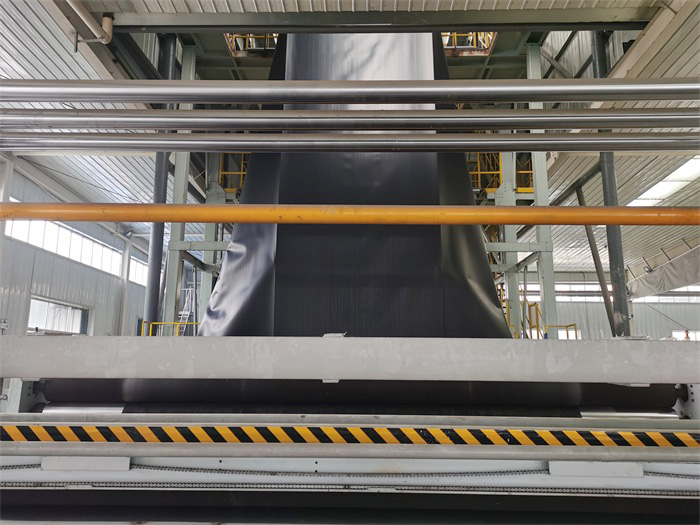
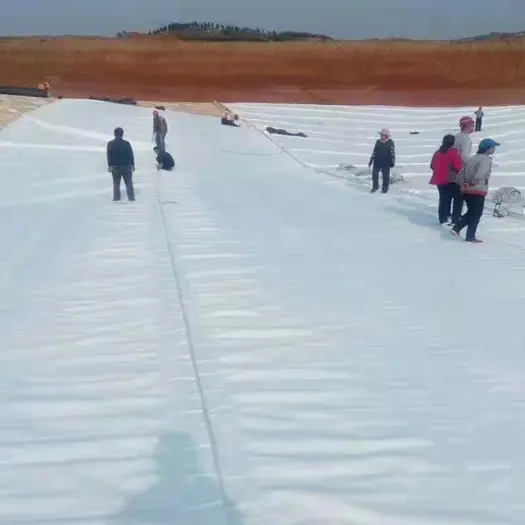
Proper installation is critical to a geomembrane's performance. High-density polyethylene (HDPE) provides excellent chemical resistance, but its effectiveness depends heavily on site preparation and welding quality:
Always verify weld seam shear and peel strength using a field tensiometer during installation. This step is essential to ensure compliance with global EPA landfill regulations.
How Shandong Hongyue is adapting to the demands of smart, carbon-conscious infrastructure projects.
With global net-zero initiatives gaining momentum, using recycled polymers in non-critical reinforcing fabrics is on the rise. Shandong Hongyue is actively developing eco-friendly formulations that minimize structural carbon footprints while maintaining tensile design strength (LTDS).
Innovations like integrating fiber optic cables and conductive sensors into geogrids allow for real-time monitoring of strain levels in bridges and retaining walls. This enables predictive maintenance, helping to prevent structural failures before they happen.
Our research focuses on improving the creep resistance of polyester (PET) and polypropylene (PP) geogrids. By refining the polymer drawing process, we create geogrids that maintain structural integrity under continuous load for over a century.
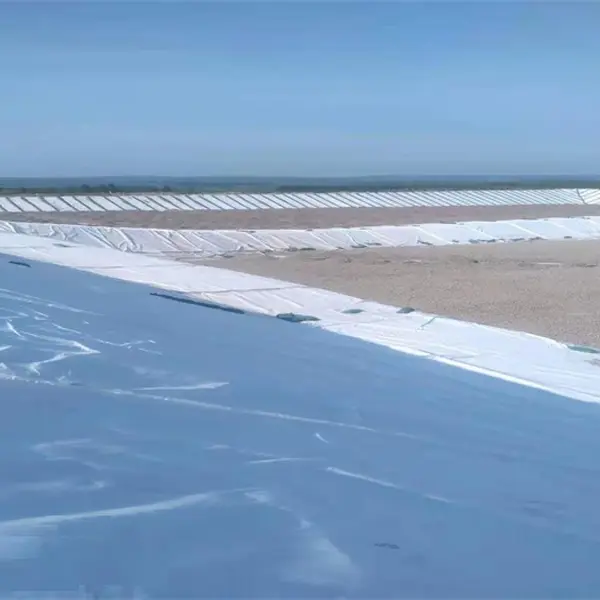
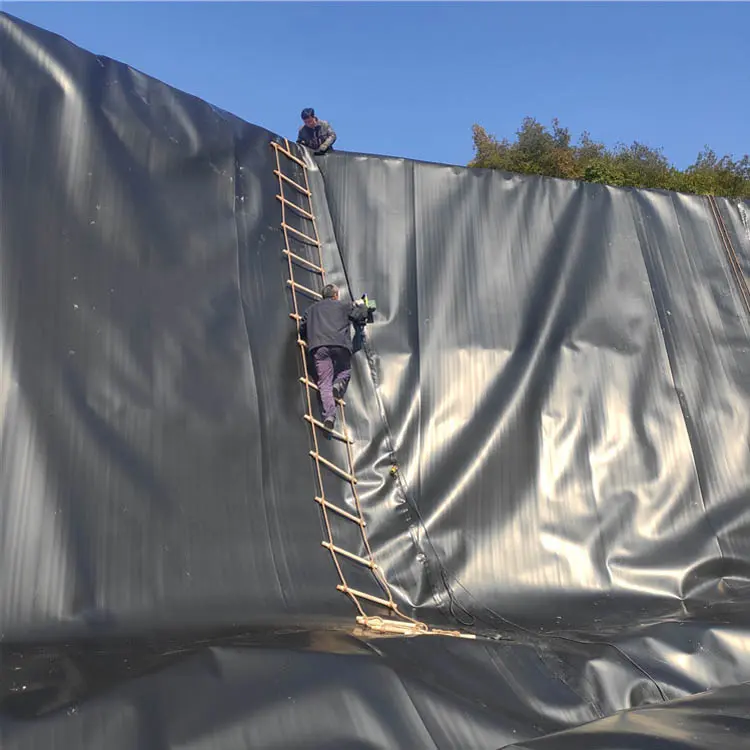
Explore real-world installations of geomembranes, drainage networks, and protective geosynthetics across demanding applications.
Key considerations to ensure structural compliance, cost efficiency, and reliable logistics for international projects.
For international procurement managers, sourcing geogrids and geotextiles involves balancing quality assurance with landed cost. Under the guidance of Google's Search Quality Guidelines, we prioritize transparency, engineering verification, and direct factory accessibility.
Our location in Dezhou allows for efficient container packing and domestic transport, helping global clients optimize shipping costs and reduce project lead times.
Answers to common technical, manufacturing, and logistical questions from global buyers and engineers.
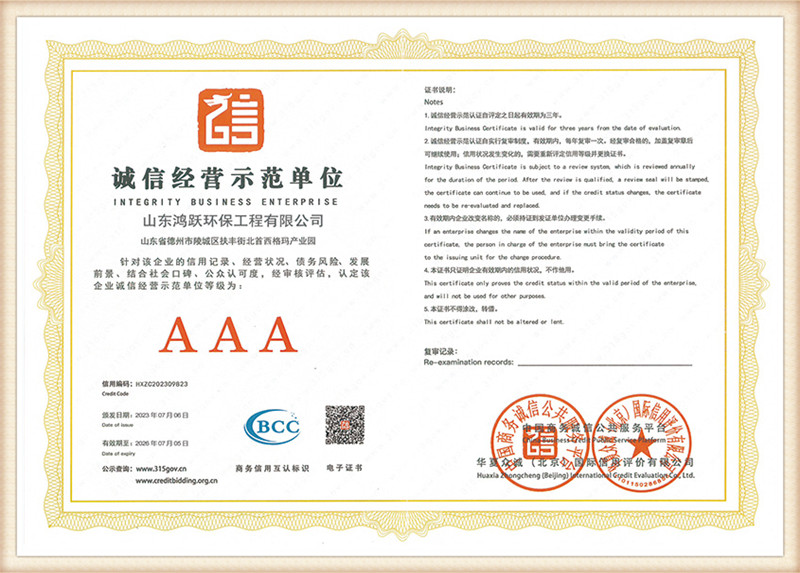
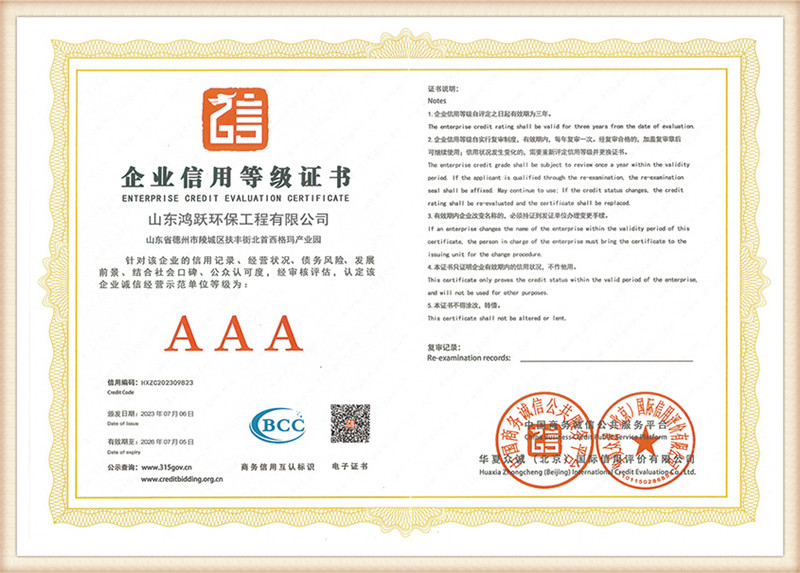
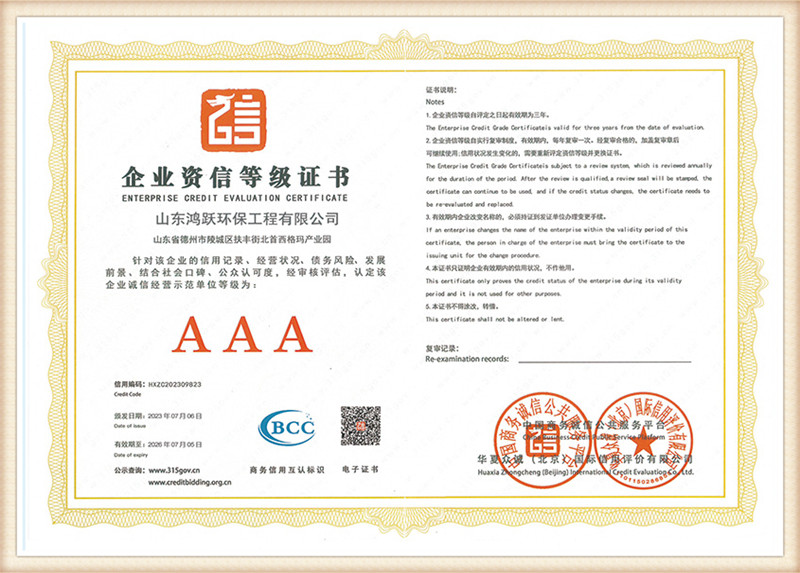
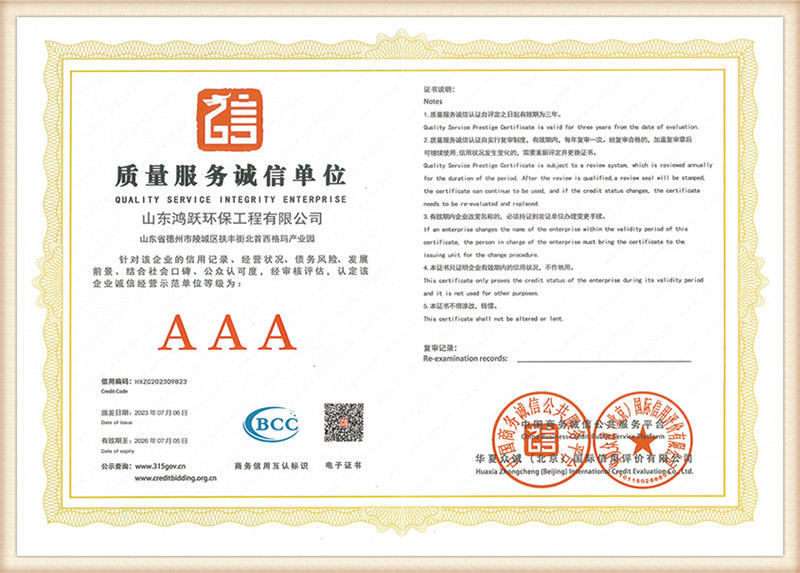
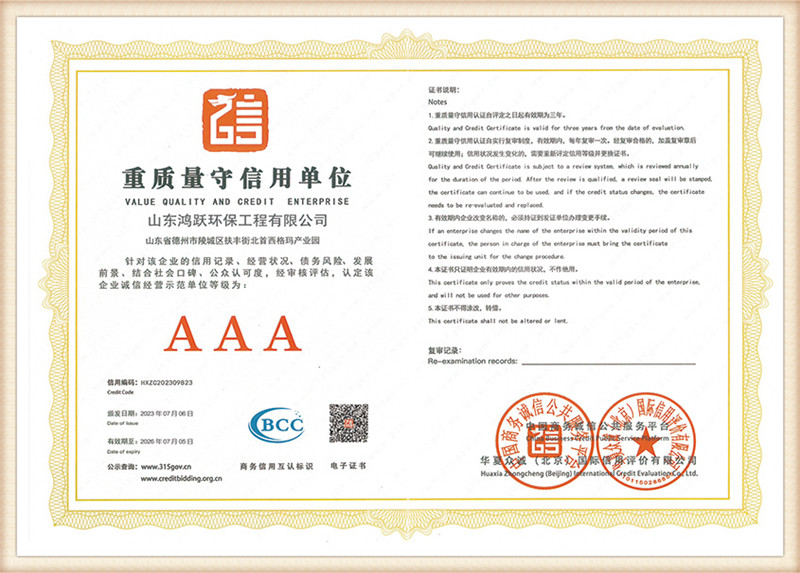
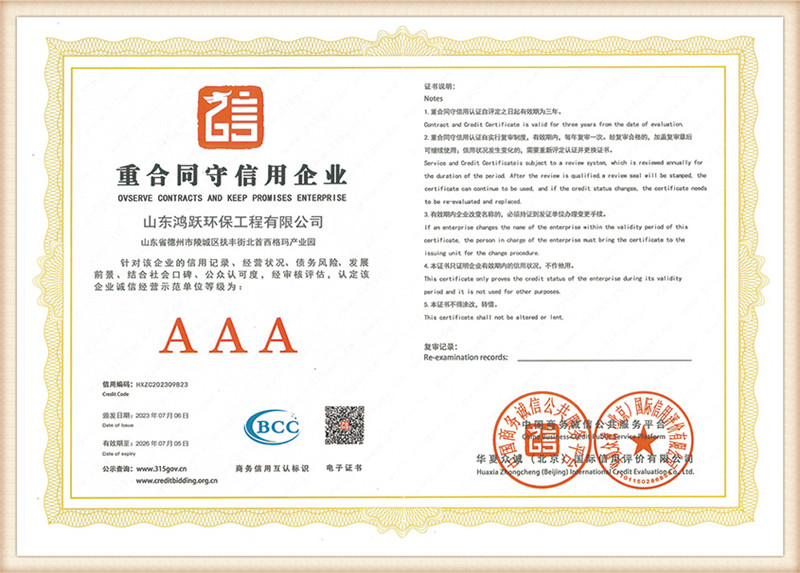
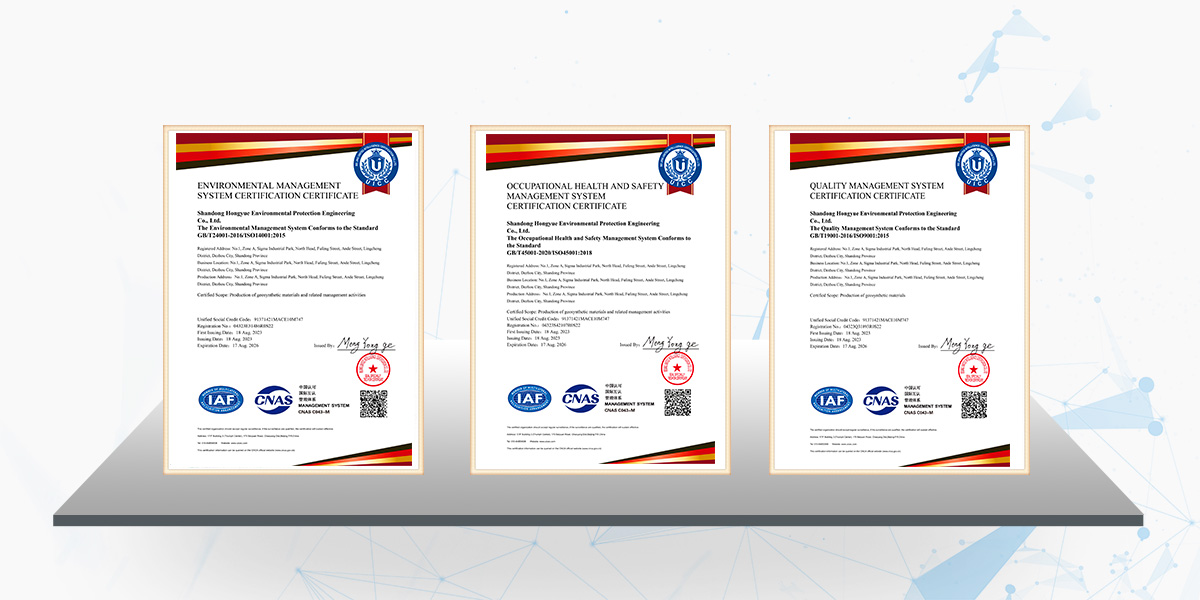
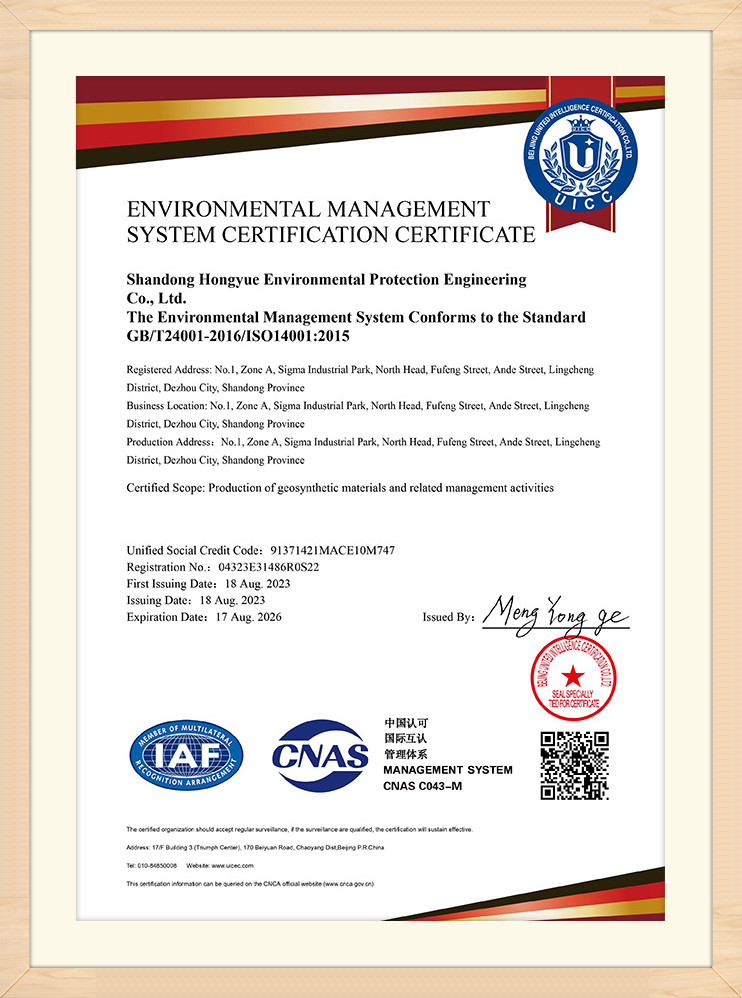
A look at our testing equipment, laboratory space, and certified production lines.
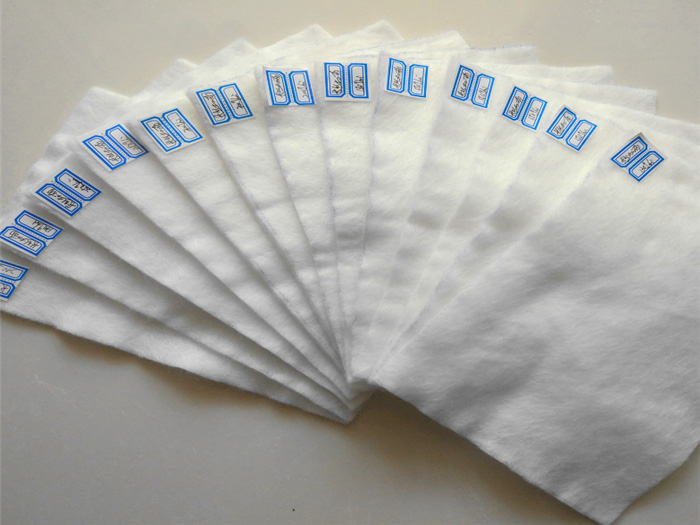
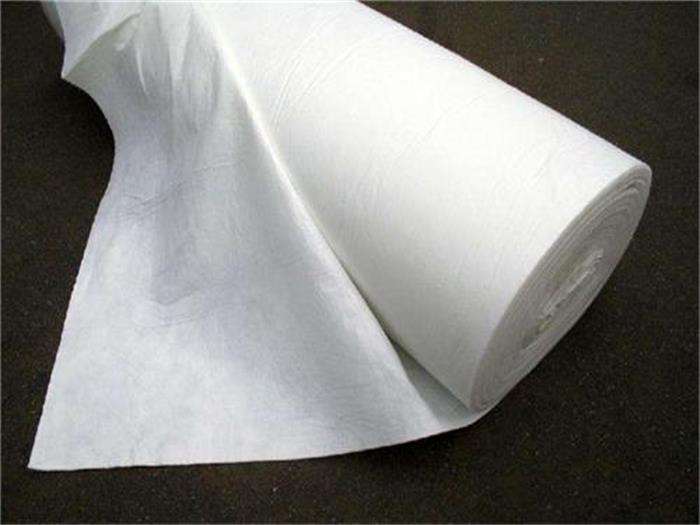
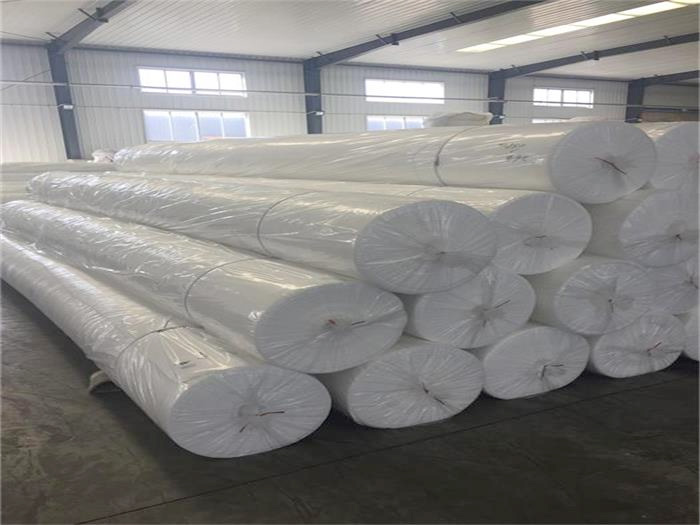
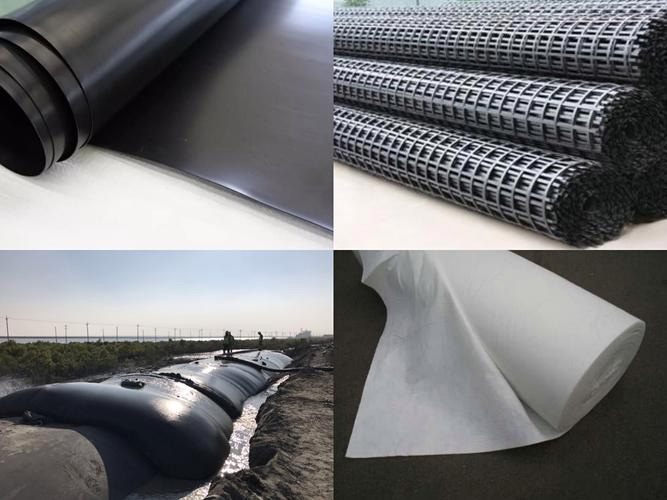
Geosynthetic systems installed in reservoirs, canals, and river embankments for erosion control and seepage prevention.
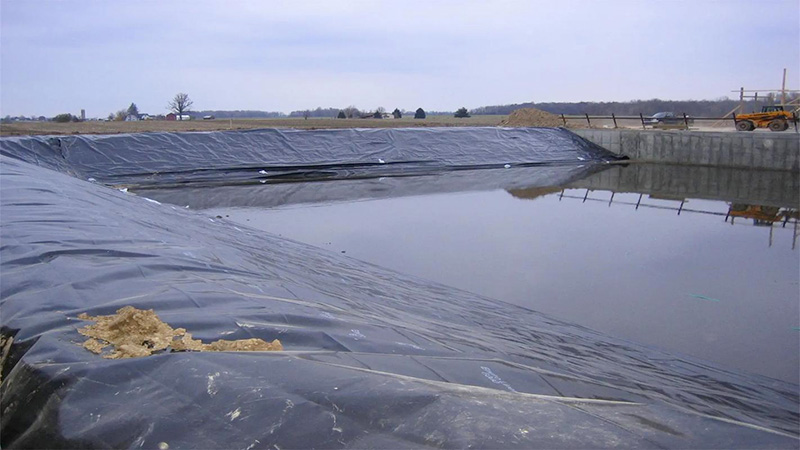
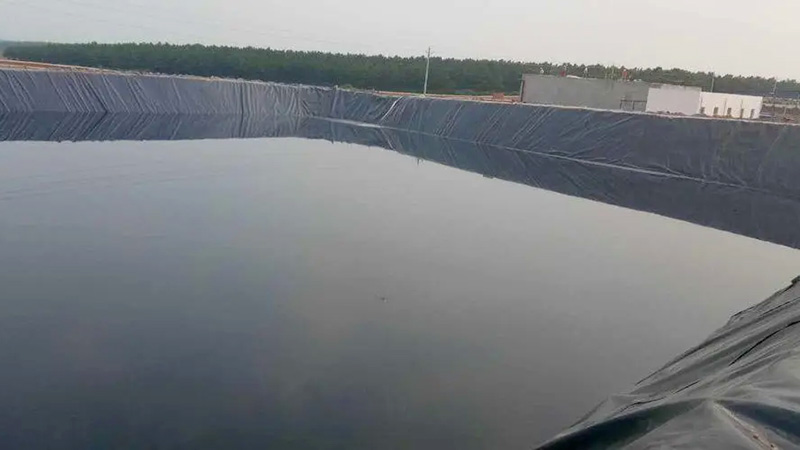
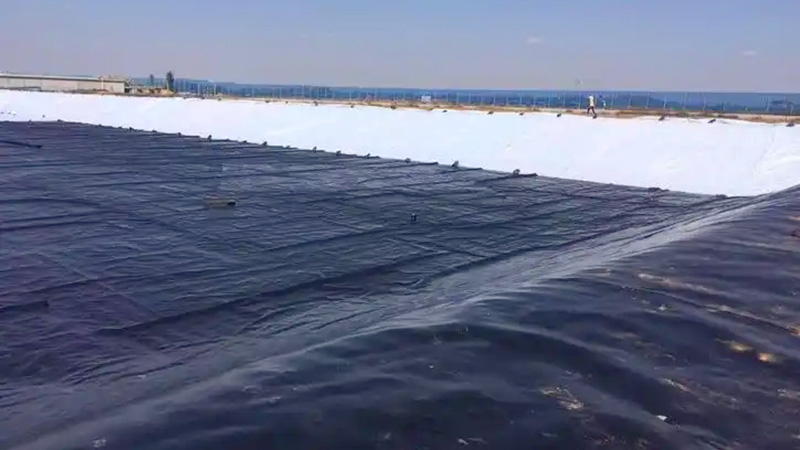
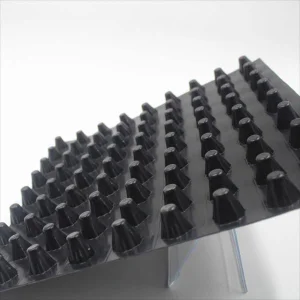
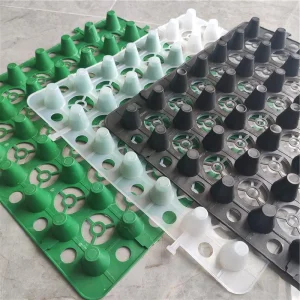
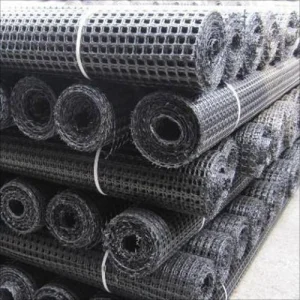
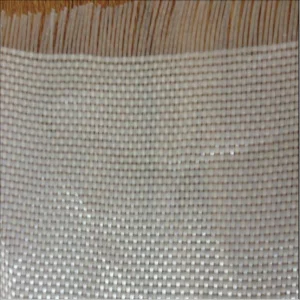
High-performance drainage boards, geocells, and woven geotextiles engineered to meet international project specifications.

 Hongyue