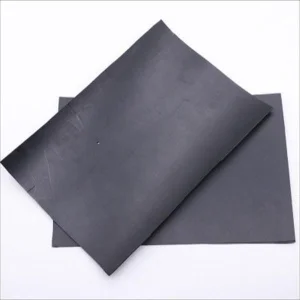
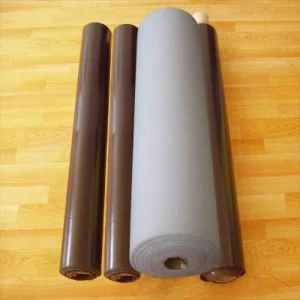
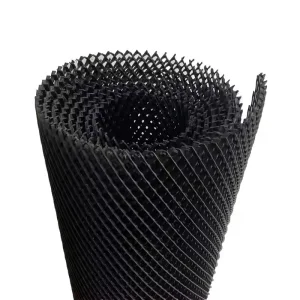
Explore our premium selection of advanced geomembranes, composite geonets, and geogrids engineered for high-performance stabilization and containment.
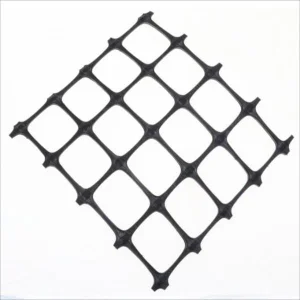
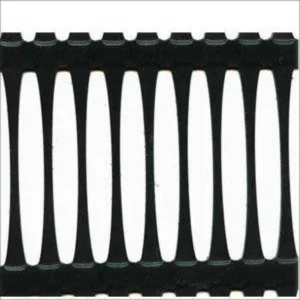
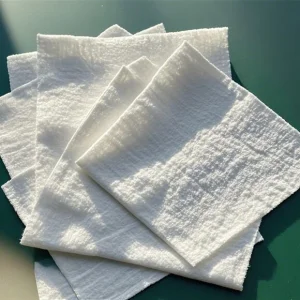
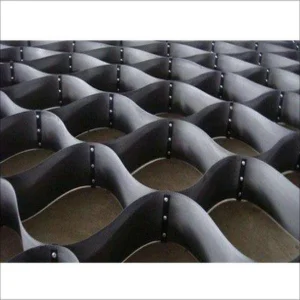
Learn more about Shandong Hongyue Environmental Engineering Co., Ltd.—a scientific and technological geotechnical material manufacturer integrating production, sales, design, and construction services.
Established on April 6, 2023, and registered in the Lingcheng District Market Supervision and Administration Bureau of Dezhou City, Shandong Province, Shandong Hongyue Environmental Engineering Co., Ltd. represents a massive leap forward in China's geotechnical manufacturing sector. Bolstered by a registered capital of 105 million yuan, we stand as one of the largest production and R&D bases of geotechnical materials in China. Our strategic location at the north end of Fufeng Street, Lingcheng District, guarantees logistical efficiency with rapid transit lanes connecting major industrial and shipping hubs.
At Shandong Hongyue, we go beyond simple manufacturing. We offer comprehensive, integrated solutions including engineering material design, consulting, onsite installation services, and project management. Our products are widely utilized across global infrastructures, such as highways, railways, bridges, tunnels, reservoir water conservancy, environmental protection landfills, aviation, mining, and modern agriculture.
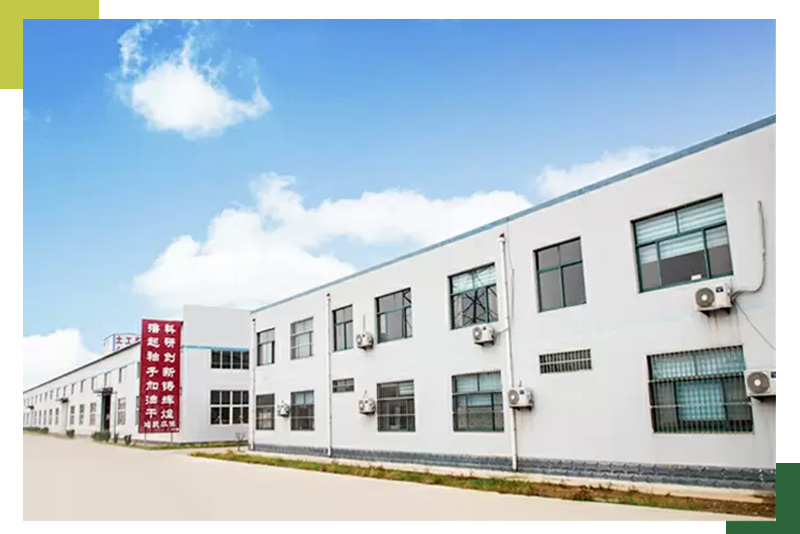
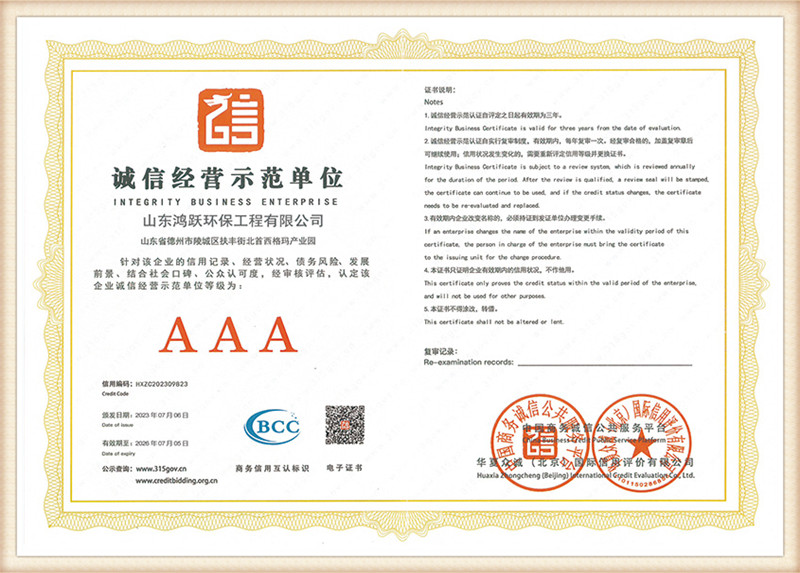
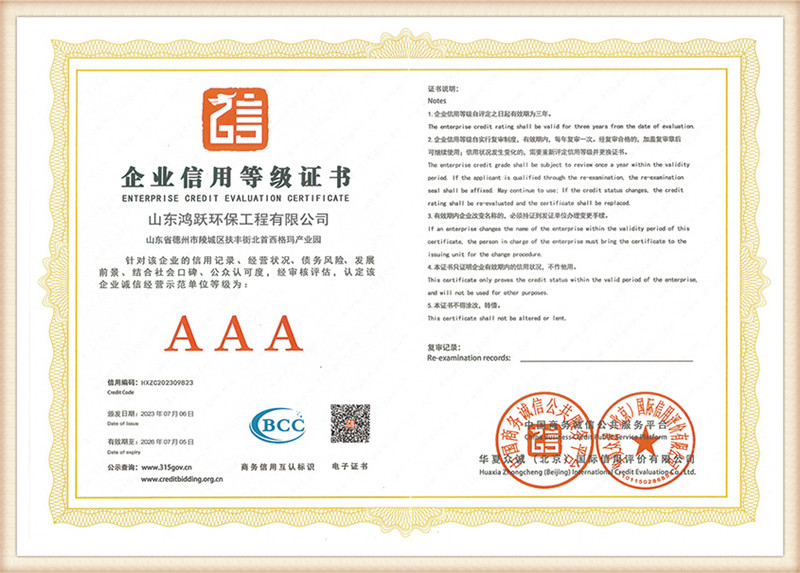
An in-depth whitepaper analysis of the technical and macroeconomic factors shaping the modern geosynthetics market.
In the modern era of civil engineering, global urbanization, combined with extreme weather events caused by climate change, has forced a critical paradigm shift. Traditional soil reinforcement and filtration methods are no longer sufficient to guarantee the longevity of major civil infrastructures. Consequently, the demand for high-tensile fabric geotextiles has skyrocketed. According to recent industrial data, the global geosynthetics market is expected to witness a compound annual growth rate (CAGR) of over 6.5% in the coming decade, with non-woven polyester and polypropylene filament geotextiles leading the market share.
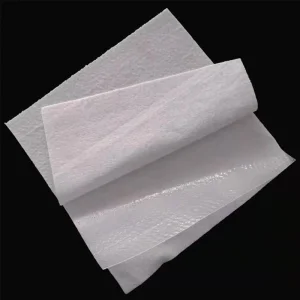
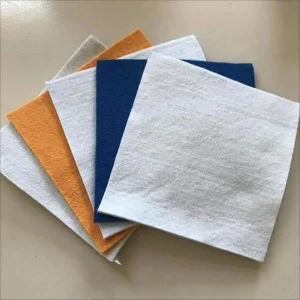
As a specialized Fabric Geotextile Factory & Exporter, Shandong Hongyue Environmental Engineering Co., Ltd. addresses this growth by producing next-generation geotextiles that exhibit superior tensile strength, remarkable puncture resistance, and highly optimized hydraulic properties. These materials serve as the primary defensive barrier in subgrade stabilization, coastal protection, landfill lining, and soil erosion control systems.
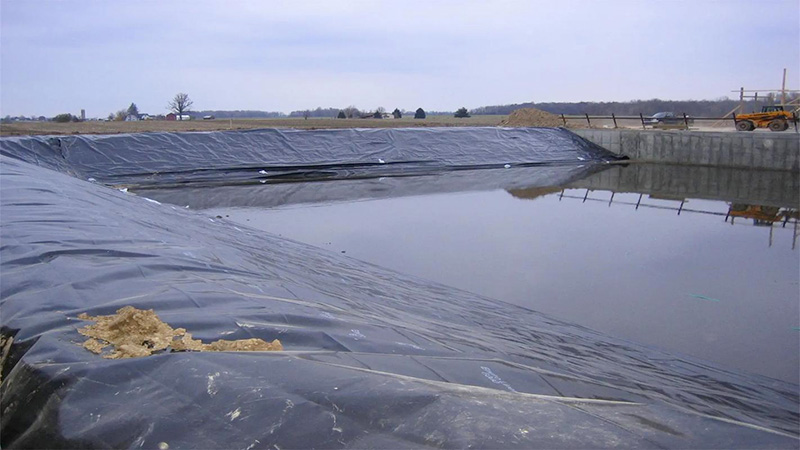
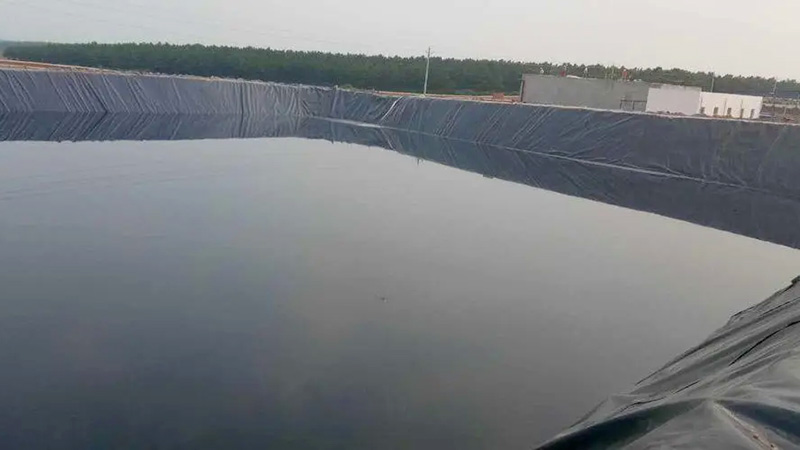
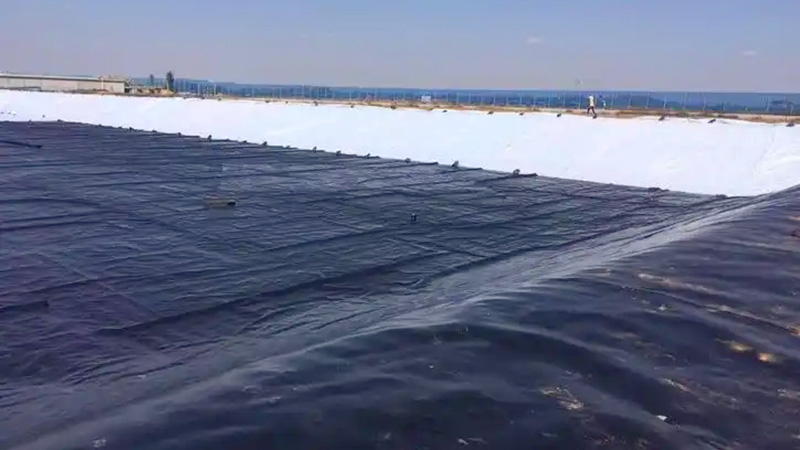
National environmental protection agencies worldwide have instituted strict requirements regarding waste and municipal liquid containment. Landfills, tailing ponds, and industrial wastewater reservoirs are now mandated to utilize multi-layered, redundant barrier systems. By pairing our robust, non-woven filament geotextiles with advanced geomembranes, engineers can construct composite lining systems that prevent toxic effluents from leaching into nearby water tables.
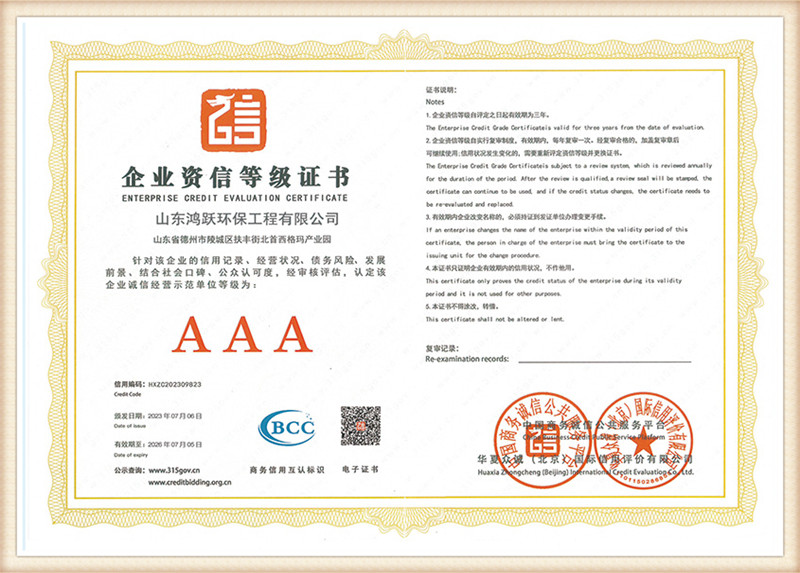
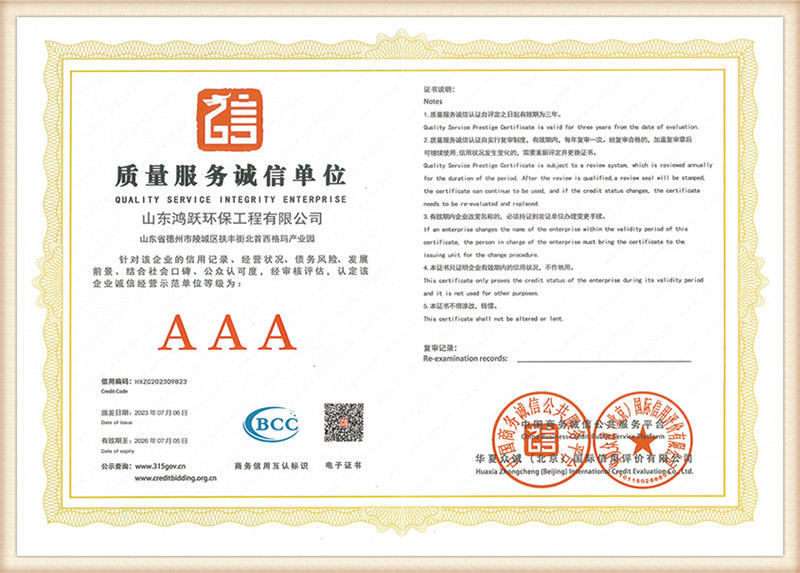
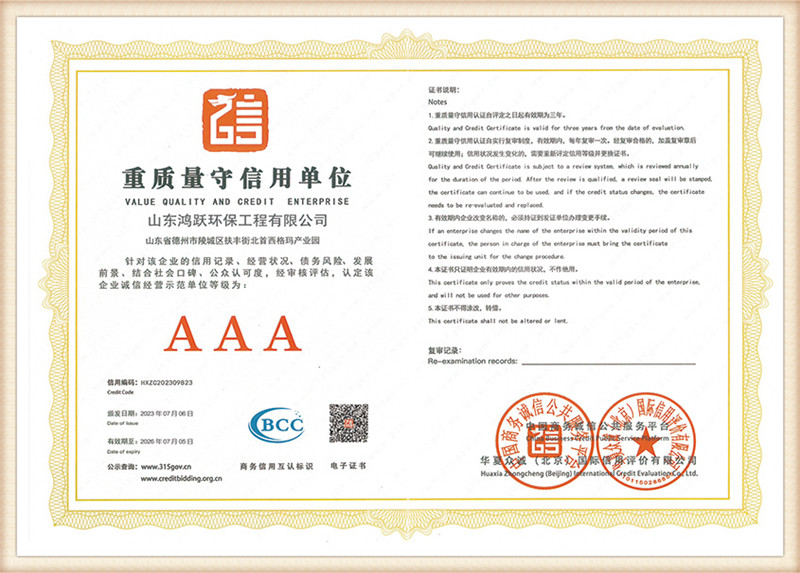
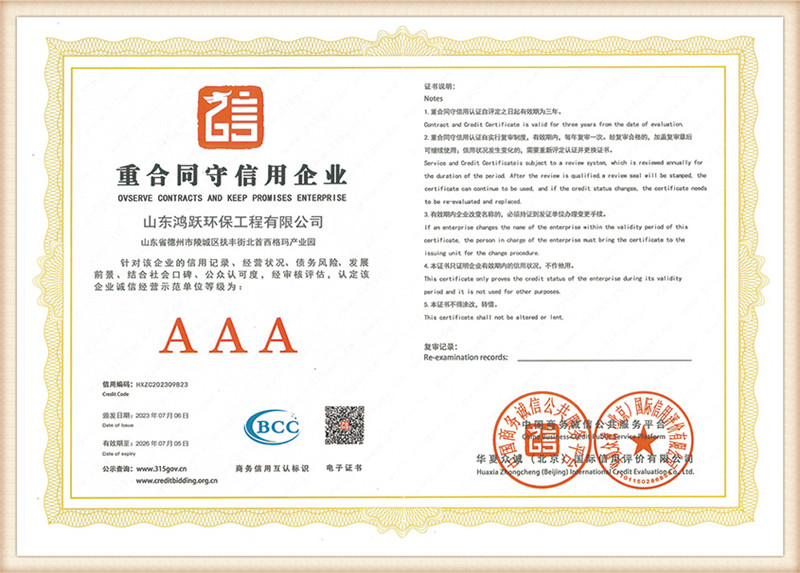
Our automated, state-of-the-art production workflow ensures consistent physical and mechanical properties for all manufactured geotextiles.
The manufacturing process begins with the rigorous selection and inspection of raw materials. We utilize premium-grade polyester (PET) chips, polypropylene (PP) filament, and viscose fibers. These raw materials undergo physical testing for polymer density, melt flow index, and moisture content to verify compliance with international standards.
PET chips and PP filaments are heated to molten states at high temperatures (typically between 260°C and 300°C) inside a twin-screw extruder. The liquid polymer is then forced through micro-spinnerets, generating continuous, ultra-fine filaments. Advanced airflow systems draw and lay these fibers in a controlled orientation onto moving conveyor belts.
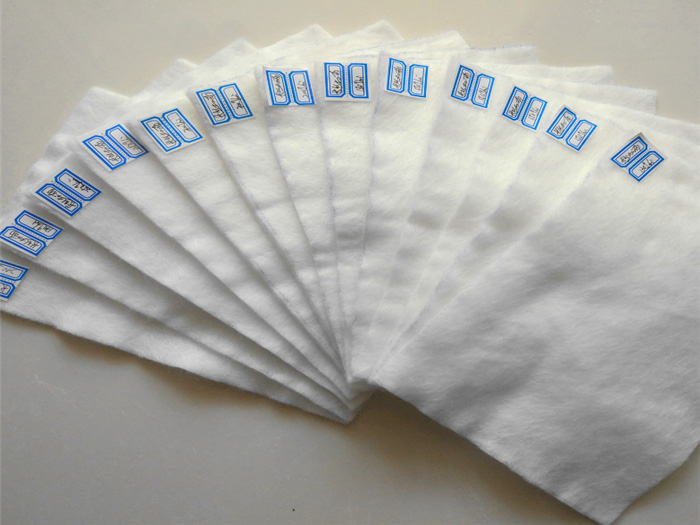
The continuous filaments form a uniform, three-dimensional web. This web enters a series of high-speed needle-punching looms. Hundreds of thousands of barbed needles pierce the web vertically, forcing the fibers to mechanically entangle. This creates a highly porous, physically resilient, and flexible matrix.
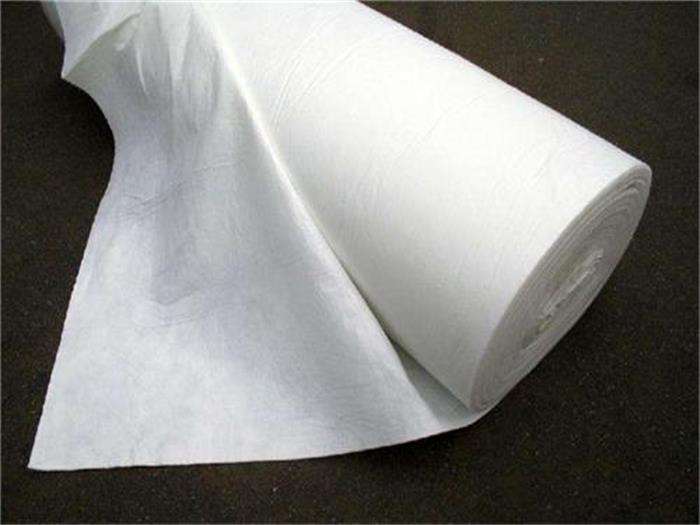
For application-specific geotextiles, the needle-punched web is passed through a thermal bonding unit where hot air or heated rollers soften the outer layers of the fibers. This bonds them together at intersection points, dramatically increasing the material's structural stability and tensile strength.
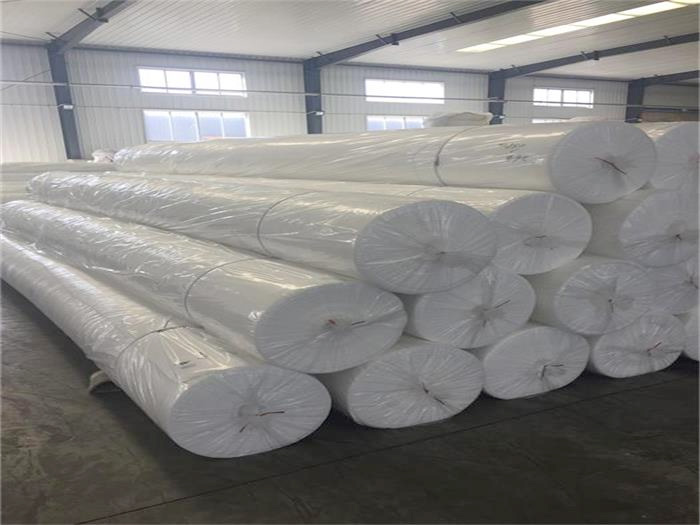
Every single batch of fabric geotextiles is rolled, measured for width and thickness, and securely packed. Samples are extracted and tested in our certified in-house laboratory for tensile strength (ASTM D4595), puncture resistance (ASTM D4833), permeability (ASTM D4491), and UV resistance. Only batches meeting or exceeding strict standards are approved for export.
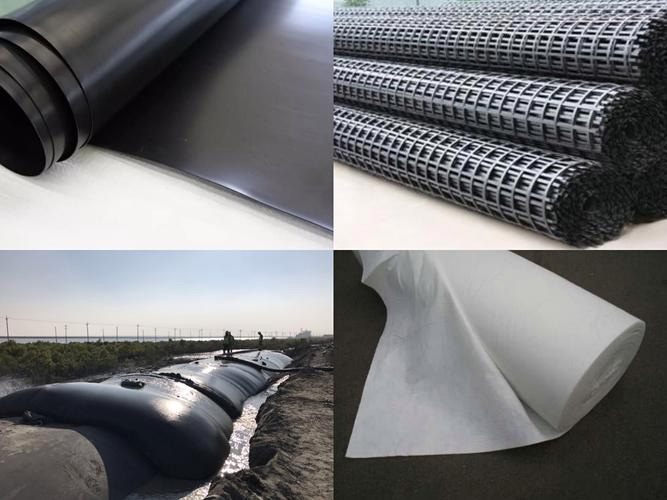
How Shandong Hongyue geosynthetics provide the structural backbone for major international engineering works.
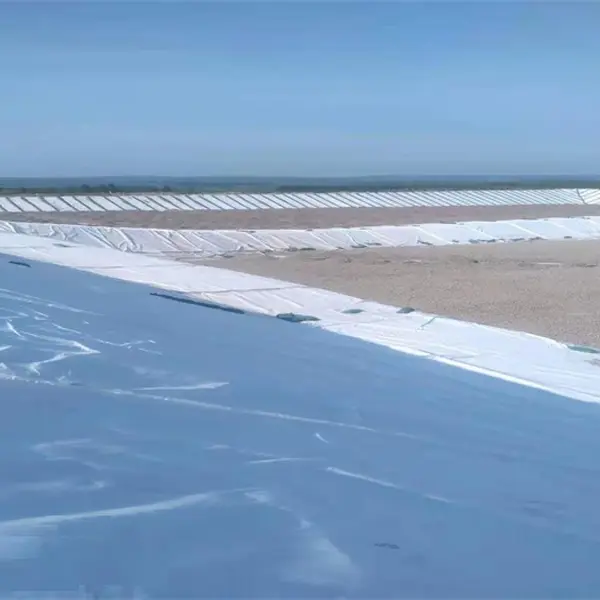
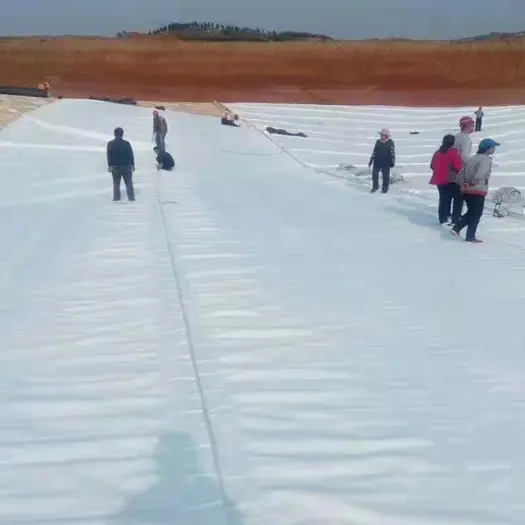
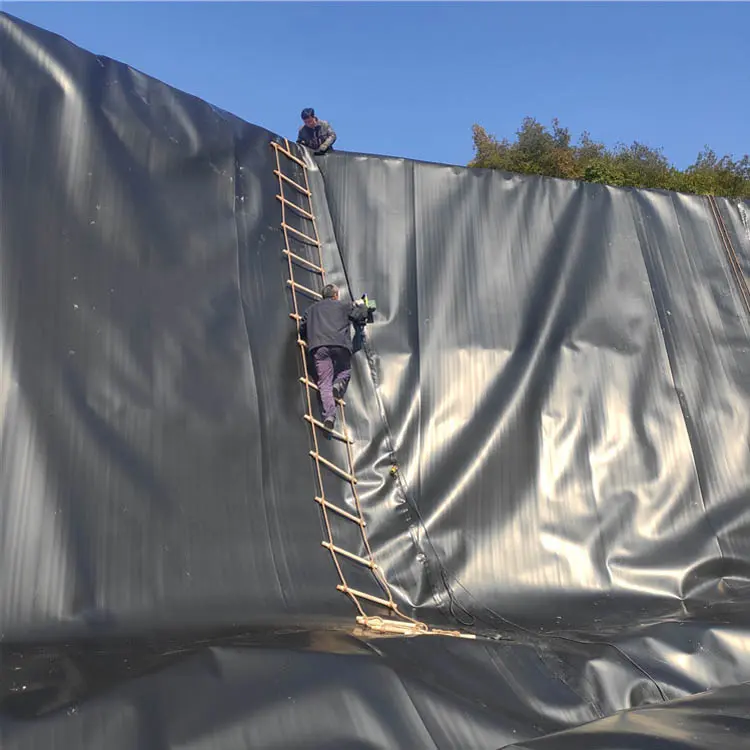
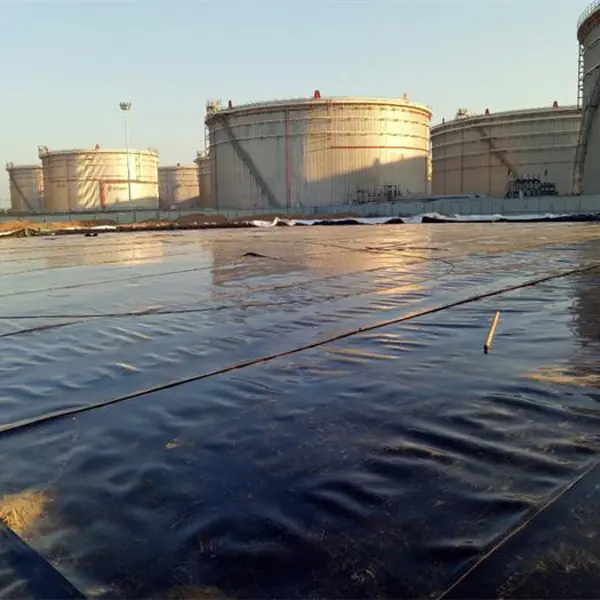
Our engineering materials form complete system solutions in four key environmental domains: impermeability, environmental protection, reinforcement, and water stop systems.
Best practices for laying, joining, and maintaining geosynthetic materials to maximize service life.
An engineering material is only as good as its installation. To ensure that our products offer maximum performance, Shandong Hongyue provides detailed field support and technical guidelines.
| Engineering Phase | Core Steps & Key Actions | Critical Parameters & Inspections |
|---|---|---|
| 1. Site Preparation | Ensure the subgrade is level and clean. Remove all stones, tree roots, sharp objects, and standing water. | Compaction density > 95%; surface flatness check. |
| 2. Laying Protocol | Roll out geotextiles and geomembranes smoothly. Avoid pulling or stretching the materials too tight to prevent localized stress concentration. | Overlapping width: 100mm to 150mm; allow 2-3% slack for thermal expansion. |
| 3. Seam / Joint Treatment | For geomembranes, employ double-track hot wedge welding or extrusion welding. For geotextiles, sew joints using a portable bag closer or heat-bond them. | Welding temperature: 280°C - 380°C; perform air pressure testing on double-track seams. |
| 4. Covering & Backfilling | Apply a protective layer of fine soil or sand immediately after laying to shield the polymer from direct UV radiation and physical damage. | Avoid direct operation of heavy tracked machinery on exposed geosynthetics; keep minimum cover height of 300mm. |
| 5. Quality Assurance | Conduct destructive and non-destructive seam testing. Keep detailed logs of weld temperatures, speeds, and pressure settings. | Vacuum testing for hard-to-reach patches; peel and shear tests on sample seams. |
When joining HDPE or LLDPE geomembranes, welding integrity is paramount. In hydraulic engineering and landfill operations, a single poorly welded seam can result in massive soil pollution and project failure. Shandong Hongyue recommends double-track hot wedge welding. This technique creates a hollow channel between two parallel welds, allowing operators to run pressurized air through the channel to instantly verify the joint's airtightness.
For geotextile sewing, a two-thread chain stitch using high-strength UV-resistant polyester thread is recommended. When heat-bonding geotextiles, a propane torch or hot air gun is carefully directed between the overlapped sections, followed immediately by pressing the layers together with a roller.
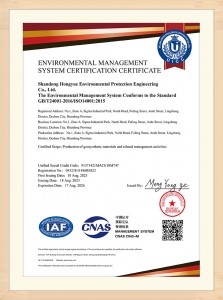
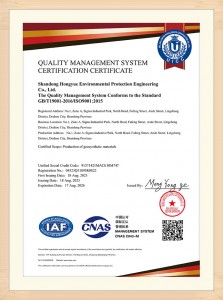
Our pledge to reliability: ISO Certified manufacturing systems and national level testing support.
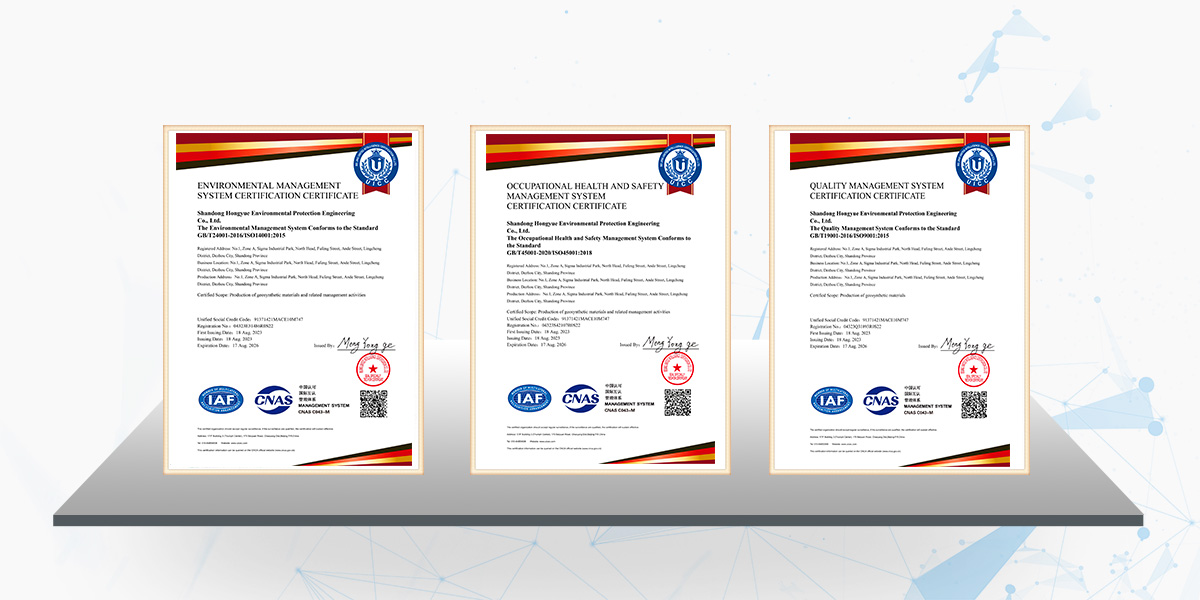
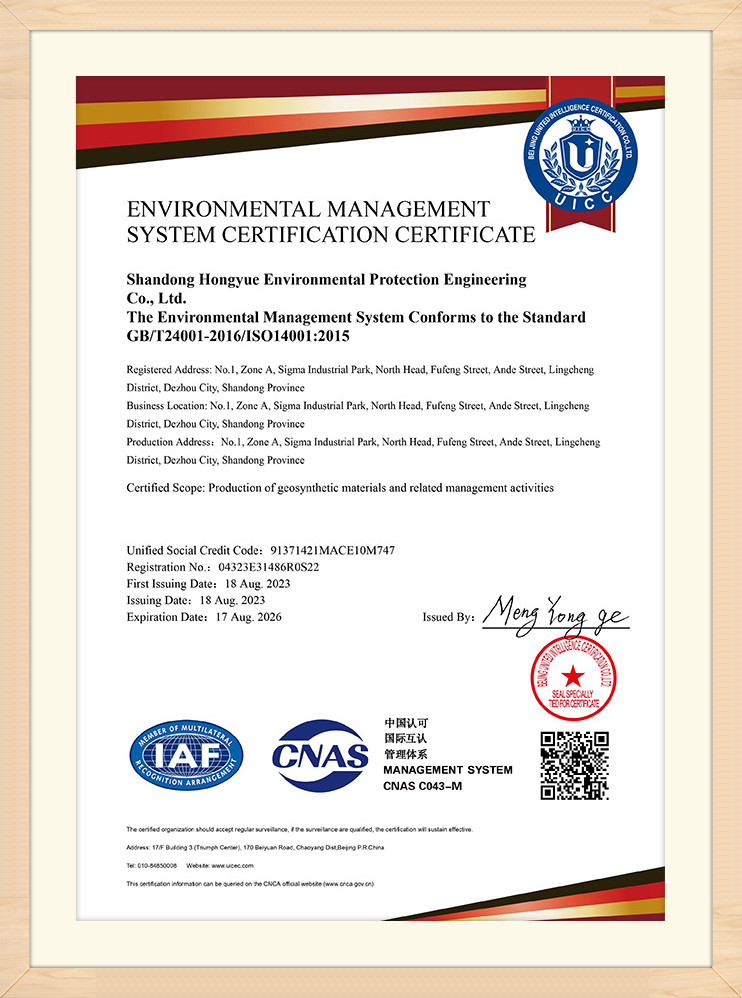
To maintain our position as a globally renowned Fabric Geotextile Factory & Exporter, Shandong Hongyue Environmental Engineering Co., Ltd. has established a complete and scientific quality control system. Our operations are fully certified under:
All manufactured materials are subjected to rigorous testing by the China National Testing Center and conform to or exceed American Society for Testing and Materials (ASTM) and International Organization for Standardization (ISO) standards. These efforts have earned us awards such as "Famous Chinese Brand", "High-Tech Industry", and "Green and Environmentally Friendly Building Materials Products".
Get answers to the most common technical questions about geotextile and geomembrane performance, installation, and manufacturing standards.
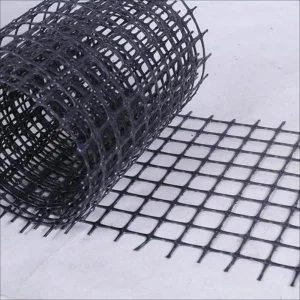
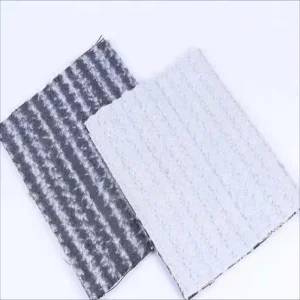
Our extensive range of high-strength structural geogrids, composite drainage boards, and engineered concrete blankets.

 Hongyue