Discover our certified range of high-performance geomembranes, geogrids, geocells, and bentonite composite systems.
In contemporary civil, ecological, and environmental engineering, the demand for robust fluid barrier systems has reached unprecedented heights. Globally known as Geosynthetic Clay Liners (GCLs) and composite water-resistant blankets, these materials are replacing traditional, thick compacted clay liners (CCLs). Due to their high swelling capacity, self-healing properties, and exceptional low hydraulic conductivity (typically less than $1 \times 10^{-11}$ m/s), GCLs serve as the primary containment system in critical infrastructure, landfill sealings, mining tailing ponds, and water conservation channels.
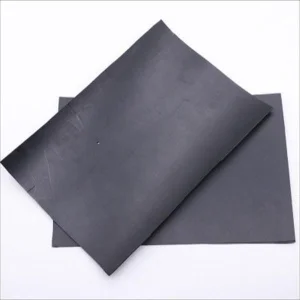
The global industrial sector is undergoing a rapid transition toward ecological sustainability and carbon neutrality. Shandong Hongyue Environmental Engineering Co., Ltd. stands at the forefront of this movement. Founded with a massive registered capital of 105 million yuan and located in the Geotechnical Industrial Hub of Dezhou, Shandong Province, we offer a comprehensive technical ecosystem. We specialize in producing OEM/ODM bentonite waterproof blankets, high-density polyethylene (HDPE) geomembranes, and innovative cement blankets that combine flexibility, quick hydration, and immediate mechanical structural stability.
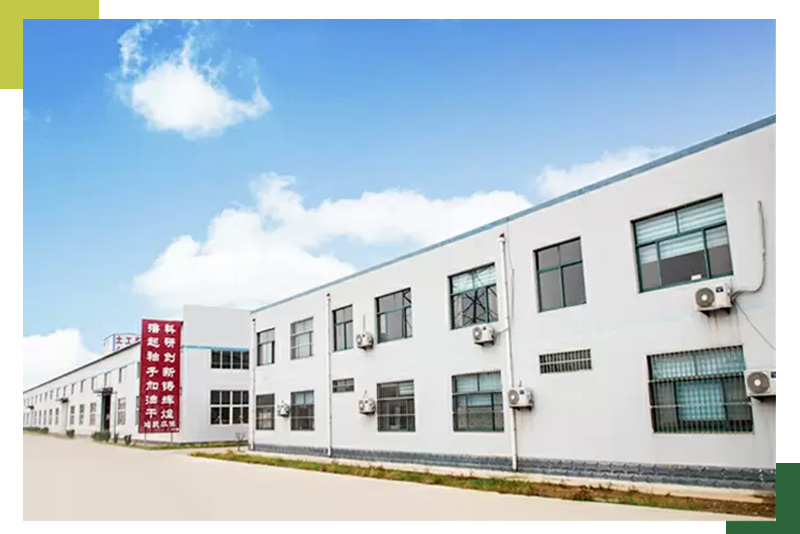
Our manufacturing processes utilize state-of-the-art automated systems. From raw material preparation to strict laboratory quality inspections, we guarantee international-standard reliability.
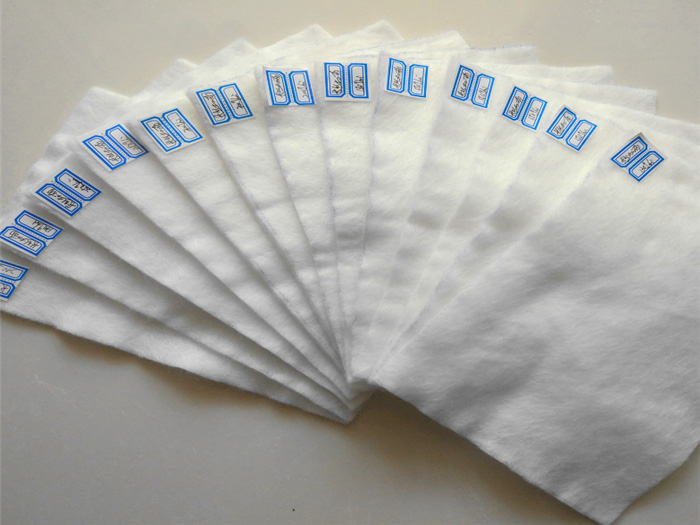
We select high-grade polyester chips, premium polypropylene filament, and natural active sodium bentonite clay. In the initial stage, materials undergo strict moisture and density screening. Polyester and polypropylene components are subjected to high-temperature melt extrusion using computerized screw extruders to guarantee a homogeneous structural base.
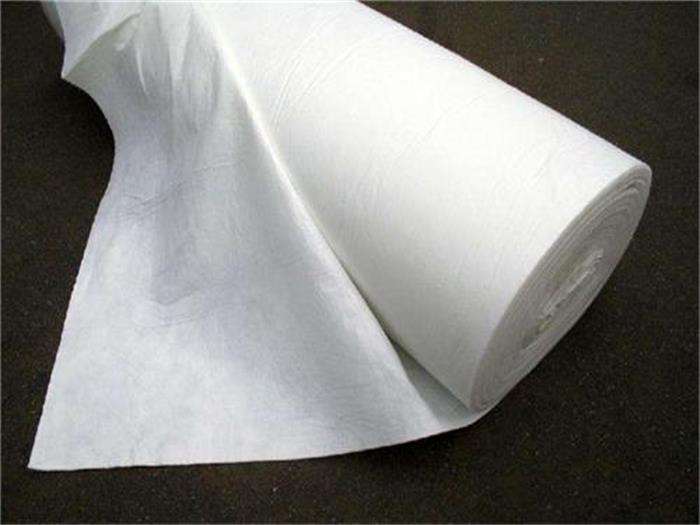
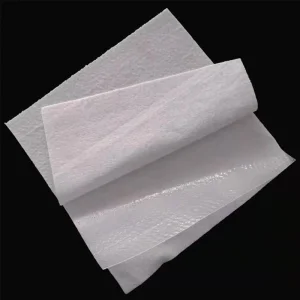
The polymer melt is sprayed through specialized high-precision spinnerets to create a robust network of continuous filaments. For GCL (Geosynthetic Clay Liners), a uniform layer of bentonite powder is encapsulated between a non-woven geotextile and a woven geotextile. High-density needle punching locks the clay particles within a stable three-dimensional matrix, preventing shift and slide.
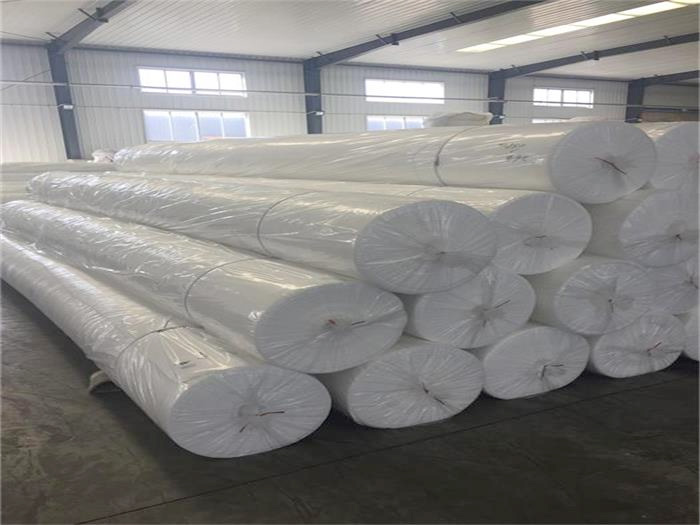
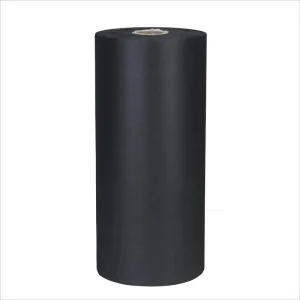
The structured blanket goes through draft curing rollers under precise heat and speed controls to optimize tensile strength, hydraulic containment, and elongation capacity. Once cured, the blankets are cut, rolled, labeled, and wrapped in protective moisture-proof films, ready for global shipping.
From municipal landfills to complex agricultural irrigation projects, our water-resistant blankets are tested in real-world environments.
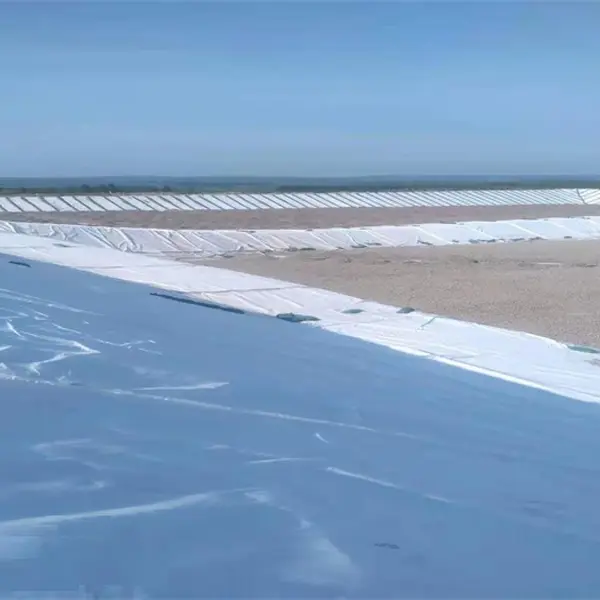
Reservoirs built in complex valley profiles often suffer from localized substrate shifting. Our OEM bentonite blankets expand upon contact with water, creating a tight clay seal that compensates for soil movement and prevents underground reservoir seepage.
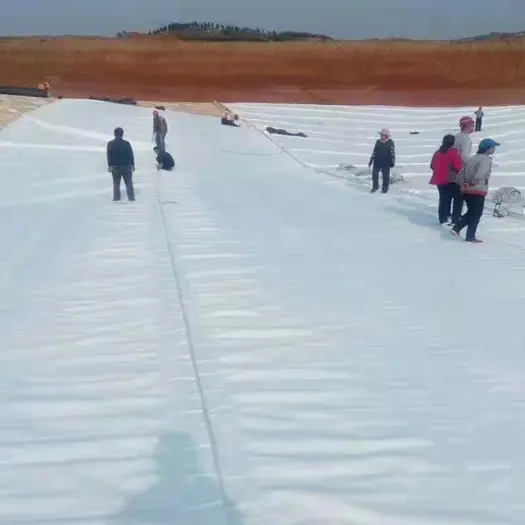
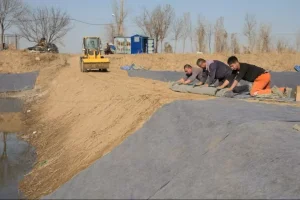
Erosion control along riverbanks and agricultural channels requires robust lining. The combination of cement blankets and non-woven geotextiles forms an impermeable composite concrete armor, maintaining channel geometry and preventing washouts during peak seasonal flows.
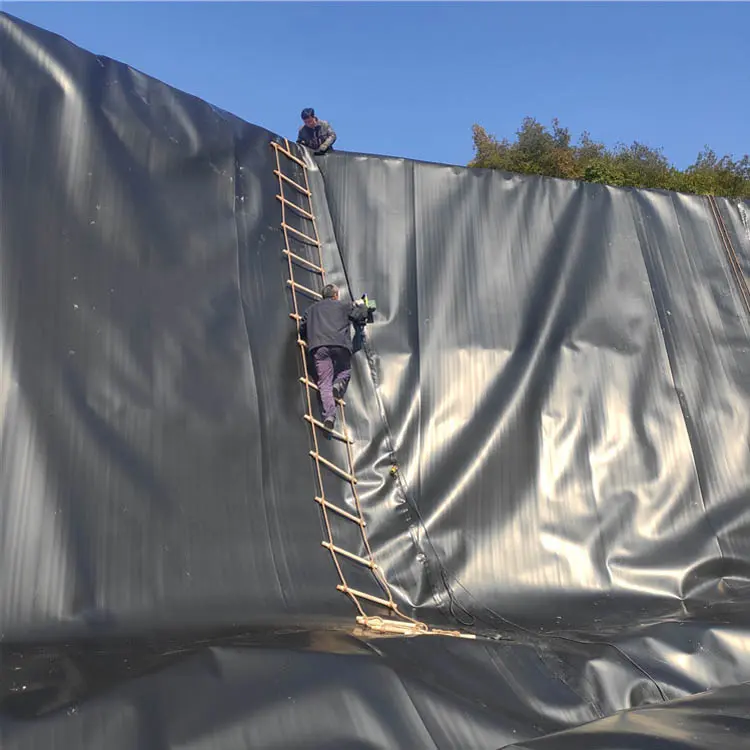
Hazardous waste containment demands a dual-layer lining system. Our GCL is deployed alongside textured HDPE geomembranes to act as a secondary defense layer, safeguarding local groundwater tables from industrial toxic leachate contamination.
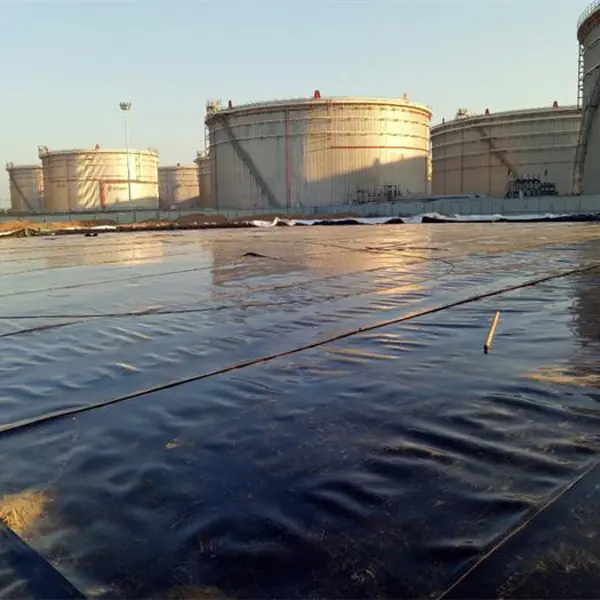
Industrial chemical storage complexes use specialized containment bunds. Incorporating composite geomembranes with water and oil-resistant clay barriers prevents hazardous spills from penetrating downstream agricultural lands.
Operating out of Dezhou, China's center for geosynthetics, Shandong Hongyue Environmental Engineering Co., Ltd. provides robust logistical support and high-capacity manufacturing lines.
The Dezhou Geotextile Association cluster grants our factory unparalleled access to raw polymer materials and technical partnerships. With a massive registered capital of 105 million yuan, we have built continuous manufacturing lines that eliminate production bottlenecks.
Our strategic geographic location near major North China transit routes guarantees fast transport to the Ports of Qingdao and Tianjin. This ensures steady delivery schedules, preventing costly delays on large-scale infrastructure and municipal civil engineering projects.
"By combining local polymer sourcing, automated needle-punch systems, and standardized testing, we provide high-grade water-resistant blankets at competitive wholesale prices."
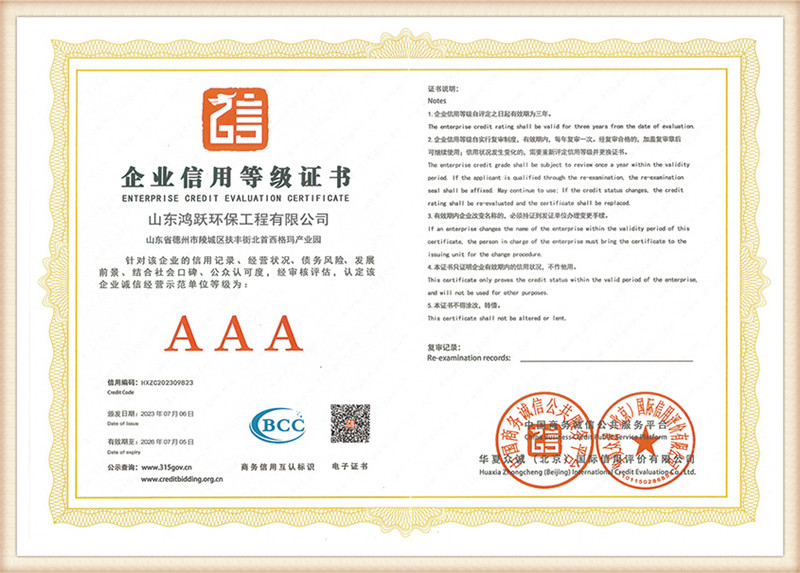
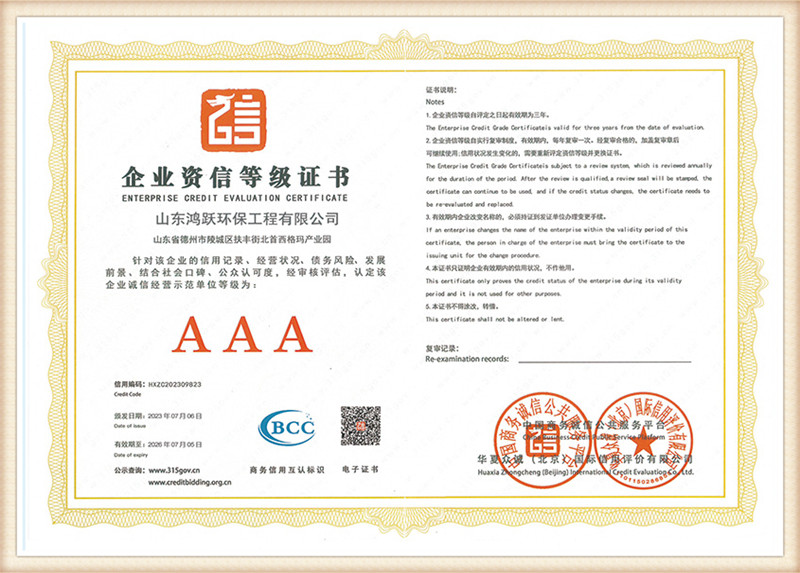
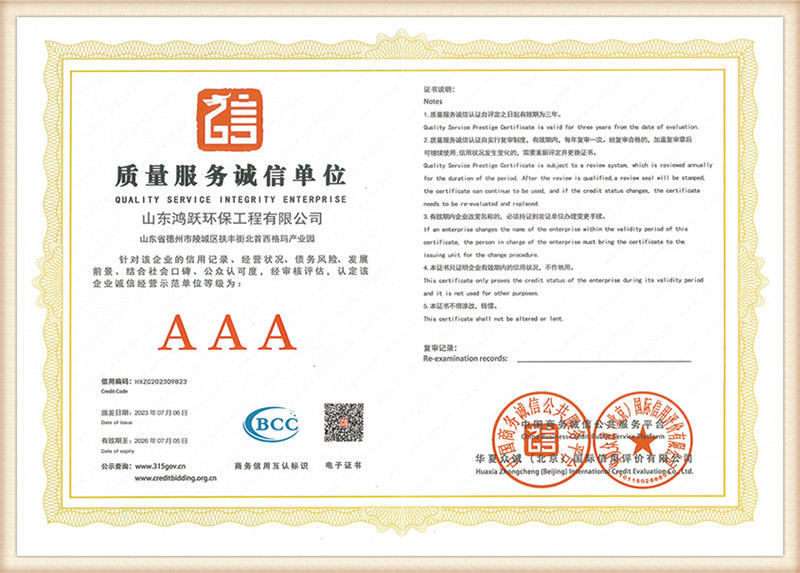
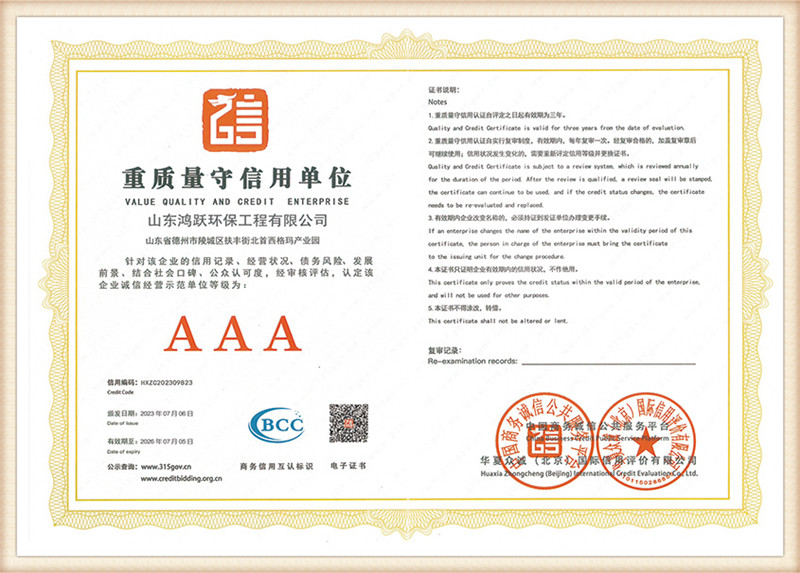
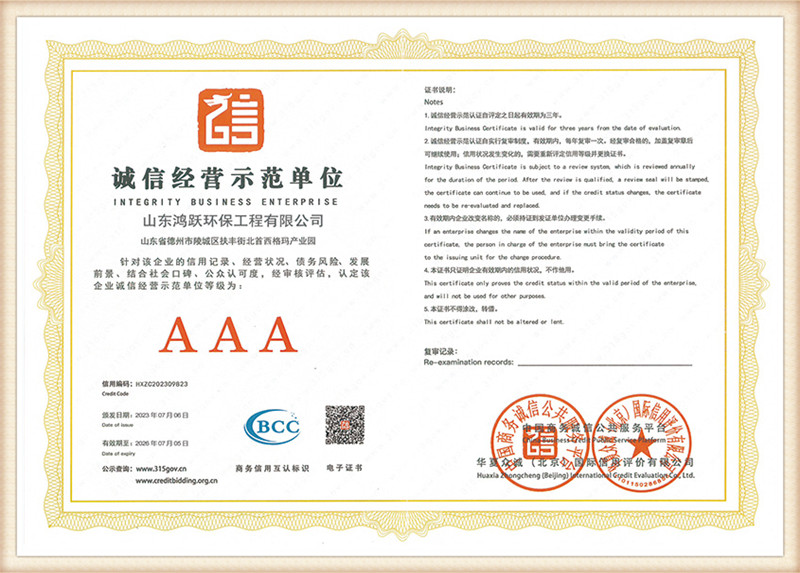
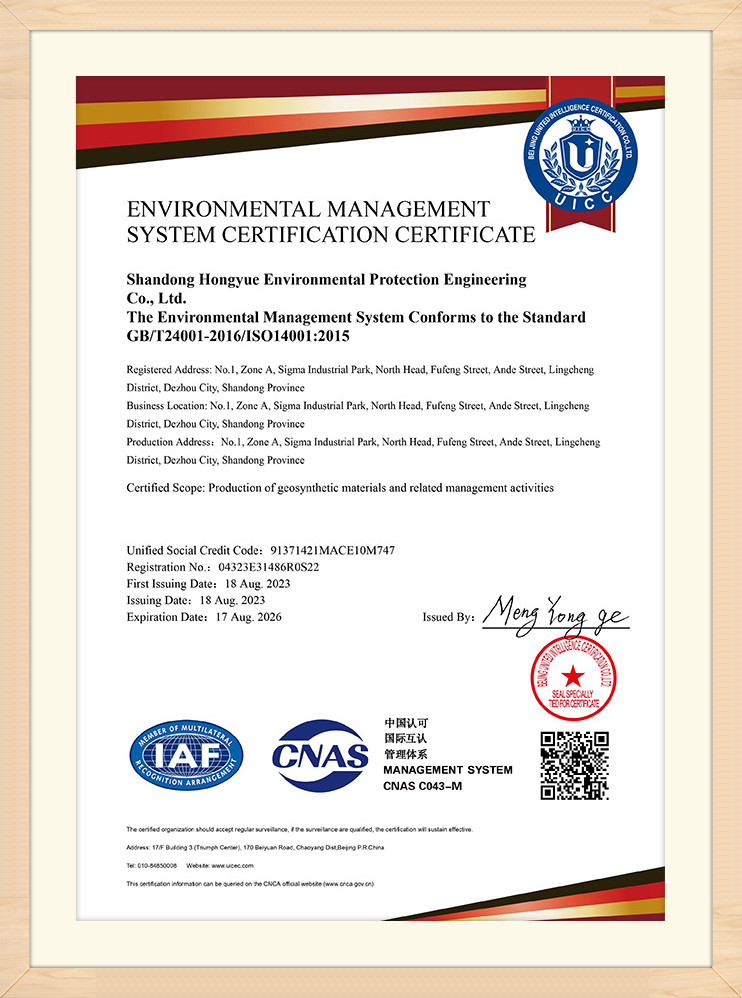
Our quality standards align with international norms. Shandong Hongyue Environmental Engineering Co., Ltd. has established a complete and scientific management system, securing certifications like ISO9001:2015 for quality management, ISO14001:2015 for environmental systems, and ISO45001:2018 for occupational health and safety.
Every production batch undergoes strict evaluation. Our internal lab measures tensile strength, puncture resistance, peel strength, and hydraulic permeability. Our products are fully certified by the China National Testing Center and meet major ASTM and CE quality standards, guaranteeing long-term durability in environmental barrier applications.
Our state-of-the-art testing facility evaluates material performance under simulation environments:
Adapting to evolving global challenges, our engineering department focuses on smart barrier technologies and sustainable materials.
Researching natural polymers to enhance bentonite resistance to highly saline and acidic industrial fluids, expanding GCL application range in chemical and mining waste containment.
Integrating high-tensile basalt and glass fibers into cement blankets (GCCM) to improve flexural strength, reduce structural thickness, and speed up hydration times in critical civil projects.
Designing smart containment barriers embedded with conductive geotextile sensors to track real-time moisture changes and locate leaks early in municipal landfills.
Common questions regarding the selection, application, and installation of our water-resistant blankets.
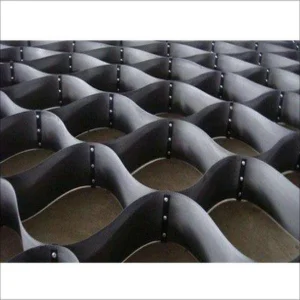
Browse our structural reinforcement materials, geocells, and high-flow composite drainage systems.
 Hongyue