Explore our elite selection of engineering fabrics, geomembranes, and reinforcement grids certified to global standards.
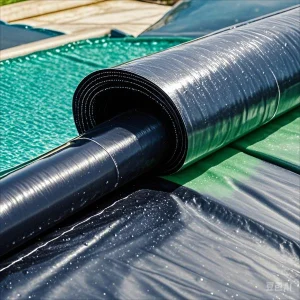
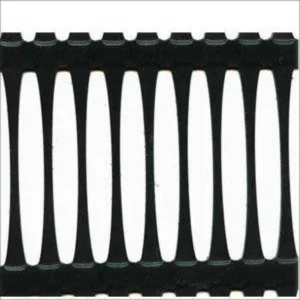
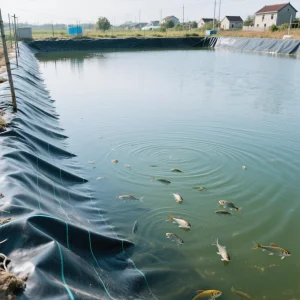
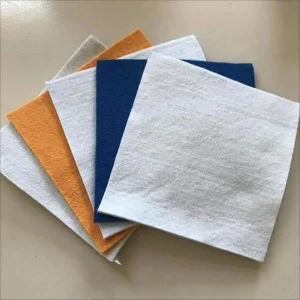
In modern civil engineering, soil stabilization, and infrastructure development, the selection of the correct geosynthetic material is a primary driver of project durability and cost-efficiency. **Geotextile 180g M2** (grams per square meter) represents one of the most versatile, high-demand weight classes in the non-woven geotextile family. Functioning as a high-tensile separation, filtration, and drainage barrier, this material is engineered to withstand substantial mechanical stress while maintaining excellent hydraulic conductivity.
As a leading Chinese manufacturer, **Shandong Hongyue Environmental Engineering Co., Ltd.** specializes in customizing, producing, and distributing 180g/m² non-woven geotextiles using advanced needle-punched techniques. By sourcing directly from our factory in Dezhou, Shandong Province, global procurement managers obtain premium-grade polymers (Polyester/PET or Polypropylene/PP) tailored specifically to national engineering codes and project-specific requirements.
"Selecting the optimal geotextile requires balancing mechanical requirements, such as grab tensile strength and puncture resistance, with hydraulic demands like water permeability and apparent opening size (AOS). Our 180g/m² non-woven fabric hits the technical sweet spot for roadbases, drainage systems, and geomembrane protection layers."
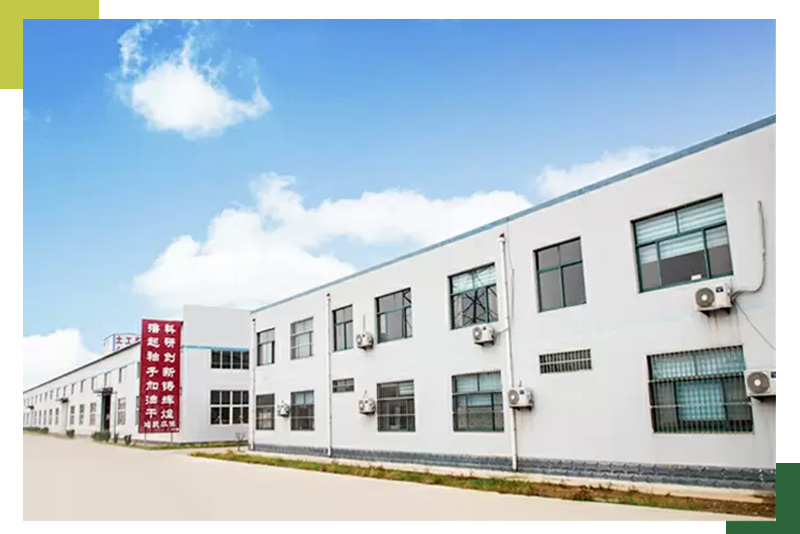
Backed by 105 million RMB in registered capital, Shandong Hongyue is a globally certified powerhouse in geotechnical engineering materials.
Established with a registered capital of 105 million yuan, we operate one of China's largest production bases of geotechnical materials located in the Lingcheng District of Dezhou City, Shandong Province.
Our facilities are fully compliant and certified under ISO9001 (Quality Management), ISO14000 (Environmental Protection), and ISO45001 (Occupational Health & Safety).
Awarded titles including "Green and Environmentally Friendly Building Materials", "China Famous Brand", and honored as a "High-Tech Industry" pioneer by provincial authorities.
Understanding the differences between PET and PP polymer classes for 180g/m² geotextiles.
The choice between Polyester (PET) and Polypropylene (PP) polymers dramatically impacts the longevity and compatibility of non-woven geotextiles in complex chemical environments:
| Technical Property (180g/m²) | Polyester (PET) Filament | Polypropylene (PP) Staple | Testing Standard |
|---|---|---|---|
| Grab Tensile Strength (N) | ≥ 650 | ≥ 580 | ASTM D4632 |
| Elongation at Break (%) | 50% - 80% | 50% - 75% | ASTM D4632 |
| CBR Puncture Resistance (N) | ≥ 1800 | ≥ 1500 | ASTM D6241 |
| Permeability Coefficient (cm/s) | 1.2 x 10⁻¹ | 1.8 x 10⁻¹ | ASTM D4491 |
| Apparent Opening Size (mm) | 0.07 - 0.2 | 0.05 - 0.18 | ASTM D4751 |
Precision manufacturing using state-of-the-art German and Italian needle-punching machinery blocks to guarantee uniform weight distribution.
Polymer chips (polyester, polypropylene) undergo rigorous chemical purity testing. Dehumidifying dryers prepare the polymers, avoiding micro-flaws in extruded threads.
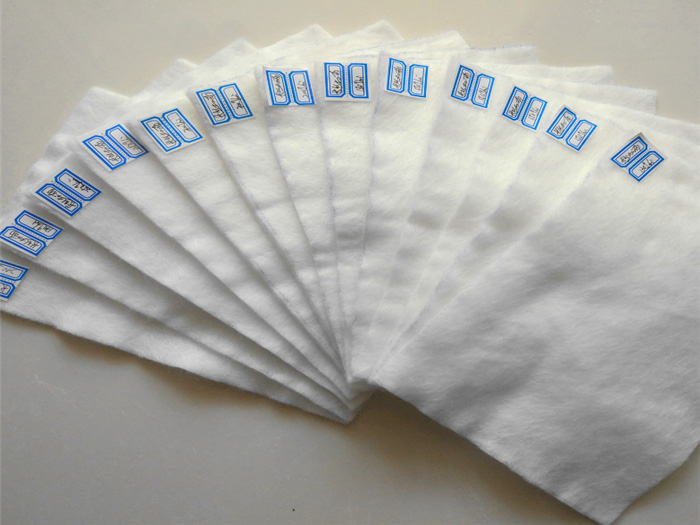
Polymer crystals are liquefied at high temperatures (up to 290°C) and pushed through micro-spinnerets. Continuous filaments are drawn using high-velocity air streams to cross-align fibers.
The cross-lapper mechanism layers the filaments into a uniform fiber web. Advanced optical scanners track the density live to ensure the weight remains within a ±3% tolerance limit.
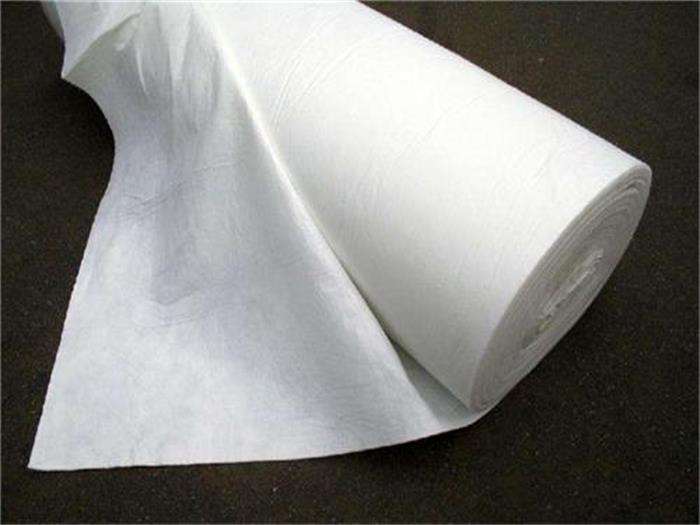
Thousands of barbed needles punch through the fiber web horizontally and vertically. This interlocking process mechanical binds the fibers, creating a strong, porous 3D structure.
The finished geotextile is trimmed to specified widths (up to 6 meters) and rolled. It is wrapped in UV-resistant protective sleeves and labeled with tracking batch numbers.
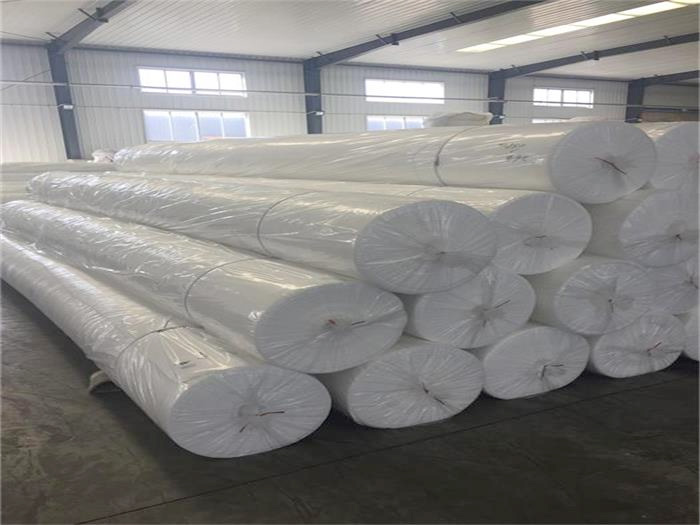
Every production batch is tested in our state-certified laboratory. We verify tensile profiles, pore size configurations, and chemical composition before authorization for export.
How engineering designs incorporate our 180g/m² non-woven geotextile across critical projects worldwide.
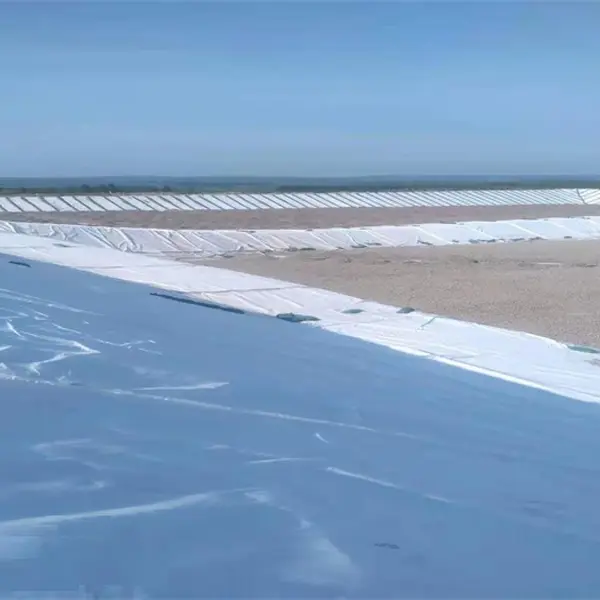
In dams, reservoirs, and canals, our 180g/m² geotextile serves as an absolute barrier protection layer. By placing it adjacent to geomembranes, it prevents puncture damage from rough rock backfills while keeping fine sediment out of the drainage pathways.
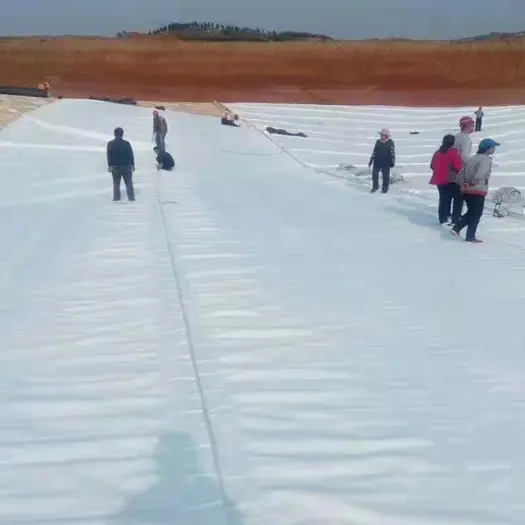
Used to line artificial riverbeds and watercourses. Our needle-punched fabrics prevent sub-grade soil erosion under heavy water velocity, ensuring long-term bank stability and minimizing silt buildup.
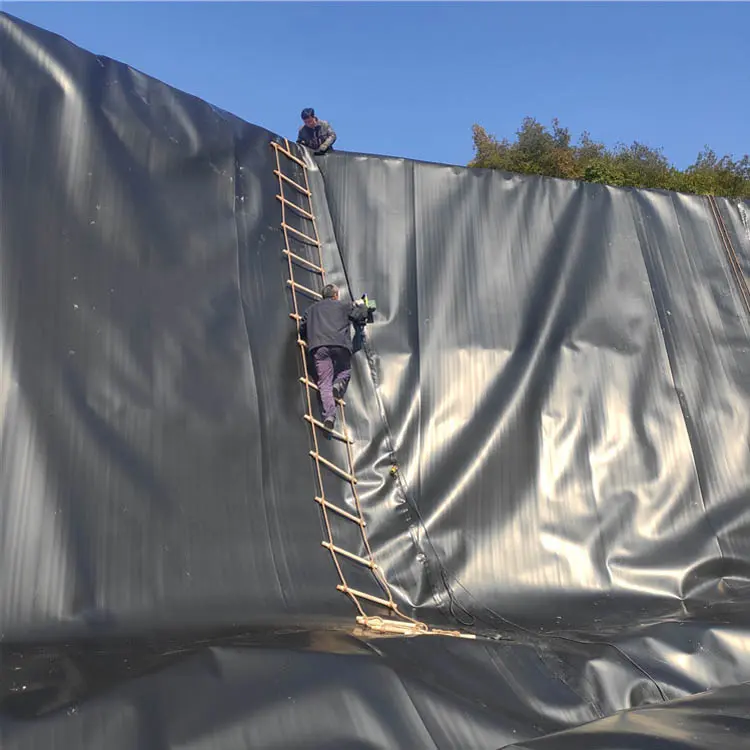
In toxic waste or municipal landfills, protecting geomembranes is critical. The 180g/m² non-woven geotextile distributes localized loads and absorbs physical stress, preventing hazardous leachate leaks.
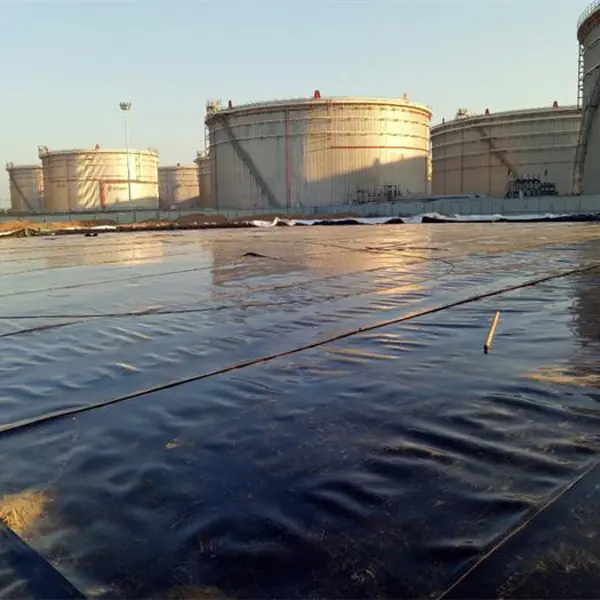
Installed at oil tank secondary containments to safeguard the primary liner system. It provides high puncture protection, structural isolation, and reliable chemical-resistant containment.
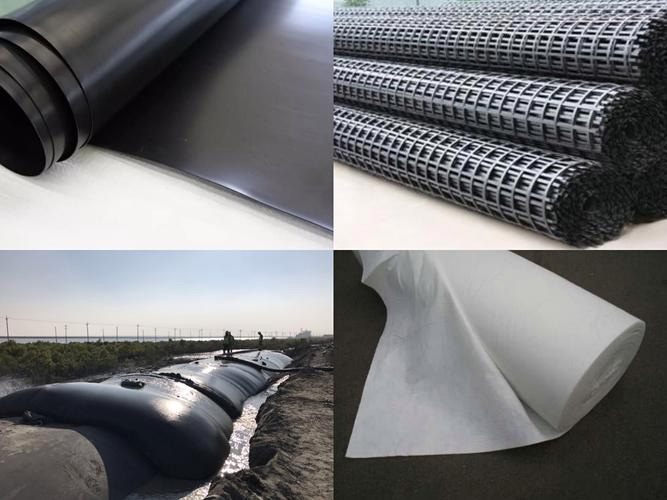
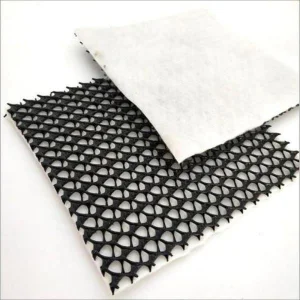
Geotextiles rarely work in isolation; they are key structural elements of composite waterproofing and anti-seepage systems. When combined with geomembranes (HDPE/LLDPE), they provide a complete solution for soil stabilization and seepage prevention.
Every square meter of fabric produced at the Shandong Hongyue factory undergoes testing to meet international quality standards.
Our quality monitoring department tests every step of the production process. We test raw materials, assess tensile load capabilities during needle punching, and review packing integrity. All test procedures are designed to meet ISO standards and satisfy foreign quality control agencies.
We work closely with the National Center for Testing of Agricultural and Engineering Materials in China. In addition to internal quality control, our products are regularly inspected by independent third-party laboratories. This testing ensures that our geotextiles consistently perform as specified, making them reliable options for critical infrastructure projects globally.
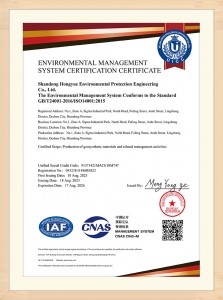
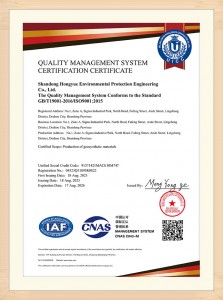
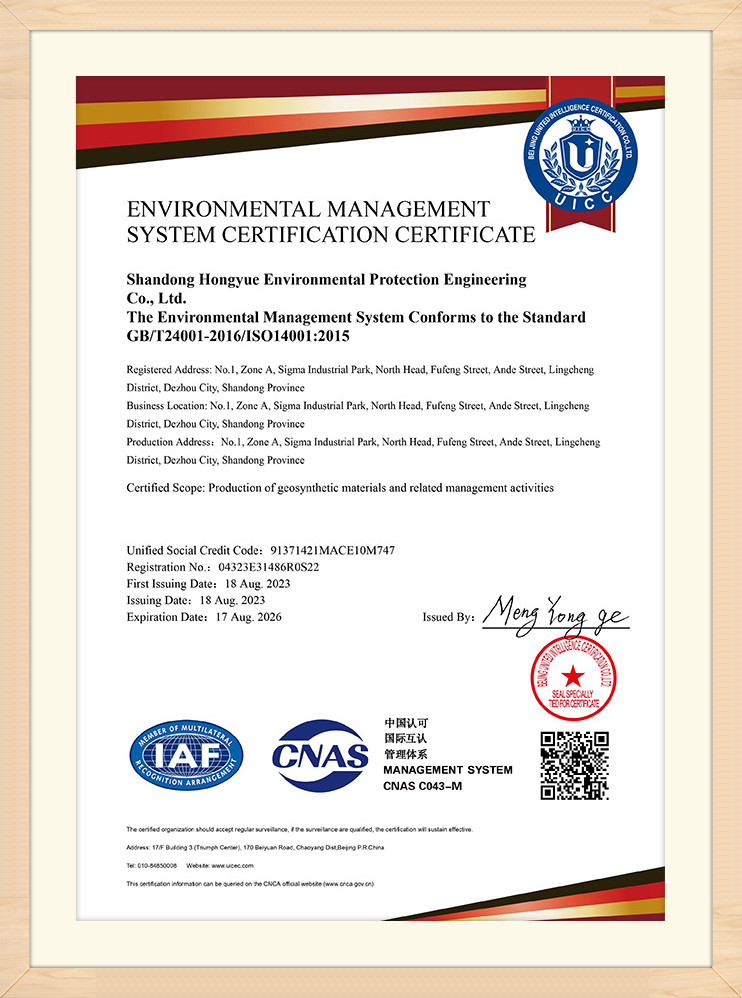
Answers to common technical, logistics, and manufacturing questions for procurement teams and engineering specifiers.
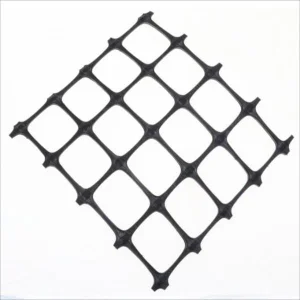
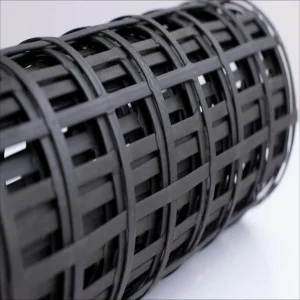
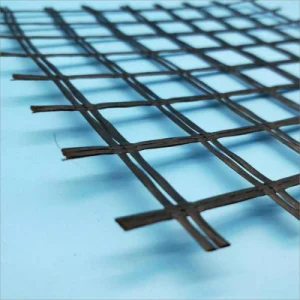
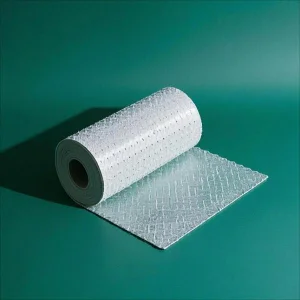
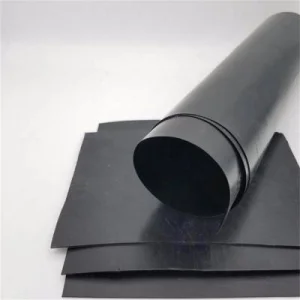
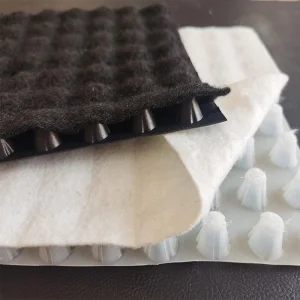
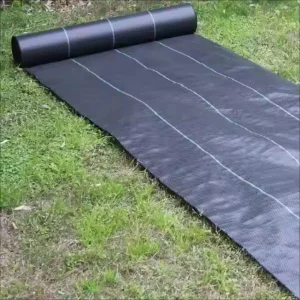
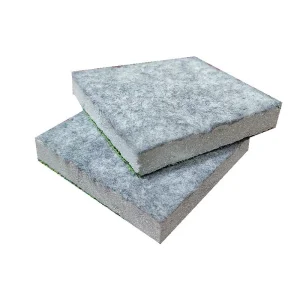
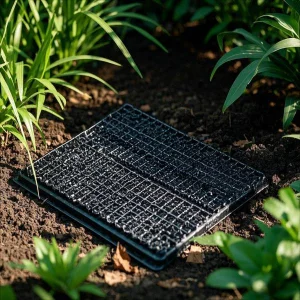
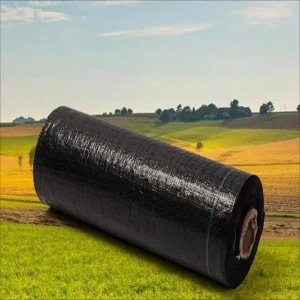
A complete selection of geo-reinforcement, slope protection, and drainage products for major civil works.
 Hongyue