High-tensile geosynthetics designed to maximize structural loading support, distribute lateral shear stress, and prevent subgrade excavation issues.
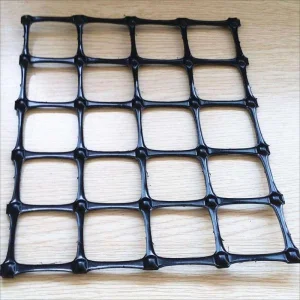
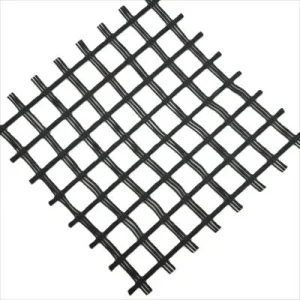
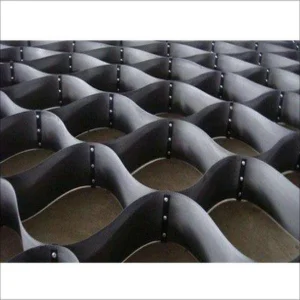
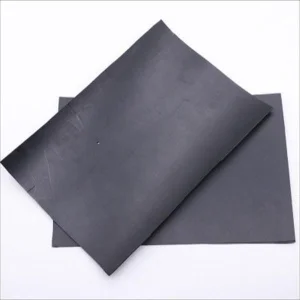
Civil infrastructure and heavy-duty load platforms require subgrade stabilization solutions that mitigate deep-seated shear failures and prolonged lateral rutting. Driving surfaces—whether for heavy commercial trucks, municipal loading zones, or residential vehicular entrances—suffer from structural compromise when subgrade soil conditions fail to handle applied wheel loads. By implementing high-density polypropylene (PP) or polyester (PET) OEM Geogrids for Driveway applications, engineers establish an interlocking mechanical stabilization mechanism that distributes concentrated dynamic stress uniformly across a larger horizontal footprint.
As a leading supplier of geotechnical products, Shandong Hongyue Environmental Engineering Co., Ltd. provides customized geosynthetic solutions that solve soil mechanics challenges. From high-tensile biaxial grids to engineered plastic geocells, our materials serve as the primary structural interface, reducing base course thickness by up to 50% while extending the operational life cycle of critical infrastructure.
Selecting the correct geosynthetic material is vital to match specific project loads, soil California Bearing Ratios (CBR), and hydraulic drainage conditions.
| Geosynthetic Type | Primary Material Composition | Tensile Strength Range | Primary Mechanical Mechanism | Best Use Case Configuration |
|---|---|---|---|---|
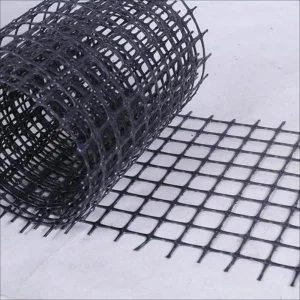
| Biaxial Plastic Geogrid | High-Density Polypropylene (PP) | 20 kN/m to 50 kN/m | 2D Aggregate Interlocking & Confinement | Paved and unpaved driveways, base reinforcement |
| Uniaxial Geogrid | High-Density Polyethylene (HDPE) | 50 kN/m to 200 kN/m | Unidirectional Tension Resistance | Retaining walls, steep embankments, slope repair |
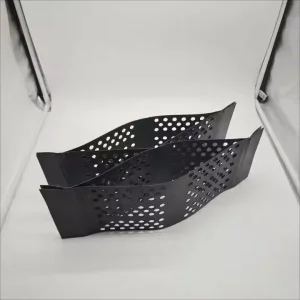
| High-Strength Geocell | Textured/Perforated HDPE Strips | >1000 N/10cm (Seam strength) | 3D Cellular Confinement & Surcharge Distribution | Soft subgrade driveway foundations, heavy-duty slopes |
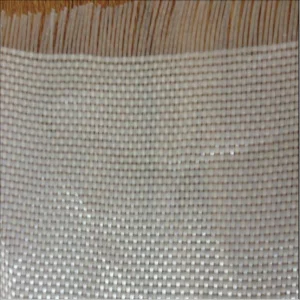
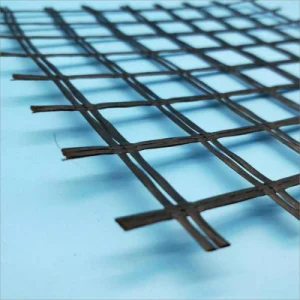
| Fiberglass Geogrid | Alkali-Resistant Glass Fiber Filaments | 50 kN/m to 120 kN/m | Thermal & Stress Redistribution in Asphalt Overlay | Asphalt driveway resurfacing, rutting prevention |
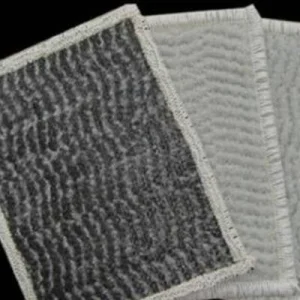
| Composite Geogrid-Geotextile | PP Grid bonded with Non-Woven Geotextile | 30 kN/m to 80 kN/m | Confinement combined with Subgrade Filtration | High groundwater areas, clayey subgrades |
In standard base-course construction without reinforcements, wheel traffic applies vertical loads which generate outward lateral stresses within the aggregate base. Over time, these lateral forces displace gravel, resulting in surface rutting, structural cracking, and base degradation. A high-density geogrid or geocell prevents lateral displacement by trapping the aggregate within its mesh apertures. This locking effect increases the shear resistance of the gravel and acts as a semi-rigid slab, converting dynamic wheel loads into lower, more uniform vertical stress on the subgrade soil.
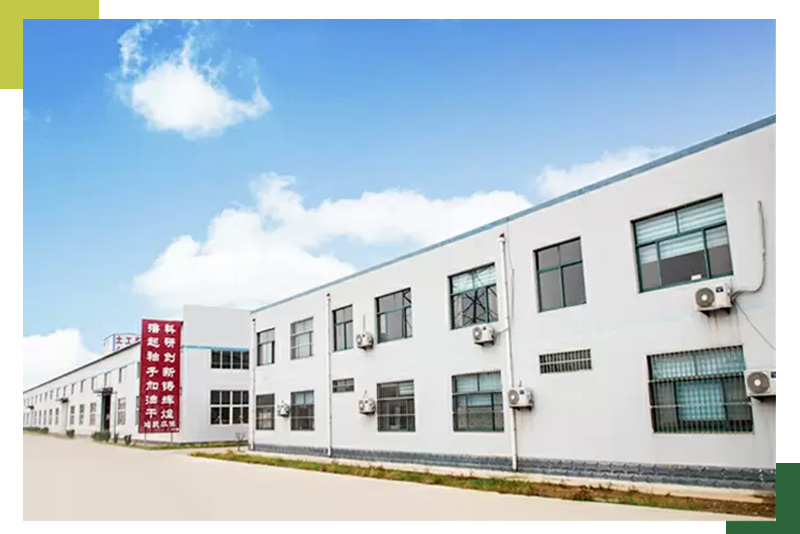
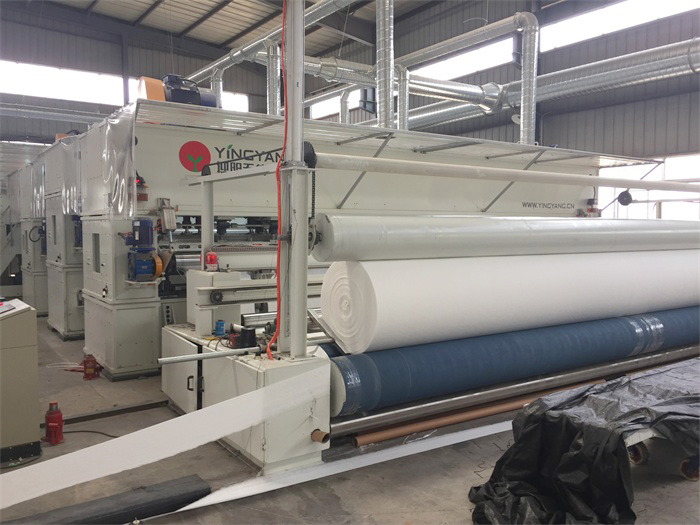
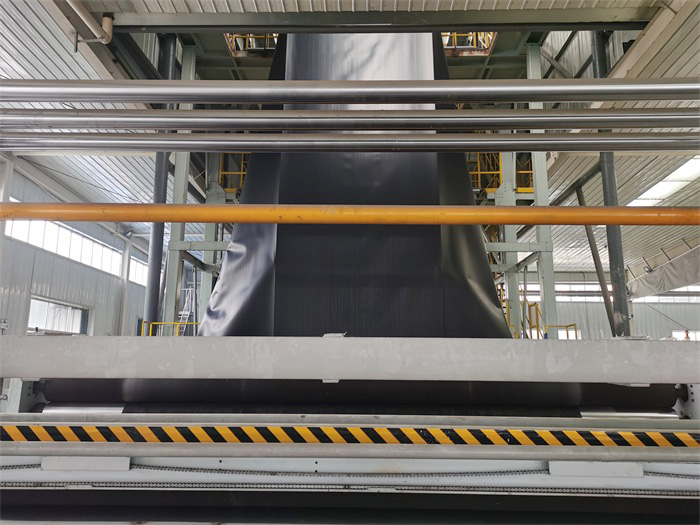
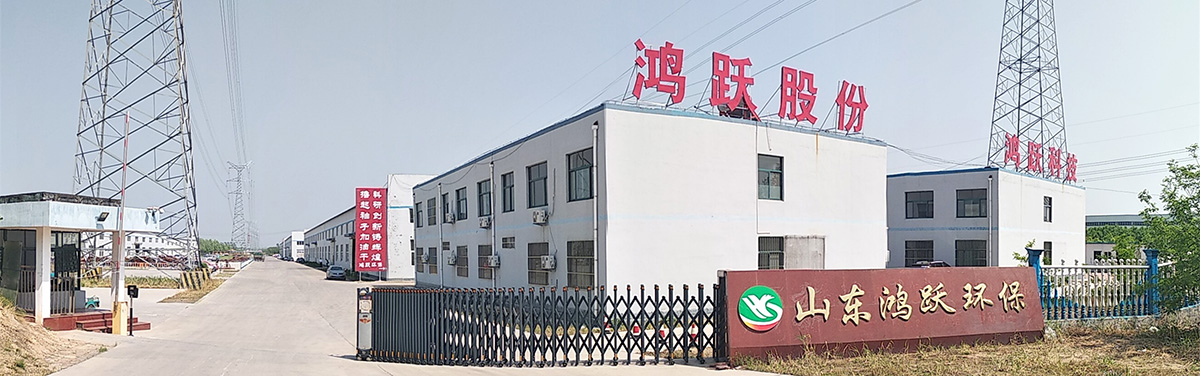
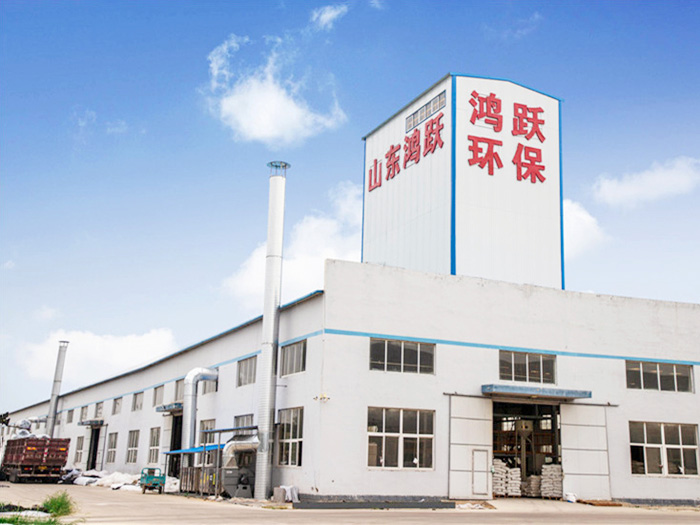
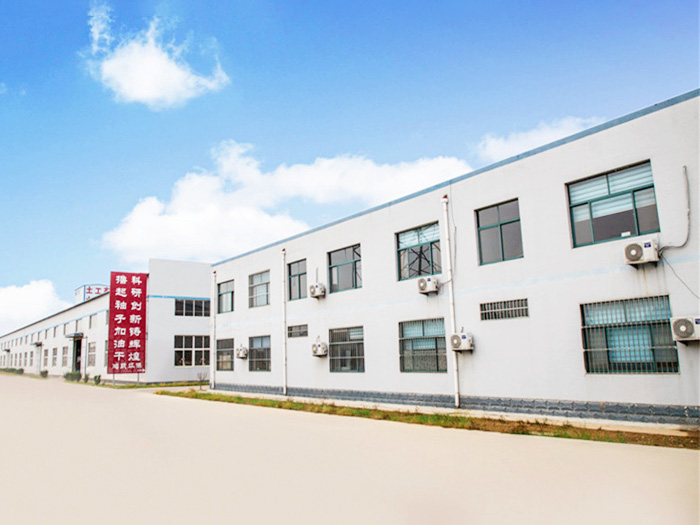
A inside look at Shandong Hongyue's advanced production facilities, showing how raw polymers are processed into high-durability geosynthetic materials.
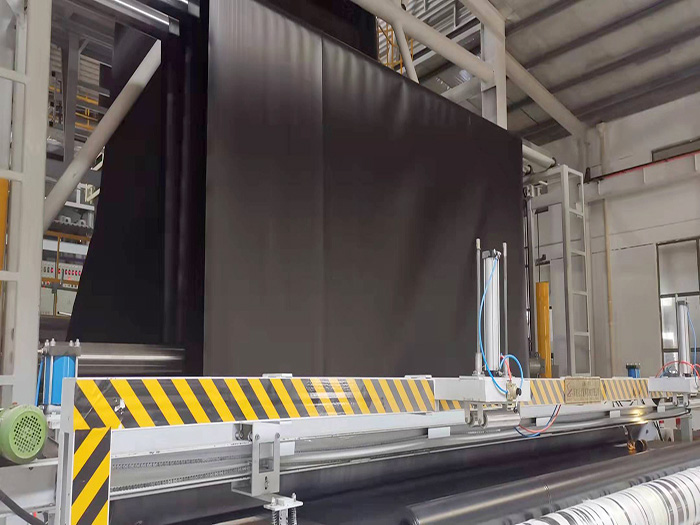
Our industrial production line uses precise processing methods to guarantee that all products meet international quality and environmental standards:
We source virgin polyester chips, polypropylene filament, and custom polymer resins, inspecting them to ensure high molecular weight and UV resistance.
Polymer chips are melted at high temperatures and extruded into flat sheets or filaments under precise pressure to maintain uniform molecular structure.
For geogrids, sheet matrices are punched and stretched in longitudinal and transverse directions to orient the polymer molecules for maximum strength.
Filaments or sheets undergo temperature-controlled draft curing to lock in physical dimensions and prevent creep under permanent loads.
The stabilized geogrid/geocell rolls are trimmed, measured, wound, and wrapped in protective UV-proof packaging for secure long-distance shipping.
Every production batch is tested for tensile strength, elongation limits, joint efficiency, and dimensional uniformity before leaving our facility.
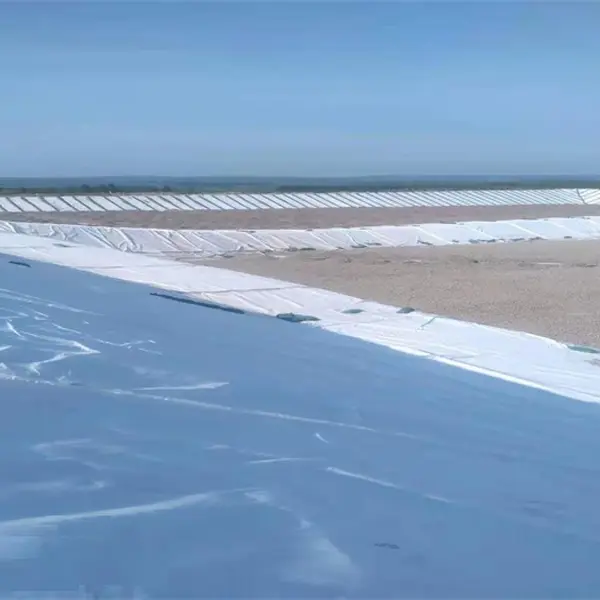
Comprehensive subgrade engineering designs that combine moisture barriers, high-strength stabilization, and structured drainage systems.
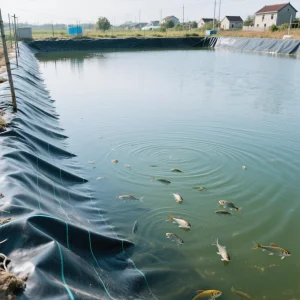
Using advanced HDPE and LLDPE geomembranes in reservoirs, containment basins, and watercourses. Our liners form an impermeable barrier that prevents fluid loss and protects vulnerable subgrade soils from saturation-induced shear failures.
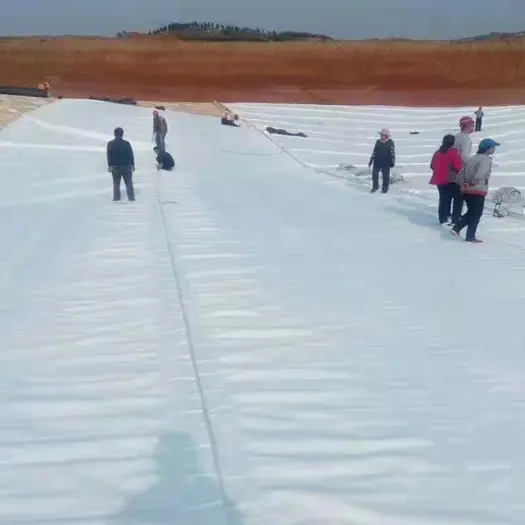
Protecting river channels, agricultural canals, and municipal drainage ditches from continuous water erosion. By combining non-woven filter fabrics with concrete blankets, we prevent subgrade loss while maintaining natural drainage.
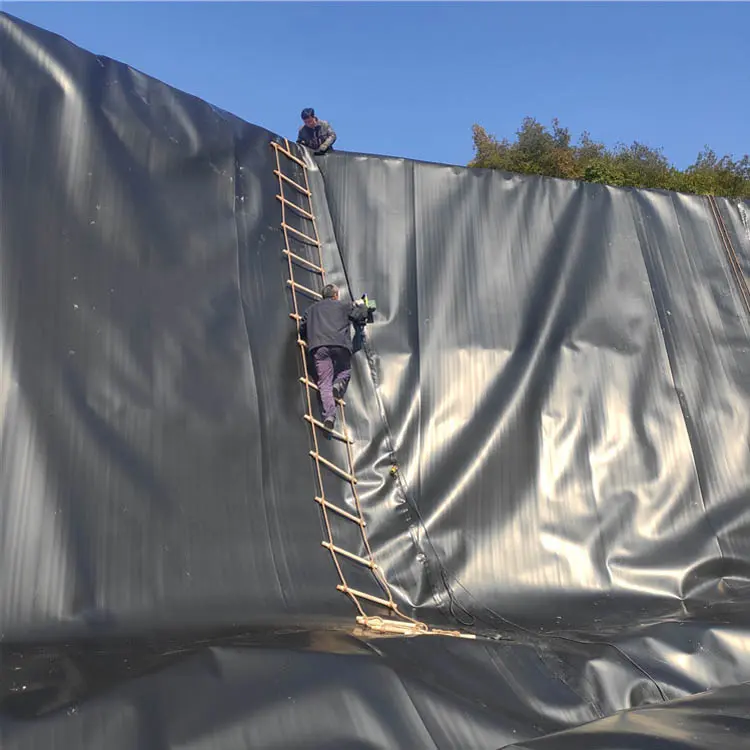
Engineered geomembranes protect surrounding ecosystems from hazardous landfill leachate. These puncture-resistant barriers contain pollutants and withstand degradation from concentrated chemical compounds over decades of use.
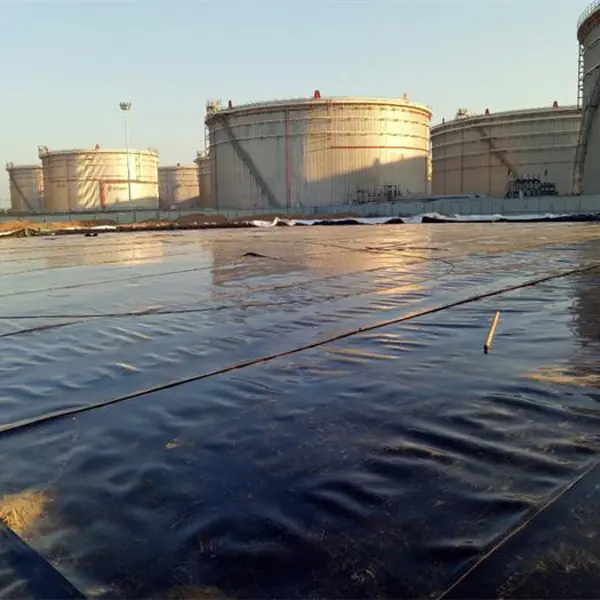
Our containment membranes are built to handle chemical and oil resistance requirements in industrial tank farms. Using high-density polyethylene, they prevent subgrade soil pollution from fuel spills and volatile organic compounds.
These liners are backed by our engineering support team, ensuring that weld integrity and site prep procedures meet local environmental regulations.
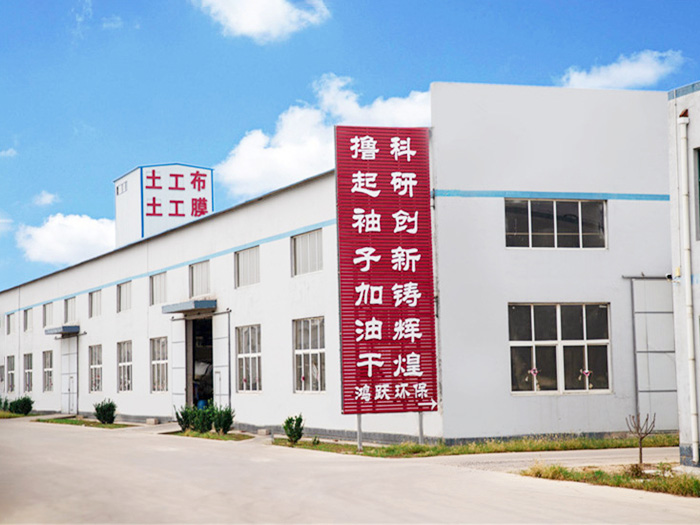
Located at the north end of Fufeng Street, Lingcheng District, Dezhou City, Shandong Province, Shandong Hongyue Environmental Engineering Co., Ltd. is a scientific and technological geotechnical material manufacturer integrating engineering material production, sales, design, and construction services. The company was registered in Lingcheng District Market Supervision and Administration Bureau of Dezhou City with a registered capital of 105 million yuan. It stands as one of the largest production bases of geotechnical materials in China, benefiting from a superior geographical location and convenient transportation links.
Since our establishment, we have expanded our business to cover geotextiles, geomembranes, composite geomembranes, waterproof boards, bentonite waterproof blankets, 3D composite drainage nets, woven fabrics, cement blankets, fiber plant blankets, and flexible pervious pipes. Our products are widely used in highways, railways, bridges, tunnels, reservoirs, canals, artificial lakes, mining, and agricultural fields.
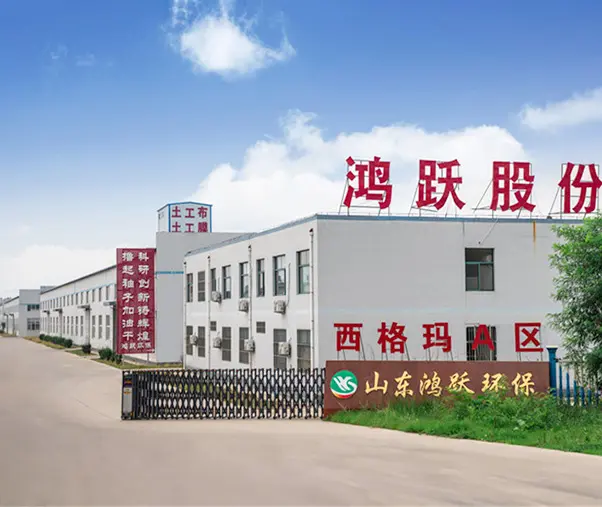
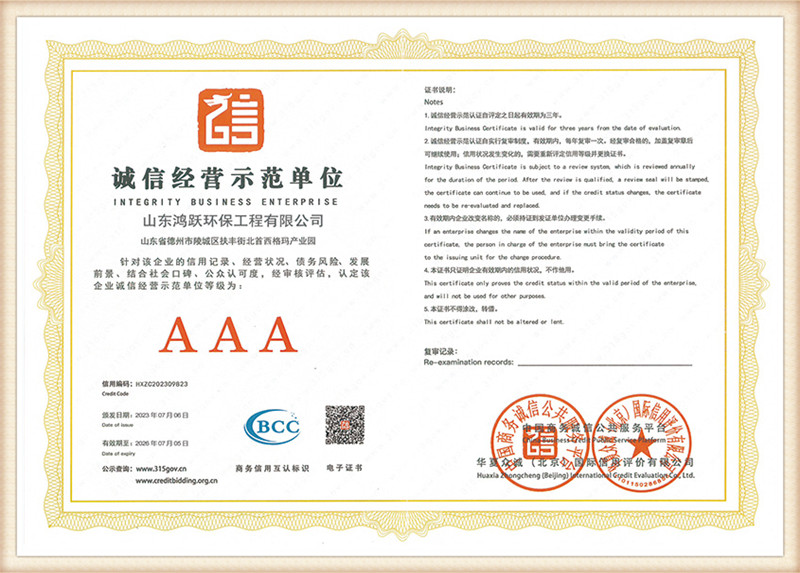
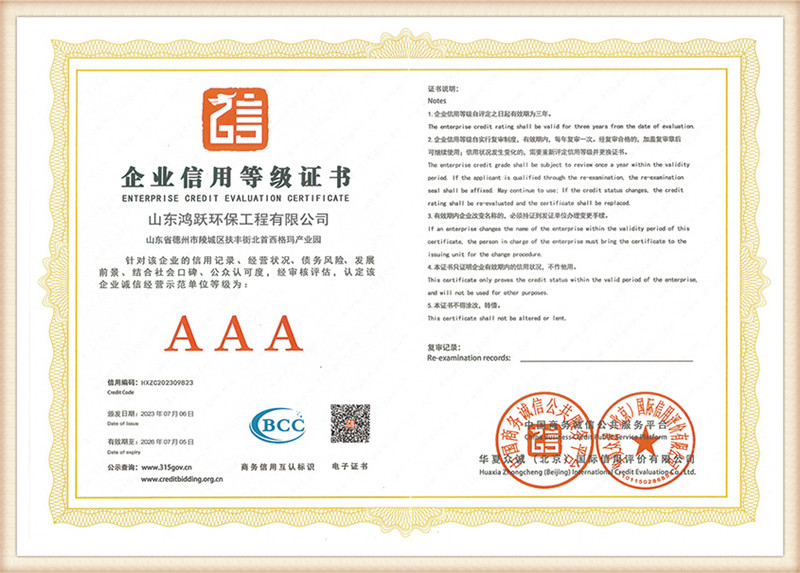
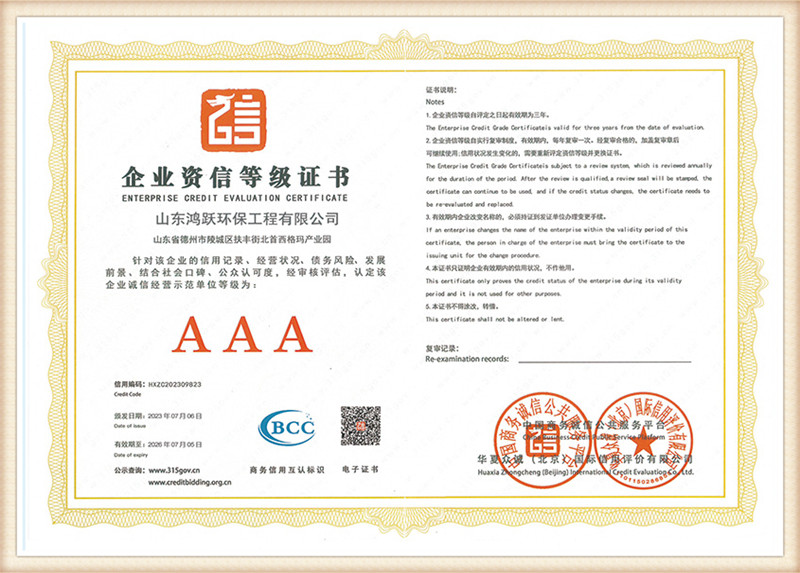
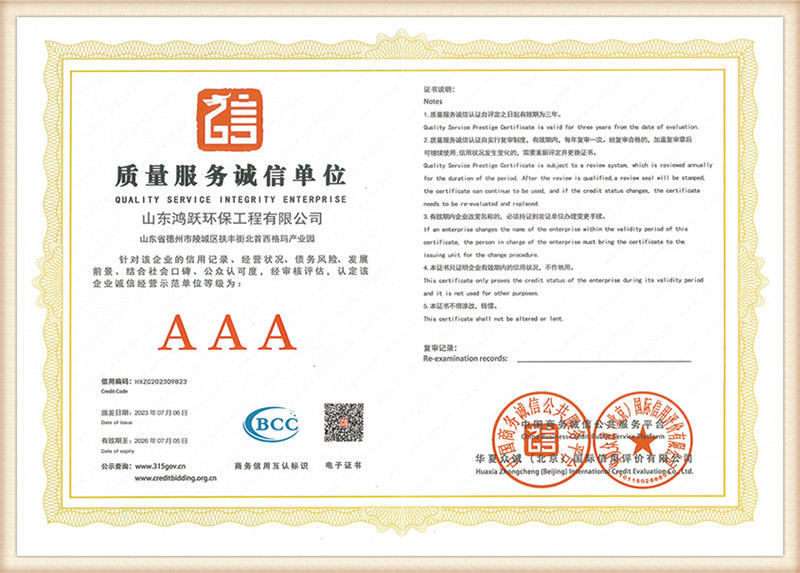
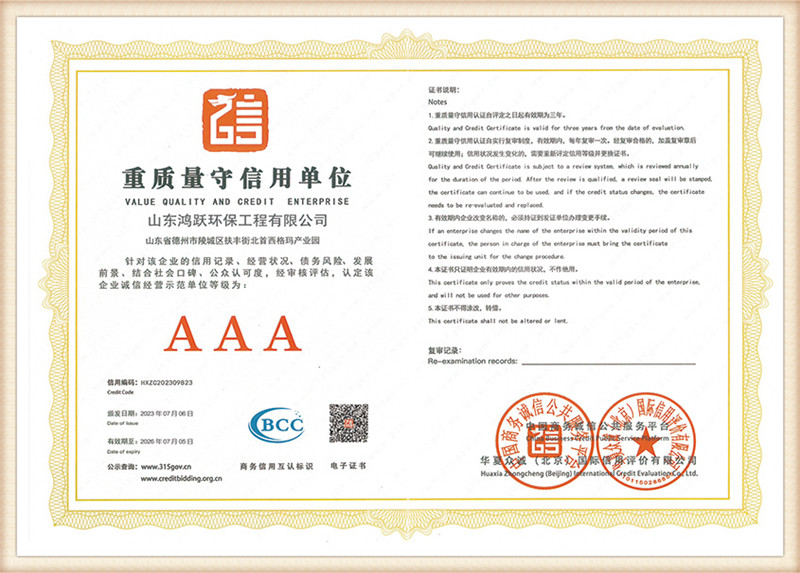
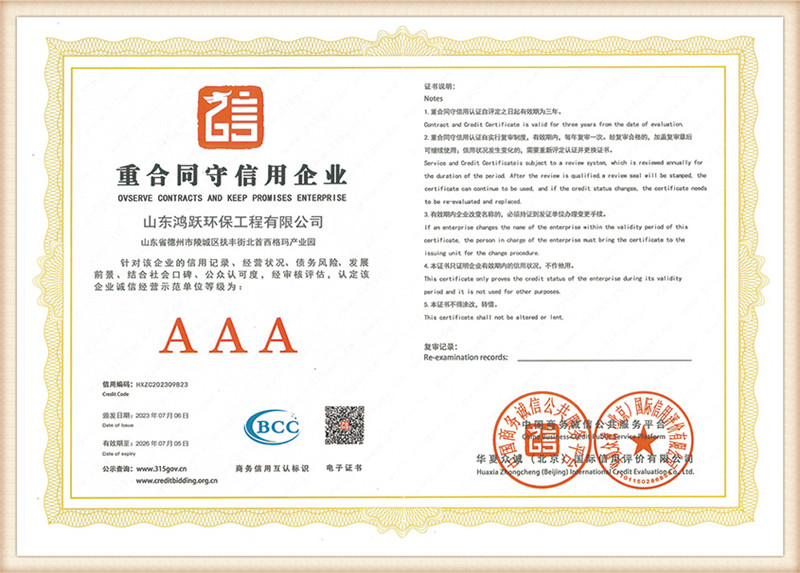
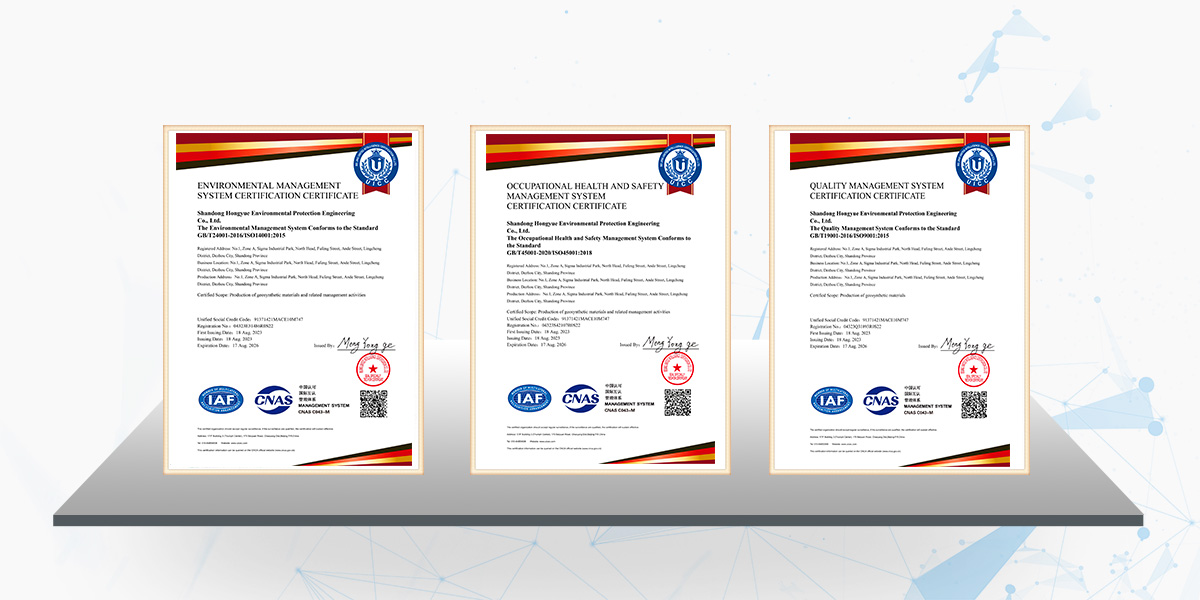
Our facility has passed the ISO9001 quality system, ISO14000 environmental system, and ISO45001 occupational health and safety certifications, ensuring consistent production quality.
As members of the Dezhou Geotextile Association, our engineers bring over 10 years of onsite installation and design experience to complex civil projects.
With established distribution networks in Beijing and Shanghai, our materials are exported to Europe, the United States, Australia, and Southeast Asia.
Ensure optimal performance of your driveway base reinforcement by following this engineering installation procedure.
Excavate the driveway to the designed depth, removing any soft soils, tree roots, and large stones. Compact the subgrade level using a dynamic vibratory roller. Ensure all standing water is drained before laying down geosynthetics.
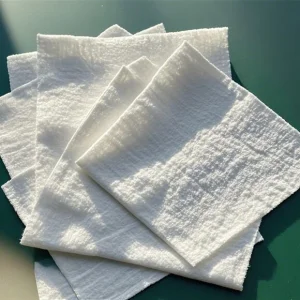
Roll out a non-woven geotextile fabric directly onto the compacted subgrade. This layer acts as a filter barrier that prevents fine clay particles from migrating upward into the aggregate base course while allowing water to drain freely.
Roll out the geogrid or expand the geocells across the geotextile layer. Ensure adjacent sections overlap by 300mm to 500mm. Secure the overlaps and edges with heavy-duty plastic anchoring pins or steel U-anchors spaced every 1.5 meters.
Backfill the grid cells or apertures with angular aggregate stone (typically 20mm to 40mm grading). Avoid dumping the aggregate from heights greater than 1 meter. Spread the infill using light machinery, leaving a 25mm surcharge overfill. Perform final compaction with a roller until the aggregate base is stable.
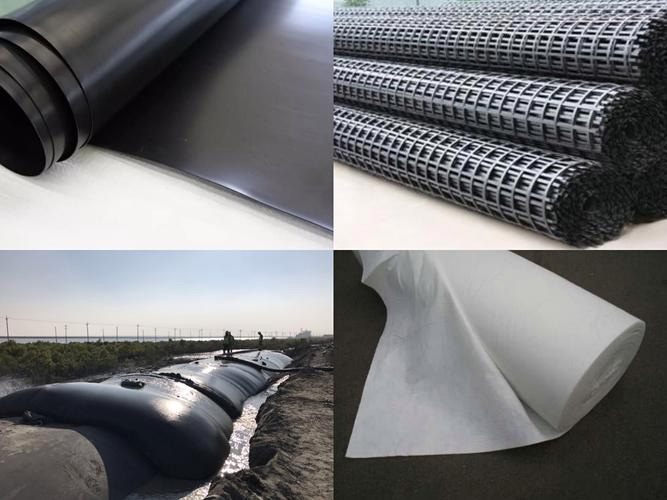
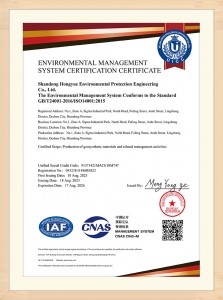
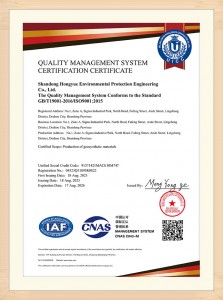
To ensure our materials perform reliably under demanding field conditions, Shandong Hongyue maintains strict testing protocols. Every batch is evaluated by the China National Testing Center and conforms to ASTM and ISO standards.
Our quality assurance laboratory tests for:
Real-world results showing how Shandong Hongyue geosynthetics reduce maintenance and improve structural stability.
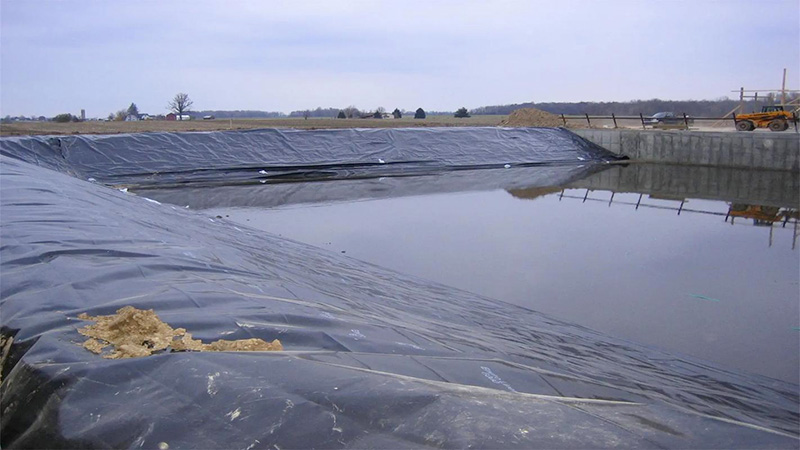
Stabilized a soft clay subgrade (CBR < 2%) using biaxial PP geogrids, reducing base stone thickness requirements by 40% and eliminating surface rutting under heavy truck traffic.
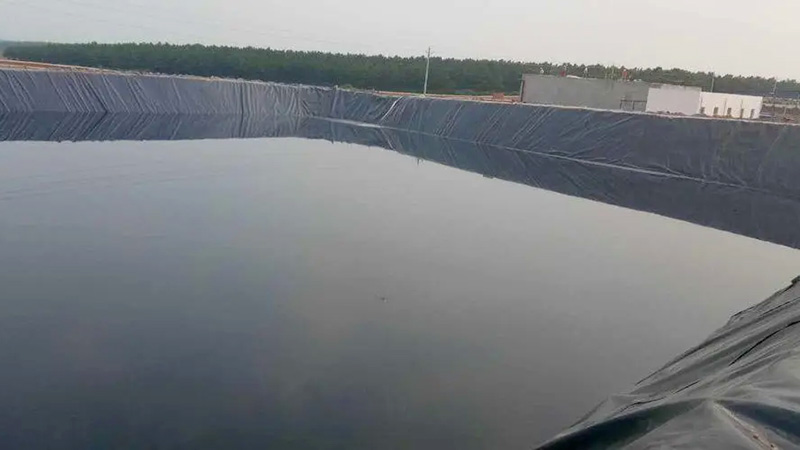
Protected steep embankments from erosion using 3D HDPE geocells filled with topsoil, supporting fast vegetation growth and stabilizing the slope against heavy rainfall.
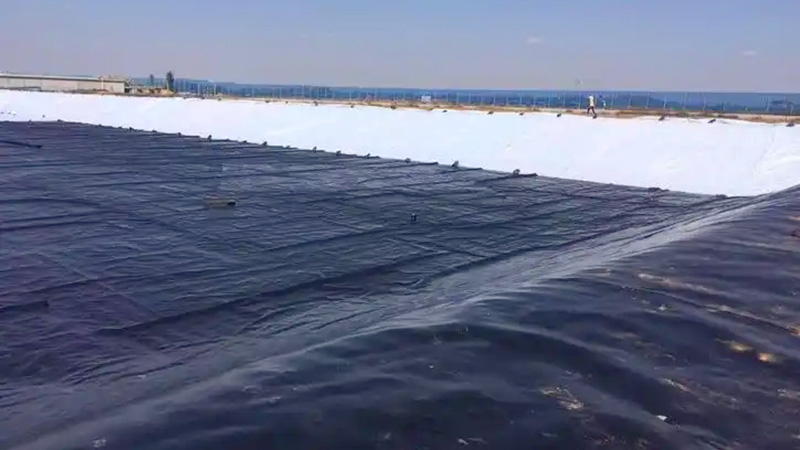
Combined non-woven filter fabrics with geomembranes to seal agricultural water channels, reducing seepage losses by 98% and protecting adjacent foundations.
Technical answers for procurement officers, engineers, and project managers sourcing from China.
Explore our full line of geomembranes, drainage boards, and reinforced composite geosynthetics for international sourcing.
 Hongyue