Engineered for absolute fluid containment, soil stabilization, and extreme environmental durability.
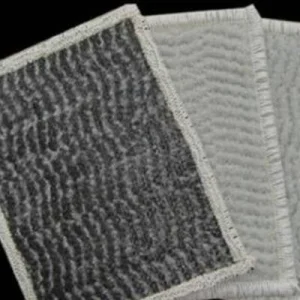
The global infrastructure sector is undergoing an unprecedented shift toward sustainable engineering solutions and high-performance sealing systems. Modern civil developments demand resilient, long-term barrier capabilities. Geotechnical waterproof blankets—specifically Geosynthetic Clay Liners (GCLs) and advanced nonwoven composite systems—have replaced conventional clay containment solutions in global projects.
Increasing environmental regulations in the European Union, North America, and the Asia-Pacific region have set strict mandates for landfill containment, municipal soil remediation, and clean water preservation. The demand for ODM Waterproof Blankets for Outdoors has transitioned from simple agricultural tarp applications to highly specialized, multi-layered geotechnical barriers. These layers are designed to resist chemical erosion, biological decay, and mechanical punctures under high-stress installations.
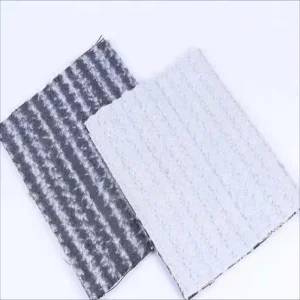
By leveraging advanced raw material formulas, such as high-density polyethylene (HDPE), polypropylene (PP), and sodium bentonite matrices, manufacturers are providing custom waterproofing composites that guarantee impervious performance for up to 50 years. This technology preserves local water tables, reinforces infrastructure bases, and manages complex runoff flows across municipal, mining, and hydraulic projects.
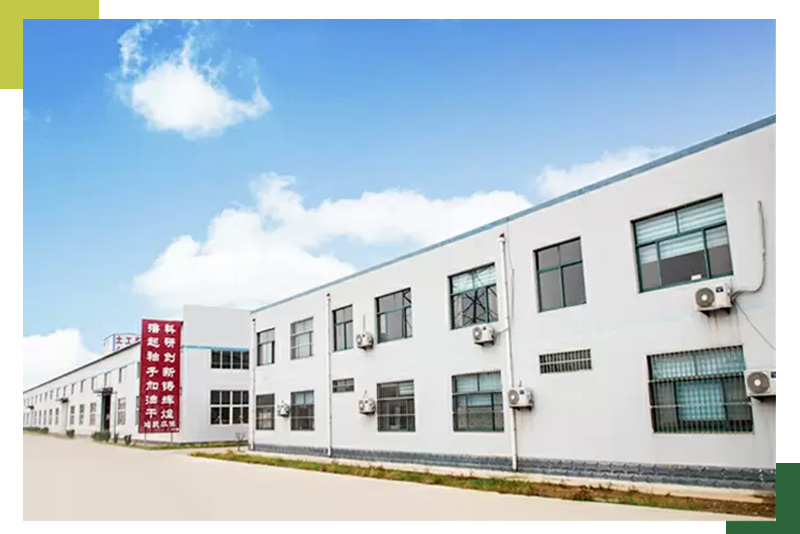
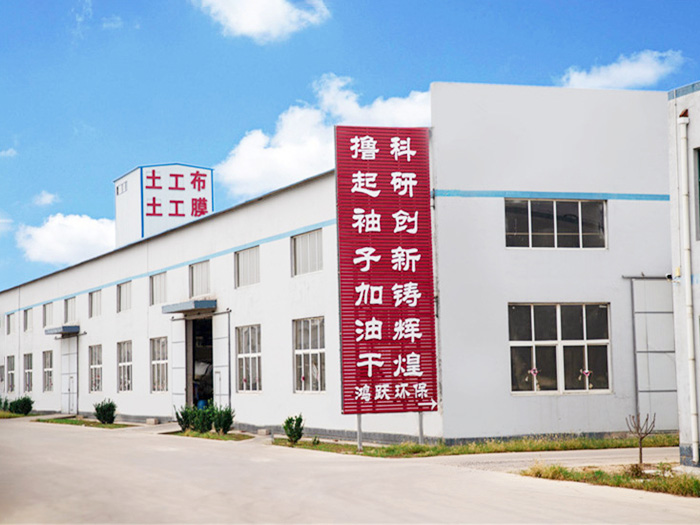
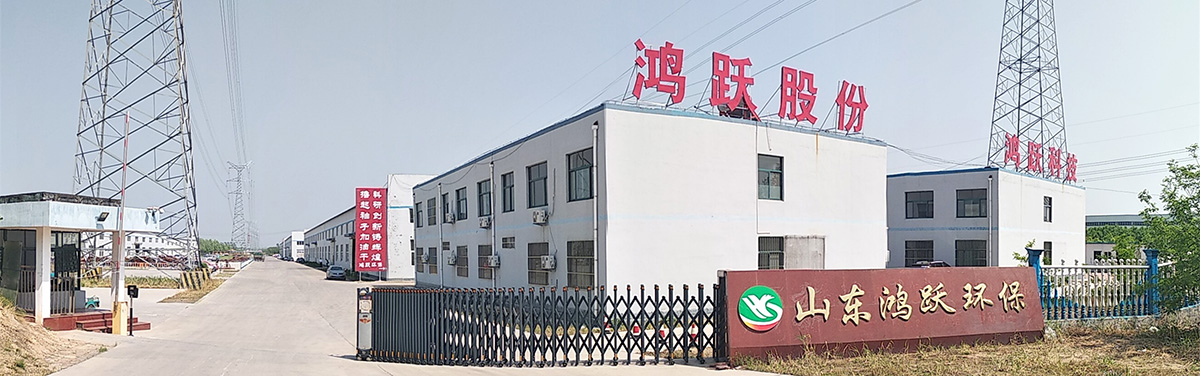
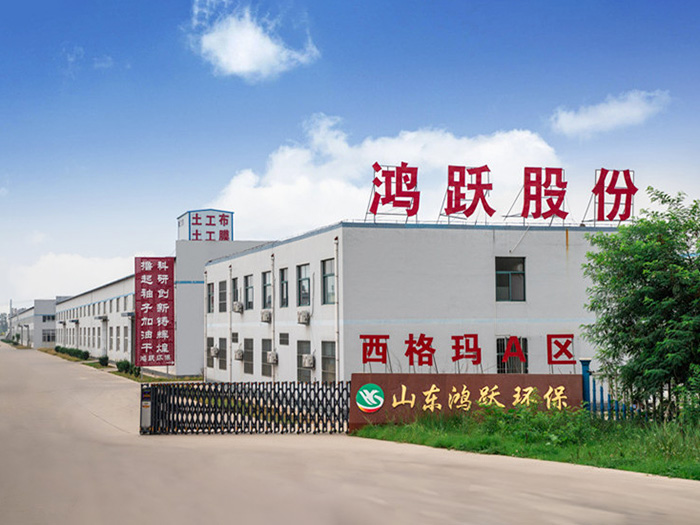
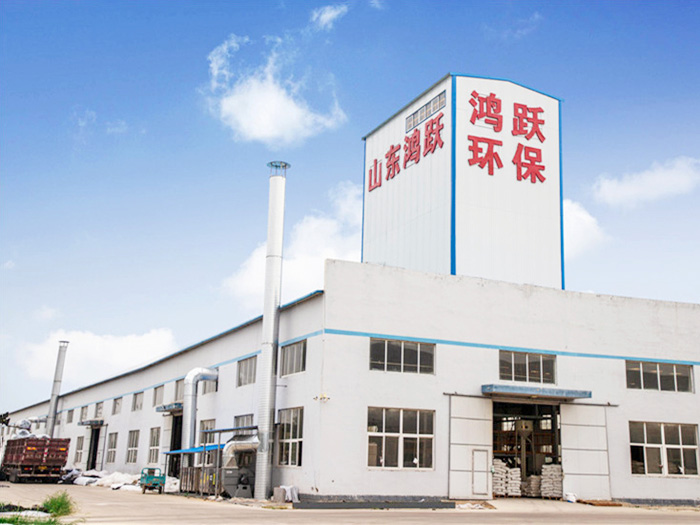
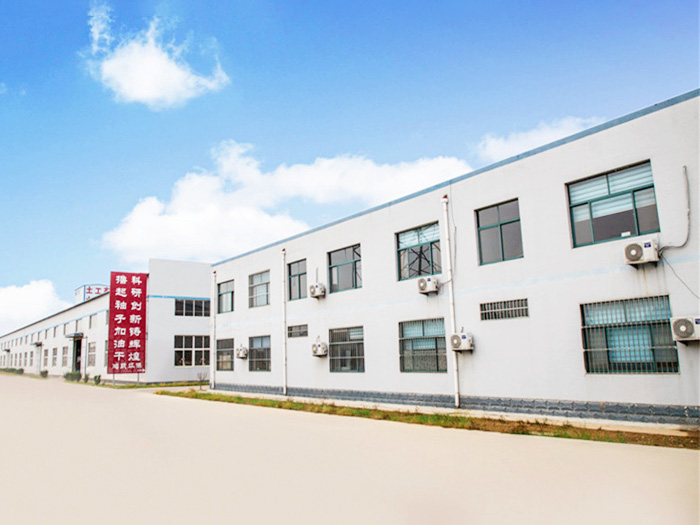
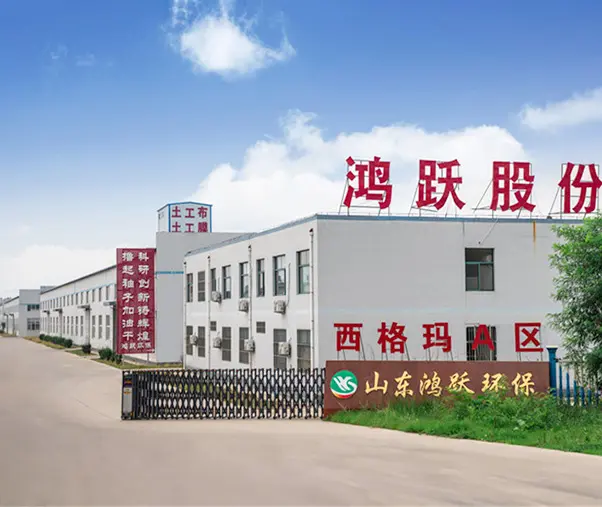
Shandong Hongyue Environmental Engineering Co., Ltd., located at the north end of Fufeng Street, Lingcheng District, Dezhou, Shandong Province, is a scientific and technological geotechnical material manufacturer integrating engineering material production, sales, design, and construction services. The company was registered in Lingcheng District Market Supervision and Administration Bureau of Dezhou City on April 6, 2023, with a registered capital of 105 million yuan. It is currently one of the largest production bases of geotechnical materials in China, benefiting from a superior geographical location and convenient transportation links.
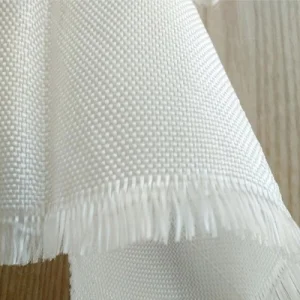
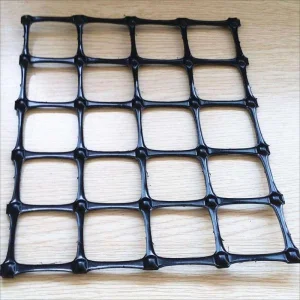
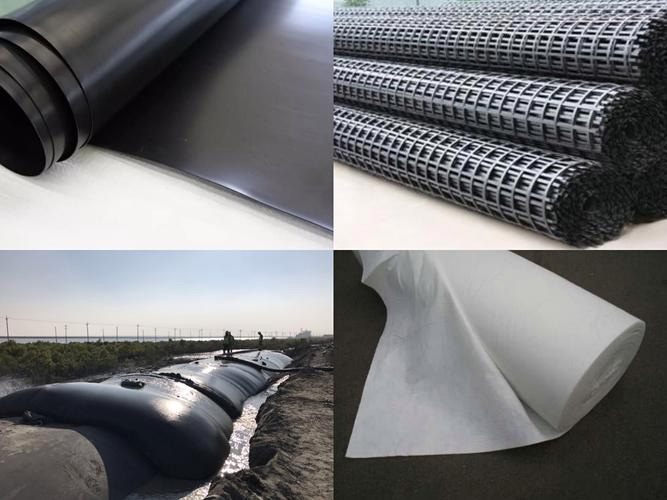
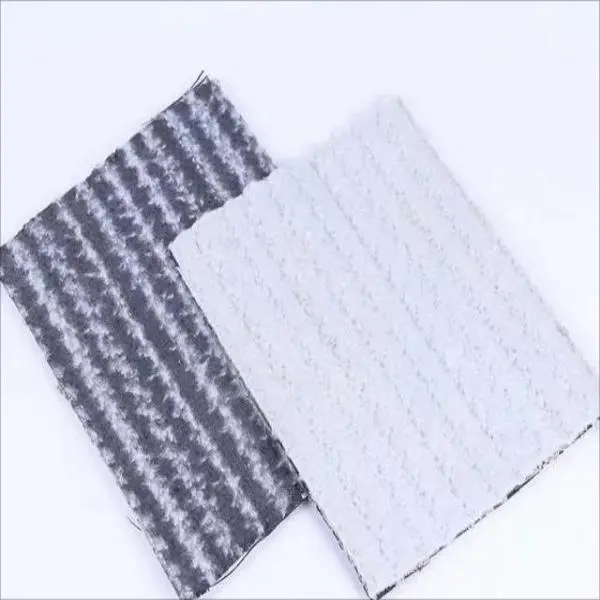
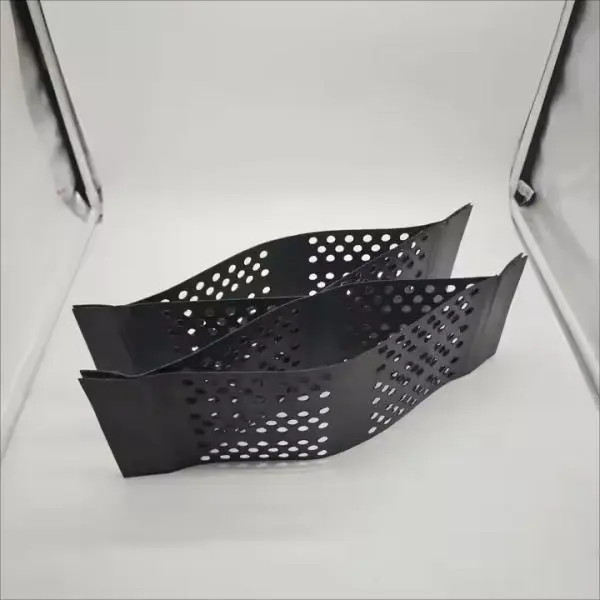
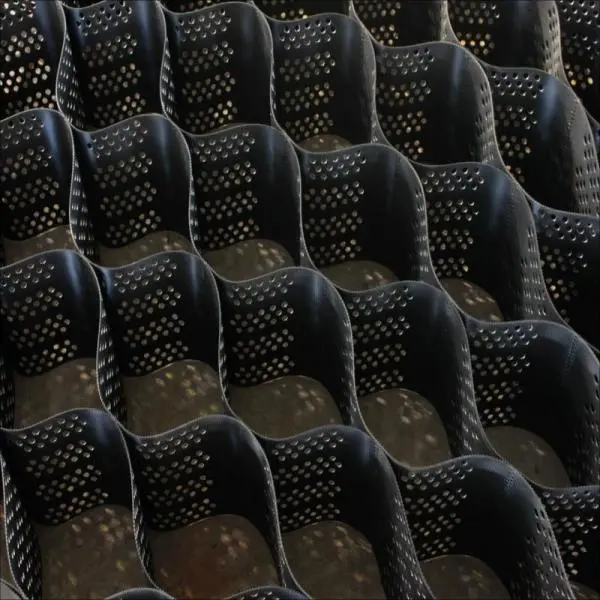
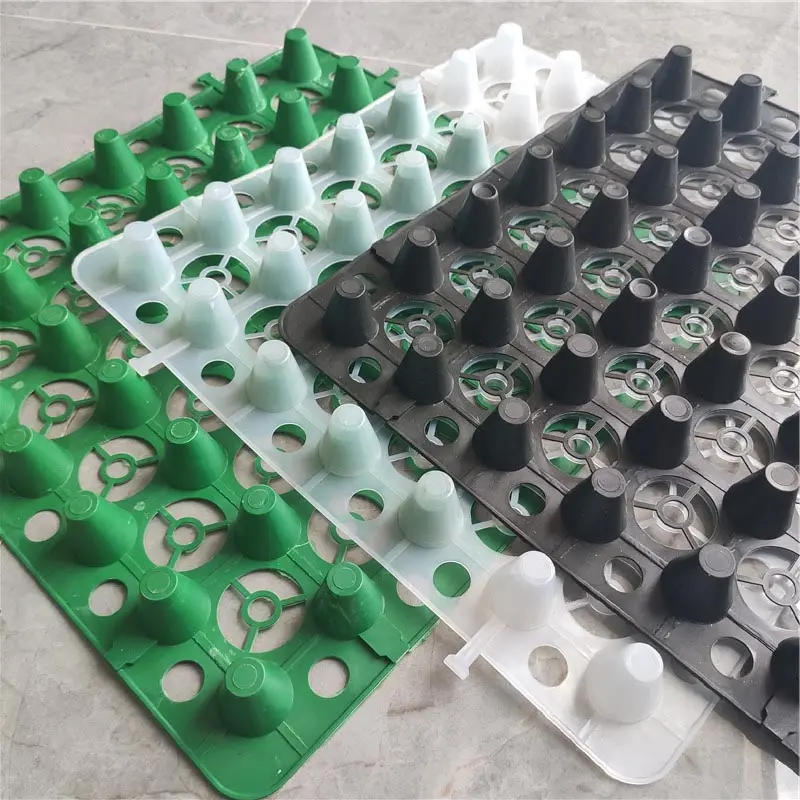
Since the establishment of the company, our business has rapidly expanded. We specialize in engineering materials including: geotextiles, geomembranes, composite geomembranes, waterproof boards, bentonite waterproof blankets, 3D composite drainage nets, (composite) drainage boards, woven fabrics, geotextile membrane bags, blind ditches, waterproof and drainage combinations, ecological bags, cement blankets, fiber plant blankets, and flexible pervious pipes. Our systems serve critical municipal projects across highways, railways, bridges, tunnels, reservoirs, canals, artificial lakes, environmental protection, aviation, mining, and agriculture.
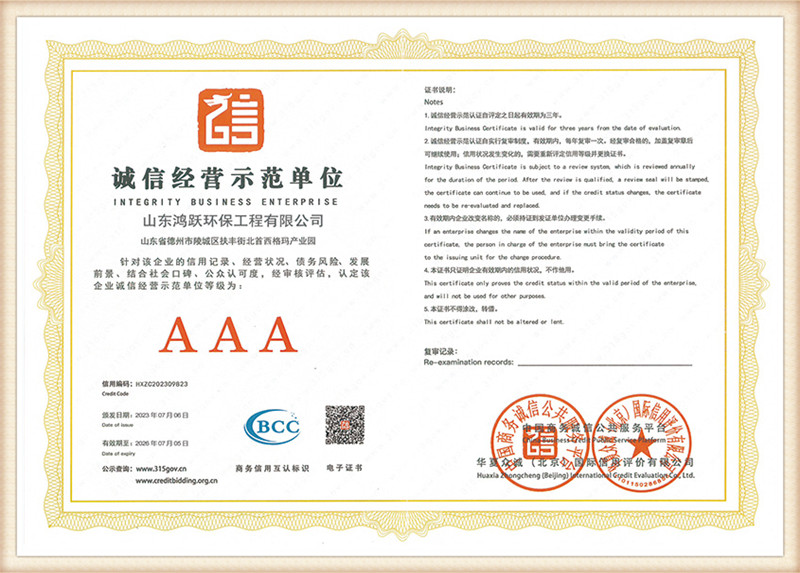
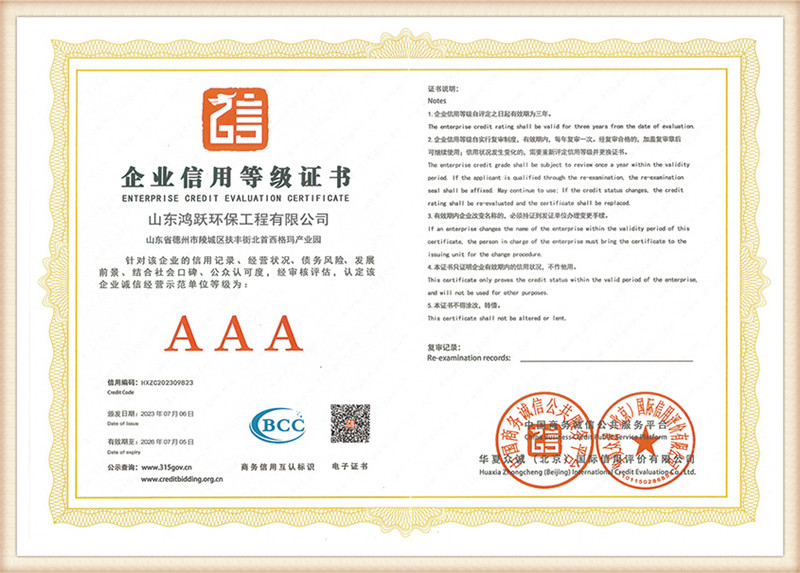
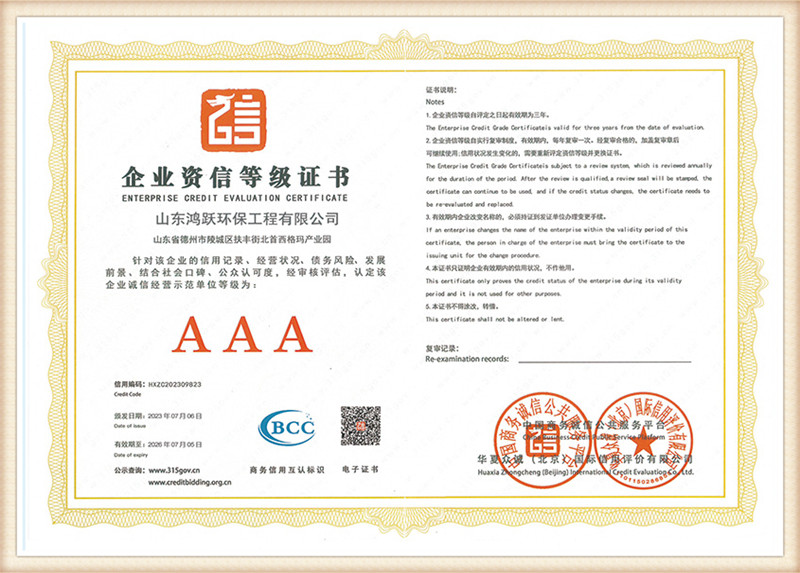
From freezing high-altitude civil works to humid tropical aquaculture projects, our materials adapt to unique local environments.
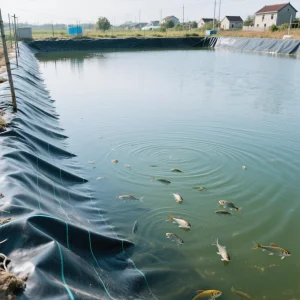
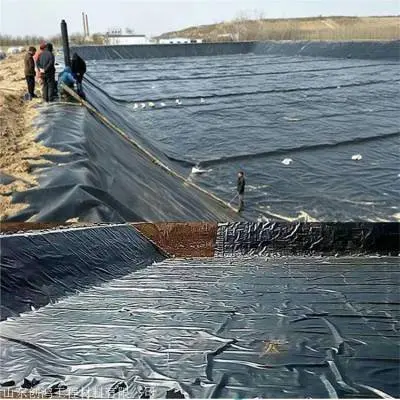
In municipal aquaculture zones throughout Southeast Asia and South America, maintaining consistent water volumes and preventing soil pollution are critical. Our specialized fish pond anti-seepage membranes offer long-lasting water containment and a biological-friendly surface, preventing the seepage of agricultural minerals into adjacent soils.
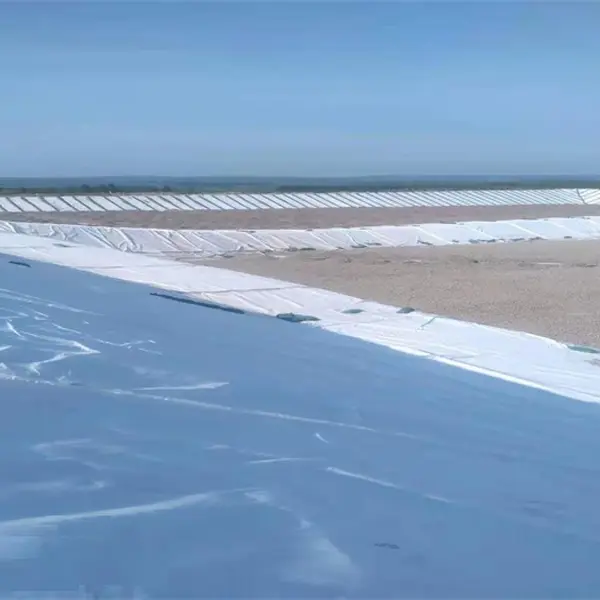
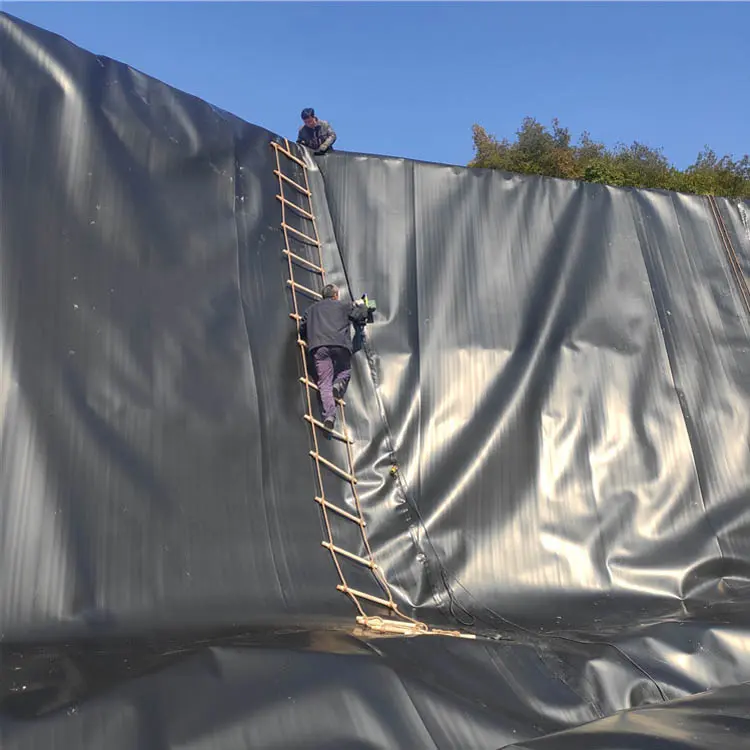
In highly arid locations (such as Western China and the Middle East), preventing transport loss in open canals is crucial for agricultural irrigation. Integrating geomembranes and bentonite clay blankets prevents up to 98% of water loss due to sub-grade absorption, which helps optimize regional water resource management.
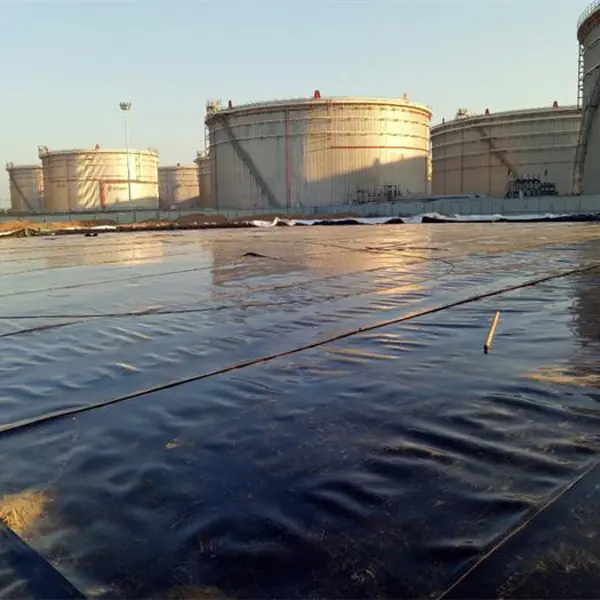
Under strict European EN environmental standards, waste management sites require multi-layered lining systems. Combining our high-density polyethylene (HDPE) geomembranes with bentonite waterproof blankets creates a redundant barrier system. This setup prevents hazardous leachates from migrating into regional groundwater supplies.
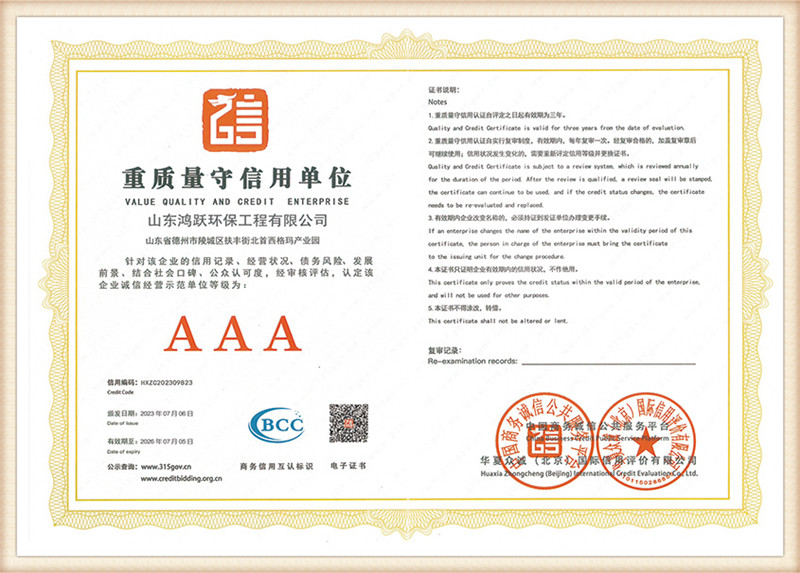
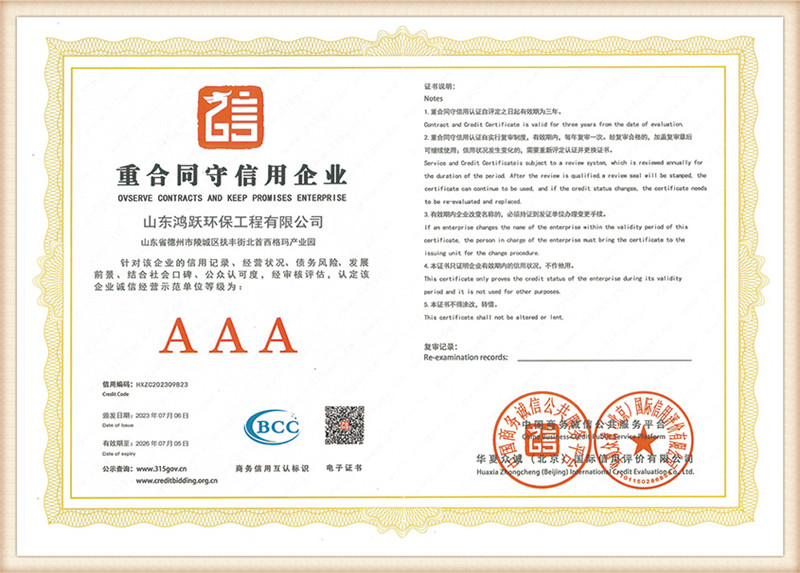
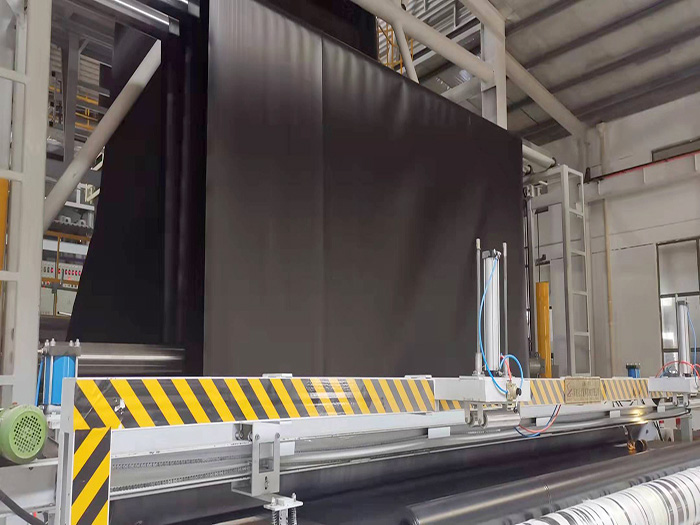
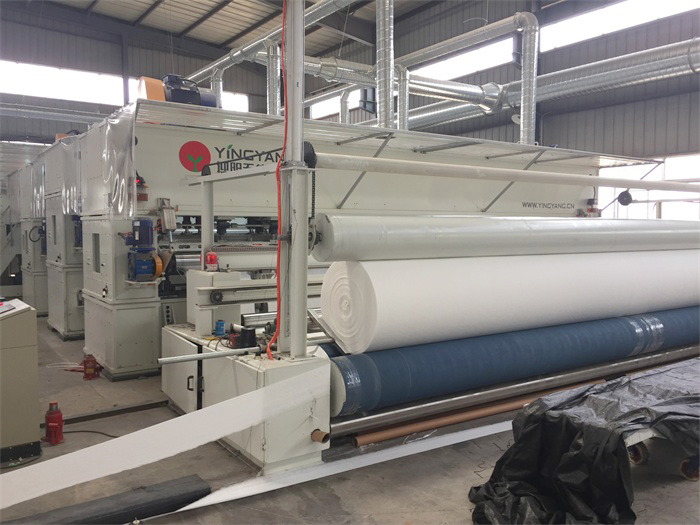
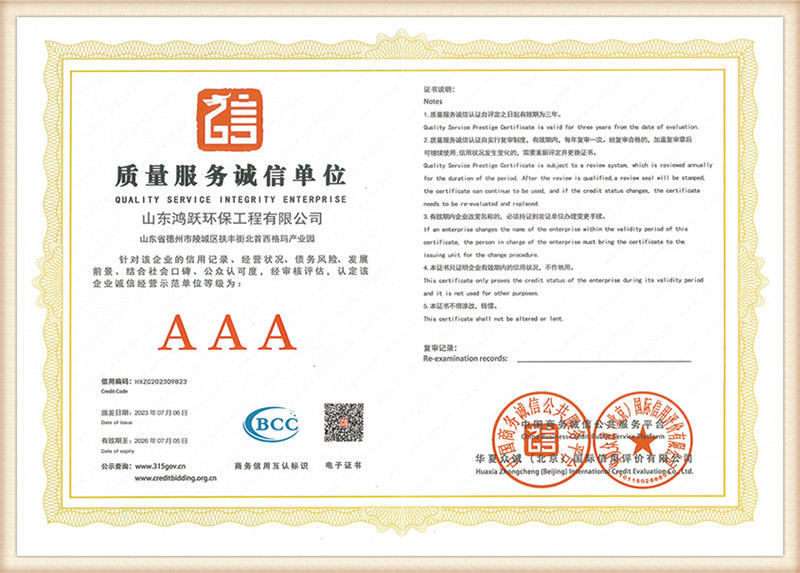
Our geotextile and waterproof blanket production line operates under a continuous quality loop, combining polymer science with automated mechanical needle-punching. By managing temperature, drafting, and fiber density, we ensure consistent performance across all batches.
From melting polymers to stress testing the finished rolls, our technical team monitors every parameter to deliver product performance that meets and exceeds international standards.
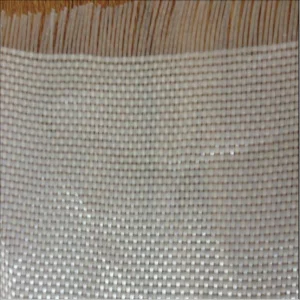
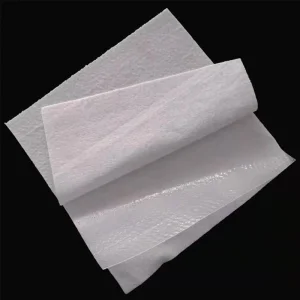
The primary raw inputs—polyester chips, virgin polypropylene filament, and high-purity sodium bentonite clay—are screened for moisture content, density, and chemical purity to ensure structural stability in the final composite product.
Polyester chips are melted at high temperatures and extruded into continuous filaments. Polypropylene and viscose fibers are mixed in precise ratios, maintaining tight thermal controls to preserve the mechanical strength of the polymers.
The extruded filaments are laid out on a continuous conveyor to form a uniform web. Controlling web thickness and fiber direction ensures isotropic strength, meaning the blanket resists tensile stresses equally from all angles.
The web undergoes a mechanical needle-punching process. Thousands of barbed needles interlock the fibers, bonding the structure together without heat or chemicals. This technique yields a robust, permeable fabric with excellent shear strength.
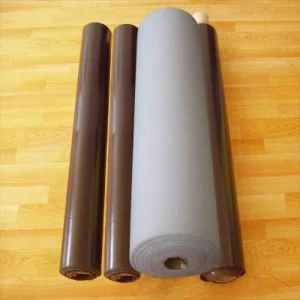
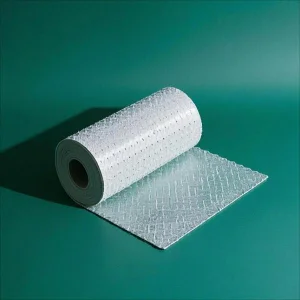
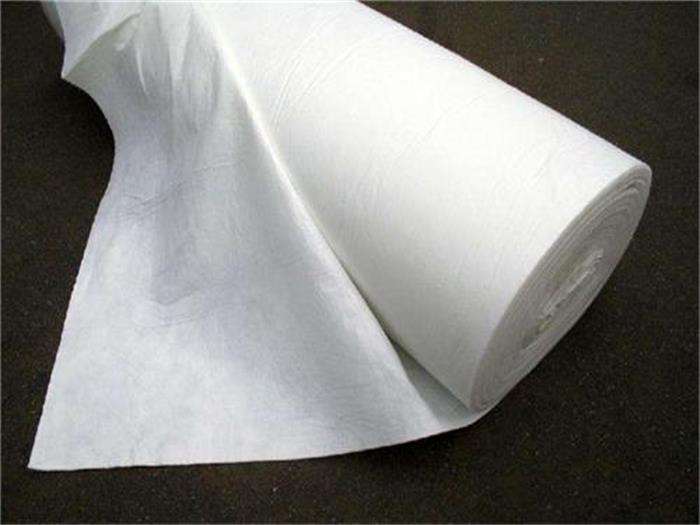
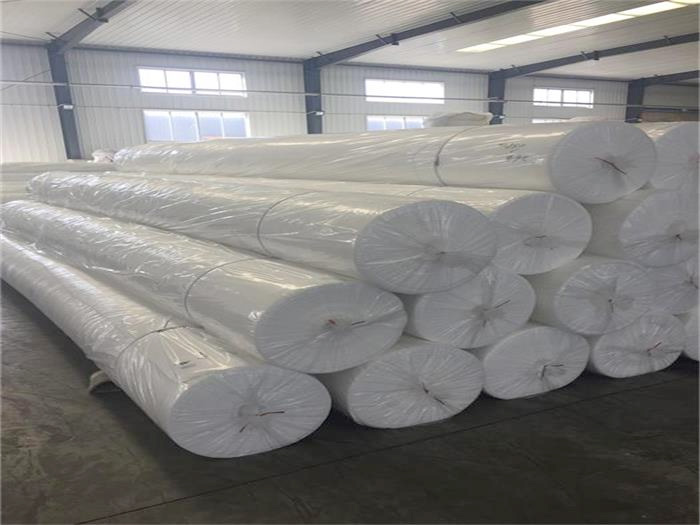
The cured geotextiles are rolled onto structural cores and wrapped in protective film. This packaging prevents UV degradation and moisture absorption during international transport and site storage.
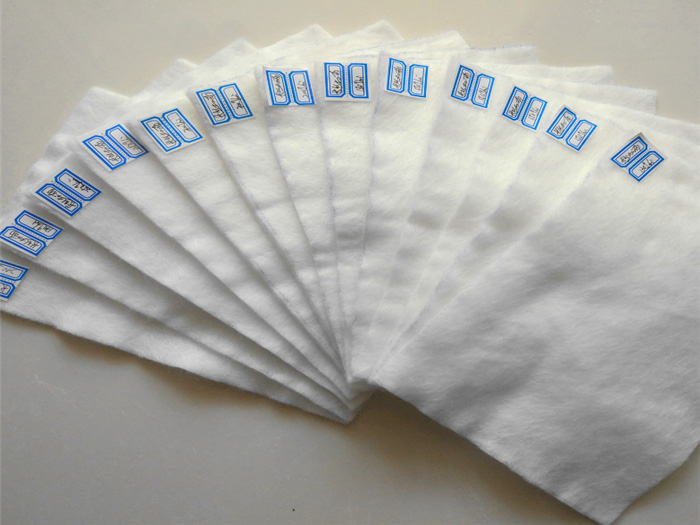
Every batch undergoes testing in our lab for index values including grab tensile strength, CBR puncture resistance, permeability, and mass per unit area, verifying compliance with CE and ASTM standards before shipment.
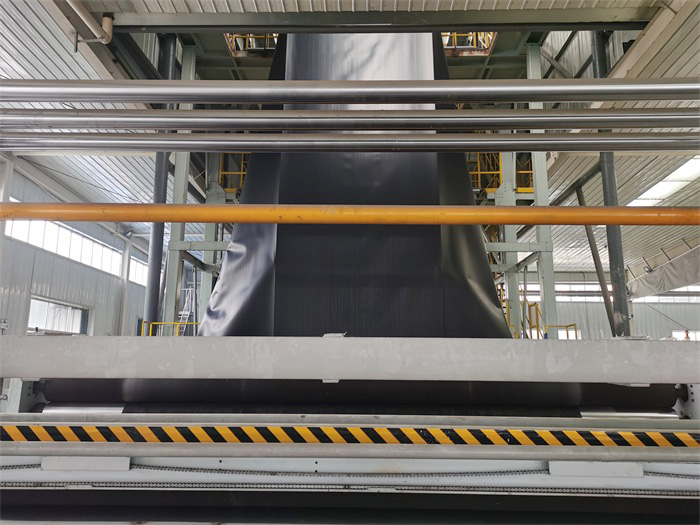
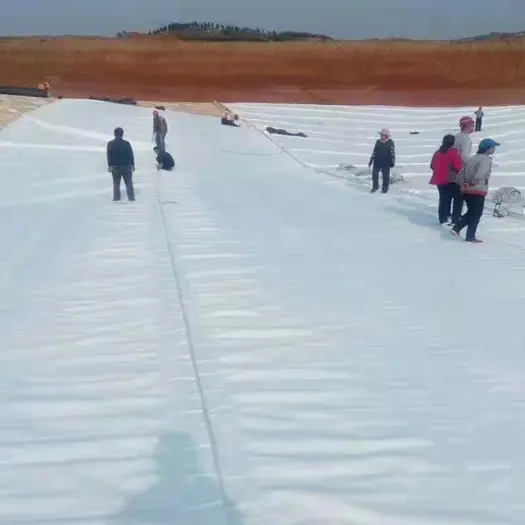
Proper material selection and installation are key to long-term barrier performance. Our application engineering team supports project owners and contractors with technical guidance through every phase of development:
The geosynthetics industry is advancing toward smarter, more durable materials. Shandong Hongyue's R&D team is focusing on several key developmental areas:
We are integrating organophilic bentonite formulations into our GCLs to improve chemical resistance against aggressive leachates, helping to maintain low permeability even in high-saline and industrial waste settings.
We are testing prototype geotextiles embedded with conductive yarns. These materials enable continuous leak detection and real-time structural health monitoring for high-risk environmental barriers.
We are incorporating post-industrial recycled resins into our non-critical geotextile layers, helping customers meet environmental requirements without compromising physical performance.
Located in the Lingcheng District of Dezhou, Shandong Province, Shandong Hongyue operates within one of the world's most dense geotechnical manufacturing clusters. This geographic concentration offers significant advantages for international procurement:
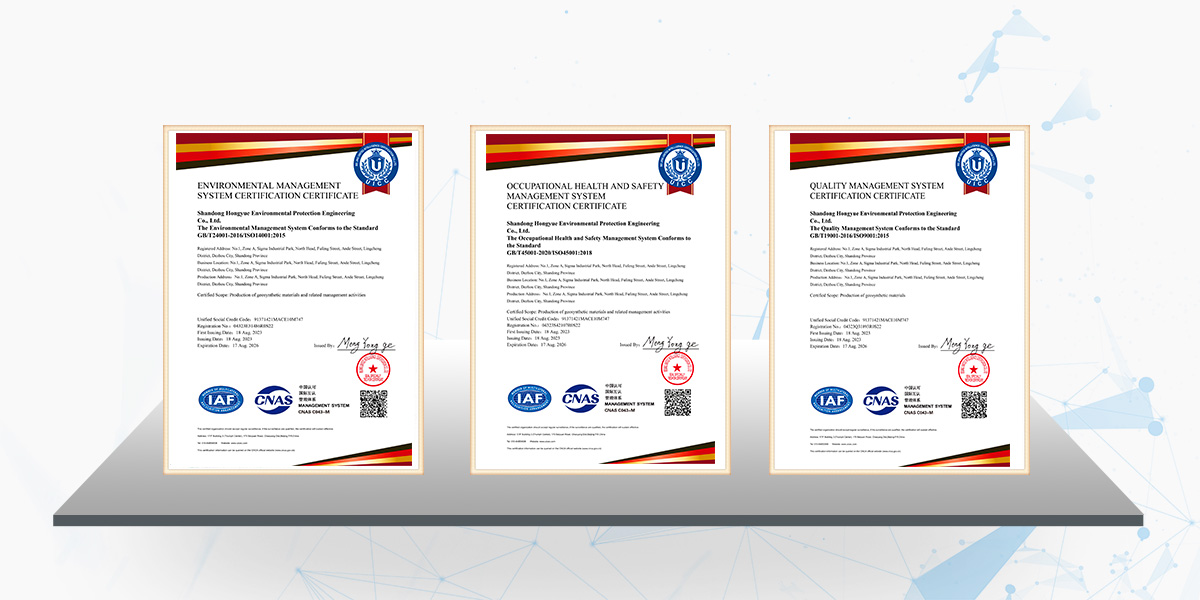
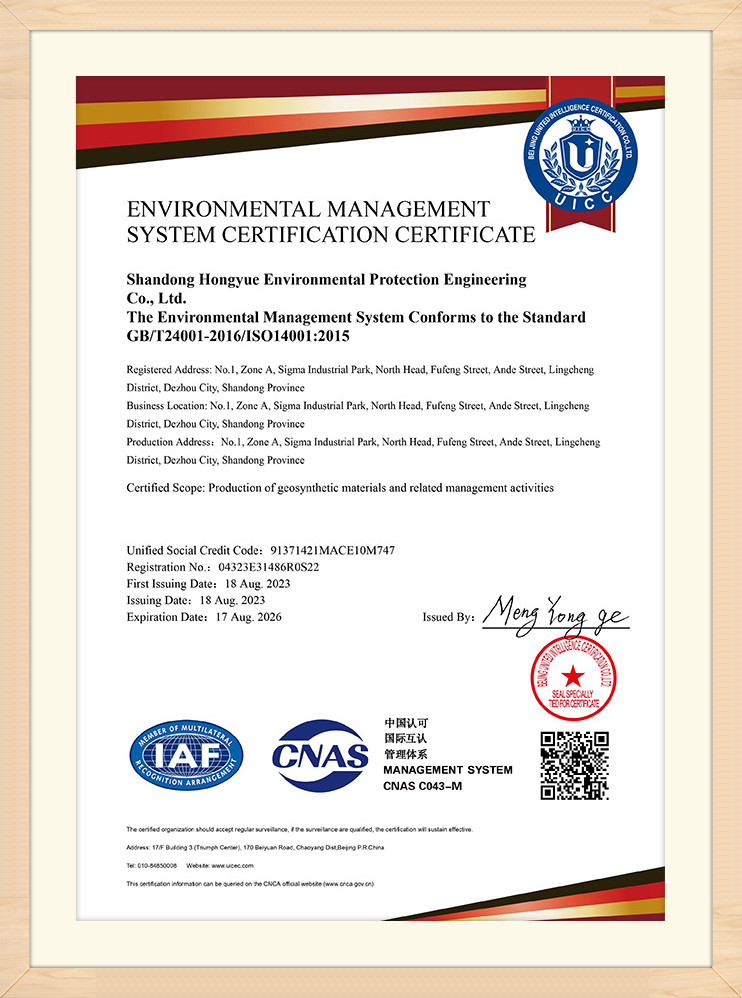
We maintain strict quality control processes throughout manufacturing. Shandong Hongyue is certified to the following standards:
Our facilities are audited to ISO9001 (Quality Management), ISO14001 (Environmental Management), and ISO45001 (Occupational Health & Safety) standards, ensuring consistent processes and worker safety.
Our products are tested in accordance with ASTM and European EN standards. We verify key properties, including tensile strength, hydraulic conductivity, and puncture resistance, to ensure performance in the field.
All product lines are subject to regular, independent testing by national agencies, including the China National Testing Center, providing verified performance data for engineering submittals.
Find technical specifications and deployment guidelines for waterproof blankets and geomembranes.
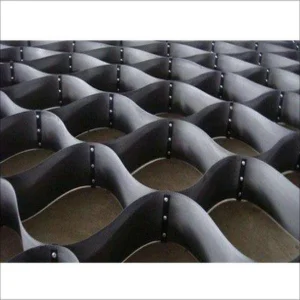
Explore our full line of geosynthetics, geocells, and cement blanket composites designed for soil stabilization and drainage control.
 Hongyue