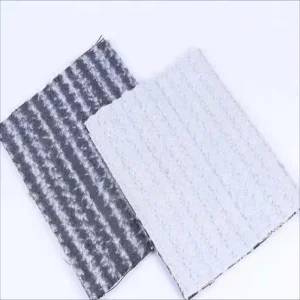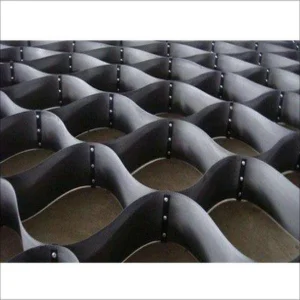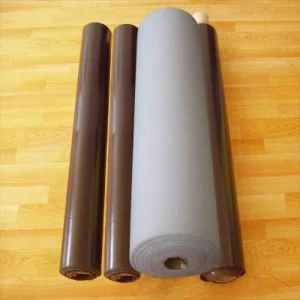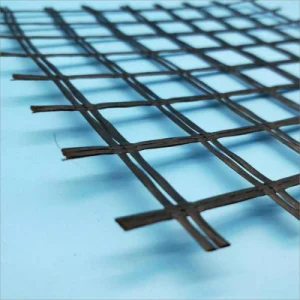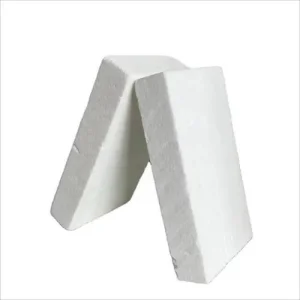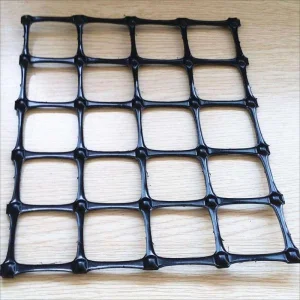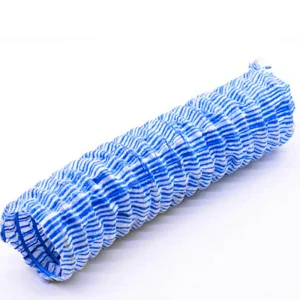
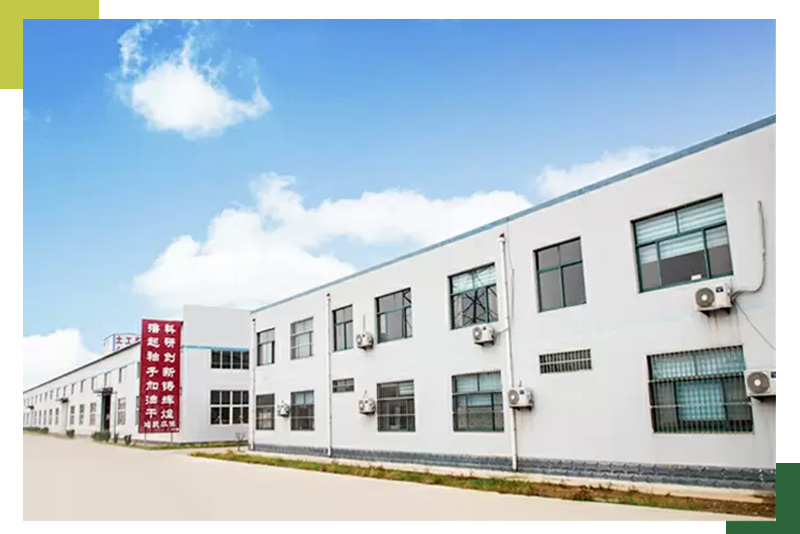
Located at the north end of Fufeng Street, Lingcheng District, Dezhou, Shandong Province, Shandong Hongyue Environmental Engineering Co., Ltd. is a high-tech, scientific, and technological geotechnical material manufacturer. We seamlessly integrate engineering material production, sales, design, and construction services under one roof. Registered with a capital of 105 million yuan on April 6, 2023, our facility stands as one of the largest and most advanced manufacturing bases of geotechnical materials in China today.
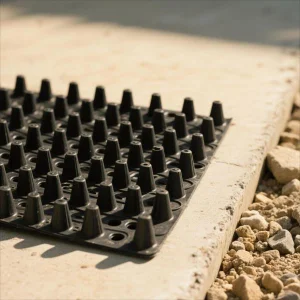
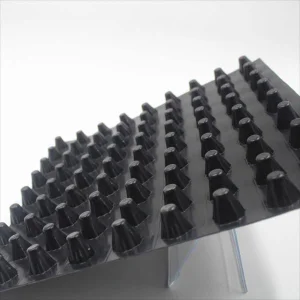
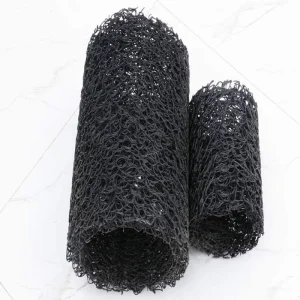
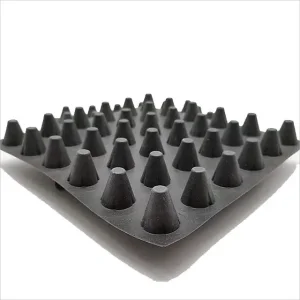
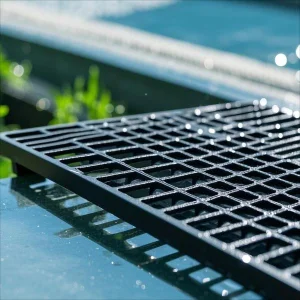
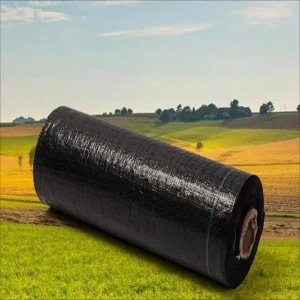
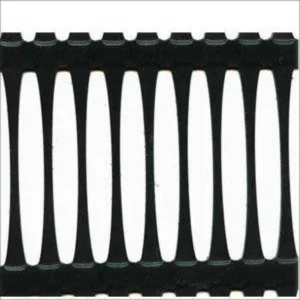
Our strategic location in Lingcheng District, Dezhou—widely recognized as the Silicon Valley of Chinese geosynthetics—offers superior geographical positioning and extremely convenient logistics and transportation access. We deal comprehensively in geotextiles, geomembranes, composite geomembranes, waterproof boards, bentonite waterproof blankets, 3D composite drainage nets, drainage boards, woven and non-woven engineering fabrics, membrane bags, blind ditches, ecological bags, and cement blankets.
Since our inception, our business has experienced rapid, exponential growth. As active members of the Dezhou Geotextile Association, we pride ourselves on delivering high-quality products backed by a professional sales and world-class technical team. Our comprehensive product portfolio is designed for applications across highway systems, high-speed railways, bridges, tunnels, municipal reservoirs, agricultural canals, artificial lakes, environmental protection containment fields, civil aviation runways, mining sites, and modern agriculture.
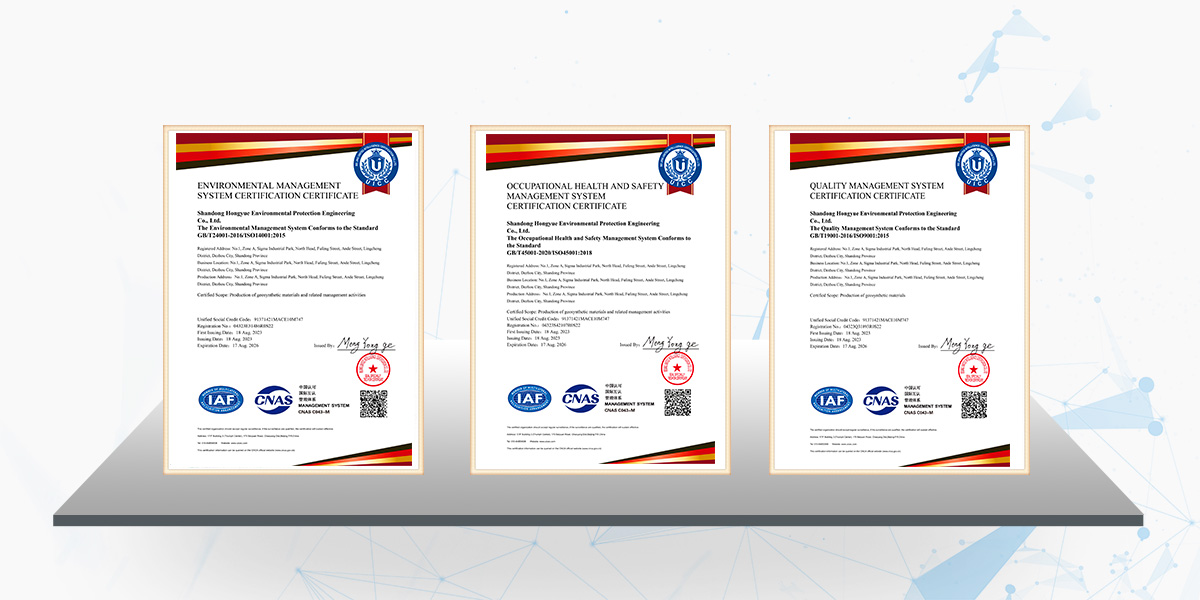
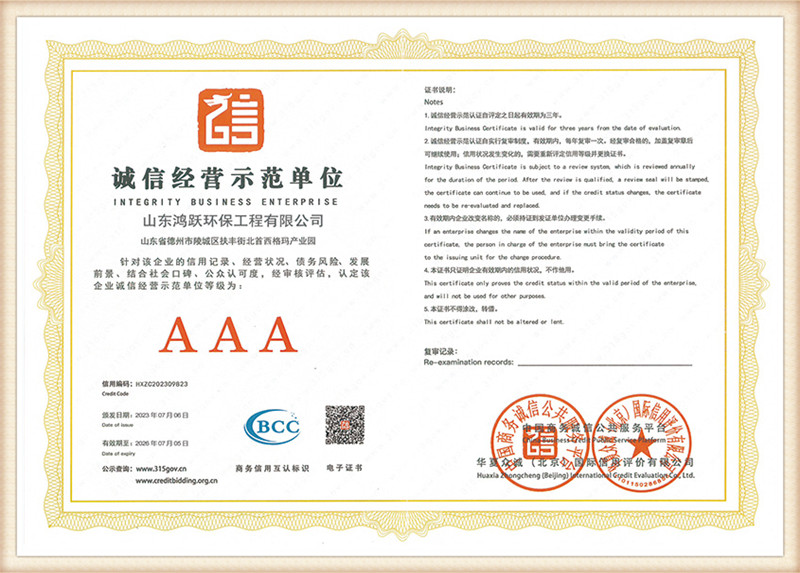
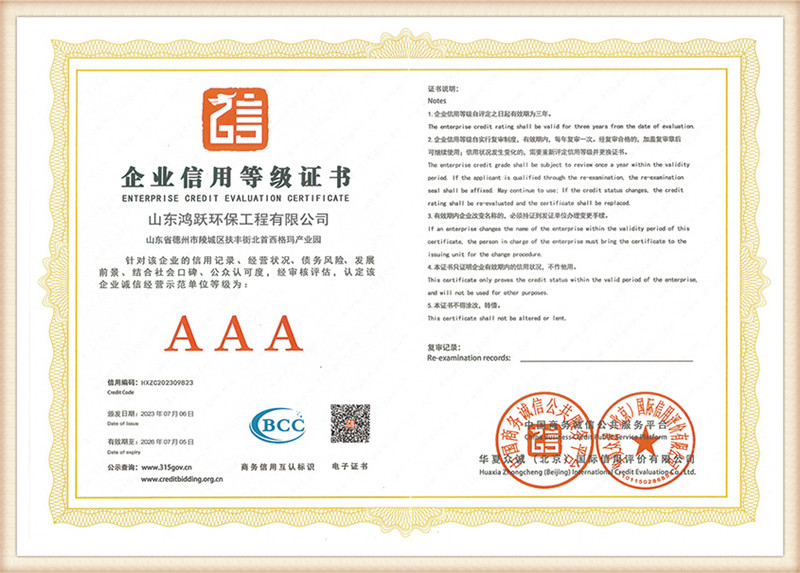
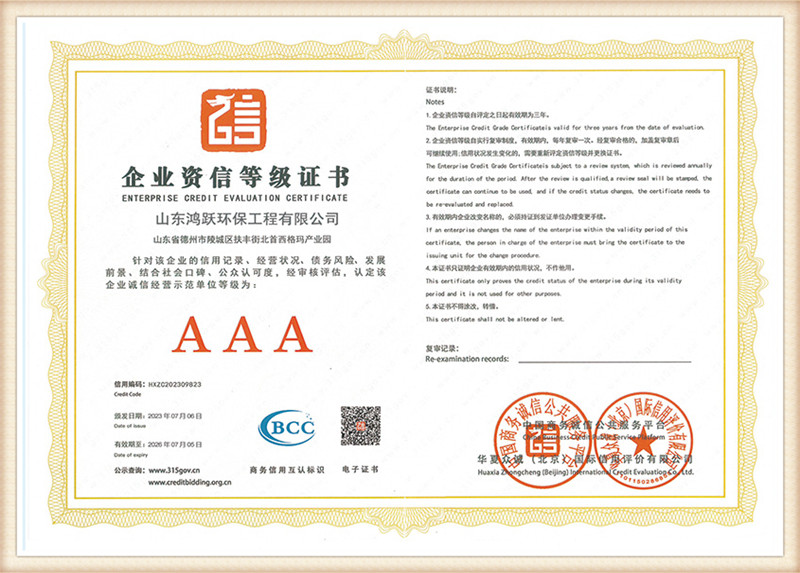
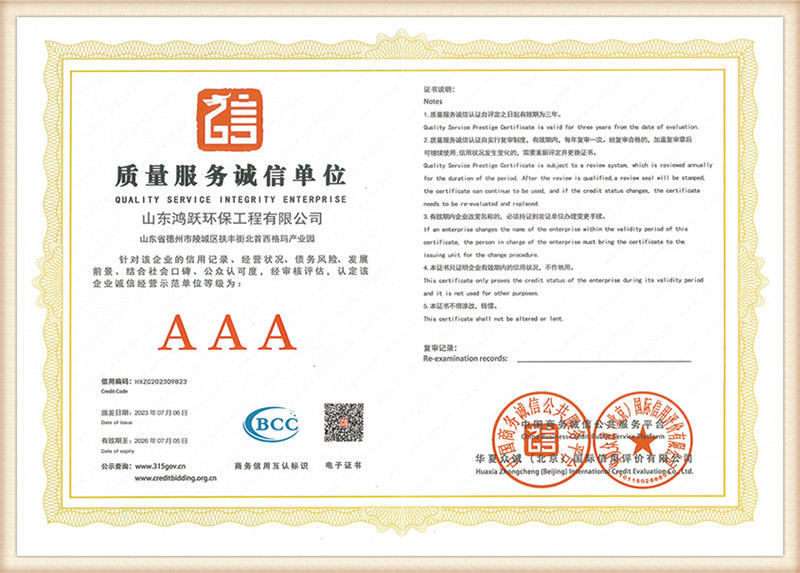
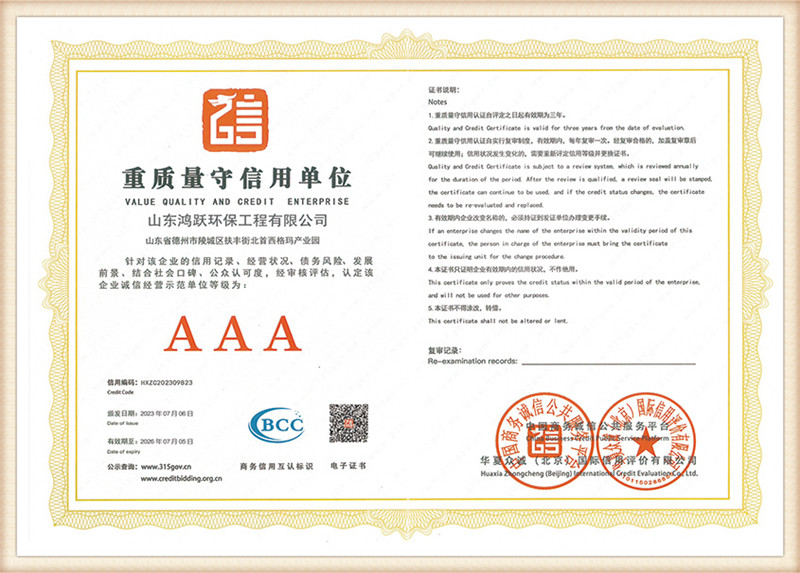
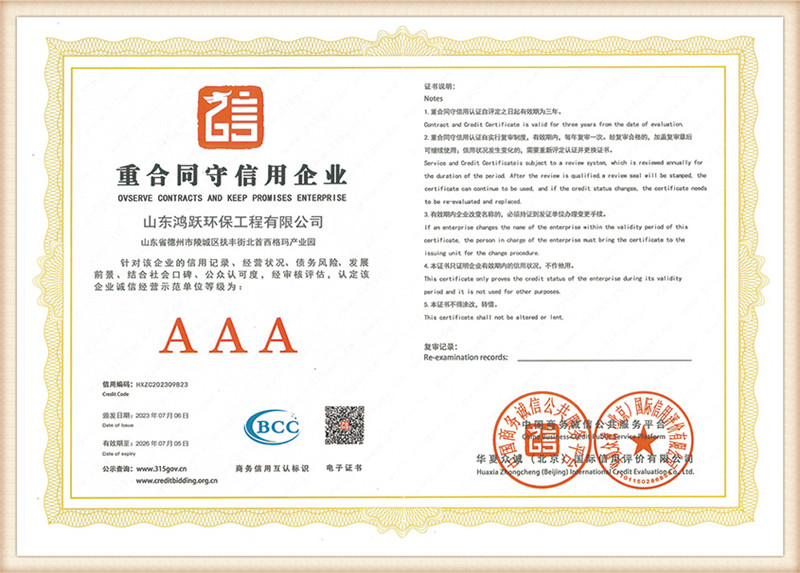
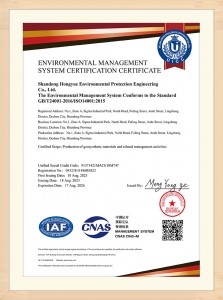
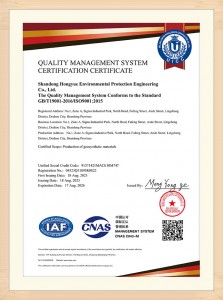
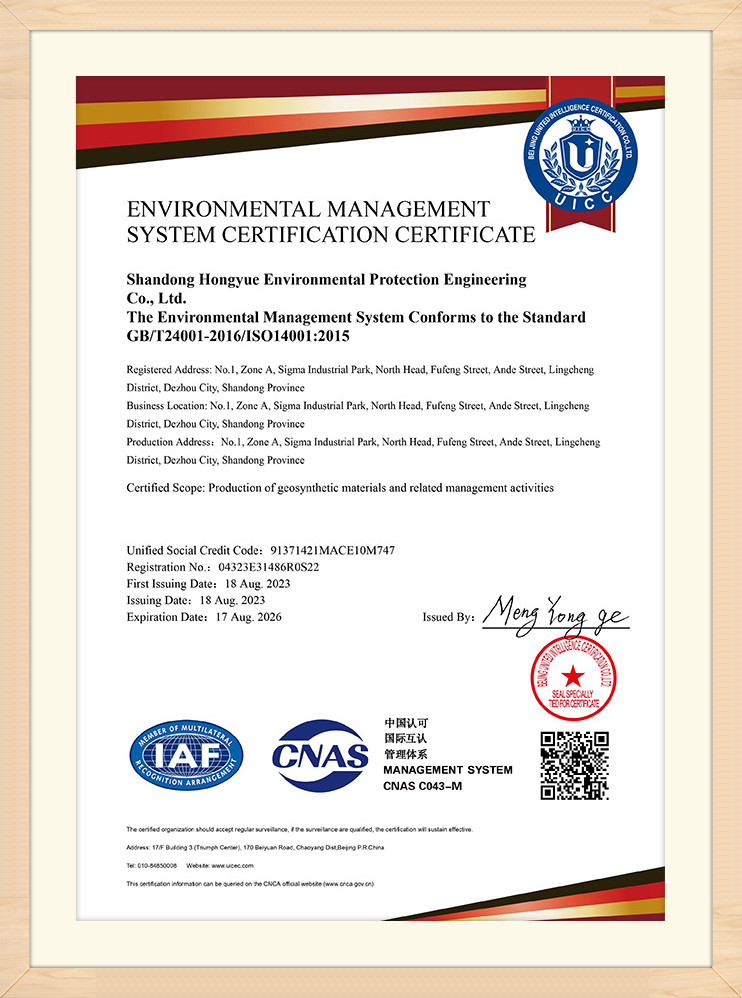
Our commitment to quality has earned us certifications including the ISO9001 International Quality System Certification, ISO14000 Environmental System Certification, and ISO45001 Occupational Health and Safety Management System Certification. We are recognized as a "High-Tech Industry" and a "Quality Service Double Excellent Unit", exporting products globally to regions such as Europe, the United States, Australia, Southeast Asia, and South America.
Geotextiles form the backbone of modern civil engineering, environmental engineering, and sustainable infrastructure projects. As the global community shifts towards resilient design paradigms to combat climate change, the demand for specialized, high-performance geotextiles has surged. Across North America, Europe, and Asia-Pacific, developers, municipalities, and private enterprises require geosynthetics that offer long-term durability, excellent hydraulic transmission, and high physical resilience.
Prevents intermixing of distinct soil layers, ensuring roadbeds and railways maintain structure under high load patterns without localized collapse.
Allows water to flow freely perpendicular to the plane while capturing fine silt, protecting drainage pipes and sub-base layers from clogging.
Distributes tensile stress away from structural loads, allowing steeper embankments, thinner pavement layers, and long-term ground stability.
Under the ODM (Original Design Manufacturer) model, exporters like Shandong Hongyue tailor materials according to localized soil chemistry, hydraulic configurations, and regional regulatory frameworks (such as ASTM, European CE, and Australian standards). The global market requires exporters to not only supply standard rolls, but also engineer customized geosynthetics with specified polymer formulations, denier configurations, UV resistance packaging, and mass-per-unit-area ranging from 100 g/m² to over 1500 g/m².
Our manufacturing facility in Lingcheng District, Dezhou, Shandong Province, derives substantial efficiency advantages from being at the heart of China's largest geosynthetic cluster. We have constructed fully integrated supply chains—sourcing top-tier polypropylene (PP) and polyester (PET) chips locally, minimizing domestic lead times, and maintaining strategic partnerships with raw chemical suppliers.
With a massive registered capital of 105 million yuan, Shandong Hongyue operates several high-speed, automated production lines. Our facility deploys advanced carding machines, high-frequency needle-punching looms, and state-of-the-art thermal calendars. This mechanical configuration allows us to operate 24/7 with minimal downtime, producing thousands of square meters of high-density nonwoven and woven geotextiles daily.
Our efficiency translates directly into cost advantages and compressed shipping times for international buyers. Orders that typically take competitors weeks to assemble are manufactured, certified, packaged, and transported to major Chinese ports like Qingdao or Tianjin in a fraction of the time.
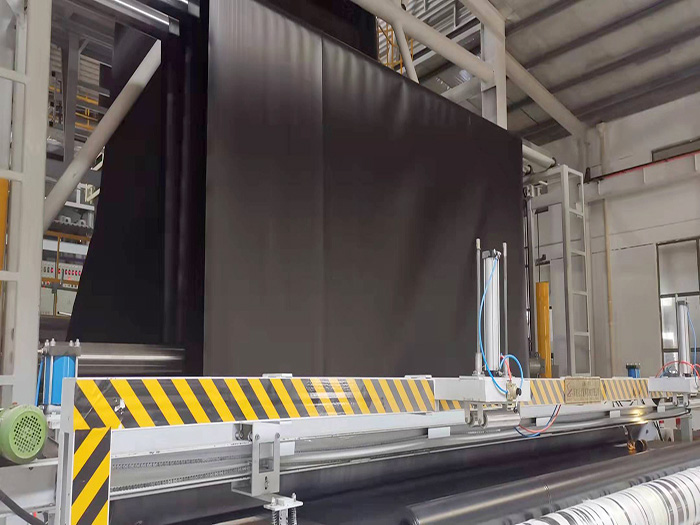
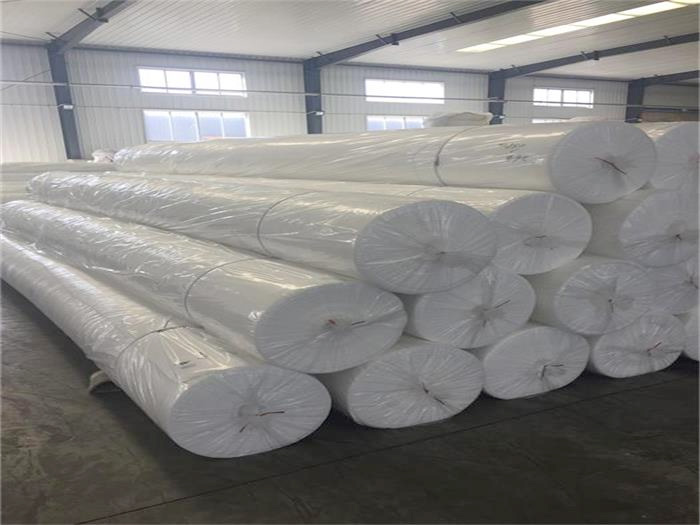
Explore the heavy-duty machinery and massive warehousing structures that power our everyday ODM manufacturing capabilities.
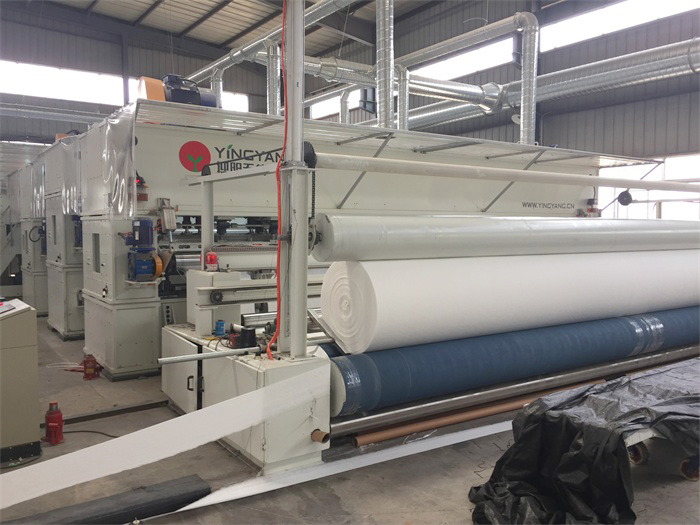
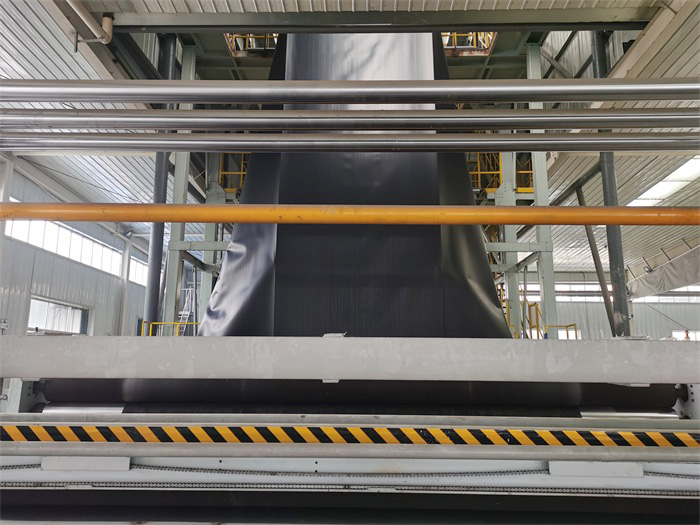
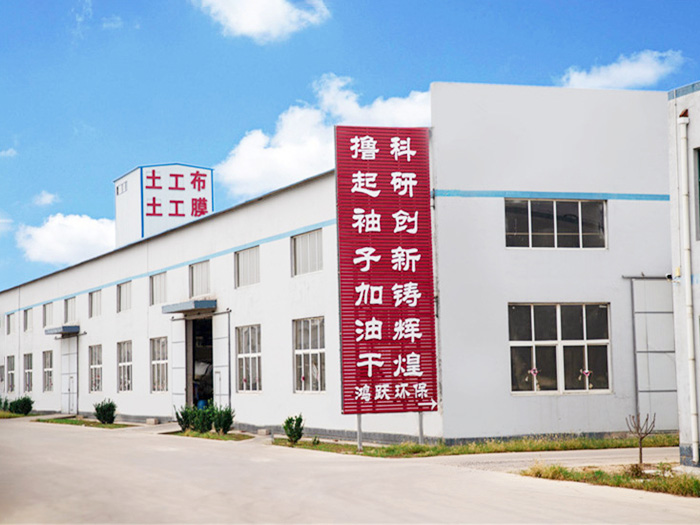
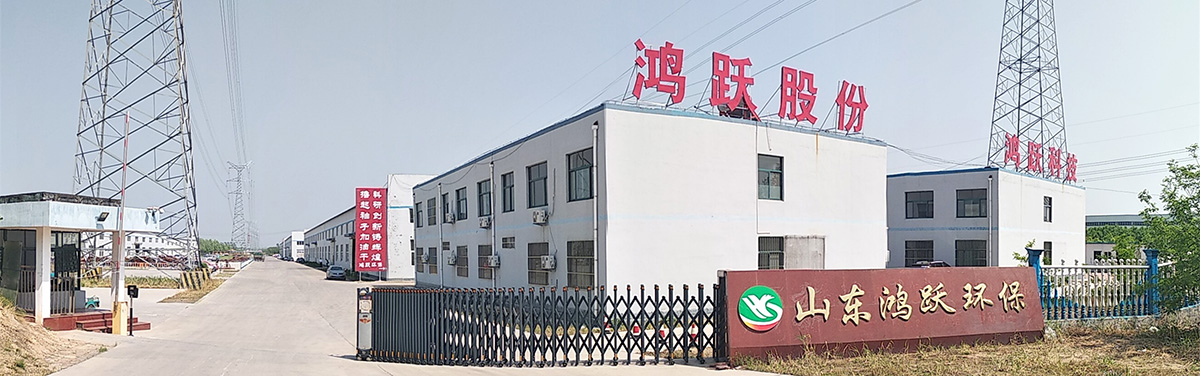
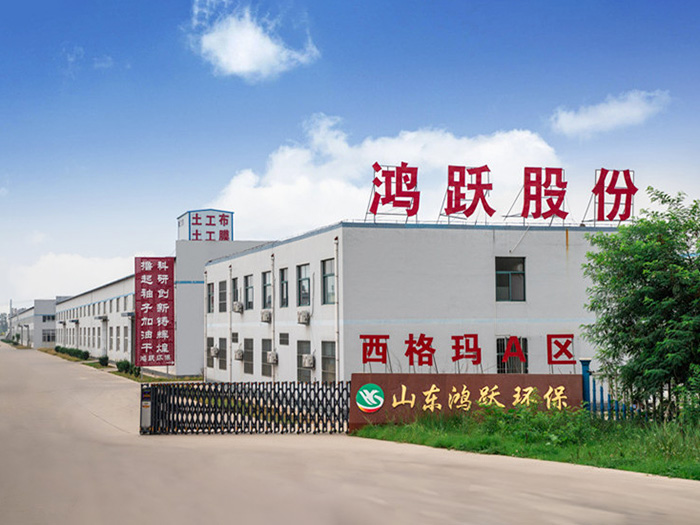
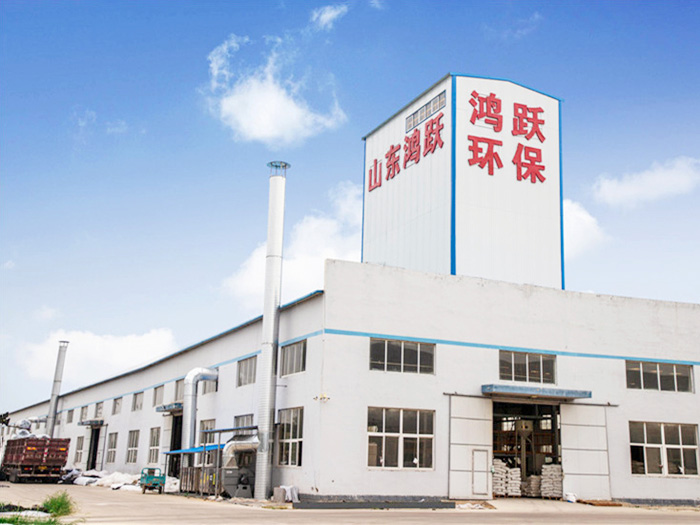
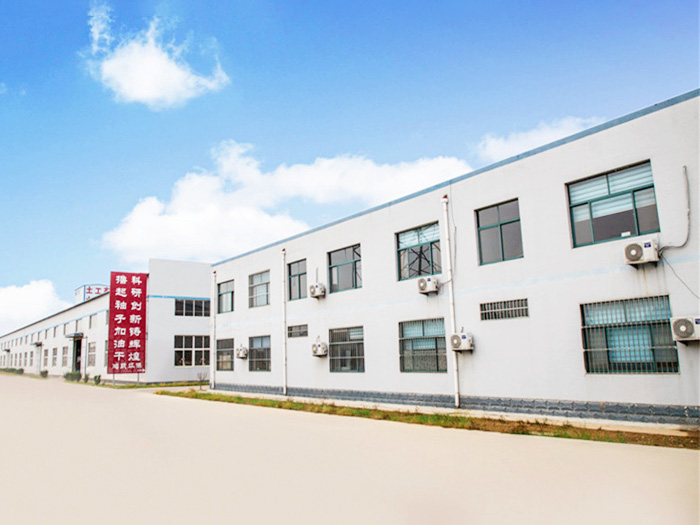
Understanding the complexity of the geotextile manufacturing process is essential to appreciating the performance properties of the final product. Geotextile is widely used in civil engineering as a primary geosynthetic component. Its production demands meticulous processing, temperature management, and strict quality control. Below, we break down the 6 key stages of our manufacturing lines:
The primary raw materials used in geotextile production are high-grade polyester (PET) chips, polypropylene (PP) filaments, and viscose fibers. These materials undergo strict entry inspections, grading, and moisture-controlled storage. Maintaining high purity in the polymer chips is critical for guaranteeing ultimate long-term UV resistance and mechanical strength.
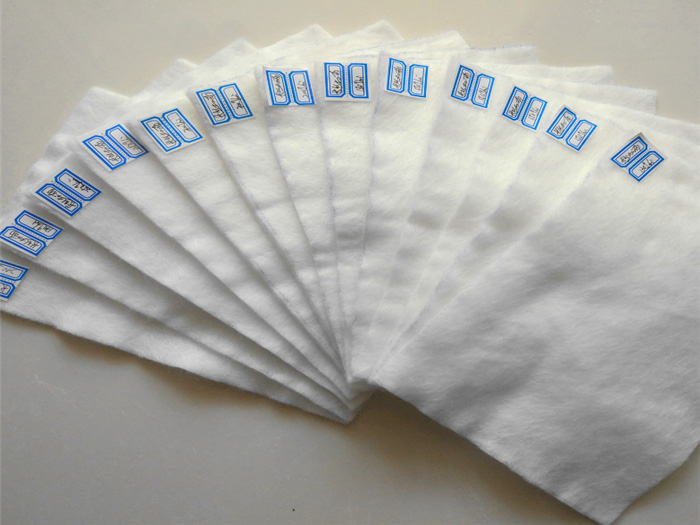
Polyester or polypropylene chips are fed into a high-temperature screw extruder. The molten polymer is forced through a spinneret plate containing thousands of micro-orifices, producing continuous filaments. During this melt-spinning process, temperature, pressure, and extruder speed must be managed precisely to avoid material variation.
The extruded continuous filaments are drawn and laid onto a moving collector belt to form a random, three-dimensional web. Our modern air-laying systems ensure uniform distribution across the entire width of the web. This step determines the mass-per-unit-area and isotropic mechanical qualities of the resulting geotextile.
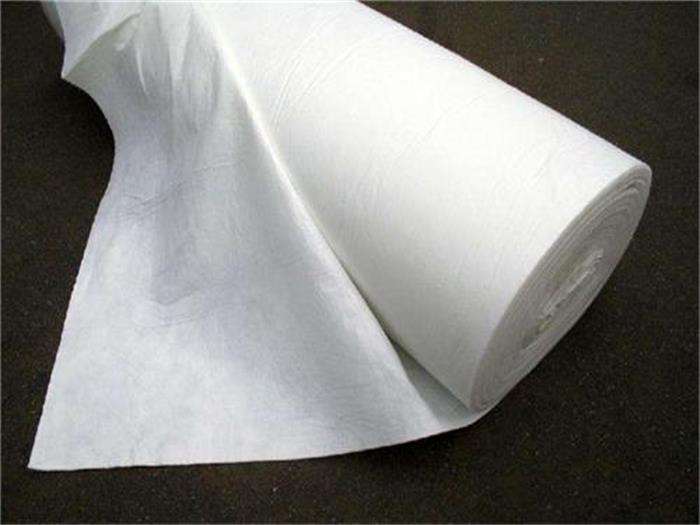
The loose filament web enters a series of needle-punching looms. Hundreds of specialized barbed needles penetrate the web vertically, forcing the fibers to entangle. This mechanical interlocking gives the fabric high tensile strength and flexibility without compromising its porous, water-permeable matrix.
After needle punching and edge trimming, the geotextile is rolled onto heavy-duty cardboard cores. Every roll is measured for length, width, and weight, then wrapped in protective, UV-stable plastic packaging. This shielding prevents degradation during transport, outdoor storage, and jobsite handling.
Each production batch is subjected to comprehensive testing in our quality control laboratory. Samples are measured for grab tensile strength, CBR puncture resistance, trapezoidal tear strength, water permeability, and apparent opening size (AOS). Only materials meeting ASTM, EN ISO, or custom client specifications are approved for export.
Geomembranes are highly impermeable barriers engineered from polymeric materials like High-Density Polyethylene (HDPE), Linear Low-Density Polyethylene (LLDPE), and Polyvinyl Chloride (PVC). They are critical components in waste containment, civil engineering, and hydraulic projects. Successfully implementing geomembranes requires a precise engineering approach encompassing material selection, proper subgrade preparation, welding, and scheduled maintenance.
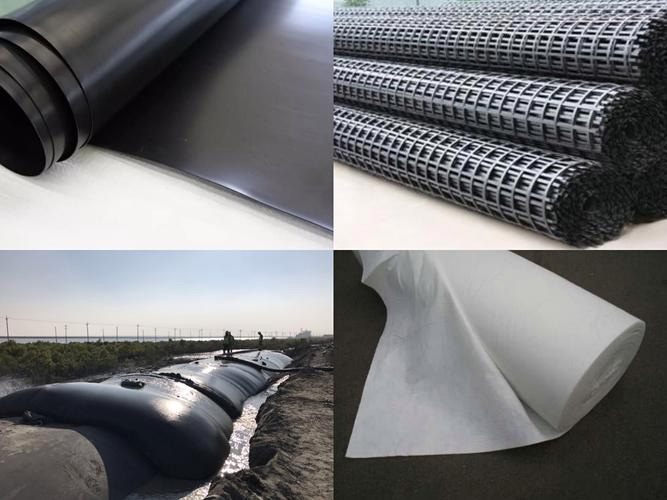
Selecting the appropriate geomembrane requires assessing chemical compatibility, physical exposure, and environmental stress cracking resistance. HDPE is preferred for municipal landfills and mining heaps due to its high chemical resistance, while LLDPE offers the high flexibility needed for complex topographies or pond liners.
Thickness typically ranges from 0.3mm for basic farm ponds to 2.0mm+ for hazardous waste cells. Double-wedge fusion welding is used to join adjacent rolls, followed by air-pressure testing of the created channels to verify seal integrity.
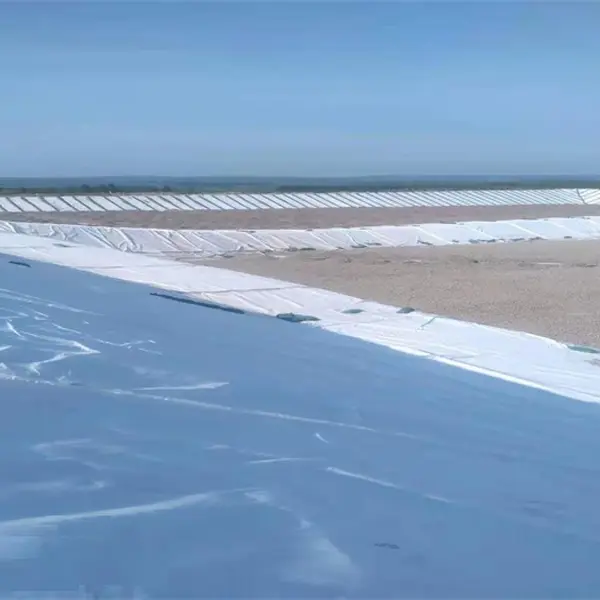
Mitigates seepage and structural erosion in large concrete dams, spillways, and intake reservoirs.
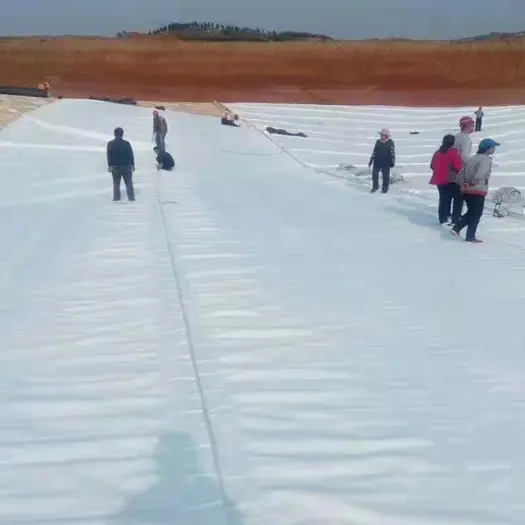
Prevents water loss in municipal, agricultural, and industrial supply channels.
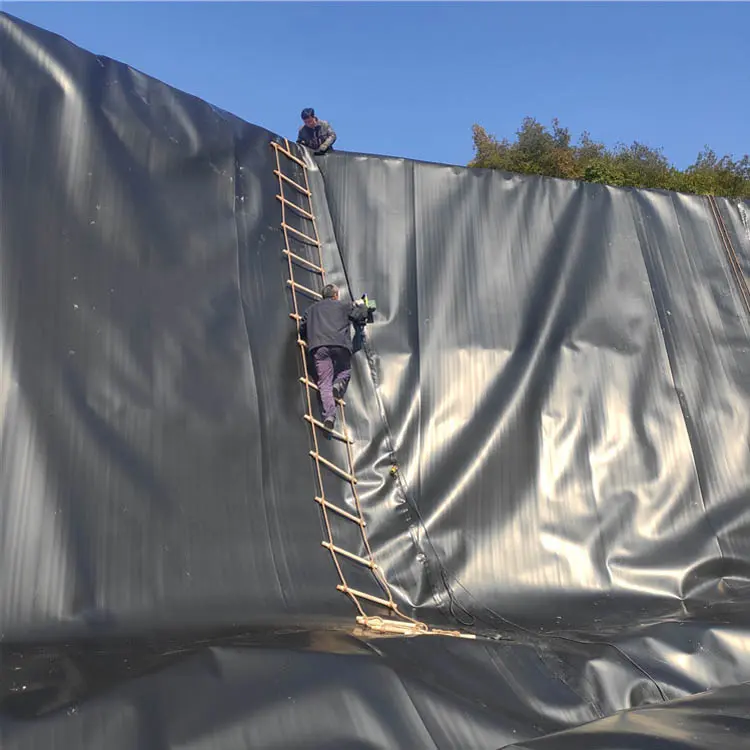
Provides double-lined protection systems for municipal landfills, containing hazardous run-off.
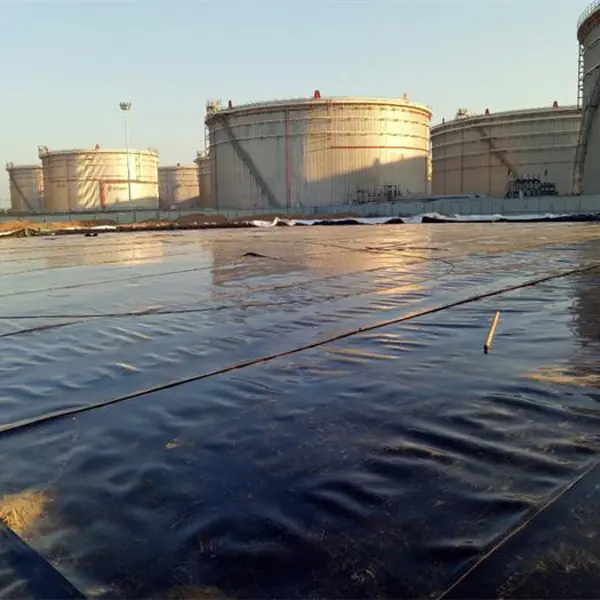
Serves as secondary containment underneath fuel tanks and refineries, preventing soil pollution.
Geosynthetics must be engineered and installed according to the physical characteristics of their application site. Standard products may fail under unusual site conditions. Our ODM services focus on configuring products to match the environmental demands of the jobsite:
Reservoirs built in geological formations with jointed bedrock require stable containment. An HDPE geomembrane, protected on both sides by nonwoven geotextiles, forms a resilient barrier that accommodates minor subgrade settlements.
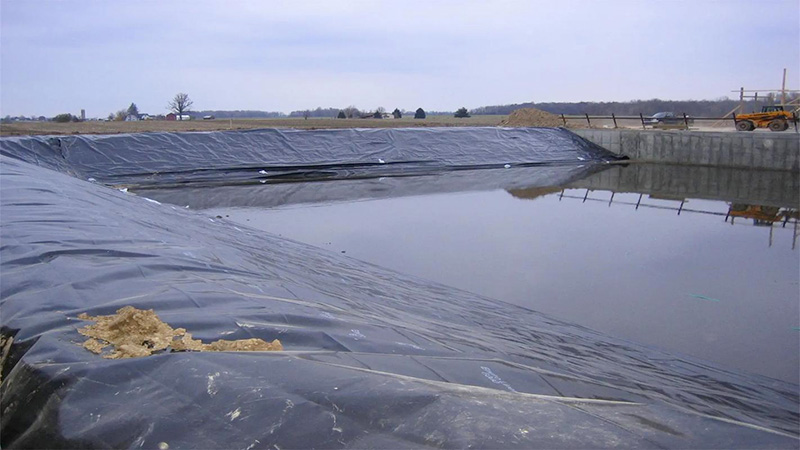
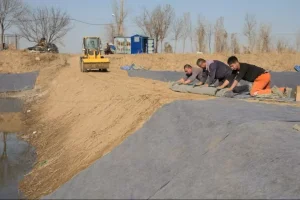
River levees face fluctuating hydraulic pressures. Installing high-strength geotextiles or composite drainage nets helps stabilize slope surfaces, preventing internal erosion and structural piping failures during high-water events.
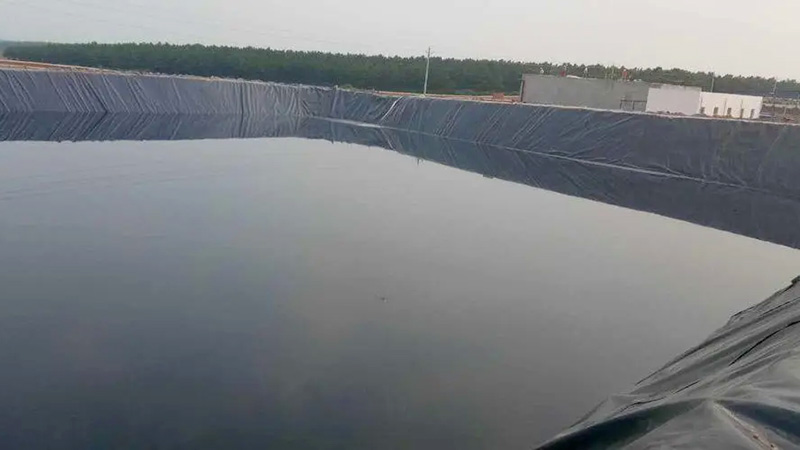
In channel engineering, geomembranes prevent seepage losses, preserving water volume for irrigation or drinking. Combining them with protective geocells helps prevent bank erosion and maintains the channel's geometry over time.
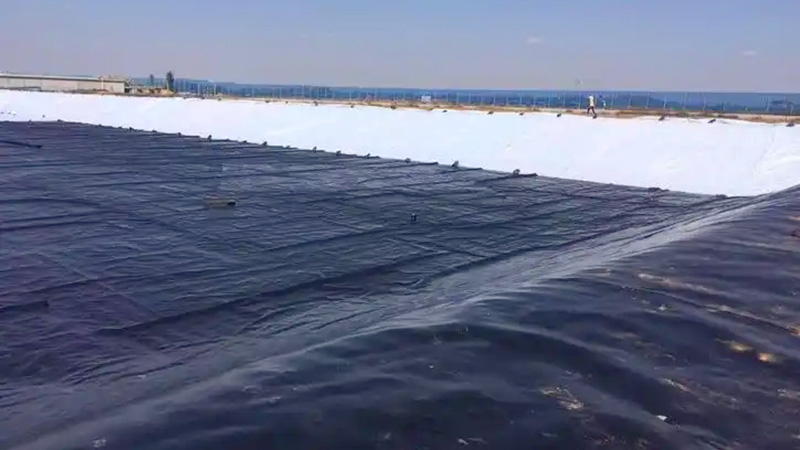
At Shandong Hongyue Environmental Engineering Co., Ltd., quality control is embedded throughout our manufacturing process. We operate an advanced testing facility equipped with high-precision instrumentation, ensuring that the physical, mechanical, and hydraulic properties of every run are verified.
All materials produced at our facility are certified by the China National Testing Center and have passed the national quality supervision and sampling inspections commissioned by the State Administration of Quality Supervision and Inspection. Our technical team brings over ten years of on-site engineering and material design experience, allowing us to support international buyers with technical data sheets, certificate of analysis (COA) documents, and test compliance reports for domestic and international tender bids.
| Property Checked | Test Standard Reference | Performance Range (Customizable) | Application Importance |
|---|---|---|---|
| Grab Tensile Strength | ASTM D4632 / EN ISO 10319 | 400 N - 4500 N | Verifies the material's resistance to tearing during installation stress. |
| CBR Puncture Resistance | ASTM D6241 / EN ISO 12236 | 1.0 kN - 8.5 kN | Prevents sharp stones and roots from piercing the geotextile barrier. |
| Apparent Opening Size (AOS) | ASTM D4751 / EN ISO 12956 | 0.075 mm - 0.300 mm | Ensures proper drainage while blocking fine particles from crossing the barrier. |
| Water Permeability | ASTM D4491 / EN ISO 11058 | 1.0 x 10^-3 to 0.5 cm/s | Enables rapid water relief perpendicular to the plane of the geotextile. |
| UV Degradation Resistance | ASTM D4355 / EN ISO 12224 | 70% - 90% strength retained | Protects the material from degradation under direct sunlight on site. |
Find answers to common questions about selecting, purchasing, and applying geotextiles.
 Hongyue