Explore our certified solutions for erosion control, soil reinforcement, and advanced drainage systems.
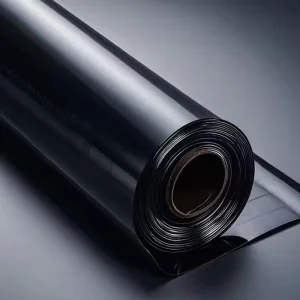
Global infrastructure initiatives face compounding risks from localized weathering, accelerated soil migration, and extreme climatic variances. Geotextile fabrics are engineered specifically to act as primary separation, filtration, drainage, and structural reinforcement barriers. These synthetic matrices counteract the gravitational and hydraulic shear stresses that undermine slopes, channel systems, and foundation profiles.
By employing high-performance polymers, modern civil engineering can stabilize critical slopes, maximize hydraulic throughput, and preserve local environmental balances without utilizing invasive concrete alternatives. Developing an engineered geotextile solution requires precise understanding of hydraulic properties, polymer tensile strengths, and custom configuration strategies.
"Implementing the correct geotextile variant decreases construction timeframes, extends the functional lifecycle of retention systems by over 300%, and significantly reduces carbon emissions compared to traditional structural containment techniques."
A global leader in scientific research, system design, and production of advanced geotechnical materials.
Located at the north end of Fufeng Street, Lingcheng District, Dezhou, Shandong Province, Shandong Hongyue Environmental Engineering Co., Ltd. stands as one of the largest specialized production bases of geotechnical materials in China. Our company operates under a strict management system and integrates design, consulting, manufacture, and deployment services.
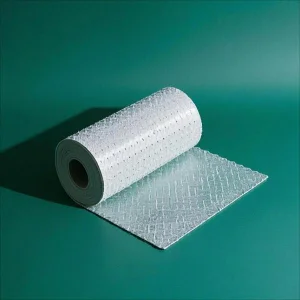
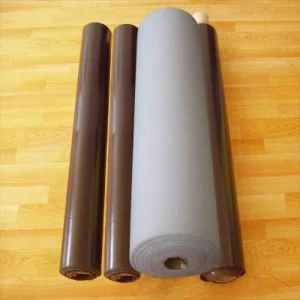
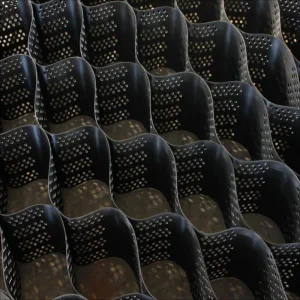
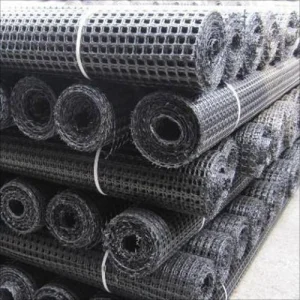
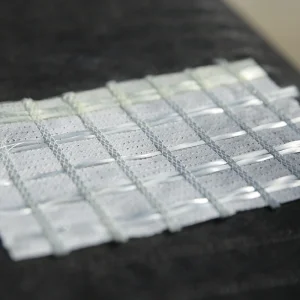
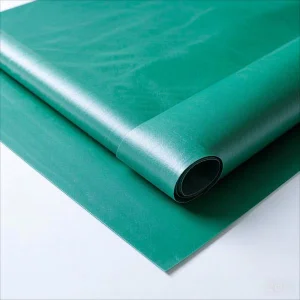
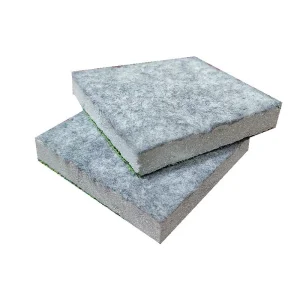
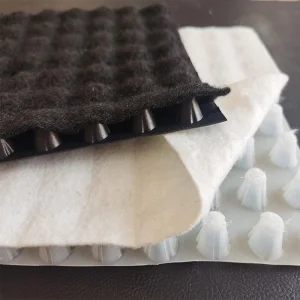
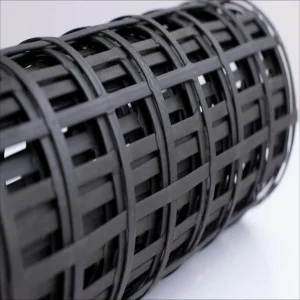
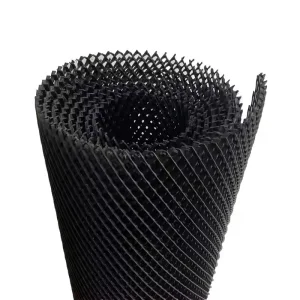
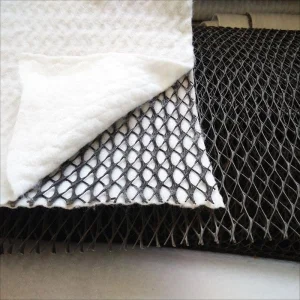
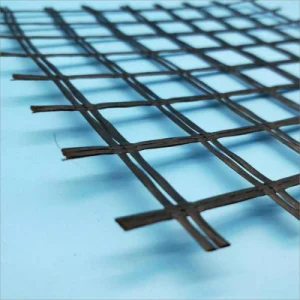
Our core product line covers high-quality geotextiles, geomembranes, composite geomembranes, waterproof boards, bentonite waterproof blankets, 3D composite drainage nets, geocells, geogrids, ecological bags, and cement blankets. We are members of the Dezhou Geotextile Association, actively contributing to technical code development and international compliance metrics.
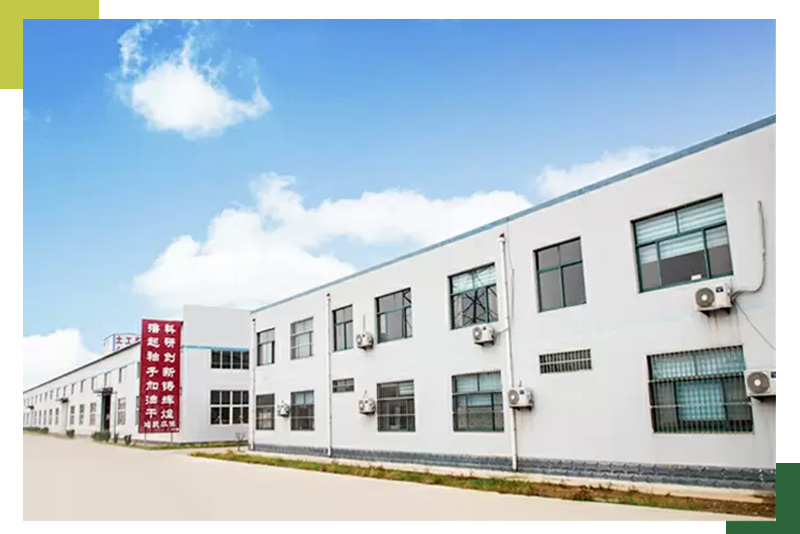
Leveraging high-capacity automated production lines and comprehensive quality monitoring networks.
Our facility utilizes German-engineered needle-punching looms, high-temperature extrusion mechanisms, and automated tension monitors. This ensures precise thickness controls and highly uniform fiber distributions across all production runs.
Situated in Dezhou, Shandong Province, our facilities benefit from integrated road networks connecting directly to Qingdao and Tianjin ports. This enables reduced transit times, lower domestic freight costs, and predictable shipping schedules.
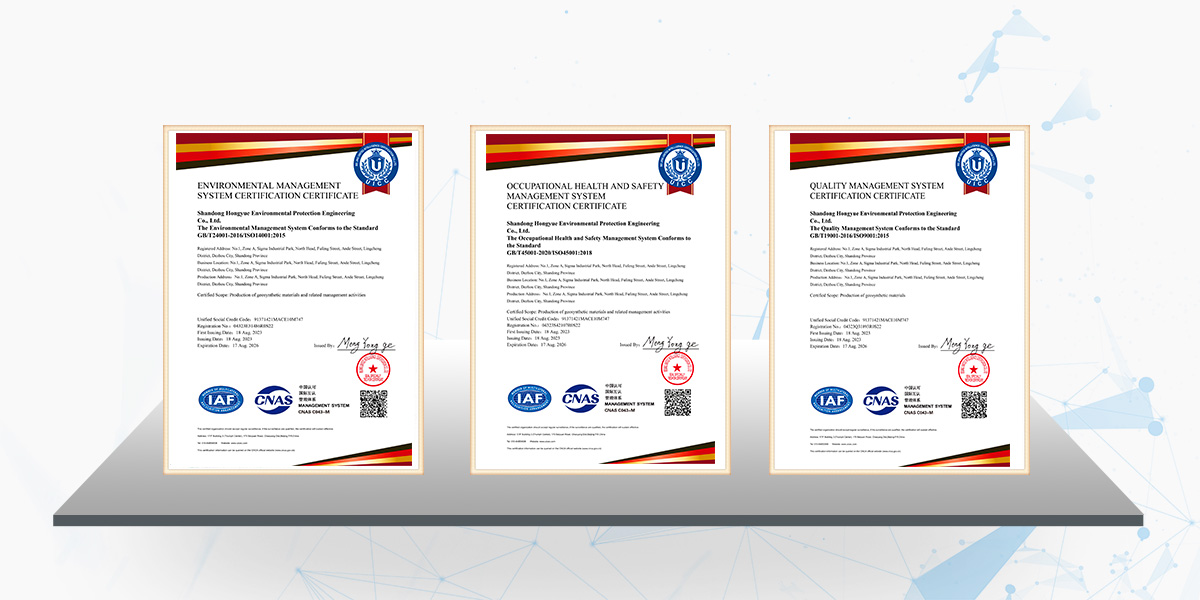
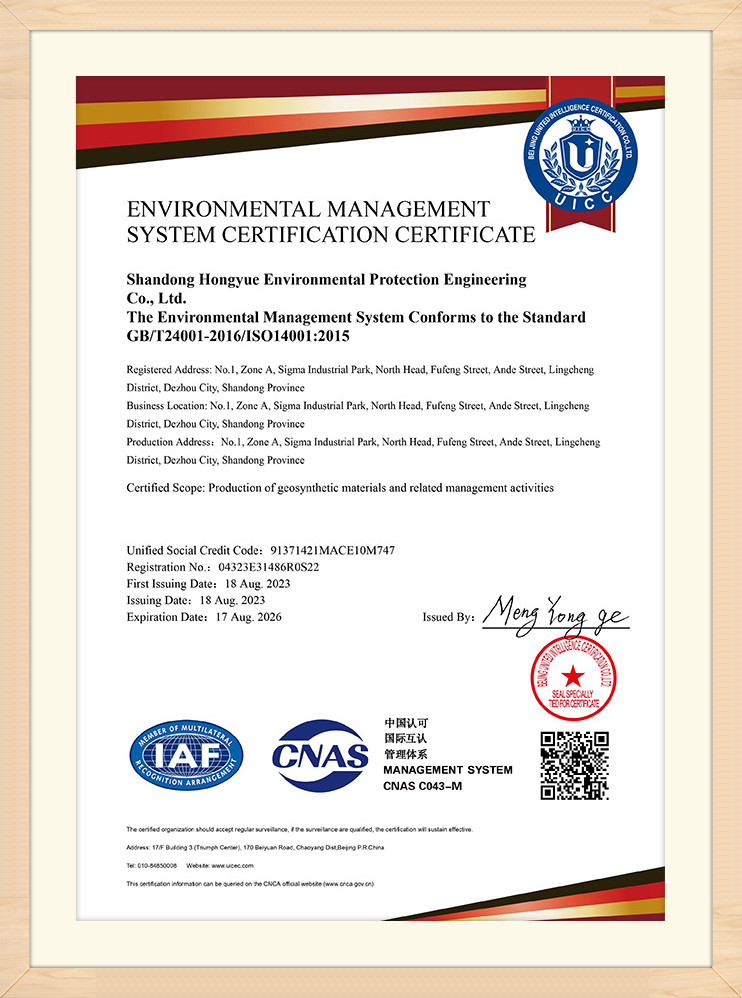
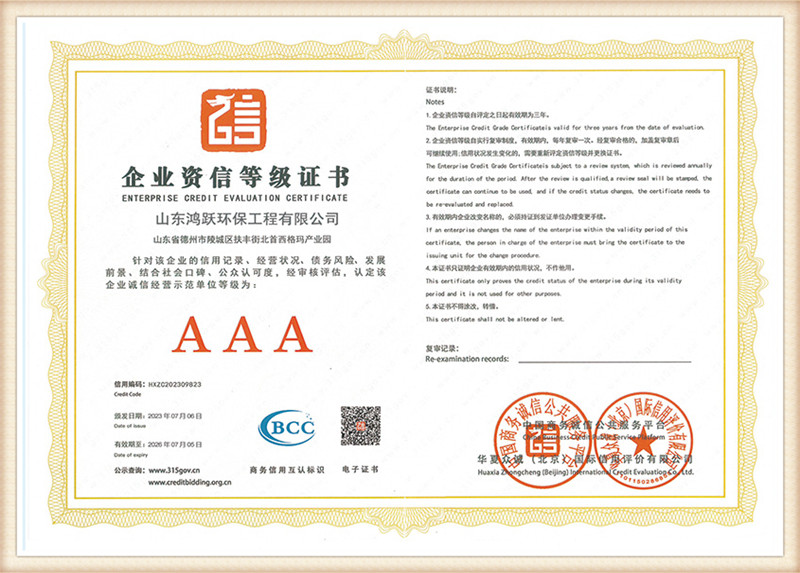
Shandong Hongyue holds ISO9001, ISO14001, and ISO45001 certificates. All raw materials and finished rolls undergo rigorous testing for chemical compatibility, aging resistance, and mechanical loading thresholds prior to shipping.
A closer look inside Shandong Hongyue's modern manufacturing lines, quality control labs, and storage facilities.
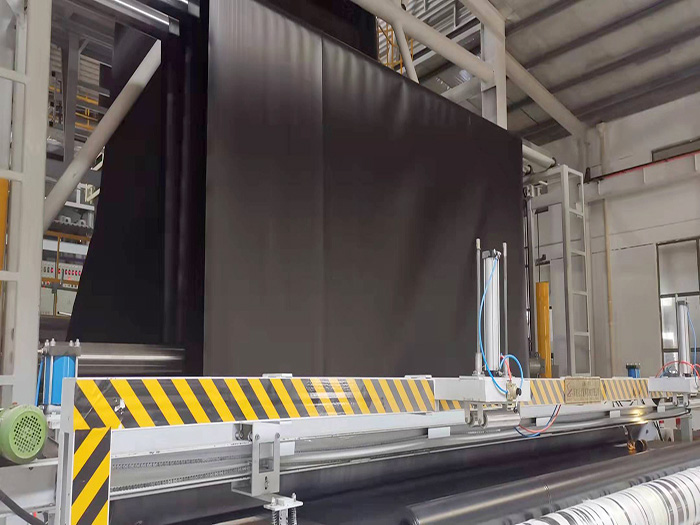
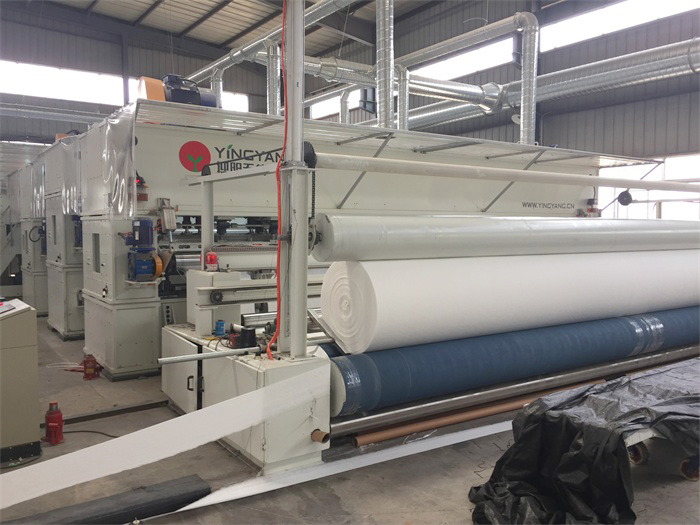
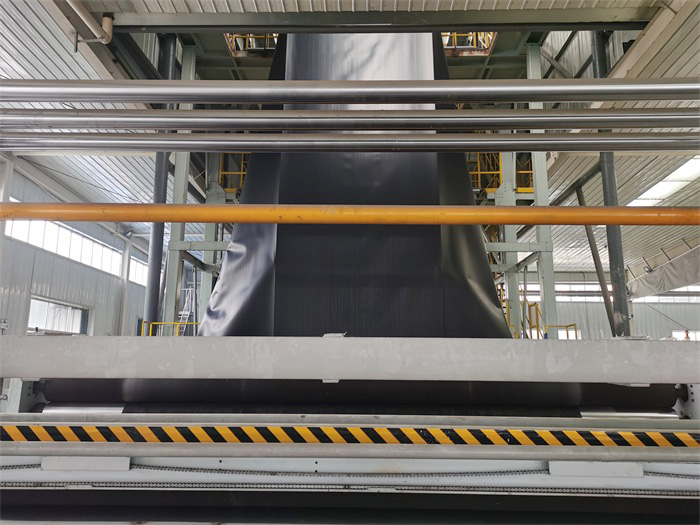
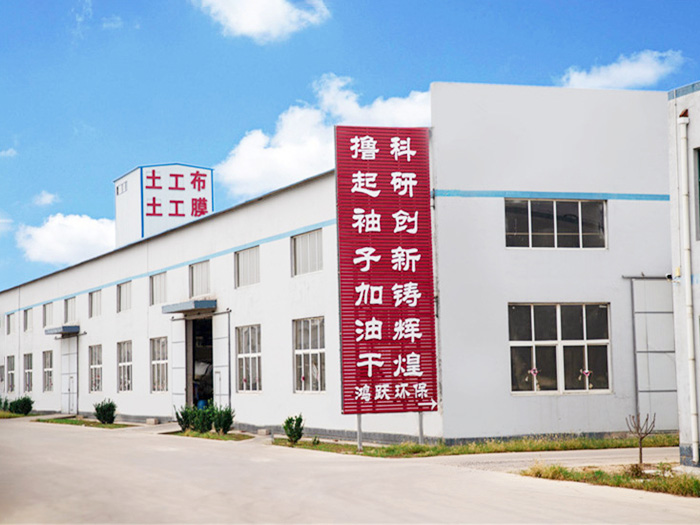
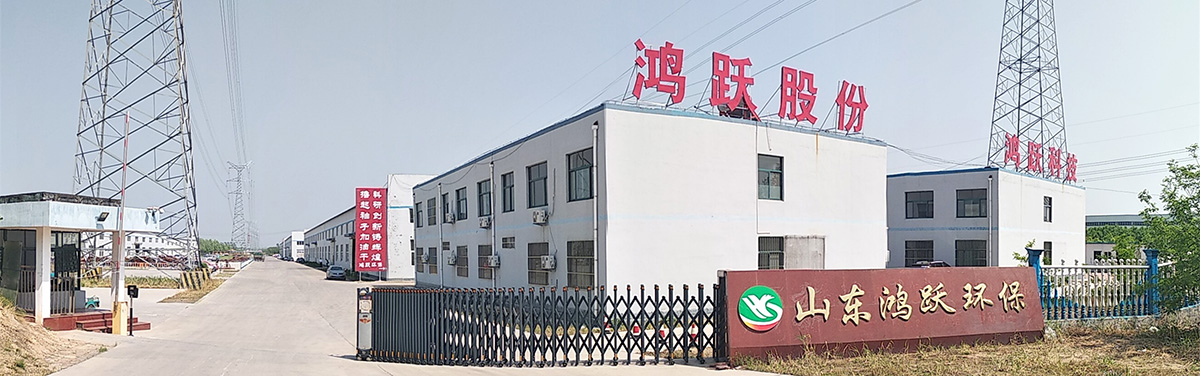
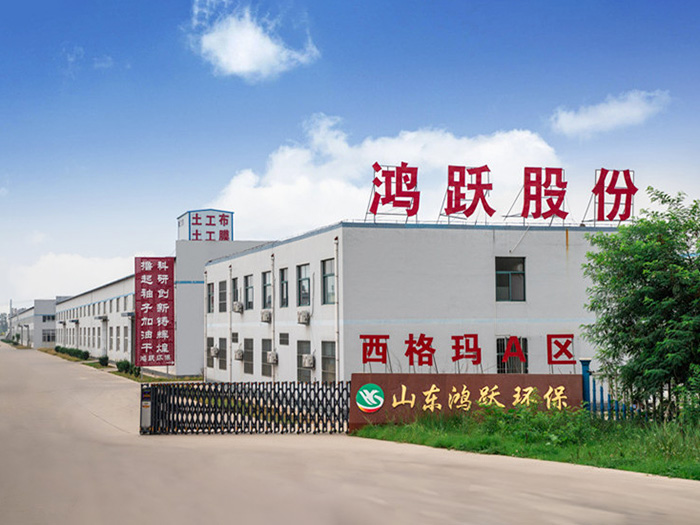
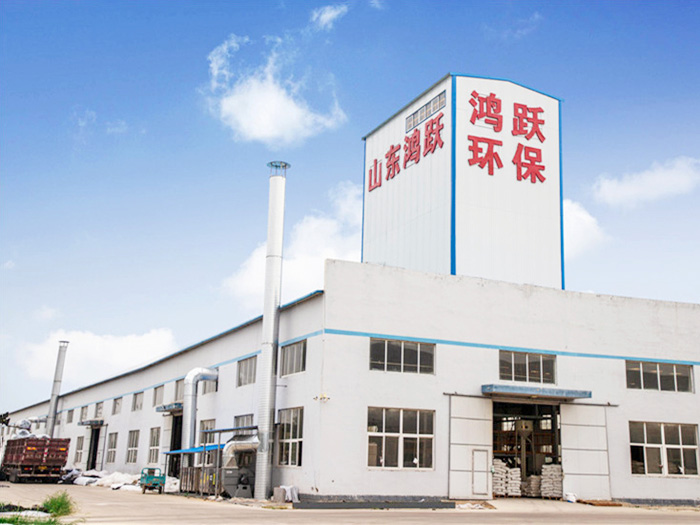
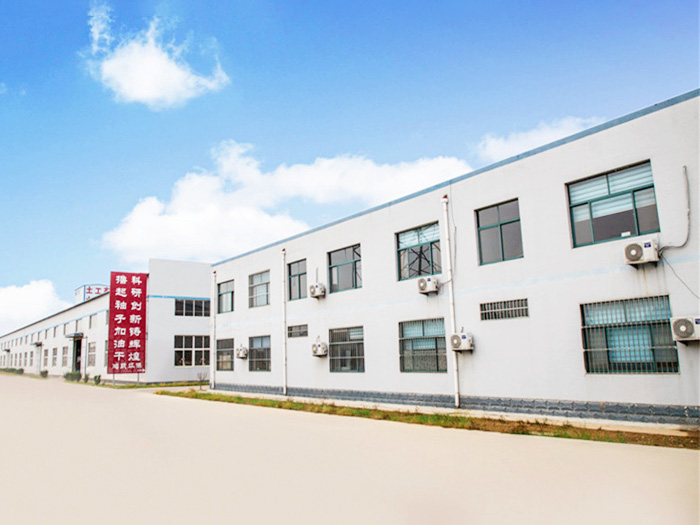
Step-by-step insight into our advanced engineering process designed to optimize fabric durability and high physical-property consistency.
The structural characteristics of geotextiles depend directly on raw materials quality. We source prime polyester chips (PET), polypropylene filaments (PP), and specialty viscose fibers. These undergo initial checking and grading for density, viscosity, and chemical purity to ensure structural reliability over long installation lifecycles.
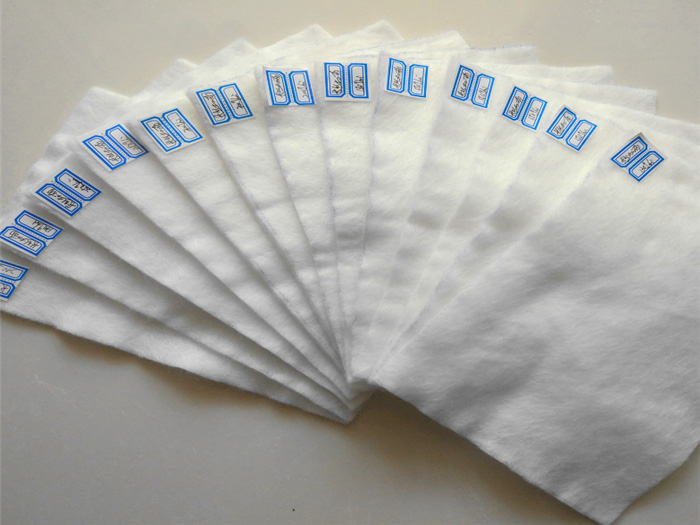
Selected polymer matrices are heated inside computer-monitored screw extruders under controlled pressure limits. Molten resins are forced through precise spinneret holes to produce continuous filaments. These are subsequently cooled via dynamic air quenching systems to orient polymer chains and increase individual thread tensile strengths.
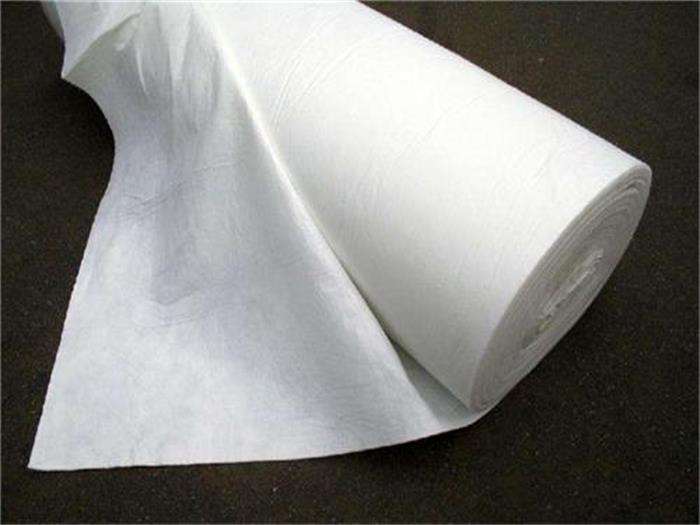
Filaments are directed onto moving conveyor beds to form uniform web structures. Continuous mechanical laying guarantees uniform thickness, physical properties consistency, and optimized pore sizing. This ensures excellent hydraulic conductivity coupled with high particle retention performance.
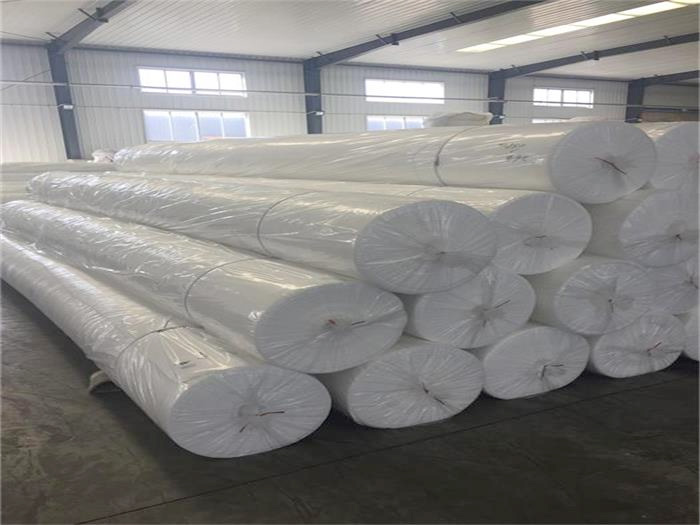
The loose web is guided through heavy-duty needle looms containing thousands of structured needles. This mechanical entanglement process forms strong physical bonds between fibers. Subsequent thermal curing or chemical stabilizing is applied depending on the required applications (such as roadbeds, embankments, or subgrade separation).
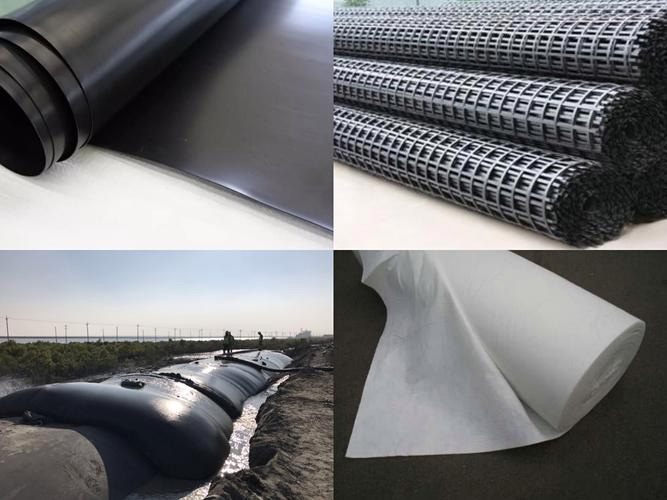
Finished materials are trimmed to requested widths (ranging from 2m to 6.8m) and wound onto rigid tubes. High-precision laser sensors continuously measure length, width, and thickness parameters to verify dimensional tolerances meet the specific project requirements before the packaging and labeling stages.
Every production batch undergoes strict laboratory verification, including ASTM-standard grab tensile testing, CBR puncture tests, apparent opening size evaluation, and UV degradation testing. Full compliance certifications are issued prior to loading and dispatching the finished rolls.
Implementation methodologies for seepage control, isolation, and structural reinforcement projects.
Achieving successful containment and filtration results requires pairing the correct geosynthetic raw material with the expected soil and hydraulic conditions. We assess critical factors including:
• Polymer Composition: HDPE for superior chemical resistance, LLDPE for enhanced elongation, PP for high mechanical durability.
• Thickness Profiles: Selecting thicknesses from 0.3mm to 2.0mm to withstand targeted mechanical impacts.
• Permeability Metrics: Ensuring the structural configuration allows proper water passage while retaining fine particles.
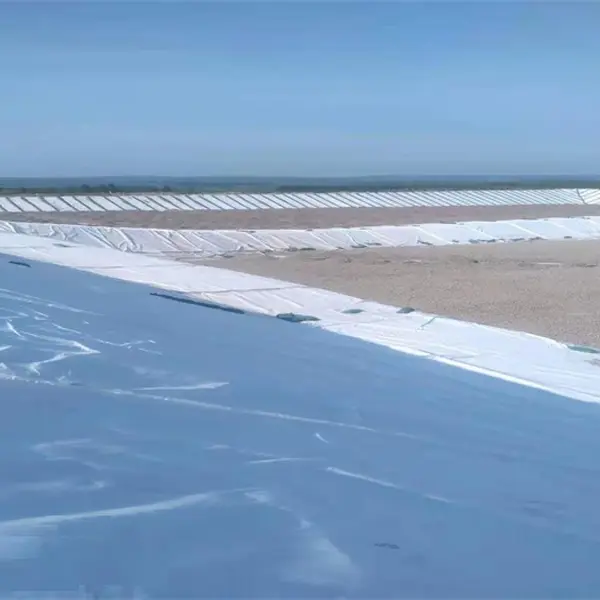
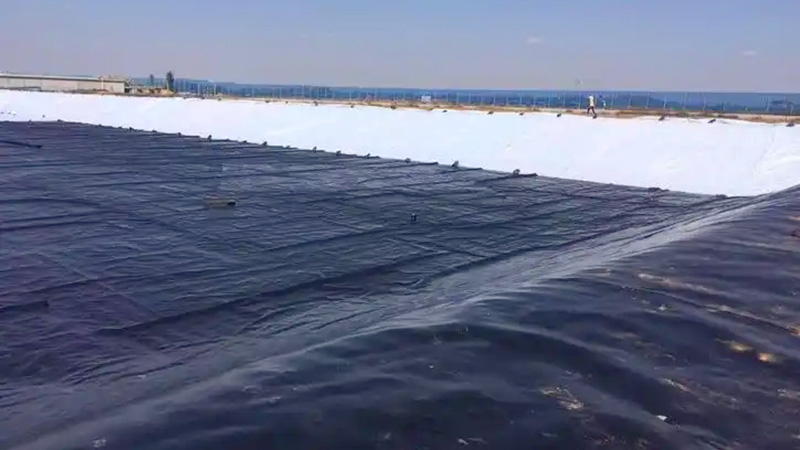
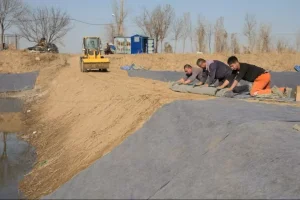
Proper subgrade preparation is essential to prevent mechanical damage and punctures during installation. Surfaces must be free from sharp objects, debris, and surface ponding. Laying techniques require controlled overlapping, securing with anchors or sandbags, and using hot-wedge or extrusion welding at seams to guarantee barrier integrity.
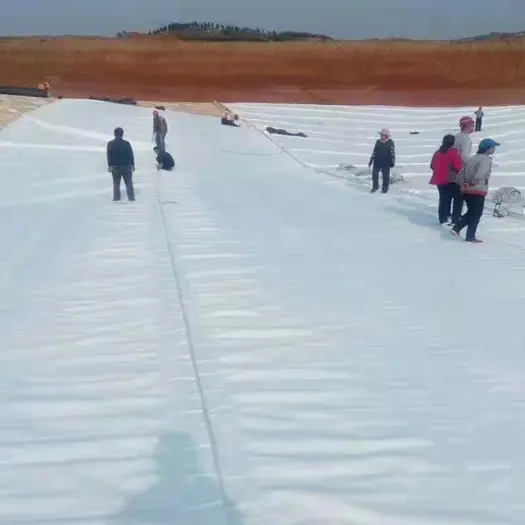
Regular maintenance schedules extend the functional life of geotechnical barrier installations. Surface cleaning prevents clogging from fine silt. System inspections verify there is no physical damage from external mechanical forces or excessive UV exposure, enabling quick localized repairs before major leaks can occur.
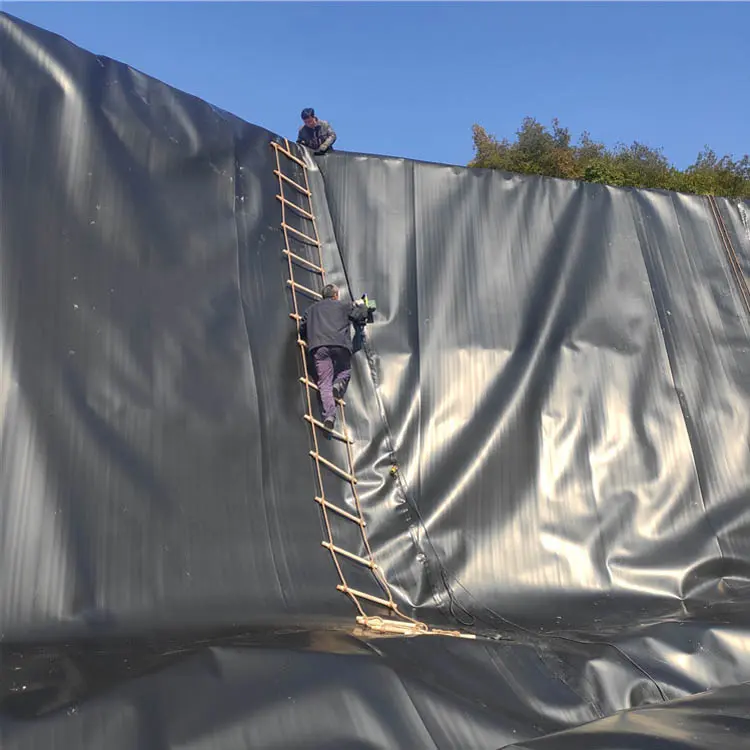
Comprehensive systems designed to address environmental, agricultural, and industrial infrastructure challenges.
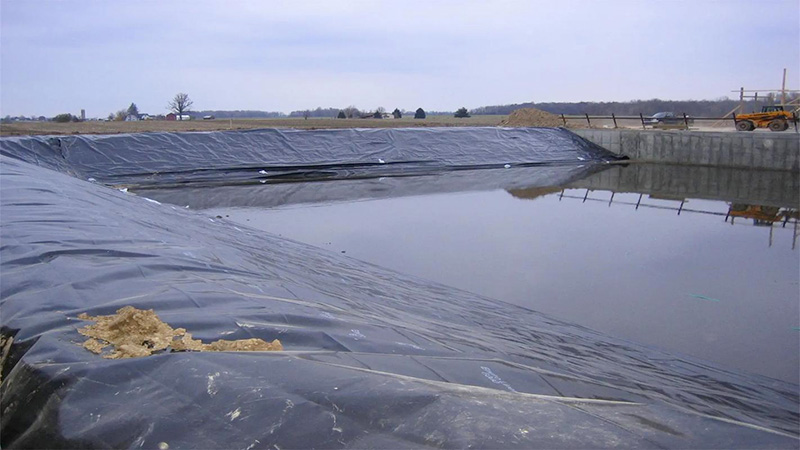
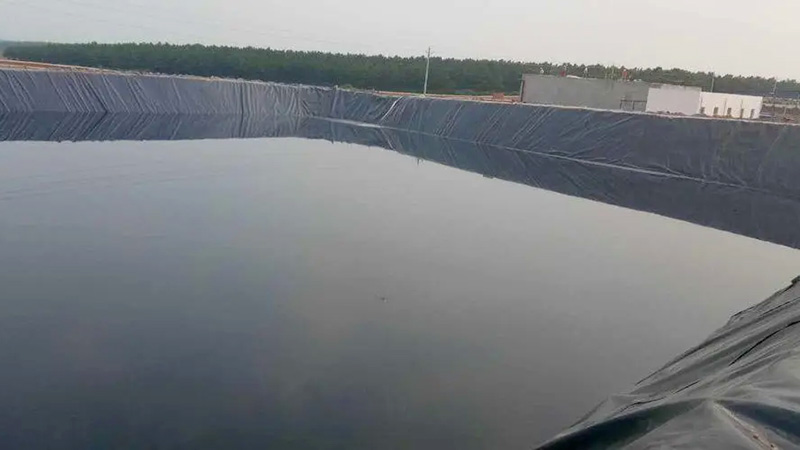
Our geotextiles and composite geomembranes prevent seepage in reservoir basins, canals, and river banks. By mitigating soil erosion along slopes, these materials ensure structural stability against continuous wave action and variable hydraulic flows.
Our containment barriers feature low permeability rates and high chemical resistance. They isolate solid waste and prevent hazardous leachate from polluting nearby groundwater tables, complying with local environmental regulations.
Specially formulated fuel-resistant geomembranes prevent environmental contamination near petrochemical storage facilities. These systems withstand volatile chemicals, high mechanical loading, and variable environmental temperatures.
Technical parameters to guide engineers and procurement specialists in selecting the proper geotextile grades.
| Property Designation | Test Standard | Common Range (PET/PP) | Critical Engineering Utility |
|---|---|---|---|
| Grab Tensile Strength | ASTM D4632 | 800 N – 2500 N | Resists shear forces during backfilling and initial grading operations. |
| CBR Puncture Resistance | ASTM D6241 | 1500 N – 6000 N | Prevents sharp stones and aggregate from penetrating the barrier. |
| Apparent Opening Size (AOS) | ASTM D4751 | 0.075 mm – 0.300 mm | Retains fine soils while maintaining water flow. |
| Permittivity (Flow Rate) | ASTM D4491 | 0.1 sec⁻¹ – 2.5 sec⁻¹ | Relieves pore water pressure, preventing localized slope failures. |
| UV Resistance (500 hrs) | ASTM D4355 | 70% – 85% strength retention | Ensures mechanical reliability under prolonged solar exposure before backfilling. |
We continue to invest in research and development to address evolving environmental challenges. Our R&D division focuses on:
• Biopolymer-Based Eco-Composites: Formulating biodegradable PLA and natural fiber blends that degrade harmlessly after vegetation establishes itself.
• Smart Geosynthetics: Integrating fiber-optic sensors and conductive carbon filaments within the geotextile matrix to monitor real-time strain, settlement, and internal moisture shifts.
• Enhanced Chemical Resistance: Creating next-generation coatings to extend geotextile life in highly acidic or alkaline soils, mining tailings, and chemical containment applications.
Expert insights answering common technical, sourcing, and installation inquiries.
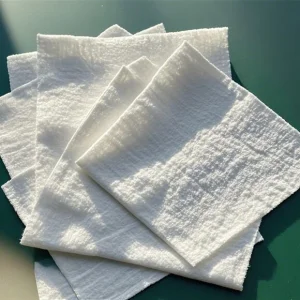
Woven geotextiles are manufactured by weaving synthetic ribbons or yarns together, offering high tensile strengths and load-bearing capacities with low water permeability, making them ideal for roadbed reinforcement. Nonwoven geotextiles are manufactured by mechanically entangling filaments through needle punching, providing excellent water flow, separation, and filtration properties ideal for drainage and erosion control.
Raw polypropylene and polyester degrade when exposed to direct solar radiation. To prevent loss of mechanical properties, our formulations include carbon black and specialized UV stabilizers. This ensures high strength retention during prolonged installations before cover materials are placed.
Yes. As an OEM/ODM manufacturer, we customize roll widths from 2.0 meters to 6.8 meters, and roll lengths from 50 meters to 300 meters. This reduces overlap waste, lowers installation costs, and minimizes seam issues on site.
All materials are tested under ISO9001 and ISO14001 guidelines, and pass national standards monitored by the China National Testing Center. We provide test documentation for tensile strength, elongation, hydraulic flow, and puncture resistance for every batch.
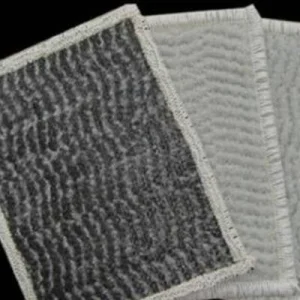
Bentonite blankets (GCLs) feature self-healing properties because the natural sodium bentonite clay swells when exposed to water, sealing minor punctures. They are typically used in landfills and canal linings, often combined with geomembranes to create multi-layered composite barrier systems.
Leveraging our location in Dezhou, Shandong, we can process shipments quickly. Standard items typically ship from port within 10 to 15 days of order confirmation. Custom orders require 20 to 30 days depending on the raw material specifications and manufacturing schedule.
Comprehensive containment, drainage, and soil reinforcement systems for engineering projects.
 Hongyue