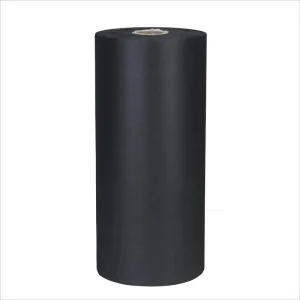
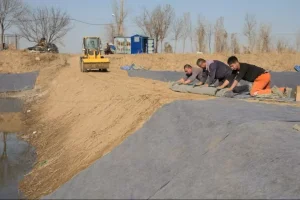
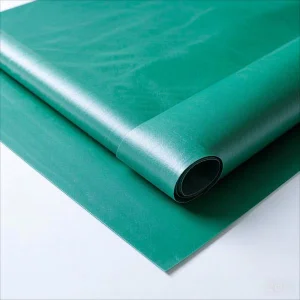
Explore our range of premium geosynthetic materials engineered to fulfill demanding international benchmarks.
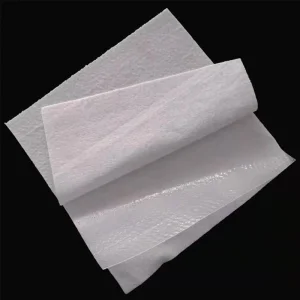
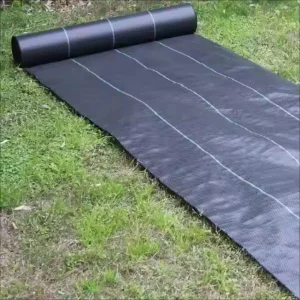
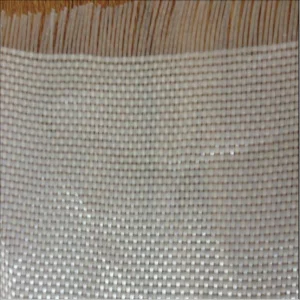
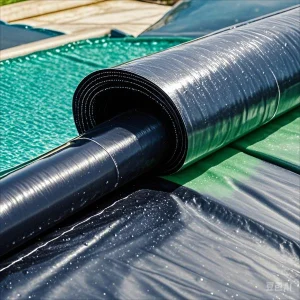
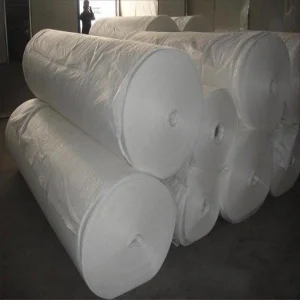
Geotextile fabrics are categorised broadly into woven and non-woven structures. Woven textiles—crafted by interlacing polymeric threads (polypropylene or polyester)—offer superior tensile strength and load distribution. This makes them highly effective in subgrade reinforcement, railway ballast consolidation, and roadway foundation reinforcement. Conversely, non-woven geotextiles—produced via needle-punching or thermal bonding—deliver exceptional porosity and flow rates. They serve as primary filters in hydraulic channels, drainage underdrains, and protective cushioning barriers for geomembranes in environmental landfills.
Standardized, one-size-fits-all products often fail to satisfy localized hydraulic conditions, specific chemical environments, and mechanical stresses. Consequently, international procurement teams are moving away from stock products and choosing ODM (Original Design Manufacturer) partnerships instead. ODM suppliers offer customized roll dimensions, tailored polymer formulations (UV resistance, chemical inertness), and targeted tensile strengths designed to meet the exact parameters of your engineering drawings.
In regions such as North America and Northern Europe, stringent environmental compliance regulations mandate long-term chemical durability in geomembranes and protective geotextiles. In comparison, fast-developing infrastructure zones in the Asia-Pacific region demand high-volume production capacity and reliable logistical networks to maintain project schedules. Working directly with specialized manufacturers allows developers, engineering consulting firms, and procurement departments to reduce overall project risk, cut down on design iteration cycles, and secure cost-effective pricing models.
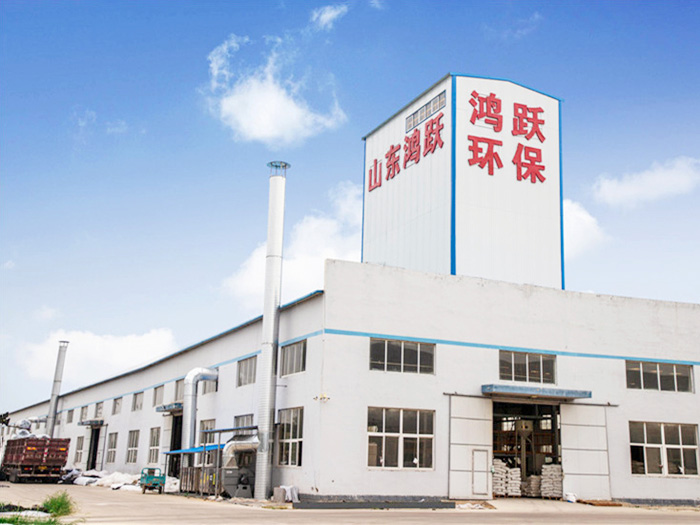
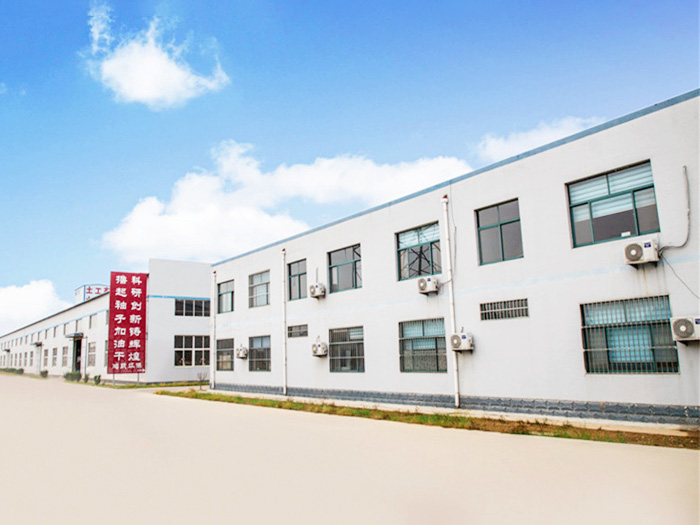
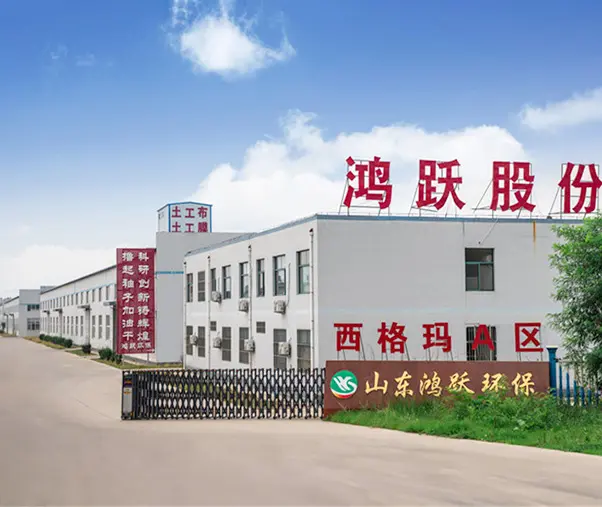
Located at the north end of Fufeng Street, Lingcheng District, Dezhou, Shandong Province, Shandong Hongyue Environmental Engineering Co., Ltd. is a scientific and technological geotechnical material manufacturer integrating engineering material production, sales, design and construction services. The company was registered in Lingcheng District Market Supervision and Administration Bureau of Dezhou City on April 6, 2023, with a registered capital of 105 million yuan. It is one of the largest production bases of geotechnical materials in China at present, situated in a superior geographical location with convenient transportation links.
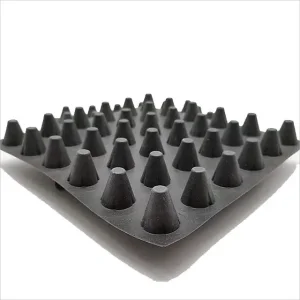
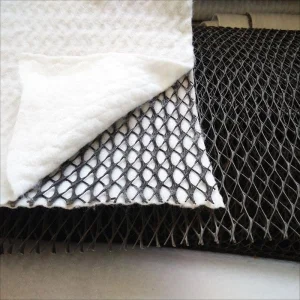
Our core business ranges across geotextiles, geomembranes, composite geomembranes, waterproof boards, bentonite waterproof blankets, 3D composite drainage nets, (composite) drainage boards, weaving cloth, woven cloth, membrane bags, blind ditches, waterproof and drainage combinations, woven bags, ecological bags, cement blankets, fiber plants blankets, and flexible pervious pipes. Our business activities include geosynthetics and waterproofing membrane production, sales, construction, and the import and export of goods. We have high quality products and professional sales and technical teams. As a member of the Dezhou Geotextile Association, our products are widely utilized in highways, railways, bridges, tunnels, reservoirs, canals, water conservancy, artificial lakes, environmental protection, aviation, mining, and agriculture.
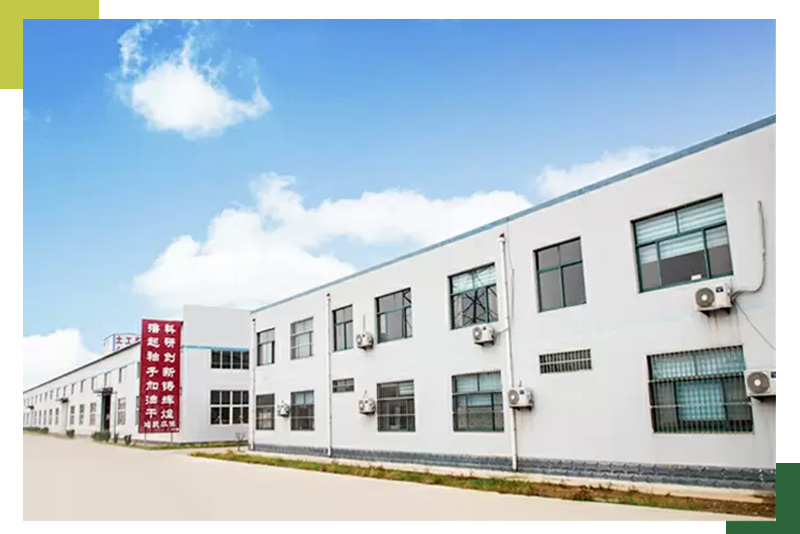
The Lingcheng District of Dezhou, Shandong Province, is widely recognized as the manufacturing capital of geosynthetics in China. This cluster effect provides substantial structural advantages for global buyers:
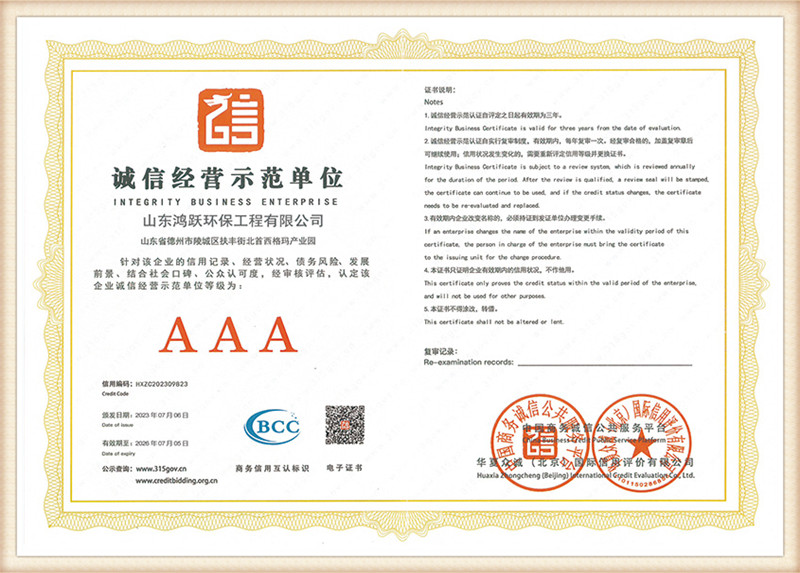
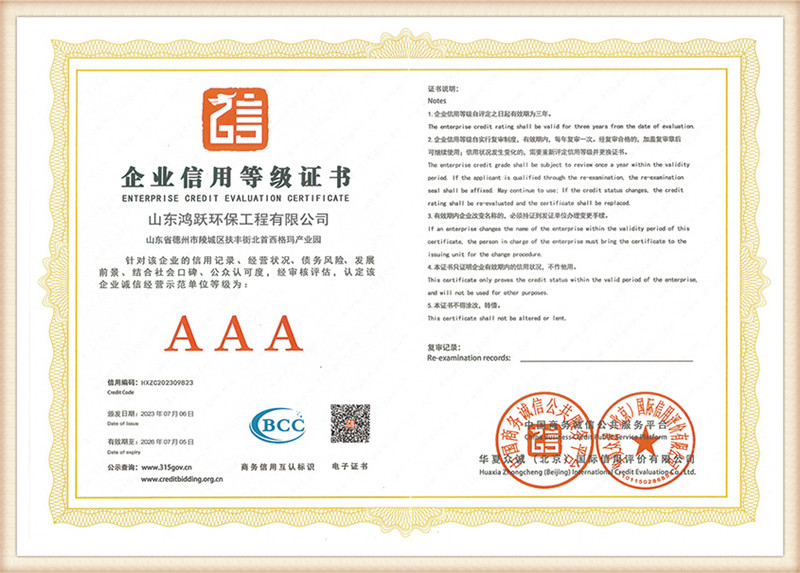
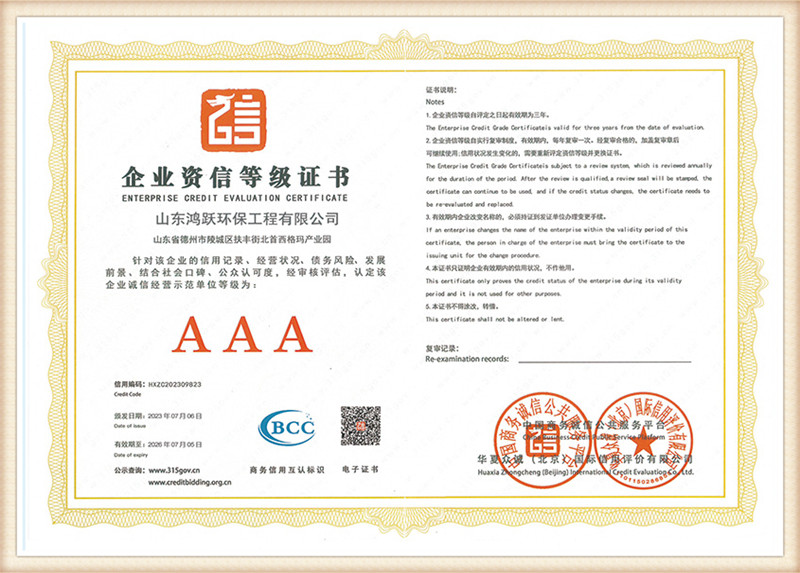
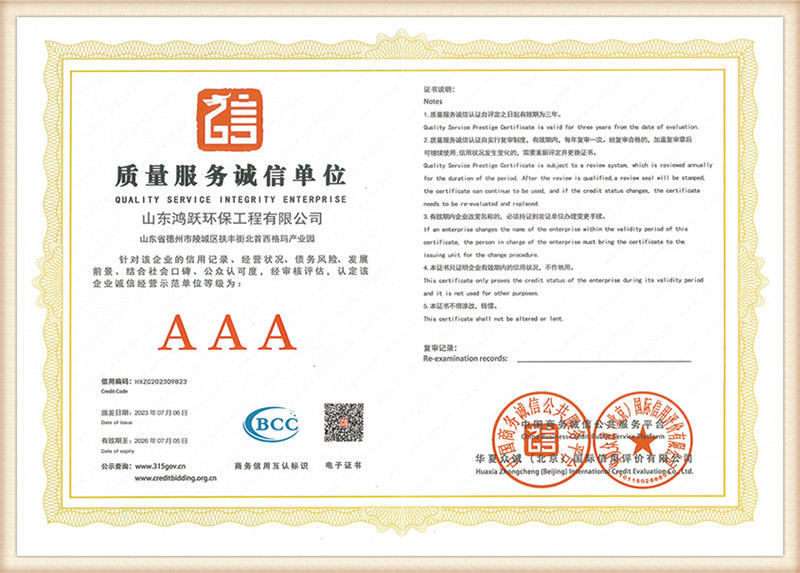
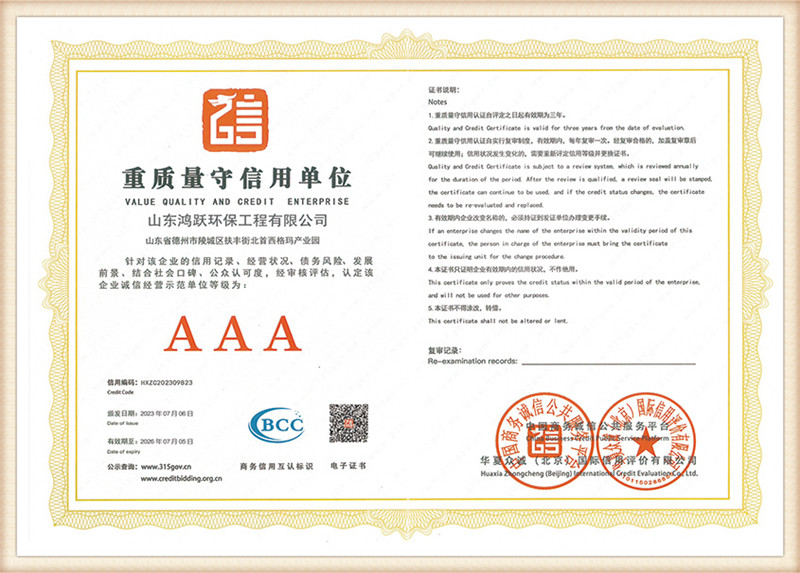
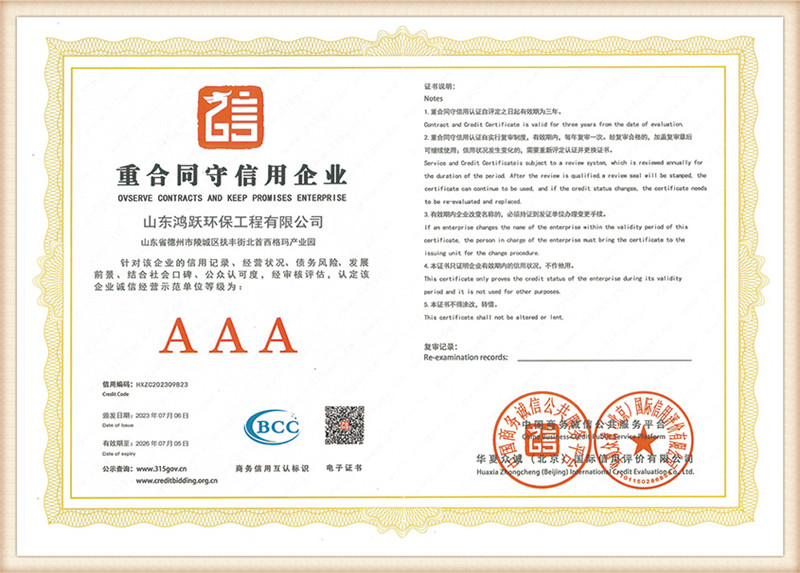
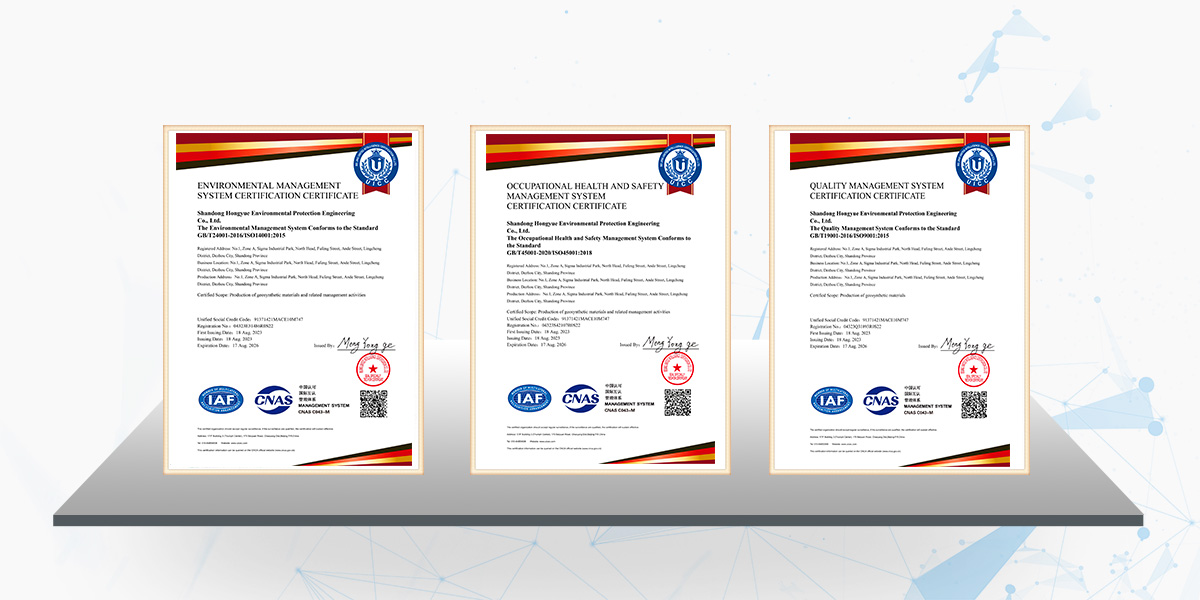
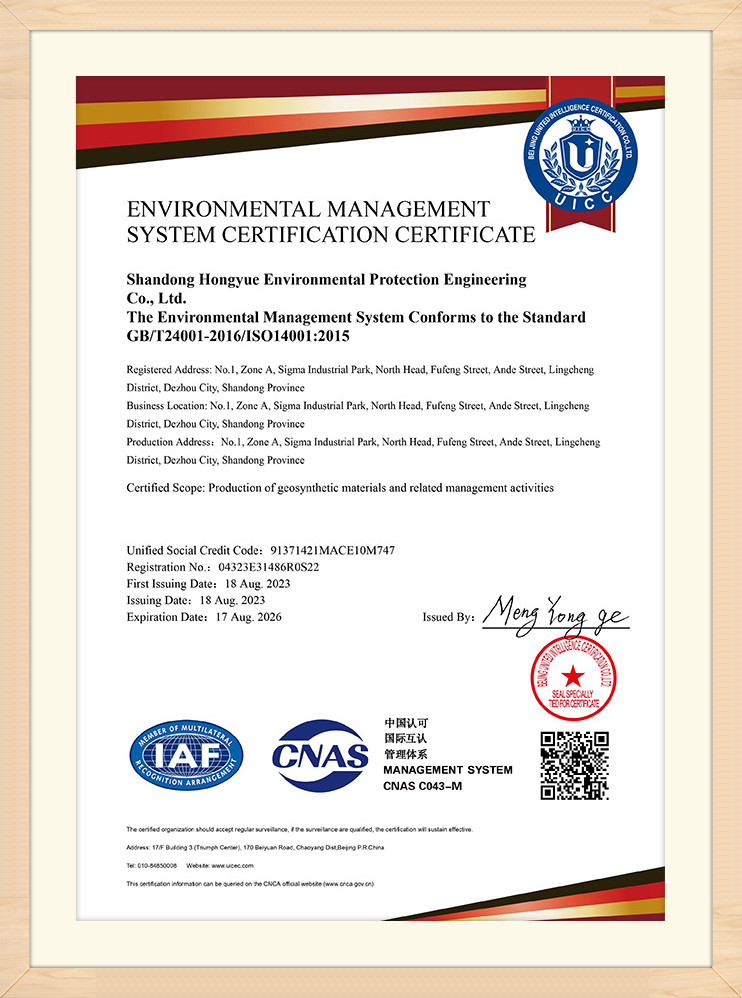
Our facility operates under rigorous international management structures. We have successively passed the ISO9001 international quality system certification, ISO14000 environmental system certification, and ISO45001 occupational health and safety management system certification. We have won multiple honors such as "green and environmentally friendly building materials products", "no consumer complaints", "famous Chinese brands", "high-tech industries", "quality service double excellent units", and "provincial-level poverty alleviation leading enterprises".
Shandong Hongyue has established sales networks or agency offices in more than 40 large and medium-sized domestic cities, including Shanghai and Beijing. Our products are exported to multiple countries across Europe, North America, Australia, and various parts of the world. Our products are widely used in key projects in various provinces and cities. By partnering directly with us, buyers benefit from integrated supply chains, competitive shipping lanes via Qingdao Port, and reduced handling margins.
Learn how our state-of-the-art facility maintains strict quality standards through every stage of production, from raw material selection to final testing.
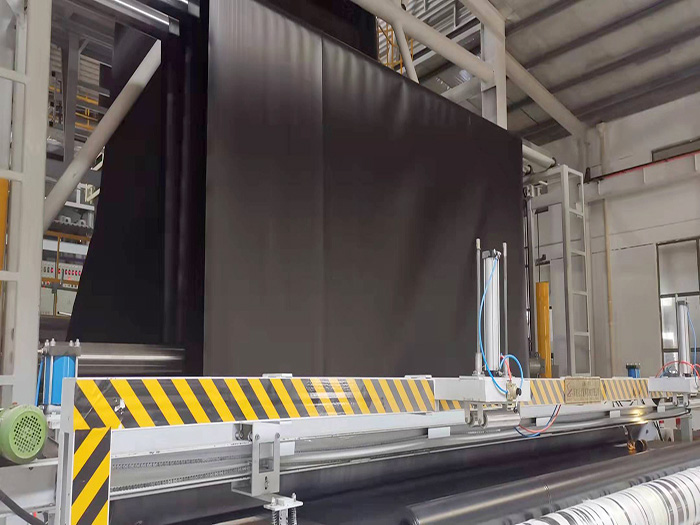
Modern production equipment and technology are widely used at our facility, significantly improving the production efficiency and consistent quality of our geotextiles. Every stage of manufacturing undergoes close monitoring and precise parameter control to ensure high mechanical performance and long-term durability in the field.
The primary raw materials used in our geotextiles are polyester (PET) chips, polypropylene (PP) filaments, and viscose fibers. All incoming polymer materials are tested for viscosity, density, and purity before extrusion.
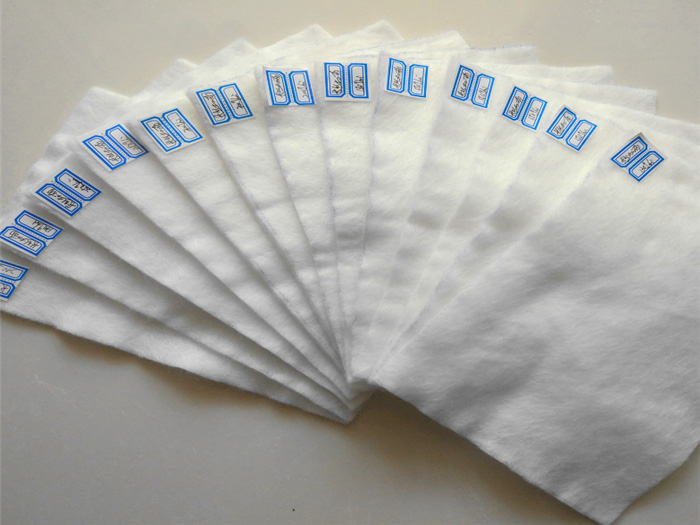
Polyester chips are melted at high temperatures and extruded through a precision screw extruder. Polypropylene filament and viscose fibers are integrated. We closely manage temperature and pressure profiles to maintain melt uniformity.
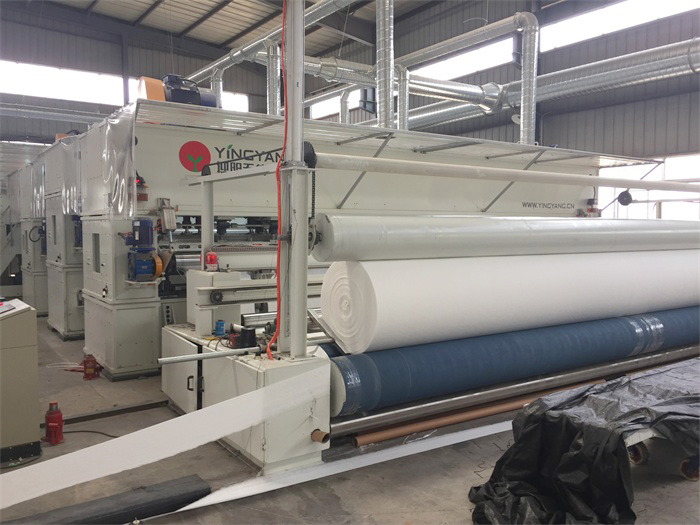
The polymer melt is passed through spinneret dies to form filaments. These fibers are distributed evenly on a conveyor belt to build a uniform web structure, determining the physical properties of the finished fabric.
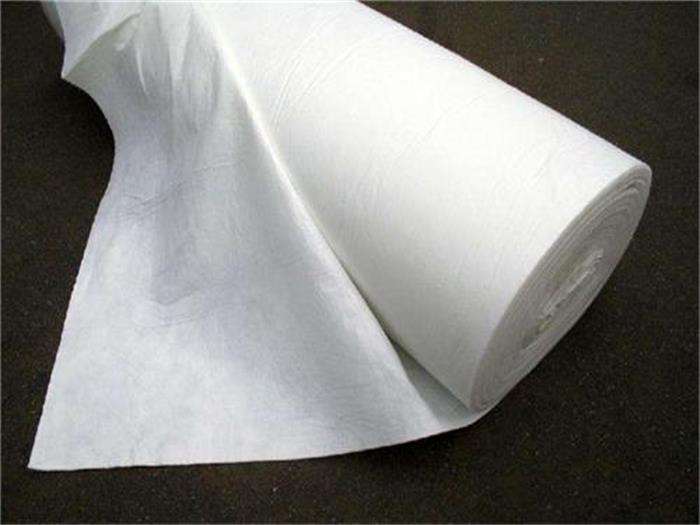
After web formation, the material undergoes thermal bonding, needle punching, or draft curing. This stage is monitored carefully for speed, temperature, and draft ratios to secure target tensile strength and stability.
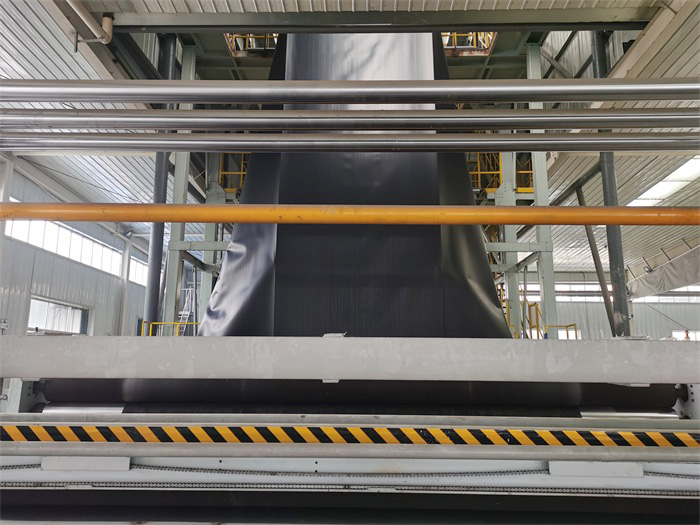
Once cured, the geotextile is trimmed to specified widths, rolled, and wrapped. Measurements for length, width, and thickness are taken automatically to verify they meet target project designs.
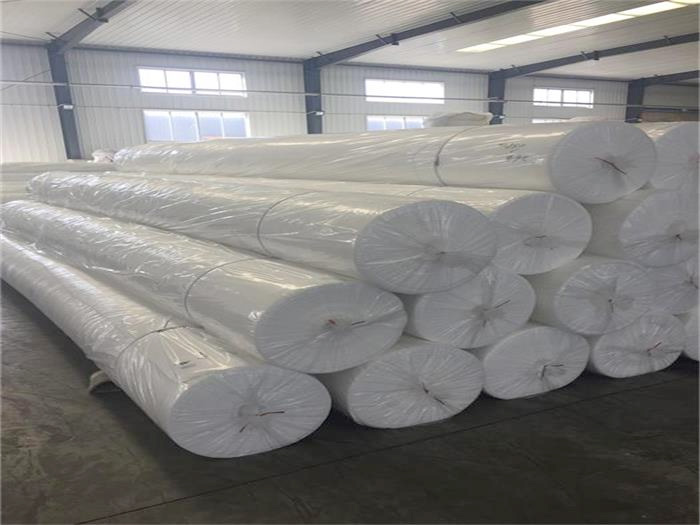
Finished rolls undergo comprehensive physical, chemical, and dimensional inspection. Test parameters include grab tensile strength, tear strength, CBR puncture resistance, permeability, and apparent opening size (AOS).
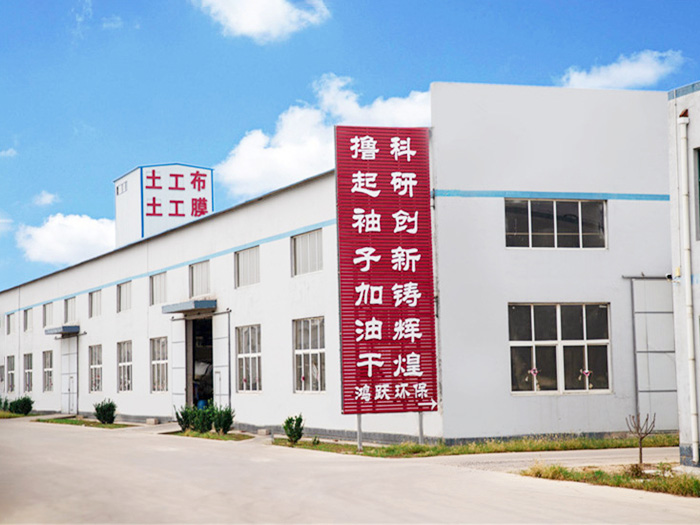
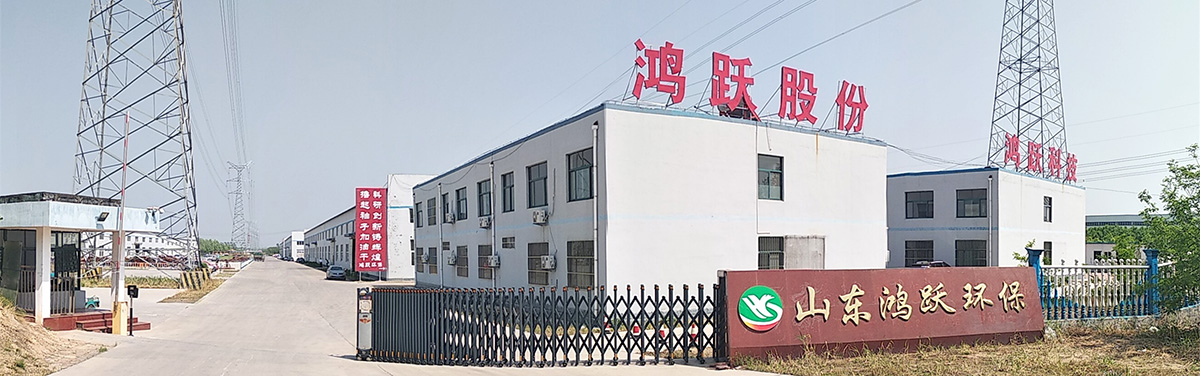
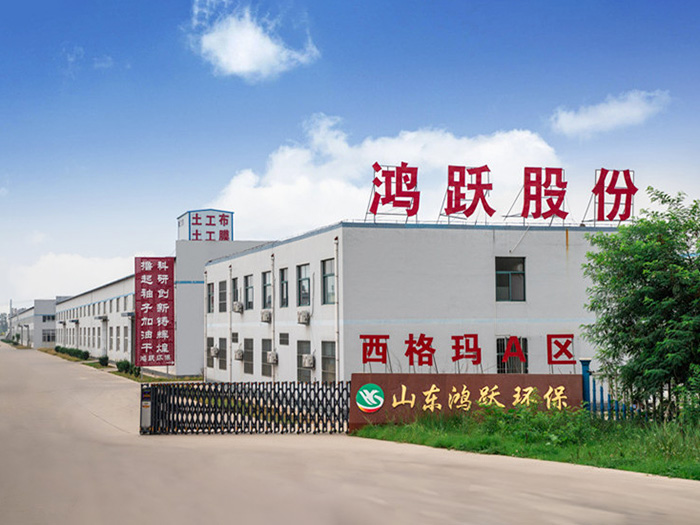
Shandong Hongyue Environmental Engineering Co., Ltd. maintains an advanced internal testing laboratory equipped with high-precision testing machinery. Our products are formulated to meet or exceed national and international regulatory expectations. They have successfully passed all evaluation criteria established by the China National Testing Center, alongside repeated inspections from the State Administration of Quality Supervision and Inspection.
Our experienced quality management, production, and technical service teams include engineers with over a decade of field experience. They assist global project planners with design reviews, material selections, and on-site guidance to secure reliable engineering outcomes.
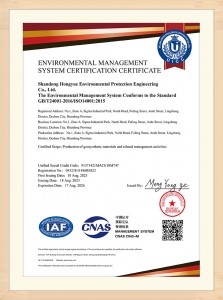
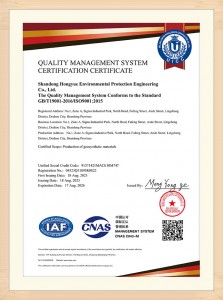
System Quality Audits - ISO9001 / ISO14001 / ISO45001 Verified Productions
A comprehensive guide outlining correct installation techniques and project maintenance protocols.
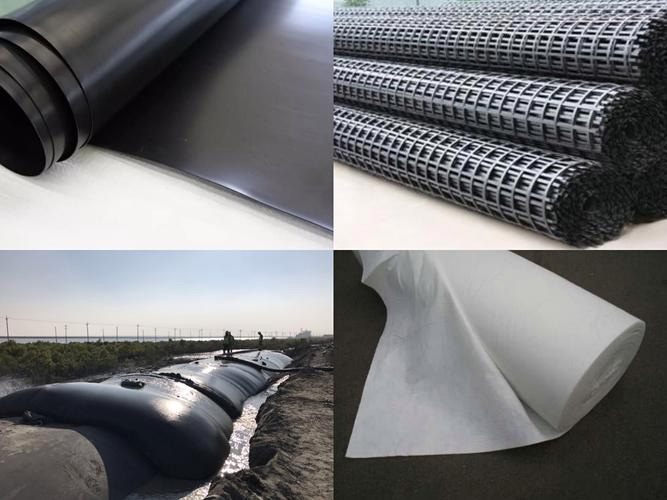
Selecting the correct polymer grade and structural weight is essential for long-term project performance:
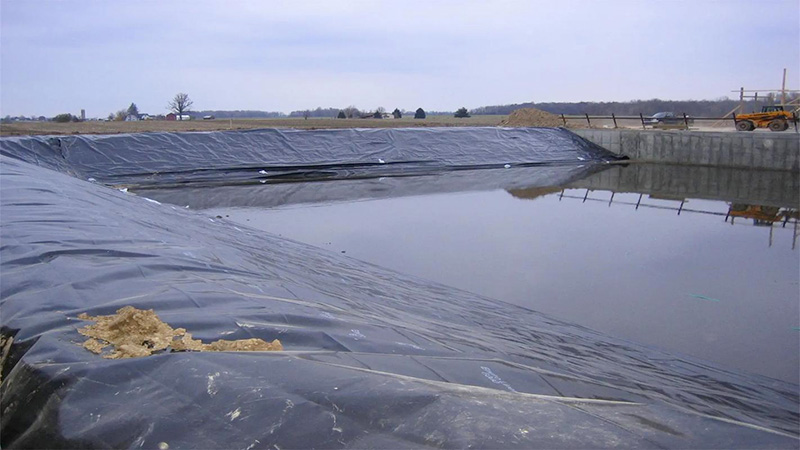
Correct installation directly impacts the performance of the containment system:
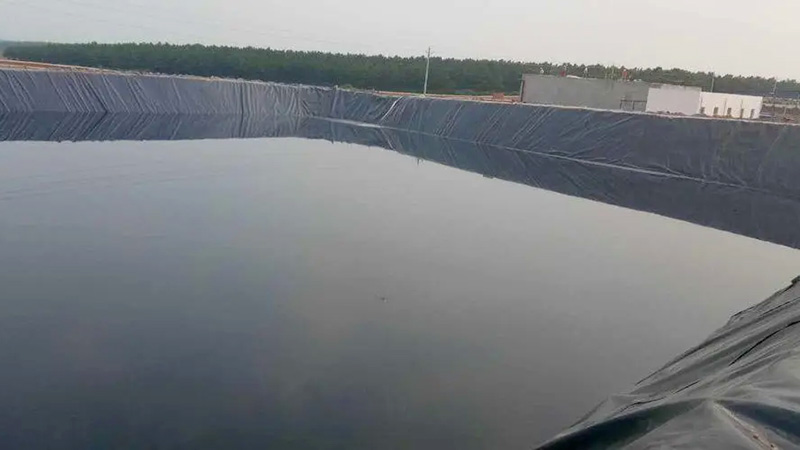
Regular maintenance protocols preserve design integrity and maximize service life:
Our engineered solutions are deployed globally in infrastructure, environmental protection, and hydraulic containment projects.
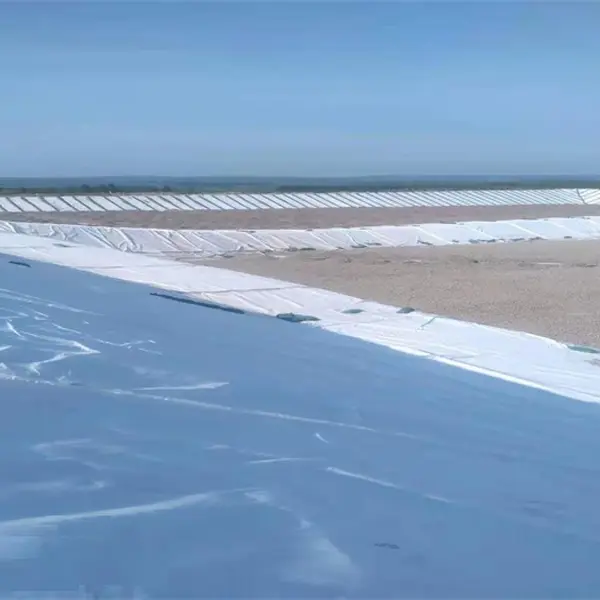
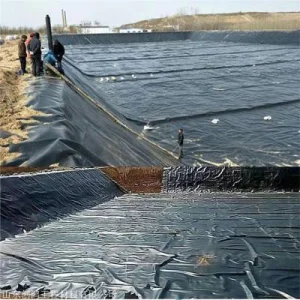
Protects against seepage loss in high-pressure reservoirs and municipal water containment basins.
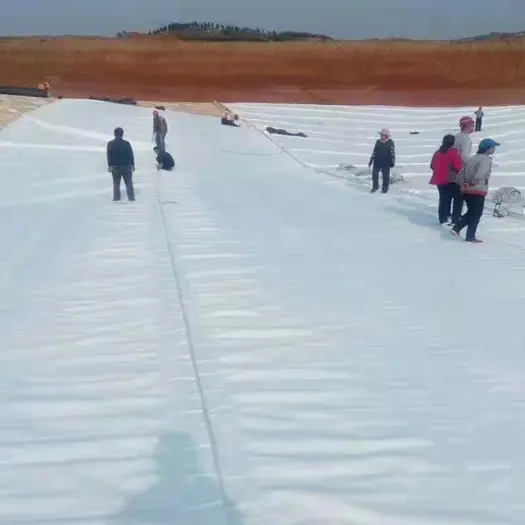
Prevents water loss in irrigation canals, ensuring consistent supply to agricultural regions.
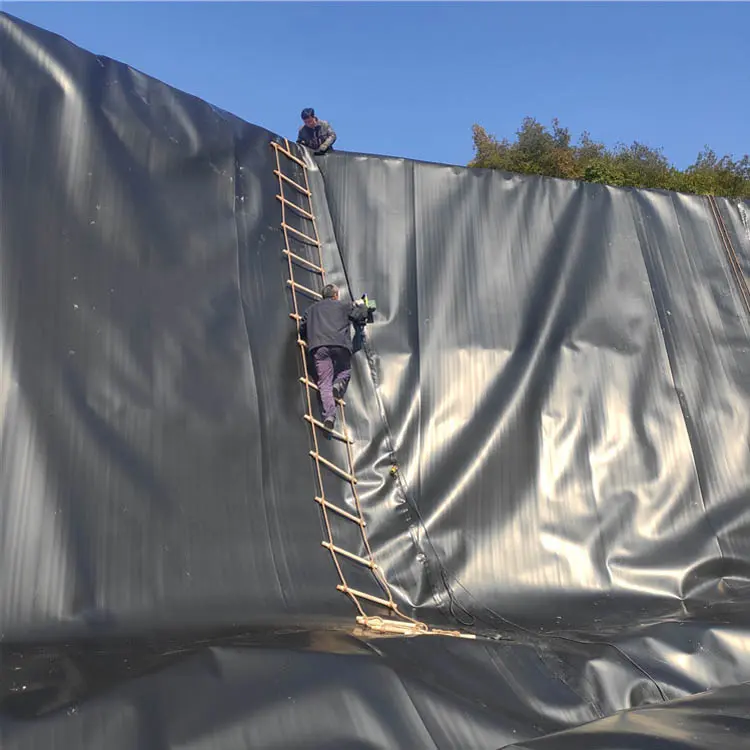
Highly robust barriers that prevent hazardous landfill leachate from contaminating surrounding groundwater supplies.
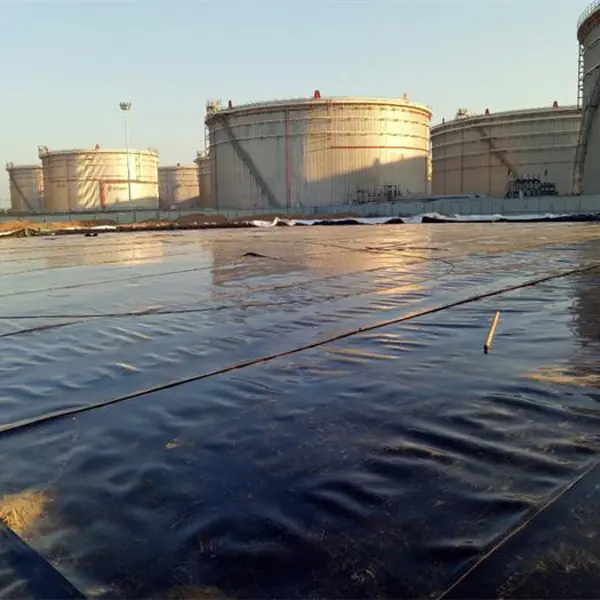
Secondary containment lining solutions designed for chemical processing facilities and petroleum storage parks.
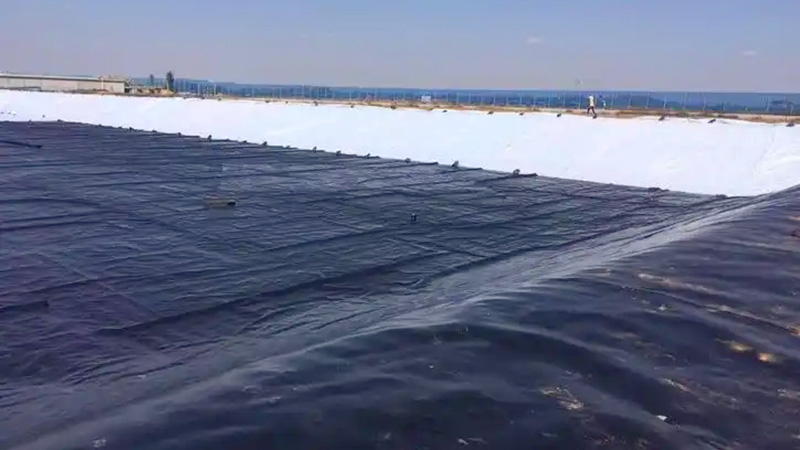
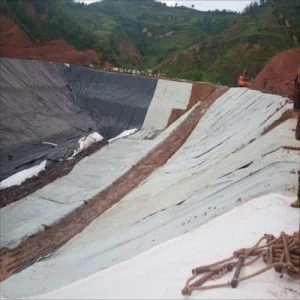
During slope consolidation and river governance works, geomembranes and geotextiles help secure long-term structural stability. By separating active soil matrices, reinforcing soft subgrades, and letting water drain freely while blocking soil movement, they protect slopes against erosion during heavy storms.
For municipal structures, landfills, and reservoir dams, selecting our ODM geotextiles ensures consistent mechanical performance and reliability.
Explore our specialized range of geogrids, geocells, and cement blankets manufactured to demanding engineering specifications.
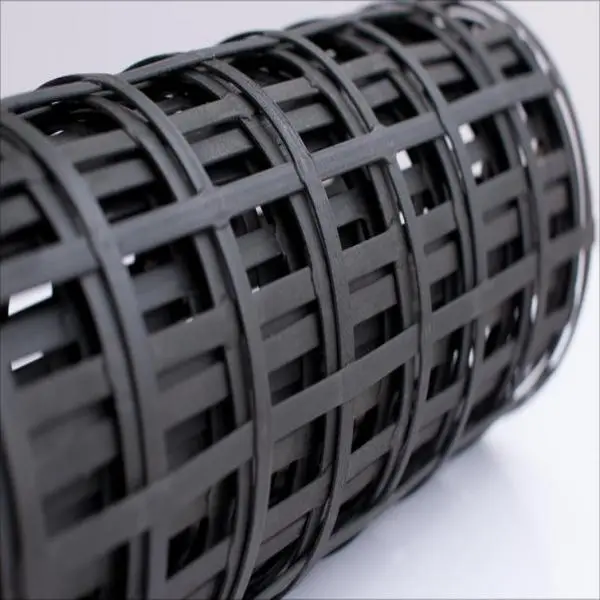
High-tensile reinforcement grid designed to stabilize roads and heavily loaded highway subgrades.
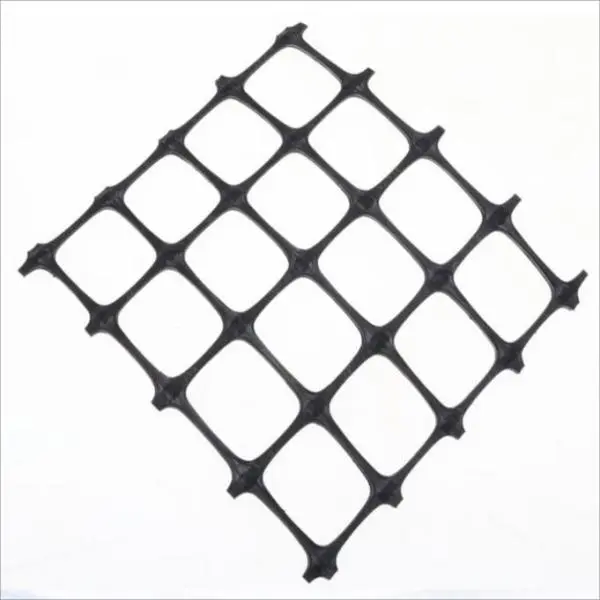
Provides structural load distribution in agricultural pathways and runway base stabilization.
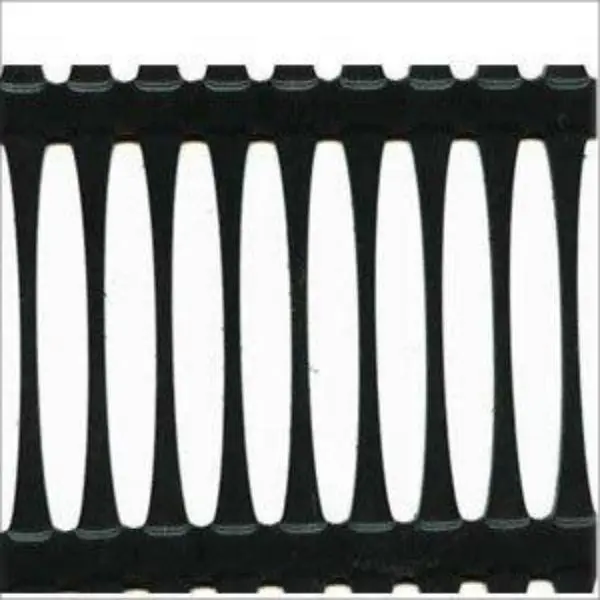
Optimized for structural slope stabilization, retaining walls, and soil reinforcement projects.
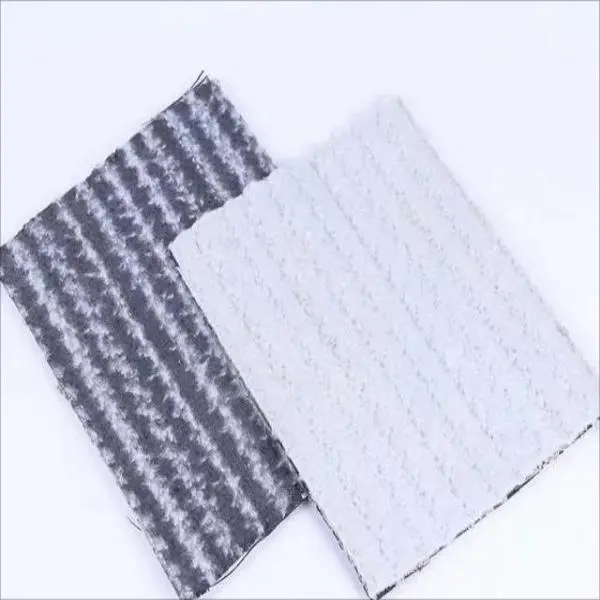
Flexible, concrete-infused fabric that hardens upon hydration, providing rapid, robust erosion control.
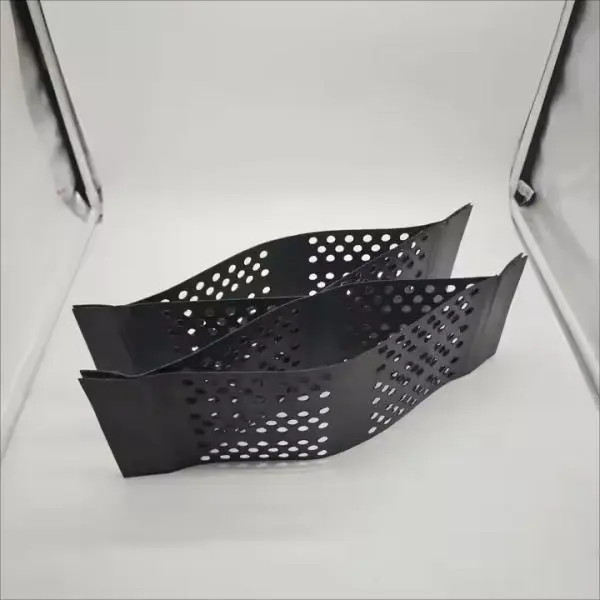
Three-dimensional honeycomb structures that confine infill, protecting steep slopes from erosion.
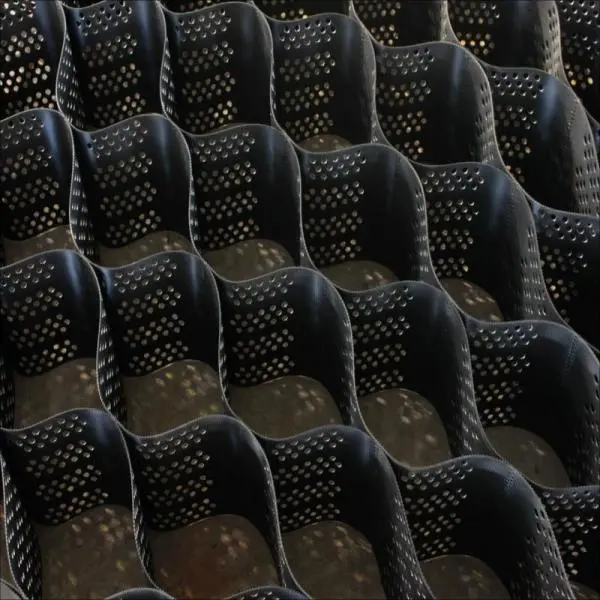
High-density polyethylene geocell panels designed for heavy-duty slope retention and subgrade reinforcement.
Get answers to common technical, manufacturing, and shipping questions when sourcing geotechnical products.
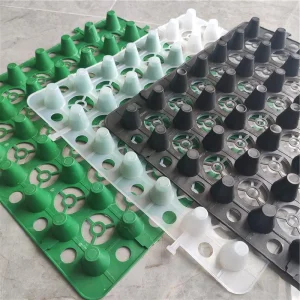
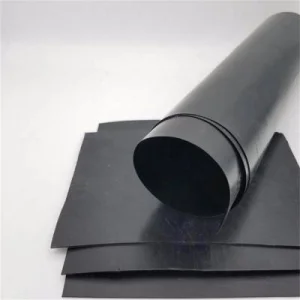
Complete your project sourcing with our range of reinforced geomembranes, drainage boards, and waterproof blankets.
 Hongyue