Explore our leading engineering materials manufactured to international ISO standards.
A technical analysis of needle-punched non-woven and woven fabrics for infrastructure enhancement.
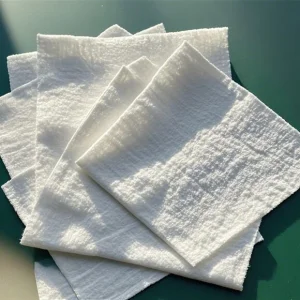
The selection of a 400g/m² geotextile represents a critical engineering decision across complex civil, environmental, and infrastructure projects. The weight specification of 400 grams per square meter ensures an optimal balance between hydraulic permittivity and structural containment. Commonly specified in environmental containment systems, coastal defense architectures, and heavy load highway subgrades, the 400g class functions as a multi-layered stabilizer.
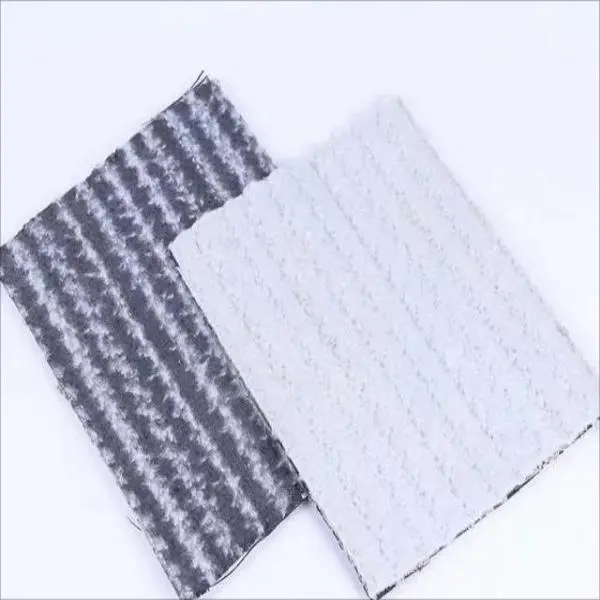
For non-woven variants, particularly those manufactured via continuous filament or staple fiber needle-punching, the mechanical properties achieve high puncture resistance (CBR) and tensile strength. Under civil load conditions, the 400g weight distribution achieves excellent shear stress reduction, mitigating lateral earth movement while providing continuous water passage to prevent pore pressure build-up.
Our ODM solutions at Shandong Hongyue environmental engineering guarantee precision tailoring of the fiber matrix. By altering needle density, polymer composition (typically Polypropylene PP or Polyester PET), and thermal bonding techniques, we formulate variations suited precisely for either high-permeability filtration zones or high-tensile barrier reinforcement applications.
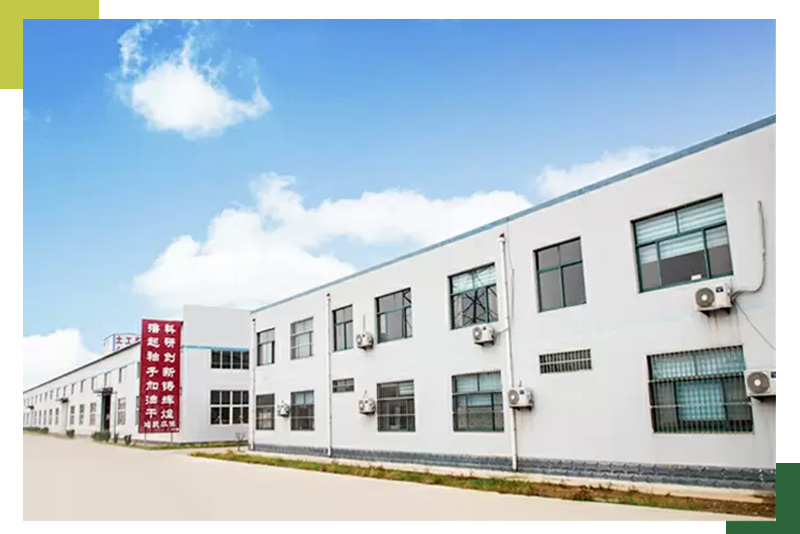
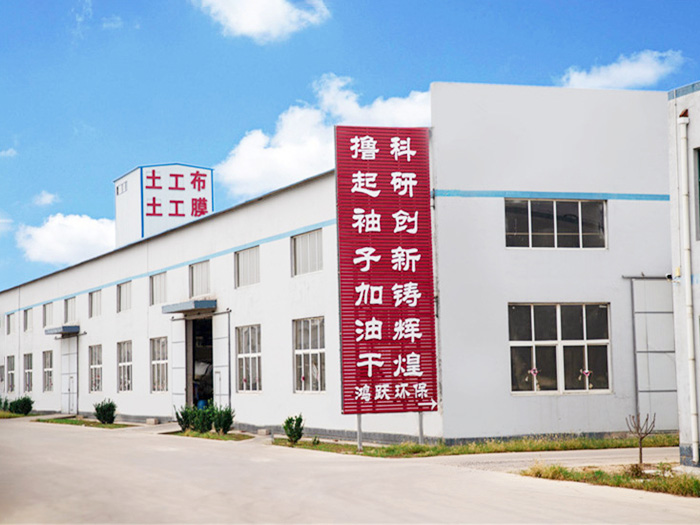
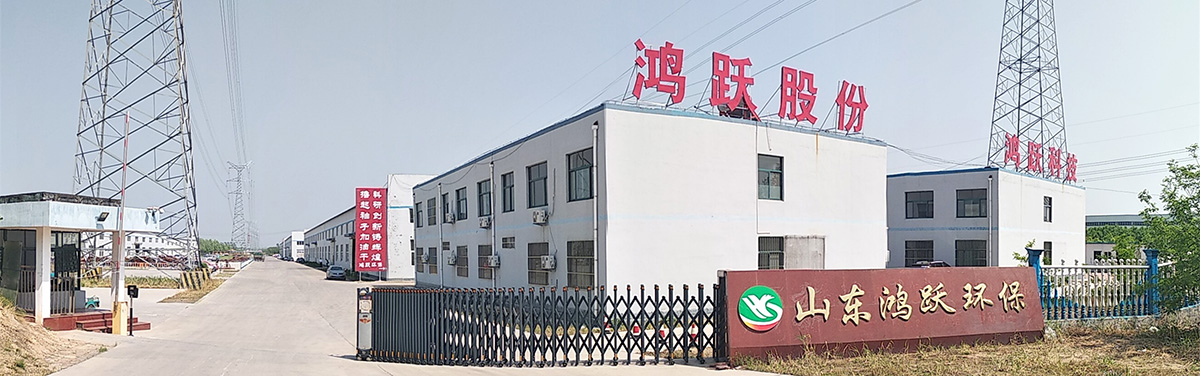
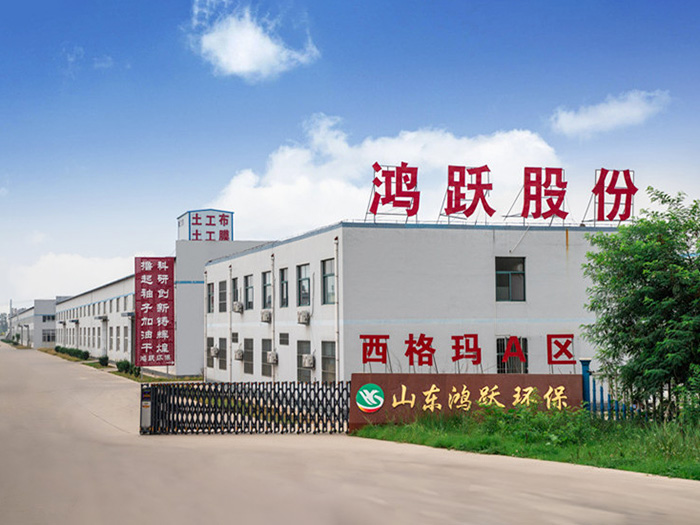
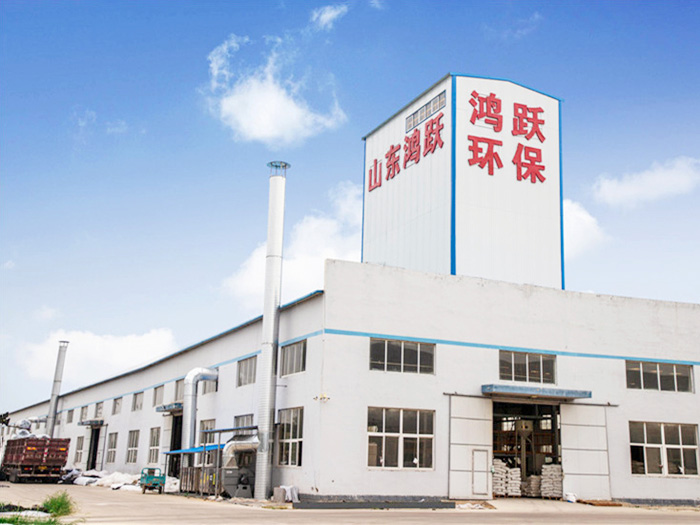
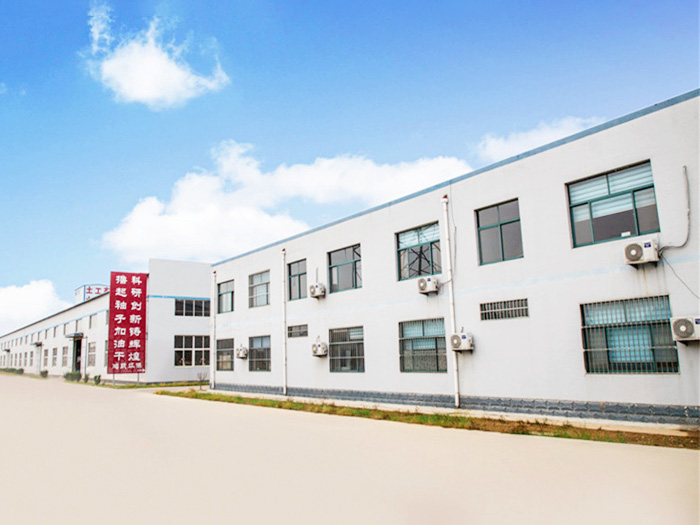
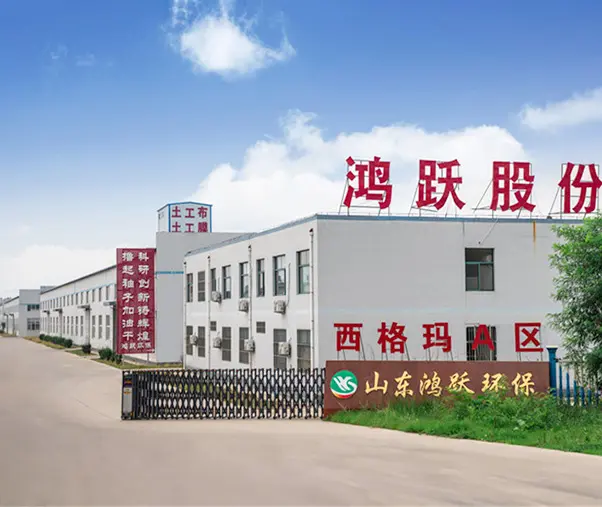
Shandong Hongyue Environmental Engineering Co., Ltd., located at the north end of Fufeng Street, Lingcheng District, Dezhou, Shandong Province, is a scientific and technological geotechnical material manufacturer integrating engineering material production, sales, design, and construction services. The company was registered in the Lingcheng District Market Supervision and Administration Bureau of Dezhou City on April 6, 2023, with a registered capital of 105 million yuan. It is one of the largest production bases of geotechnical materials in China at present, situated in a superior geographical location with convenient transportation access.
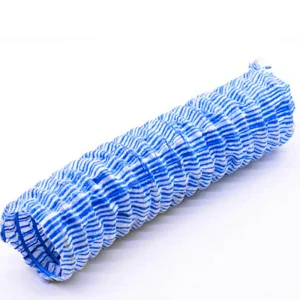
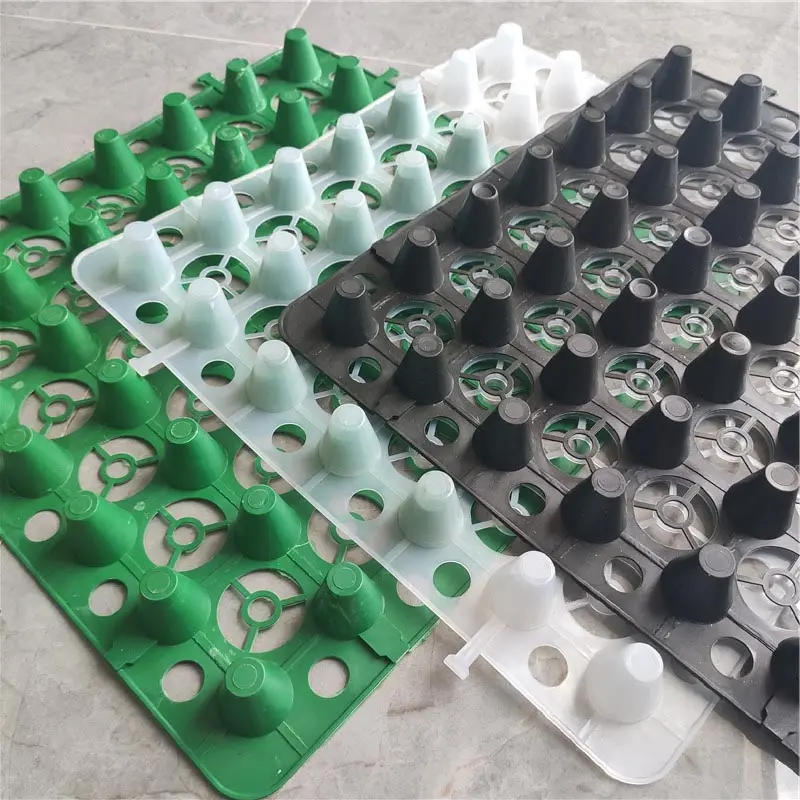
Since our establishment, our company has developed rapidly, expanding our scope to include premium geotextiles, geomembranes, composite geomembranes, waterproof boards, bentonite waterproof blankets, 3D composite drainage nets, composite drainage boards, woven and weaving fabrics, membrane bags, blind ditches, waterproof-drainage combinations, woven bags, ecological bags, cement blankets, fiber plant blankets, and flexible pervious pipes. We feature a highly professional sales and technical engineering team, actively contributing to the Dezhou Geotextile Association.
Our core capabilities focus on engineering performance, supply security, and customized design specifications.
Focusing on the production of new anti-seepage engineering materials with tailored thickness, weight, and fiber layout structures.
Our factory is dedicated to providing professional engineering consulting, customized laboratory test reports, and site execution advice.
Benefiting from Dezhou's highly consolidated supply chain and logistical corridors, ensuring swift dispatch to global maritime shipping ports.
Extensively proven in state-sponsored infrastructure, agricultural canal reinforcement, industrial landfills, and complex mining applications.
How modern Chinese industrial clusters deliver unmatched scale, cost efficiency, and carbon mitigation.
Dezhou, Shandong is widely recognized as the global epicenter of geosynthetic innovation. The highly consolidated raw material supply chain ensures access to premium polypropylene chips and high-grade polyester filament fibers. Shandong Hongyue integrates this localized efficiency with advanced machinery to ensure stability, continuous operations, and highly competitive pricing for high-volume international procurement.
Modern engineering demands sustainable raw materials. The trend for the next decade is the integration of recycled post-consumer PET chips and bio-based polymers into structural fabrics. Furthermore, the development of "smart" geotextiles with embedded optical fibers for real-time monitoring of subgrade stress or leakage detection represents the vanguard of modern structural engineering.
For international projects, matching ASTM or European standards is non-negotiable. Shandong Hongyue maintains rigorous compatibility with CE Markings, ASTM testing guidelines (such as D4632 for Grab Break Load and D4833 for Index Puncture Resistance), ensuring our Geotextile 400g meets regulatory standards across North America, the EU, and Oceania.
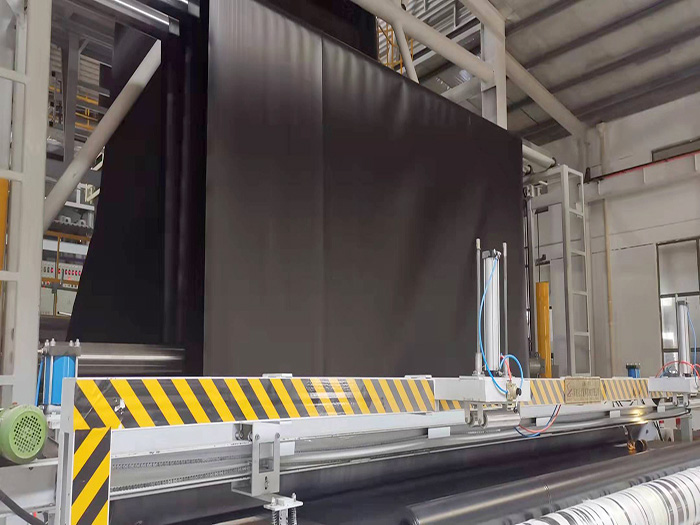
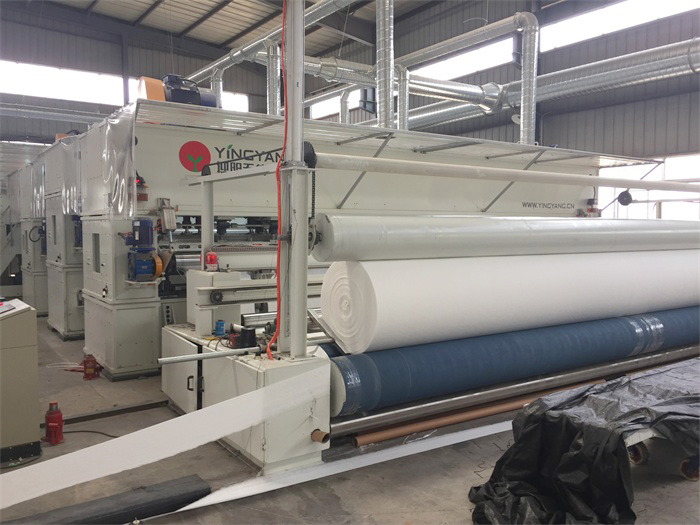
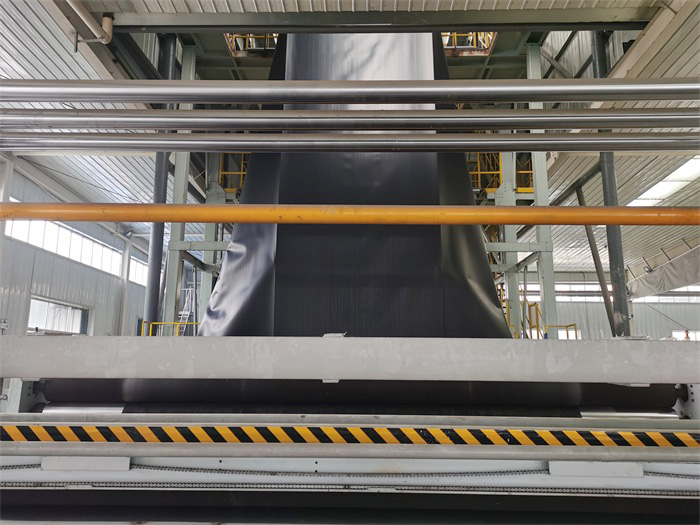
High-resolution look inside our production capacity, heavy manufacturing workshops, and modern testing facilities.
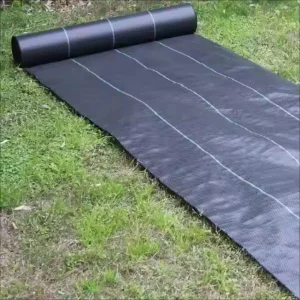
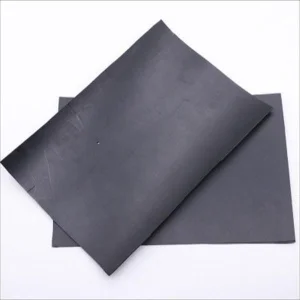
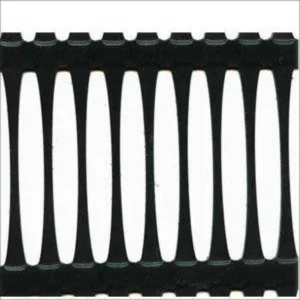
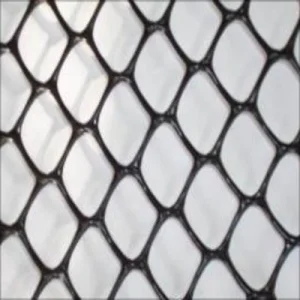
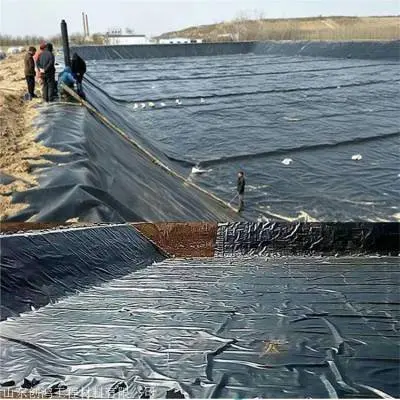
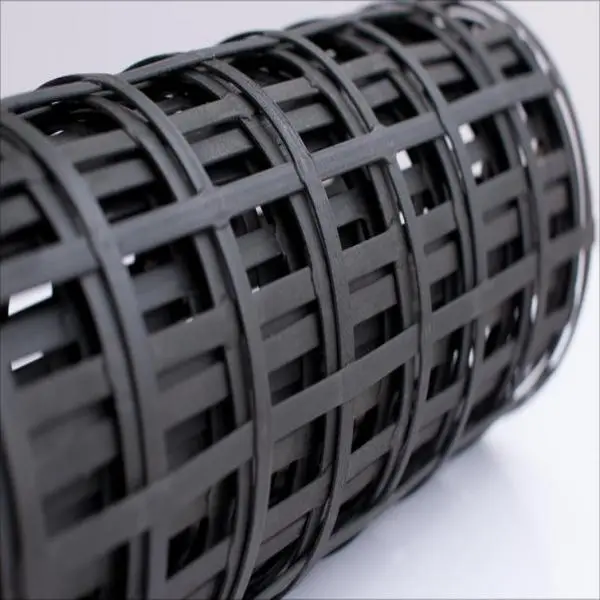
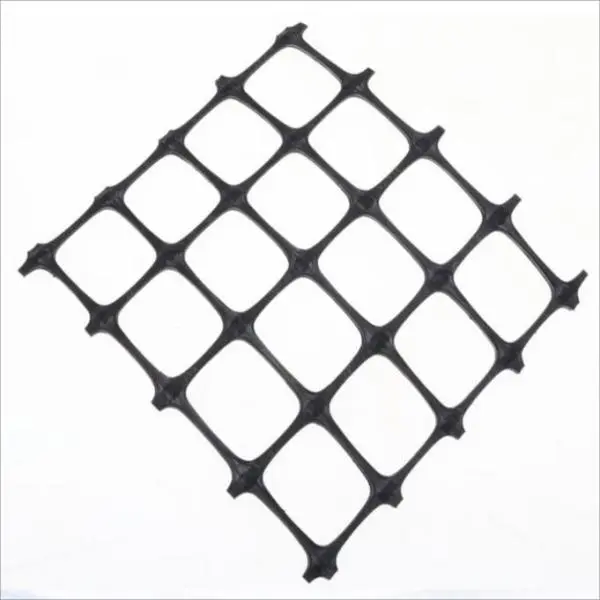
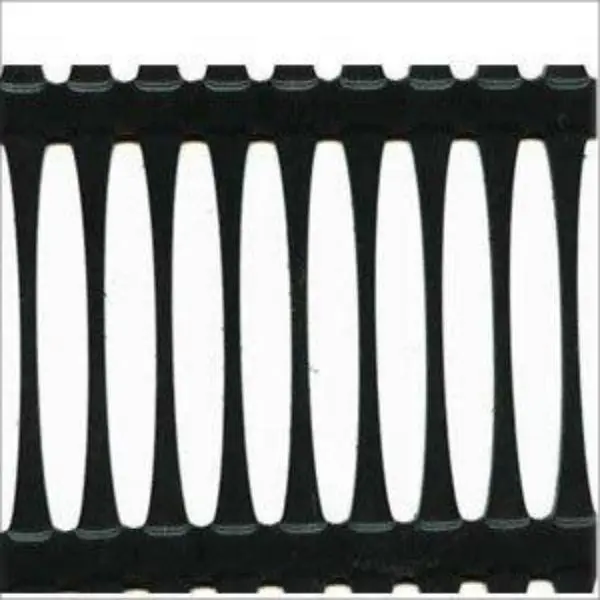
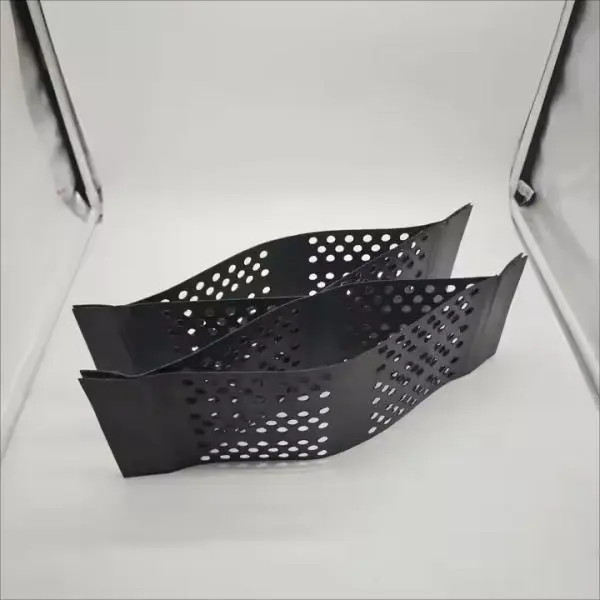
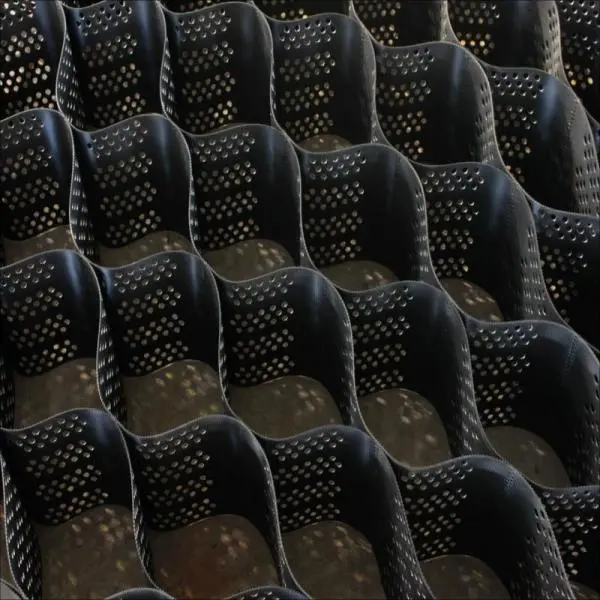
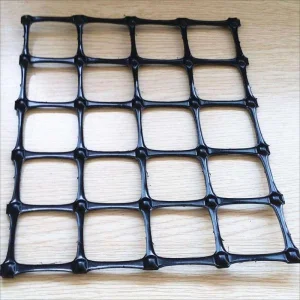
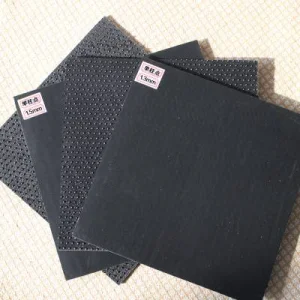
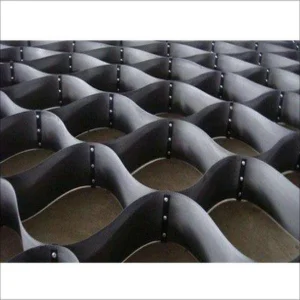
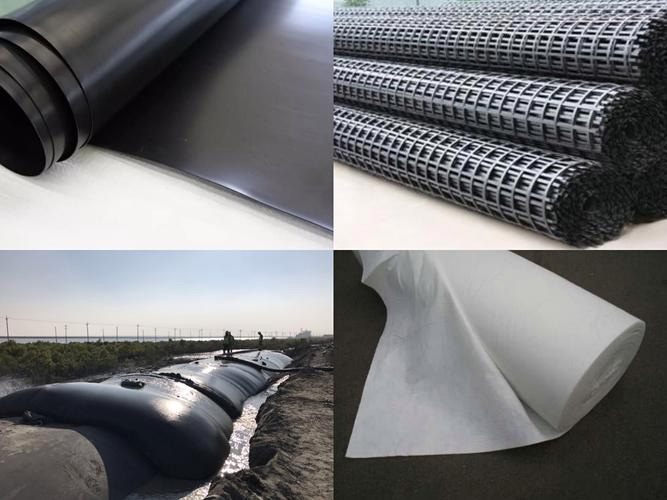
Premium geogrids, geomembranes, and specialized blankets engineered for harsh outdoor environments.
How integrated geosynthetic systems address complex filtration, drainage, and containment problems globally.
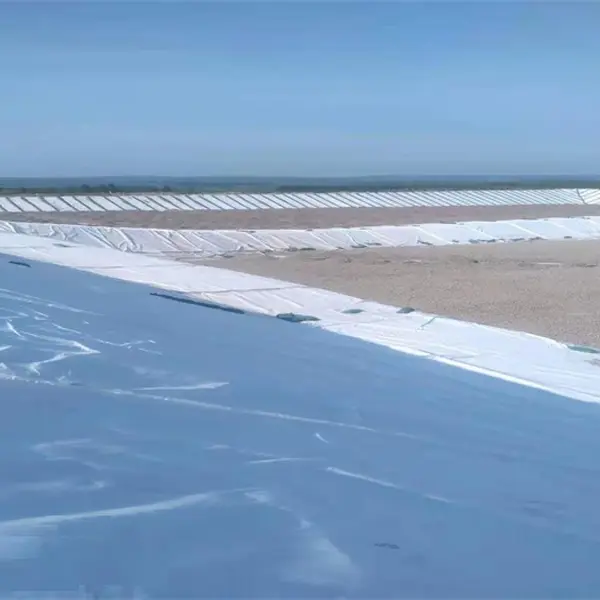
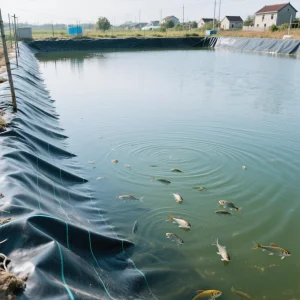
Geotextile 400g provides high hydraulic transmissivity while protecting secondary geomembranes from structural shearing under high reservoir hydrostatic pressures.
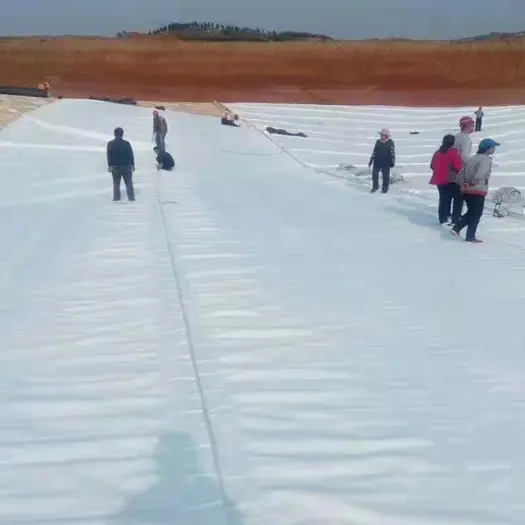
Reinforces canal beds and slopes, allowing soil-water balancing without particle migration, avoiding bank erosion and soil washouts.
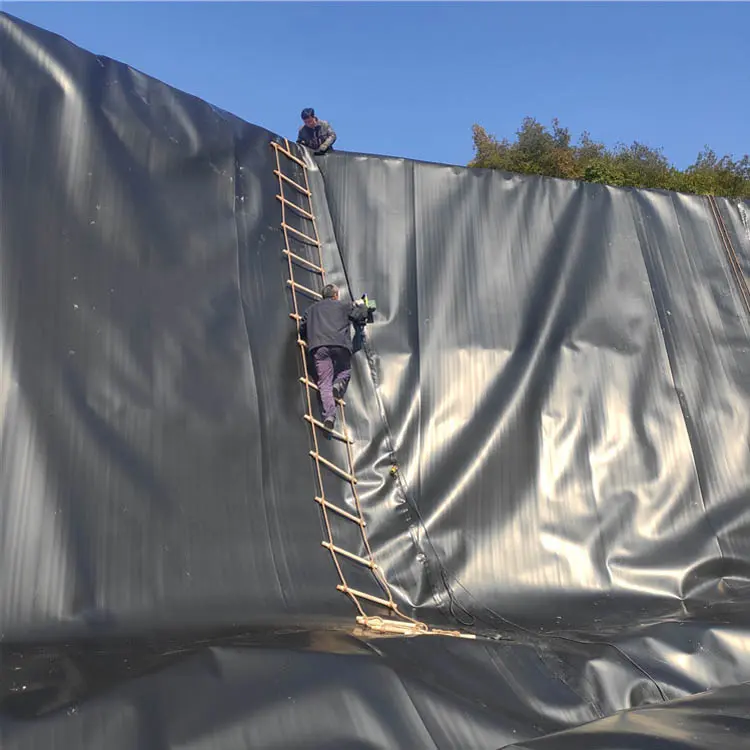
Deployed as a robust buffer layer above LLDPE or HDPE geomembranes, filtering leachate particles while absorbing angular stone impact pressures.
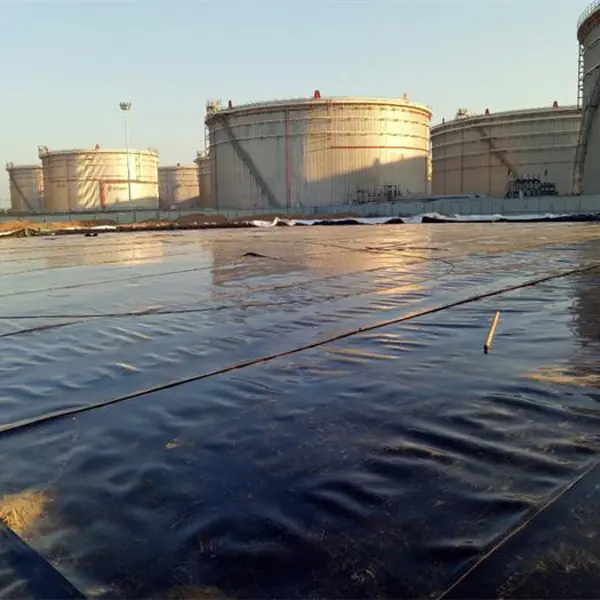
Protects geomembranes in high-risk chemical storage areas. Provides long-term resistance against hydrocarbons and chemical degradation.
A closer look at how modern production technology yields premium 400g/m² geotextile materials.
The primary raw materials used are premium polyester (PET) chips, polypropylene (PP) filament, and viscose fibers. Every batch undergoes rigorous inspection to verify physical and chemical consistency prior to processing.
Polyester chips are dried and melted under highly regulated temperatures, then extruded using specialized screw extruders. Extruded polymers are then blended with custom stabilizers for UV protection.
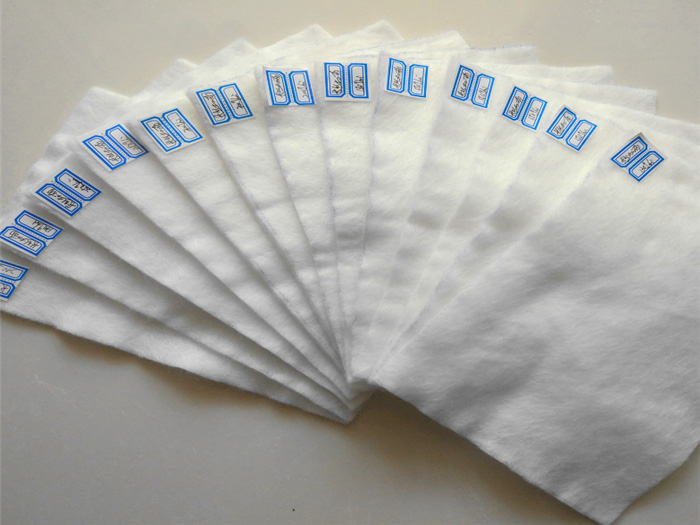
The molten fiber is extruded through precision spinnerets to form extremely fine filaments. These are systematically distributed on conveyor systems to create a consistent, multi-directional web structure.
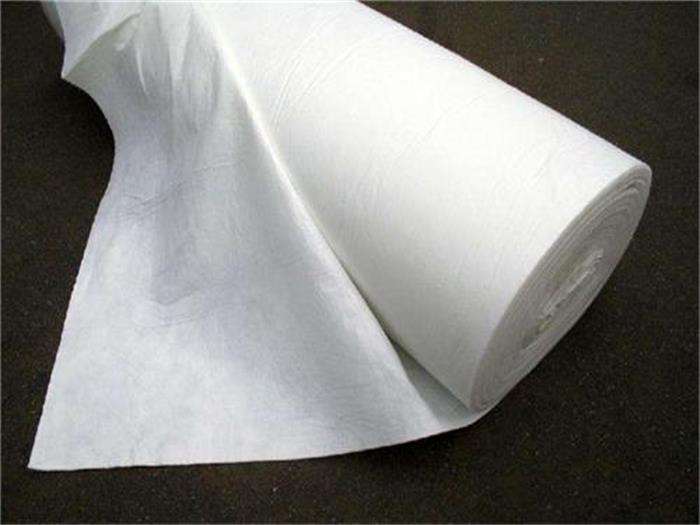
The web is fed into a needle-punching line, where thousands of barbed needles interlock the fibers mechanically. The feed speed and puncture density are regulated to achieve a final target weight of 400g/m².
Once needle-punched, the geotextile is trimmed to precise widths (ranging from 2m to 6m) and rolled. It is wrapped in high-density protective film to prevent moisture or dust ingress during shipping.
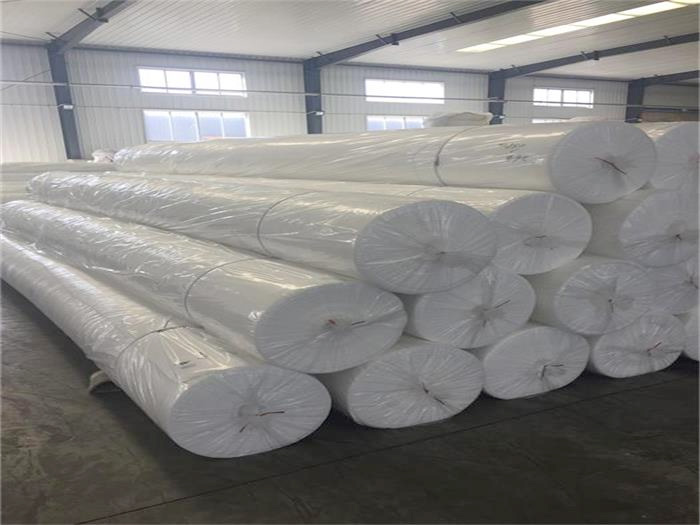
Samples from every batch are tested in our in-house lab for tensile strength, elongation, hydraulic behavior, and CBR puncture resistance. Only fully compliant batches are approved for shipment.
Our commitment to rigorous QA procedures, certified laboratory protocols, and international environmental standards.
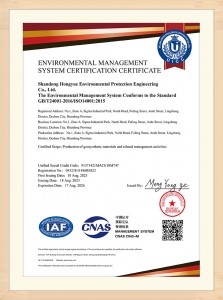
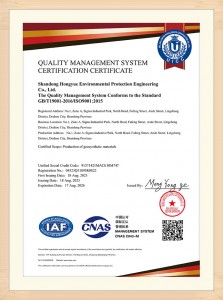
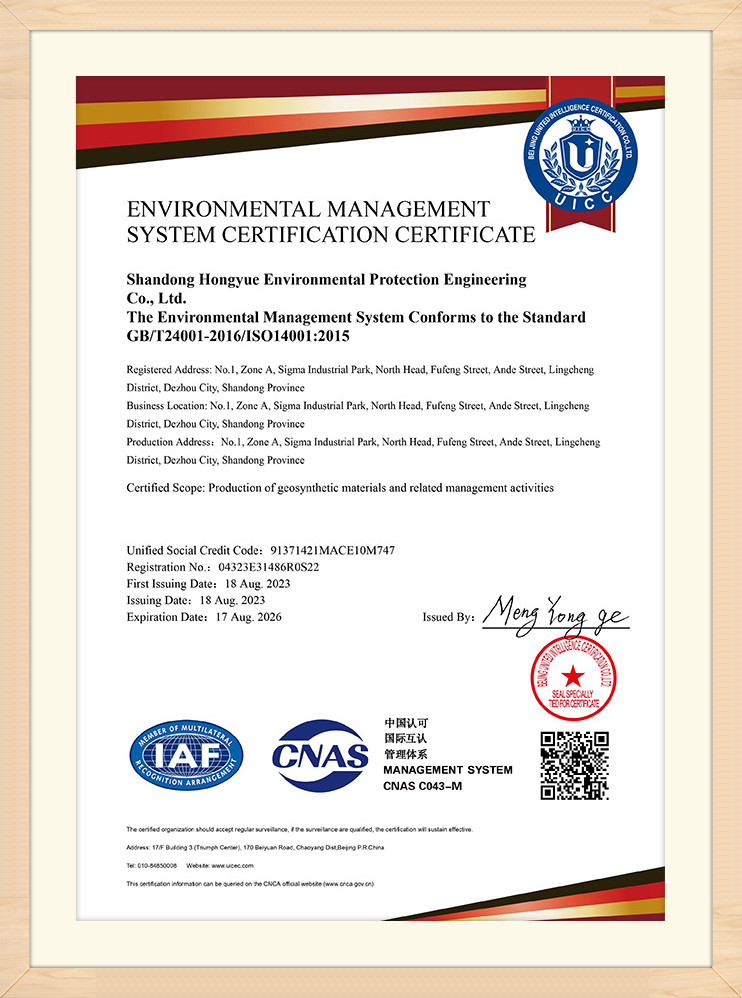
Shandong Hongyue Environmental Engineering Co., Ltd. has established a comprehensive, scientific quality management system. We have successfully passed the ISO9001 international quality system certification, ISO14000 environmental management system certification, and ISO45001 occupational health and safety management system certification.
Our products have been recognized with numerous distinctions, including "Green Building Material Products", "Quality Service Double Excellent Unit", and "Famous Chinese Brand". By combining advanced production equipment with precise laboratory instruments, we ensure our geotextiles consistently meet or exceed international engineering guidelines. All materials are certified by the China National Testing Center and undergo regular national quality sampling inspections.
Standardized quality management systems since 2023.
Strict controls on energy use and environmental waste.
Tested and approved for major public works projects.
Highest standards for occupational health and safety.
Deep-dive review on structural placement, base preparation, welding, and field maintenance.
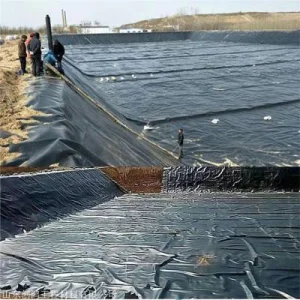
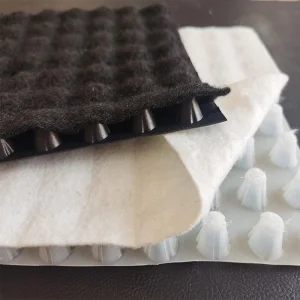
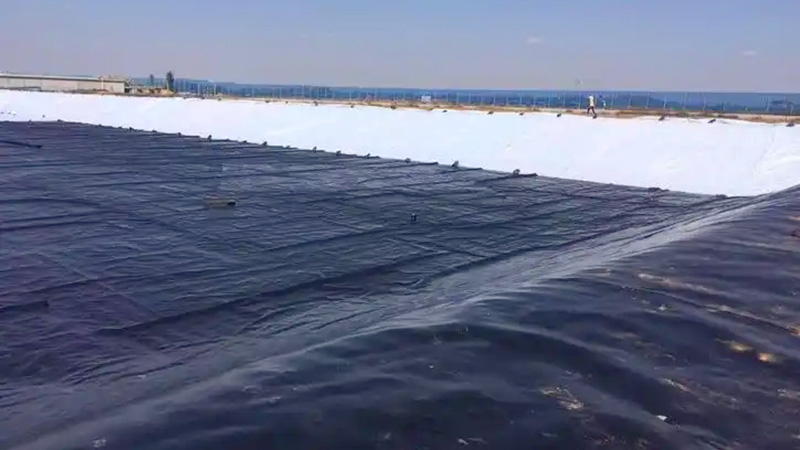
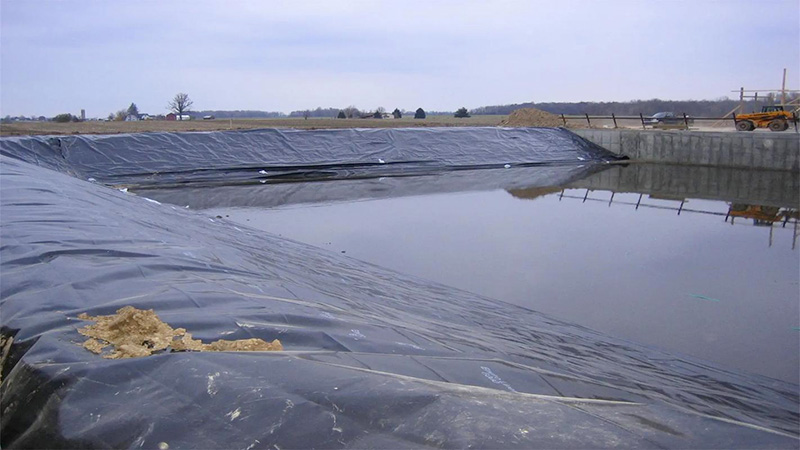
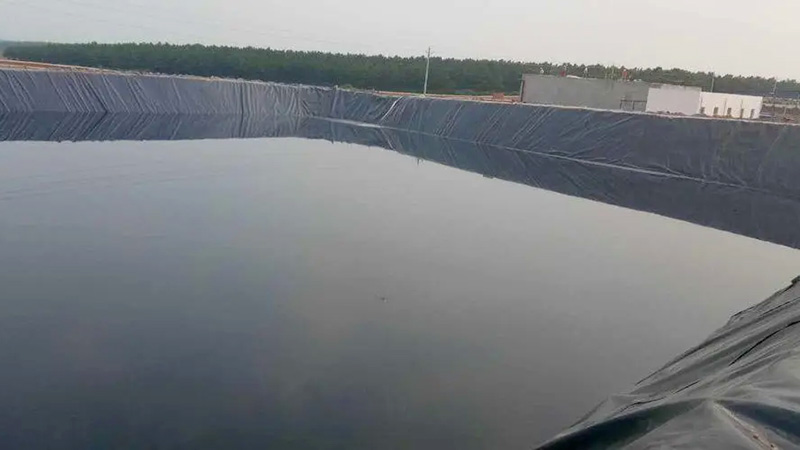
In modern barrier engineering, geotextiles are typically paired with LLDPE or HDPE geomembranes to create a composite system. The 400g/m² geotextile serves as a drainage pathway and protective barrier, preventing damage to the geomembrane from angular rocks or subgrade movements.
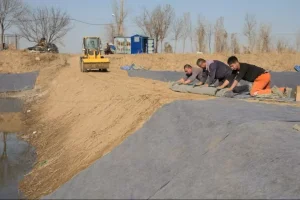
Proper surface preparation is essential: the subgrade must be compacted and cleared of sharp rocks, tree roots, and other debris. Geotextile rolls are laid parallel to the slope to minimize stress on joints. Overlaps should range from 150mm to 300mm and are typically secured using hot-air welding or sewing to ensure long-term stability under soil loads.
To maximize the service life of a geosynthetic system, regular maintenance is required. Prolonged exposure to sunlight can lead to UV degradation; therefore, covering the geotextile with soil or aggregate within the specified timeframe is crucial.
Routine inspections help identify localized stress concentrations or damage from wildlife, heavy machinery, or severe weather. Early identification allows for localized repair patches to be applied, ensuring the overall integrity of the barrier system remains uncompromised.
Detailed engineering and commercial answers to help procurement managers and civil designers select the right products.
Premium solutions for filtration, reinforcement, water management, and soil stabilization.
 Hongyue