In civil engineering, soil behaves poorly under tension. When loaded by heavy industrial traffic or dynamic infrastructure stresses, unreinforced soil distributes pressure unevenly, causing localized failure, lateral displacement, and structural sinkage. As a premier global geogrid ground grid manufacturer and exporter, our engineering mission is to resolve soil instability with molecularly aligned polymeric geosynthetic grids. These structures create mechanical confinement, reinforcing granular soils and pavements.
By employing high-tensile HDPE, PP, or Polyester, our Geo Grids transform weak soil mass into a rigid, unified composite layer. This whitepaper analyzes geogrids, geocells, geomembranes, and geotextiles to guide municipal planners, structural designers, and project managers in optimizing load transfer, stabilizing slopes, and ensuring long-term project longevity.
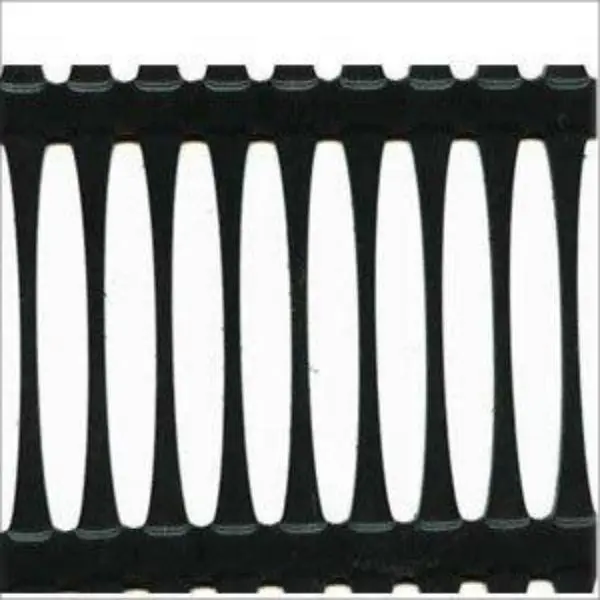
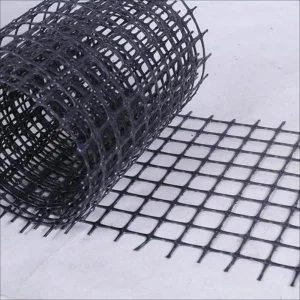
High-traffic roadways suffer from subgrade failure when built over soft silts or clays. Installing biaxially oriented geogrids stabilizes the aggregate base layer. The aggregate interlocks with the geogrid apertures, limiting lateral movement and spreading loads outward. This reduces the base aggregate thickness requirement by up to 50% while extending pavement service life.
Steep slopes, bridge abutments, and retaining walls experience sliding and rotational failures. Our uniaxial geogrids provide high unidirectional tensile strength, interlocking with backfill to create reinforced soil structures. This allows steep slopes to stand at up to 90 degrees with complete seismic safety.
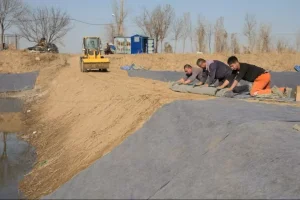
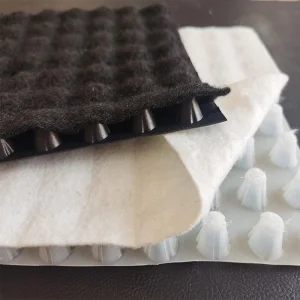
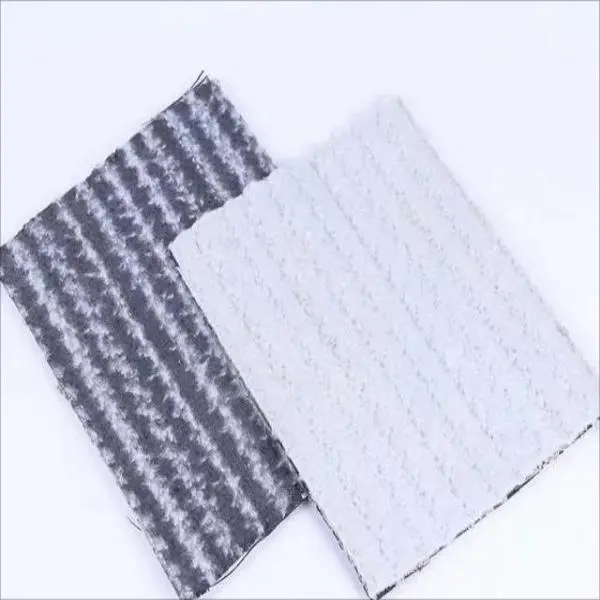
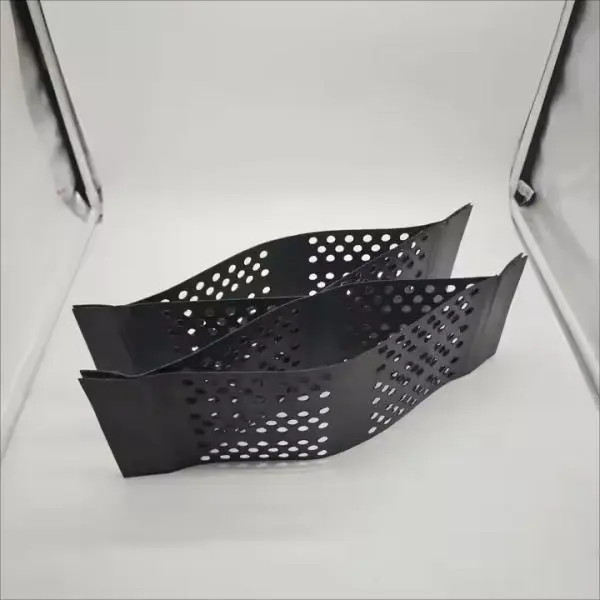
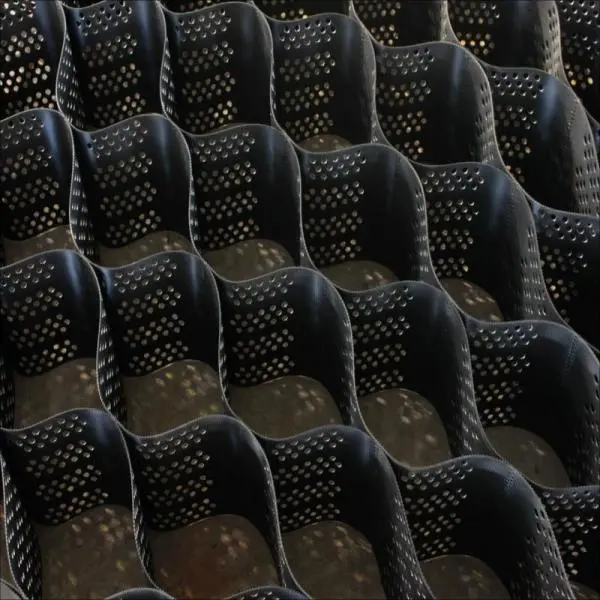
For waterways, canals, and riverbanks, soil erosion poses a severe structural risk. Combining geotextile filtration with robust geogrids or geocells limits soil loss while allowing natural drainage, preventing hydraulic pressure buildup and bank failure.
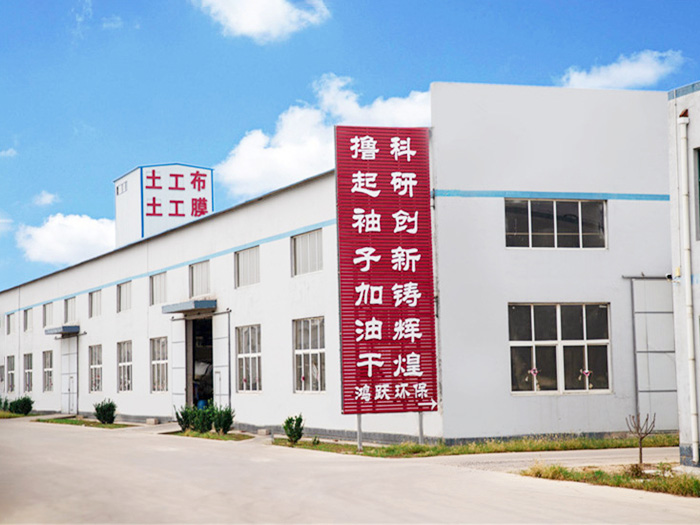
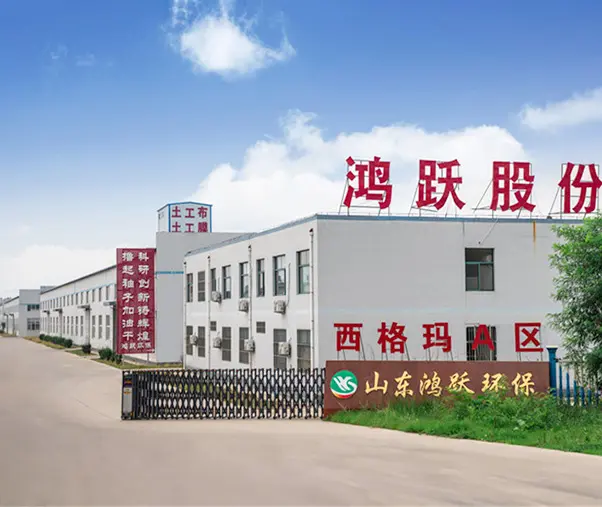
Shandong Hongyue Environmental Engineering Co., Ltd., located at the north end of Fufeng Street, Lingcheng District, Dezhou, Shandong Province, is a scientific and technological geotechnical material manufacturer integrating engineering material production, sales, design and construction services.
The company was registered in Lingcheng District Market Supervision and Administration Bureau of Dezhou City on April 6, 2023, with a registered capital of 105 million yuan. It is one of the largest production bases of geotechnical materials in China at present, located in Lingcheng District, Dezhou, Shandong Province, with superior geographical location and convenient transportation.
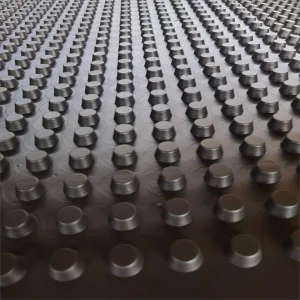
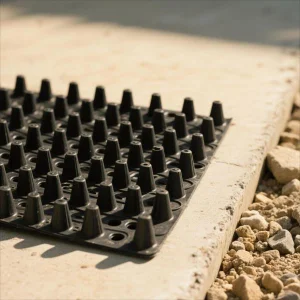
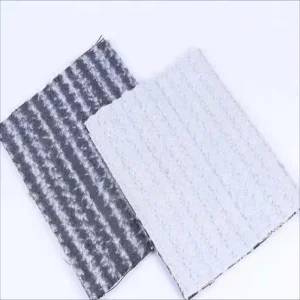
Since the establishment of the company has developed rapidly, business continues to grow and expand. Our company mainly deals in geotextiles, geomembrane, composite geomembrane, waterproof board, bentonite waterproof blanket, 3D composite drainage net, (composite) drainage board, weaving cloth, woven cloth, geotextiles, membrane bags, blind ditches, waterproof and drainage combinations, woven bags, ecological bags, cement blankets, fiber plants blankets, geotextiles, flexible pervious pipes.
Our business includes geosynthetics, waterproofing membrane production, sales, construction, import and export of goods. We have high quality products and professional sales and technical team, and belong to the Dezhou Geotextile Association. Our products are widely used in highways, railways, bridges and tunnels, reservoirs and canals water conservancy, artificial lakes, environmental protection, aviation, mining, agriculture and other fields.
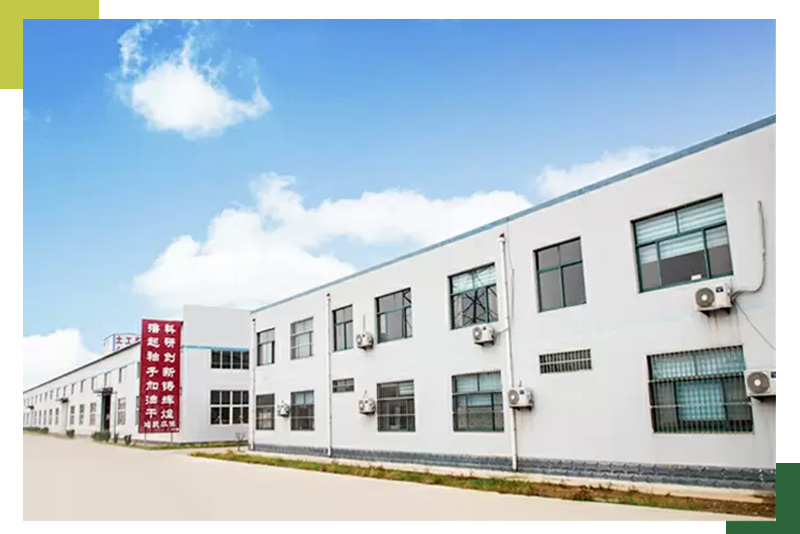
Our infrastructure network features a production base that spans advanced polymer lines and clean room assembly facilities.
The international demand for geosynthetics is expanding. Rapid urbanization, heavy rail corridor upgrades, and environmental mining containment rely on geomaterials to ensure compliance with green engineering standards. Modern logistics require stable base foundations, positioning geogrids as critical path components in global logistics park developments.
Our materials are exported across Europe, the United States, Australia, and various parts of Asia. As carbon-neutral initiatives limit aggregate excavation worldwide, engineers turn to geogrid soil-stabilized layers to minimize aggregate volume requirements, cutting roadbed project carbon emissions by up to 35%.
| Geogrid Sub-type | Primary Polymer Chemistry | Design Junction Efficiency | Key Macro-Industrial Application |
|---|---|---|---|
| Uniaxial Geogrid | High-Density Polyethylene (HDPE) / PET | > 95% Yield Limit | Retaining walls, MSE steep slopes, landfill embankments |
| Biaxial Geogrid | Polypropylene (PP) | Aperture stability-driven | Paved/unpaved road beds, heavy rail track foundation stabilization |
| Triaxial Geogrid | Polypropylene (PP) Co-polymers | Multi-directional distribution | Heavy industrial airport runways, logistics hardstands |
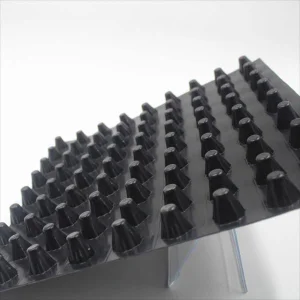
| High-Performance Geocell | Structured Textured HDPE Alloy | Ultrasonic welded cells | Severe slope erosion control, soft-bog bridge approaches |
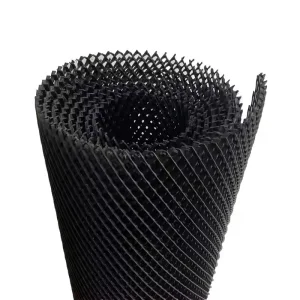
We maintain active manufacturing control across our production lines. Below is an engineering overview of our primary production operations:
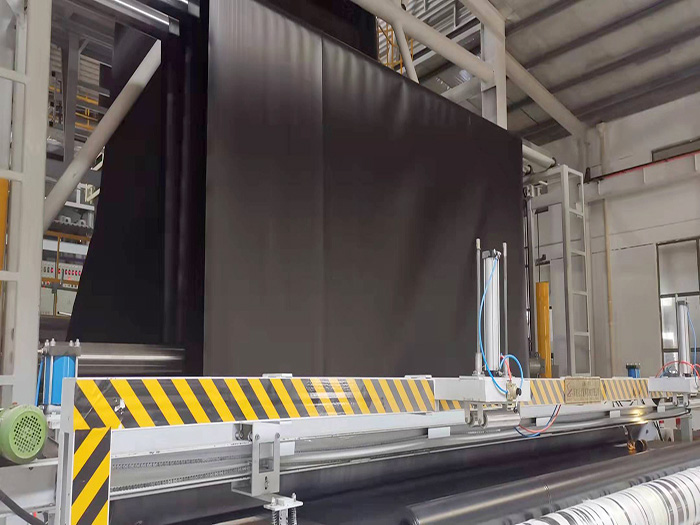
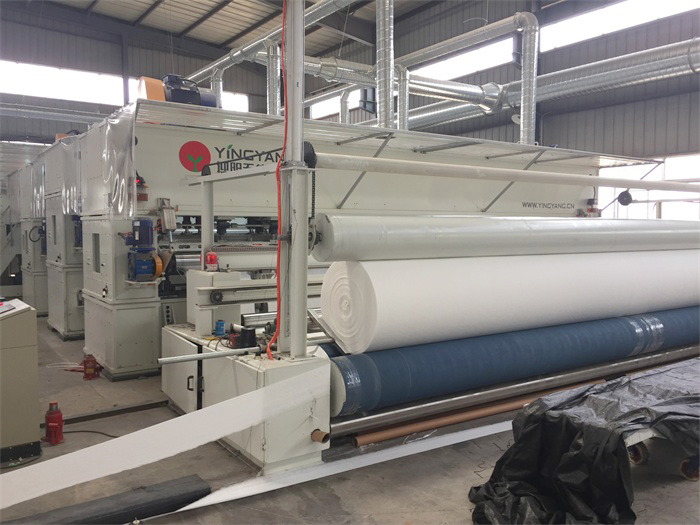
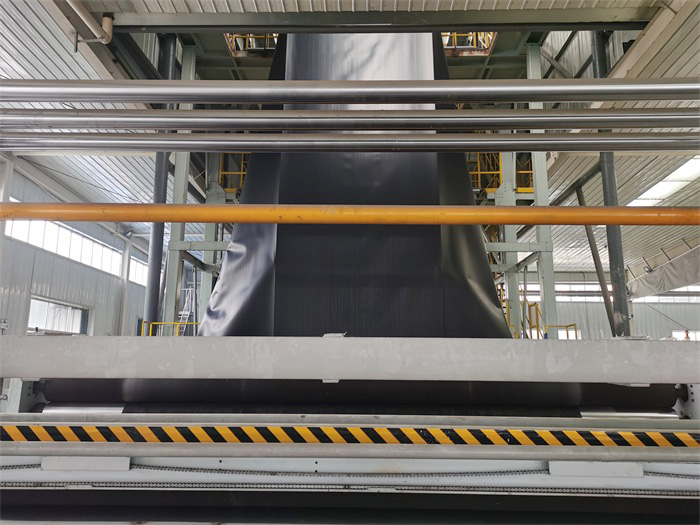
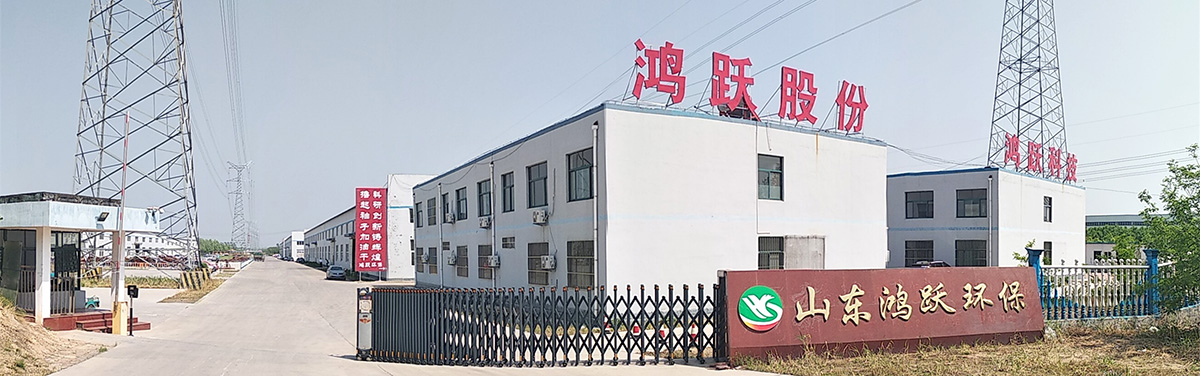
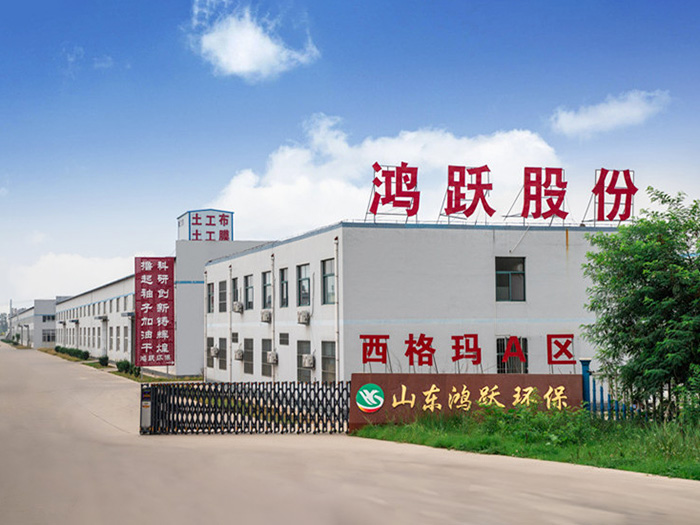
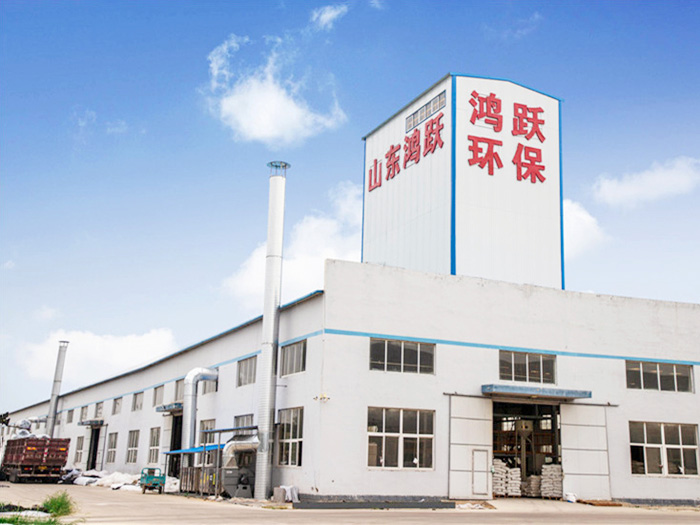
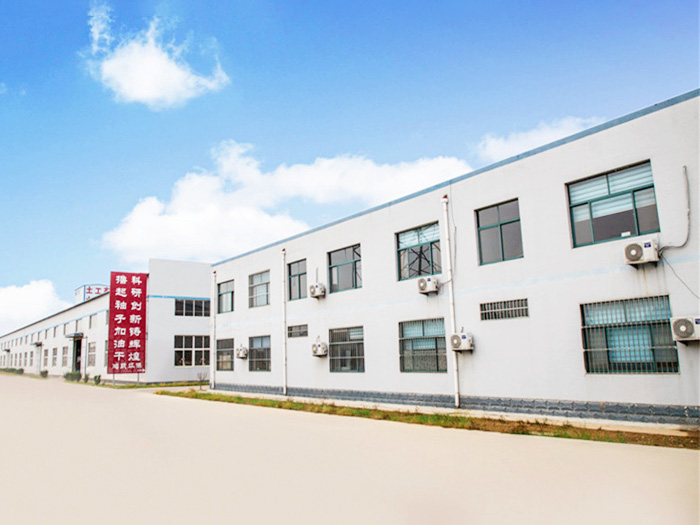
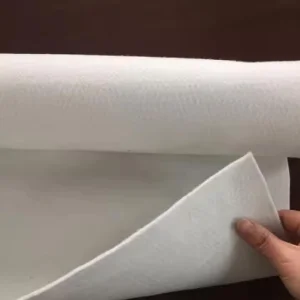
Our production lines follow structured workflows to ensure mechanical strength and longevity. Below is the detailed breakdown of the 6 core steps in our Geotextile & Geosynthetic manufacturing process:
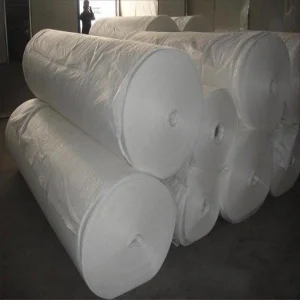
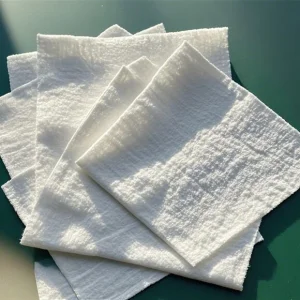
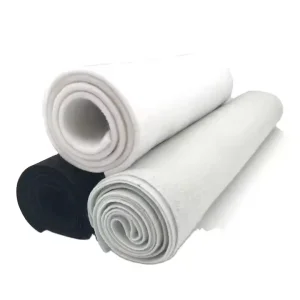
The main raw materials of geotextile are polyester chips, polypropylene filament and viscose fiber. These raw materials need to be inspected, arranged and stored to ensure their quality and stability.
After the polyester slice is melted at high temperatures, it is extruded into a molten state by a screw extruder, and polypropylene filament and viscose fiber are added for mixing. In this process, the temperature, pressure and other parameters need to be precisely controlled to ensure the uniformity and stability of the melting state.
After mixing, the melt is sprayed through the spinneret to form a fibrous substance and form a uniform network structure on the conveyor belt. At this time, it is necessary to control the thickness, uniformity and fiber orientation of the mesh to ensure the physical properties and stability of the geotextile.
After laying the net into rolls, it is necessary to carry out draft curing treatment. In this process, the temperature, speed and draft ratio need to be precisely controlled to ensure the strength and stability of the geotextile.
The geotextile after draft curing needs to be rolled up and packed for subsequent construction. In this process, the length, width and thickness of the geotextile need to be measured to ensure that it meets the design requirements.
At the end of each production link, the quality of geotextile needs to be inspected. The inspection contents include physical property test, chemical property test and appearance quality test. Only geotextiles that meet the quality requirements can be used in the market.
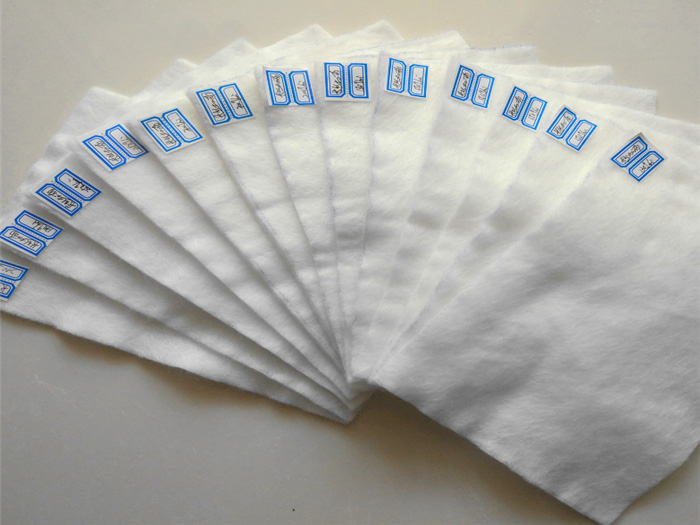
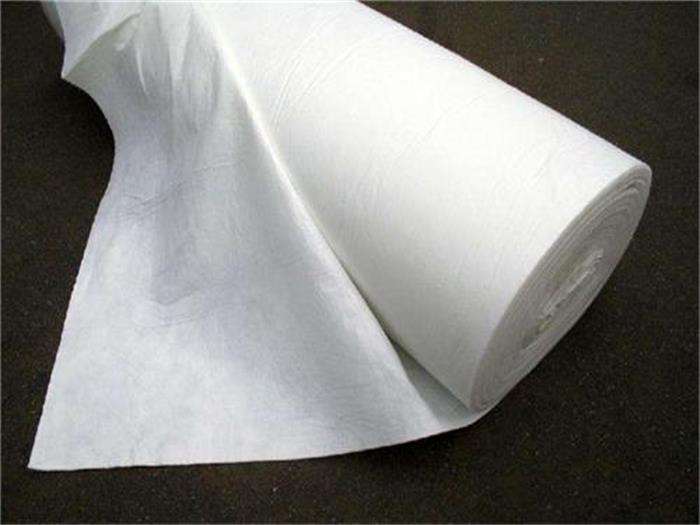
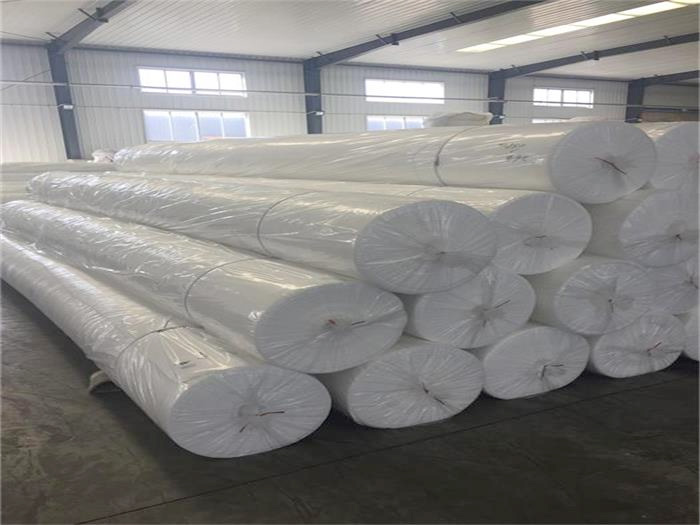
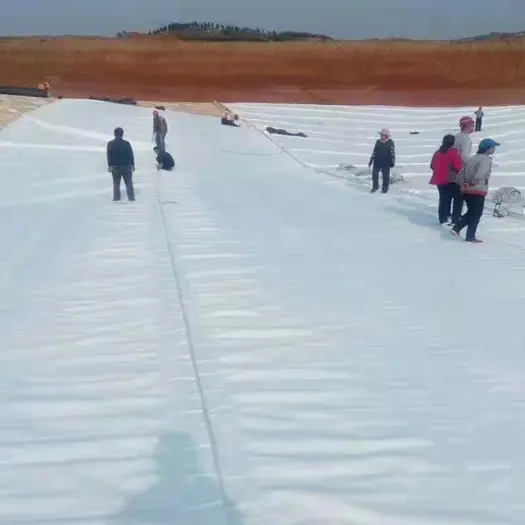
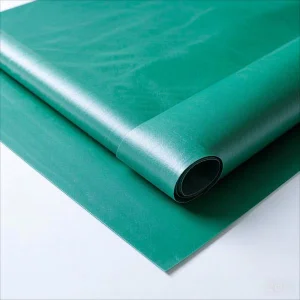
Geomembrane is a kind of material widely used in engineering projects, which has the functions of seepage prevention, isolation and reinforcement. Key application technologies include selection, laying, and maintenance:
In Summary: Selecting, laying, and maintaining geomembranes correctly improves the seepage prevention, isolation, and reinforcement performance of civil engineering projects.
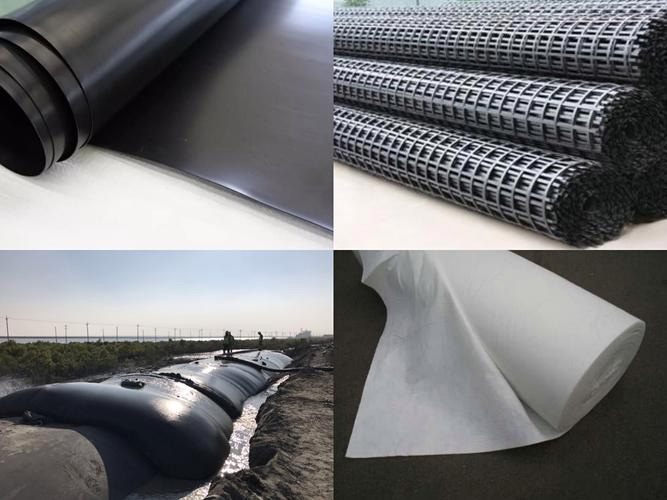
We supply integrated components to build complete stabilization, filtration, and containment systems.
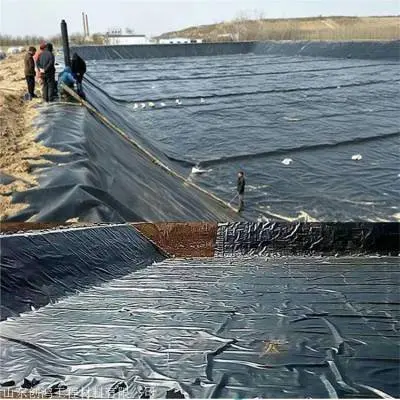
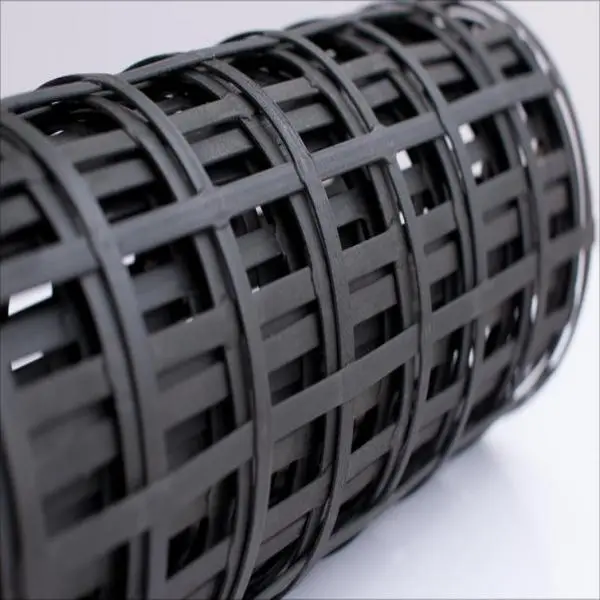
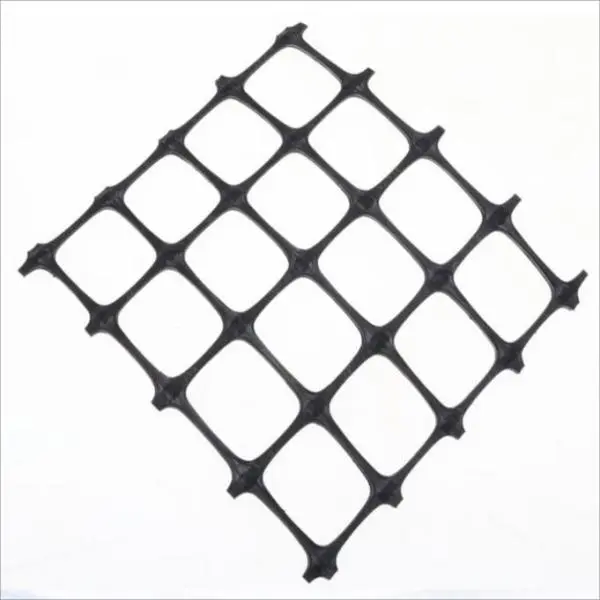
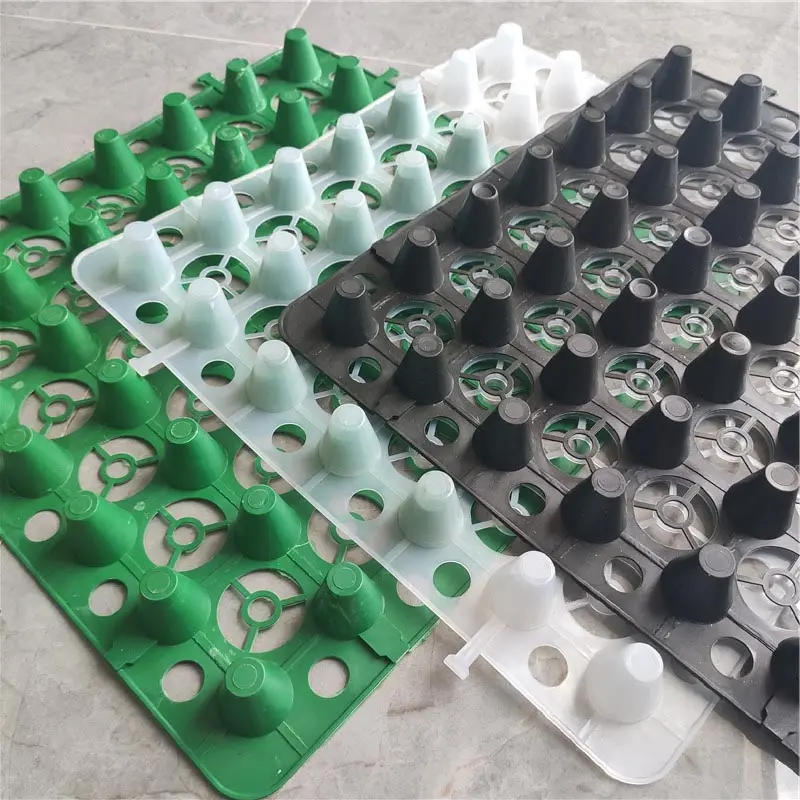
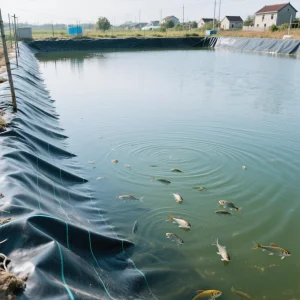
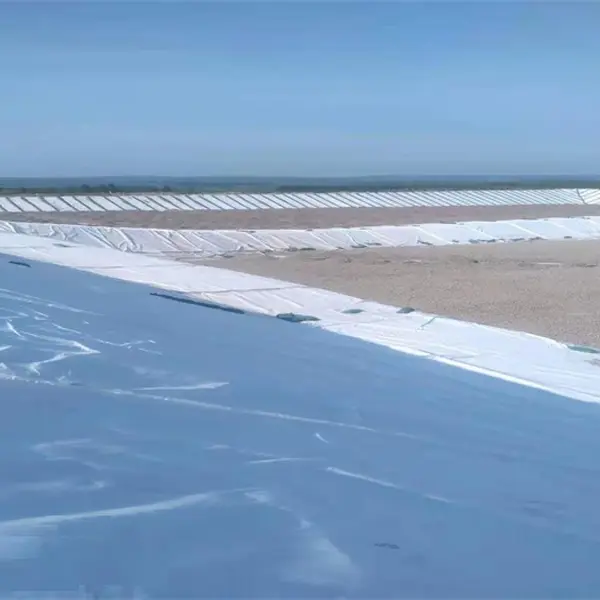
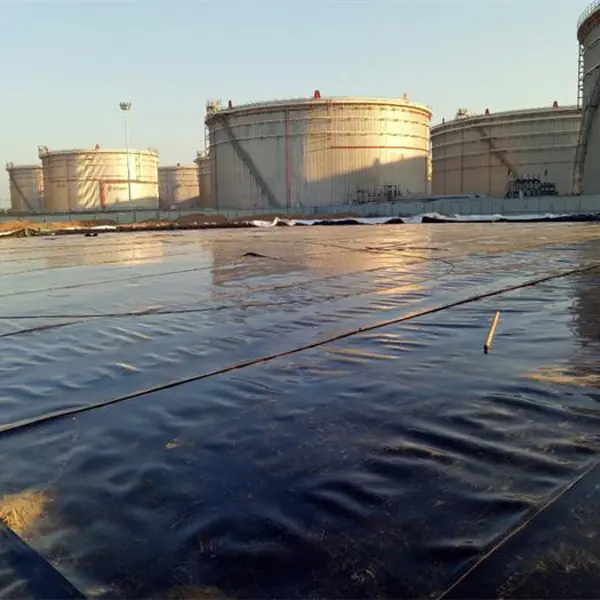
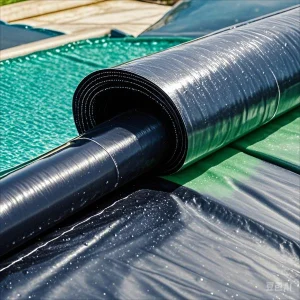
Geomembranes serve as critical anti-seepage layers in water conservancy projects, combining structural performance with cost-efficiency. Below are the primary application scenarios:
Because reservoirs are usually built in valleys or low-lying areas, geological conditions can be complex. Effective measures are required to avoid leakage between the bottom of the reservoir and the surrounding rock. Using geomembrane solves this problem, improving the safety and stability of the entire reservoir.
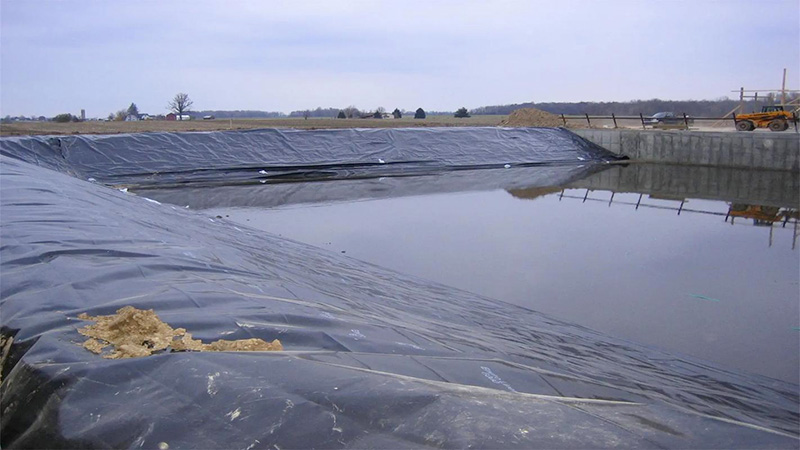
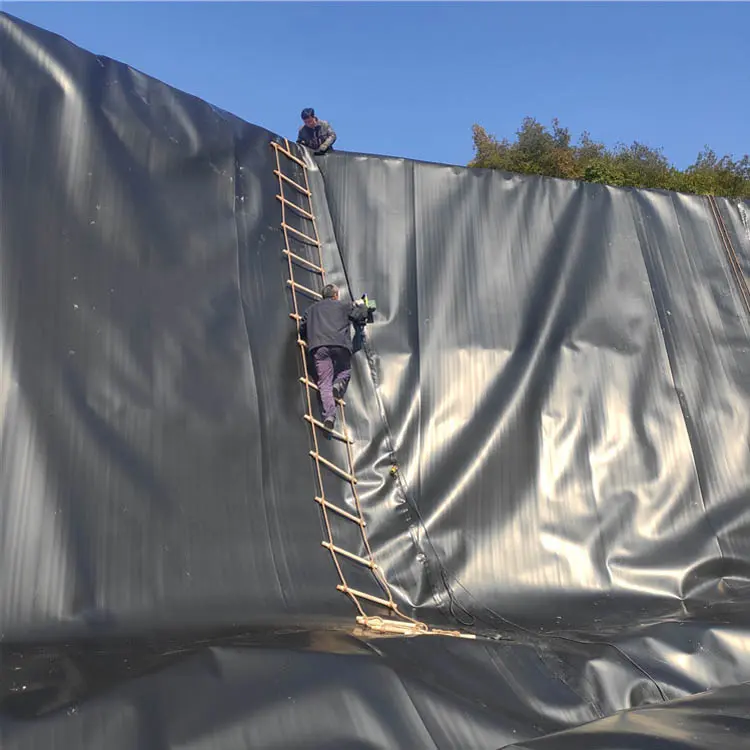
Dikes protect downstream areas from flooding. During construction, unpredictable subgrade changes can lead to seepage paths. Geomembranes are applied as remedial barriers to seal off these pathways, preventing erosion of internal dike material.
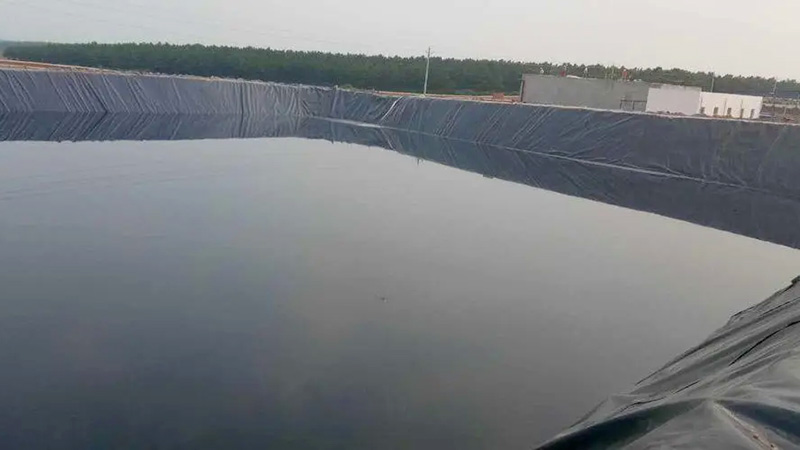
Rivers and channels regulate water flow, protect agricultural land, and support municipal drainage. During repair works, engineers address issues like landslides and seepage. Combining geomembranes with geotextiles stabilizes the channel floor against hydraulic shear forces.
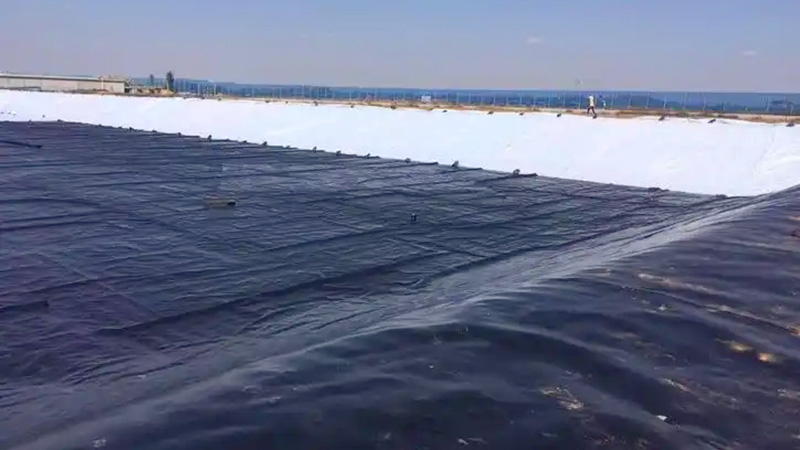
Our manufacturing processes adhere to international standards. Shandong Hongyue Environmental Engineering Co., Ltd. has established quality control systems to support localized regulations.
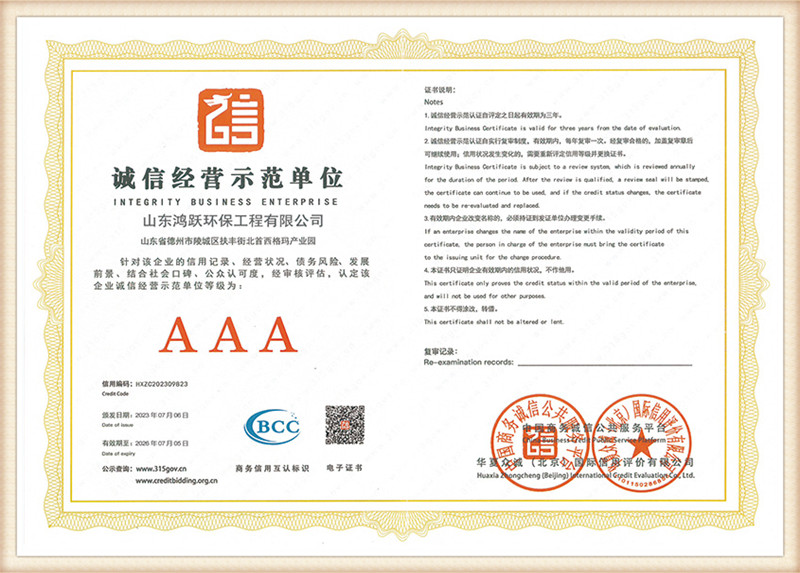
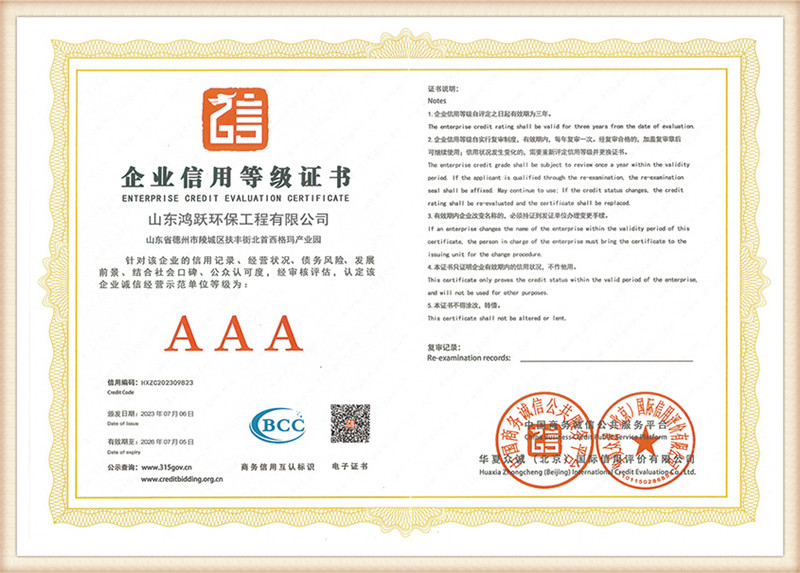
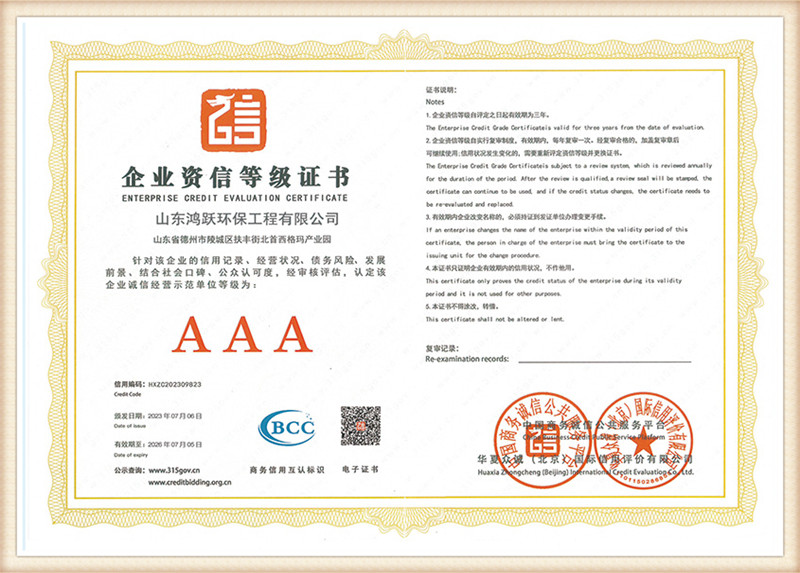
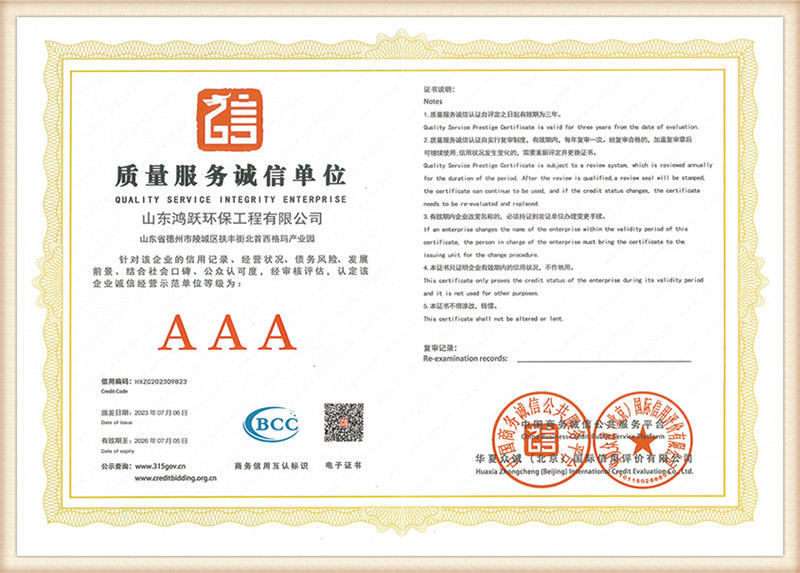
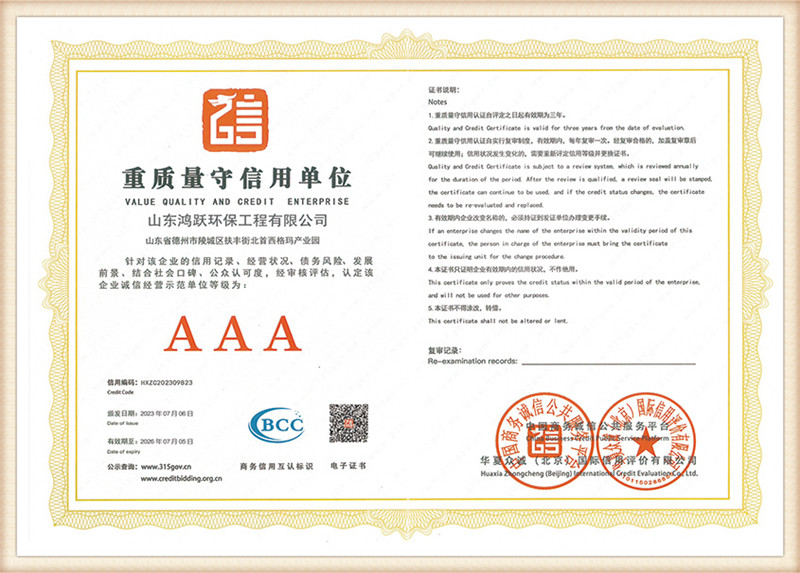
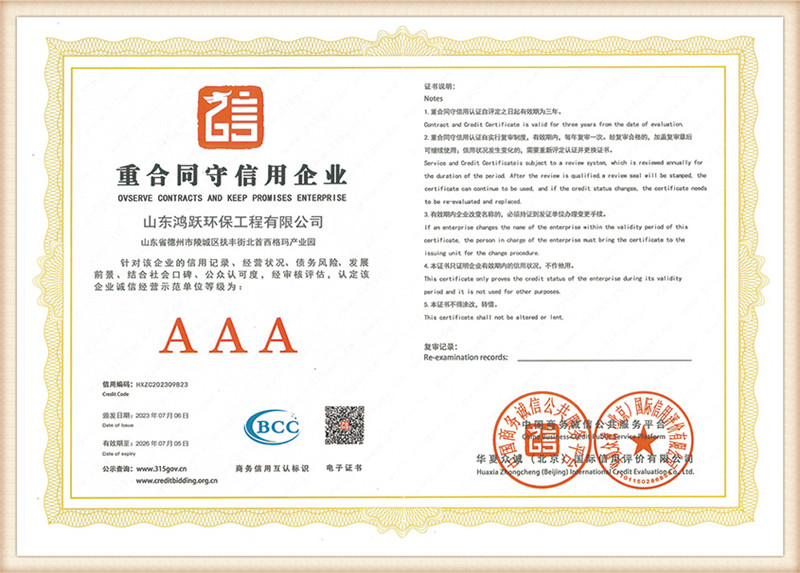
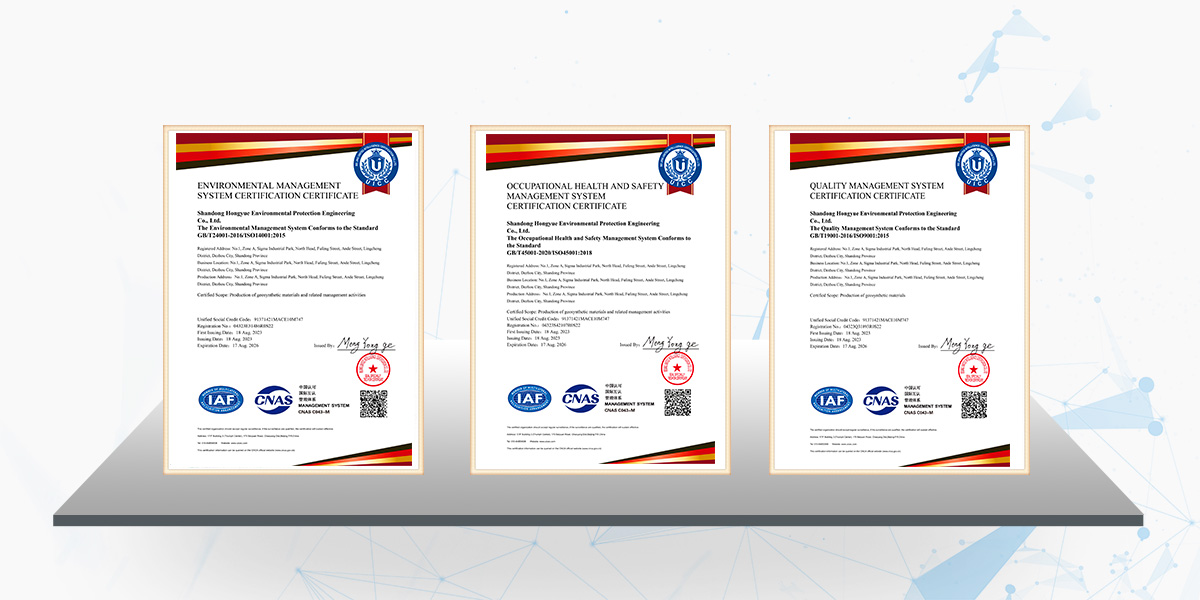
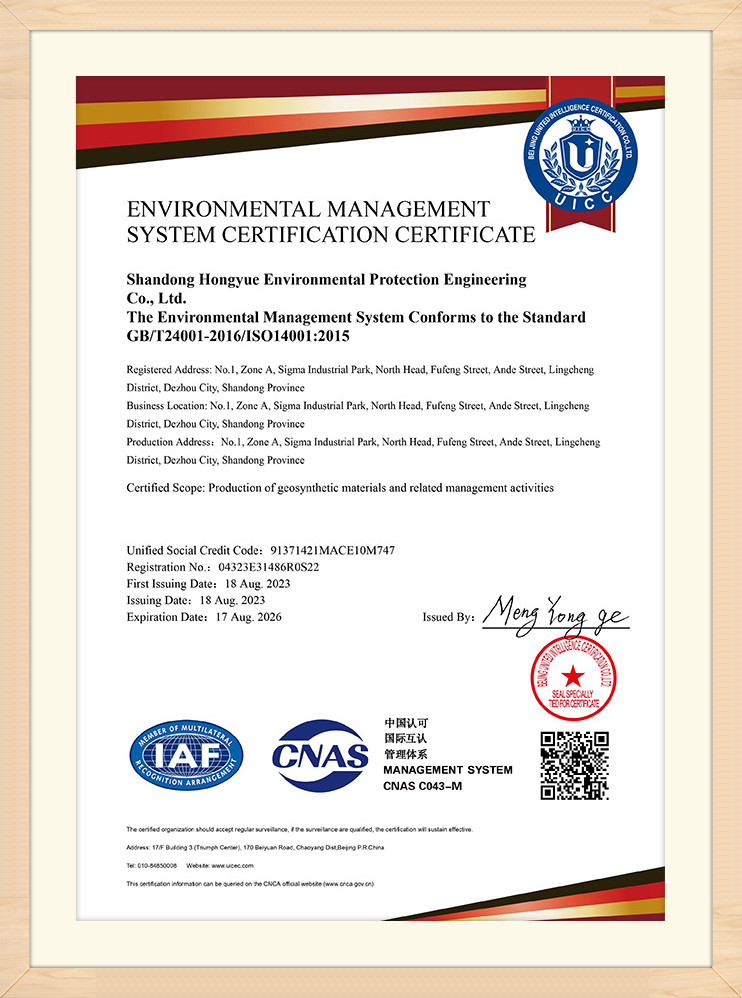
The company has successively passed the ISO9001 international quality system certification, ISO14000 environmental system certification, and ISO45001 occupational health and safety management system certification, and has won multiple honors such as "green and environmentally friendly building materials products", "no consumer complaints", "famous Chinese brands", "high-tech industries", "quality service double excellent units", and "provincial-level poverty alleviation leading enterprises".
Our testing facility monitors tensile strength, junction efficiency, carbon black dispersion, and UV aging resistance. Our products are exported to multiple countries, including Europe, the United States, and Australia. The products are widely used in key projects in various provinces and cities for applications in highways, railways, bridges, tunnels, reservoir and canal water conservancy, artificial lakes, environmental protection, aviation, mining, and agriculture.
We use testing equipment to verify that our products meet or exceed international standards, including ASTM and EN specifications. Our production process has passed certifications by the China National Testing Center, as well as national quality supervision and sampling inspections commissioned by the State Administration of Quality Supervision and Inspection.
Our engineering and technical staff have over ten years of field experience. The company has established local sales offices in major domestic and international hubs to assist project owners with material selection, construction design, and technical consultations.
The future of geogrid technology is driven by material science and smart monitoring. Traditional polymers are being enhanced through molecular modifications. Our R&D focuses on:
We are exploring the integration of fiber-optic sensor lines directly into the geogrid matrix. This allows the structural grid to act as an early-warning sensor network, reporting subgrade deformation, temperature changes, and internal stress buildup in real-time to a central monitoring system.
We are working to integrate post-consumer recycled polymers and bio-based plastics into non-structural ground grids, maintaining mechanical properties while reducing reliance on fossil resources.
We continue to optimize our polymer formulations to resist high-alkaline environments, acid sulfates, and chemical effluents, ensuring long-term durability in industrial applications.
 Hongyue