Engineered to optimize structural drainage, soil stabilization, and fluid barrier performance across critical infrastructure projects globally.
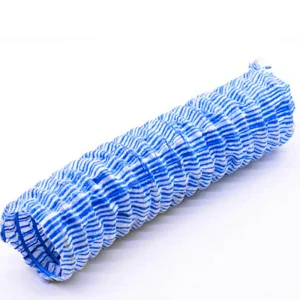
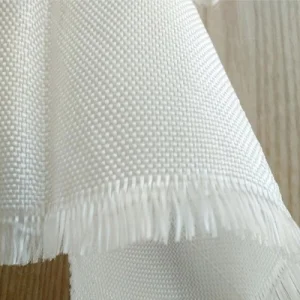
Modern civil and environmental engineering projects increasingly rely on engineered geosynthetics to resolve complex challenges involving hydrological management, mechanical soil stabilization, and chemical containment barriers. In the face of climate change, rising instances of extreme weather, and the expansion of urbanization into geologically challenging environments, conventional aggregate-based drainage systems (such as sand and gravel channels) are no longer sufficient or economically viable.
This whitepaper details the structural dynamics, material properties, and engineering methodologies defining the state-of-the-art in drainage and seepage control engineering. Grounded in the expertise of Shandong Hongyue Environmental Engineering Co., Ltd., a manufacturer with a registered capital of 105 million yuan, this document establishes a benchmark for evaluating geosynthetic drainage solutions for global infrastructure developers, municipal authorities, and EPC contractors.
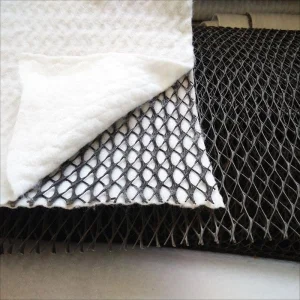
Utilizing high-performance drainage boards and composite nets drastically reduces the carbon footprint and high freight costs associated with aggregate transport. For instance, one truckload of composite geonets can replace up to 100 truckloads of natural drainage sand and gravel, reducing site logistics costs by up to 80%.
Shandong Hongyue operates under the rigorous frameworks of ISO9001, ISO14000, and ISO45001. By deploying state-of-the-art Italian and German production lines, our products consistently meet or exceed international standards evaluated by the China National Testing Center.
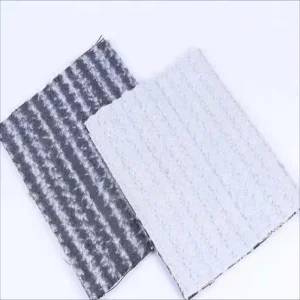
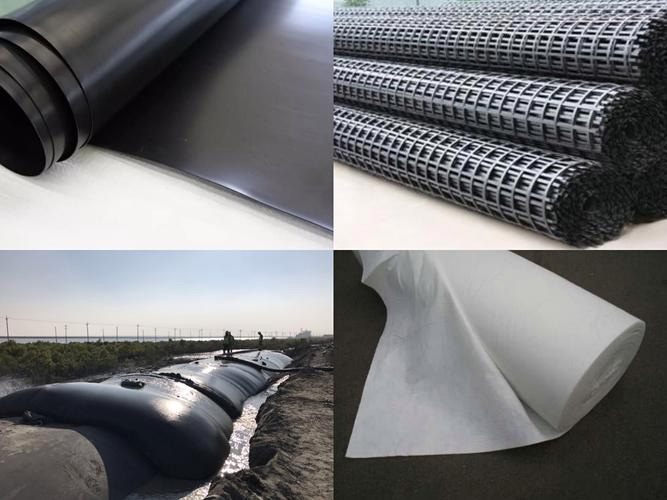
From custom geomembranes (HDPE/LLDPE) to composite drainage nets, bentonite waterproof blankets (GCL), cement blankets, and geogrids, Shandong Hongyue provides integrated solution designs engineered for high chemical resistance and mechanical durability.
The global dominance of China-based manufacturers in the geosynthetics sector is not merely a matter of scale, but a result of deep supply-chain integration, technological clustering, and massive investments in raw material chemistry. Based in Dezhou, Shandong Province—widely recognized as the "Geotextile Capital of China"—Shandong Hongyue capitalizes on these core competitive advantages to deliver exceptional value:
Proximity to key petrochemical refineries allows for direct pipeline and bulk freight access to high-grade polymer resins (Polypropylene, Polyethylene, and Polyester chips). This keeps chemical raw material costs low and stable, shielding our international clients from global raw material price volatility.
Our manufacturing lines employ high-capacity flat-die extrusion and multi-layer blown film technologies. High-precision automated thickness controllers scan real-time extrusion processes, ensuring that geomembranes achieve a consistent thickness tolerance within ±3%—well within ASTM D5199 standards.
Located near major arterial expressways and within quick container transit distance to Qingdao Port, Shandong Hongyue ensures that large-scale bulk orders are loaded, customs-cleared, and shipped on schedule. Our logistics network maintains seamless operations for large-scale international projects.
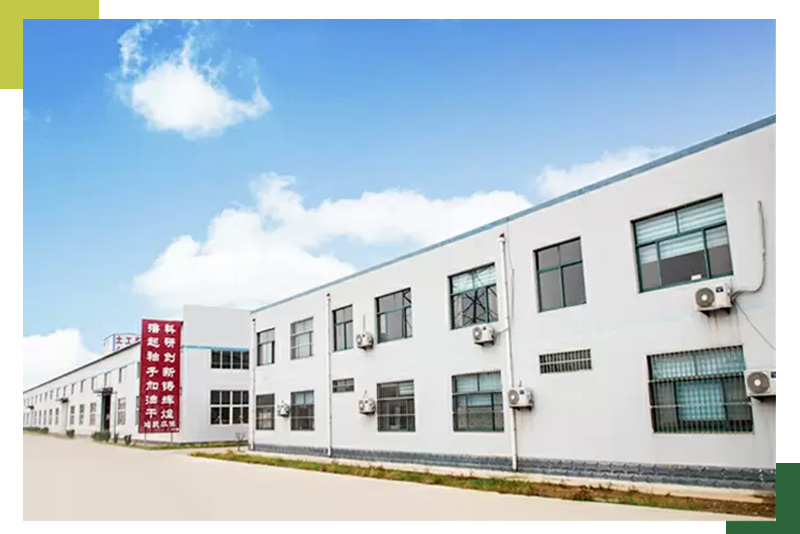
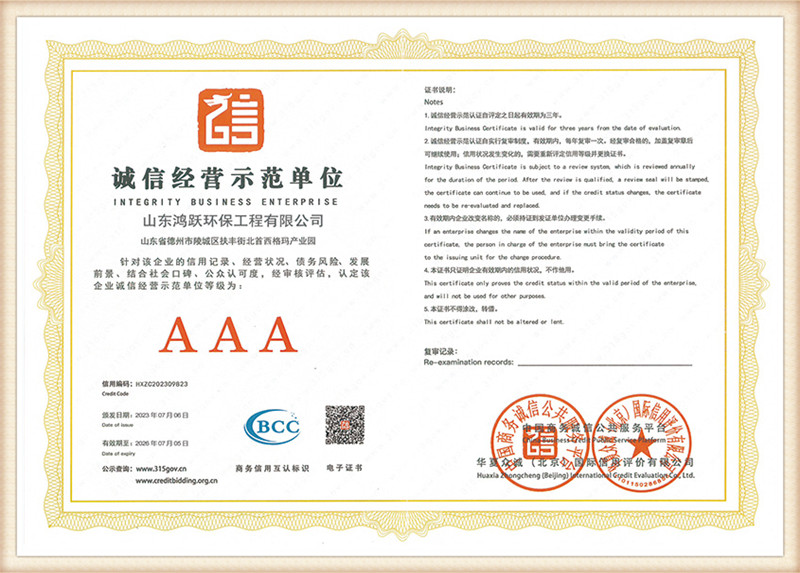
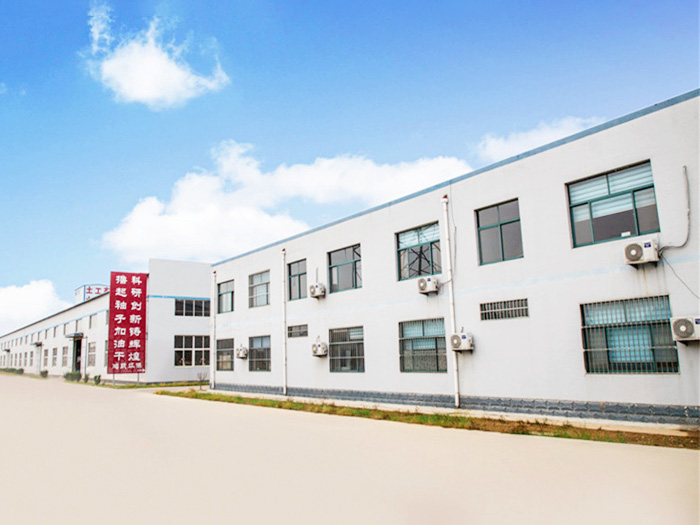
A visual tour inside Shandong Hongyue Environmental Engineering Co., Ltd., demonstrating structural scale, advanced equipment, and national certification audits.
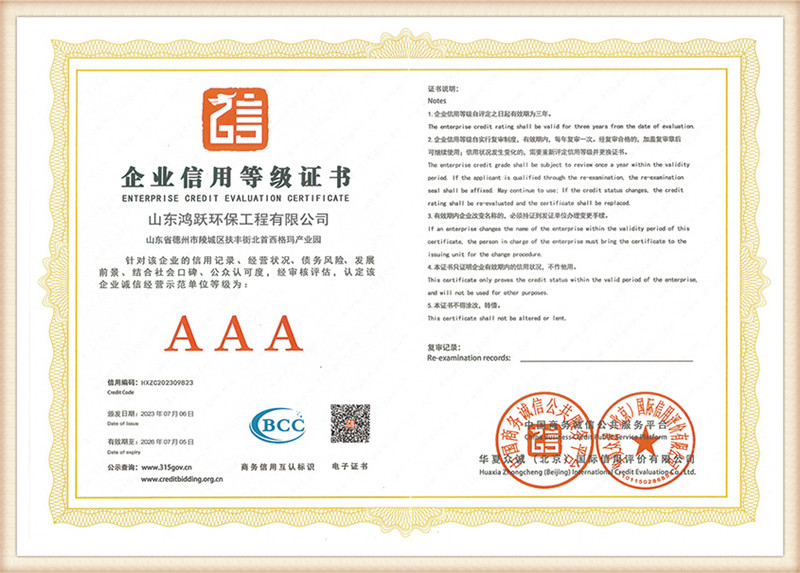
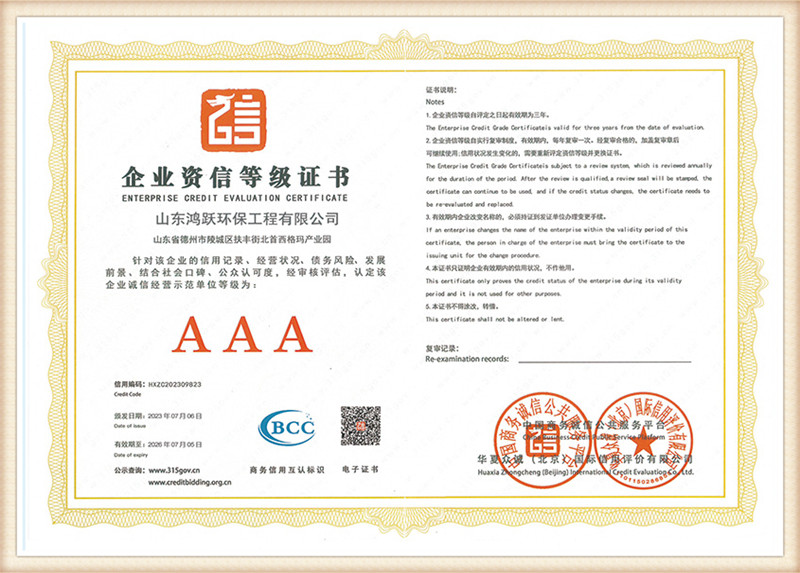
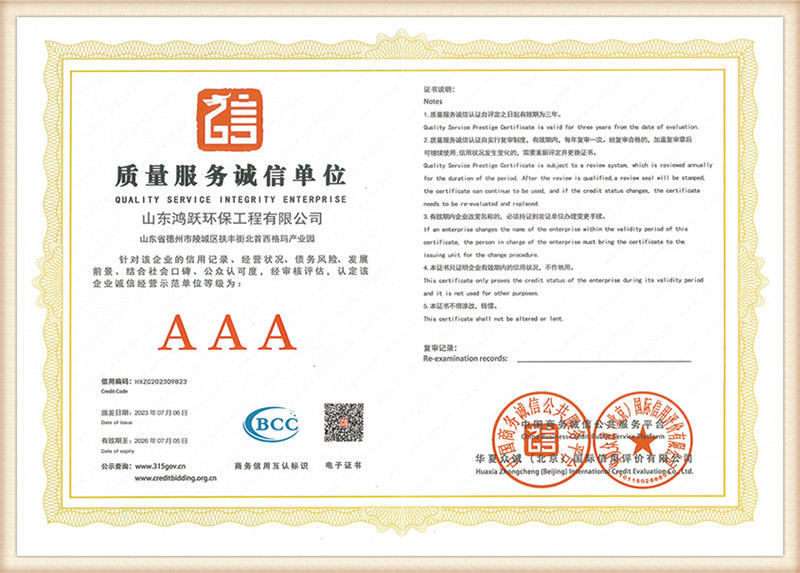
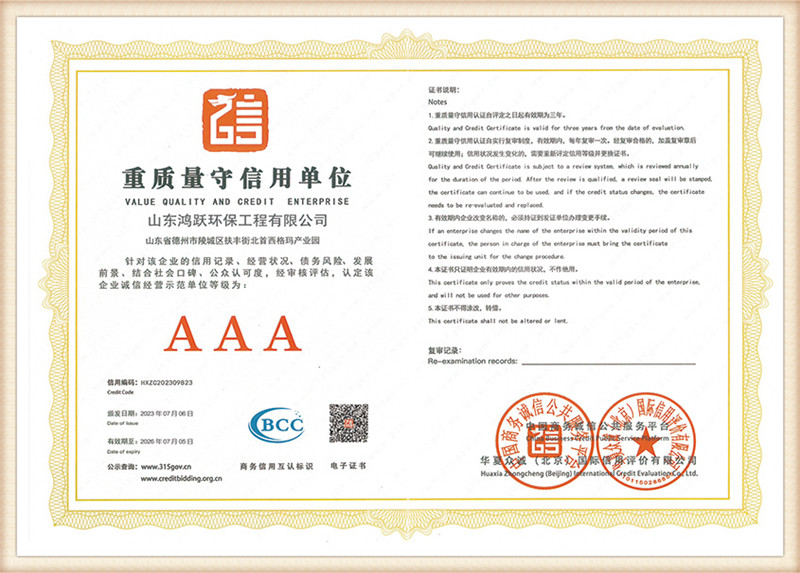
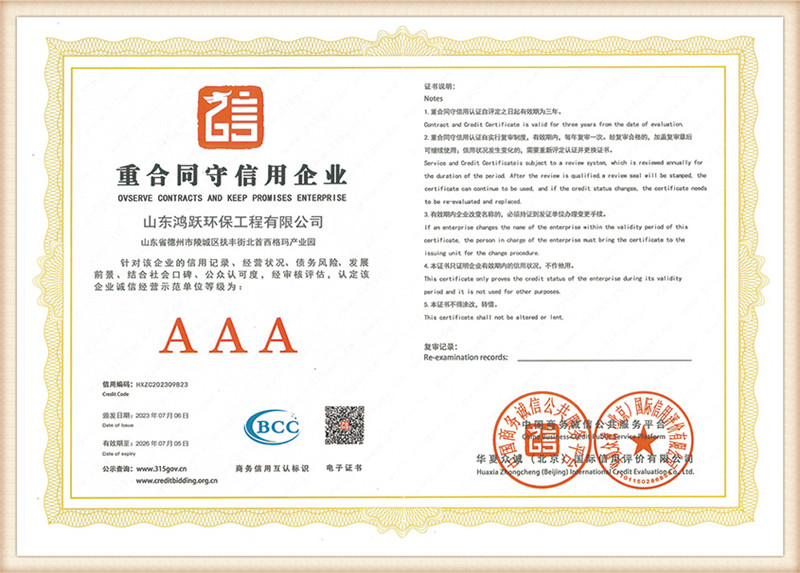
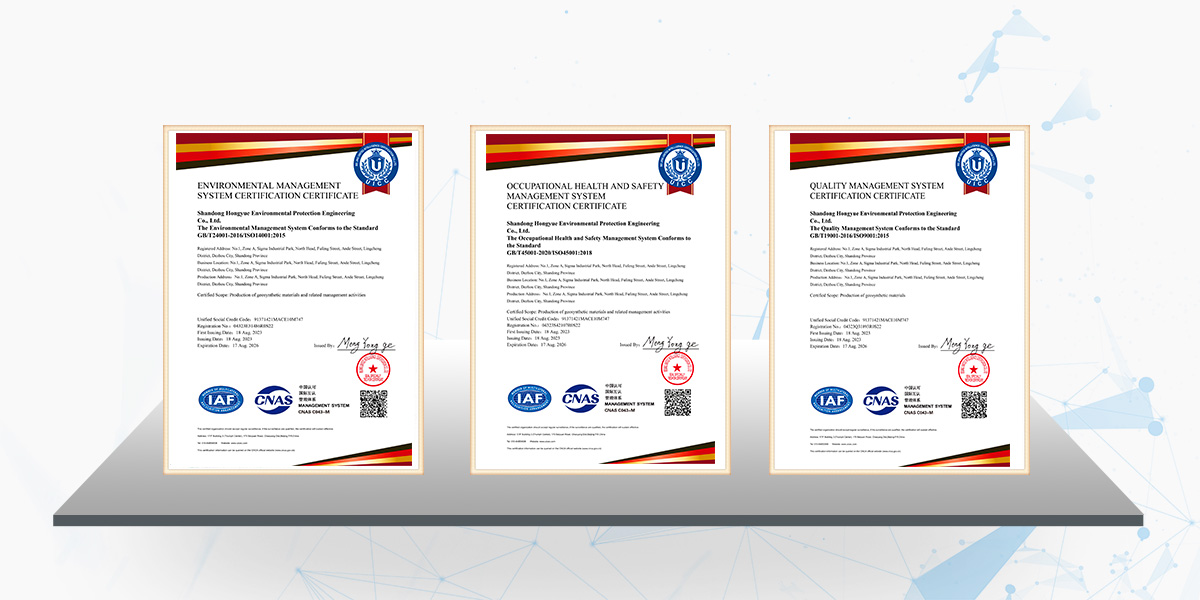
To deliver true E-E-A-T reliability, geosynthetic materials must undergo strict quality engineering from polymer feedstock to high-performance sheets. Our manufacturing systems are audited and certified to ensure extreme durability, tear resistance, and hydraulic flow coefficients.
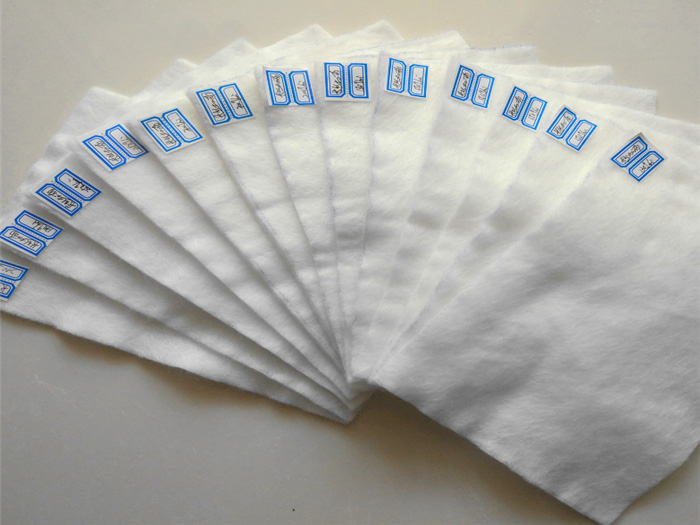
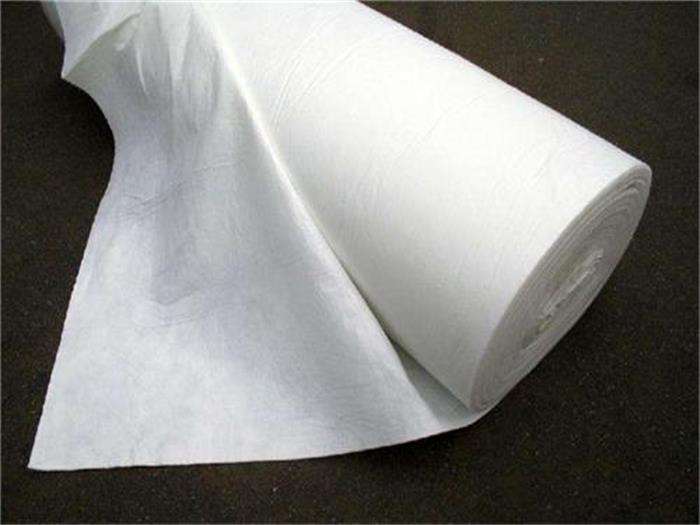
Utilizing high-purity virgin polyester chips (PET) or polypropylene (PP) filaments, our process begins with high-temperature melt extrusion. The molten polymer is forced through micro-spinnerets to form continuous fibers. These fibers are laid dynamically in a controlled pattern on a web-conveyor, creating a uniform, multi-directional network.
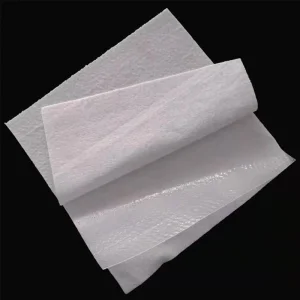
The raw web then undergoes mechanical bonding via needle-punching, where thousands of barbed needles interlock the fibers. For reinforcing geotextiles, thermal bonding (calendering) is applied to optimize tensile strength, maintaining the necessary pore size distribution for optimal soil filtration.
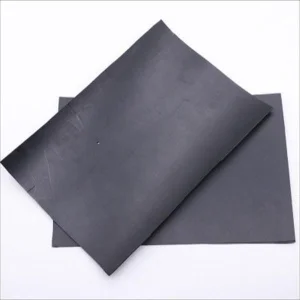
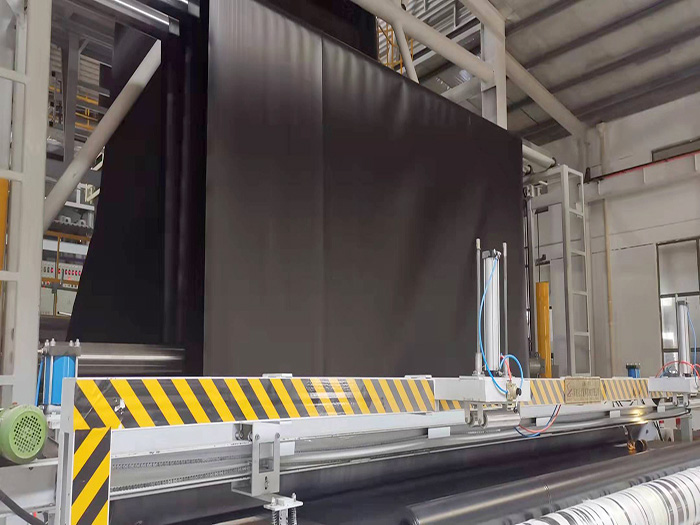
Our geomembranes are manufactured using high-density polyethylene (HDPE) or linear low-density polyethylene (LLDPE) blended with carbon black (2-3%), antioxidants, and UV stabilizers. The mixture is extruded through a circular die and blown into a multi-story cooling tower, or processed via flat-die calendering to produce textured or smooth surfaces.
Textured surfaces are critical for slope stability, providing high interface friction angles against non-woven geotextiles or native soils. Thickness parameters are monitored inline by automatic non-contact sensors to prevent thin spots, guaranteeing chemical resistance and impermeability.
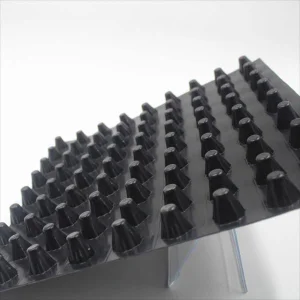
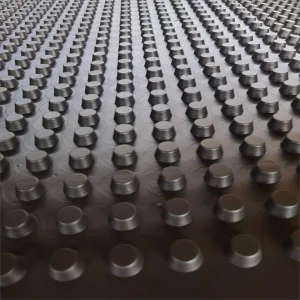
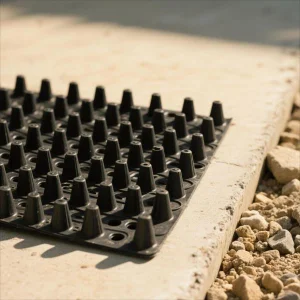
For high-capacity subterranean drainage, sheet-type and dimpled plastic drainage boards are extruded from impact-resistant polystyrene (HIPS) or high-density polyethylene (HDPE). The sheets are calendered to create regular dimpled patterns (ranging from 8mm to 30mm height), which function as structural water collection channels.
An inline lamination process thermally fuses a non-woven geotextile filter fabric onto the flat tips of the dimpled core. This geotextile permits water to pass while filtering out fine soil particles, preventing soil intrusion from clogging the core's flow paths.
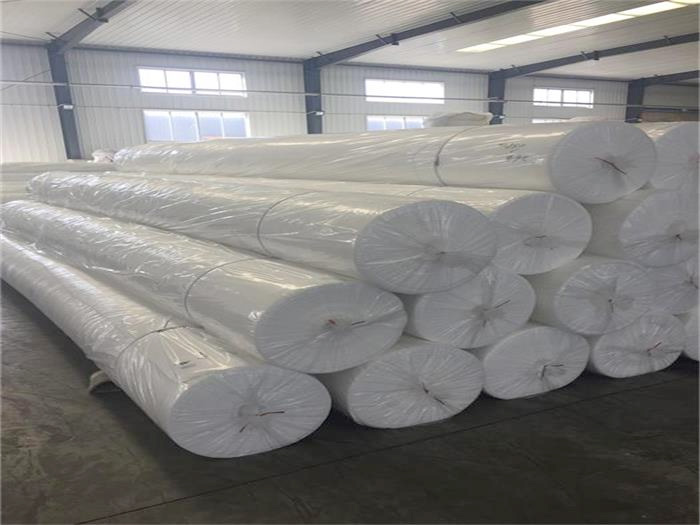
Our plant spans advanced manufacturing zones configured for high-capacity production, continuous quality assurance, and automated loading operations.
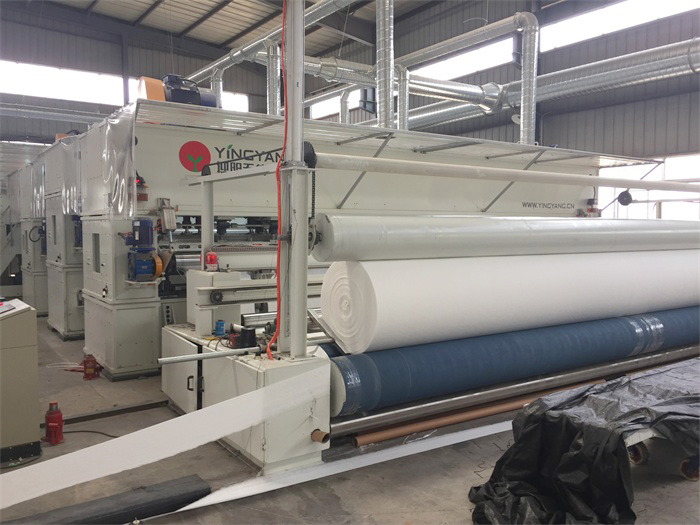
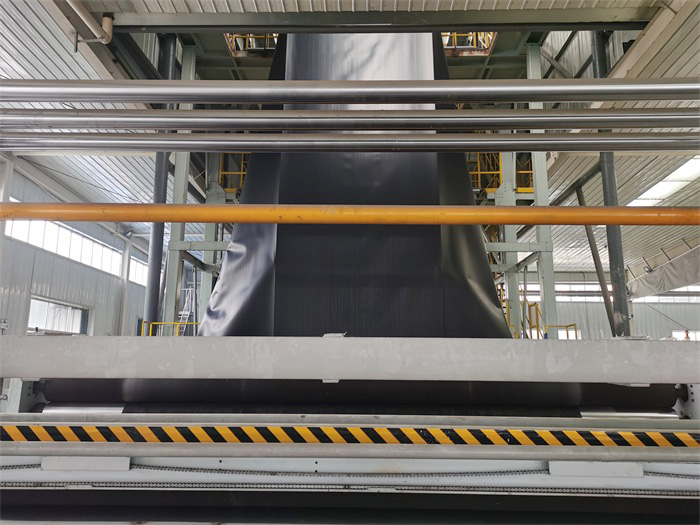
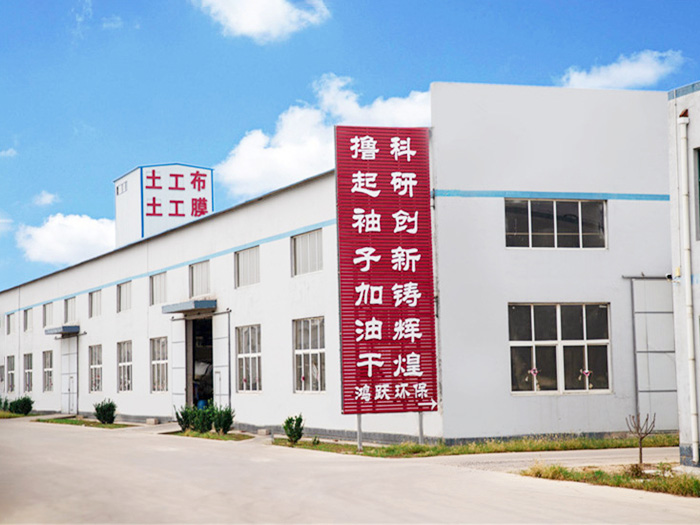
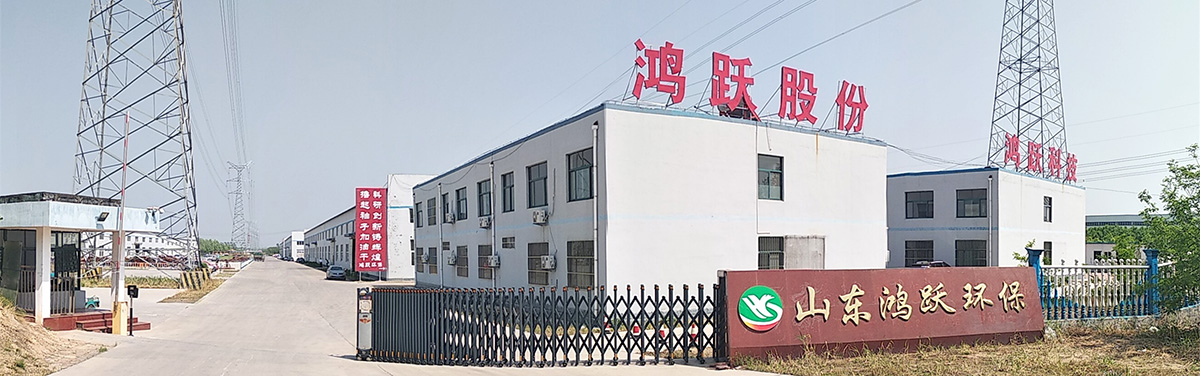
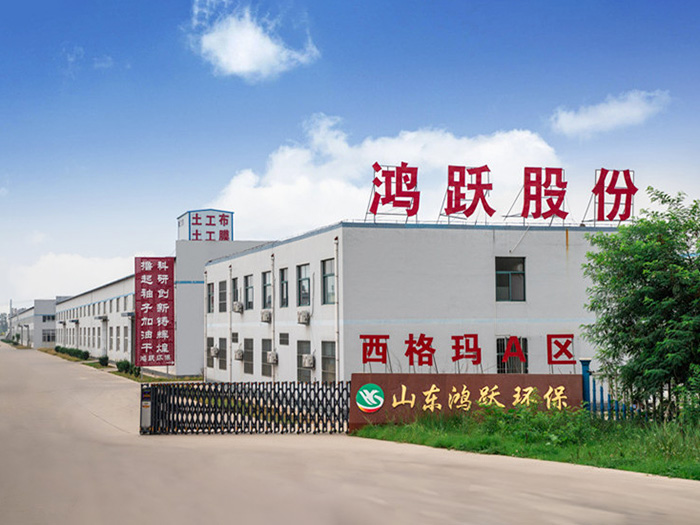
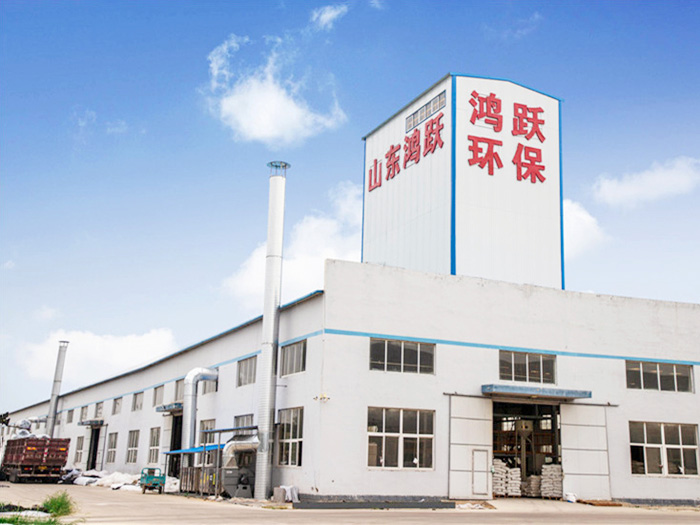
Shandong Hongyue designs integrated geosynthetic configurations for critical civil infrastructure, municipal projects, and containment barriers.
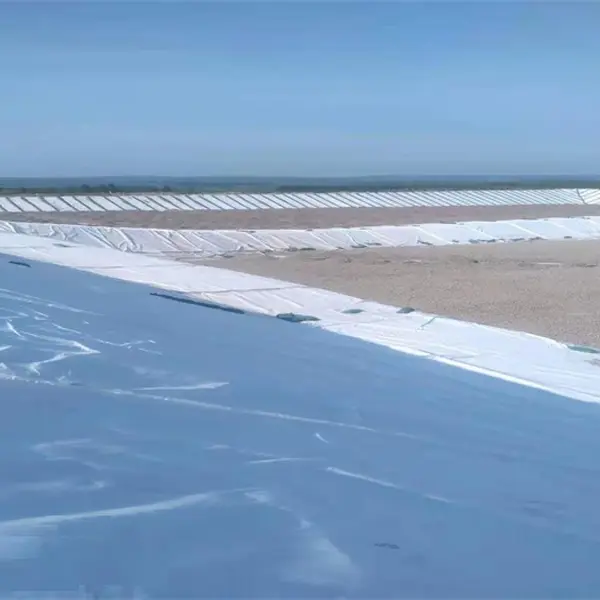
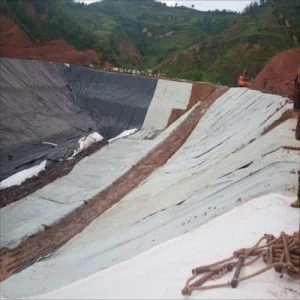
Combining high-strength composite geomembranes with needle-punched geotextiles to protect dams, canals, and reservoirs from water loss and internal soil piping.
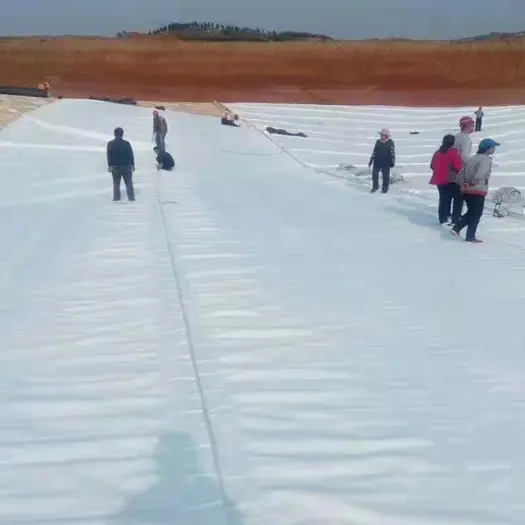
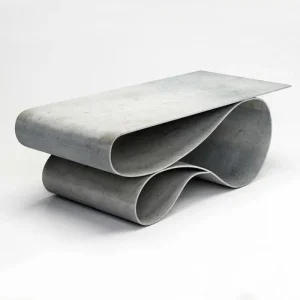
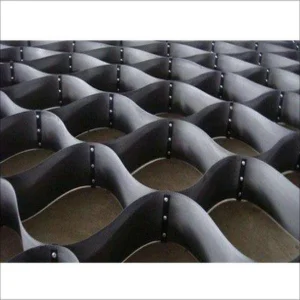
Applying flexible concrete canvas and structured geocells to reinforce canal beds and prevent erosion under high-velocity water flows.
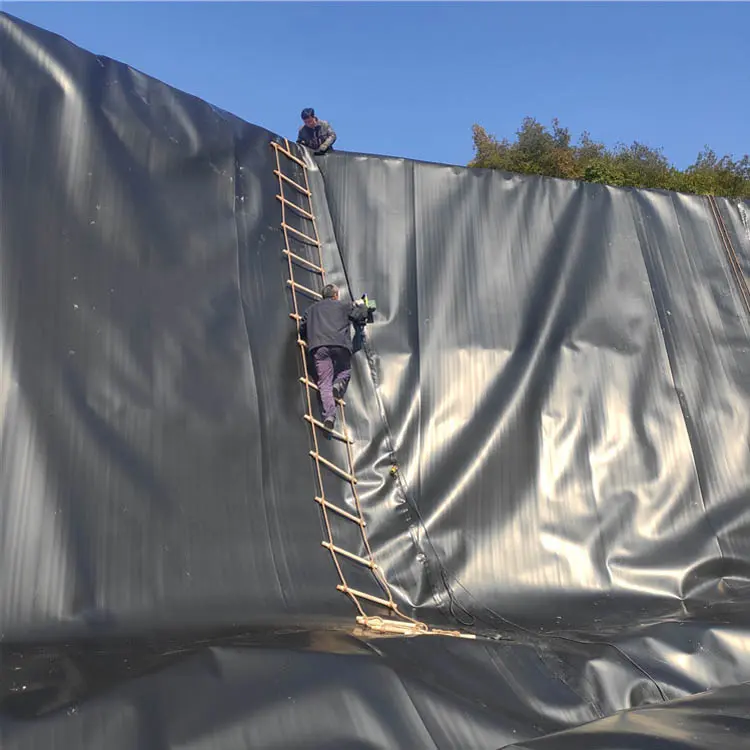
Multi-layered barrier systems consisting of bentonite GCLs, LLDPE geomembranes, and 3D composite geonets to collect leachate and safeguard local groundwater.
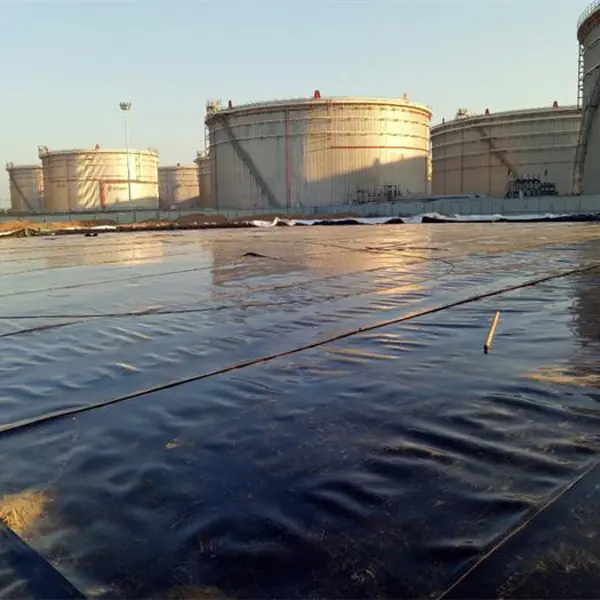
Secondary containment systems featuring chemical-resistant HDPE geomembranes to prevent chemical and petroleum leakage from contaminating underlying soils.
Underground structures face continuous hydrostatic pressure from surrounding soils. Without adequate drainage pathways, hydrostatic head build-up can cause cracks and severe water ingress. Implementing dimpled sheet-type plastic drainage boards creates an air-gap and dynamic flow channel behind structural walls.
Water filtering through the soil is captured by the non-woven geotextile layer and directed downward to perimeter foundation drains, keeping concrete walls dry and reducing the load on secondary waterproofing membranes.
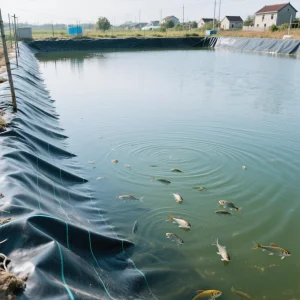
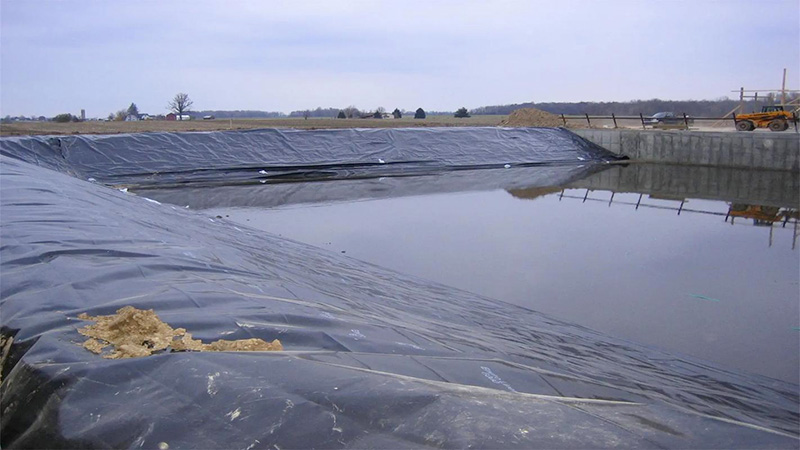
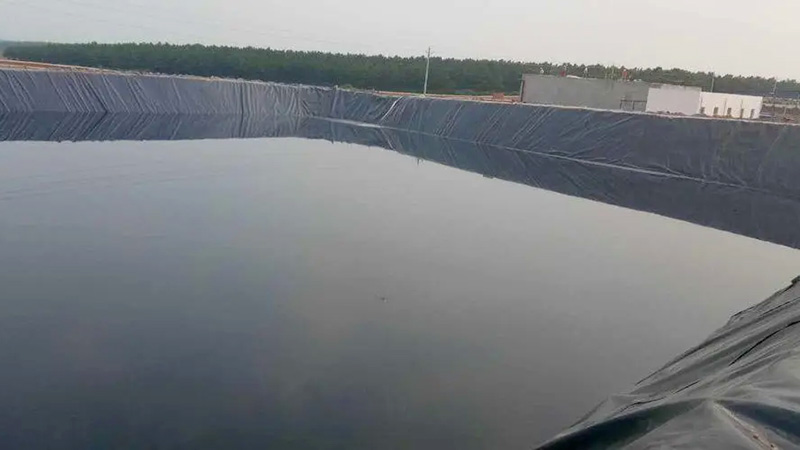
Agricultural reservoirs, municipal water storage facilities, and earth-fill dams rely on reliable anti-seepage linings. A customized LLDPE or HDPE geomembrane barrier prevents water loss through subgrade soils.
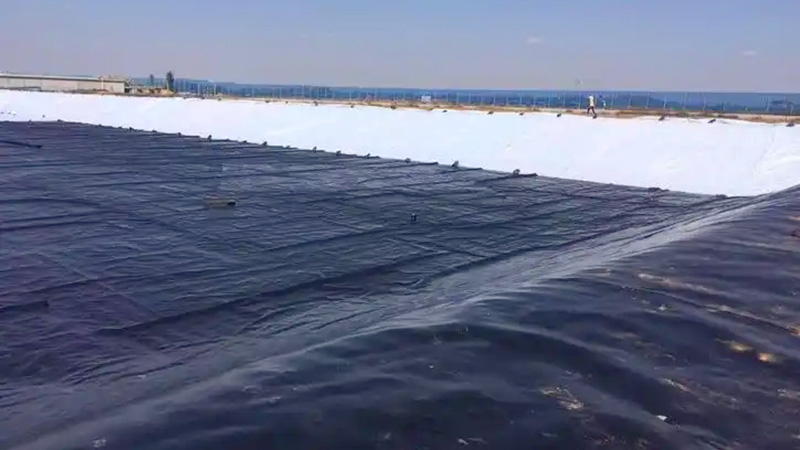
Using composite geomembranes with integrated geotextile layers protects the core liner from puncture by underlying gravel or rock outcroppings, ensuring long-term structural integrity.
In cold-climate regions, moisture trapped in road base layers can freeze and expand, leading to frost heave and pavement damage. During warmer periods, this trapped moisture softens the subgrade, causing cracks and potholes.
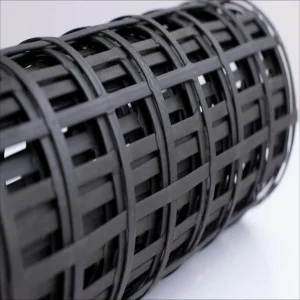
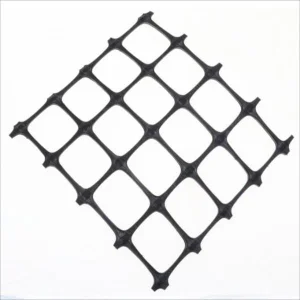
Utilizing 3D composite drainage geonets provides high-capacity drainage that quickly drains subgrade water. Additionally, high-strength plastic geogrids reinforce the aggregate, stabilizing base soils and extending the service life of highways.
The global geosynthetics market is transitioning toward sustainable, high-performance materials. Key industry trends include:
Every square meter of geosynthetics shipped by Shandong Hongyue undergoes meticulous laboratory and field quality control inspections.
Our quality control laboratory operates in compliance with international Geosynthetic Research Institute (GRI) specifications. For HDPE/LLDPE membranes, testing covers mechanical density (ASTM D1505), tensile properties (ASTM D6693), tear resistance (ASTM D1004), puncture resistance (ASTM D4833), and Carbon Black Dispersion (ASTM D5596).
Our 3D composite drainage geonets and geotextiles undergo rigorous hydraulic testing. Using constant-head permeameters, our engineers evaluate the cross-plane water permeability (ASTM D4491) and the in-plane hydraulic transmissivity (ASTM D4716) under simulated high compressive loads up to 200 kPa.
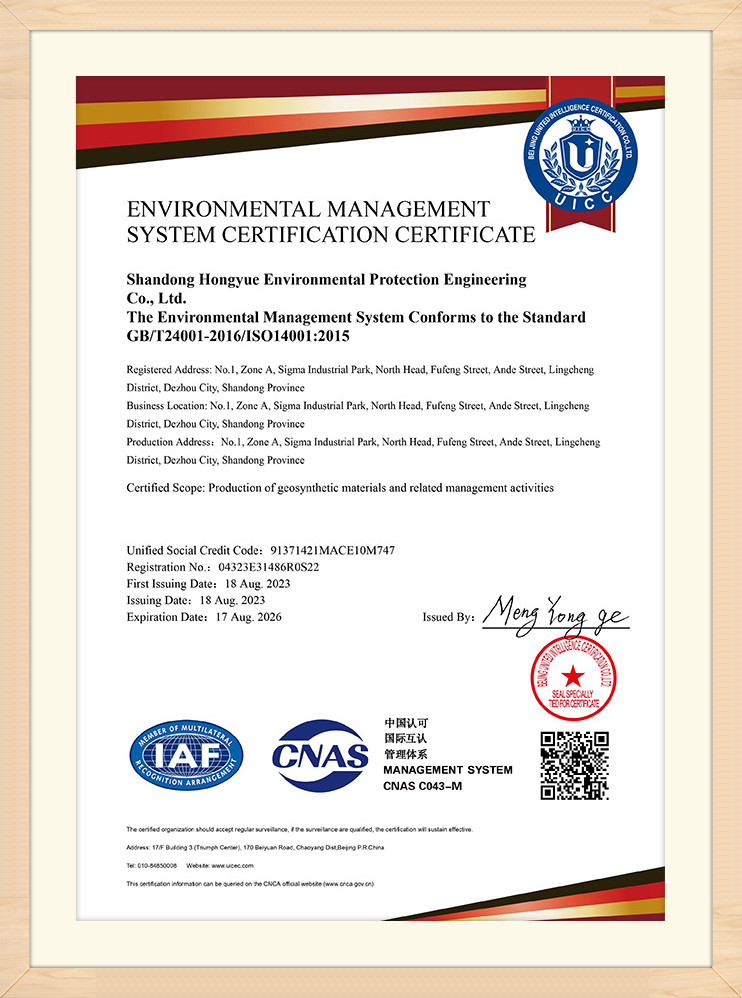
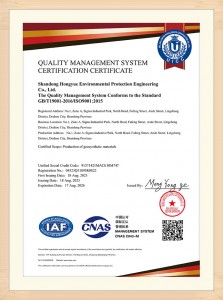
We hold certifications including ISO9001:2015, ISO14001:2015, and ISO45001:2018. The company has won multiple honors such as "green and environmentally friendly building materials products", "no consumer complaints", "famous Chinese brands", and "provincial-level poverty alleviation leading enterprises".
Reviewing standard installation and subgrade preparation practices for hydraulic structures, reservoirs, and channel linings.
Practical answers to common design, selection, and installation questions regarding drainage and waterproofing composites.
Discover our range of advanced geosynthetics, from custom-textured geomembranes to self-adhesive drainage boards and high-strength geogrids.
 Hongyue