In modern civil engineering, infrastructure projects demand rapid construction times, decreased environmental footprints, and extreme structural durability. Traditionally, lining channels, stabilizing slopes, and managing erosion required massive amounts of structural concrete mixing, transporting, pouring, and reinforcement. This traditional pipeline is not only labor-intensive but is heavily constrained by site accessibility, weather conditions, and carbon emissions limitations.
Concrete Cloth, also widely classified as Geosynthetic Cementitious Composite Mats (GCCMs) or Glass Fiber Cement Blankets, has revolutionized this landscape. By incorporating a dry, proprietary cement mixture within a three-dimensional fiber matrix, bound between a porous geotextile top layer and an impermeable geomembrane backing, it allows for "concrete on a roll". When hydrated, this composite layer hardens rapidly to form a durable, water-resistant, and fire-resistant concrete shell. The implications for municipal drainage networks, railway subgrades, highway embankments, and hazardous containment bunds are profound. It minimizes heavy machinery dependencies, cuts installation timelines by up to 90%, and lowers structural carbon footprint by up to 80% compared to traditional concrete lining techniques.
The global demand for high-strength GCCMs is rising exponentially. From managing agricultural water channel seepage in drought-prone regions to defending critical mining operations in South America, the global industry recognizes the immense value of rapidly deployable geosynthetics. High-efficiency manufacturing processes enable suppliers to distribute these materials globally, ensuring consistent compliance with rigorous performance metrics, including compressive strength, flexural rigidity, and hydraulic impermeability.
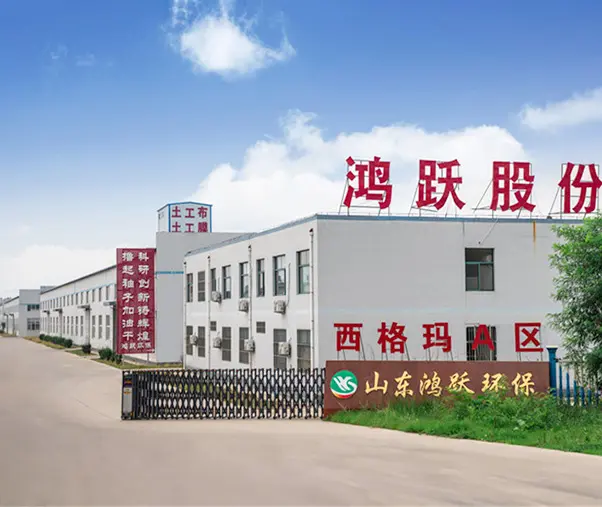
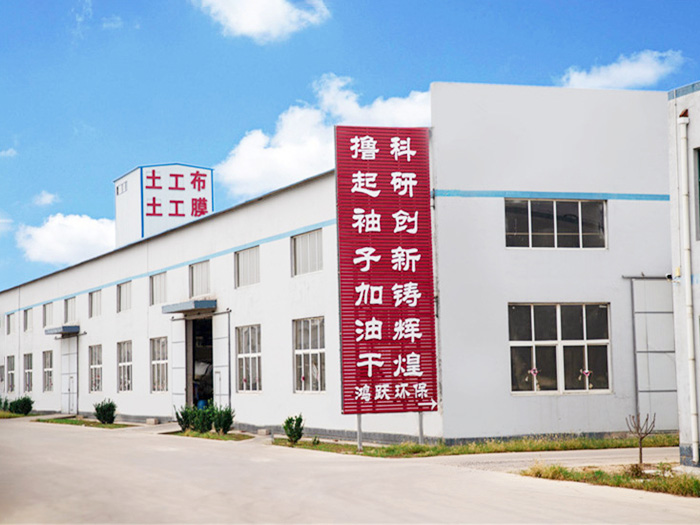
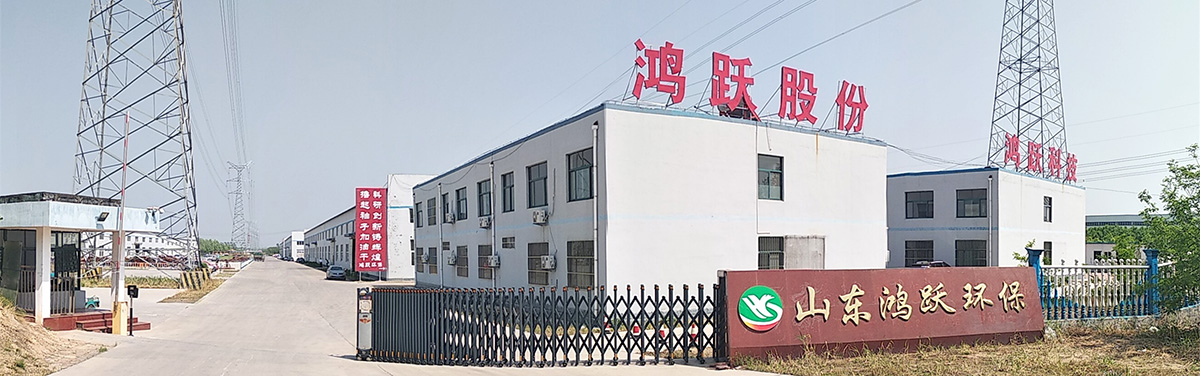
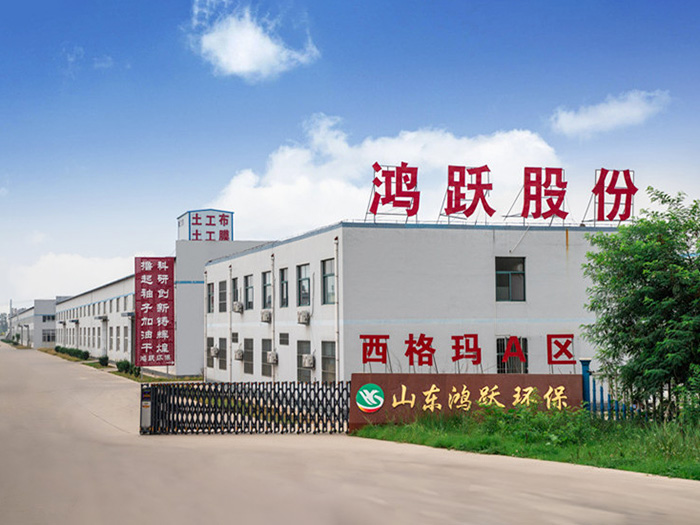
Shandong Hongyue Environmental Engineering Co., Ltd., located at the north end of Fufeng Street, Lingcheng District, Dezhou, Shandong Province, stands as a premier scientific and technological geotechnical material manufacturer. By integrating engineering material production, sales, design, and construction services under a single corporate umbrella, the company addresses the dynamic demands of the global market. Boasting a registered capital of 105 million yuan and situated within one of the largest production bases of geotechnical materials in China, our logistical advantages ensure seamless supply chains for global and domestic construction projects alike.
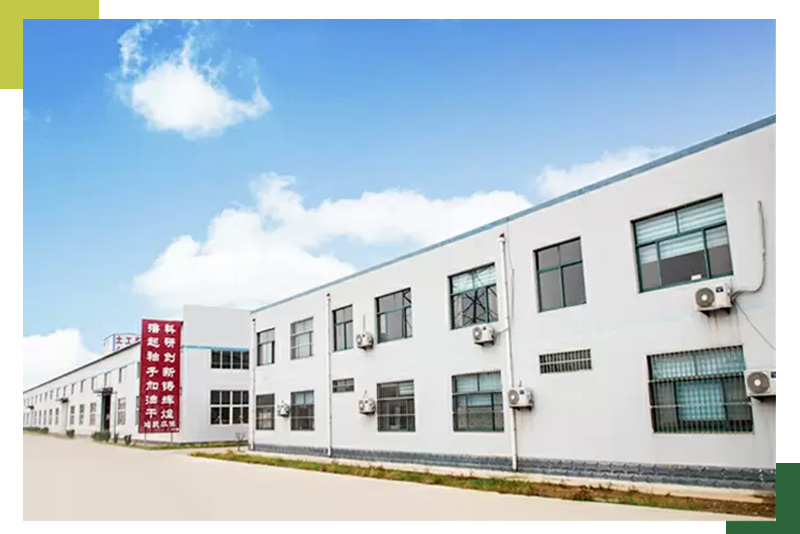
Since our registration on April 6, 2023, by the Lingcheng District Market Supervision and Administration Bureau of Dezhou City, Shandong Hongyue Environmental Engineering Co., Ltd. has developed rapidly. Our business continuously expands to meet industrial and environmental requirements. We belong to the prestigious Dezhou Geotextile Association, anchoring our reputation in local craftsmanship and global standard execution.
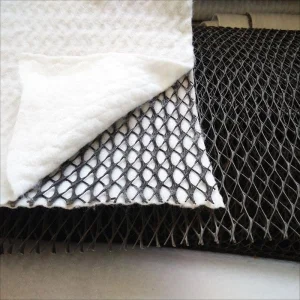
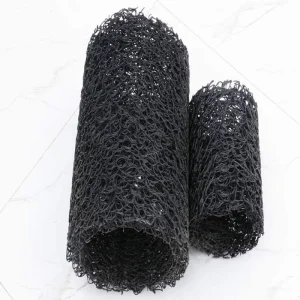
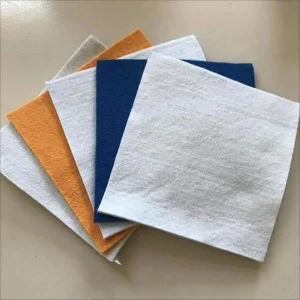
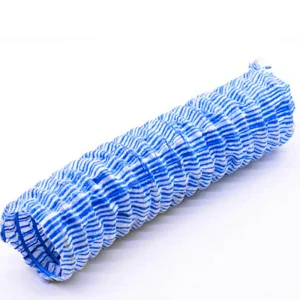
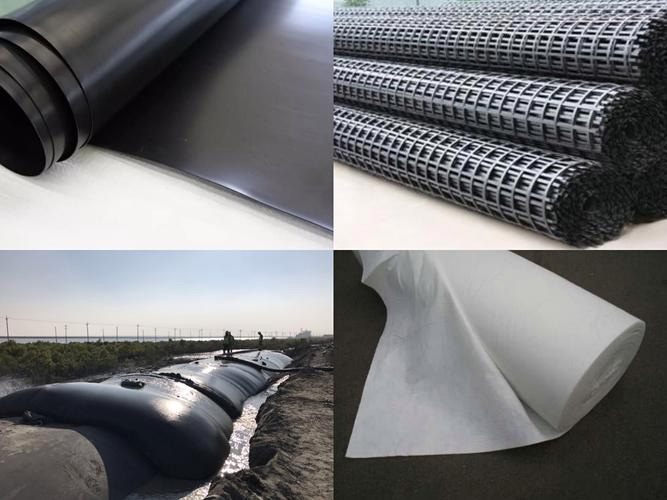
Our expansive product portfolio encompasses high-performance geotextiles, geomembranes, composite geomembranes, waterproof boards, bentonite waterproof blankets (GCL), 3D composite drainage nets, (composite) drainage boards, woven fabrics, membrane bags, blind ditches, waterproof-drainage combinations, ecological bags, cement blankets (Concrete Cloth), fiber plant blankets, and flexible pervious pipes. With a professional sales and technical team, our solutions are extensively integrated into national and international infrastructure projects, including high-speed railways, trans-national highways, municipal reservoir canals, oil refinery tank farms, and environmental landfill containment facilities.
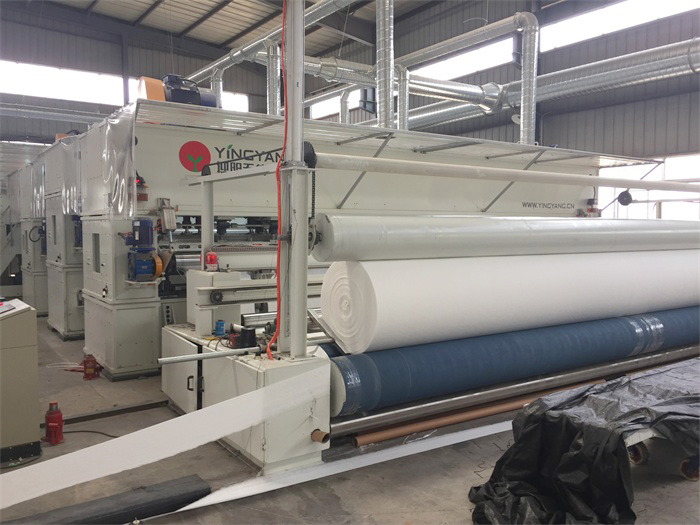
Understanding the rigorous industrial science behind geotechnical engineering is critical to selecting the right supplier. Quality is not accidental; it is engineered through controlled processing, precise mechanical parameters, and persistent quality inspections. Below is the systematic breakdown of our modern production line for structural geotextiles, which forms the substrate of composite materials like Concrete Cloth and composite geomembranes.
Our raw materials include premium polyester chips, polypropylene filament, and high-tenacity viscose fibers. These are inspected to ensure optimal tensile strength, UV resistance, and chemical compatibility prior to feed-in.
Polyester slices are melted at high temperatures and extruded through precision screw extruders. Polypropylene filament and viscose fibers are mixed in a molten state under strictly regulated temperature and pressure limits.
The molten mix is processed through dynamic spinnerets to form fine fiber strands, which distribute uniformly across conveyor systems. Fiber orientation and density are controlled to maximize multidirectional tensile strength.
The loose web passes through mechanical needle punching and draft curing zones. This interlocks the fibers, determining the final structural thickness, puncture resistance, and hydraulic permeability.
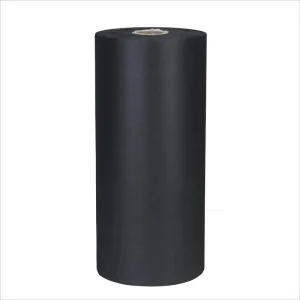
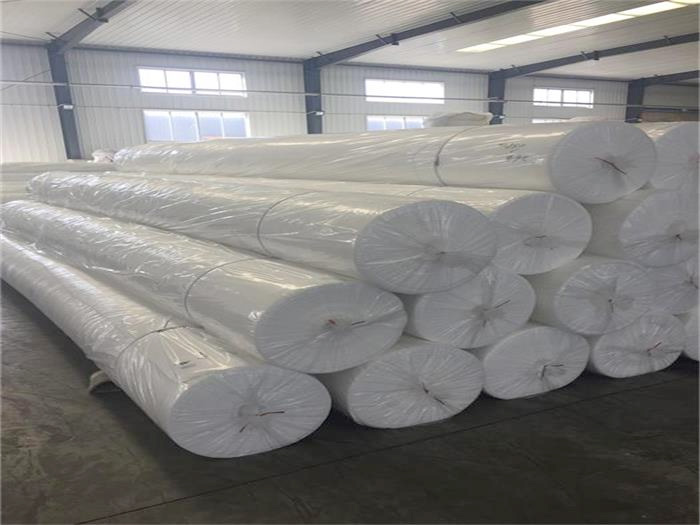
Post-cured geotextiles are rolled using automated wrapping systems. Width, length, and weight are measured to verify that each roll aligns with technical project requirements.
Every single batch undergoes testing for physical properties (mass per unit area, thickness, tensile strength, elongation), chemical stability, and puncture resistance. Only fully verified rolls are cleared for distribution.
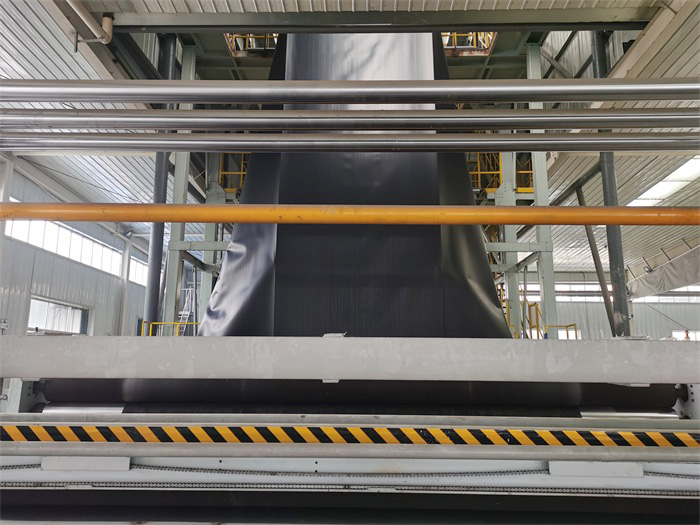
Our manufacturing facility utilizes high-speed automated extrusion lines, heavy-duty needle-punch looms, and precision thermal bonding machines to maintain consistent quality across all production cycles.
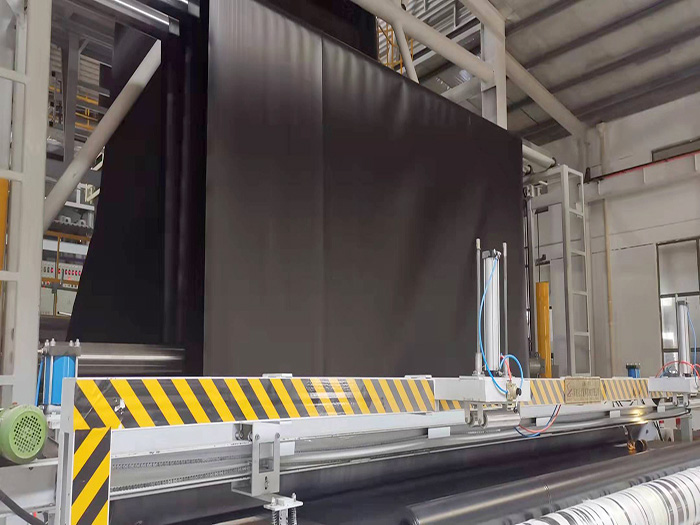
For large-scale anti-seepage projects, geomembranes are critical hydraulic barriers. Correct material selection, substrate preparation, joint welding, and maintenance protocols determine the lifecycle of the system.
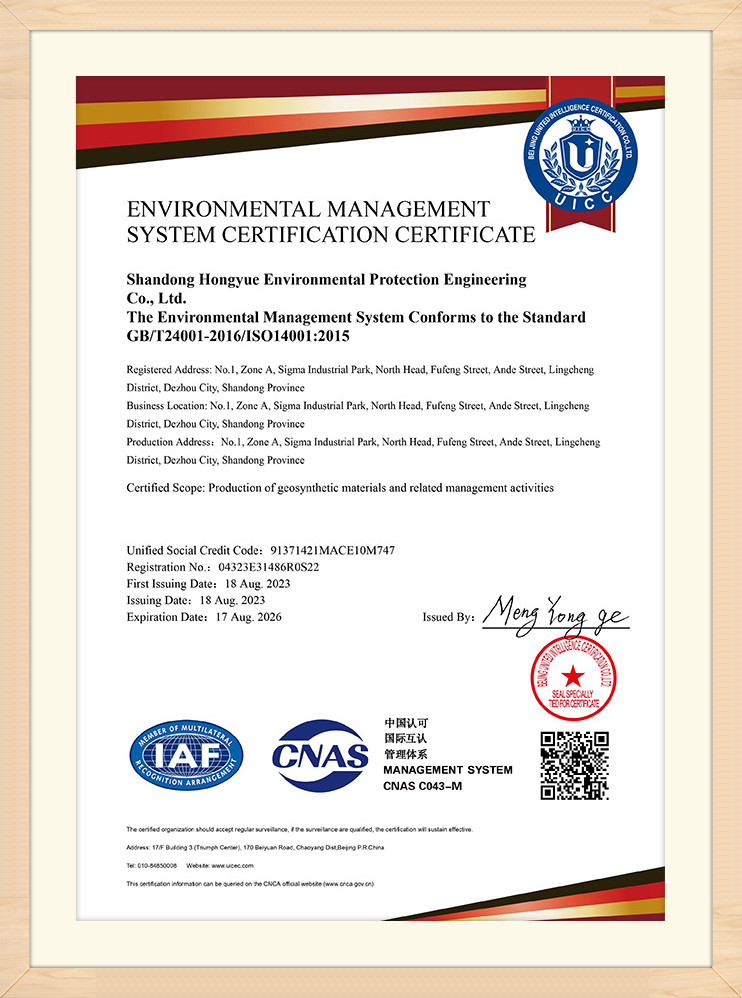
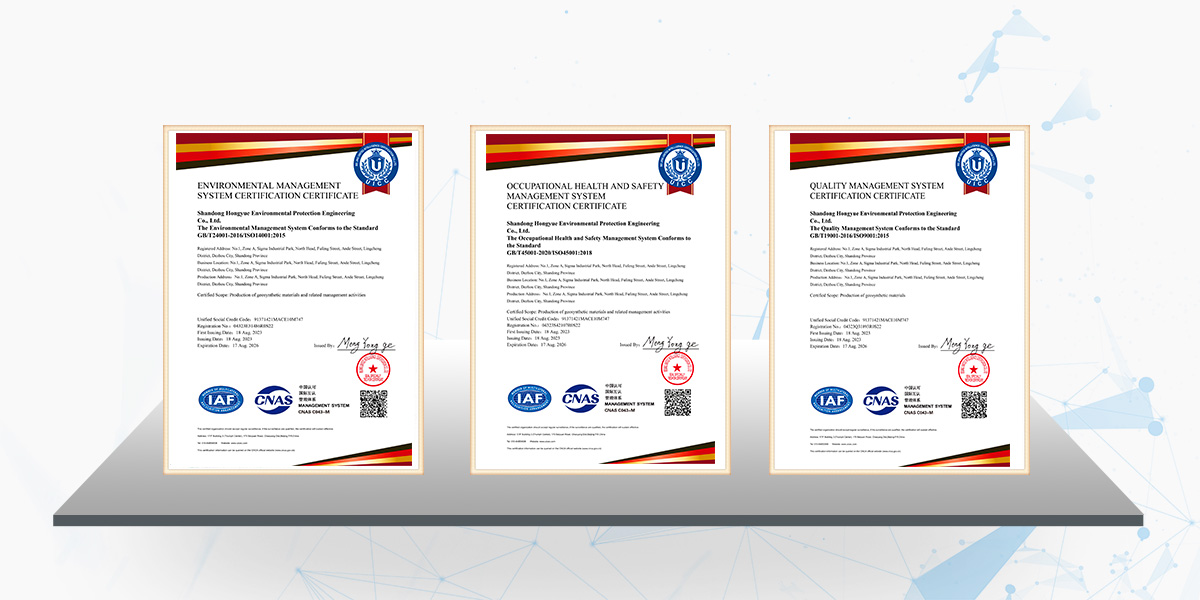
Quality and reliability form the foundation of our engineering services. Shandong Hongyue Environmental Engineering Co., Ltd. has established a comprehensive, scientific quality control system. We have successfully obtained the following certifications:
Our products comply with standard testing protocols and have passed evaluations by the China National Testing Center, as well as national quality supervision inspections. We have received honors including "Green and Environmentally Friendly Building Materials Products", "China Famous Brand", "High-Tech Industry", and "Provincial-Level Poverty Alleviation Leading Enterprise".
Modern geotechnical design utilizes multi-layered geosynthetic composite systems. By combining geomembranes, geotextiles, geogrids, and drainage networks, engineers create robust barriers that perform under load, control erosion, and regulate water flow. Below are key applications for our products:
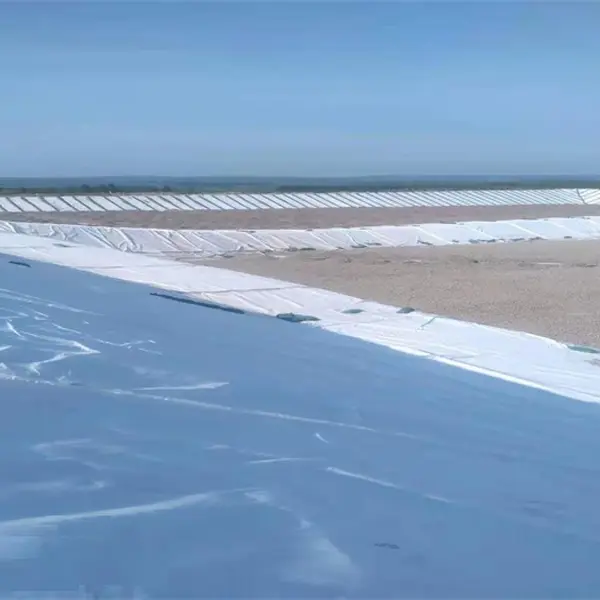
Providing durable water barriers for dams, large reservoirs, and municipal headworks.
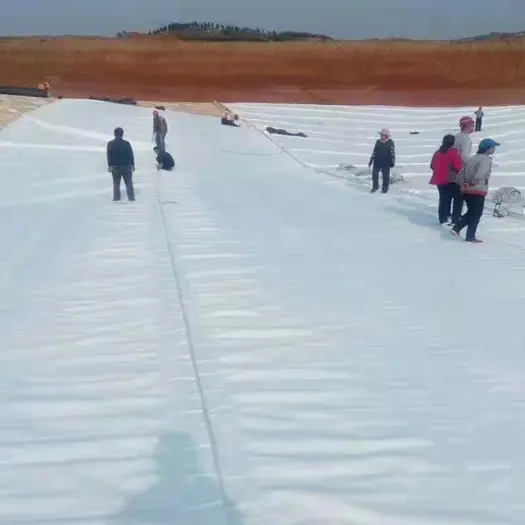
Preventing channel bank erosion and water loss in irrigation systems.
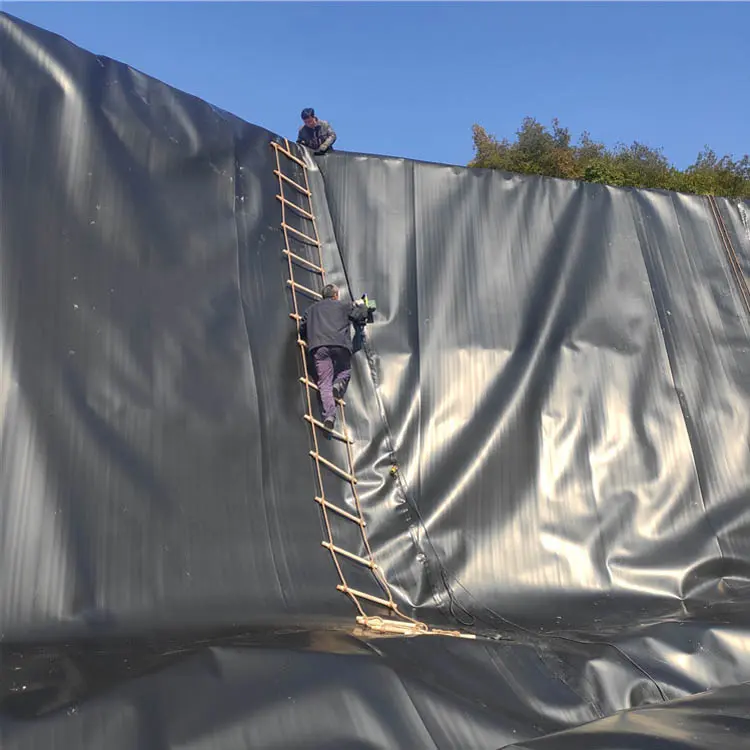
Lining landfill cells to contain leachate and prevent groundwater contamination.
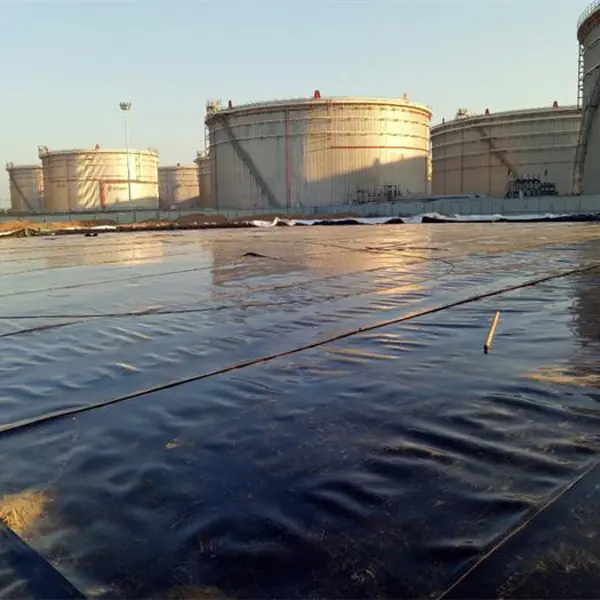
Secondary containment barriers under petrochemical tank farms to prevent soil contamination.
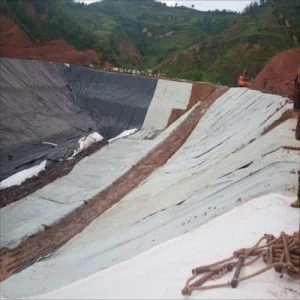
Reservoirs and agricultural irrigation canals are susceptible to water loss through subgrade seepage. Traditional earthen channel beds allow significant volumes of water to escape back into the ground before reaching their destination. Lining these structures with Concrete Cloth or a composite geomembrane system seals the channel bed. Concrete Cloth can be unrolled along the canal profile, anchored at the crests, and hydrated. This creates a hard, durable flume that resists erosion and prevents weed growth, maintaining optimal water flow.
River dikes and flood protection embankments must withstand constant water currents, particularly during seasonal floods. If left unprotected, scouring can undermine structural foundations, leading to failure. By deploying concrete-infused blankets and geomembranes over scour-prone zones, engineers protect the underlying soil from hydraulic forces. Geomembranes prevent water penetration that could weaken the internal cohesion of the dike, while Concrete Cloth provides a durable protective armor against mechanical damage, debris impacts, and wave action.
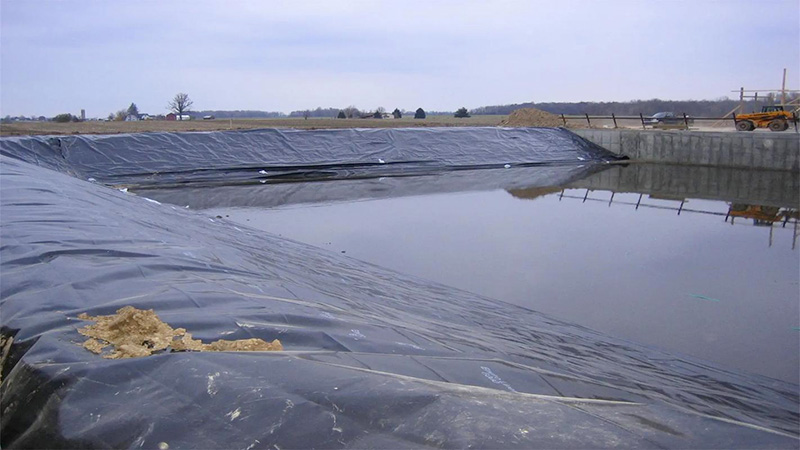
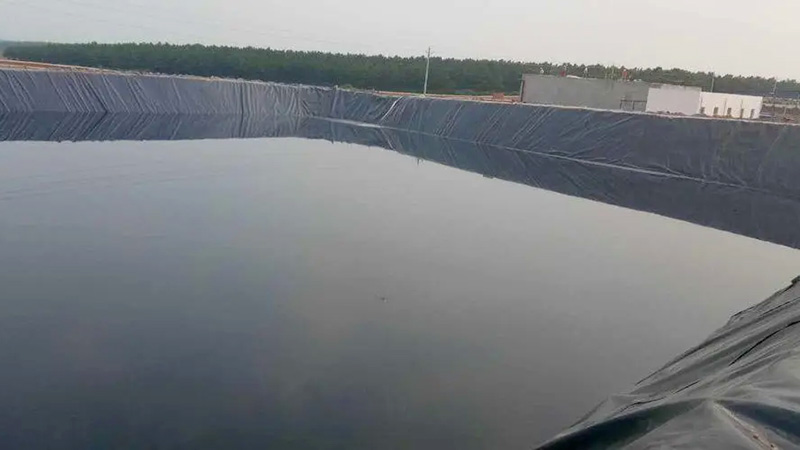
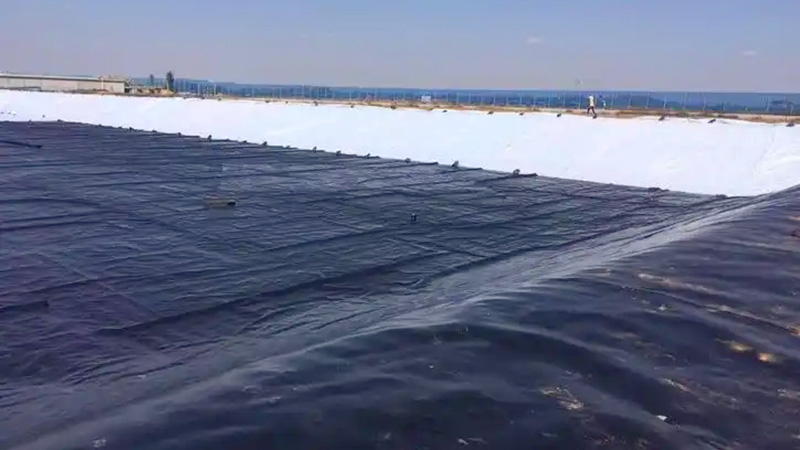
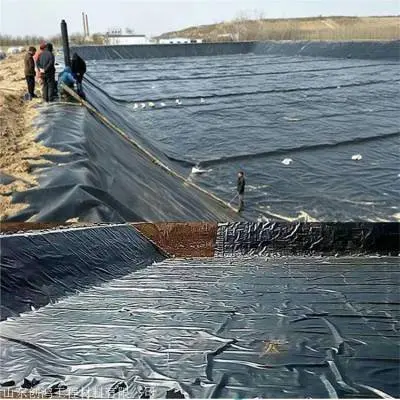
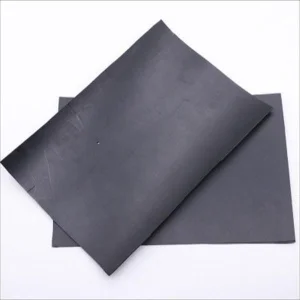
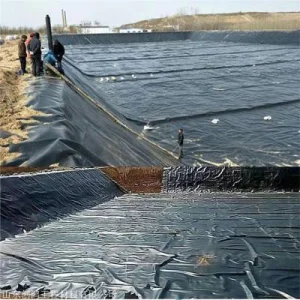
High-density HDPE membrane designed for aquaculture containment, preventing water loss and maintaining a stable environment.
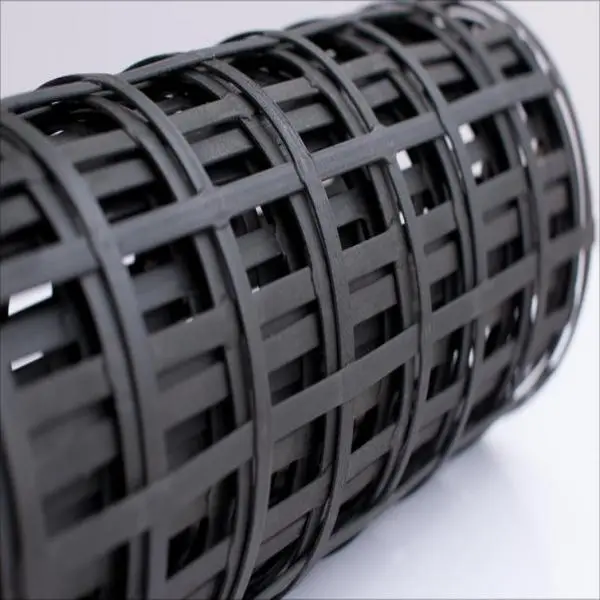
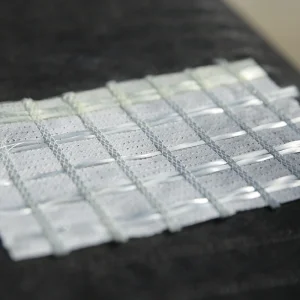
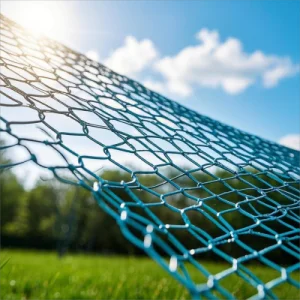
Reinforced high-strength structural grids designed for soil stabilization, road construction, and retaining wall reinforcement.
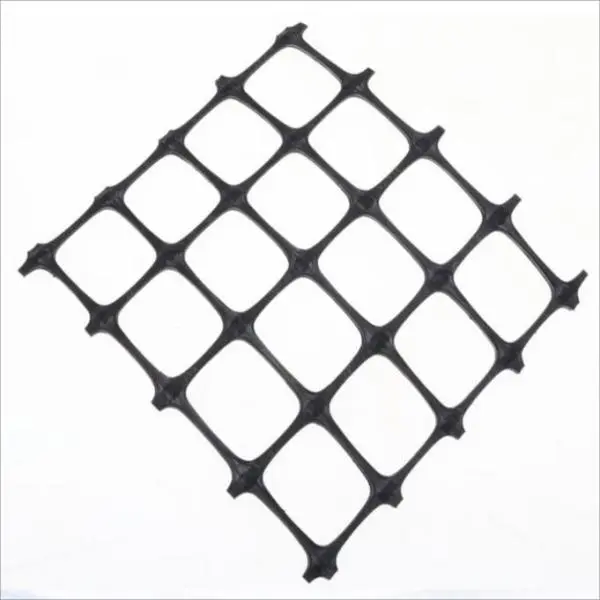
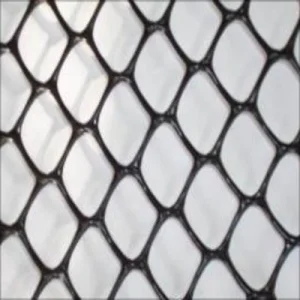
Extruded polymer grids providing high tensile stiffness, ideal for base reinforcement under asphalt pavements and railways.
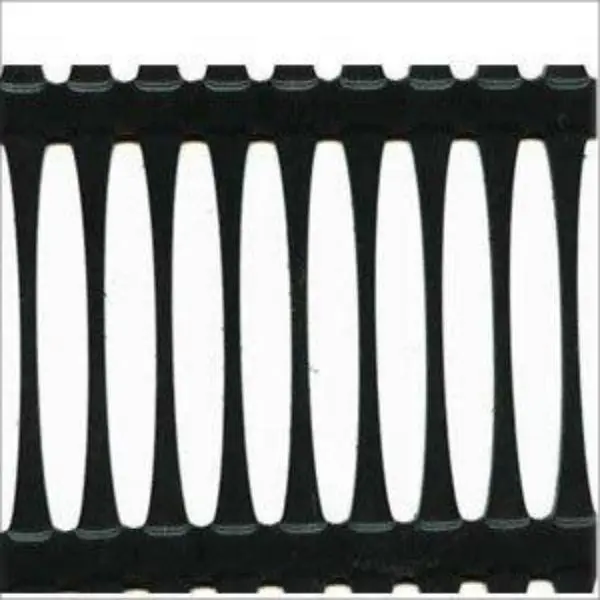
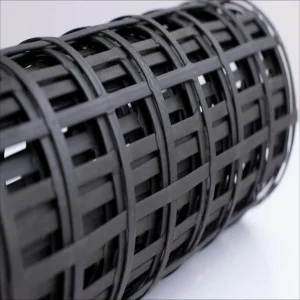
Uniaxially oriented grids optimized for high-tensile resistance along a single axis, perfect for steep slopes and embankments.
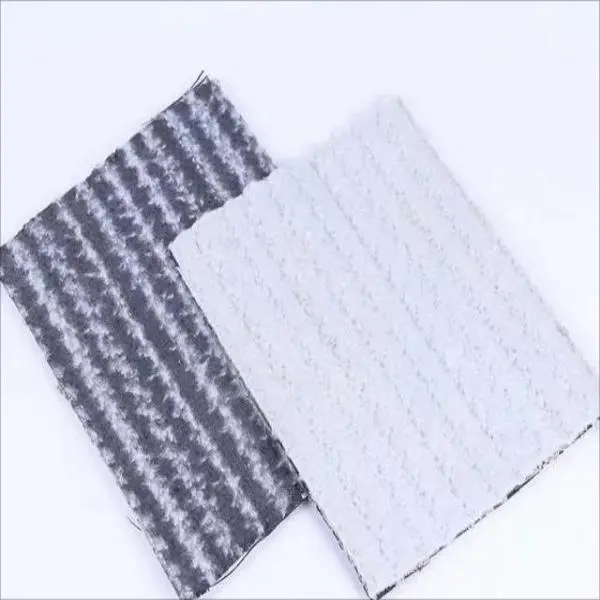
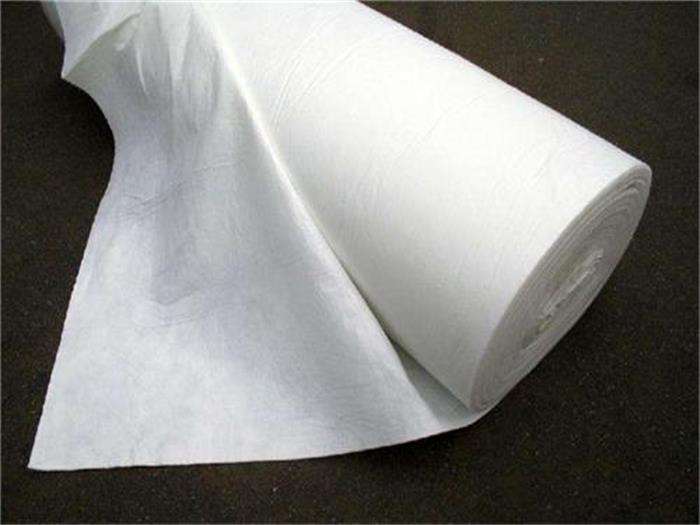
Concrete Cloth/GCCM product, combining fibers and cement to create a flexible mat that hardens into concrete upon hydration.
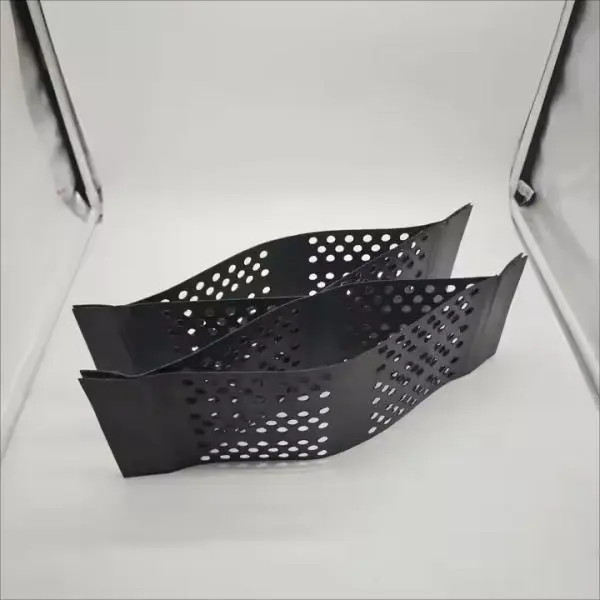
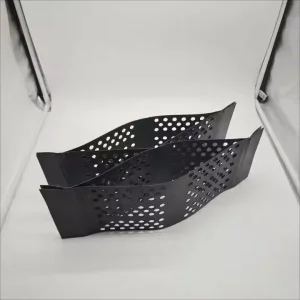
Three-dimensional cellular confinement systems used to stabilize fill material, control erosion, and reinforce load-bearing bases.
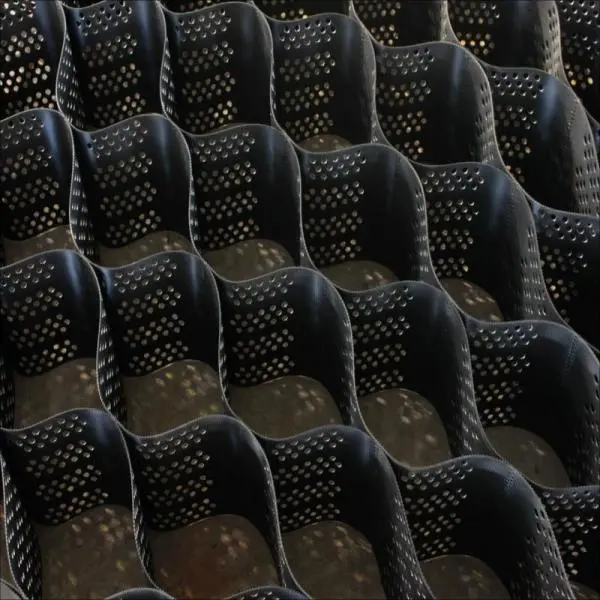
High-density polyethylene geocells offering chemical stability and durability for slope stabilization and retaining structures.
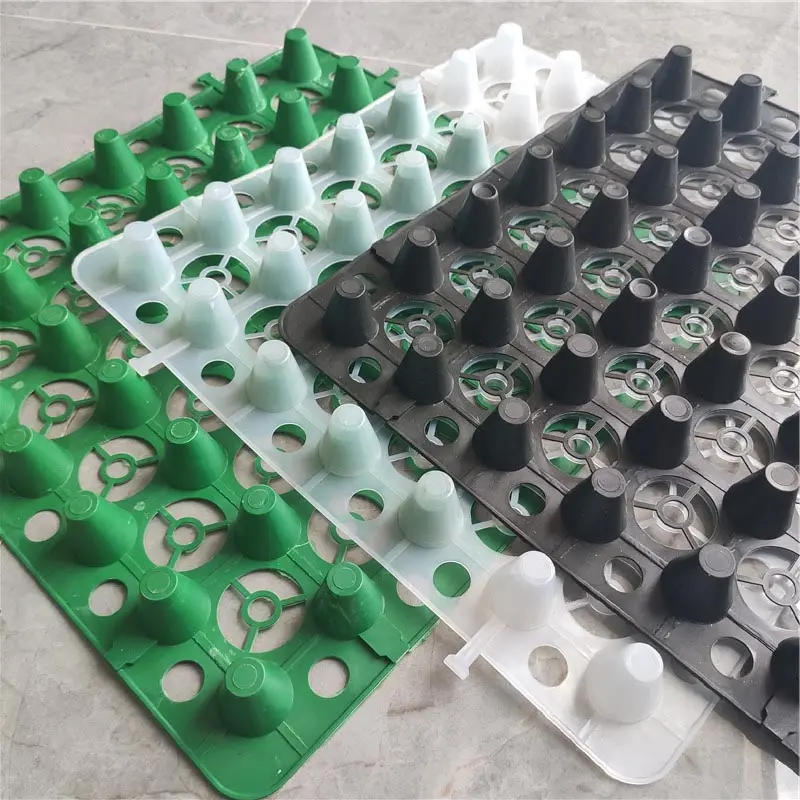
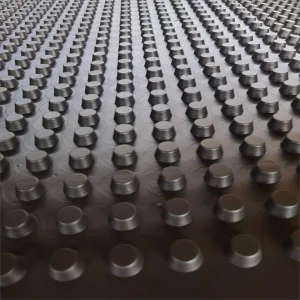
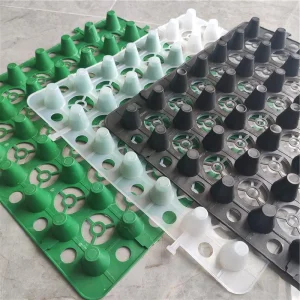
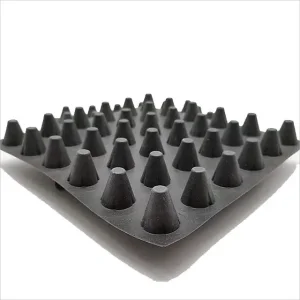
Specialized drainage board providing water storage and drainage for podium decks, garage roofs, and green roofs.
The geotechnical industry is transitioning toward ecological integration and smart functionality. Shandong Hongyue's technical team is focused on developing the next generation of geosynthetics:
As a global partner, Shandong Hongyue Environmental Engineering Co., Ltd. provides localized engineering support, customized packaging, and compliance documentation. We maintain localized offices and partnerships in major cities across China, including Shanghai and Beijing, and export our products to Europe, the United States, and Australia.
Find answers to common questions about Concrete Cloth (GCCM), Geomembranes, and related geotechnical installations.
Concrete Cloth, or Geosynthetic Cementitious Composite Mat (GCCM), is a flexible, concrete-impregnated fabric that hardens upon hydration to form a thin, durable, water-proof, and fire-resistant concrete layer. It consists of a 3D fiber matrix containing a dry, proprietary cementitious mix, backed by an impermeable PVC geomembrane. This structure allows the cloth to be rolled out, anchored, and sprayed with water, reducing labor requirements and eliminating the need for mixing trucks or forms.
Our geomembranes are widely used in critical containment and anti-seepage projects. These include lining reservoirs, agricultural irrigation canals, municipal landfills, mining heap leach pads, artificial lakes, wastewater treatment plants, and secondary containment areas under fuel/oil storage tanks. They prevent water leakage and contain contaminants to protect the surrounding environment.
Shandong Hongyue Environmental Engineering Co., Ltd. has passed ISO9001 International Quality System Certification, ISO14000 Environmental System Certification, and ISO45001 Occupational Health and Safety Management System Certification. Additionally, our products undergo regular quality testing by the China National Testing Center and national quality supervision agencies to ensure compliance with global specifications.
Geomembranes are typically joined using hot wedge thermal welding or extrusion welding to create a continuous, leak-proof barrier. Concrete Cloth can be joined by overlapping the edges, applying a bead of adhesive sealant or thermal weld to the backing layer, and mechanically securing the lap joints with screws or nails before hydrating the material.
Yes. Concrete Cloth can be hydrated using fresh water, salt water, or brackish water. This feature makes it highly suitable for coastal protections, marine structures, and remote mining sites where fresh water is limited.
Shandong Hongyue's HDPE geomembranes and Concrete Cloth are formulated with carbon black and UV-stabilizing additives. When installed and maintained according to specifications, these materials are designed to resist UV degradation and maintain their integrity for decades in exposed conditions, and even longer when buried under a soil or protective layer.
Working hand in hand and creating the future together. We are dedicated to providing global partners with premium engineering geotextiles, geomembranes, Concrete Cloth, and technical consulting. Relying on our advanced production capacity, strict quality testing, and extensive project experience, we deliver reliable, cost-effective solutions for your critical containment and erosion control needs.
 Hongyue