Explore our foundational structural engineering products engineered for high durability, chemical containment, and environmental containment across global industries.
Technical Whitepaper Focus
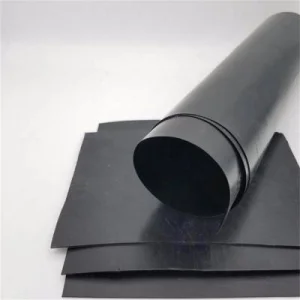
For modern civil engineering, waste containment, and agricultural optimization projects, the term "Apa Itu Geomembrane" points to one of the most critical structural materials of the 21st century. Essentially, a geomembrane is a synthetic membrane liner or barrier with very low permeability, used in conjunction with any geotechnical engineering-related material, land, structure, or system to control fluid (or gas) migration in human-made projects.
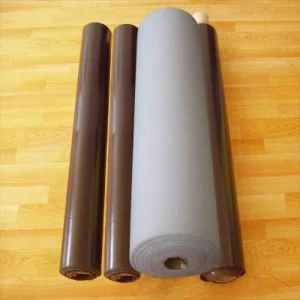
Typically fabricated from continuous polymeric sheets, geomembranes are formulated with high-density polyethylene (HDPE), linear low-density polyethylene (LLDPE), polyvinyl chloride (PVC), or composite geotextiles. By leveraging robust thermoplastic resins blended with carbon black, stabilizers, and anti-aging compounds, these materials provide reliable barriers that prevent hazardous contaminants from leaching into aquifers, optimize irrigation channels, and prevent structural foundation collapse due to water intrusion.
High-grade geomembranes feature outstanding tensile strength, puncture resistance, chemical compatibility, and UV stabilization. These criteria are vital when dealing with toxic municipal landfill leachates, mining chemicals, and the intense thermal cycles encountered in outdoor installations.
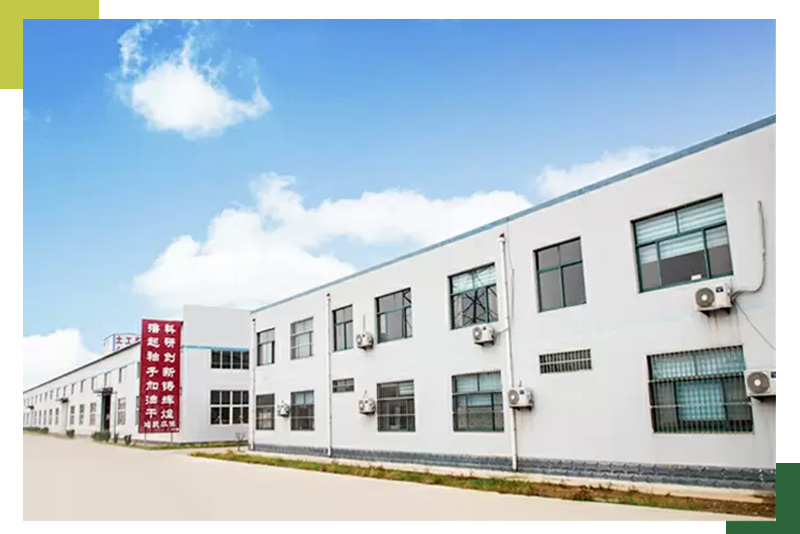
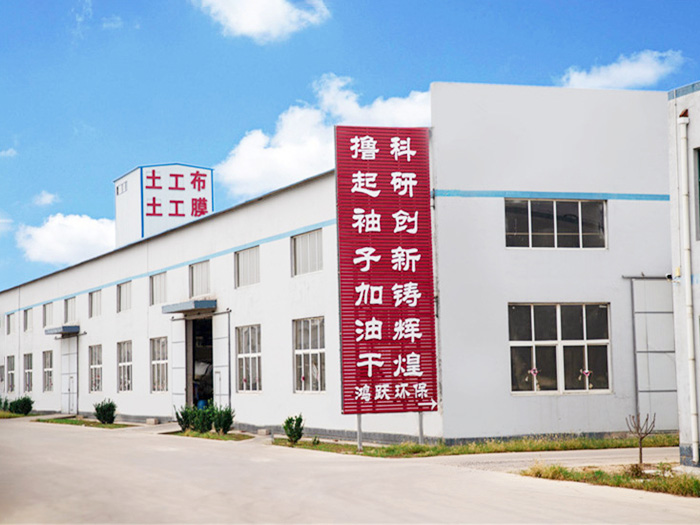
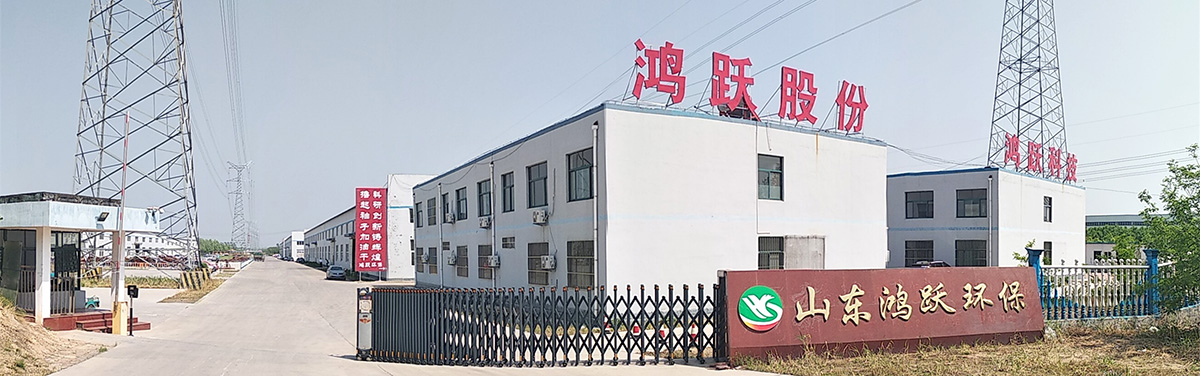
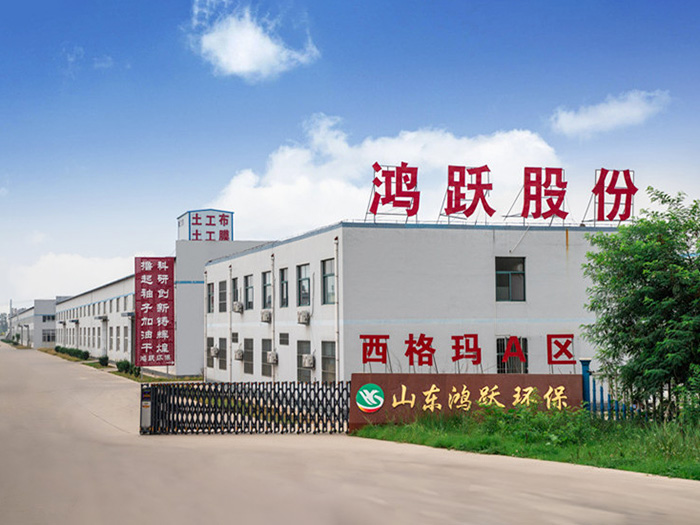
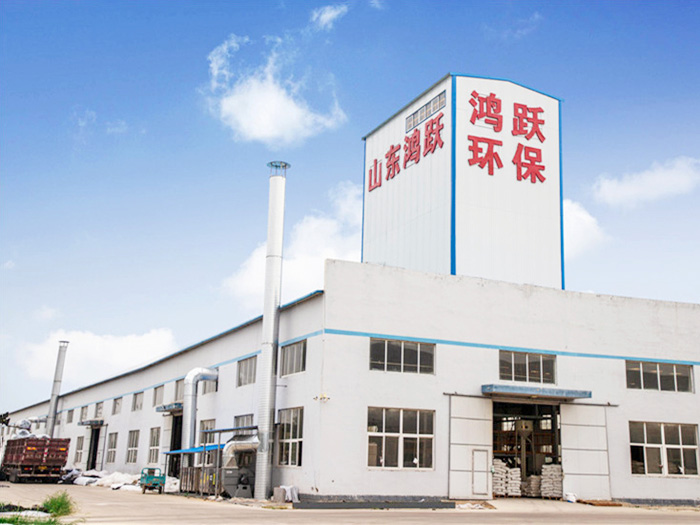
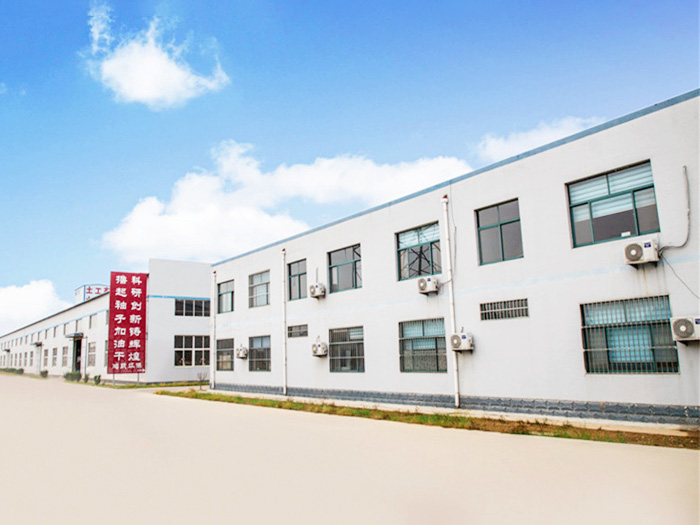
Located at the northern segment of Fufeng Street, Lingcheng District, Dezhou, Shandong Province, Shandong Hongyue Environmental Engineering Co., Ltd. is a high-technology enterprise specializing in the integrated production, distribution, custom design, and construction services of geotechnical materials. We represent one of China's most advanced manufacturing hubs in the geosynthetics domain.
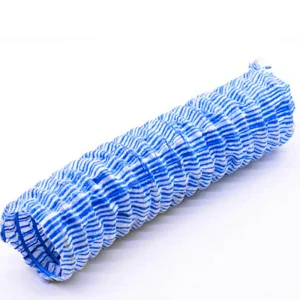
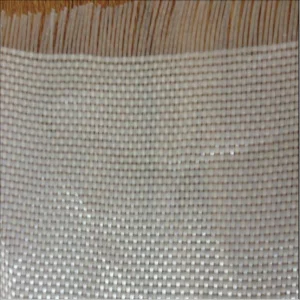
Established on April 6, 2023, with a substantial registered capital of 105 million yuan, our enterprise has experienced steady expansion. Operating with advanced machinery and a high-caliber technical team, our focus spans geotextiles, geomembranes, composite materials, bentonite GCLs, 3D drainage grids, geocells, and cementitious blankets. Our geographical location in Dezhou affords logistics networks that facilitate smooth supply chains to Europe, the Americas, Australia, and Southeast Asia.
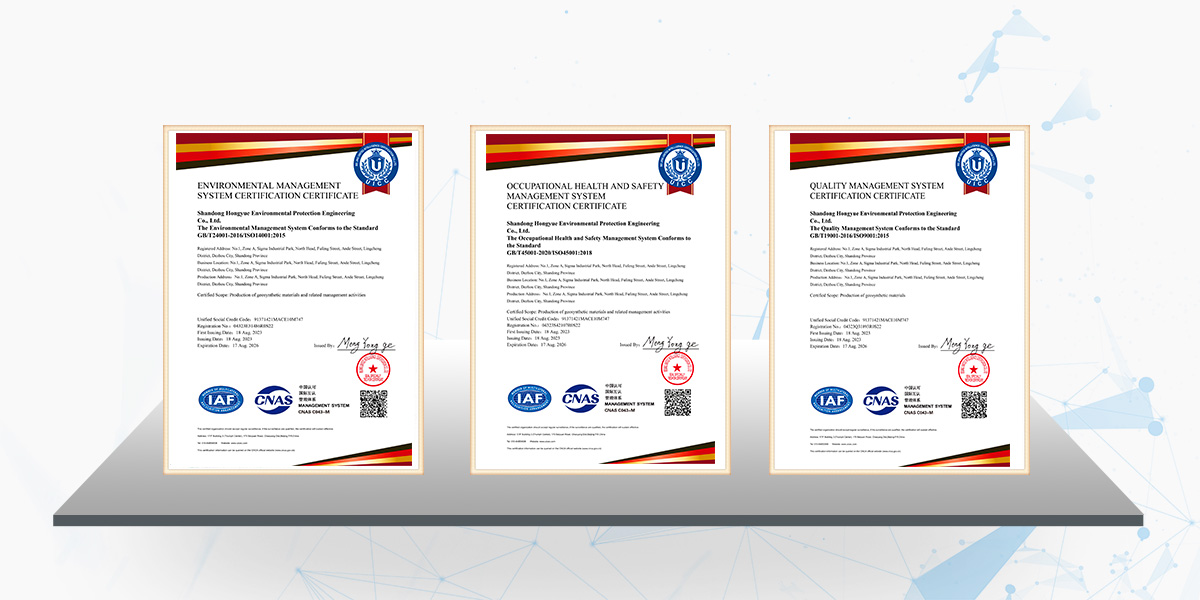
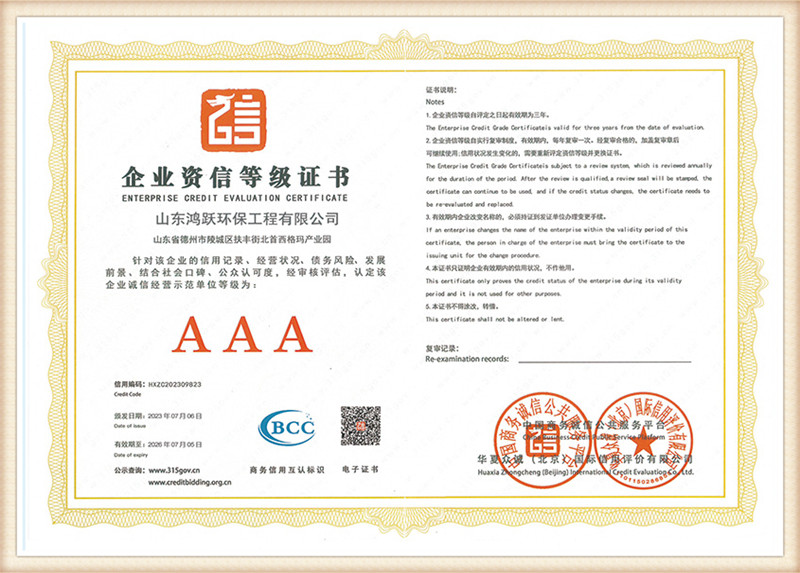
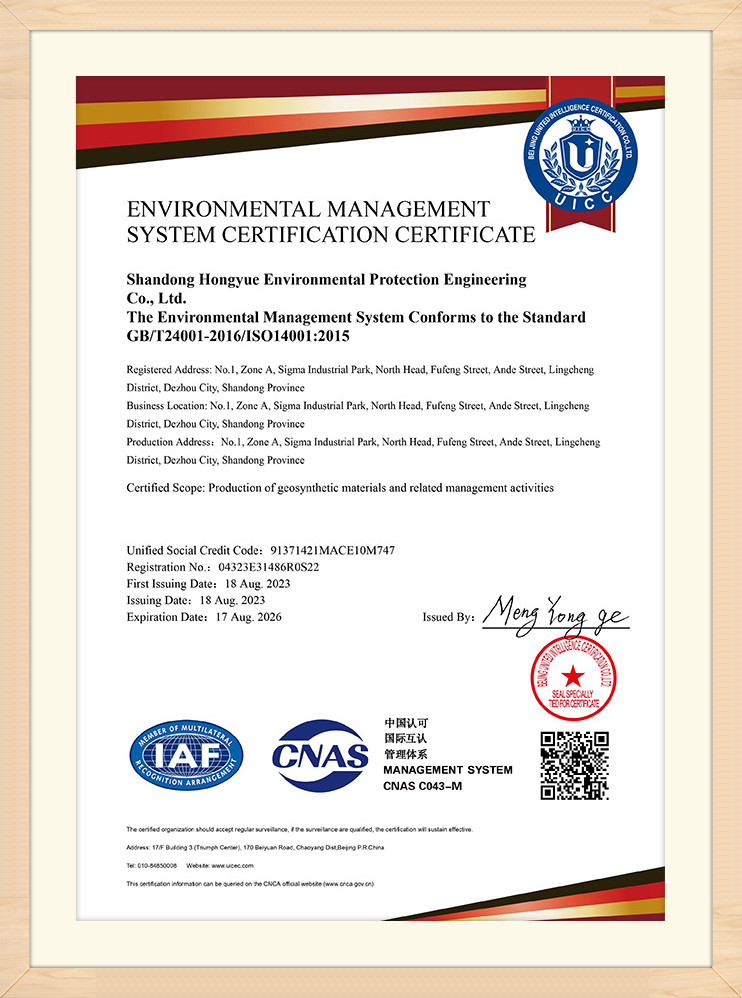
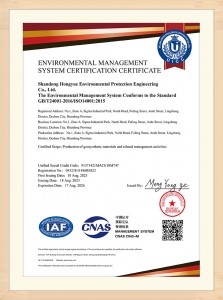
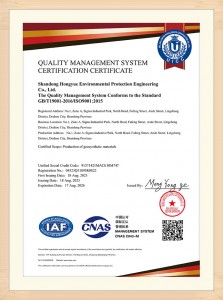
Exemplary Credentials & Quality Integrity: Our company conforms to rigorous international frameworks, holding certified status for ISO9001 (Quality Management), ISO14000 (Environmental Management), and ISO45001 (Occupational Health & Safety). Recognized with titles such as "Green and Environmentally Friendly Building Materials Products," "Famous Chinese Brand," and "High-Tech Industry," we deliver reliable quality to critical engineering projects worldwide.
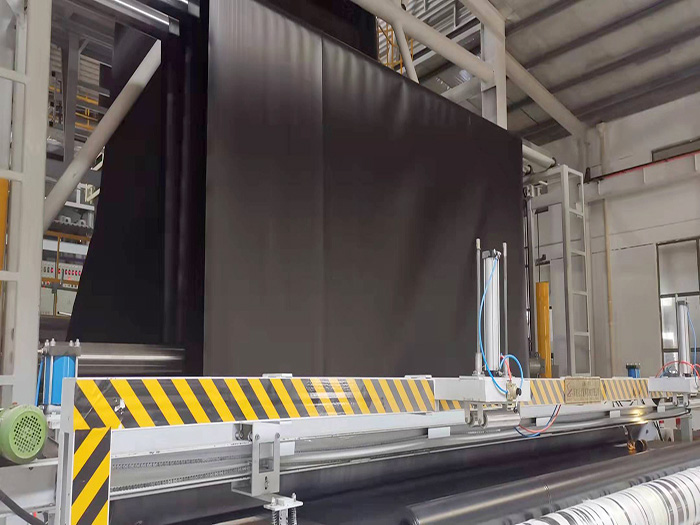
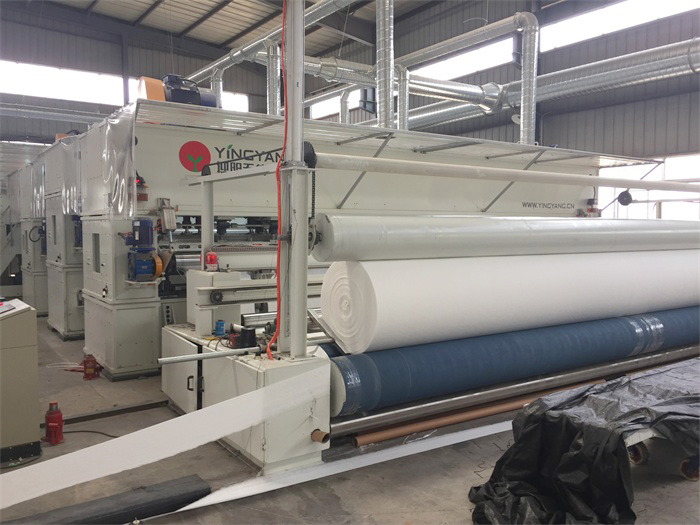
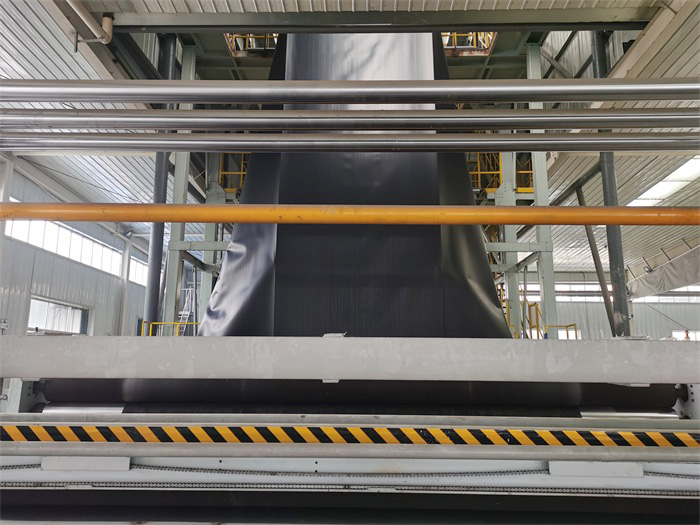
Our production facilities utilize modern technology to ensure each production batch complies with international ASTM and GRI standards.
The manufacturing process begins with premium polymer resins—specifically polyester chips, high-density polyethylene, polypropylene filament, and viscose fibers. These raw materials are systematically inspected for melt flow index (MFI), density, and moisture level, preventing contamination and ensuring consistency.
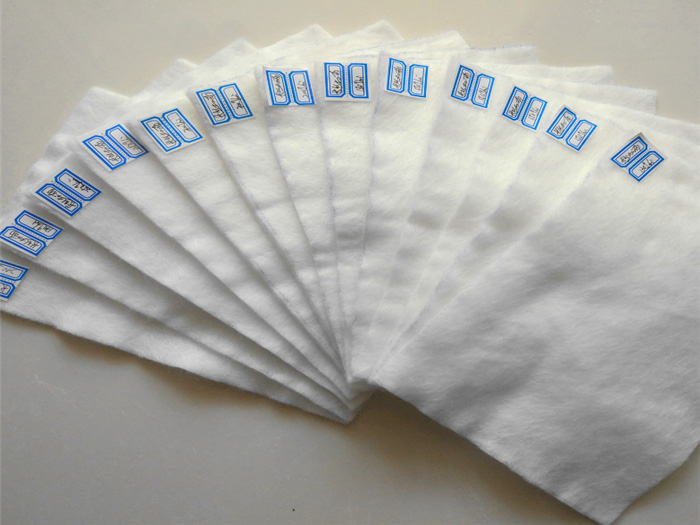
Resins are melted under controlled temperatures and pressure inside a screw extruder. For geotextiles and composite geomembranes, mixed fibers (like polypropylene and viscose) are introduced. This step requires precise thermal management to ensure optimal viscosity, preventing structural weaknesses in the finished sheet.
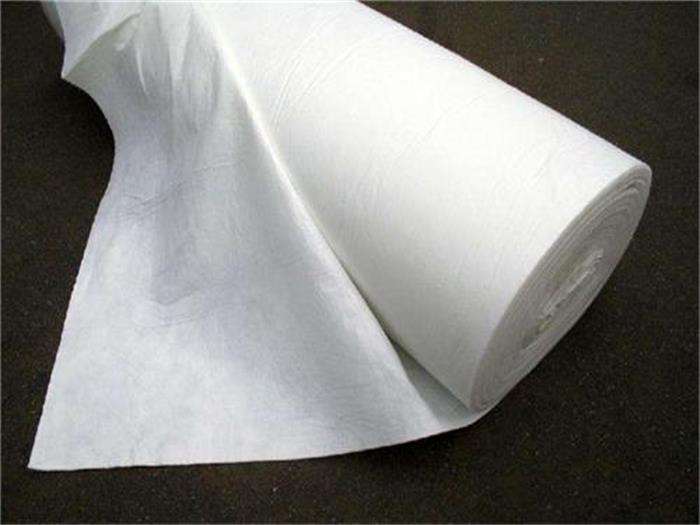
The molten mixture is extruded through specialized spinnerets or flat dies to form fine filament webs. These are distributed uniformly onto continuous conveyor systems to establish a consistent structural network. The alignment and density of the fibers are carefully managed to achieve isotropic tensile performance.
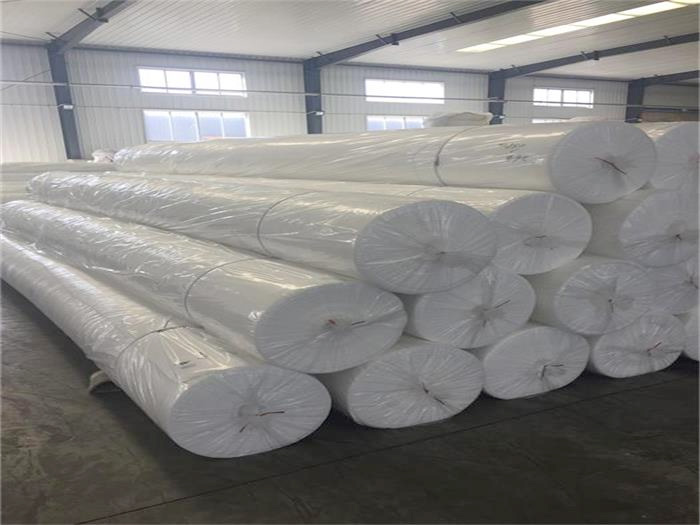
The consolidated material is drawn through high-precision curing ovens to stabilize its physical form. After curing, rolls are wrapped and packaged. Quality inspectors extract random samples for testing, including tensile strength, multi-axial elongation, tear resistance, carbon black distribution, and water permeability metrics.
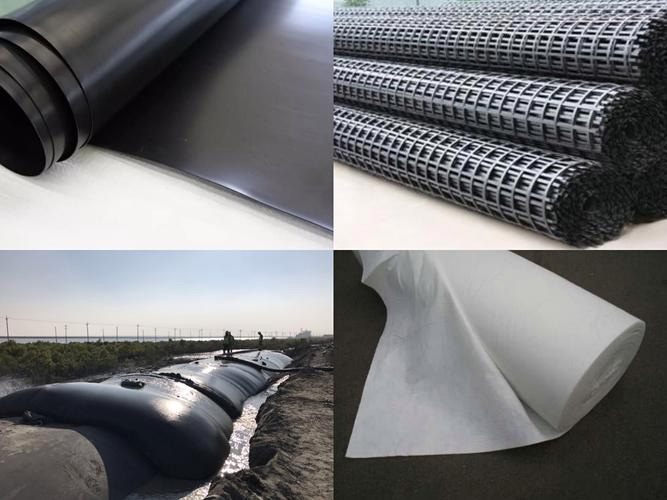
Analyzing how geomembrane liners are transforming civil construction, agriculture, and resource extraction globally.
In developing economies across Southeast Asia (particularly Indonesia, Vietnam, and Malaysia), the demand for "Geomembrane" is highly focused on agricultural irrigation systems and aquaculture. Shrimp and fish pond owners employ HDPE geomembranes to establish impermeable barriers that prevent disease cross-contamination, manage salinity, and halt erosion along pond embankments.
In Western markets, stringent environmental legislation drives the use of high-thickness geomembranes (1.5mm to 2.5mm) in hazardous waste containment, heap leach pads for gold and copper mining, and municipal solid waste landfills. High chemical resistance ensures protection for surrounding soil and groundwater resources.
Arid regions utilize composite geomembranes and geocells to build durable transportation networks and water transport canals, minimizing water loss from subgrade seepage and evaporation in harsh environments.
A step-by-step technical guide to laying, welding, and maintaining polymer barriers for long-term project performance.
Selecting the appropriate polymer formulation and thickness is critical:
The application area must be cleared of sharp stones, roots, and organic debris. Subgrades must be rolled and compacted to prevent structural deformation. Often, a non-woven geotextile cushion is laid first to protect the geomembrane from mechanical punctures.
Panels should be deployed without tension, allowing for thermal expansion and contraction. Joint welding must be conducted under dry conditions using dual-track hot wedge welders to create a continuous seam. Intricate edges and pipe penetrations require extrusion welding with color-matched polymer rod extruders.
Every welded seam must undergo rigorous field testing. For dual-track wedge welds, air pressure testing involves sealing the channel ends and pressurizing the seam to verify leak-tight performance. Areas repaired via extrusion welding require vacuum box testing or spark testing to identify micro-holes.
A look inside Shandong Hongyue's advanced production workshops, quality control labs, and storage facilities.
How we design and implement complete solutions combining geomembranes, drainage nets, and structural reinforcements.
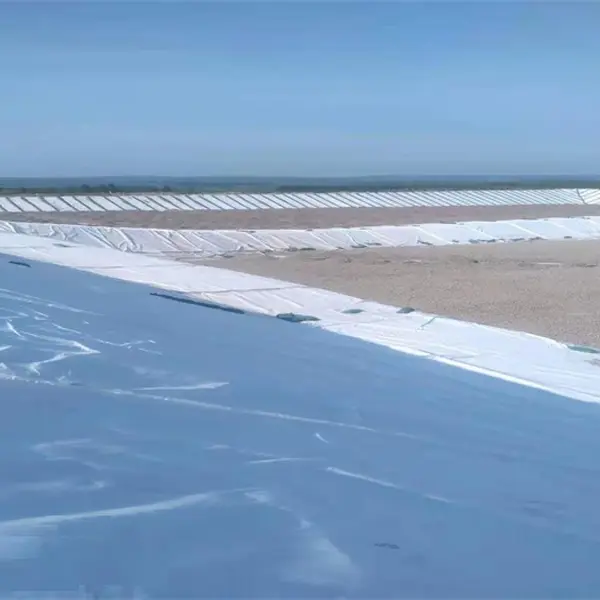
Used for canals, agricultural reservoirs, and irrigation channels. This solution reduces water loss from subgrade infiltration, preventing bank erosion and enhancing water storage efficiency.
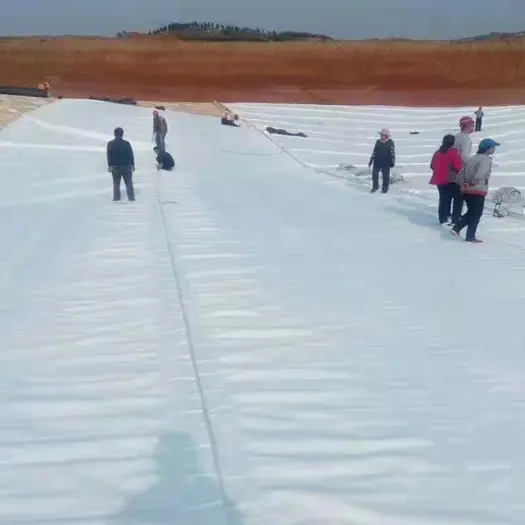
Lining river systems with composite geofabrics stabilizes embankments, controls sediment transport, and manages water retention in municipal and ecological waterways.
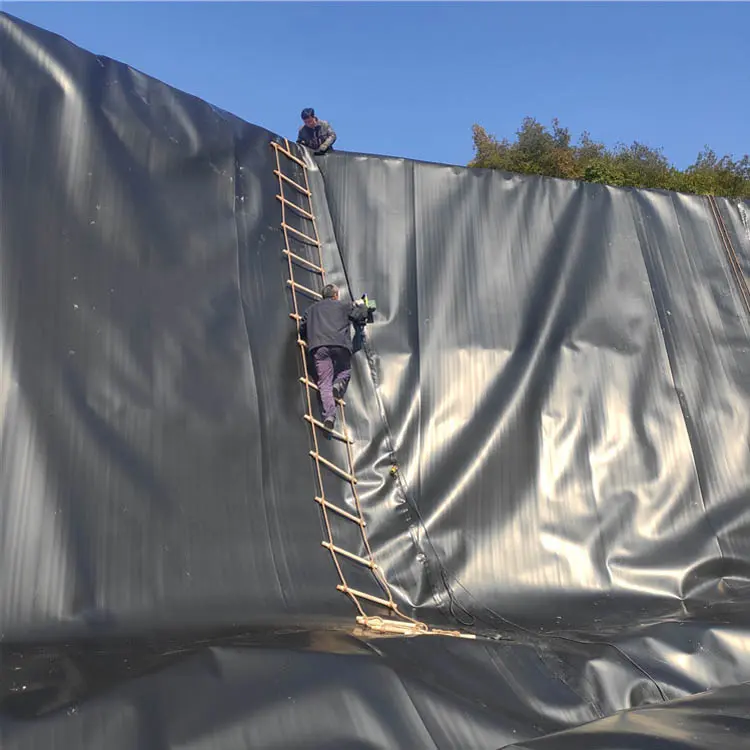
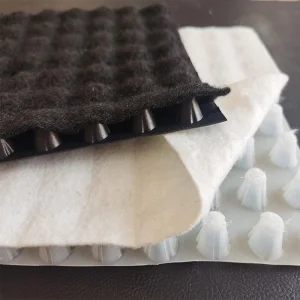
Double-lined containment configurations featuring geosynthetic clay liners (GCL) and drainage networks isolate toxic leachates, protecting adjacent aquifers from contamination.
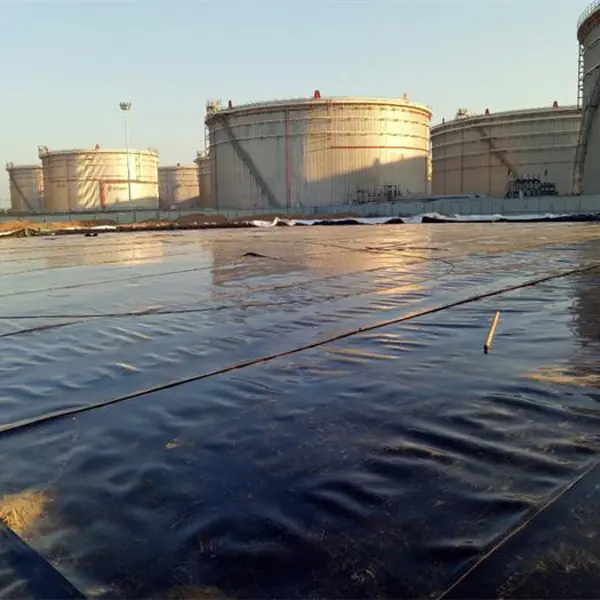
Designed for chemical and petrochemical containment. High-density liners provide a reliable barrier against oil spills, preventing contamination of surrounding soil.
An in-depth look at how geomembranes stabilize critical water management systems.
In reservoir construction, geological variations often present risks of localized subsidence and piping failures. Laying high-quality HDPE liners creates a continuous, impermeable seal across the reservoir bed, mitigating seepage risks and ensuring long-term containment stability.
This barrier effect helps maintain design volumes, prevents soil saturation, and protects structural foundations from erosion caused by water movement.
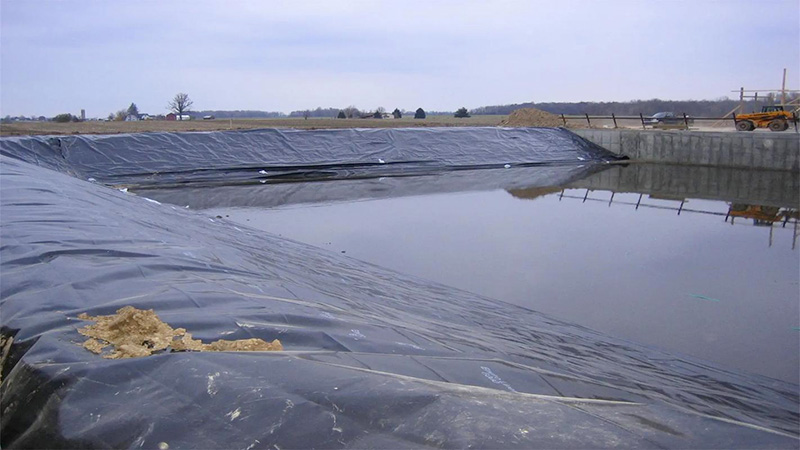
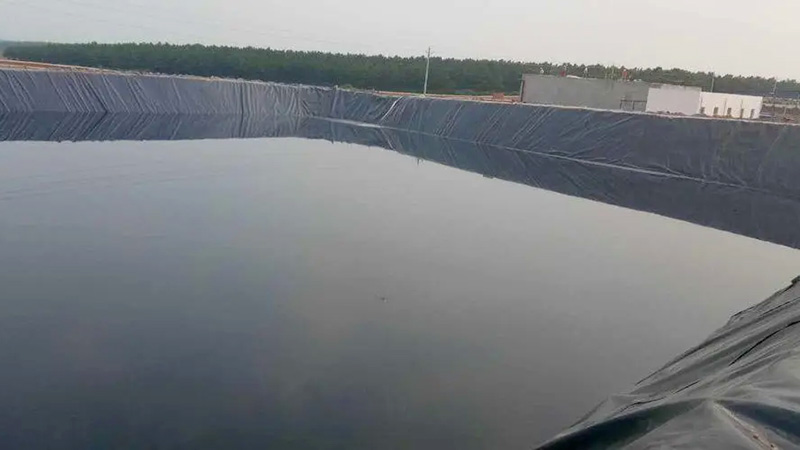
Levees and river dikes are vulnerable to water infiltration during peak flood events, which can weaken internal structures. Incorporating geomembranes into these earthen structures forms a barrier that prevents rapid saturation, helping maintain structural integrity under high hydrostatic pressure.
For municipal water distribution channels and agricultural aqueducts, maintaining consistent flow rates is essential. Lining these channels with geomembranes prevents seepage losses and controls vegetation growth, reducing drag and lowering long-term maintenance costs.
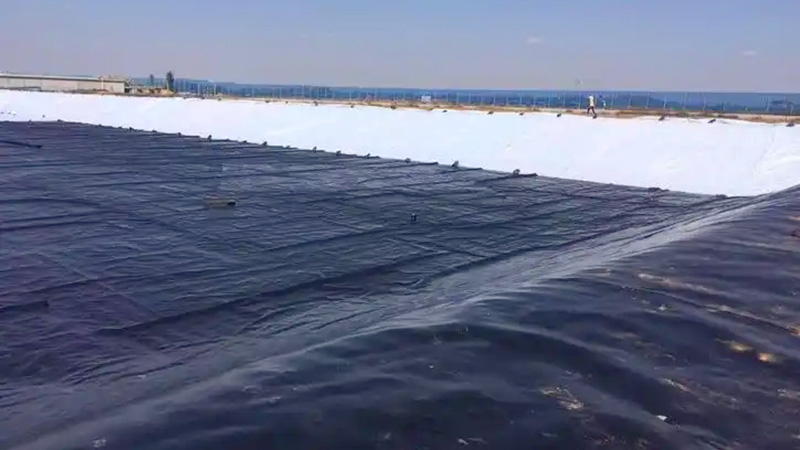
Exploring the next generation of environmental protection technologies and smart lining materials.
Future containment systems are shifting toward smart integration. Embedded conductive layers within geomembranes enable electrical leak location (ELL) systems to map punctures with high precision, improving monitoring capabilities during and after installation.
Research is focused on bio-synthesized polymers that provide chemical resistance while reducing the carbon footprint of production. These materials aim to match the longevity of traditional resins with improved environmental performance.
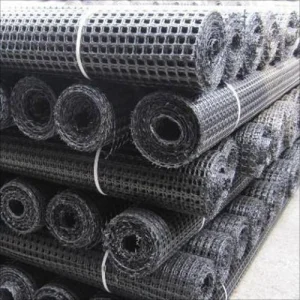
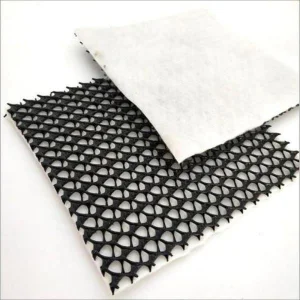
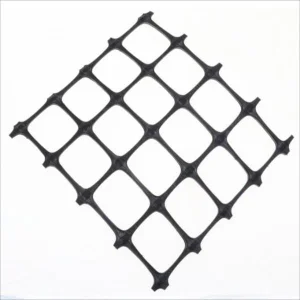
Next-generation products combine geomembranes with geogrids, geonets, and geotextiles into integrated composite systems. These multi-layer designs provide containment, drainage, and structural reinforcement in a single deployment, streamlining installation in complex projects.
Technical answers to support engineering decisions, procurement, and project execution.
Shandong Hongyue operates advanced manufacturing lines and laboratory testing equipment to verify the performance of every batch.
Additional high-performance drainage, filtration, and reinforcement materials for global civil works.
 Hongyue