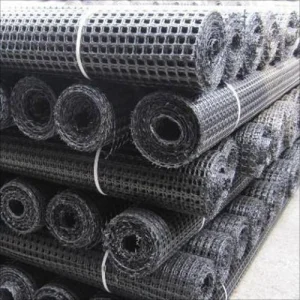
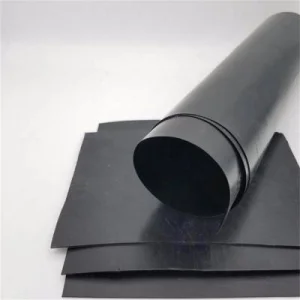
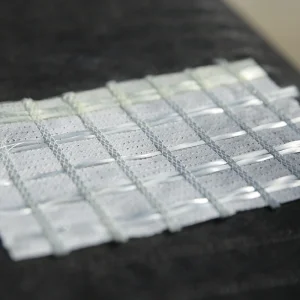
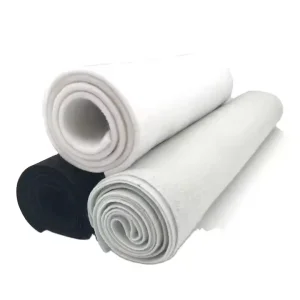
Explore our top-tier engineering solutions, certified under international standards for ultimate performance.
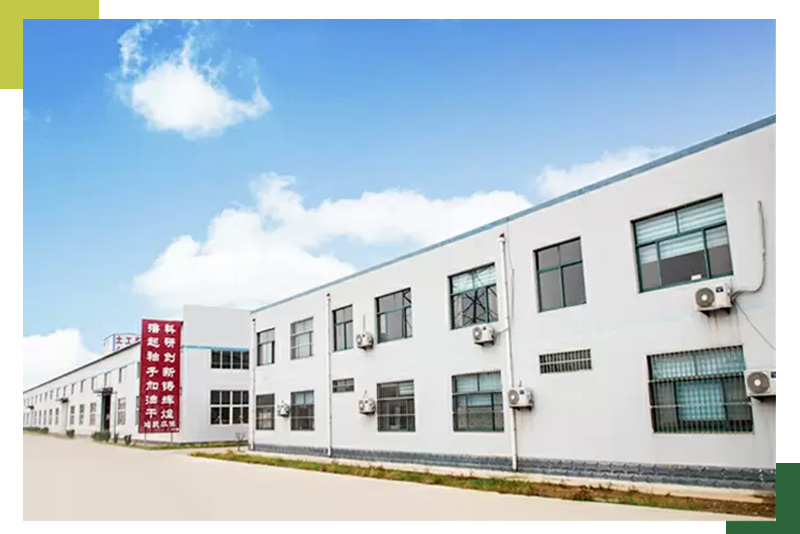
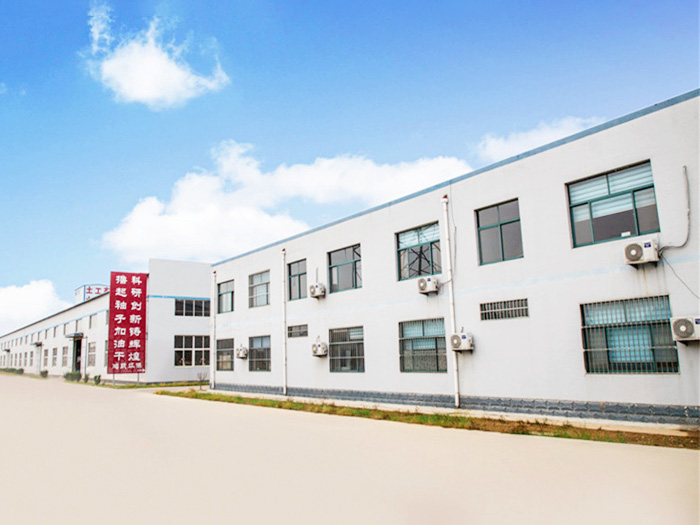
As standard-setting environmental and geotechnical pioneers, Shandong Hongyue Environmental Engineering Co., Ltd. delivers global-scale material technology from Dezhou, Shandong Province. Strategically located at the north end of Fufeng Street, Lingcheng District, our scientific research and manufacturing facility integrates advanced engineering material production, sales, design, and construction services.
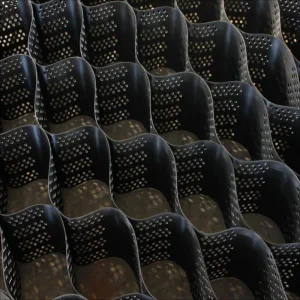
Founded on April 6, 2023, with a registered capital of 105 million yuan, we have quickly expanded to become one of the largest production bases of geotechnical materials in China. Our superior geographical location and convenient transportation networks enable us to export high-performance waterproof barrier materials, geomembranes, and geocells to demanding infrastructure projects worldwide.
Bridging global commercial challenges with robust, long-term engineering defenses.
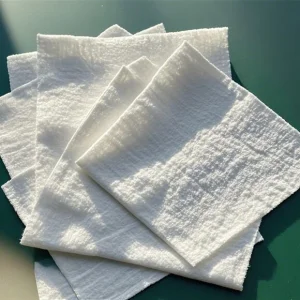
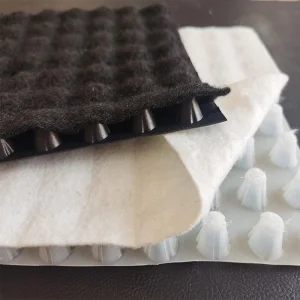
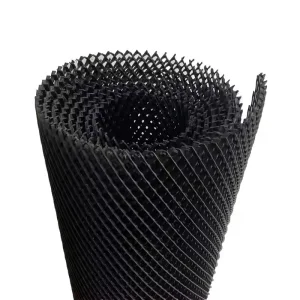
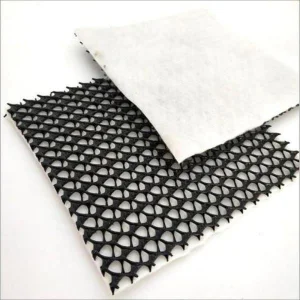
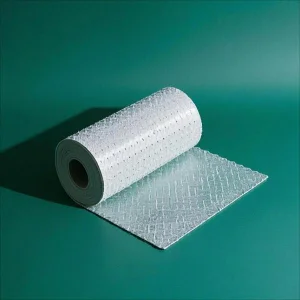
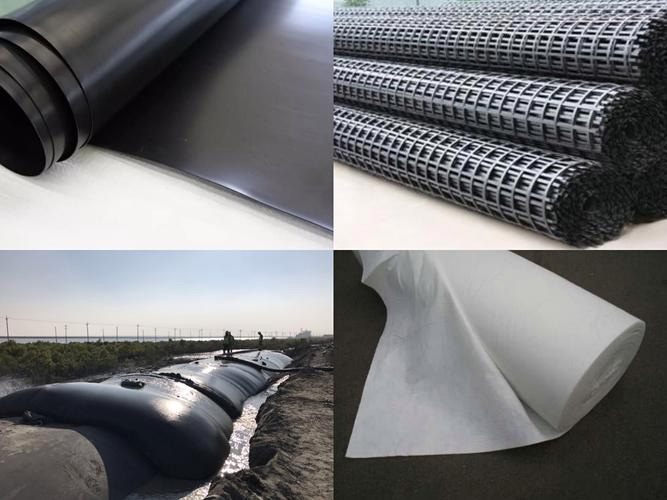
In modern civil construction, environmental protection, and public municipal works, water migration management is critical. Whether handling the foundation containment of sports stadiums or preventing municipal landfill leaks, high-performance waterproof barrier networks are key to structural integrity. Our advanced Waterproof Stadium Blanket Solutions refer to the dual-layered protection system composed of reinforced, needle-punched geosynthetic clay liners (GCLs), bentonite waterproof blankets, and high-density geomembranes.
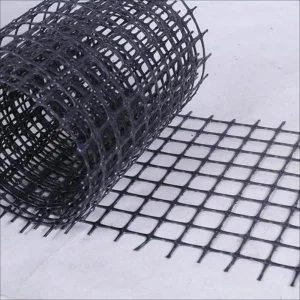
Globally, project owners face stricter regulatory demands regarding chemical runoff, stormwater control, and soil erosion. Our research focuses on high tensile-strength, chemical-resistant composites designed to mitigate geological challenges in regions suffering from shifting water tables, high salinity, and seismic movements. We supply structural systems for roads, bridges, railways, and tunnels, integrating seamlessly into commercial developments.
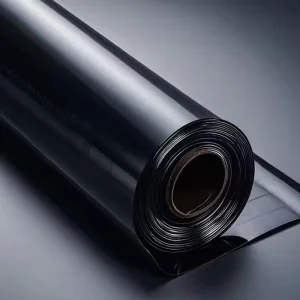
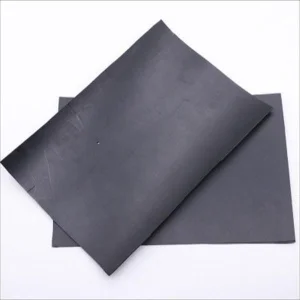
Utilizing high-density polyethylene (HDPE) geomembranes and composite GCLs to establish impermeable barrier systems that prevent hazardous leachate from contaminating underground soil and drinking water systems.
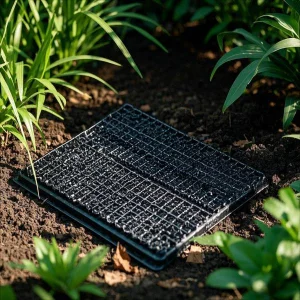
Delivering state-of-the-art waterproofing systems that combine storage drainage boards with reinforced geosynthetic membranes, safeguarding multi-million dollar sports turfs and underground parking structures.
Providing custom anti-seepage solutions for reservoirs, agricultural canals, and artificial lakes, optimizing water resources and minimizing irrigation system water loss worldwide.
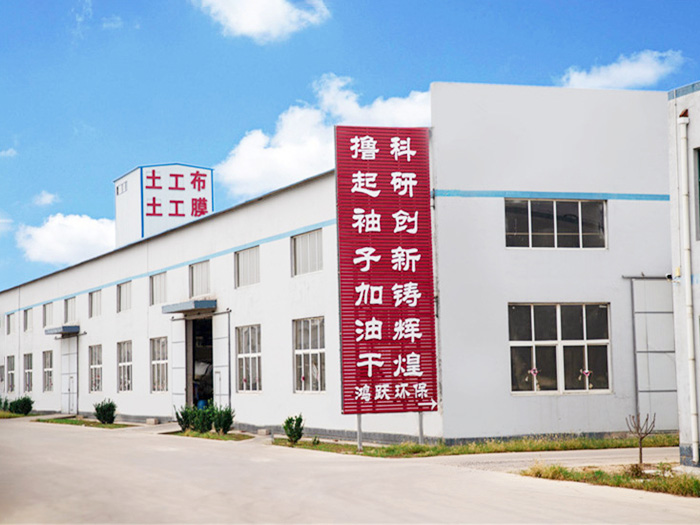
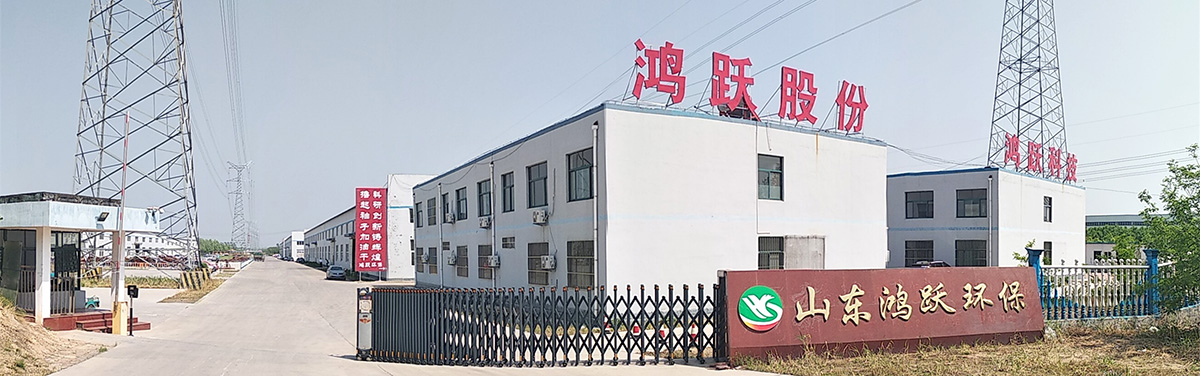
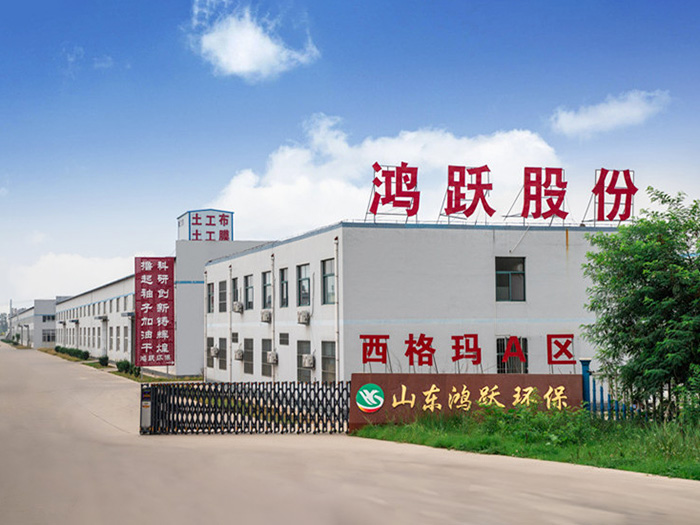
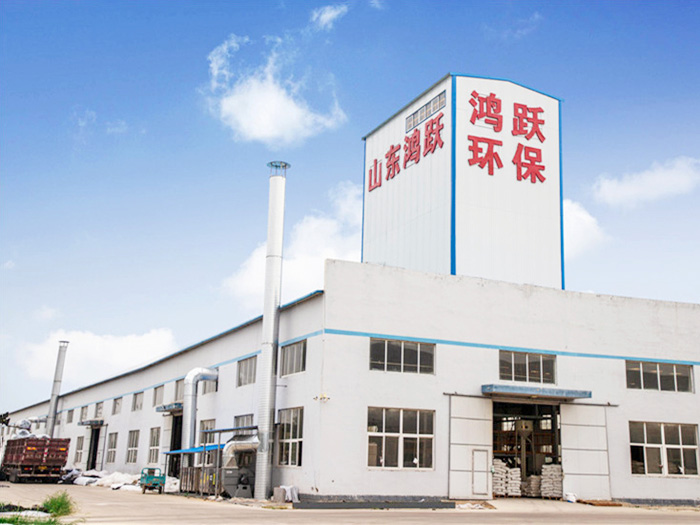
Explore the physical footprint of our advanced production lines and QA facilities.
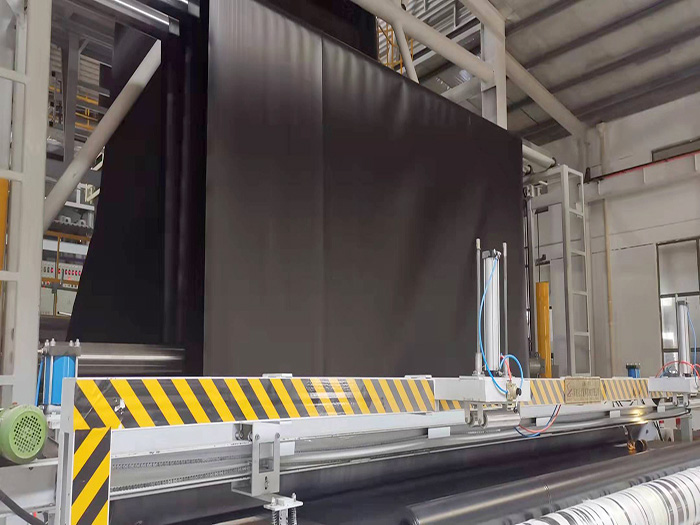
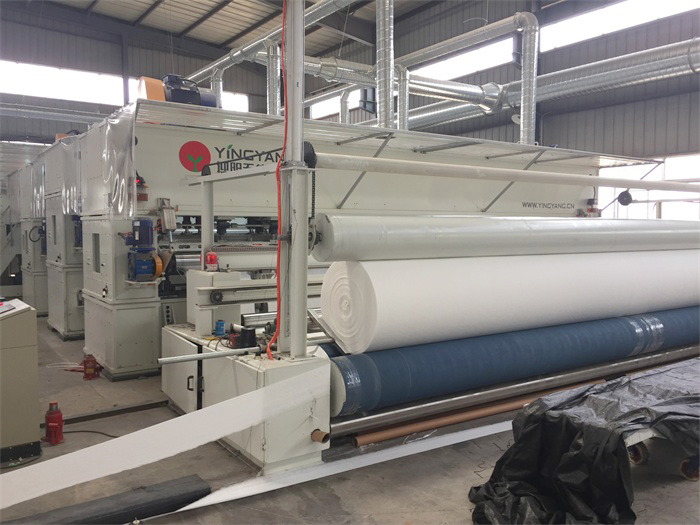
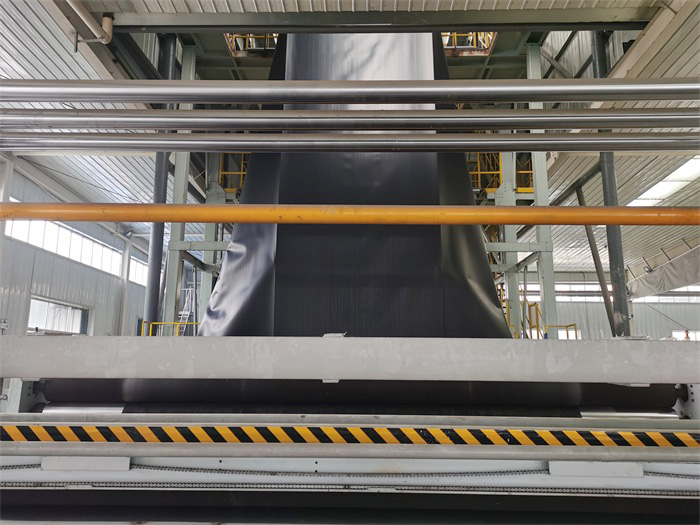
Our manufacturing complex uses the latest automated extrusion and needle-punching machinery to ensure structural consistency across all roll batches. By maintaining full operational control over geotextile, geomembrane, and geocell production lines, we reduce waste, lower production costs, and pass these savings directly to our global infrastructure partners.
How we engineer raw polymers into highly resilient, certified geotechnical systems.
Our production workflow is optimized to yield maximum tensile strength, flexibility, and anti-seepage ratings. Whether manufacturing non-woven protective geotextiles, composite drainage sheets, or bentonite blankets, we utilize a strict 6-step quality control protocol to meet and exceed international testing standards.
Our raw materials include premium polyester chips, polypropylene filament, and viscose fibers. Every batch undergoes rigorous inspection, alignment, and testing to ensure long-term stability under harsh mechanical and environmental stress.
Polyester slices are melted at high temperatures and extruded by a screw extruder. Polypropylene filament and viscose fibers are introduced. We carefully manage temperature and pressure variables to maintain raw melt uniformity.
The molten mixture is extruded through spinnerets to form fine fiber strands, laying down a uniform, multi-directional network on the conveyor belt. Thickness, orientation, and weight parameters are continually monitored by automated sensors.
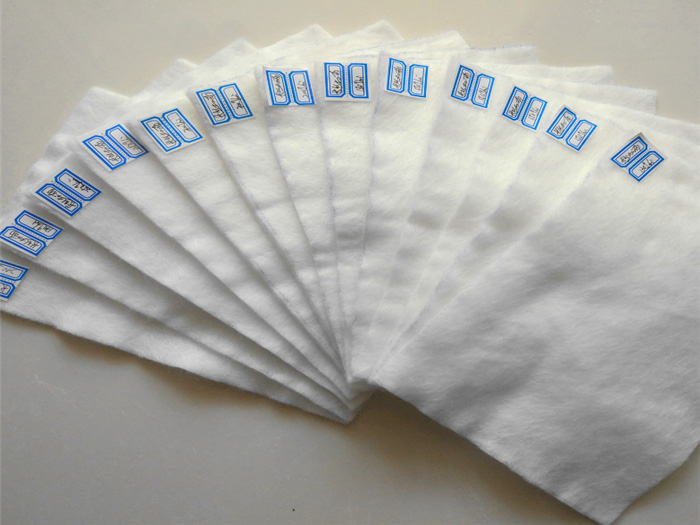
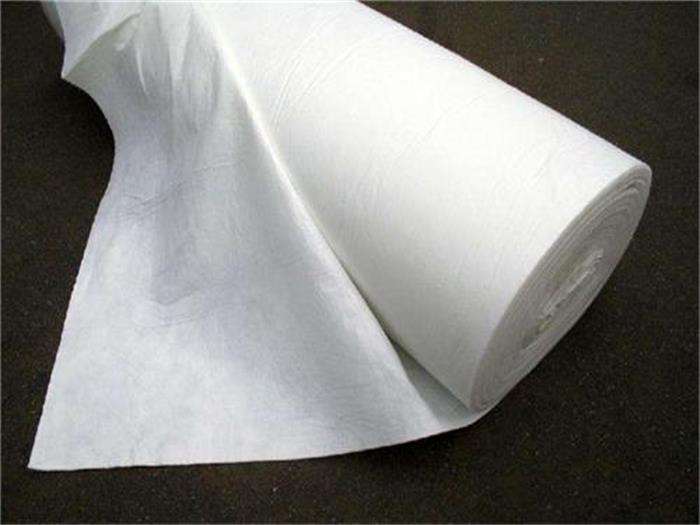
Once rolled, the web undergoes draft curing. By precisely adjusting speed, temperature, and draft ratios, we lock the fibers into place, maximizing the structural integrity of the geotextile against heavy mechanical shear forces.
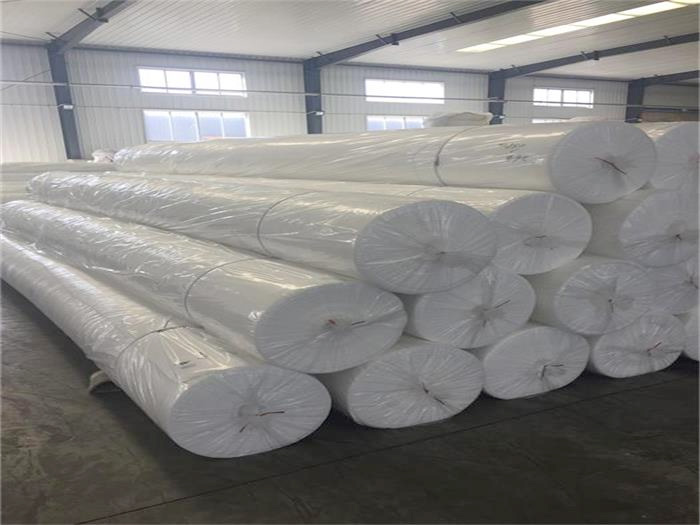
Cured geotextile sheets are rolled and packed for transport. Width, length, weight, and thickness variables are logged in our database to ensure traceability and confirm each roll aligns with client specifications.
At the end of each production cycle, random samples undergo physical, chemical, and environmental testing. Only rolls meeting or exceeding international safety standards are dispatched to the project site.
A comprehensive guide to material selection, correct installation, and site maintenance.
Proper field installation is essential to maximize the performance of environmental barrier systems. Even premium HDPE geomembranes or GCL blankets can fail if the substrate isn't properly prepared, or if welding standards are compromised. Understanding site conditions is key to ensuring long-term containment integrity.
Select the material chemistry and thickness (from 0.3mm up to 2.0mm) based on site chemical loads, expected physical stress, and UV exposure. HDPE is optimal for landfills, while LLDPE offers superior flexibility for irregular site contours.
Clear the subgrade of sharp rocks, roots, standing water, and organic debris. Lay the membrane panels smoothly, avoiding wrinkles and providing sufficient overlap (typically 75mm to 150mm) for welding and anchoring.
Employ dual-track hot wedge welding for straight runs, and extrusion welding for patches or pipe penetrations. Every weld must be tested using non-destructive methods, such as air pressure testing or spark testing, to guarantee zero leaks.
Once installed, protect the geomembrane or barrier blanket with a layer of geotextile and clean sand/soil to shield it from construction traffic, mechanical damage, and UV degradation.
Establish a regular inspection schedule to monitor slope stability, check drainage outlets, and identify potential signs of geological movement. Catching early wear, settlement, or physical damage allows for quick, localized repair patches, extending the overall lifecycle of the engineering project.
How we maintain global standards through certified manufacturing and environmental management.
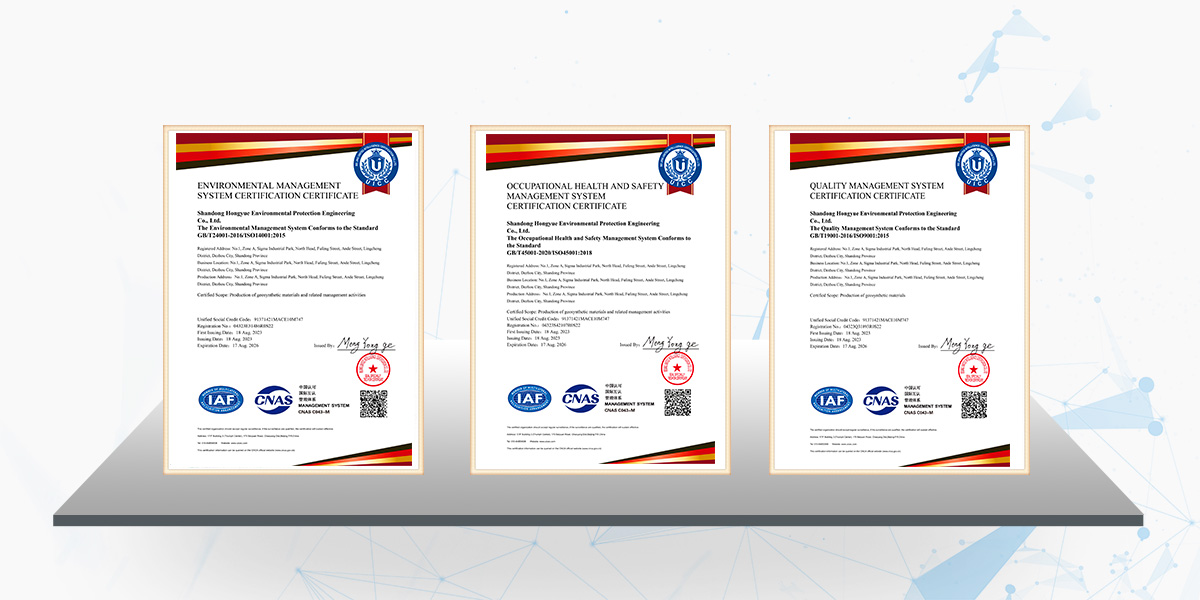
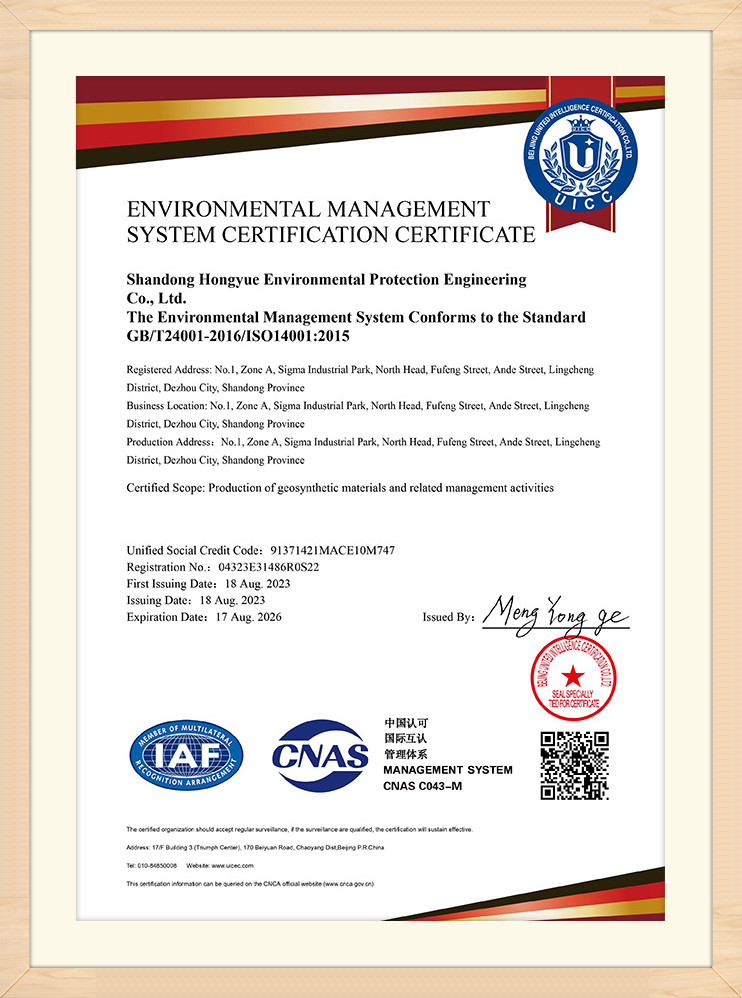
Our quality management workflow is audited and verified to meet major international standards. Shandong Hongyue holds certifications including ISO9001:2015 for Quality Management, ISO14001:2015 for Environmental Management, and ISO45001:2018 for Occupational Health and Safety.
Our products comply with strict regulatory frameworks, earning CE marks for export to the European Union, as well as approvals for projects across North America and Australia. Our materials undergo regular, independent evaluation by the China National Testing Center, ensuring consistent quality and performance in the field.
Named a "High-Tech Industry" leader and "Quality Service Double Excellent Unit" for our contributions to local and national infrastructure engineering materials.
Certified as producing "Green and Environmentally Friendly Building Materials," reflecting our dedication to reducing chemical footprints and utilizing recyclable polymers.
Recognized as a "Provincial-Level Poverty Alleviation Leading Enterprise," helping to build local economies while manufacturing crucial civil infrastructure components.
Protecting ecosystems, agricultural networks, and urban areas from flooding and seepage issues.
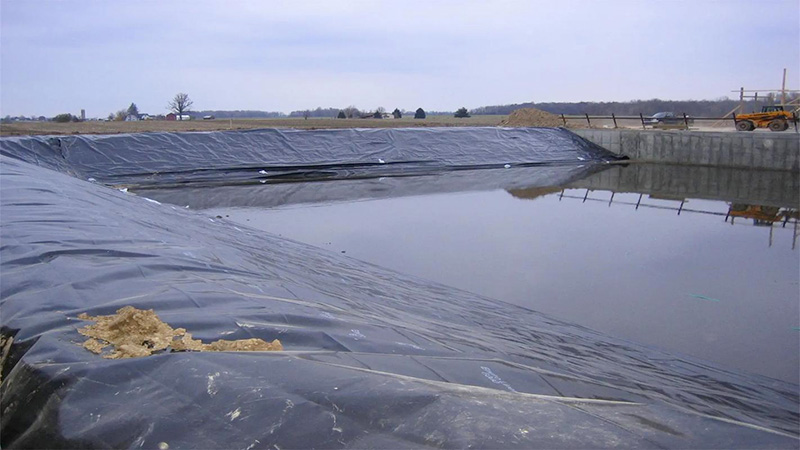
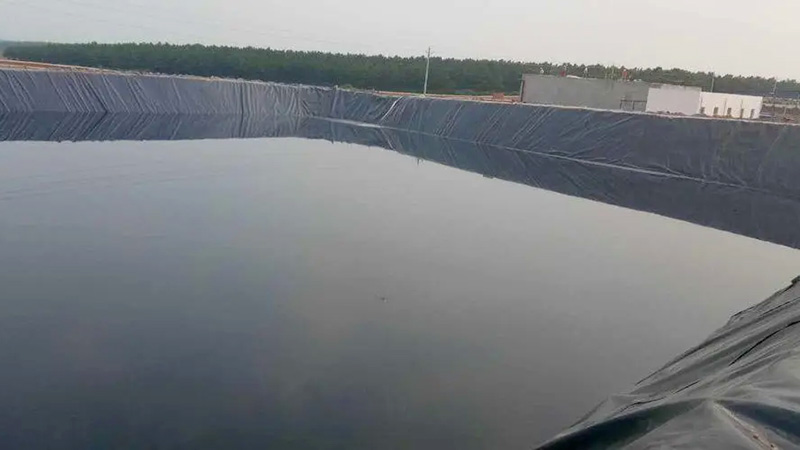
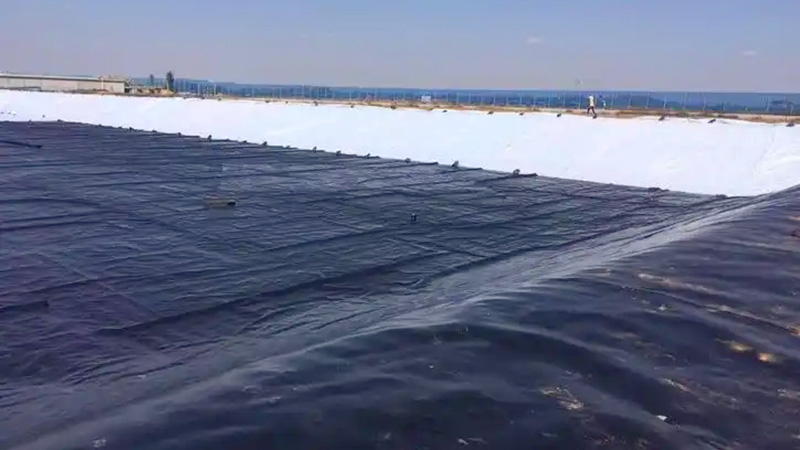
In water conservancy projects, geomembranes and geocells work together to stabilize slopes and prevent soil erosion. For reservoirs, lining the basin with our composite geomembranes reduces water loss and stabilizes the containment walls. For canals and waterways, using geosynthetic barriers helps prevent bank erosion and maintains flow capacity, even in areas with challenging soil conditions.
Ensuring compliance with rigorous physical and chemical performance standards.
Our quality assurance laboratory is equipped with precision testing tools to measure tensile strength, puncture resistance, hydrostatic pressure, and chemical resistance. This rigorous evaluation ensures our products maintain performance under the most challenging real-world conditions.
Every batch of raw materials is logged, and samples from each finished production run are archived. This testing and traceability system helps us meet the high standards required for critical civil engineering and environmental containment projects globally.
Expert answers to common questions about selection, installation, and performance standards.
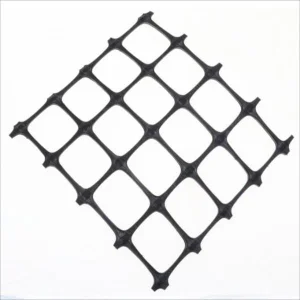
Select from our range of structural reinforcements and drainage composites below.
 Hongyue