Explore our core selection of high-durability geosynthetics engineered for rigorous environment controls.
A comprehensive research analysis on modern barrier membranes, material choices, and cost strategies.
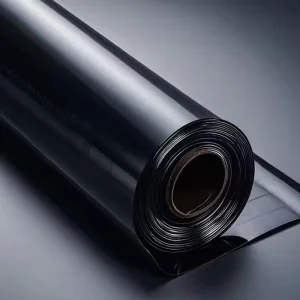
Linear Low-Density Polyethylene (LLDPE) geomembranes represent a significant paradigm shift in containment engineering. Historically, High-Density Polyethylene (HDPE) was the default choice for hydraulic and environmental containment due to its sheer tensile strength and chemical resistance. However, as global projects face increasingly rugged topographies and complex subsidence threats, the physical limitations of HDPE—primarily its lack of flexibility and vulnerability to Stress Crack Resistance (SCR)—have come to the forefront. This is where LLDPE showcases its structural dominance.
LLDPE features a unique molecular structure characterized by a linear backbone with short, uniform branches. This formulation permits higher molecular mobility, providing excellent multiaxial elongation (often exceeding 800% at break) and unmatched flexibility. Consequently, LLDPE geomembranes conform seamlessly to irregular subgrades without suffering localized stresses, making them the gold standard for projects involving differential settlement, irregular geometries, and extreme thermal fluctuations.
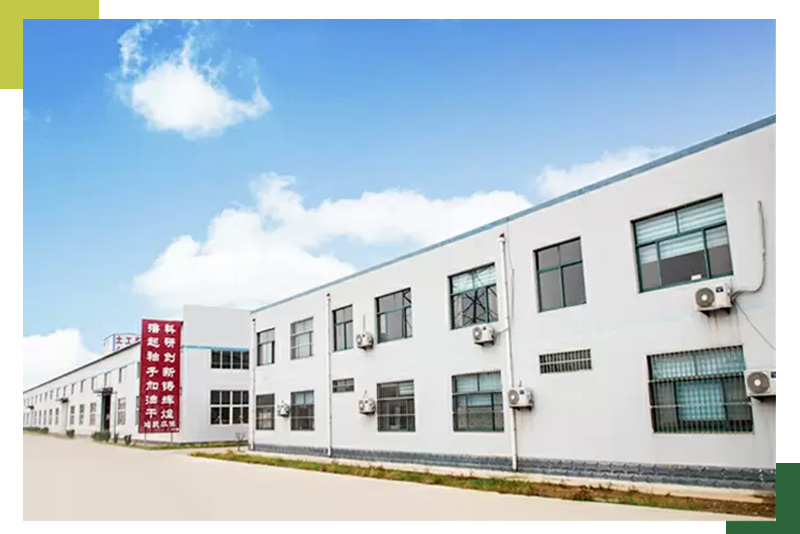
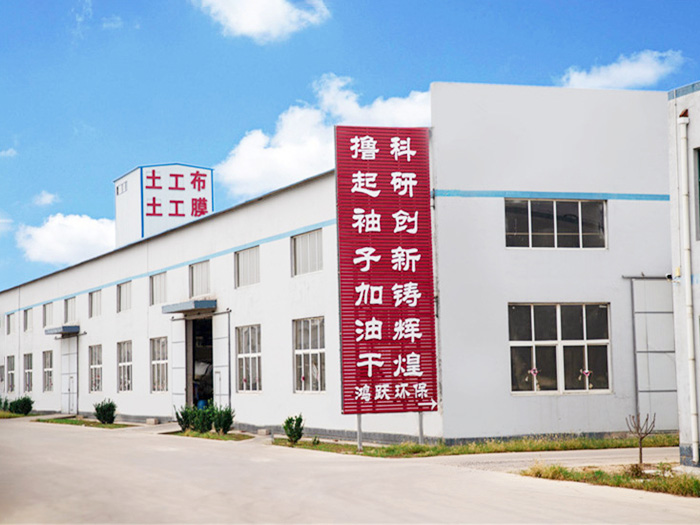
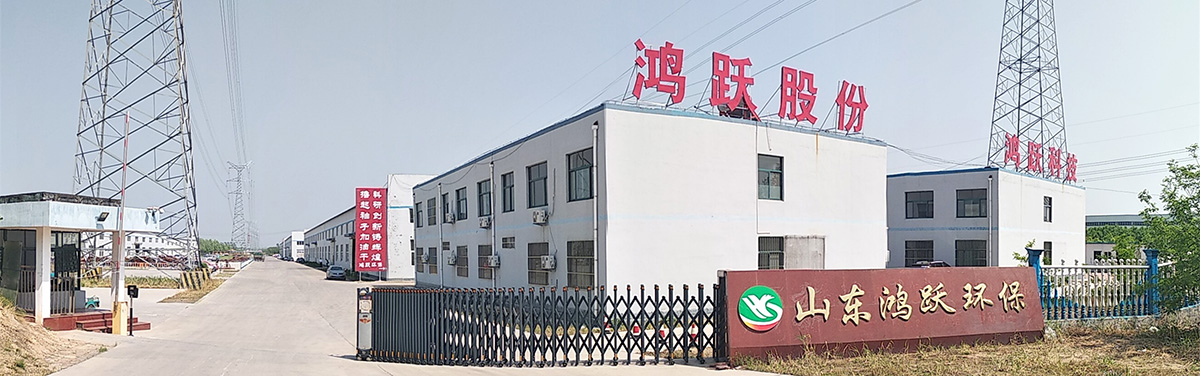
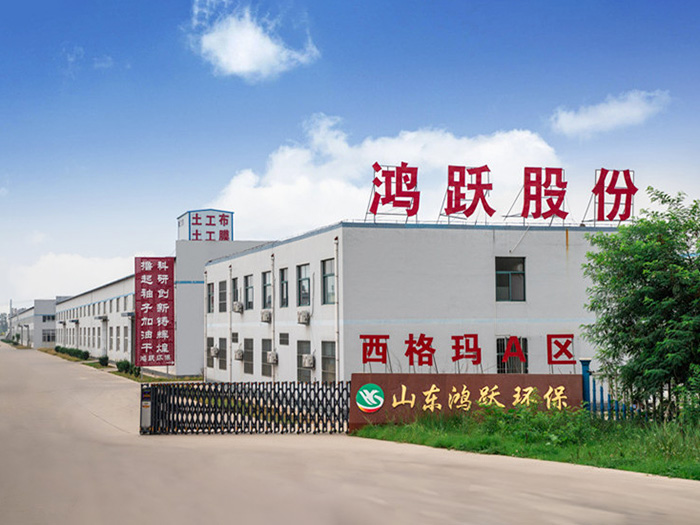
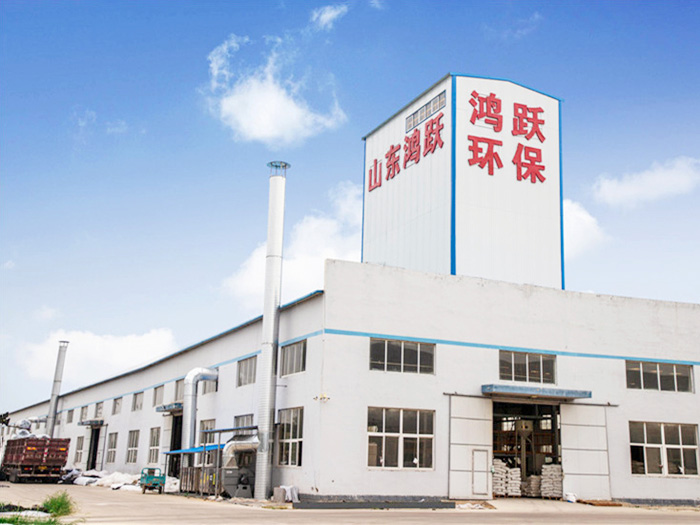
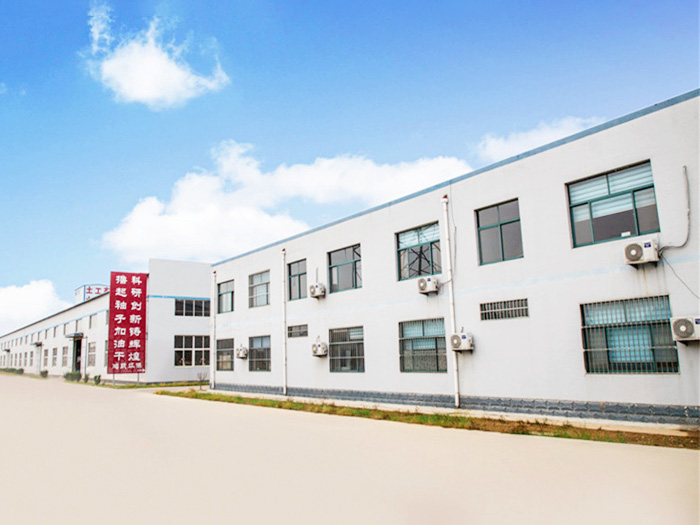
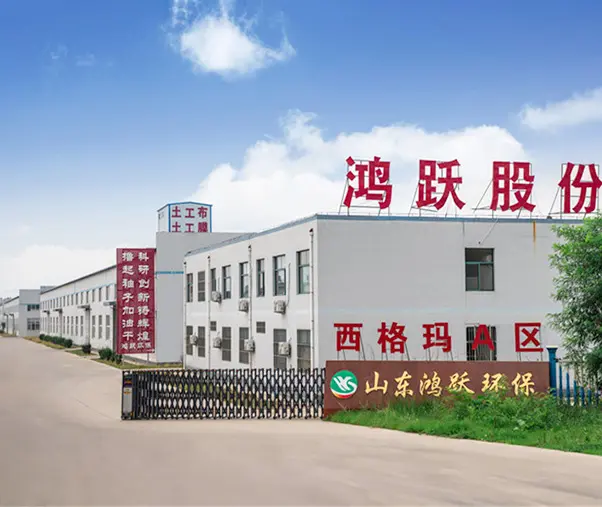
Established on April 6, 2023, and registered with a capital of 105 million yuan under the Lingcheng District Market Supervision and Administration Bureau of Dezhou City, Shandong Province, we represent one of the largest modern production bases of geotechnical materials in China. Our factory is situated at the north end of Fufeng Street, Lingcheng District, offering a strategic geographical location with highly efficient transport connections to key logistics hubs and deepwater ports like Qingdao.
We are a scientific and technological geotechnical material manufacturer integrating engineering material production, sales, design, and professional construction services. As a member of the Dezhou Geotextile Association, our product ecosystems are widely applied in highways, railways, bridges, tunnels, reservoirs, canals, artificial lakes, environmental protection, aviation, mining, and modern agriculture.
From complex waste treatment barriers to remote mining leach pads, see how our LLDPE solutions excel globally.
Modern geotechnical projects are governed by rigorous regulatory frameworks that demand long-term structural reliability. In regions like North America and the European Union, landfills, water reservoirs, and industrial wastewater treatment ponds must meet stringent containment standards. The selection of geomembranes is therefore based not just on price, but on material reliability and longevity. LLDPE geomembranes from Shandong Hongyue are formulated to offer superior resistance to environmental stress cracking and long-term UV degradation, making them the preferred choice for overseas engineering contractors and public utilities.
When sealing waste containment units, the cover layer undergoes significant mechanical strain as the waste degrades and settles. LLDPE’s superior multiaxial elongation ensures the integrity of the barrier layer, accommodating irregular differential settlement without tearing or puncture, thus preventing harmful gas and leachate escape.
Leach pads require a high-strength chemical barrier to contain acidic or alkaline leaching solutions. The flexibility of LLDPE allows it to conform to rough, rocky surfaces in mountainous mining terrains, reducing subgrade prep costs while providing excellent puncture and abrasion resistance.
For fish ponds, irrigation reservoirs, and canal linings, non-toxic food-grade LLDPE geomembranes offer clean water containment. They prevent soil water loss through seepage while remaining flexible enough for quick, customized onsite welding and configurations around pipes and drainage structures.
A detailed breakdown of how our advanced manufacturing facility produces premium geotextiles and geomembranes.
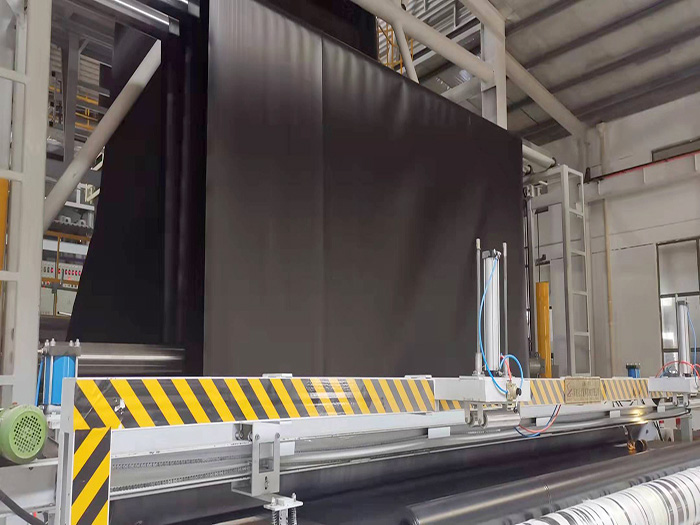
Shandong Hongyue employs state-of-the-art automatic extrusion blow-molding and flat die-extrusion lines. We strictly control variables such as raw material feed, extrusion pressure, and cooling rates. By using raw LLDPE resins formulated with high-quality carbon black, anti-oxidants, and thermal stabilizers, we produce geomembranes that meet or exceed international standards (such as GRI-GM17).
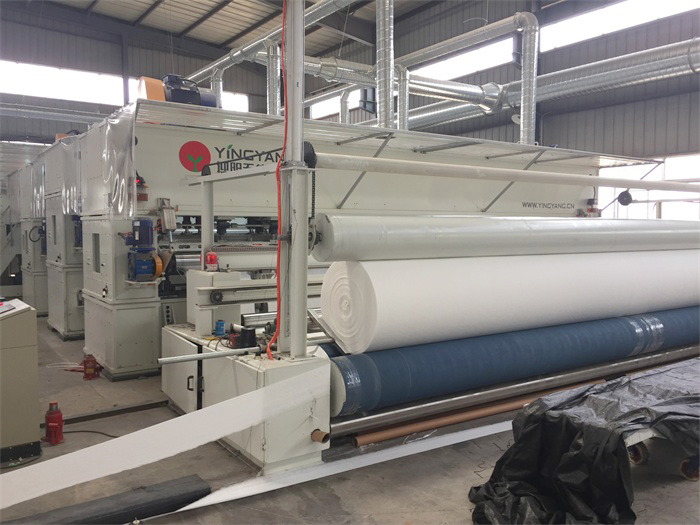
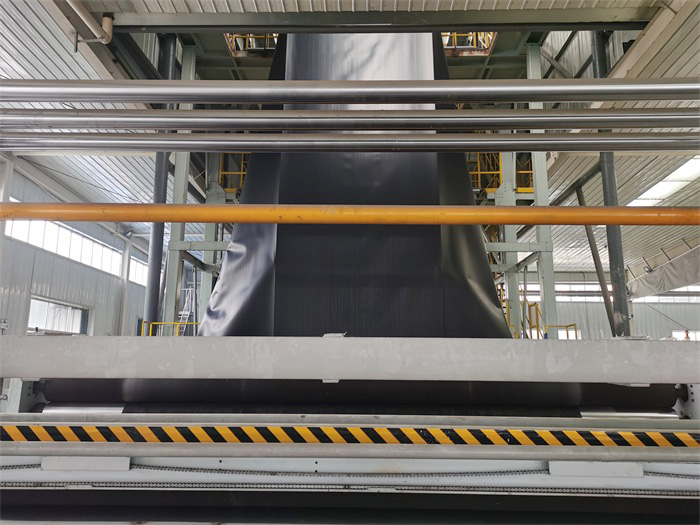
Polyester chips, polypropylene filaments, and viscose fibers are inspected and stored. Testing guarantees raw material density and molecular weight distributions remain uniform.
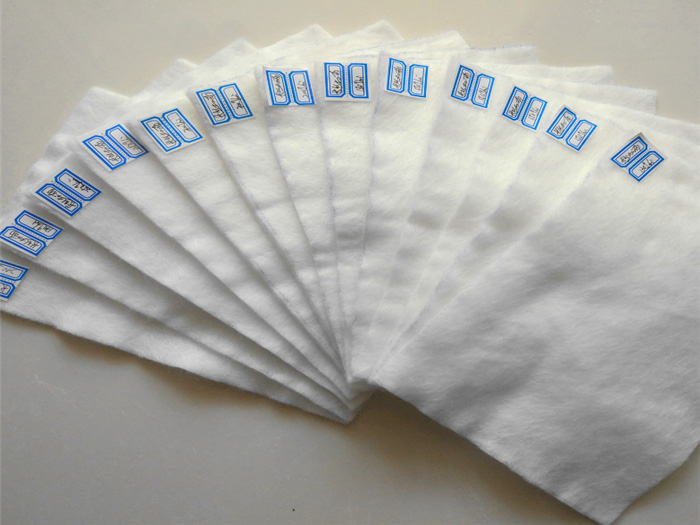
Polyester raw materials are melted at high temperatures and extruded using screw extruders. Polypropylene and viscose fibers are thoroughly blended, with strict heat and pressure monitoring.
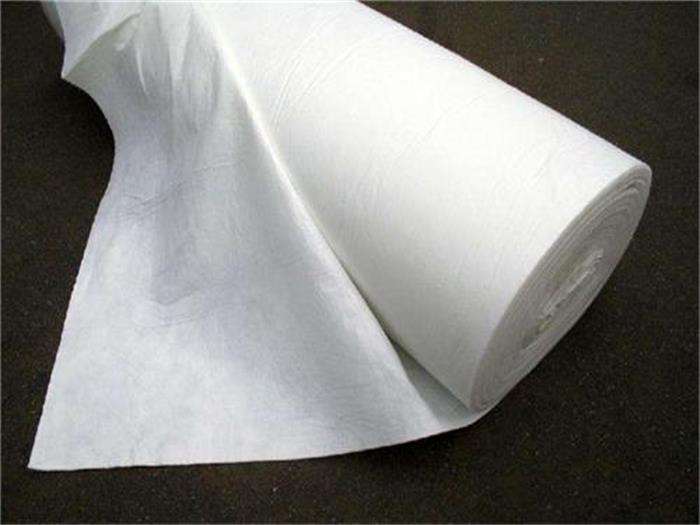
The molten mix is extruded through spinnerets to form a dense fibrous web on a moving conveyor belt, ensuring consistent thickness and fiber orientation across the sheet.
The fibrous web undergoes thermal, mechanical, or needle-punch curing. Speed and draft ratios are adjusted to achieve high mechanical tensile strength and optimal water permeability.
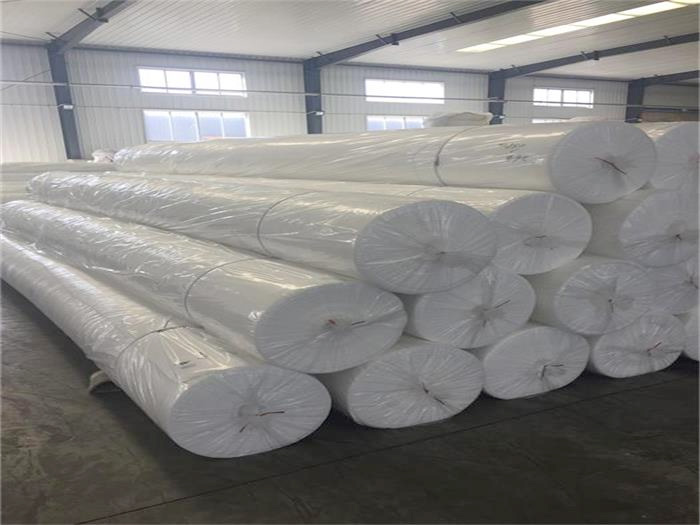
Cured geotextiles are trimmed, measured for thickness and roll width, and wound onto heavy-duty cores. Rolls are wrapped in UV-protective film for transport.
Samples undergo tensile, puncture, and hydraulic testing. Only rolls meeting national and international performance metrics are approved for shipment.
A step-by-step technical handbook for selecting, deploying, and maintaining polyethylene liners.
Selecting the correct geomembrane thickness and polymer type is crucial for structural longevity. The standard material thickness ranges from 0.3mm for basic farm ponds to 2.0mm for high-consequence landfills and industrial mining operations. LLDPE should be specified when high elongation and flexibility are required to accommodate irregular subgrade movements.
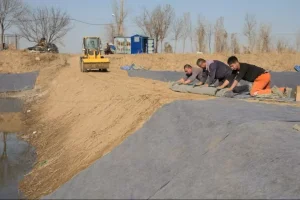
Before laying the liner, prepare the subgrade by clearing stones, tree roots, and sharp debris. For steep slopes, roll the geomembrane panels vertically to minimize transverse seams. Welding must be carried out using automated double-wedge welders, which create dual weld tracks with an air channel for non-destructive pressure testing.
Conduct regular quality assurance inspections. Perform vacuum box testing on extrusion-welded seams (such as around pipe penetrations) to verify a complete seal. Keep the liner surface clear of debris to prevent localized stress points and premature wear.
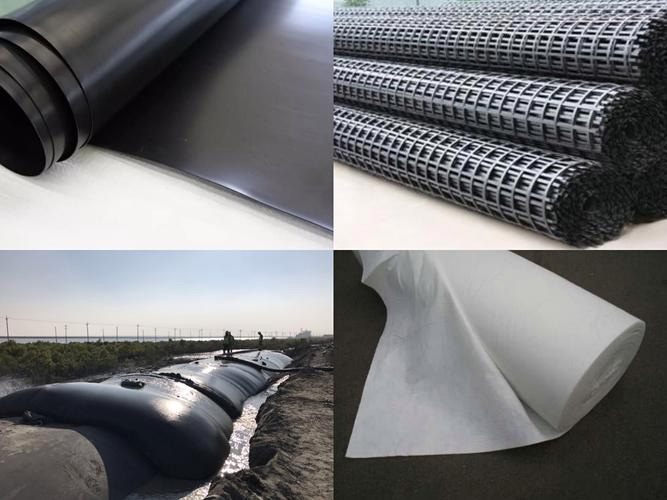
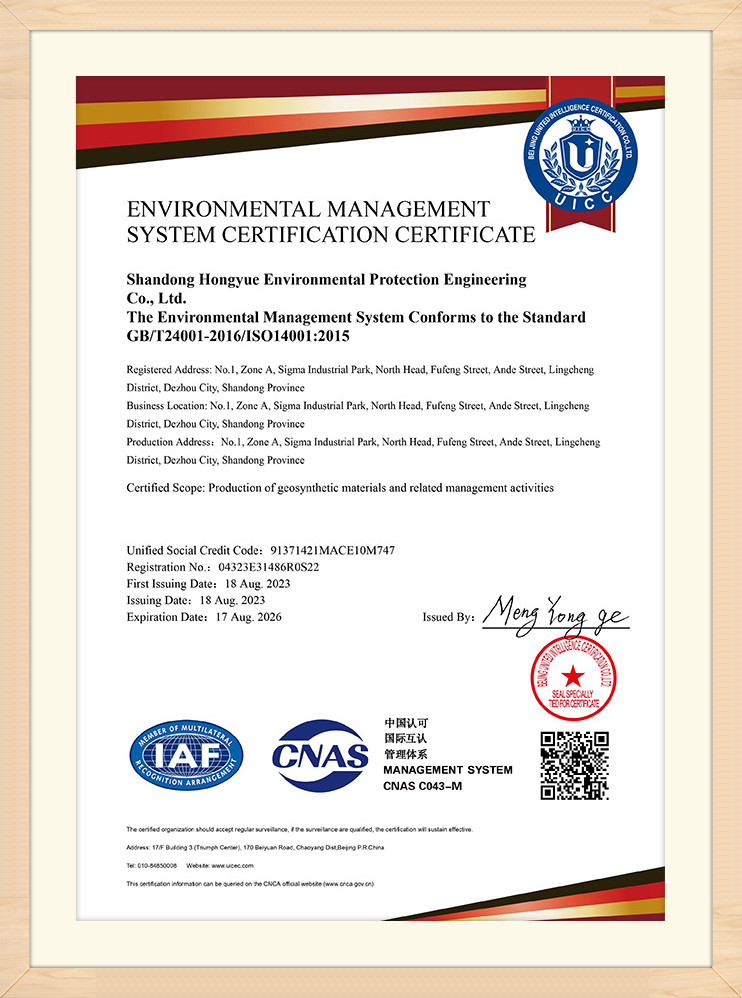
Our commitment to internationally recognized manufacturing standards and independent third-party audits.
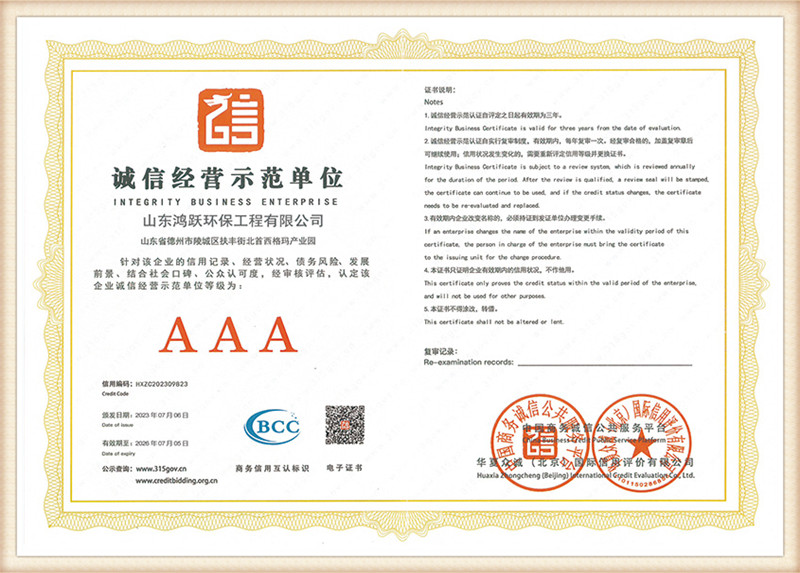
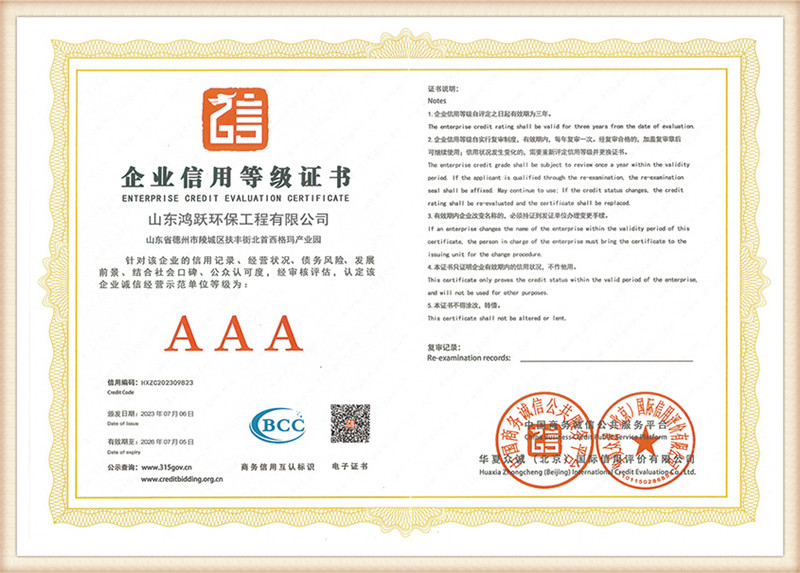
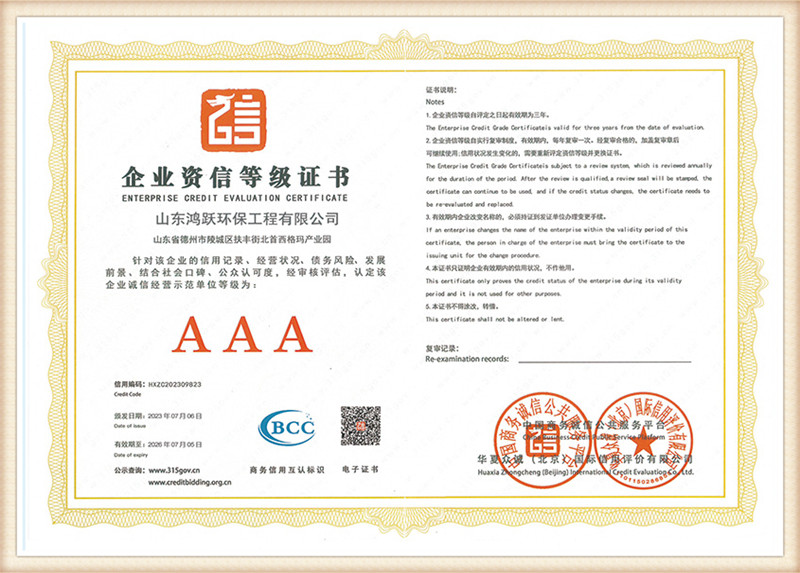
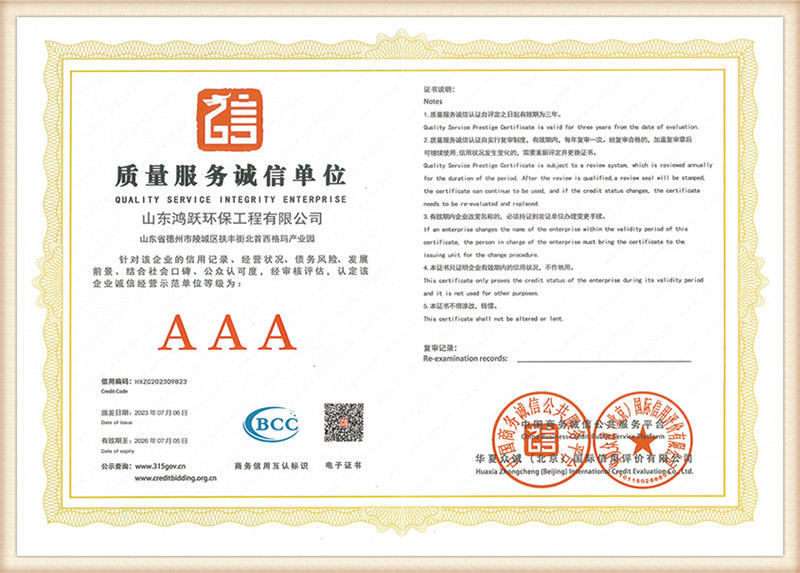
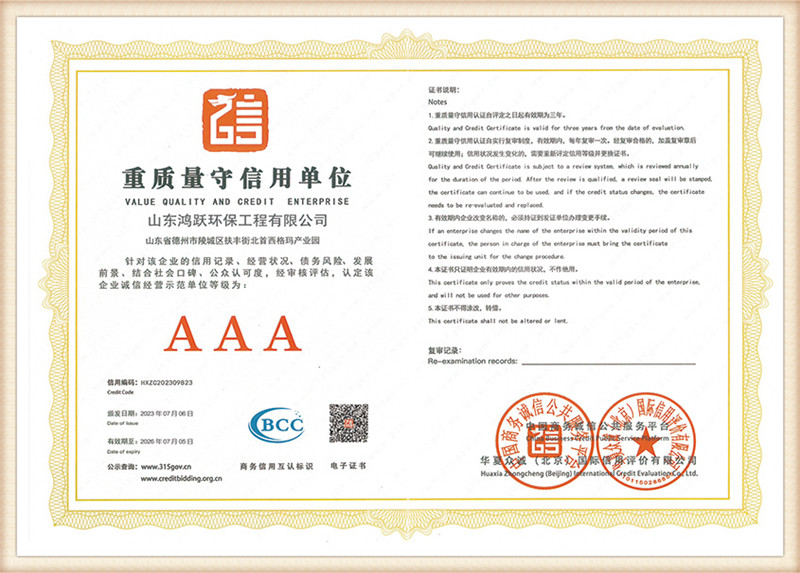
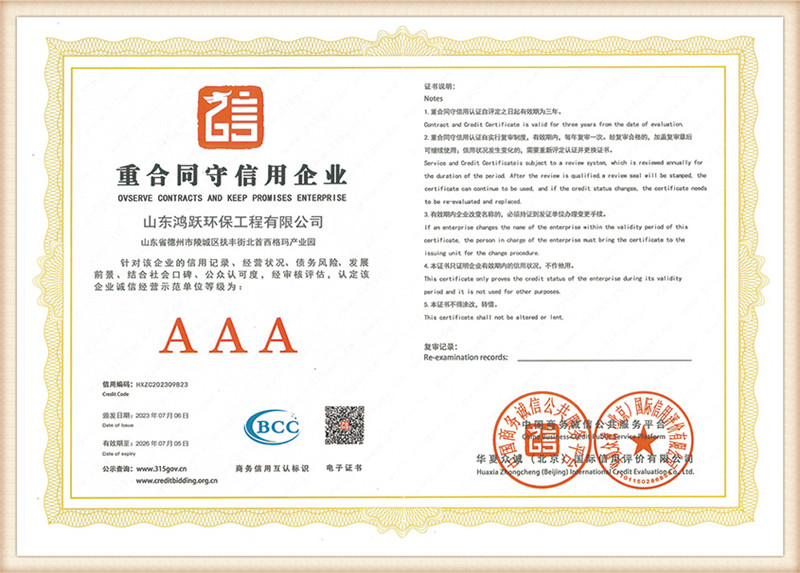
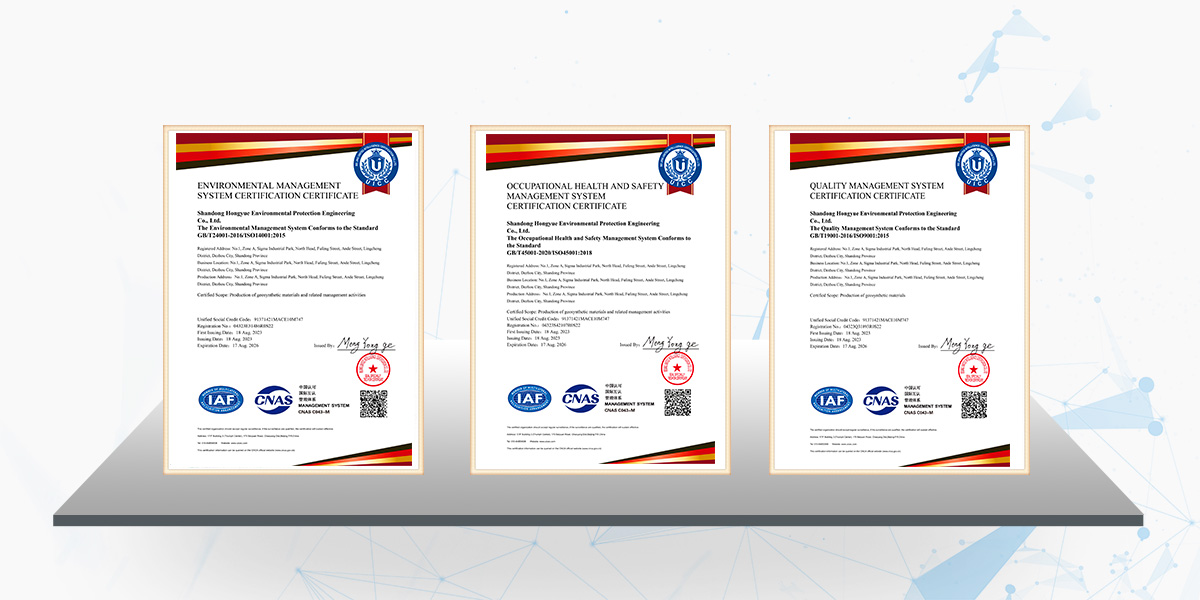
Shandong Hongyue operates under a comprehensive, modern management system. We have successfully obtained certifications for ISO9001 (Quality Management), ISO14000 (Environmental Management), and ISO45001 (Occupational Health and Safety). These systems guide every phase of our operations, from raw material procurement to final product shipping.
Tailored barrier installations designed for municipal, industrial, and environmental engineering projects.
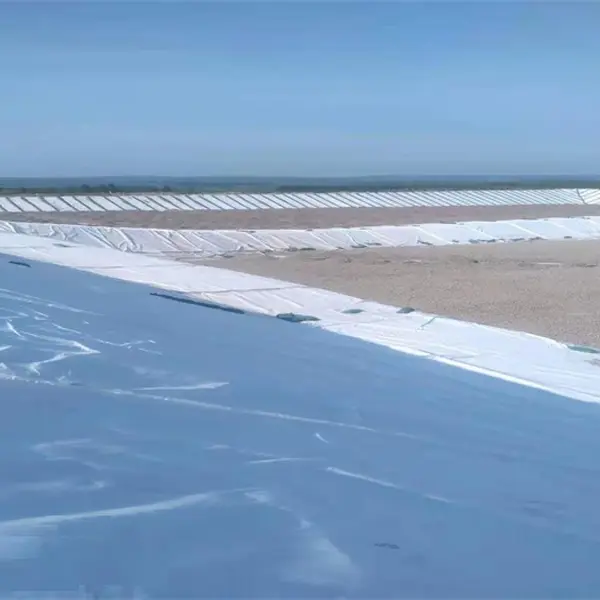
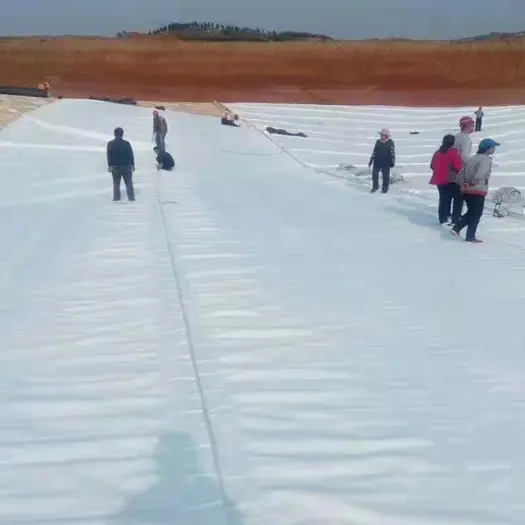
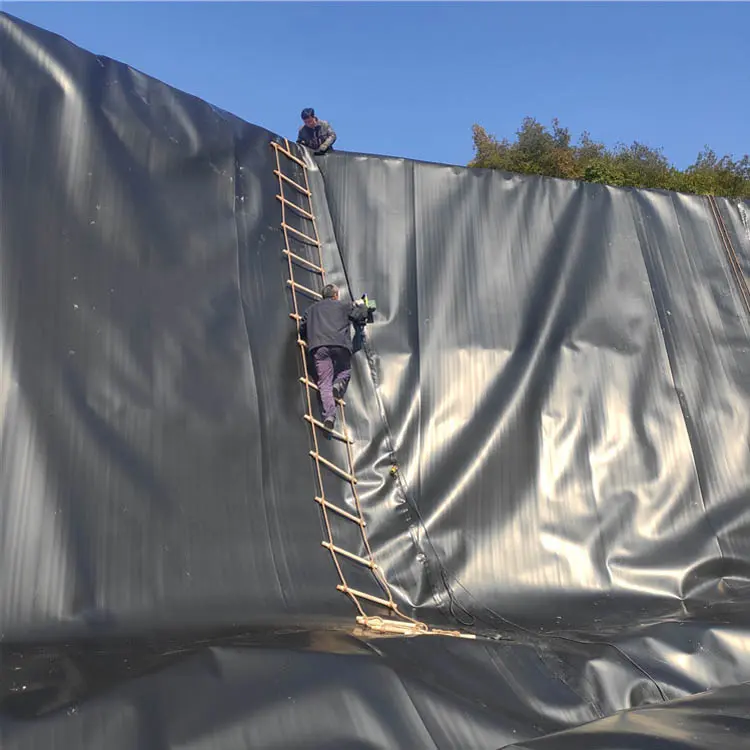
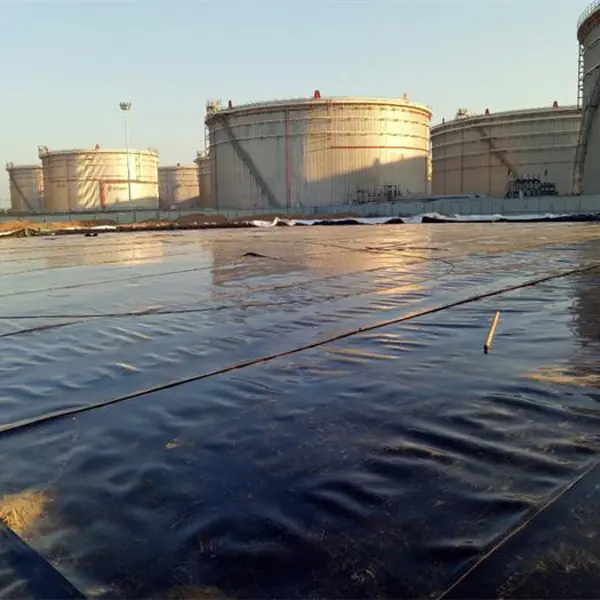
Detailed analysis of geomembrane performance in active water conservancy and infrastructure applications.
In water conservancy projects, maintaining low seepage rates is critical for both water conservation and structural safety. Below are three key areas where our geomembranes provide essential barrier protection:
Reservoirs built in valleys or regions with complex geological conditions are prone to high seepage loss. Installing an LLDPE liner creates a continuous barrier that blocks water flow, stabilizing the surrounding ground. The material's flexibility ensures it remains intact even with minor soil movement or shifts under high water pressure.
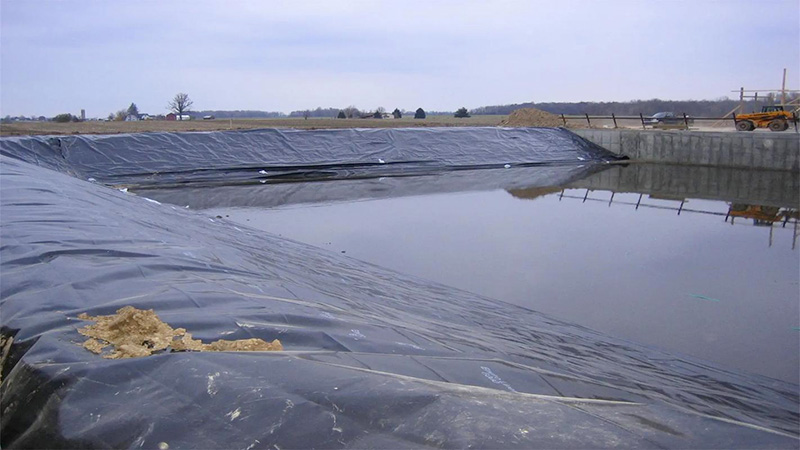
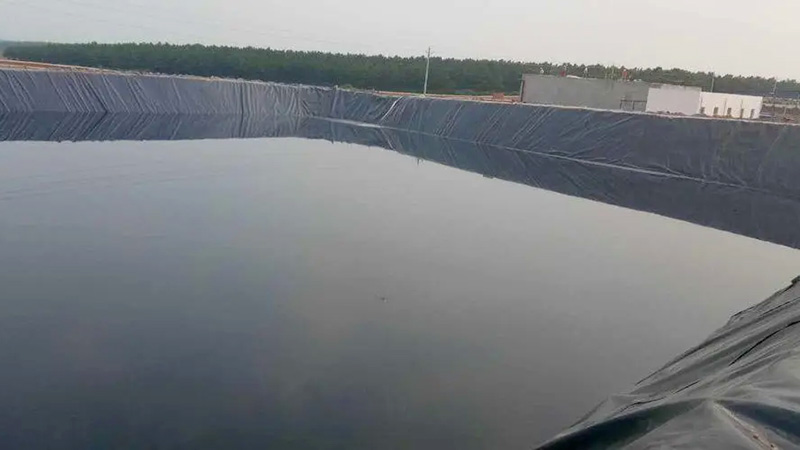
Levees and dikes protect downstream infrastructure from seasonal flooding. However, interior piping and subgrade erosion can lead to sudden embankment failures. Using composite geomembranes (liner bonded with non-woven geotextile) adds structural reinforcement while blocking water penetration, preventing structural erosion.
Canals and rivers are essential for irrigation and urban drainage. Unlined channels can lose significant amounts of water through soil infiltration. Lining them with geomembranes prevents seepage losses, controls erosion, and reduces weed growth, improving overall water conveyance efficiency.
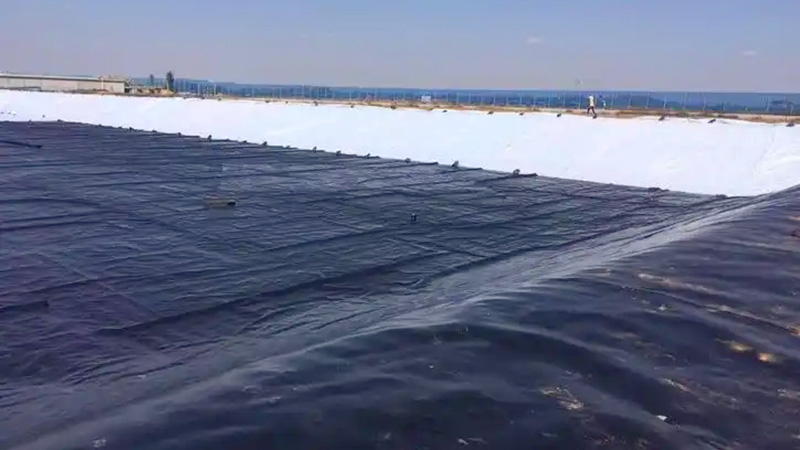
A transparent breakdown of pricing factors for global buyers sourcing from Chinese manufacturers.
Sourcing geomembranes from a Chinese manufacturer offers significant cost efficiencies, but prices depend on several technical specifications. When evaluating quotes, please consider the following variables:
Prices are closely tied to the global cost of polyethylene resin. Using 100% virgin resin increases the price, but delivers the physical properties and longevity required for critical engineering specifications. Recycled resin options are available for low-consequence temporary containment at a lower cost.
Geomembrane pricing is typically calculated per square meter. The price scales with thickness: a 0.5mm liner requires less resin and is more affordable, whereas 1.5mm and 2.0mm liners are heavier, requiring more raw material and specialized processing, which increases the cost.
Smooth geomembranes are the standard option. Textured variations (single-sided or double-sided) improve friction on steep slopes to prevent slide failures, but increase the processing cost by approximately 15% to 25% compared to smooth liners.
Expert answers to common engineering, design, and procurement questions regarding LLDPE and geosynthetics.
A: The difference lies in their molecular structures. HDPE is highly crystalline, offering high chemical resistance and stiffness. LLDPE has a linear structure with short branches, which provides greater flexibility, higher multiaxial elongation, and superior stress crack resistance. This makes LLDPE more suitable for lining irregular shapes and handling differential settlement.
A: The lifespan depends on UV exposure and the resin formulation. High-quality LLDPE liners, like those produced by Shandong Hongyue, include carbon black and antioxidants to protect against UV degradation. Under typical soil cover, these liners can last for over 50 years, while exposed liners can last for 10 to 20 years depending on regional climate conditions.
A: Standard roll widths range from 5.8m to 8m, designed to fit inside standard 40ft containers. Roll lengths typically range from 50m to 150m, depending on the thickness of the liner. We can customize roll sizes to fit specific project requirements and minimize onsite welding.
A: We use two primary testing methods: non-destructive air pressure testing for dual-track fusion welds, and vacuum box testing or spark testing for single-track extrusion welds. These quality control steps ensure all seams are leak-free.
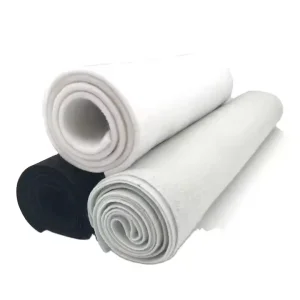
A: Yes. We can laminate geomembranes with either polyester (PET) or polypropylene (PP) non-woven geotextiles. These composite liners can be configured as one geotextile and one geomembrane (one-in-one) or two geotextiles and one geomembrane (two-in-one), with weights ranging from 100g/m² to 800g/m² to meet filtration and protection specifications.
A: Our facility is certified under ISO9001, ISO14001, and ISO45001. Our products are tested and certified by the China National Testing Center, meeting international standards such as ASTM and GRI specifications.
Explore our complete range of drainage, filtration, and reinforcement materials for infrastructure projects.
 Hongyue