Explore our leading export-grade engineering materials engineered for stabilization, filtration, and ecological protection.
Unlocking agricultural efficiency and infrastructural durability through advanced material sciences.
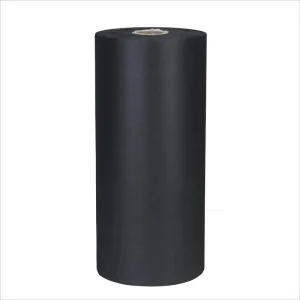
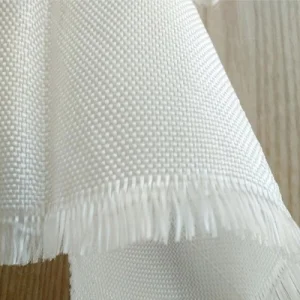
In the modern era of ecological restoration, civil infrastructure, and sustainable agriculture, the demand for high-performance geotextiles and barrier materials has scaled exponentially. Specifically, Grass-Proof Cloth (commercially referred to as weed control fabric, geotextile weaving cloth, or ground cover) has transitioned from simple physical blocking materials to advanced UV-stabilized, high-permeability polymer webs. These advanced fabrics selectively filter solar radiation, restrict weed photosynthesis, balance soil microclimates, and manage hydrologic dispersion in both agricultural fields and major civil engineering projects.
Globally, agricultural giants and infrastructure conglomerates face distinct challenges. In North America and Europe, stringent organic cultivation guidelines prohibit chemical herbicides, making bio-compatible mechanical weed barriers a core requirement. In water-scarce regions like North Africa and Australia, grass-proof ground covers serve a secondary, yet equally vital role: reducing evaporation rates by up to 35% compared to exposed soil. Consequently, selecting the correct factory partner—one capable of custom blending UV stabilizers (carbon black and chemical additives) with precision weaving machinery—is paramount for procurement officers representing global distribution chains.
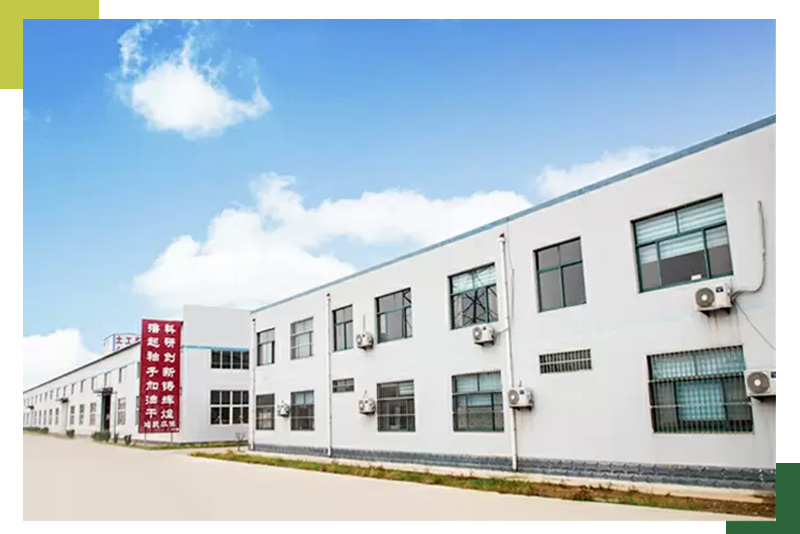
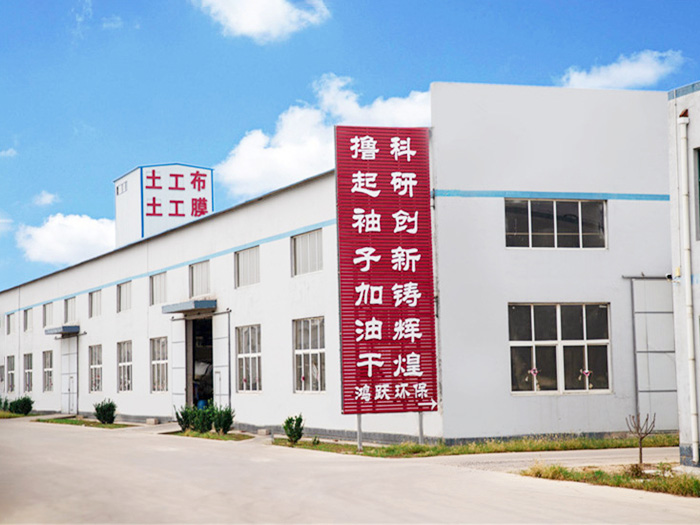
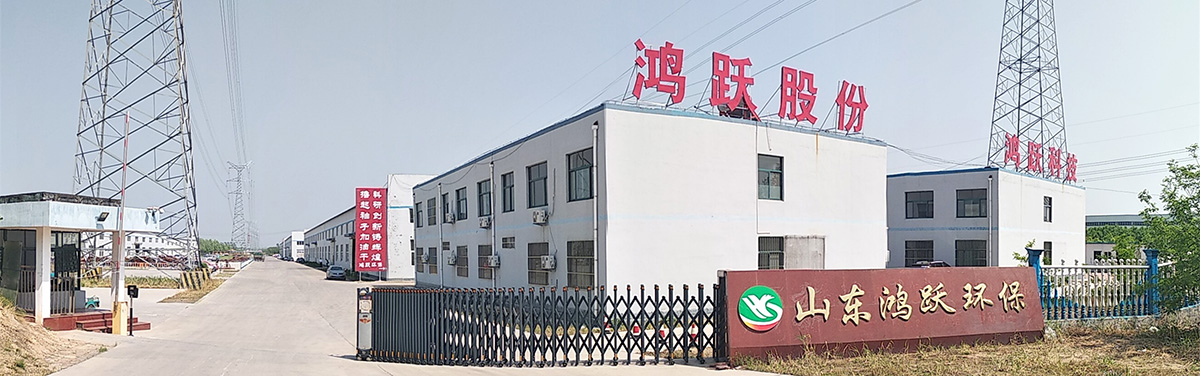
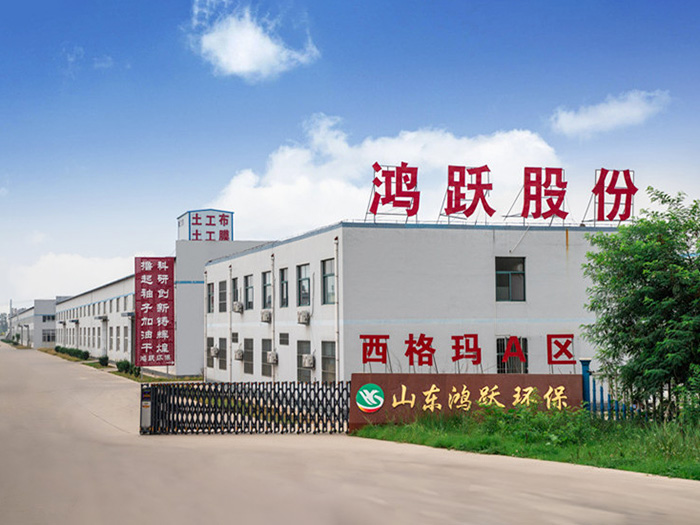
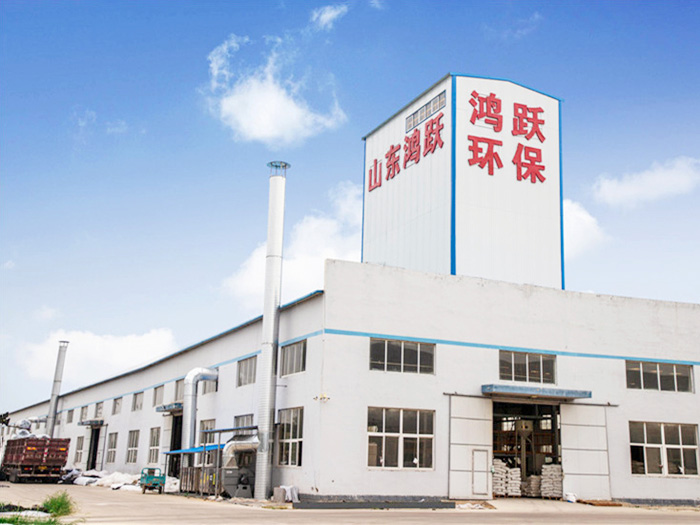
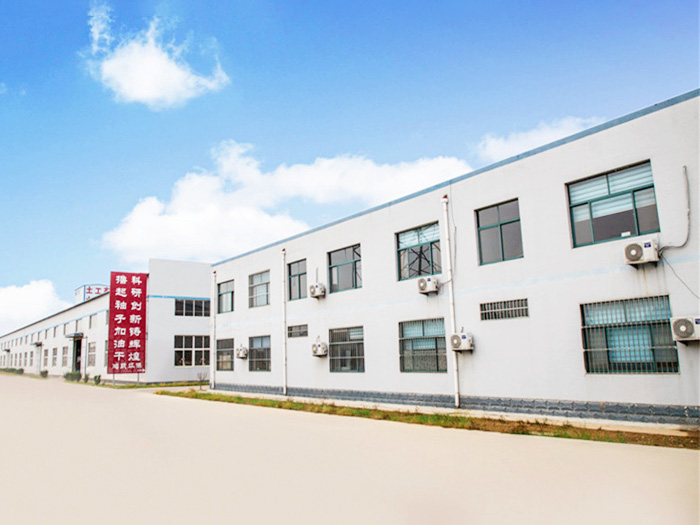
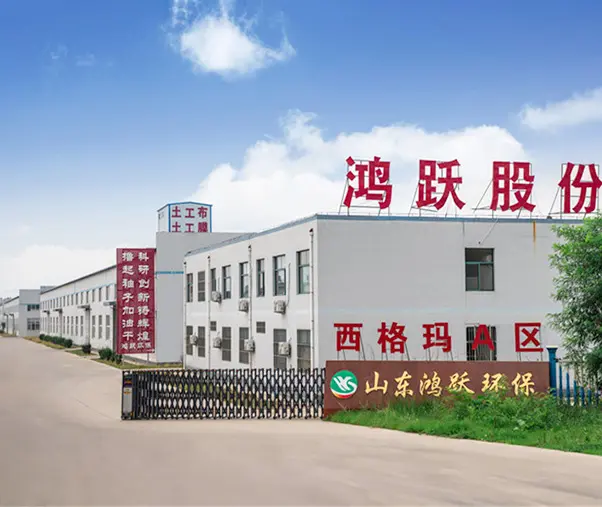
Located at the north end of Fufeng Street, Lingcheng District, Dezhou, Shandong Province, Shandong Hongyue is a leading scientific and technological geotechnical material manufacturer. We integrate engineering material production, sales, design, and construction services. Registered with a capital of 105 million yuan, we represent one of the largest production bases of geotechnical materials in China today, benefiting from a superior geographical location and highly convenient logistics networks.
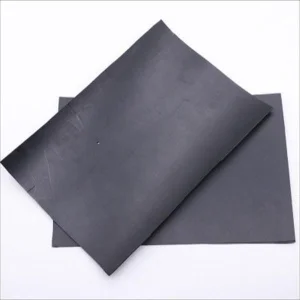
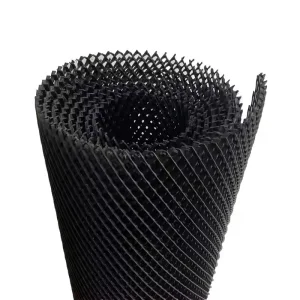
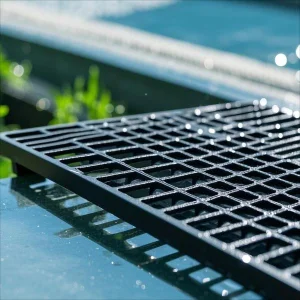
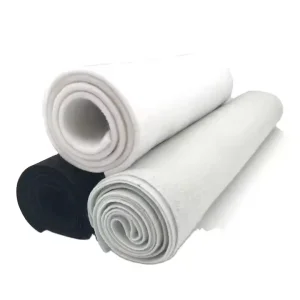
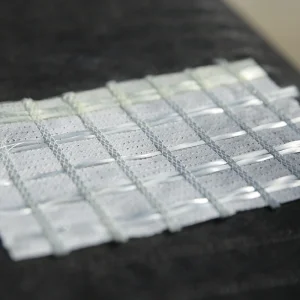
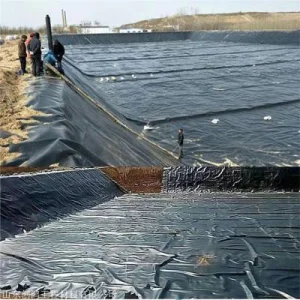
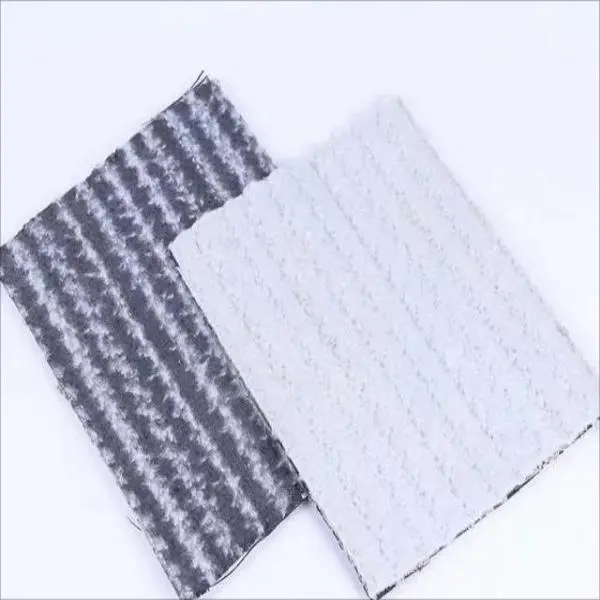
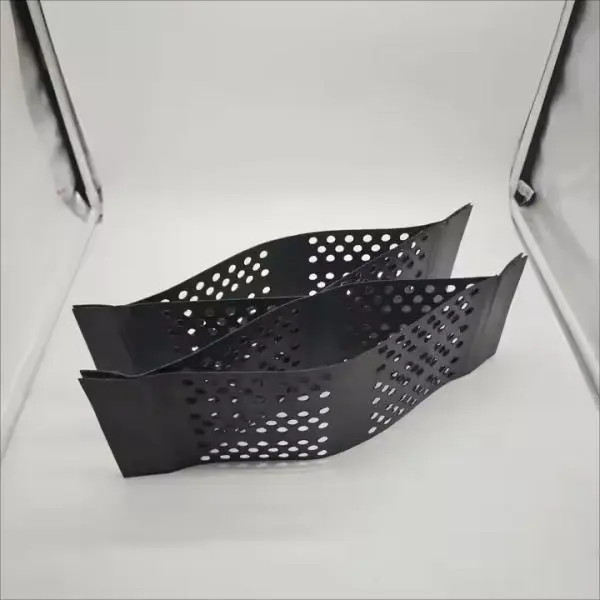
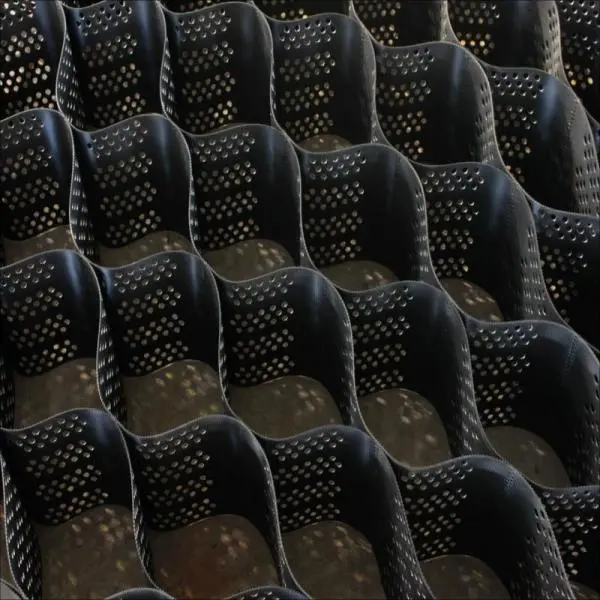
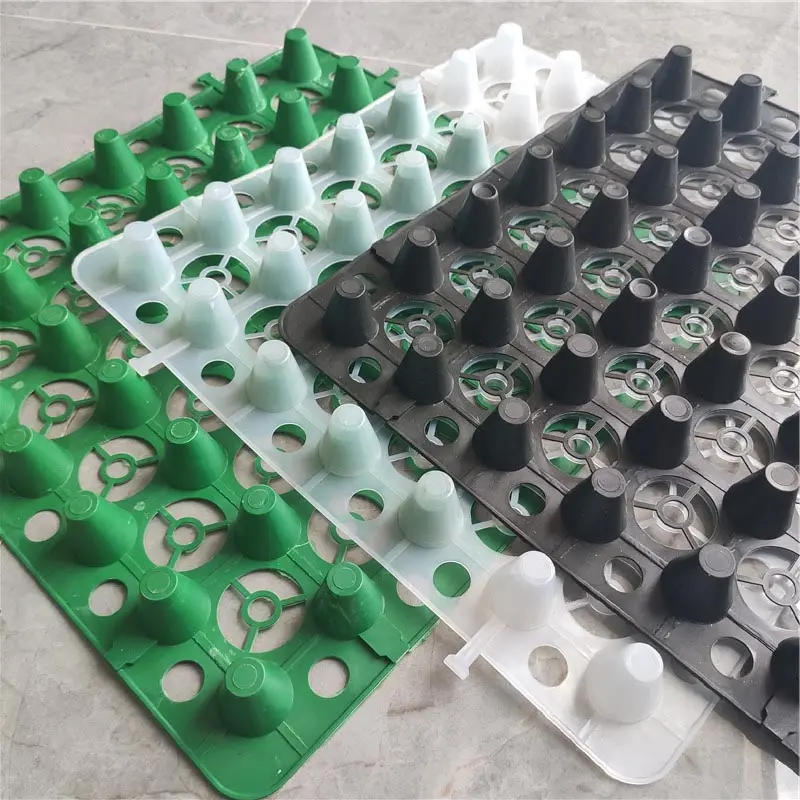
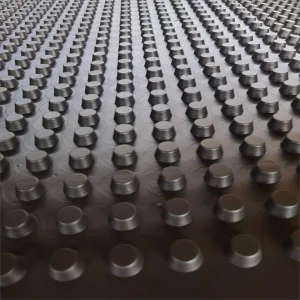
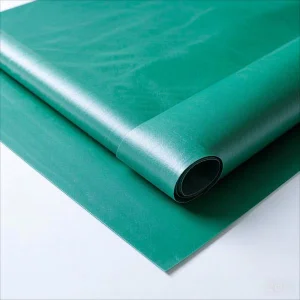
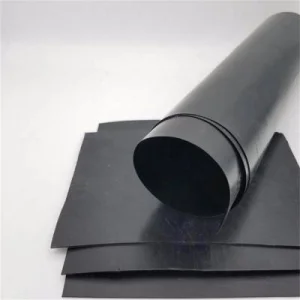
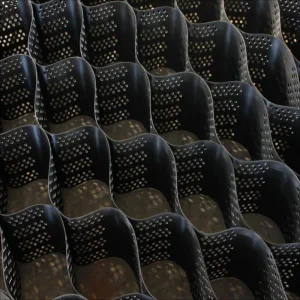
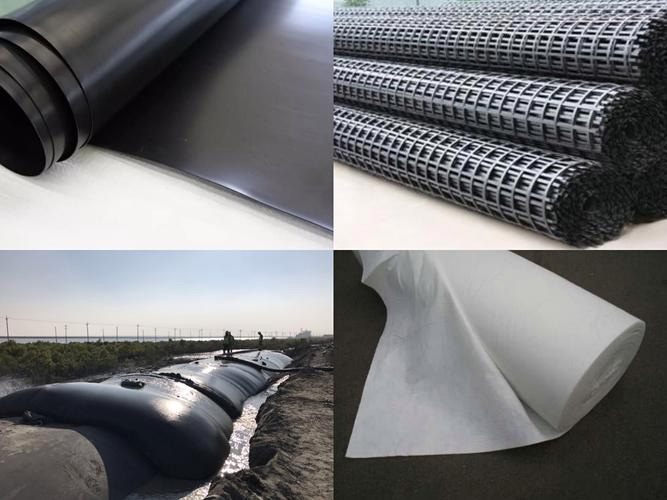
Our expansive catalog includes geotextiles, geomembranes, composite geomembranes, waterproof boards, bentonite waterproof blankets (GCLs), 3D composite drainage nets, plastic drainage boards, weaving cloth, woven ground covers, membrane bags, blind ditches, waterproof-drainage combinations, woven bags, ecological bags, cement blankets, fiber plant blankets, and flexible pervious pipes. As an active member of the Dezhou Geotextile Association, we maintain a professional sales and technical team to support challenging projects worldwide.
Adapting geo-synthetics and weed control technology to specific regional environments.
Used extensively in high-density berry farms, vineyards, and fruit orchards. Our high-tensile grass-proof cloth blocks weed growth, limits root disruption, and ensures clean cultivation paths, directly reducing labor costs associated with manual weeding and chemical management.
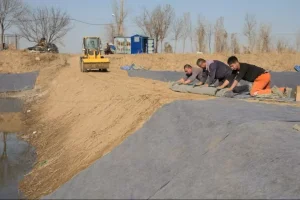
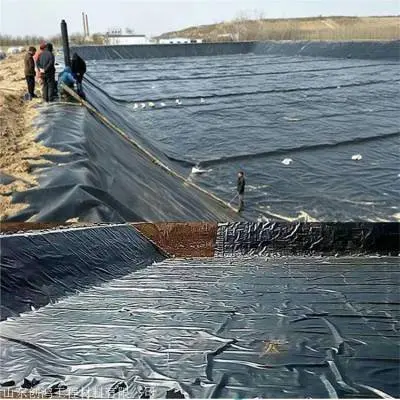
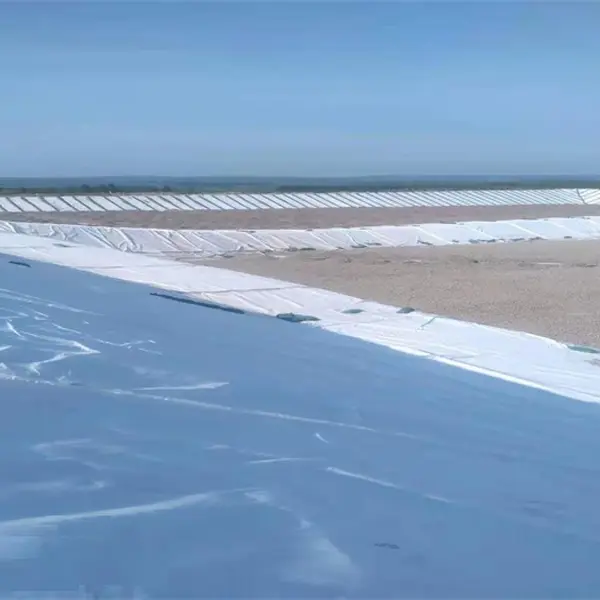
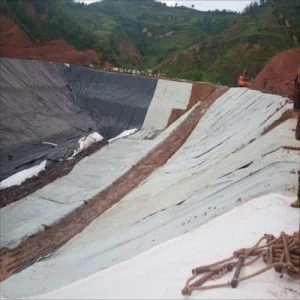
Integral for channels, irrigation canals, and reservoir banks. The fabric provides structural reinforcement to stop erosion along watercourses, preventing soil migration while allowing subsurface water to drain safely without causing hydrostatic pressure buildup.
In container nurseries and commercial greenhouse designs, our ground cover optimizes drainage, prevents root penetration into the ground soil, keeps potted plants clean, and presents an aesthetically structured, high-technology agricultural layout.
Discover our specialized catalog of geosynthetics designed for major civil, agricultural, and environmental works.
Focusing on the production of new anti-seepage and reinforcement engineering materials with robust properties.
Dedicated project engineering support, tailored sizing, and precise polymer blends for customized applications.
Strategically positioned in Shandong with convenient transport channels to Qingdao and Tianjin ports.
Fully integrated into high-profile national highways, rail projects, municipal landfills, and agricultural sites.
A glimpse inside Shandong Hongyue's state-of-the-art manufacturing plants.
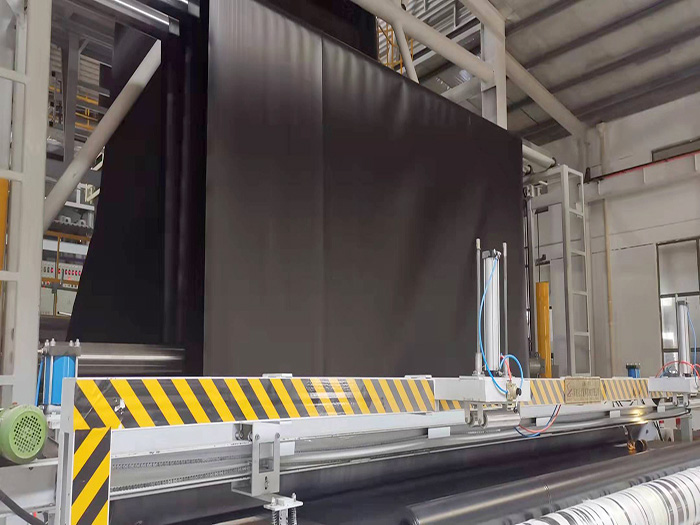
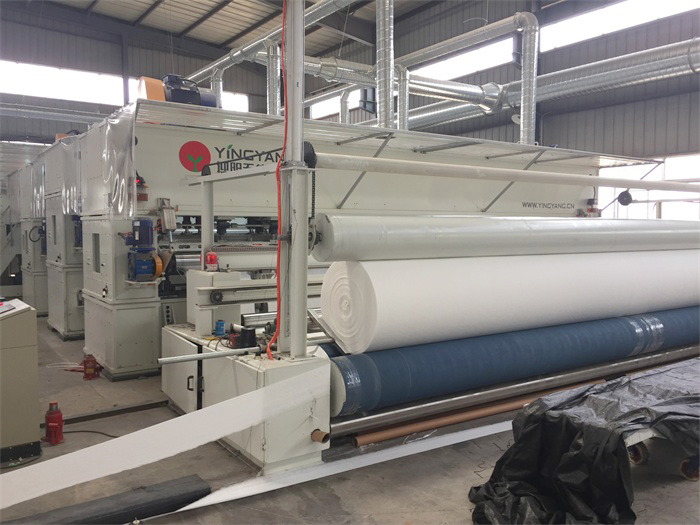
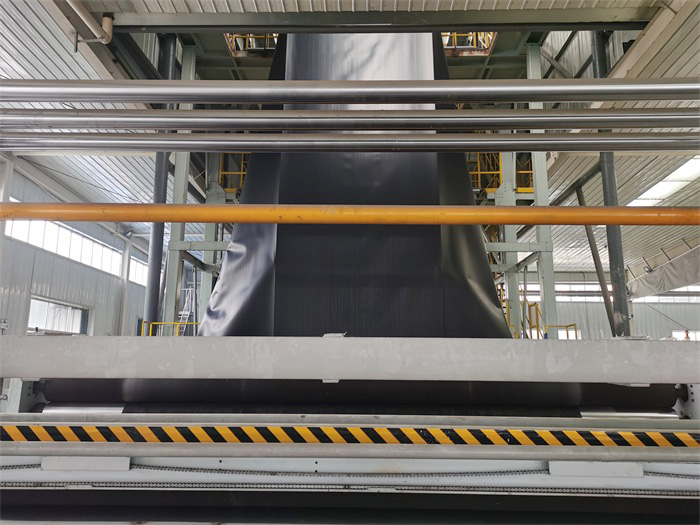
Understanding the stages of high-performance polymer extrusion and needle-punch stabilization.
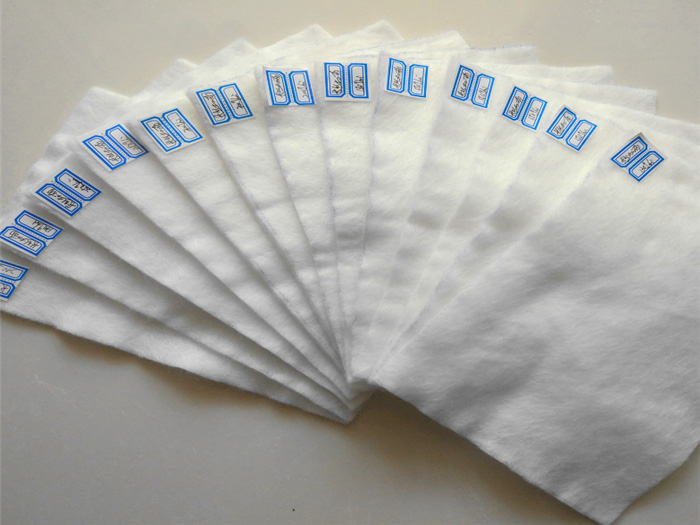
The foundational quality of grass-proof fabric depends on pure polymer resins. We procure high-grade polyester chips, virgin polypropylene filament, and viscose fibers. These raw materials are thoroughly analyzed, tested for molecular weight uniformity, and prepared in specialized moisture-controlled environments to guarantee structural consistency.
Polyester slices and polypropylene filaments are combined with UV stabilizers and processed through a high-temperature screw extruder. The exact ratios of temperature and atmospheric pressure are managed automatically, producing a homogeneous, molten polymer mixture that resists environmental weathering and degradation.
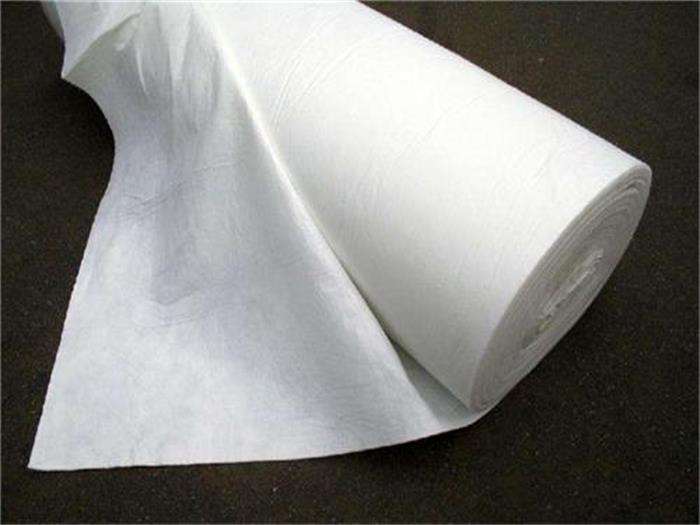
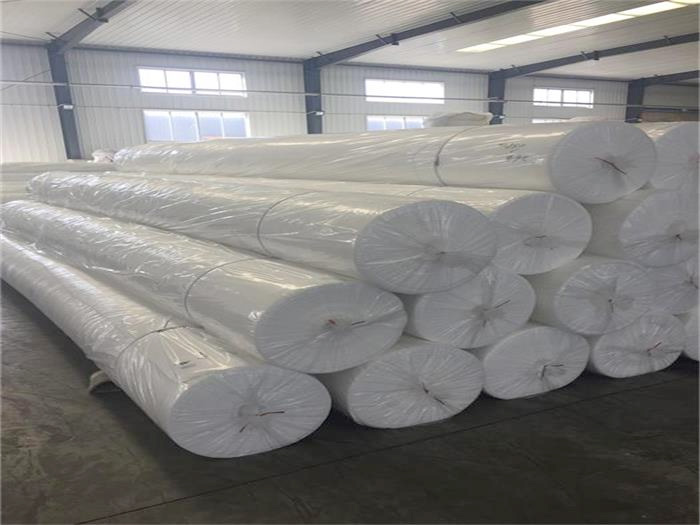
The molten polymer is extruded through custom spinnerets, forming fine filaments. These are organized into a uniform web on conveyor lines, followed by needle-punch mechanical interlocking or thermal bonding. Standardized quality monitoring ensures thickness and physical strength metrics match specified limits before packing.
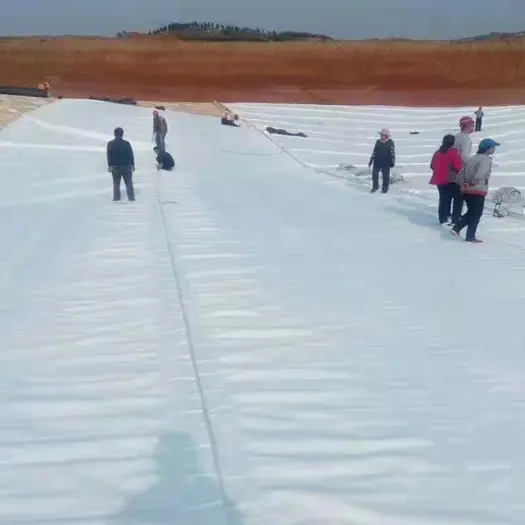
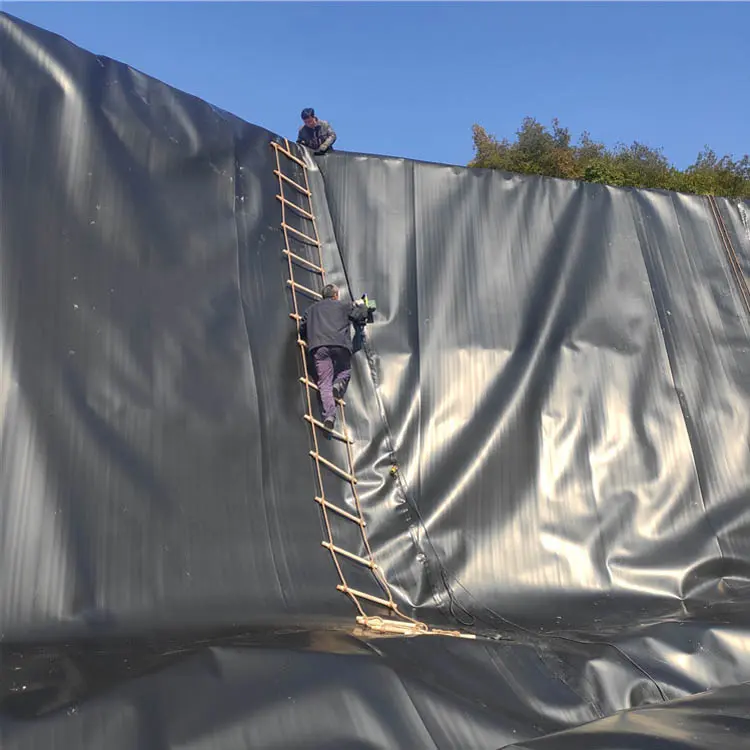
The performance of geomembranes depends heavily on correct preparation and installation techniques:
Regular maintenance involves inspecting exposed surfaces, cleaning sediments, and sealing minor cuts or physical impacts to ensure long-term service.
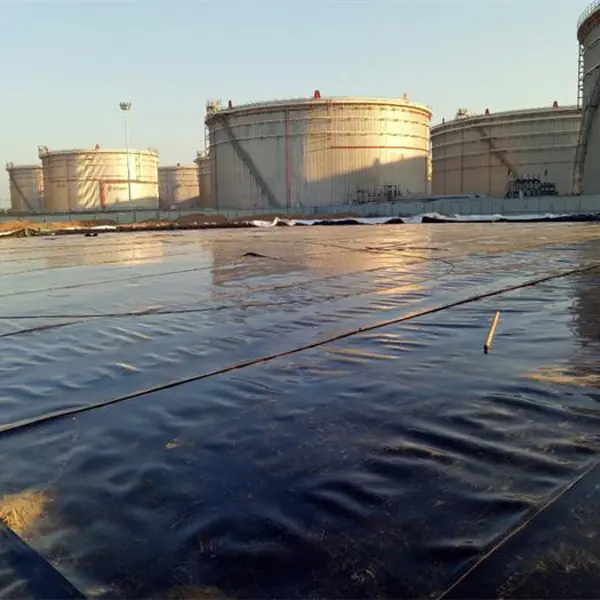
Real-world application of Shandong Hongyue's materials across civil and environmental sectors.
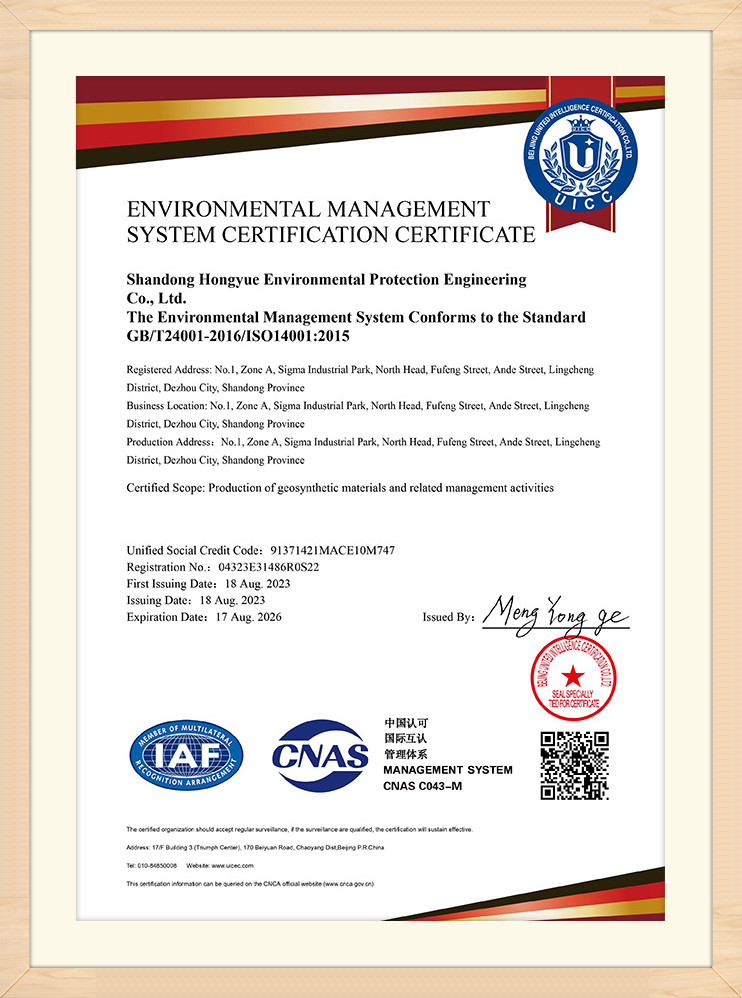
Our products meet or exceed domestic and international quality standards, backed by ISO9001 quality system certification, ISO14000 environmental management system, and ISO45001 health and safety certification.
Equipped with advanced testing devices, we measure key indicators such as tensile strength, puncture resistance, and hydraulic conductivity, and our products undergo regular sampling by national quality supervision departments to ensure consistency.
Reviewing our field projects in hydraulic engineering and channel governance.
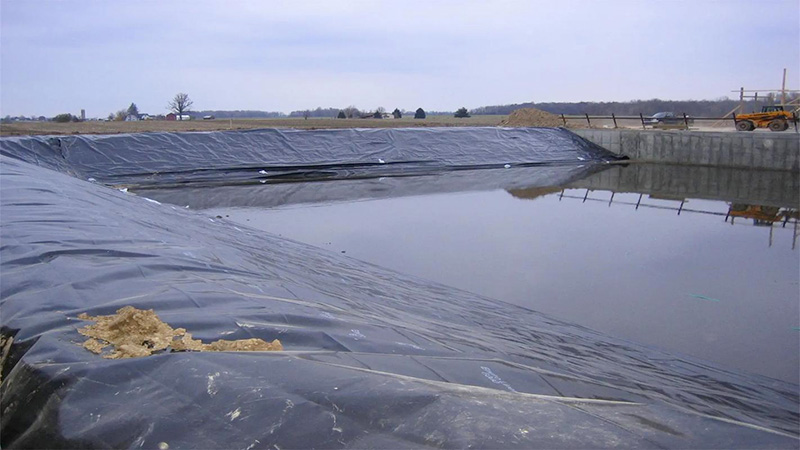
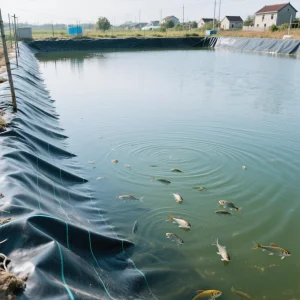
Reservoir Anti-seepage: Prevents soil migration and retains water volume.
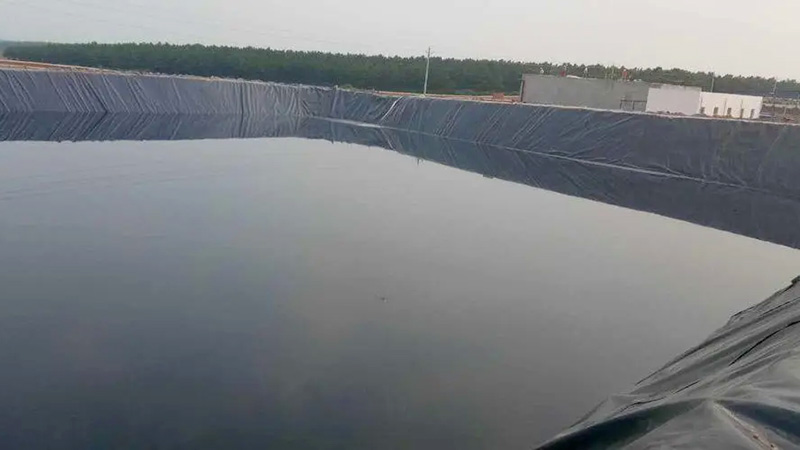
Levee Stabilization: Protects downstream areas by reinforcing structurally weak soil.
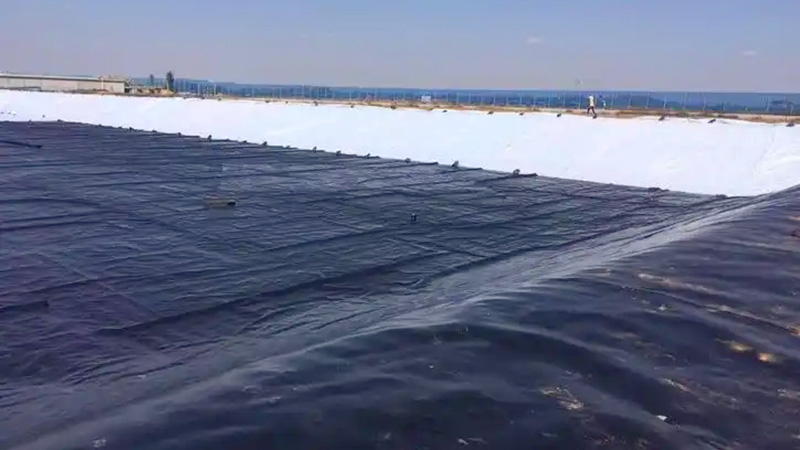
River Channels: Restricts erosive runoff and regulates water flow.
Addressing the main questions from global procurement officers and civil engineers.
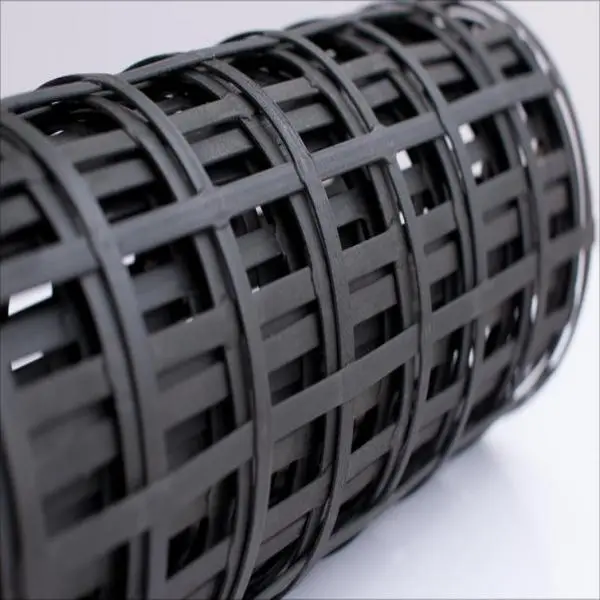
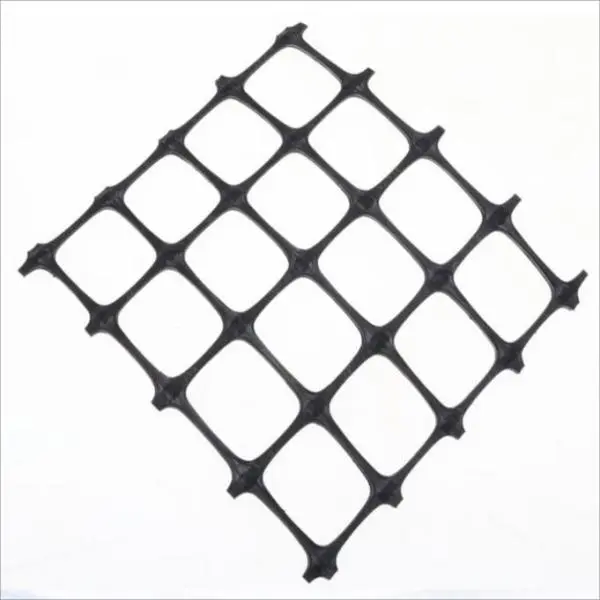
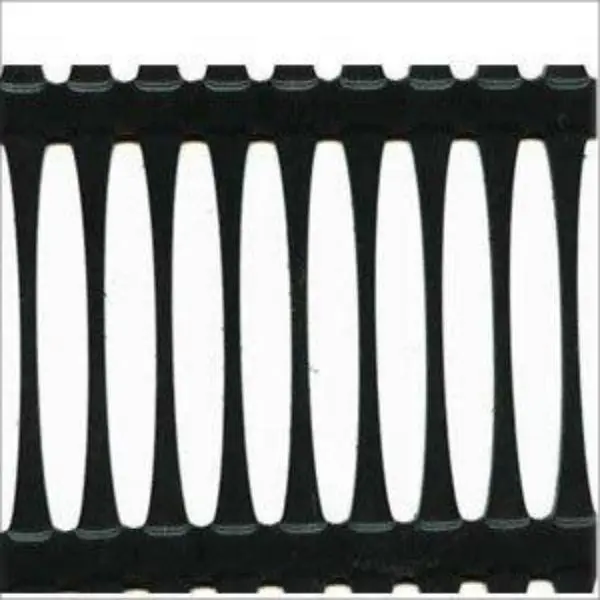
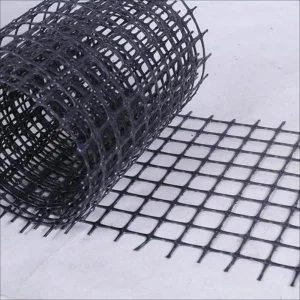
Discover our range of structural components designed for soil stabilization, municipal works, and drainage engineering.
 Hongyue