High-performance barrier materials certified for civil, environmental, and hydraulic infrastructure
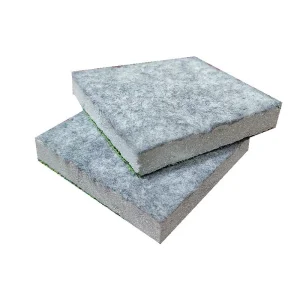
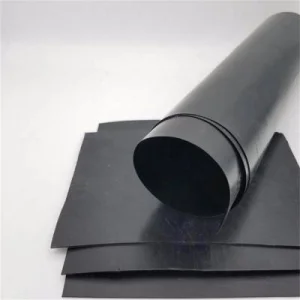
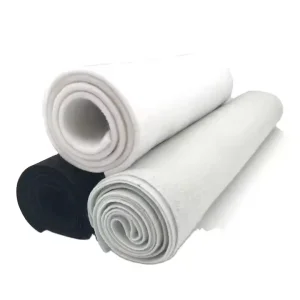
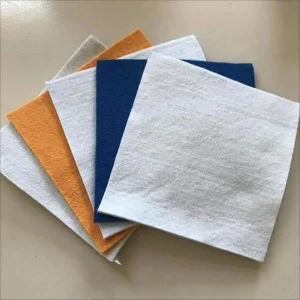
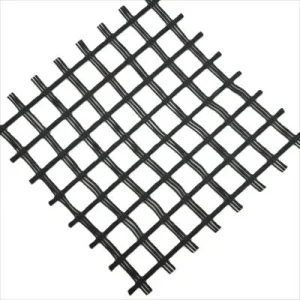
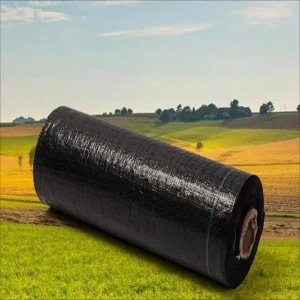
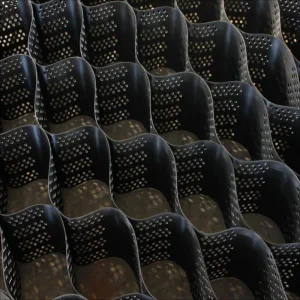
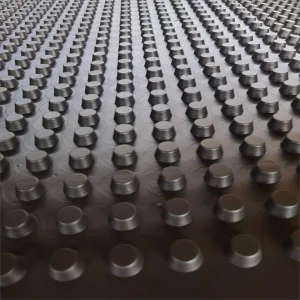
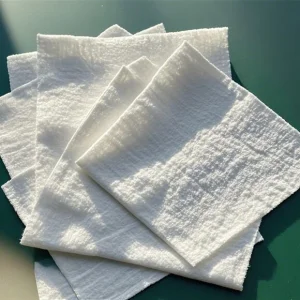
In modern geotechnical and environmental engineering, Geotextile 200g (referring to nonwoven or woven geotextiles with a mass of 200 grams per square meter) has emerged as an industry-standard material for stabilization, separation, filtration, and protection. As infrastructure assets face increasingly harsh weather conditions and stricter ecological compliance, selecting high-quality geotextile components has transitioned from a basic procurement task to a vital structural safety decision.
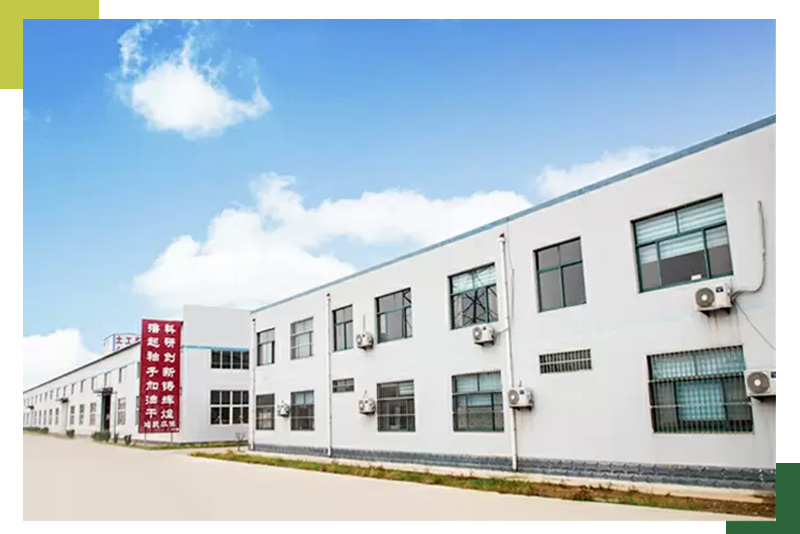
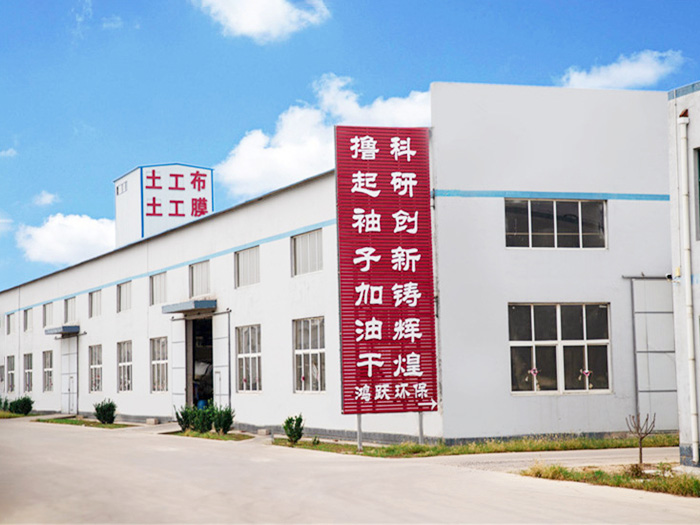
Shandong Hongyue Environmental Engineering Co., Ltd., headquartered in the Lingcheng District of Dezhou City, Shandong Province, stands at the absolute forefront of this production sector. Registered on April 6, 2023, with a robust capital base of 105 million yuan, the company operates as one of the largest specialized manufacturing centers for geosynthetics and geotechnical materials in China. Our geographical location in the Dezhou industrial hub guarantees fast transport corridors directly to international shipping ports, facilitating global container distribution.
International project developers, municipal planners, and mining corporations demand strict verification of technical characteristics before procurement. Standardized nonwoven 200g/m² geotextiles are typically classified under material configurations of Polyester (PET) or Polypropylene (PP). The mechanical validation requirements depend heavily on region-specific regulatory frameworks:
Requires mandatory CE Certification (EN ISO 13433 for dynamic perforation/cone drop, EN ISO 10319 for wide-width tensile strength, and EN ISO 11058 for water permeability properties).
Regulated under ASTM guidelines. Requires validation of ASTM D4632 (grab tensile strength), ASTM D4833 (puncture strength), and ASTM D4751 (apparent opening size/AOS).
Governed by local department of transportation specifications (such as MRTS27 in Queensland), prioritizing UV stability index under AS 3706 tests.
| Parameter Class | Testing Code Reference | Polyester (PET) Filament 200g | Polypropylene (PP) Staple Fiber 200g |
|---|---|---|---|
| Mass Per Unit Area | ISO 9864 / ASTM D5261 | 200 g/m² (±5%) | 200 g/m² (±5%) |
| Tensile Strength (MD/CMD) | ISO 10319 / ASTM D4595 | ≥ 15.0 kN/m | ≥ 18.5 kN/m |
| CBR Puncture Resistance | ISO 12236 / ASTM D6241 | ≥ 2.2 kN | ≥ 2.6 kN |
| Elongation at Break | ISO 10319 | 45% - 80% | 50% - 90% |
| Permittivity (Water Flow) | ISO 11058 / ASTM D4491 | 0.08 s⁻¹ to 0.12 s⁻¹ | 0.10 s⁻¹ to 0.15 s⁻¹ |
| UV Resistance (500 hrs) | ASTM D4355 | ≥ 70% retention | ≥ 80% retention (Stabilized) |
The high reliability of geotextiles produced by Shandong Hongyue relies on an automated, scientifically monitored, six-step manufacturing layout. Advanced mechanical controls and precision melt temperatures guarantee cross-machine direction consistency:
Virgin polyester chips, polypropylene filament segments, and viscose fibers are screened. Shandong Hongyue conducts structural inspection on chemical purity and fiber diameter to ensure the polymer chains can withstand long-term underground exposure.
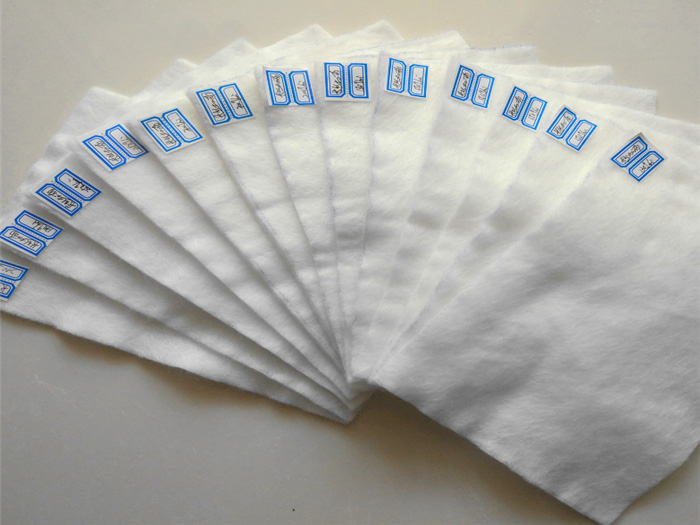
Raw chips are fed into computerized screw extruders operating under optimized temperature bands. In this phase, polymers transform into a highly fluid state. For structural filament geosynthetics, polypropylene and additives are added to establish high resistance against soil alkalinity and acids.
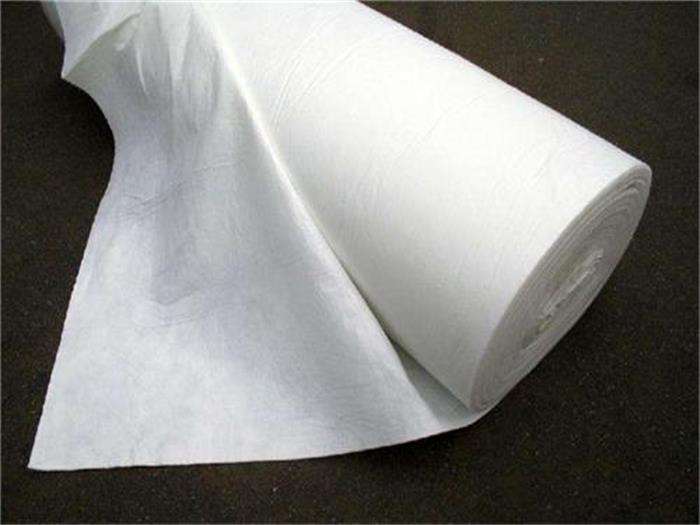
The extruded molten fibers are sprayed onto conveyors through advanced spinneret plates, forming an evenly aligned mesh layout. In the needle-punching segment, thousands of specialized barbed needles penetrate the fiber web at high frequency. This mechanical interlocking gives nonwoven 200g geotextiles their characteristic permeability and high three-dimensional filtration capacity.
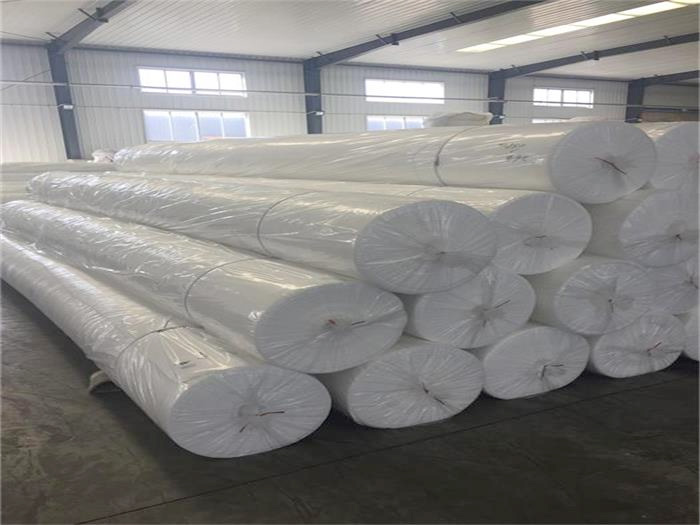
After structural consolidation, geotextile rolls are calibrated for width, thickness, and density. Shandong Hongyue runs a comprehensive laboratory testing matrix on samples from every manufacturing run. The physical testing parameters (grab strength, CBR puncture values, and flow-rates) must match or exceed the designated international standards before the roll is packed for export.
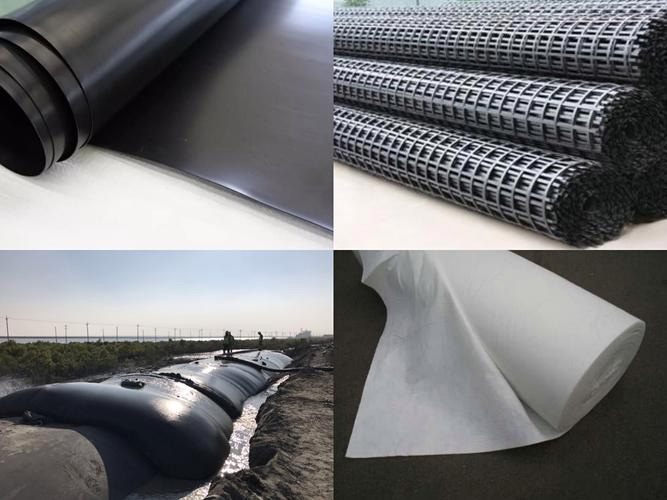
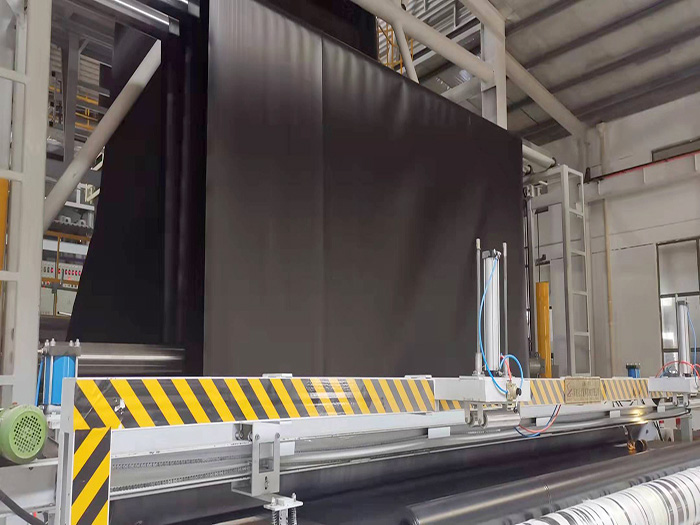
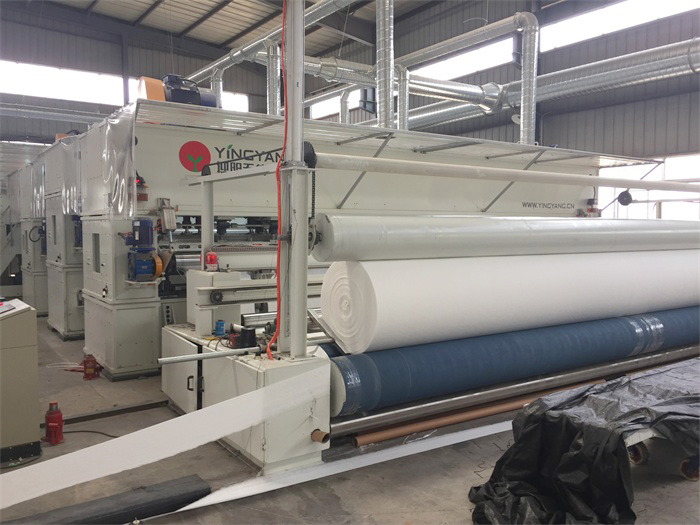
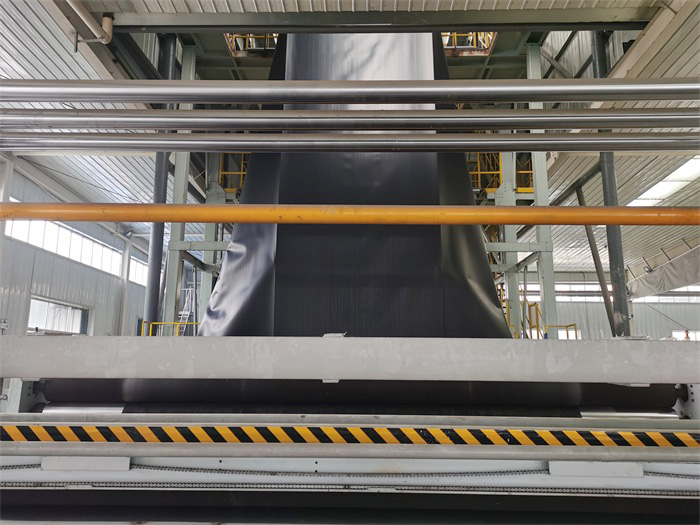
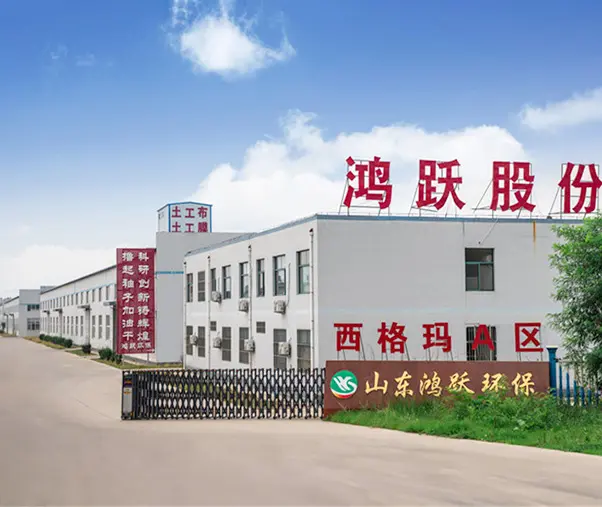
Our production facility is equipped with automated machinery to achieve stable tensile properties and precise dimensional tolerances. Below are actual views from the Shandong Hongyue production and storage units.
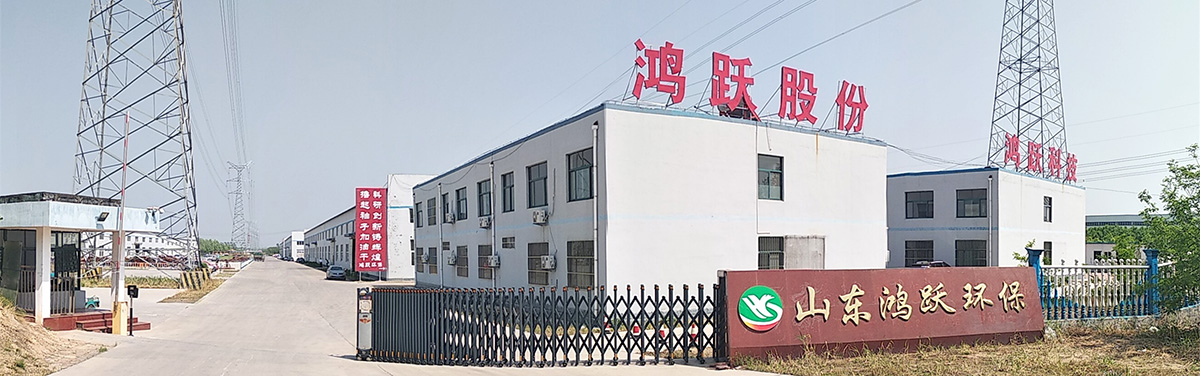
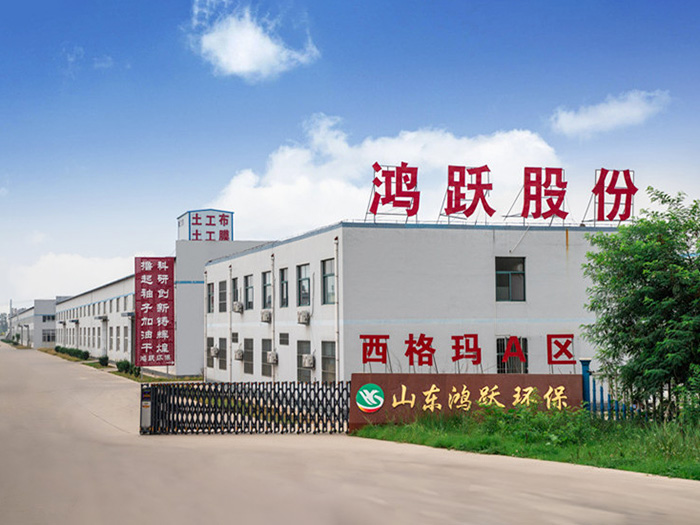
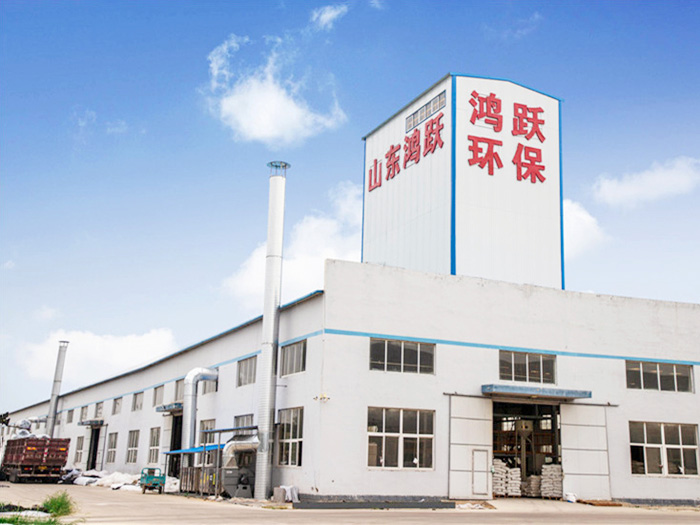
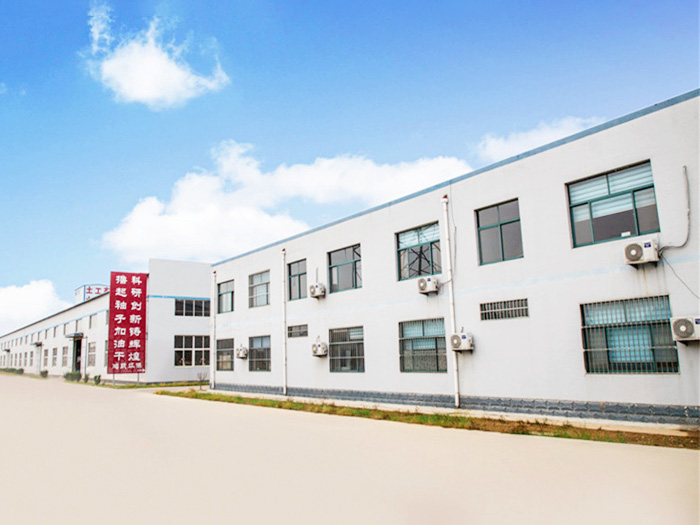
Geotextiles are rarely utilized in isolation; they are usually part of a multi-layer geosynthetic containment or stabilization system. Below are the macro-industry solutions designed and supplied by Shandong Hongyue:
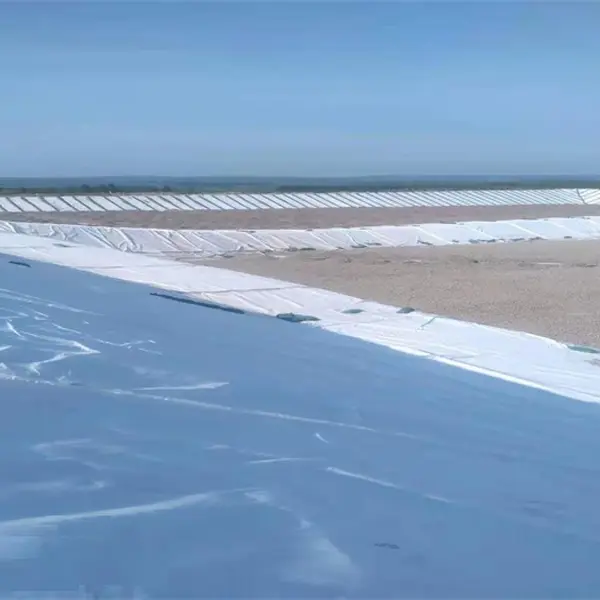
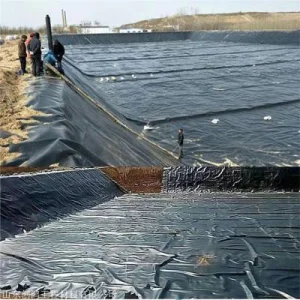
In water resource conservation, Geotextile 200g is used to protect impervious geomembranes from punctures by rocky substrates. During water flow changes, it allows pore-water pressure dissipation without washing away fine soil particles.
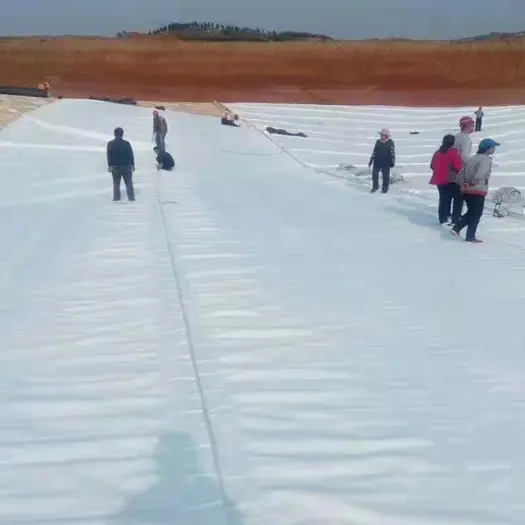
By separating soft subgrade soils from clean coarse stone bases, our geotextile prevents road deformation and subgrade pumping. It is also used in erosion control blankets to secure soils on highway slopes.
In hazardous waste landfills, municipal waste dumps, and tailings storage facilities, the 200g geotextile acts as a protective layer, cushioning geomembranes from sharp materials. It also serves as a filter layer for leachate collection.
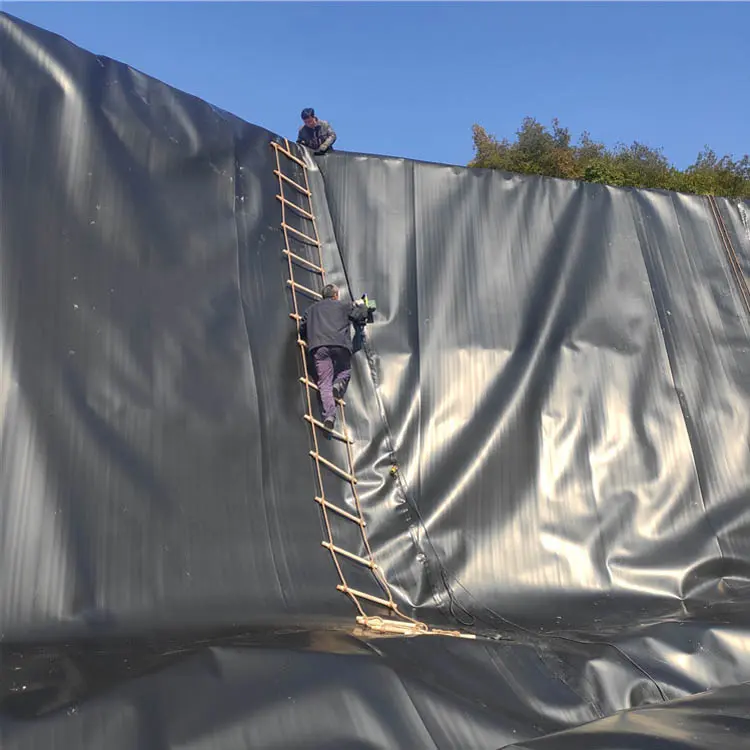
Under petroleum tank bases and chemical processing zones, our geotextiles are paired with high-durability geomembranes to create reliable secondary containment systems. This layout prevents groundwater contamination in the event of primary tank leakage.
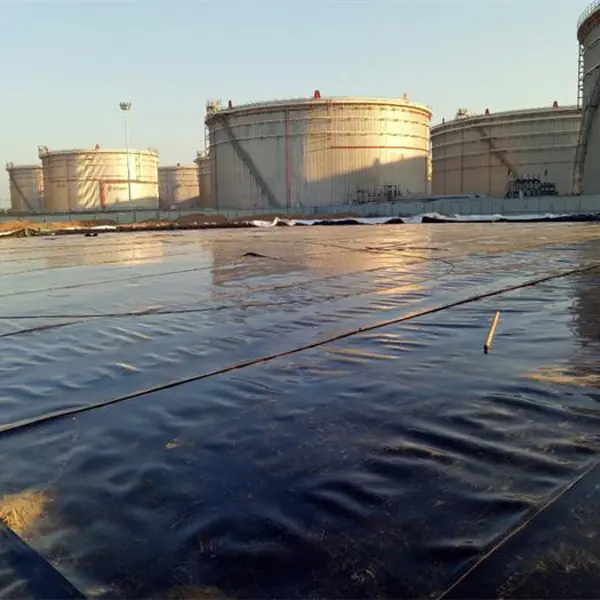
The long-term performance of a geosynthetic system depends heavily on proper site installation. Incorrect laying, insufficient overlapping, or rough backfilling can cause material failures. Below is Shandong Hongyue's step-by-step installation guide:
The subgrade surface must be rolled, consolidated, and cleared of roots, sharp stones, and debris. Standing water must be drained, and soft clay zones must be reinforced with a soil stabilizer or compact rock before geotextile placement.
Geotextile rolls should be laid out manually or with machinery, avoiding folds and wrinkles. The minimum overlap width is 300mm to 500mm depending on subgrade stability. For soft soils, overlap requirements can increase to 750mm.
For filtration layers, overlaps should be joined using handheld industrial sewing machines or thermal wedge welders. A stitched joint prevents soil migration through the seam, keeping the filtration layer intact.
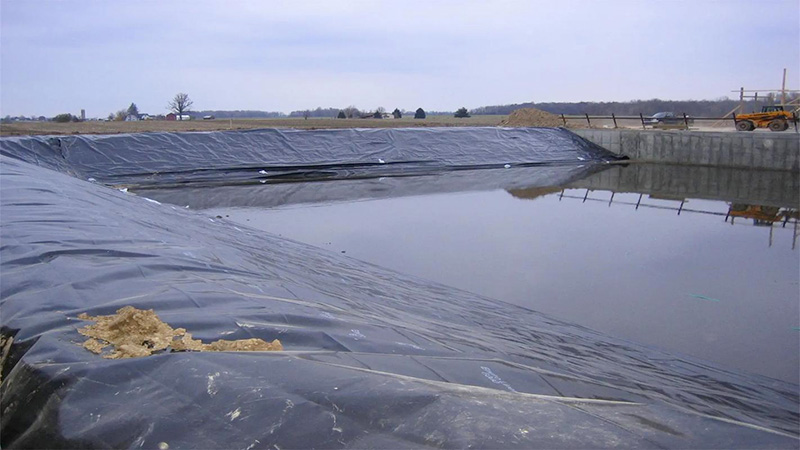
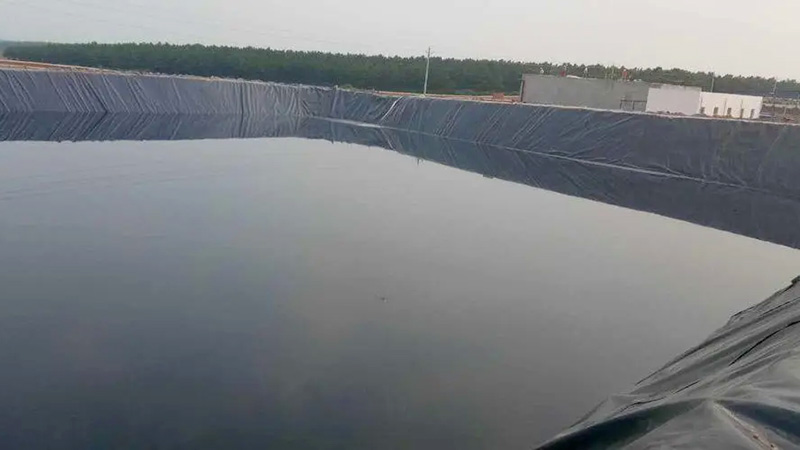
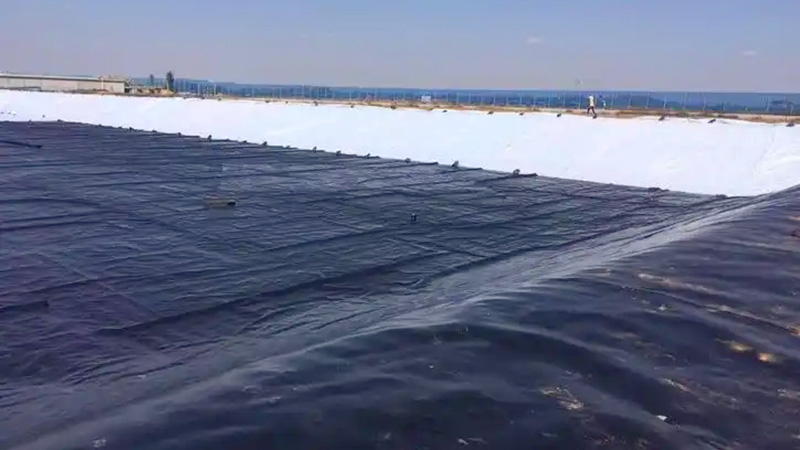
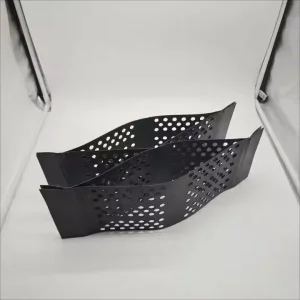
Established with a registered capital of 105 million yuan, Shandong Hongyue Environmental Engineering Co., Ltd. has grown to become a leading manufacturing hub for geosynthetics in China. We supply integrated geosynthetic solutions, including needle-punched nonwovens, woven geotextiles, geomembranes, composite drainage nets, bentonite blankets, and plastic drainage sheets.
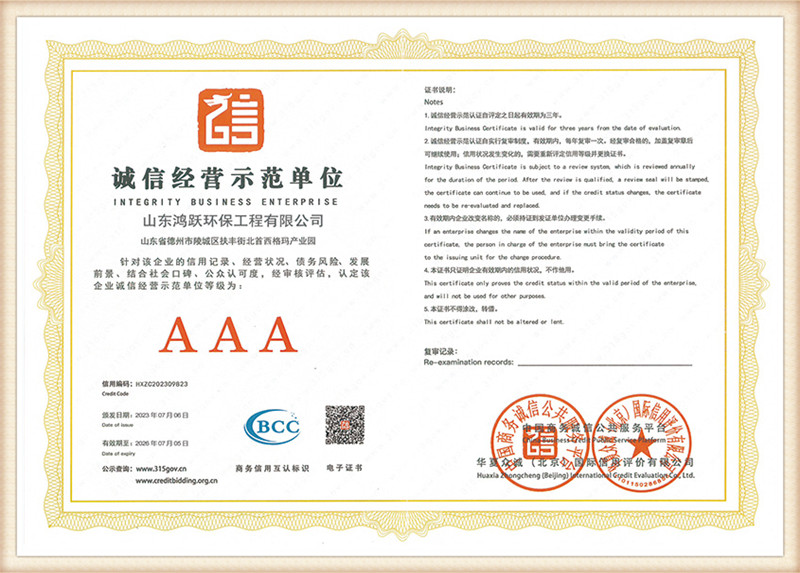
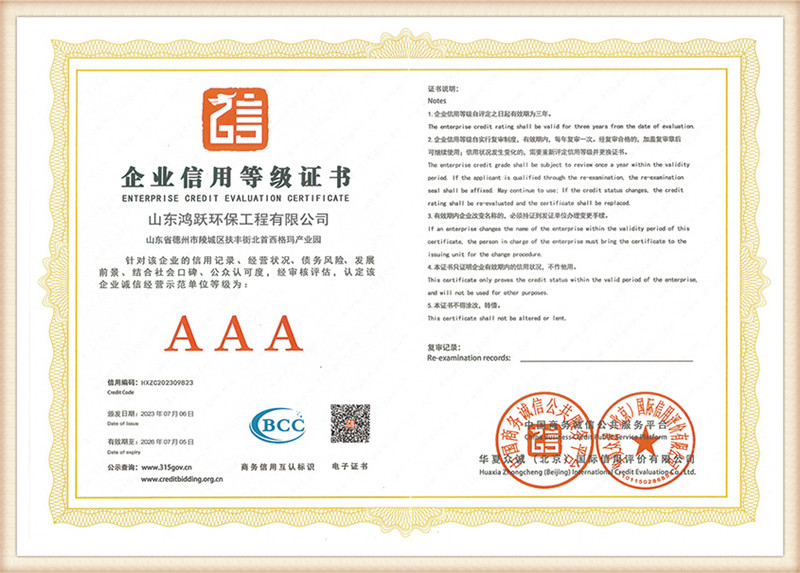
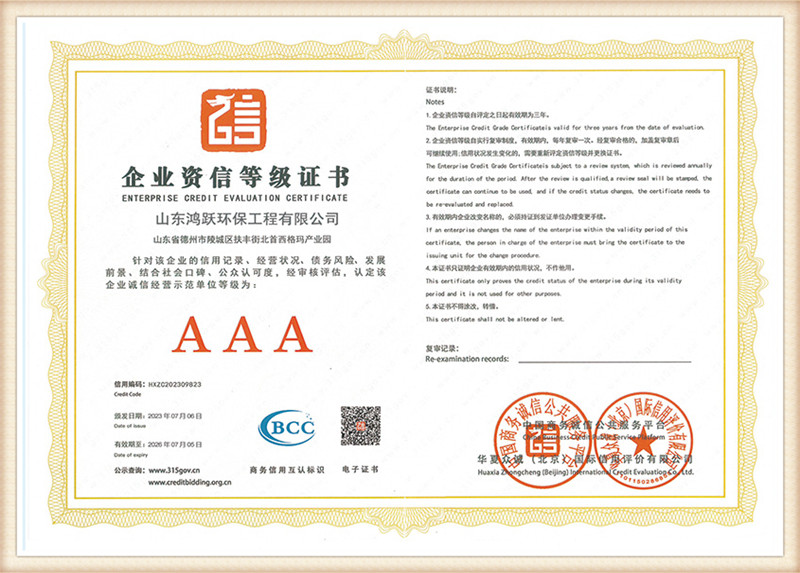
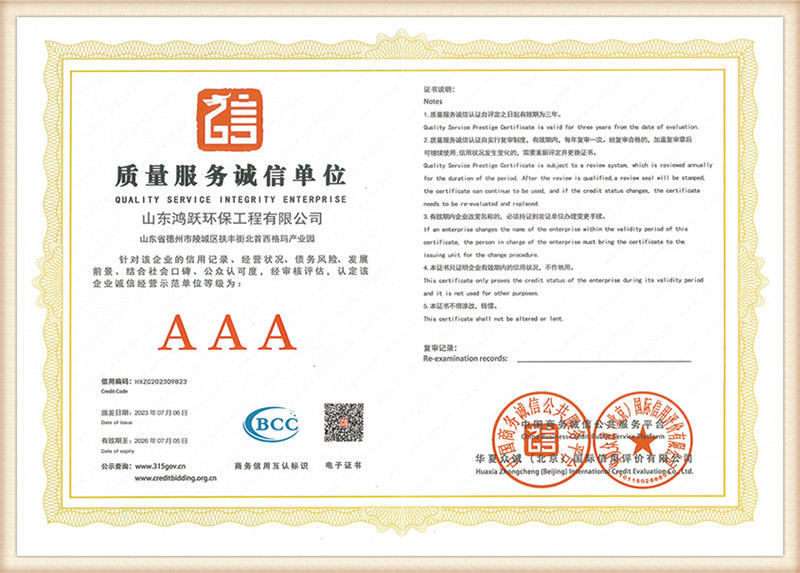
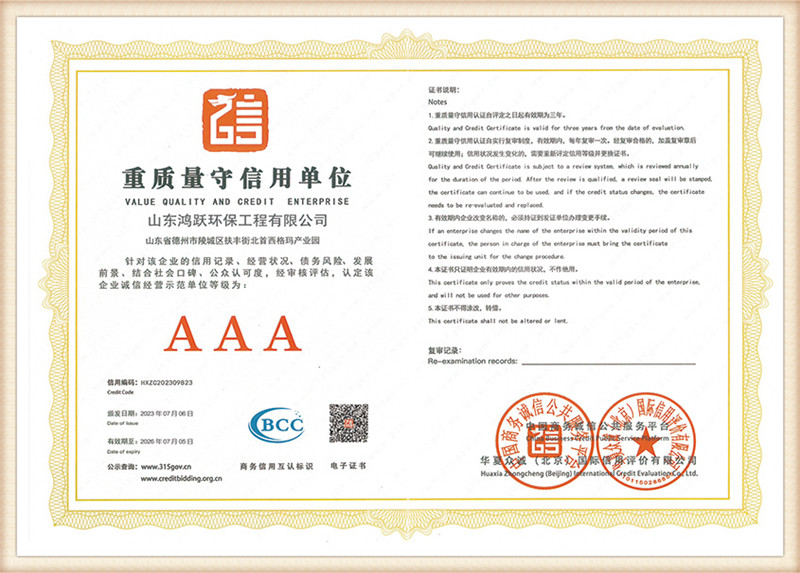
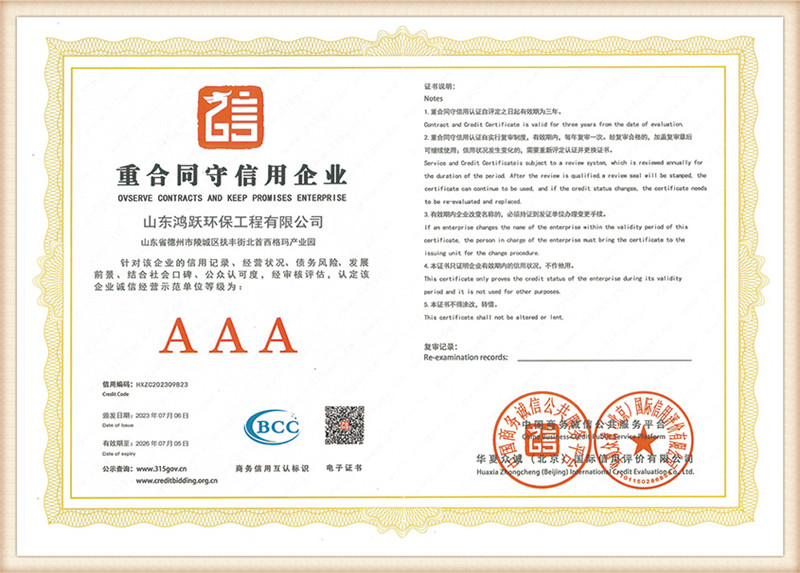
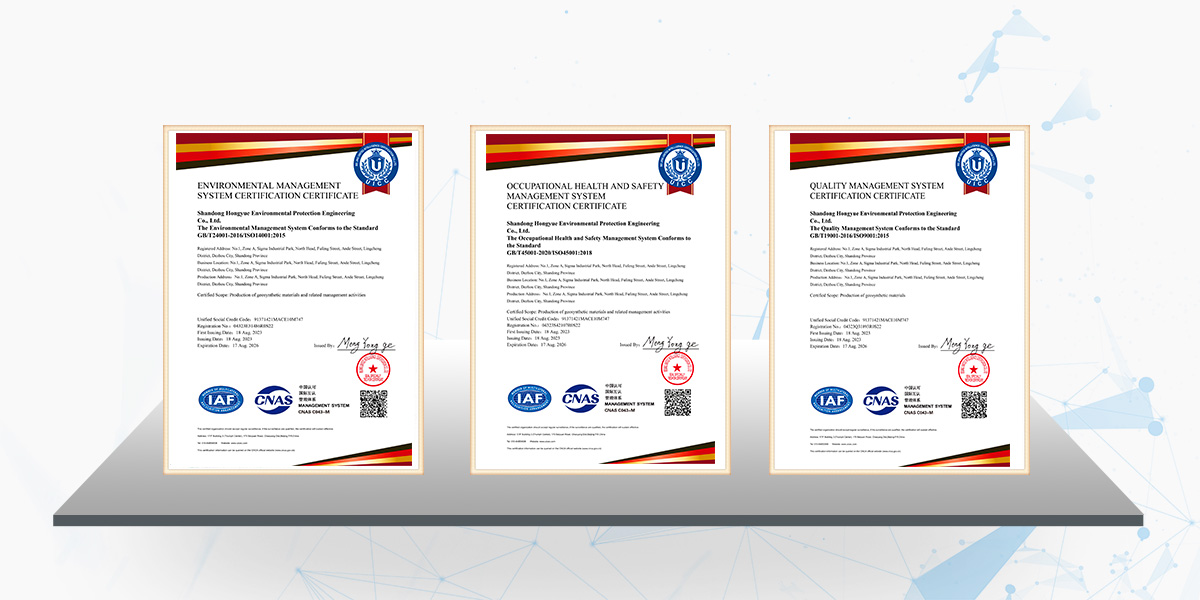
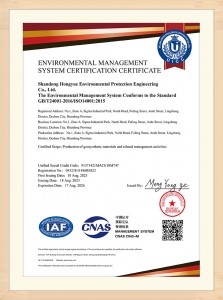
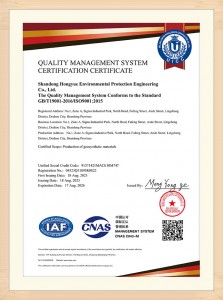
Our quality management systems are certified to ISO9001 (Quality Management), ISO14000 (Environmental Protection), and ISO45001 (Occupational Health & Safety). Shandong Hongyue has also received regional honors, including recognition as a "High-Tech Enterprise" and "Green and Environmentally Friendly Building Materials Provider."
Our manufacturing plant utilizes advanced extrusion and needle-punching equipment. We run a full-scale testing center where every batch of geotextile undergoes testing for tensile strength, elongation, puncture resistance, and permeability. All products meet or exceed domestic and international standards, passing regular inspections by national quality supervision and testing centers.
The geosynthetics industry is shifting toward materials with lower environmental impact, improved durability, and integrated monitoring capabilities. Shandong Hongyue is investing in several future-focused technologies:
Developing temporary erosion control geotextiles using biodegradable polymers (such as PLA and natural fiber blends). These materials stabilize slopes during plant growth and decompose naturally over time, reducing waste.
Integrating fiber-optic sensors into high-strength geotextiles to monitor strain, temperature shifts, and water seepage in real-time. This technology helps operators detect structural anomalies in dams and railways before failures occur.
Improving our recycling processes to produce high-durability nonwovens from post-consumer PET bottles. This initiative lowers the carbon footprint of public works projects without sacrificing mechanical performance.
The "200g" specification indicates the mass per unit area, meaning the fabric weighs 200 grams per square meter (g/m²). This weight is a versatile thickness commonly selected for projects that require a balanced mix of filtration, tensile strength, and puncture resistance.
Polyester (PET) offers high tensile strength and creep resistance, making it suitable for long-term reinforcement and stabilization in neutral pH soils. Polypropylene (PP) is preferred for applications in highly acidic or alkaline soils, such as mining or chemical containment, due to its excellent chemical resistance.
Lighter geotextiles (100g-150g) are typically used for basic weed prevention or light French drain systems. Heavier variants (300g-600g) are chosen for high-stress applications like heavy mining roads or landfill cushion layers. The 200g option is a standard mid-range material for highway subgrades and general civil works.
We provide CE Certification, ISO9001, ISO14000, and ISO45001 certificates. Our geotextiles also undergo regular testing through independent laboratories to ensure compliance with ASTM and EN standards for international projects.
Depending on project requirements, joints can be secured by overlapping, industrial sewing, or hot-wedge welding. Stitched or thermal welded seams provide better filtration and separation performance by preventing soil migration through the joint.
Our geotextiles contain UV-stabilizing additives to withstand temporary sun exposure during installation. However, we recommend covering the material with soil or aggregate within 48 to 72 hours to prevent long-term UV degradation.
For standard 200g geotextile orders, production and loading at Dezhou typically take 7 to 15 days. Transport to Qingdao Port is highly efficient, and shipping times vary by destination port (normally 15 to 25 days to European and North American ports).
Yes. We can manufacture rolls in widths ranging from 1 to 6 meters and lengths from 50 to 200 meters. Custom configurations help reduce onsite cutting waste and installation time.
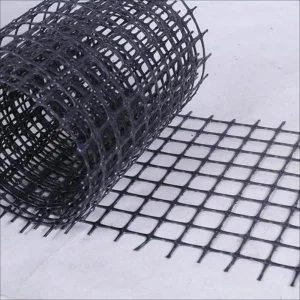
Advanced reinforcement and structural stabilization systems for global construction projects
 Hongyue