High-performance reinforcement geosynthetics engineered to distribute load tension, restrict lateral soil movement, and prolong industrial pavement lifespans.
Across the globe, transportation systems and commercial arterial networks face structural challenges. Unprecedented vehicular load frequencies, fluctuating climatic conditions, and substandard native subgrade soils combine to compromise traditional asphalt and concrete pavements. This degradation presents as fatigue cracking, rutting, localized subsidence, and catastrophic shear failures. Historically, civil engineers relied on increasing aggregate base depths or using costly soil-chemical modifications. Today, modern structural design relies on Geogrid Reinforcement Systems to achieve load-bearing integrity.
By inserting high-tensile polymeric geogrids within sub-base or subgrade boundaries, engineers transform unreinforced soil masses into unified, semi-rigid structural blocks. This enhancement acts via three structural mechanisms: Lateral restraint and confinement of particulate matrixes, the tensioned membrane effect, and the improvement of the load distribution footprint. As a primary manufacturer based in Dezhou, Shandong Province, Shandong Hongyue Environmental Engineering Co., Ltd. sits at the intersection of geotechnical materials manufacturing and infrastructure engineering research, serving key markets across Europe, North America, Australia, and East Asia.
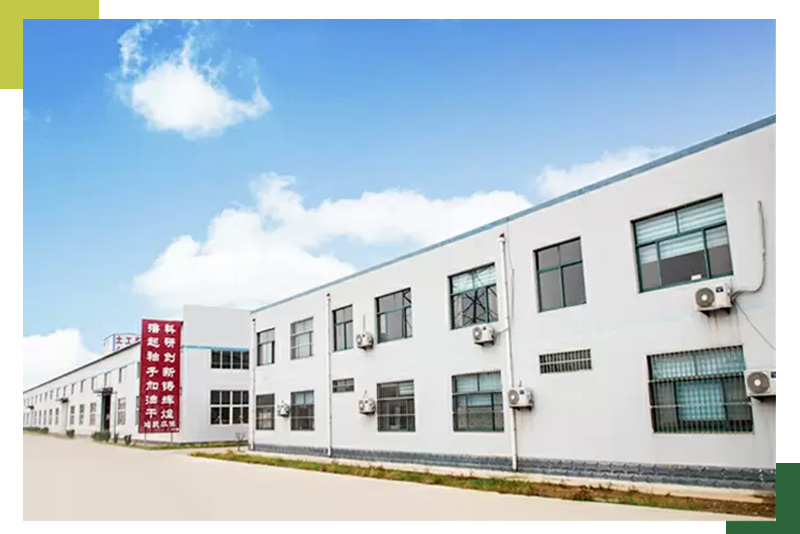
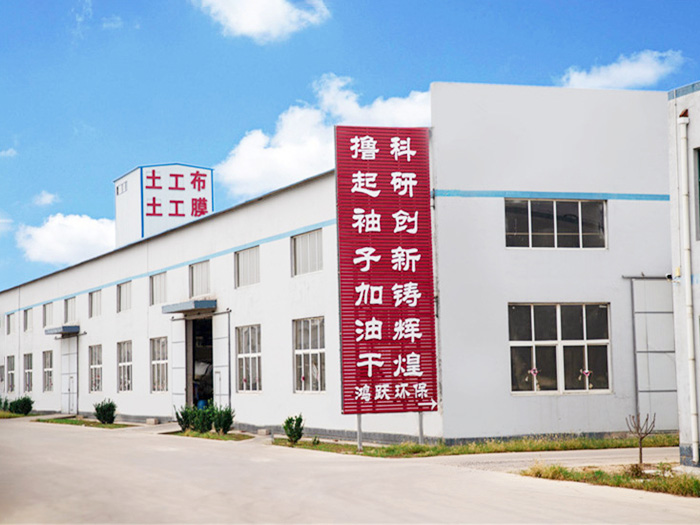
Established in the Lingcheng District of Dezhou City, Shandong Province—known as China's premier geotechnical manufacturing cluster—Shandong Hongyue was officially registered with a substantial capital base of 105 million Yuan (RMB). We operate a highly integrated, modern manufacturing plant combining geotechnical material production, technological R&D, structural design, and field installation services.
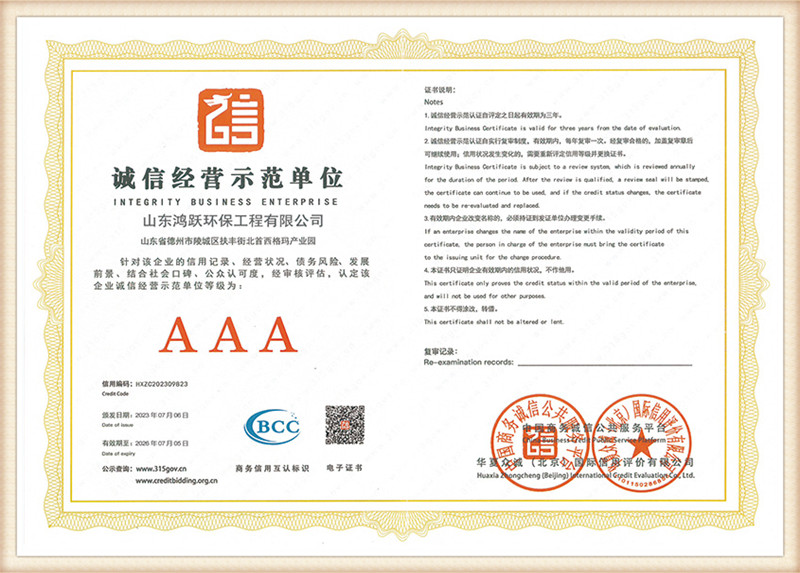
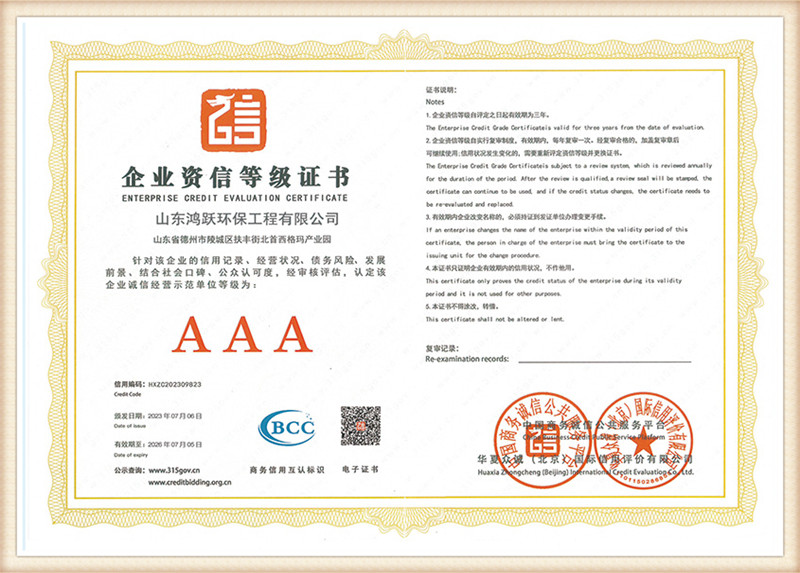
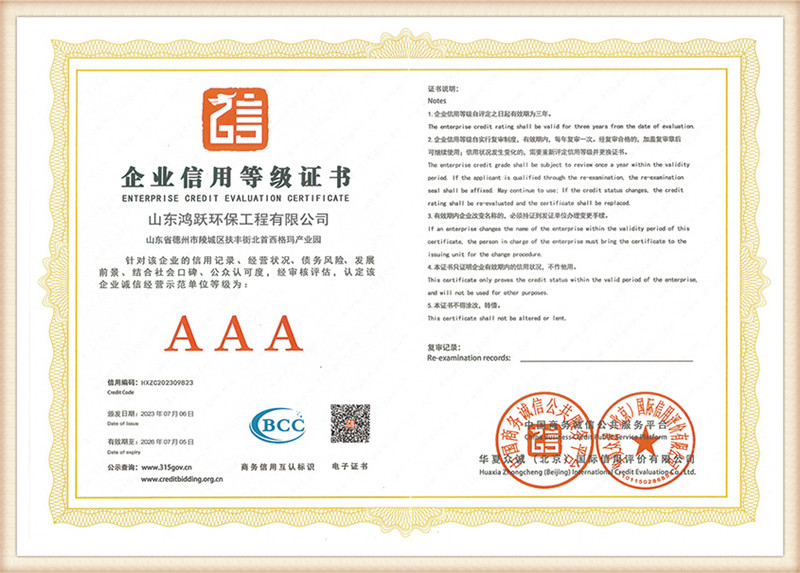
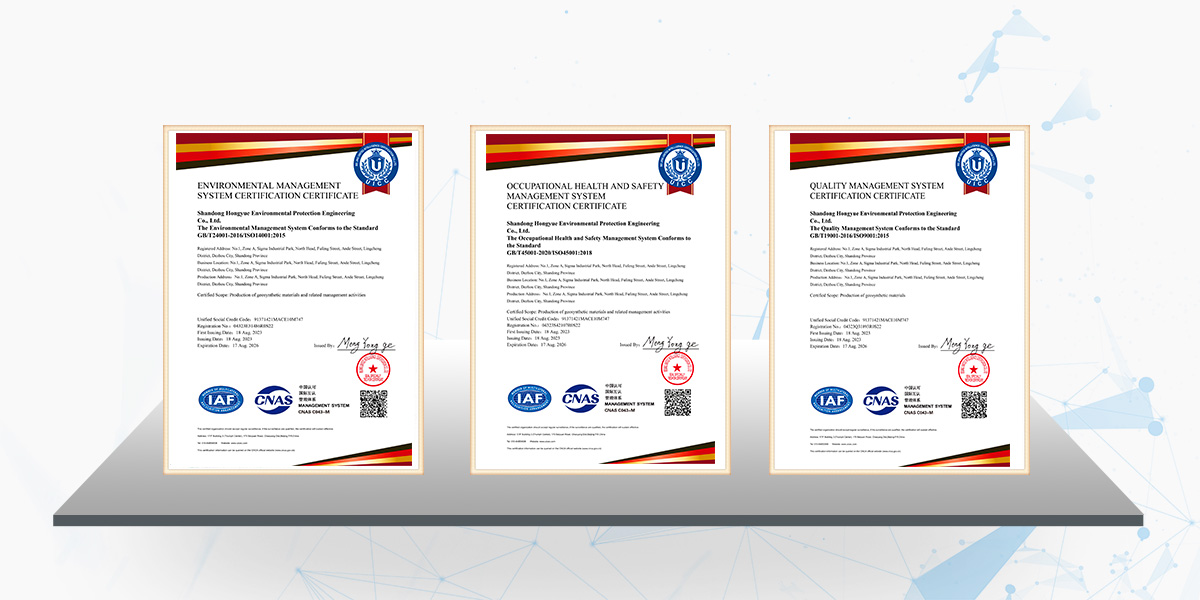
Our dedication to quality control is verified by rigorous third-party auditing systems. The company holds valid certifications for ISO9001:2015 (Quality Management), ISO14001:2015 (Environmental Management), and ISO45001:2018 (Occupational Health and Safety). Recognized as a "Famous Chinese Brand" and a designated "High-Tech Industry Enterprise," our products undergo exhaustive quality verification at the National Testing Center to ensure they exceed international civil engineering benchmarks.
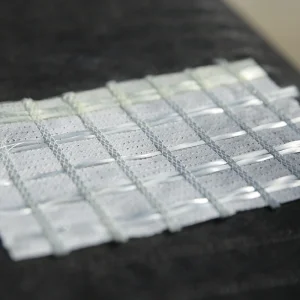
Understanding the mechanical properties of different geogrids is essential for selecting the appropriate product for base stabilization, subgrade improvement, or asphalt reinforcement. The structural performance of a geogrid depends on its junction efficiency, aperture geometry, tensile modulus, and resistance to installation damage. Geogrids are categorized into three main structural types:
Engineered primarily for soil reinforcement applications where stresses are applied in a single direction. Formed by extruding and stretching high-density polyethylene (HDPE) sheets, these geogrids feature high tensile strength and low creep deformation along the machine direction. Ideal for retaining walls, steep slopes, and embankment support structures.
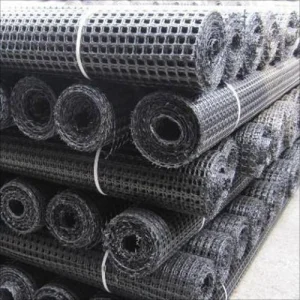
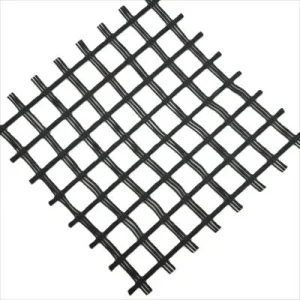
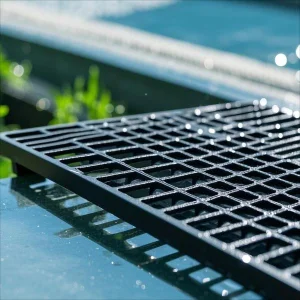
Designed to handle multi-directional stress distribution across both longitudinal and transverse axes. Stretched in two orthogonal directions, these grids create highly stable apertures that lock base aggregate particles in place. Biaxial geogrids are widely used for base reinforcement in highways, rail subgrades, and airport taxiways.
Constructed by wrapping high-strength steel wires with protective polymer sheaths before welding them into a grid layout. The combination of steel's high modulus of elasticity and the polymer's corrosion resistance creates a composite geogrid with minimal strain under high load, perfect for deep foundations and heavy-duty load platforms.
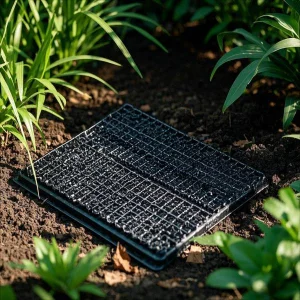
The primary function of a geogrid in pavement reinforcement is aggregate confinement. When base course aggregate is placed over a geogrid, individual stones penetrate and lock within the apertures. Vertical traffic loads apply lateral forces to the sub-base, causing the aggregate to try to slide outward. The geogrid resists this lateral movement, absorbing tension and spreading the point load over a wider footprint.
This interlocking effect increases the composite system's shear strength, reducing subgrade vertical deformation and sub-base shifting. Incorporating geogrids into pavement designs can reduce required base course thickness by 30% to 50% while maintaining the design life of the pavement, saving substantial amounts of money on aggregate procurement and hauling.
The global infrastructure sector relies on competitive pricing, prompt manufacturing turnarounds, and consistent product quality. Shandong Hongyue Environmental Engineering Co., Ltd. delivers these key advantages by utilizing China's largest geosynthetic industrial cluster in Lingcheng District, Dezhou, Shandong Province. Here are the core benefits our manufacturing facilities provide to global infrastructure projects:
Operating near China's major petrochemical refining hubs gives us direct, cost-effective access to premium-grade polypropylene (PP), high-density polyethylene (HDPE), and polyester (PET) chips. This localized material supply chain insulates our production lines from international material cost fluctuations and guarantees consistent quality.
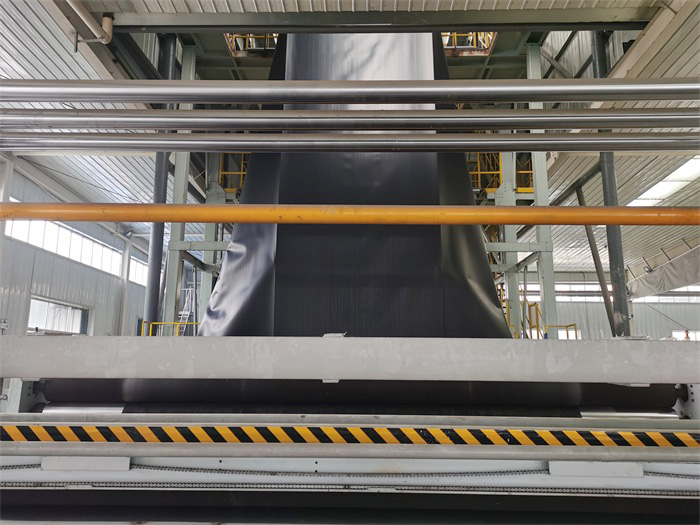
We run state-of-the-art, wide-width extrusion lines, high-speed drawing machines, and automated welding systems. These advanced production lines maximize material throughput, minimize structural deviations, and reduce energy consumption per unit by up to 18% compared to older manufacturing facilities.
Located near major expressways and the Port of Qingdao, our plant has quick access to key container shipping networks. This logistical advantage shortens transit times, lowers land transport costs, and ensures fast delivery to projects across North America, Europe, Australia, and Southeast Asia.
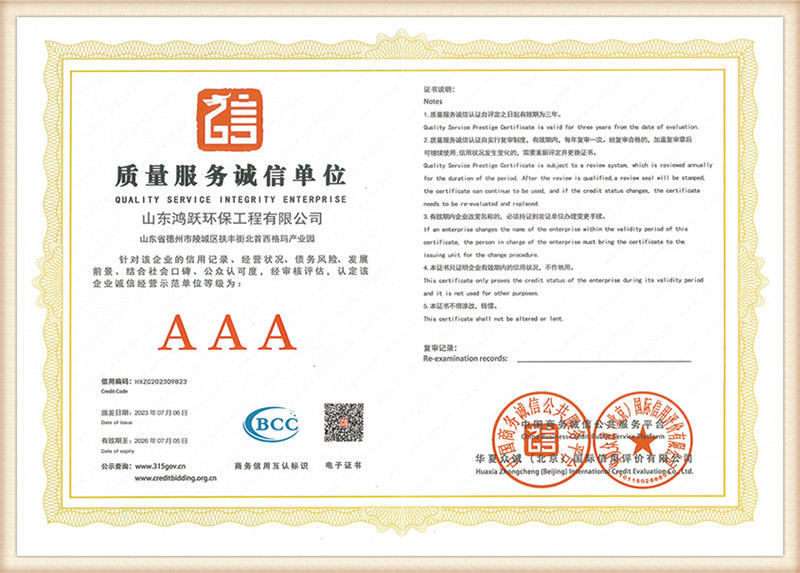
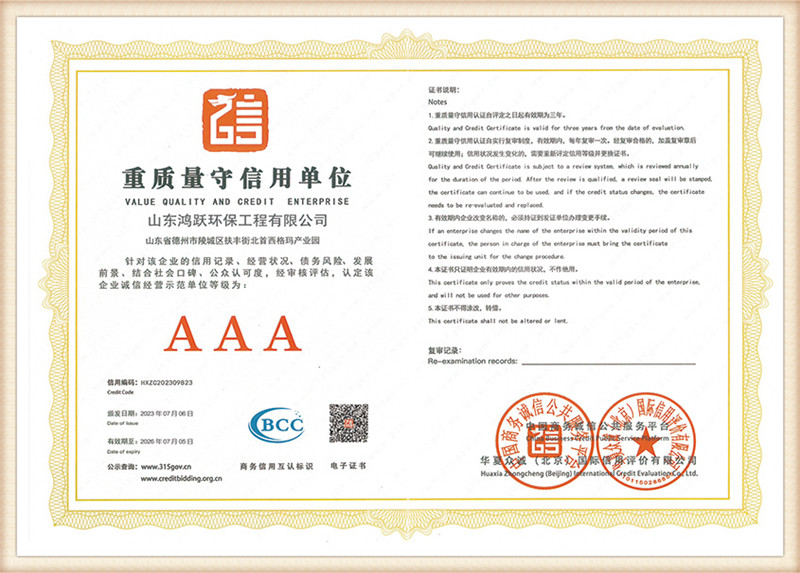
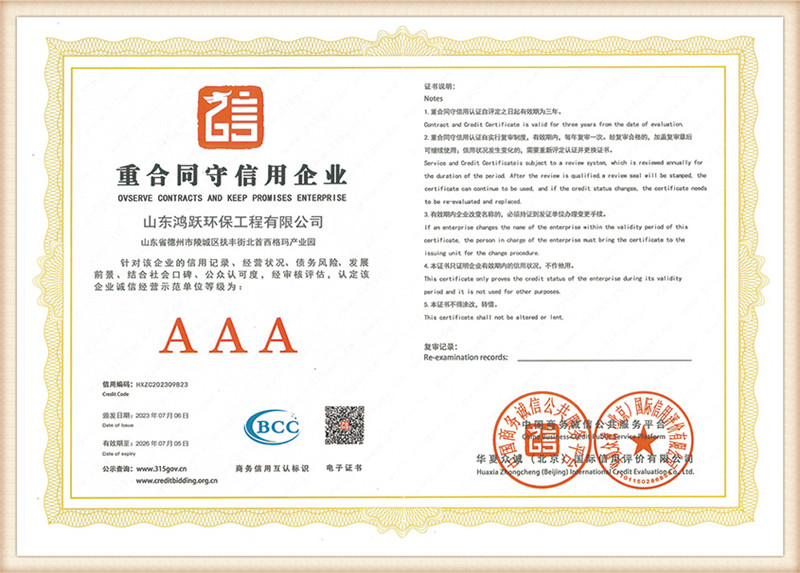
Quality assurance is integrated into every step of Shandong Hongyue's production flow. Our quality management system tracks raw materials from initial chemical analysis through extrusion, stretching, curing, and final packaging.
Incoming polyester, polypropylene, or HDPE polymer resins are tested for density, melt flow index (MFI), and thermal stability. This guarantees that only premium-grade raw materials enter our manufacturing lines.
Polymer chips are melted at high temperatures and extruded into flat sheets or filaments. Our computer-controlled extrusion systems regulate screw speed, pressure, and melt temperatures to prevent structural weak points.
The extruded polymer melt is fed into custom spinnerets or punch-press lines to create the initial grid pattern. The dimensions and alignment of the apertures are monitored in real time using laser sensors.
The raw sheet is heated and stretched in longitudinal and transverse directions. This stretching process aligns the polymer's molecular chains, raising its tensile strength and creating a high-modulus structural grid.
Finished geogrids are wound onto robust structural cores, wrapped in UV-resistant protective sleeves, and labeled with batch barcodes. This packaging prevents physical damage and weathering during transport.
Samples from every batch are tested for peak tensile strength, elongation at 2% and 5% strain, carbon black content, and junction efficiency. Test results must meet or exceed ASTM and EN standards before shipment.
Shandong Hongyue's quality control lab is outfitted with advanced testing equipment to simulate long-term field stress, environmental aging, and chemical degradation. We run tensile tests to evaluate the stress-strain behavior of our geogrids under both static and cyclic loading. In addition, carbon black dispersion tests verify the material's UV resistance, preventing early degradation when exposed to sunlight during installation. These comprehensive QC procedures ensure that our geosynthetics perform reliably throughout the multi-decade lifespan of the infrastructure projects they support.
Geosynthetic materials play key roles in structural reinforcement, containment, and drainage systems across several major sectors of civil and environmental engineering:
By reinforcing asphalt base courses, geogrids prevent reflective cracking, rutting, and subgrade shifting. This reinforcement distributes wheel loads, reduces the required aggregate base thickness, and extends the road's service life.
Railway ballast undergoes significant degradation under cyclic dynamic loads. Biaxial geogrids stabilize the ballast layer, preventing ballast movement, reducing track settlement, and lowering maintenance costs.
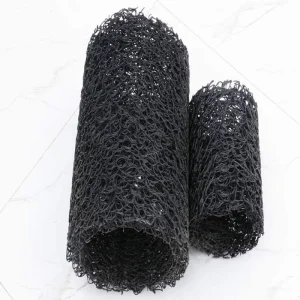
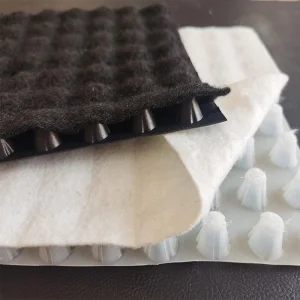
Geomembranes, drainage networks, and cement blankets work together to manage water flow, prevent seepage in reservoirs and canals, control soil erosion, and protect slopes from hydraulic damage.
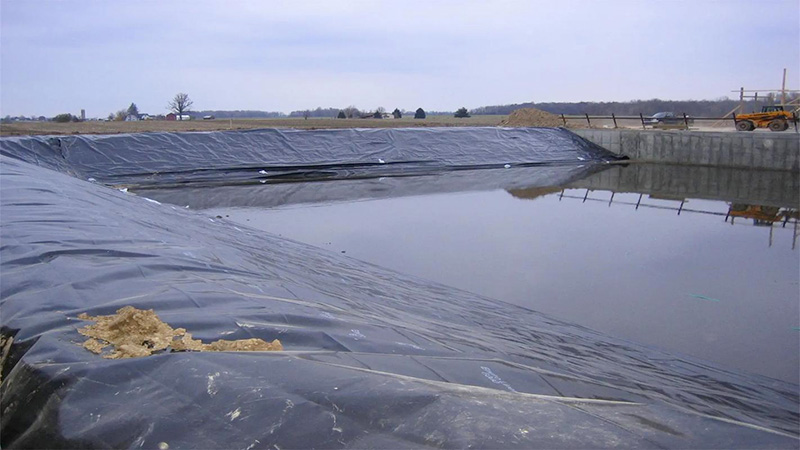
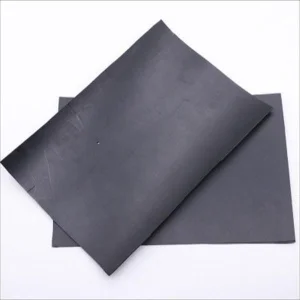
In hydraulic engineering, preventing fluid loss and soil erosion is vital for structural stability and environmental protection. High-density polyethylene (HDPE) geomembranes are widely used as impermeable liners in reservoirs, canals, and stormwater retention basins. Their excellent chemical resistance and low permeability prevent water loss and protect sub-base soils from piping and erosion. These liners are often paired with protective geotextiles and reinforcement geogrids to create multi-layered containment systems that can withstand thermal expansion, structural settlement, and physical wear.
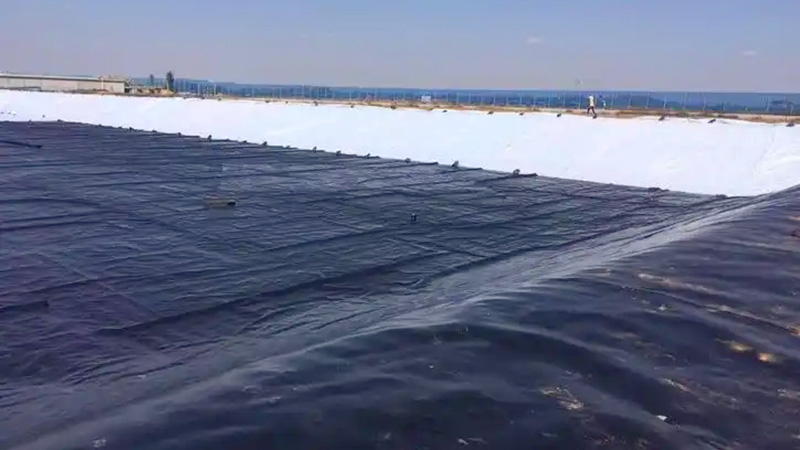
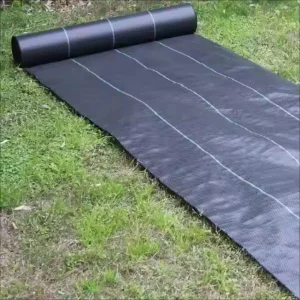
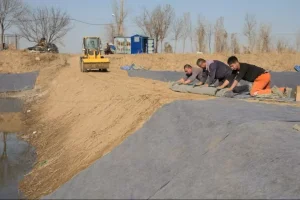
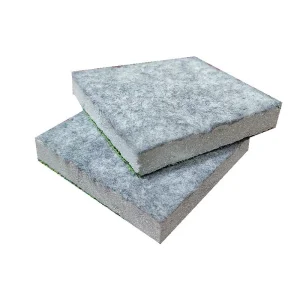
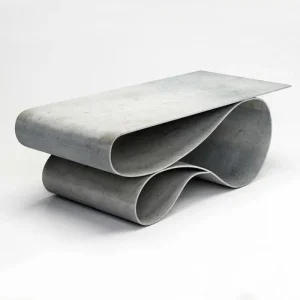
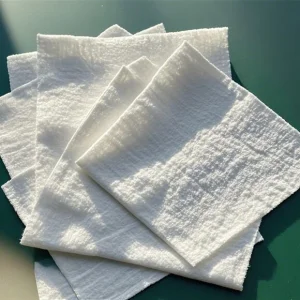
Erosion control along riverbanks, canals, and shorelines requires materials that can handle constant hydraulic forces. Woven composite geotextiles and concrete blankets provide structural stabilization for watercourse linings. These materials allow water to drain freely while holding back fine soil particles, preventing bank erosion. Pairings of geotextiles and rock gabions or reinforced concrete systems protect vulnerable shorelines from wave action, stormwater runoff, and fluctuating water levels.
Proper field installation is critical to achieving the full structural benefits of geosynthetic reinforcement. Substandard site preparation or incorrect material handling can compromise the system's performance. Our engineering team recommends following these standard industry guidelines:
Clean the subgrade surface, removing all roots, large rocks, and debris. Fill low spots and compact the subgrade to the design density. The installation surface must be smooth and level to prevent tearing the geosynthetics.
Roll out the geogrids or geomembranes along the primary design direction. Tension the materials by hand to eliminate wrinkles and waves. Use pins, sandbags, or soil anchors to keep the panels aligned and secured.
Adjacent panels should overlap by 300mm to 500mm depending on subgrade soil strength. For impermeable containment systems, weld the geomembrane seams using double-track hot wedge welding, then verify the joint strength with air pressure tests.
Dump the aggregate base material onto installed geogrids, then spread it using low-ground-pressure bulldozers or front-end loaders. Do not run heavy construction machinery directly on the exposed geogrids or geomembranes.
Compact the aggregate base lift using vibratory rollers to meet structural specifications. Keep aggregate moisture content within the target range during compaction to achieve the desired density and interlocking effect.
Inspect the completed geosynthetic installation for tears, punctures, or shifting. Repair any damaged areas using patches that extend at least 500mm beyond the edges of the damaged zone before applying the next layer.
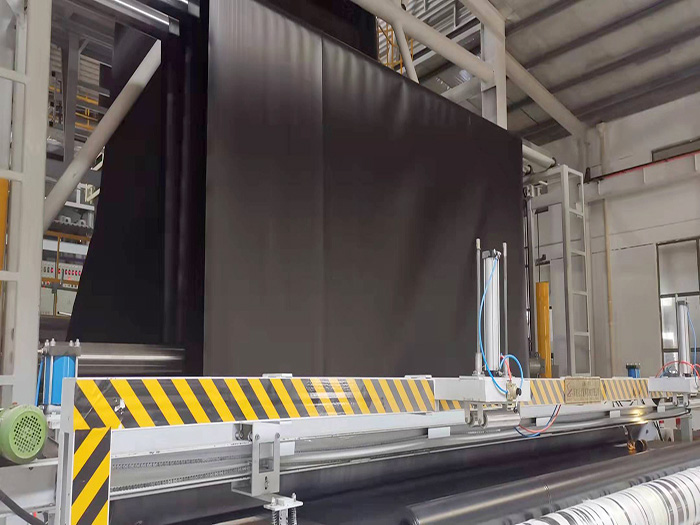
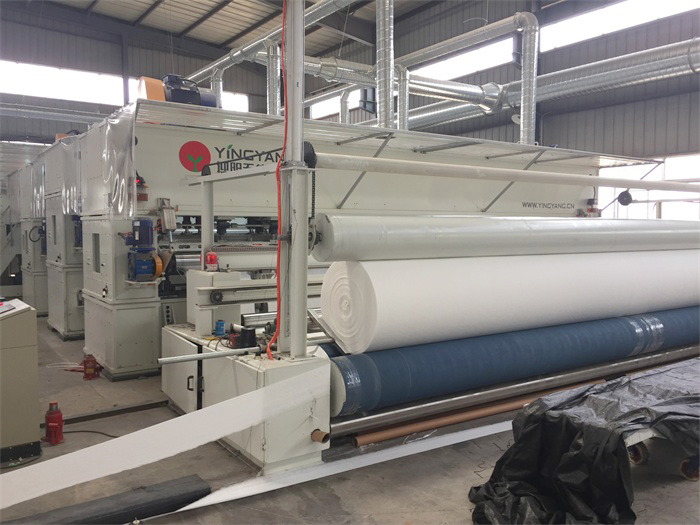
Technical answers to key engineering and procurement questions about geogrids and pavement stabilization.
A complete selection of geotechnical materials for filtration, separation, drainage, reinforcement, and containment systems.
 Hongyue