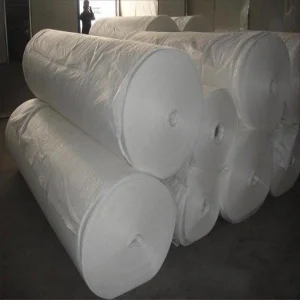
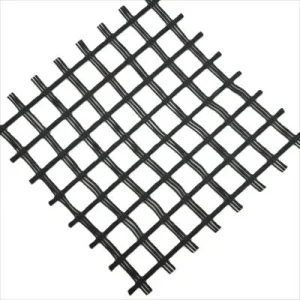
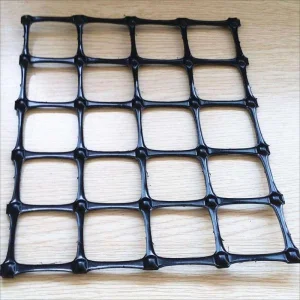
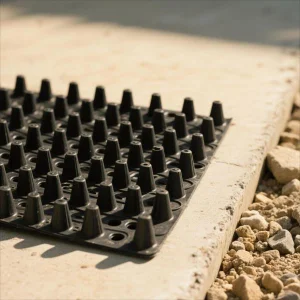
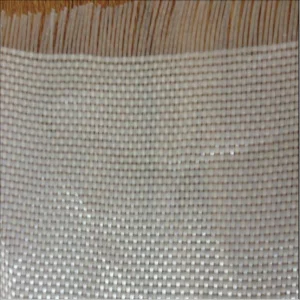
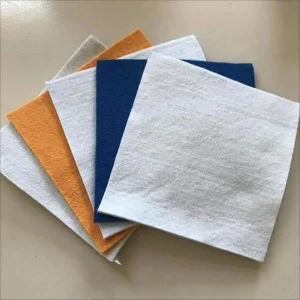
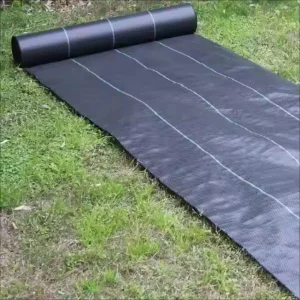
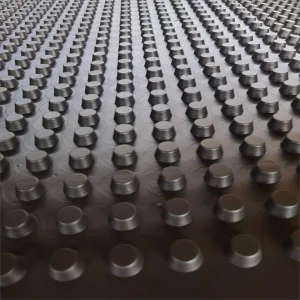
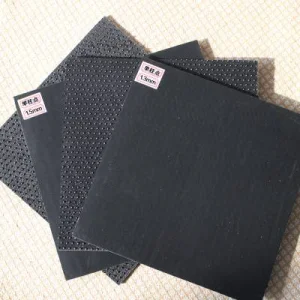
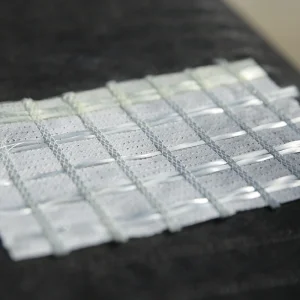
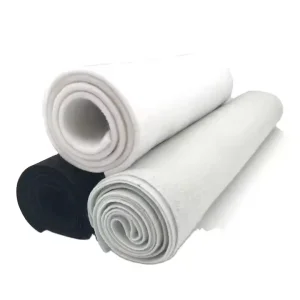
Explore our engineering-grade infrastructure solutions, manufactured to international standards and optimized for heavy-load stability.
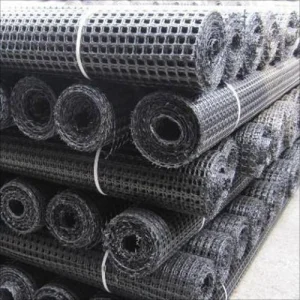
Unpaved gravel roads, storage yards, and parking bays suffer from immediate lateral displacement when exposed to repetitive wheel loads. Without structural reinforcement, loose aggregate shifts outward, resulting in deep ruts, sinkage, and structural failure of the underlying subgrade. The application of high-strength geogrids resolves this by implementing a scientific mechanism called aperture confinement.
By forcing the gravel particles to interlock within the grid apertures, the lateral movement of the aggregate is strictly restricted. The wheel load is thus distributed over a significantly larger surface area, transforming concentrated localized stresses into a uniform, low-pressure footprint. This engineered mechanism—widely documented in civil engineering design guidelines—drastically reduces subgrade stress and minimizes total maintenance overheads.
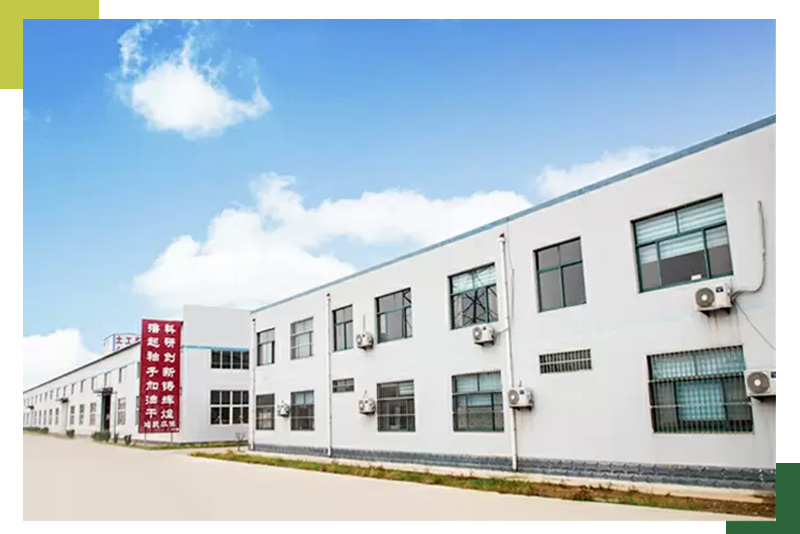
Operating from Dezhou, Shandong Province, the heartland of China's geosynthetic manufacturing ecosystem, Shandong Hongyue Environmental Engineering Co., Ltd. balances engineering capacity with competitive economies of scale.
Incorporated with a massive registered capital of 105 million yuan on April 6, 2023. Our facility is situated at the north end of Fufeng Street, Lingcheng District, Dezhou, Shandong. This strategic base sits on one of the largest geotechnical production networks in Asia, providing us with convenient transport and continuous material flows.
We deploy high-precision extrusion and stretching machinery for uniaxial, biaxial, and multiaxial plastic geogrids. Our automated production arrays guarantee consistent rib thickness, uniform molecular structures, and reliable junction efficiency in every batch.
Located in the Lingcheng District hub, we are directly linked to Qingdao Port, Tianjin Port, and major national rail lines. This facilitates rapid container packing, custom clearance processing, and reduced transit times to international ports.
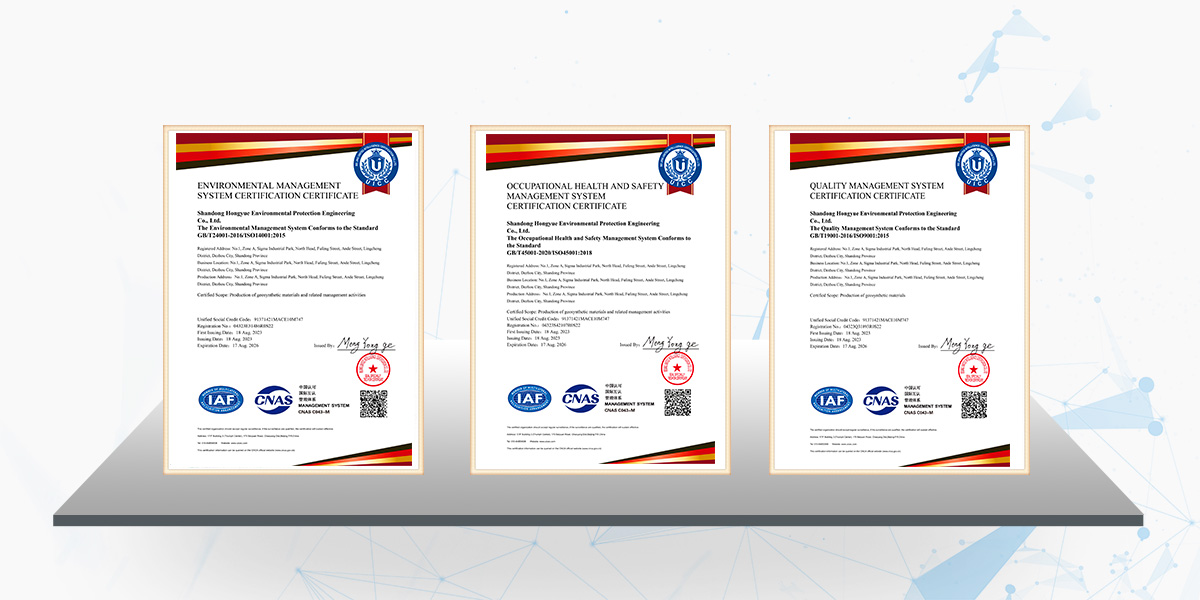
Unlike global brokers or trade intermediaries, Shandong Hongyue Environmental Engineering Co., Ltd. controls the entire production cycle. As an active member of the Dezhou Geotextile Association, we maintain strong quality frameworks and cooperate directly with project engineering teams to customize physical properties. This direct coordination guarantees that the products you source are custom-engineered for your local soil conditions, temperature swings, and aggregate classes.
Our deep integrations with domestic raw polymer suppliers enable us to hedge against raw material price volatility, passing structural savings down to international clients who import containers monthly.
Our capabilities translate directly into project stability, lower maintenance cycles, and reduced carbon footprints.
Registered Capital (RMB)
Major Agency Cities Globally
9001, 14000, 45001 Certified
Years Tech Team Experience
A high-performance geogrid or geomembrane requires precision at every production stage. We utilize state-of-the-art processes to ensure quality controls meet international demands.
We source top-grade polyester chips, polypropylene filament, and high-density polyethylene (HDPE) resins. Every shipment is tested for melt flow index (MFI), density, and moisture control prior to processing.
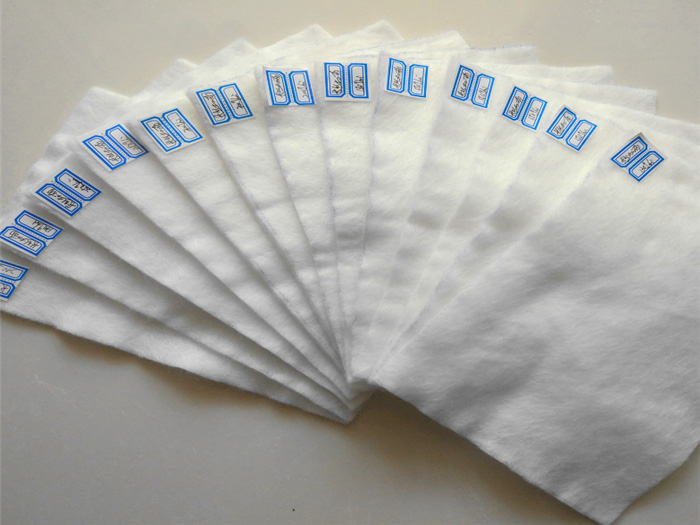
Polyester or polypropylene chips are melted under precise temperature and pressure envelopes, then extruded through high-accuracy dies to form initial filaments or sheets with consistent cross-sections.
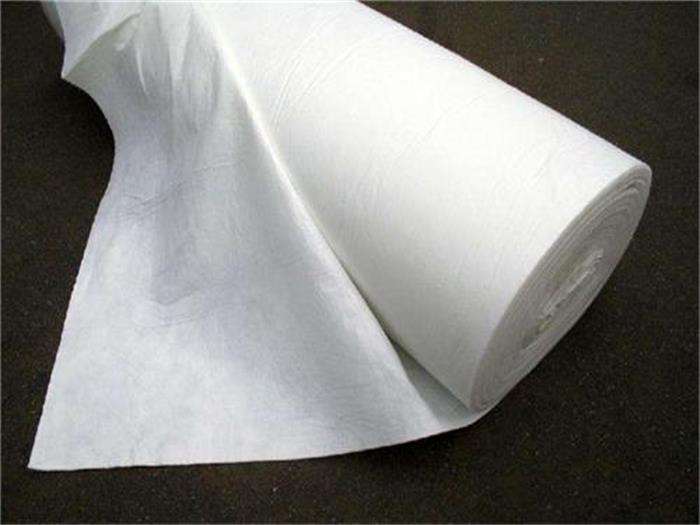
Extruded materials undergo rigorous uniaxial or biaxial stretching. This process aligns polymer chains along the tension axes, elevating tensile strength to ensure maximum loading resistance.
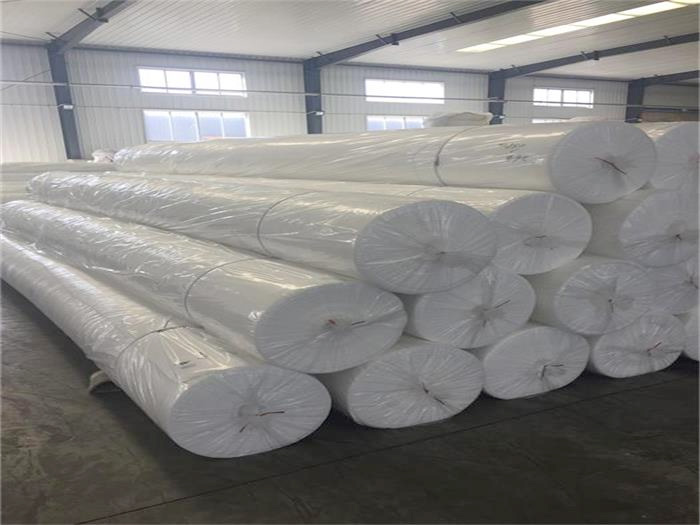
Installing structural support lines requires detailed selection, laying, and maintenance methodologies to achieve long-term design lives. At Shandong Hongyue, we support our partners with comprehensive installation protocols:
By pairing geogrid stabilization with non-woven geotextile separation layers under the gravel layer, you eliminate fine-particle migration from the subgrade, keeping the gravel base intact for decades.
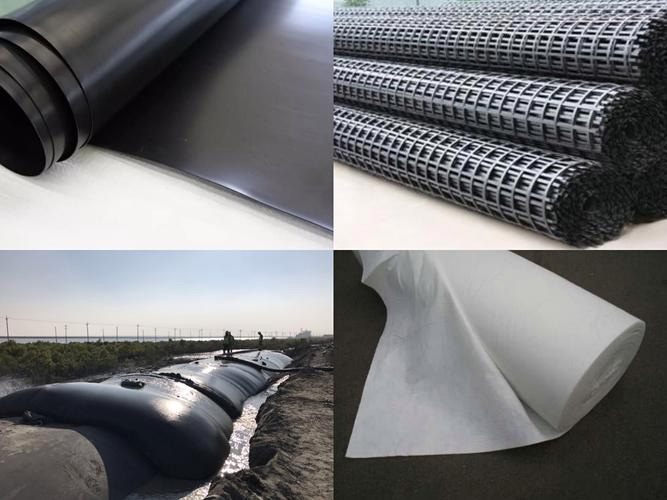
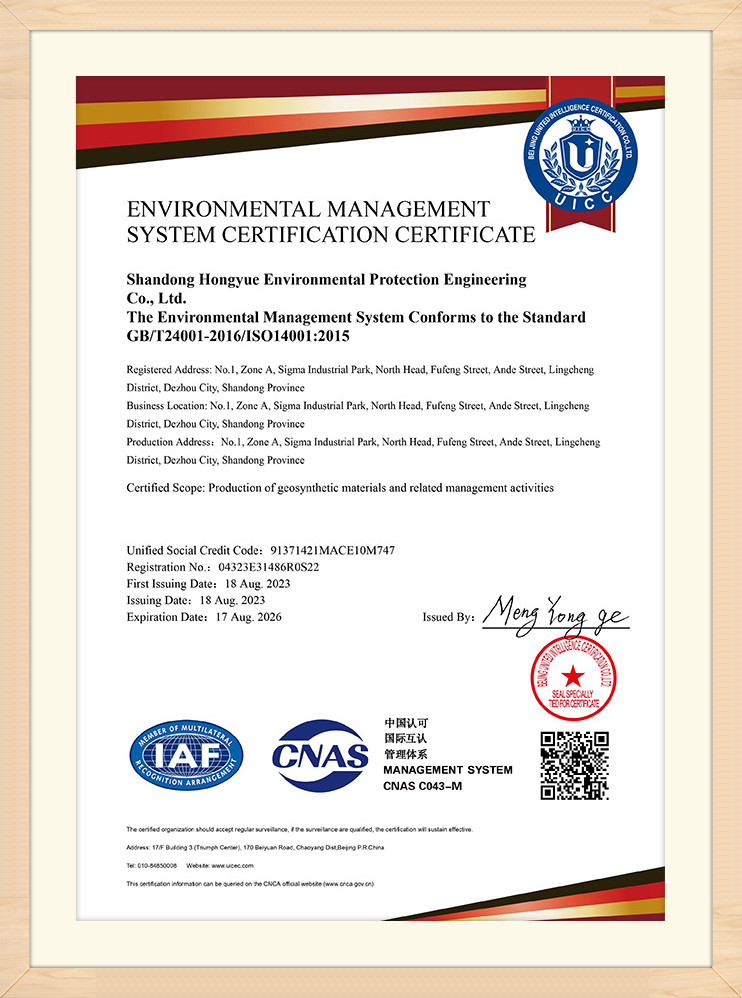
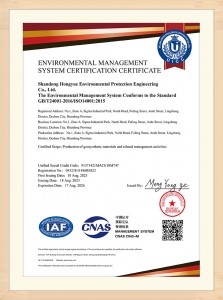
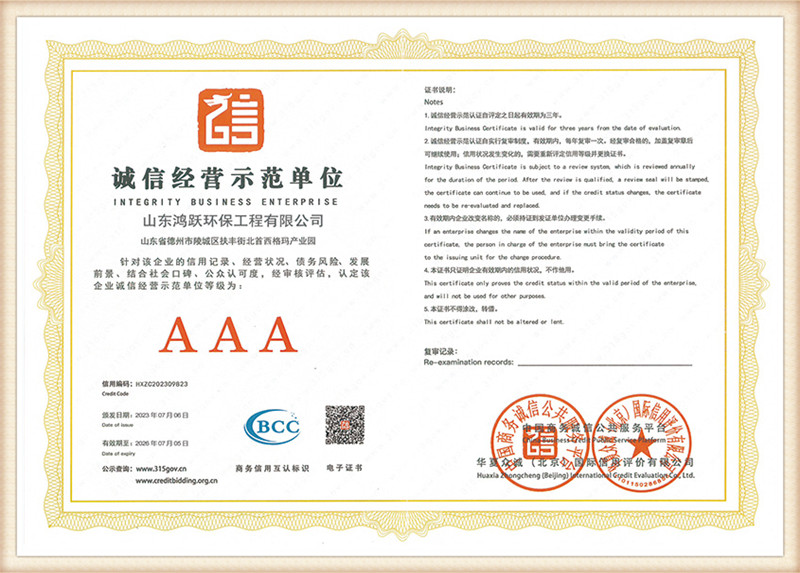
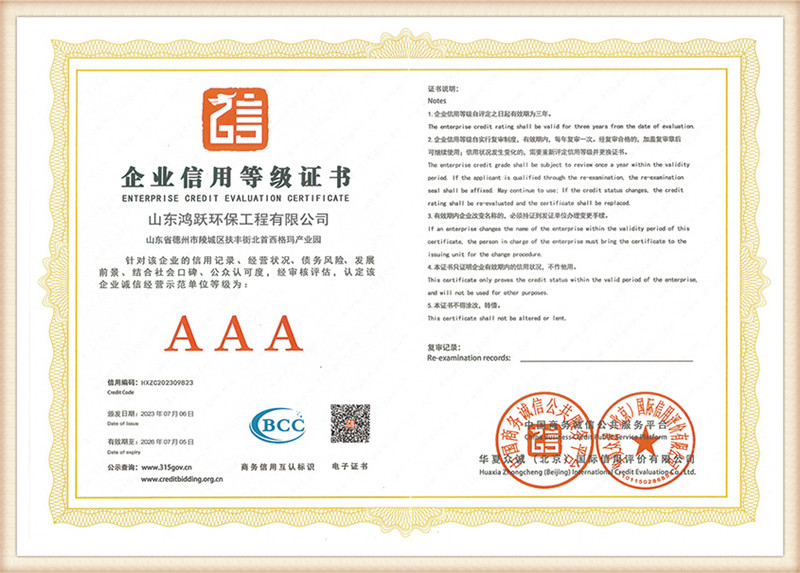
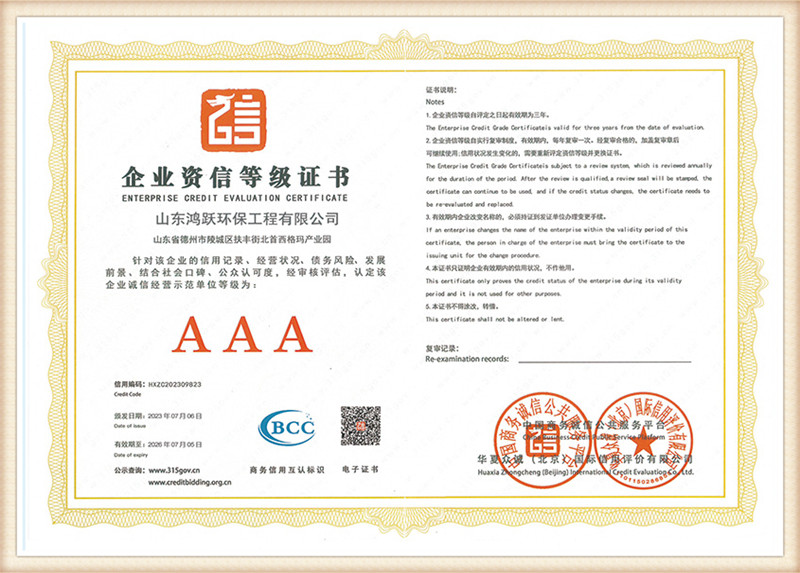
Every meter of geogrid, geotextile, and geomembrane produced by Shandong Hongyue undergoes strict inspection processes. Our internal quality control lab is equipped with testing systems for wide-width tensile properties, junction efficiency, carbon black dispersion, environmental stress cracking resistance (ESCR), and puncture capacity.
Our quality systems are audited and certified to the highest international standards, including:
We streamline the supply chain process for global procurement directors, civil engineering contractors, and national distributors.
Managing large infrastructure contracts involves strict compliance checklists. Our sales and engineering teams work directly with international customers to ensure that each shipment meets domestic project specifications, such as ASTM D6637 testing guidelines for geogrid strength, CE marking for European markets, and AASHTO M288 specifications for geotextile performance.
We offer full assistance with export documentations, custom handling, and freight packaging optimizations:
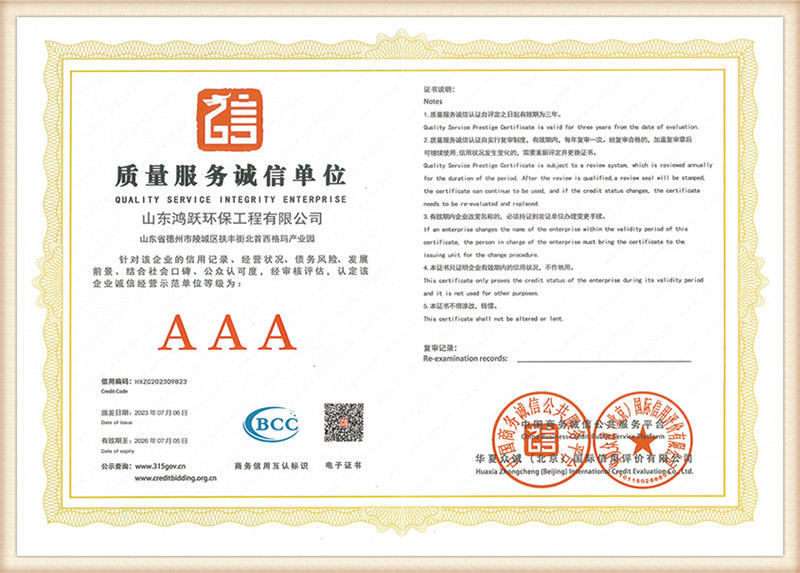
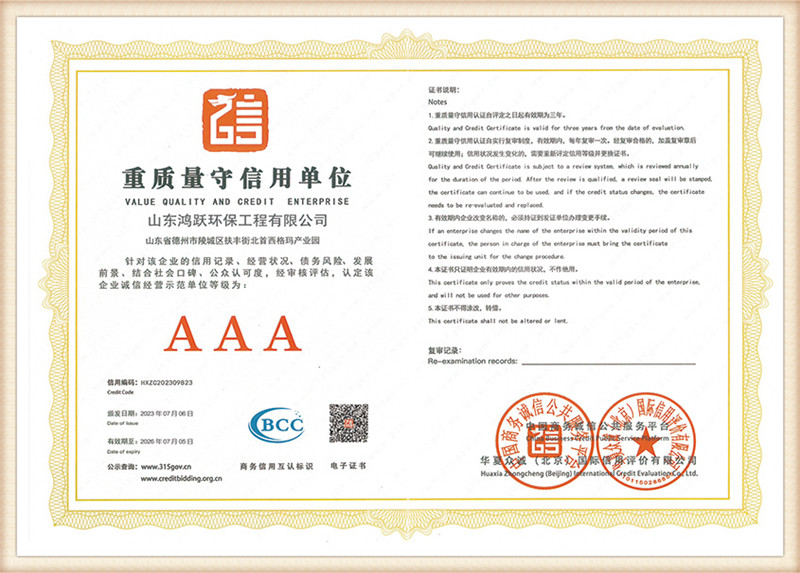
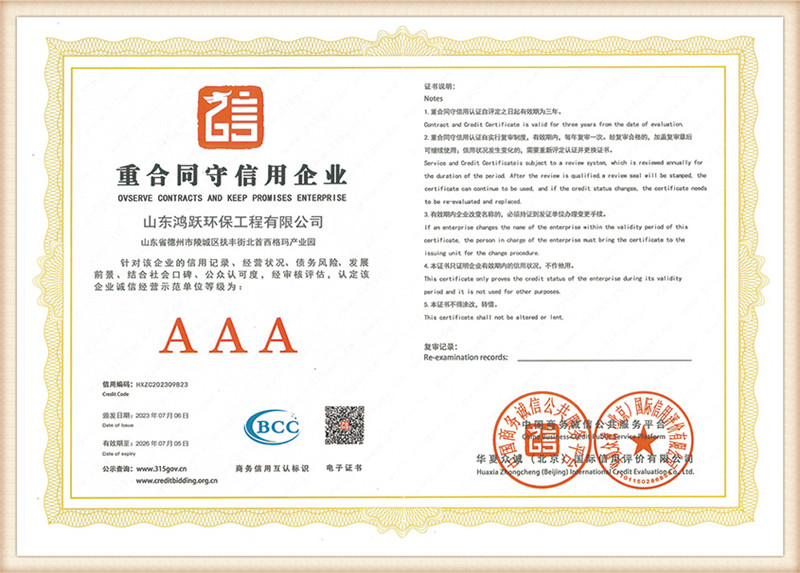
Our materials form high-integrity systems, protecting structures against water infiltration, soil erosion, and mechanical stress.
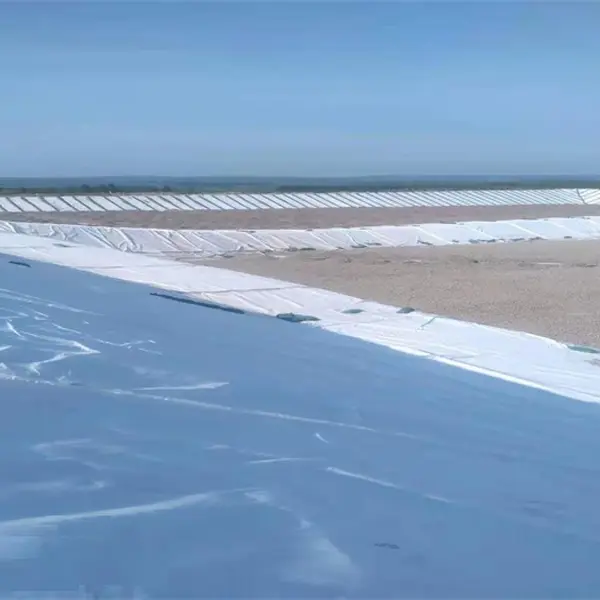
Maintains reservoir hold, protecting surrounding foundations and rock structures from seepage erosion.
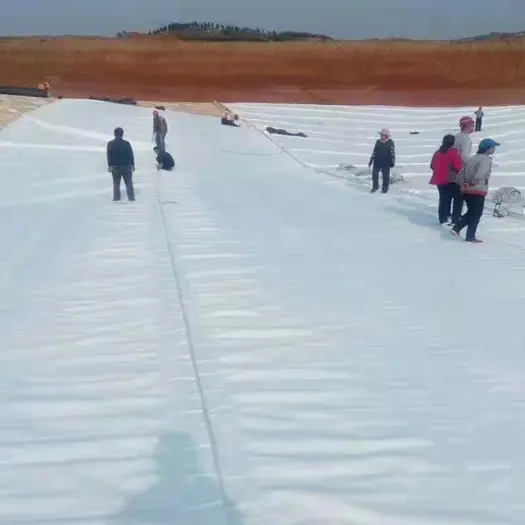
Restricts bank erosion from river currents, reinforcing channels against landslides and structural collapse.
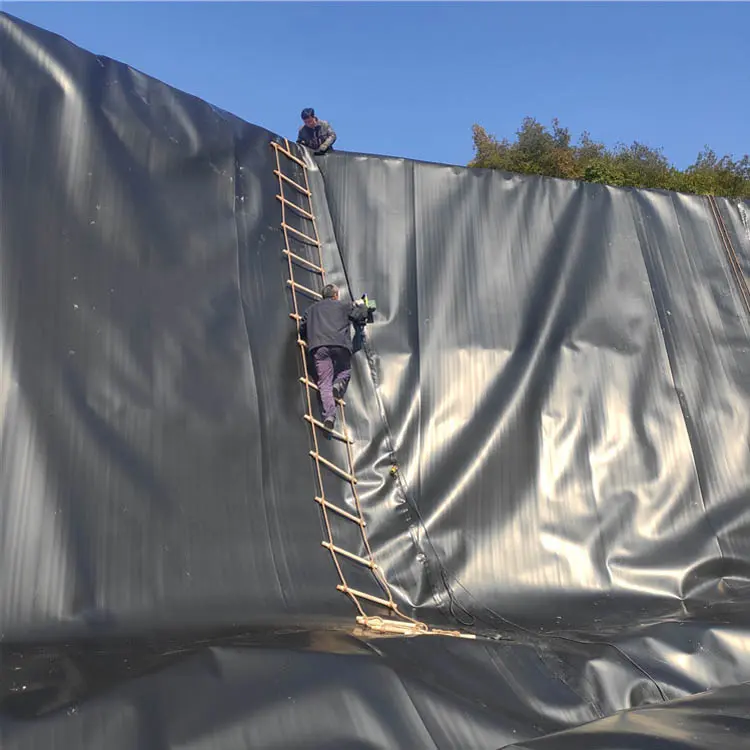
Multi-layer composite lining prevents hazardous leachate from contaminating underground water systems.
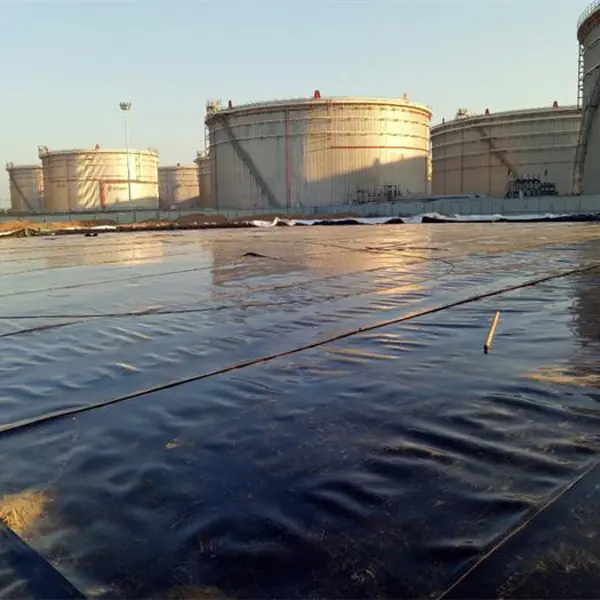
Our heavy-duty HDPE geomembranes and geogrids are optimized for secondary containment areas, fuel tank farms, and petrochemical storage zones. In these applications, structural stability is paramount. Using unreinforced foundations risks minor settling, leading to pipe misalignment and tank stress. The inclusion of a high-stiffness biaxial geogrid below the tank foundation, paired with an impermeable lining system, delivers structural stability and chemical containment.
We work closely with project owners and contractors to design safety systems that meet environmental codes and pass strict regulatory inspections.
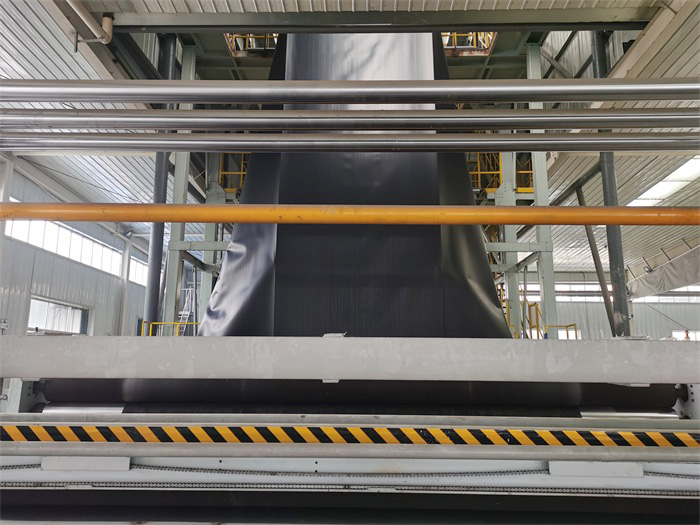
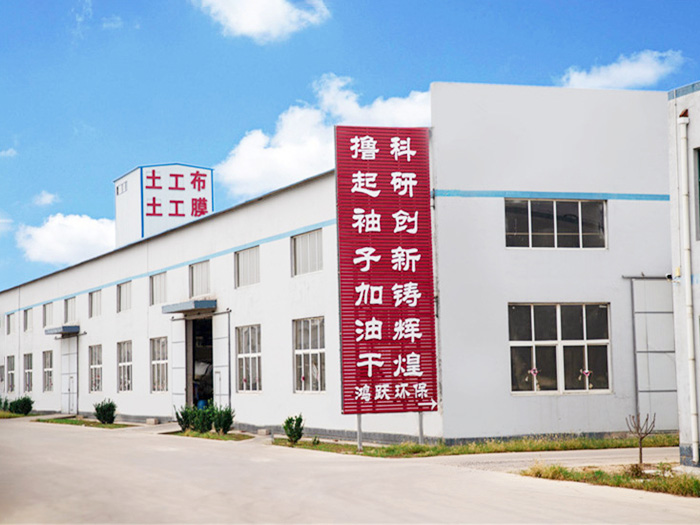
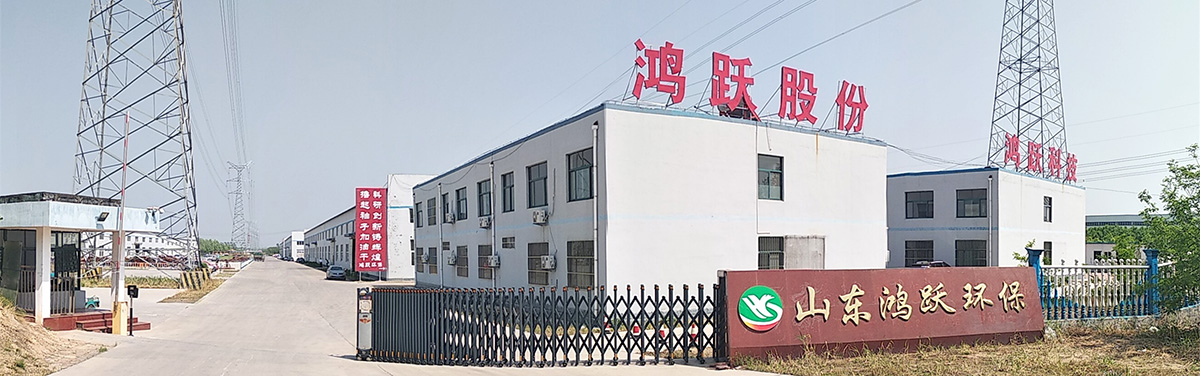
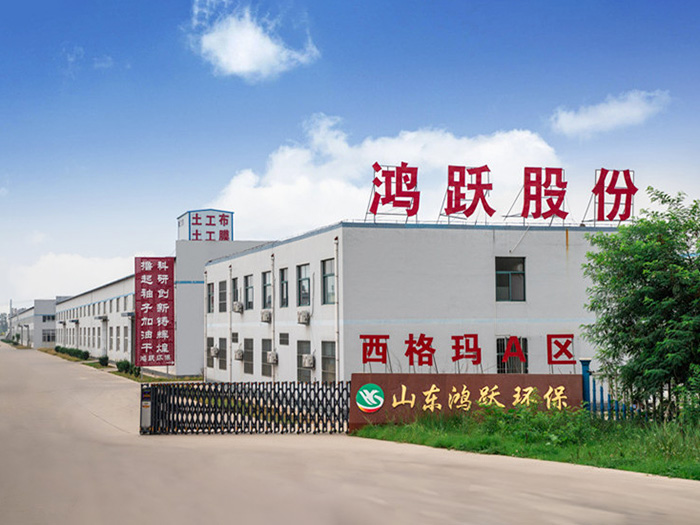
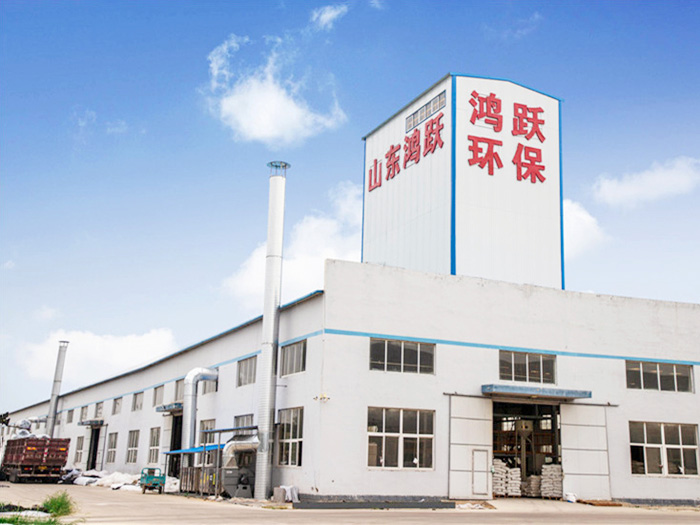
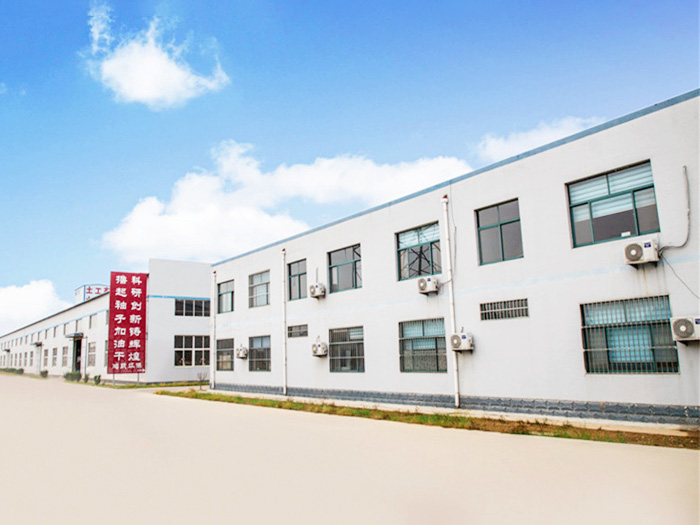
A closer look at our high-capacity production, extrusion facilities, and material stockpiles in Dezhou, Shandong Province.
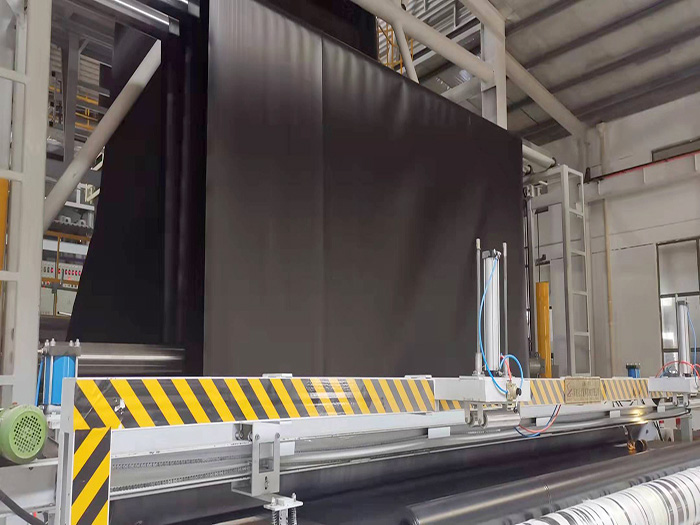
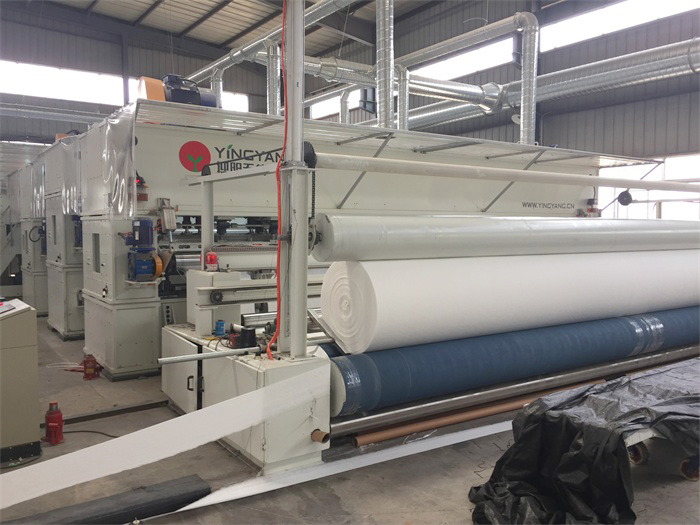
Modern civil engineering faces two concurrent pressures: accelerating design load mandates and pressing carbon neutrality commitments. The development of next-generation geosynthetics is adapting to meet these challenges through several key industry trends.
To reduce global warming potential (GWP) metrics, manufacturers are synthesizing high-performance geogrids from post-industrial recycled polymers, without compromising tensile capacity. Chemical modification processes allow these recycled resins to achieve molecular weights similar to virgin polymers, ensuring comparable creep rupture strengths over 100-year design cycles.
Embedding fiber optic sensors and conductive threads within geogrid configurations allows real-time structural health monitoring (SHM) of remote road beds and retaining walls. These systems transmit strain profiles, temperature shifts, and pore pressure dynamics directly to monitoring networks, preventing structural failures before they manifest externally.
Extreme weather events require high-capacity drainage systems. Incorporating non-woven filtration layers directly into geogrid grids creates multi-functional composites that stabilize subgrades while draining water to prevent pore pressure build-ups.
Practical application of geomembranes and geogrids in major municipal infrastructure works.
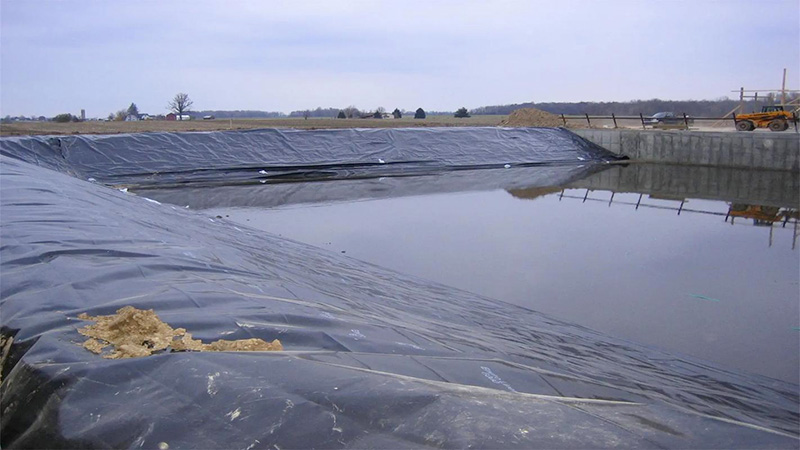
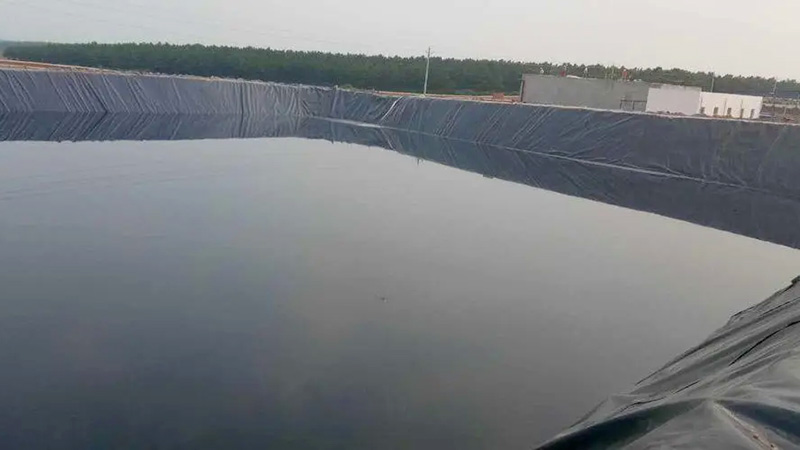
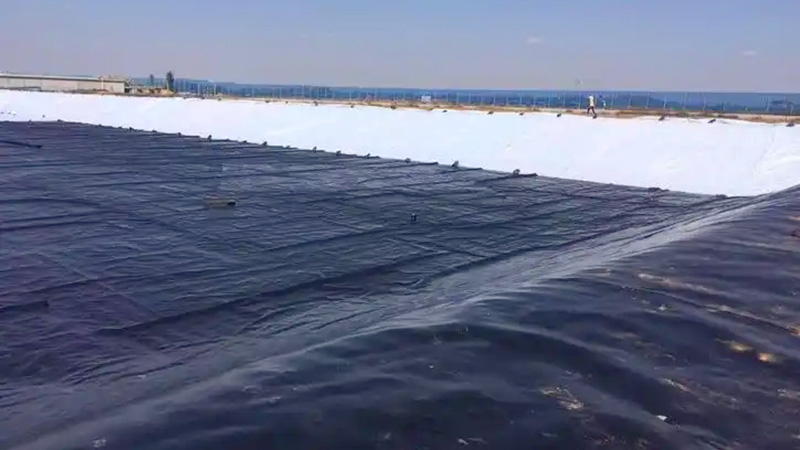
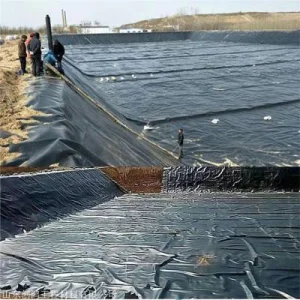
Waterway projects face constant erosion and water loss. Placing high-strength geomembranes and geogrids along channel banks provides deep mechanical stabilization and long-term impermeability.
Project Overview: In this waterway project, the channel bank faced severe erosion risks due to high water-flow velocities. The design team utilized a combined geosynthetic approach:
This design prevented soil loss, lowered maintenance costs, and preserved the local canal ecosystem.
Technical answers to common procurement and engineering questions regarding gravel base stabilization.
A geogrid stabilizes aggregate through mechanical interlocking. When gravel is spread and compacted over the grid, the stone particles lock into the grid apertures. Under loading, this lateral confinement restricts aggregate movement, dispersing load pressures and reducing rutting and subgrade deformation.
Uniaxial geogrids display high tensile strength in one direction (typically longitudinal), making them ideal for retaining walls, slopes, and embankments. Biaxial geogrids distribute strength in two orthogonal directions, suited for roads and parking lots. Multiaxial geogrids distribute loads radially across 360 degrees, offering isotropic stress distribution.
Yes. By improving the bearing capacity of the subgrade, using high-quality geogrids can reduce the required aggregate base layer thickness by up to 30% to 50% without compromising structural support. This lowers excavation, aggregate sourcing, and transport costs.
Buyers should check for ISO9001 (Quality Management), ISO14001 (Environmental Standards), and CE markings for European projects. Material verification sheets should display ASTM test results for junction strength, aperture size accuracy, and tensile stiffness.
We perform systematic batch testing on raw materials, inline thickness checks, and final tensile testing in our ISO-compliant laboratory. All materials undergo national supervision sampling inspections before dispatch.
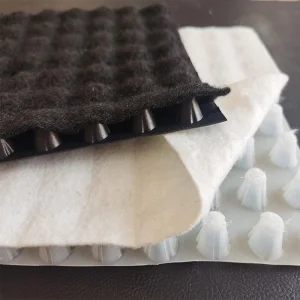
Explore our industrial range of drainage boards, composite waterproof linings, geocells, and geomembranes.
 Hongyue