Explore our foundational range of civil engineering materials designed for reinforcement, filtration, drainage, and reliable soil confinement.
Understanding how cellular structure transforms weak soils into high-performance load-bearing platforms and erosion-resistant networks.
The modern civil engineering industry faces a critical double-bind: building heavy infrastructure under increasingly unstable geological conditions, whilst adhering to stringent environmental protection policies. Geocell erosion control systems represent a highly efficient technology that solves both problems. At its core, a geocell is a three-dimensional honeycomb cellular confinement structure manufactured from high-density polyethylene (HDPE) or other composite polymers. When expanded and filled with granular materials like soil, sand, gravel, or concrete, it forms a mattress-like structure with high stiffness and lateral containment capabilities.
From a macroscopic standpoint, Geocell confinement increases the apparent cohesion of infill materials. This allows engineers to use local, low-grade soils or recycled aggregates that would otherwise be structurally useless. On slopes, the cell walls break up runoff water flow, preventing water velocity from reaching critical erosion limits. By retaining moisture and topsoil within individual pockets, geocells also foster vegetation root networks, culminating in a bio-engineered natural defense system that is far superior to traditional concrete armoring.
Market dynamics, supply chain considerations, and localization requirements driving geocell adaptation globally.
The global demand for high-performance cellular confinement systems has grown significantly, driven by large-scale infrastructure projects across North America, Europe, Australia, and parts of Asia. Leading geocell factories are increasingly centralized in major manufacturing hubs such as Dezhou, Shandong Province, due to cost-effective raw material access, advanced polymer formulation technologies, and efficient logistics infrastructure.
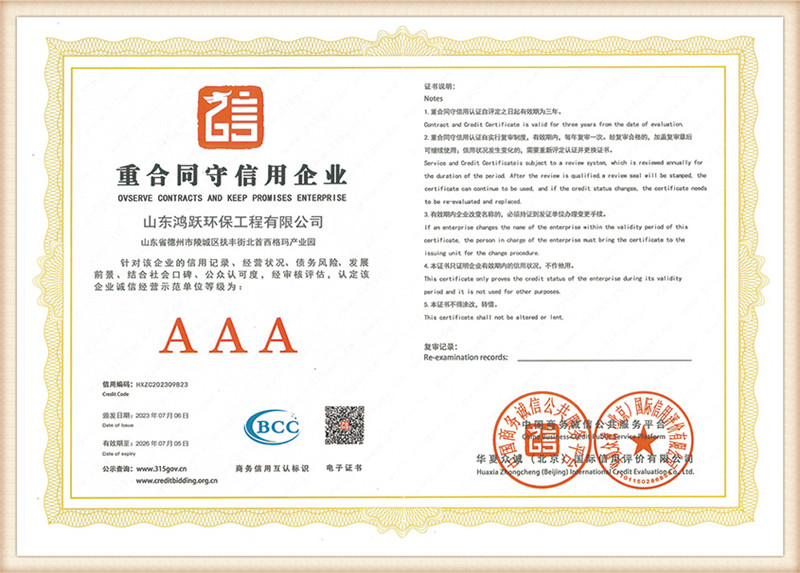
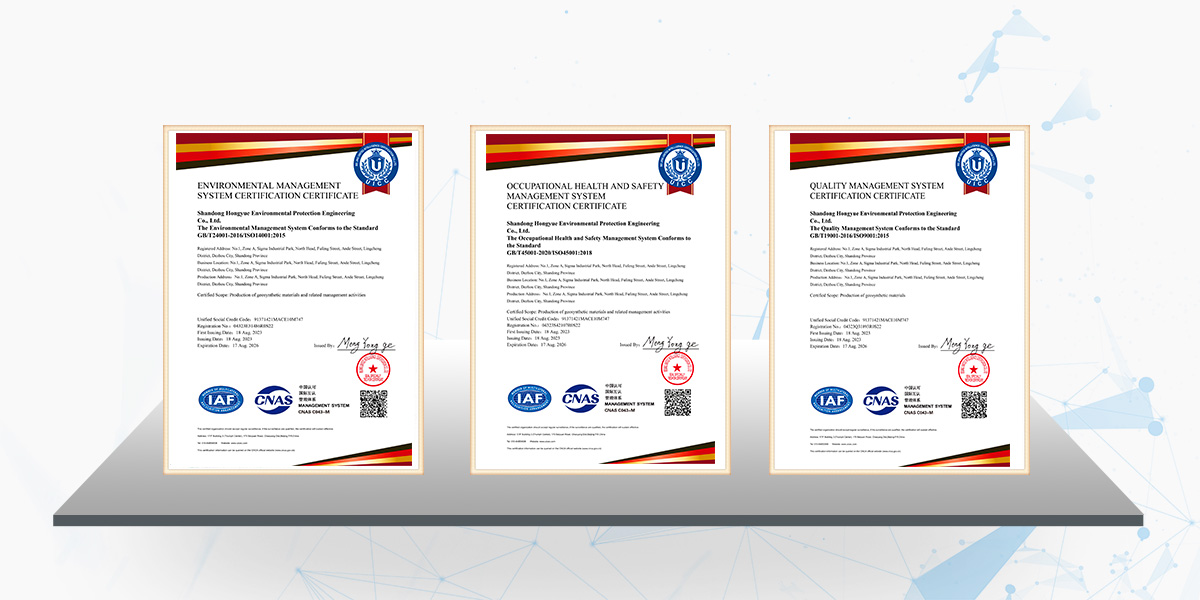
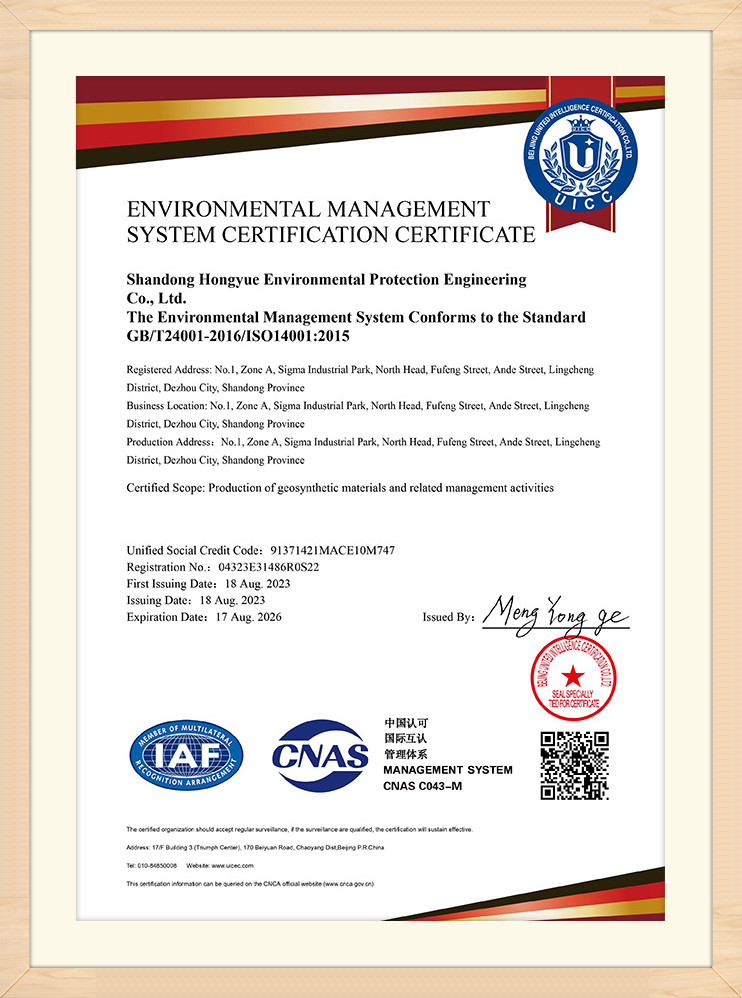
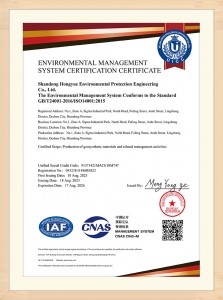
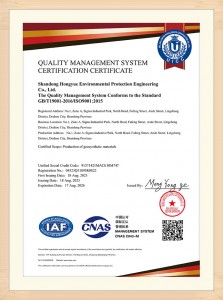
Navigating global regulatory landscapes requires geocell manufacturers to hold key international certifications. Products destined for civil use must meet ASTM standards for peel strength, tensile strength at weld points, and environmental stress cracking resistance (ESCR). Factories must operate in strict alignment with quality management systems such as ISO 9001 and ISO 14001 environmental frameworks.
A major challenge in global project delivery is the adaptation of geocell specifications to local site soils, hydraulic conditions, and environmental factors. Reliable manufacturers do not simply ship standard panels; they provide comprehensive technical support, project design consultation, custom weld spacing (from 330mm to 1000mm), and varying cell depths (from 50mm to 300mm).
A scientific, high-tech geotechnical manufacturer integrating design, production, construction, and global service.
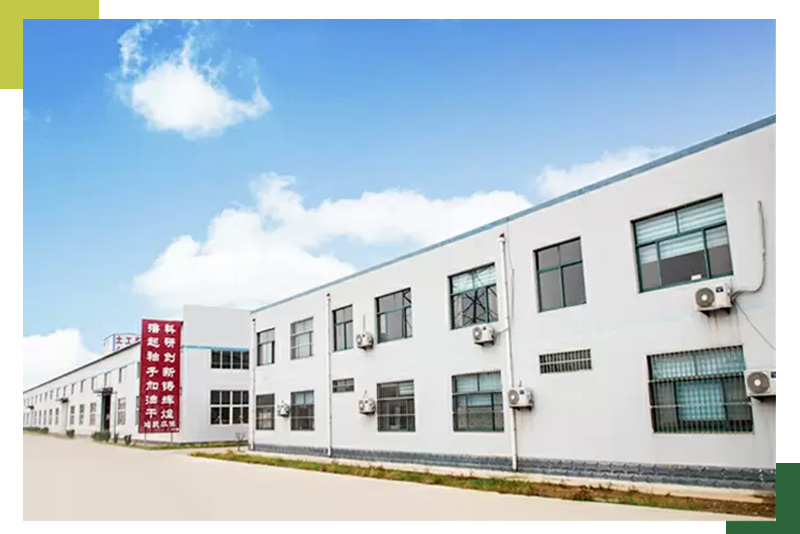
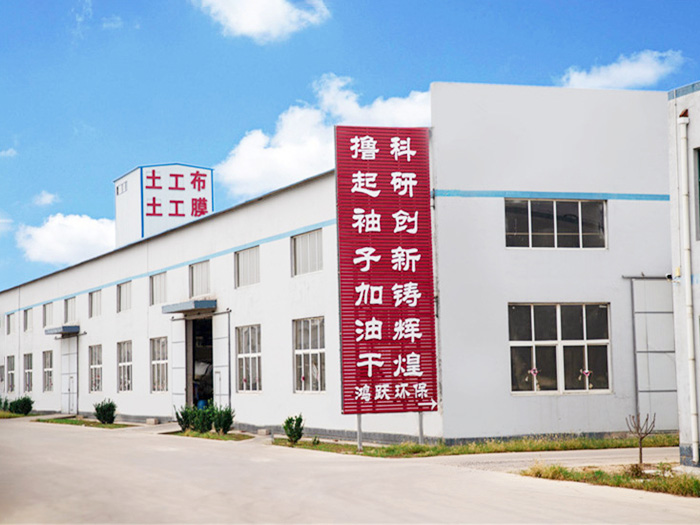
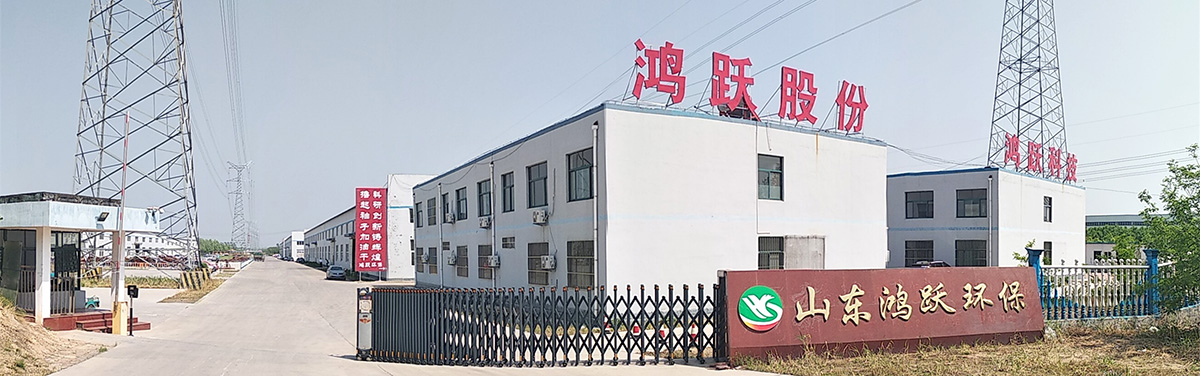
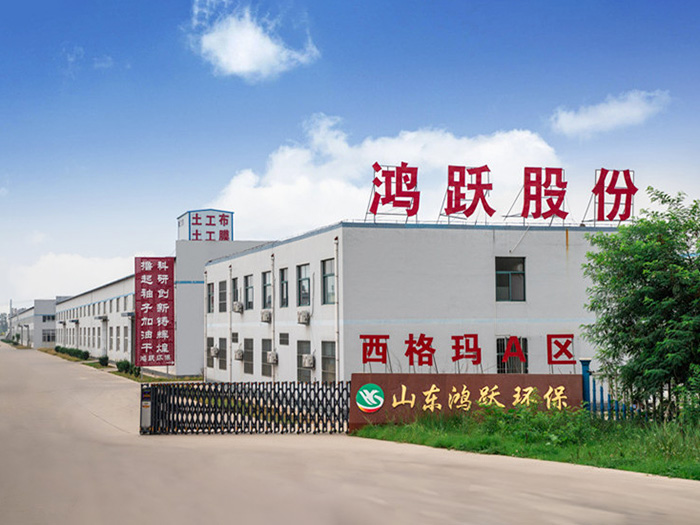
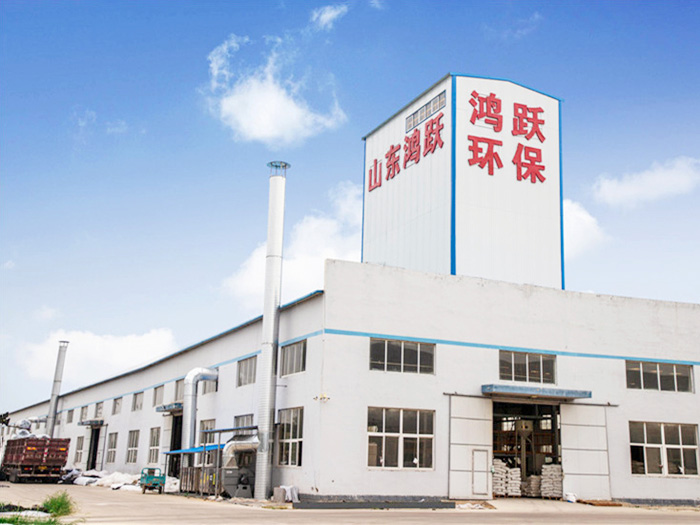
Established and registered with a capital of 105 million yuan, Shandong Hongyue Environmental Engineering Co., Ltd. is positioned as one of the largest modern factories of geotechnical materials in China. Located strategically in the Lingcheng District of Dezhou, the company benefits from a robust logistics network and proximity to raw material ports, facilitating fast delivery to key industrial regions worldwide.
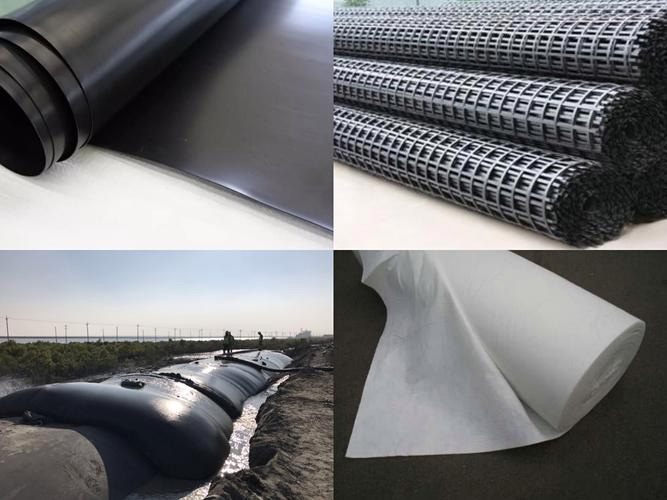
Since its inception, Shandong Hongyue has focused on the engineering design, technical formulation, and manufacturing of geosynthetics. Our product portfolio spans geotextiles, geomembranes, composite geomembranes, waterproof boards, bentonite waterproof blankets (GCL), 3D composite drainage nets, geocells, geogrids, blind ditches, and ecological bags. With a dedicated team of engineers possessing over ten years of on-site service experience, we offer comprehensive project support and design consulting services.
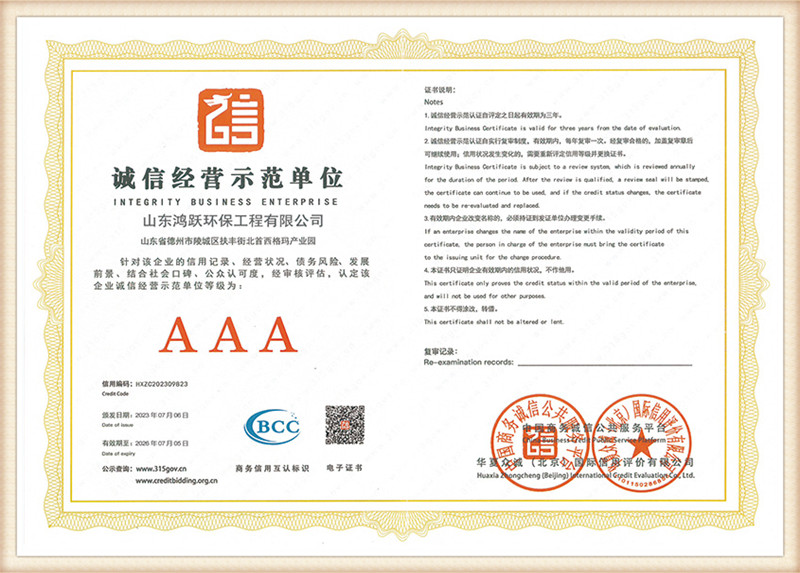
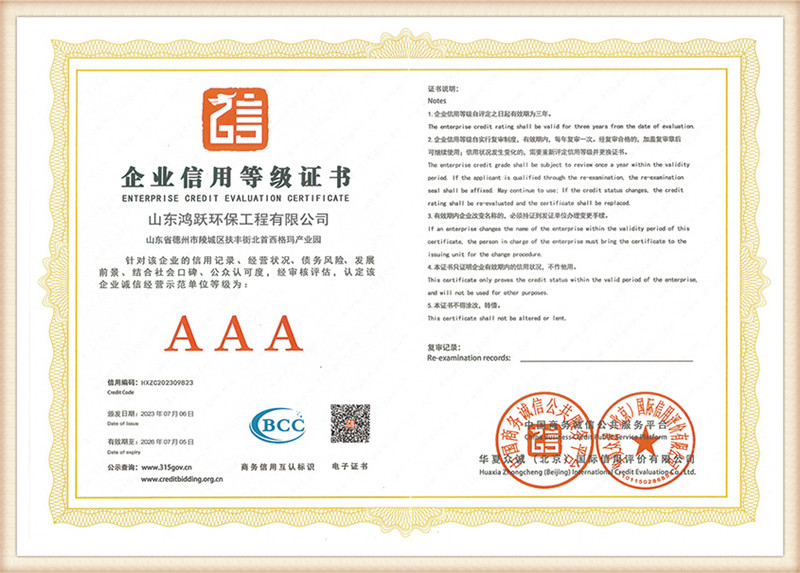
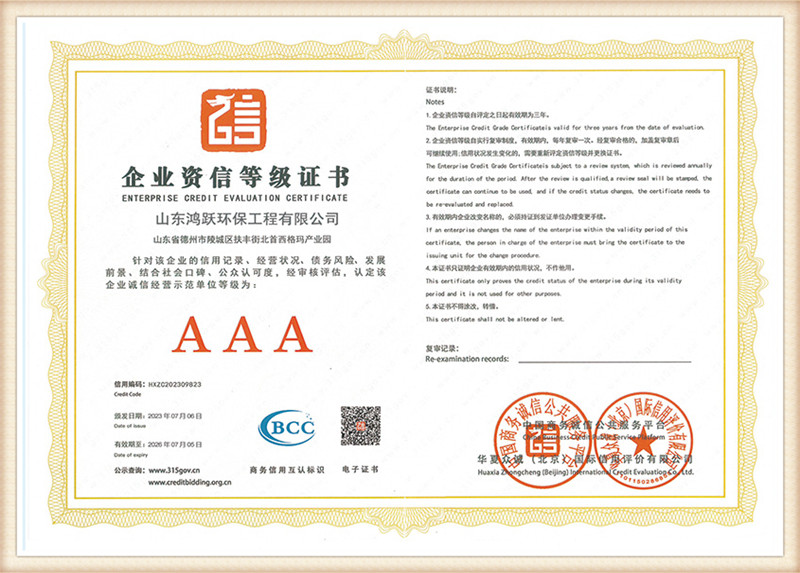
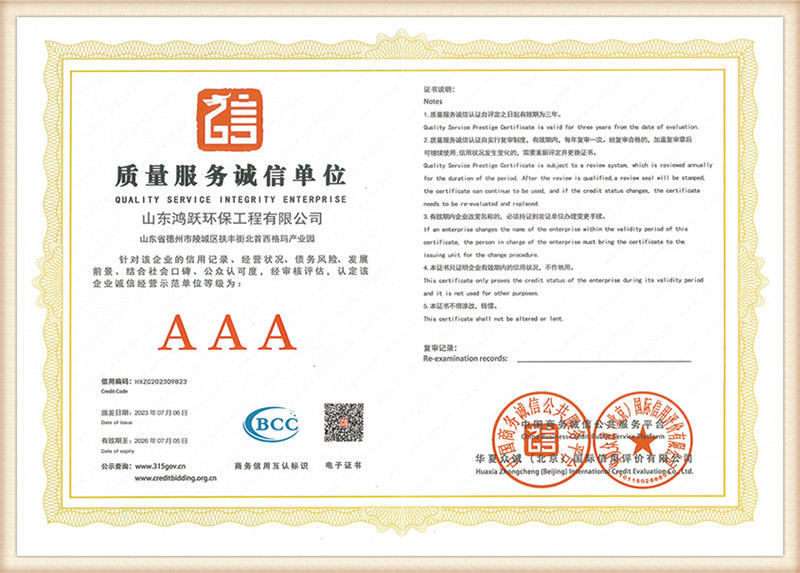
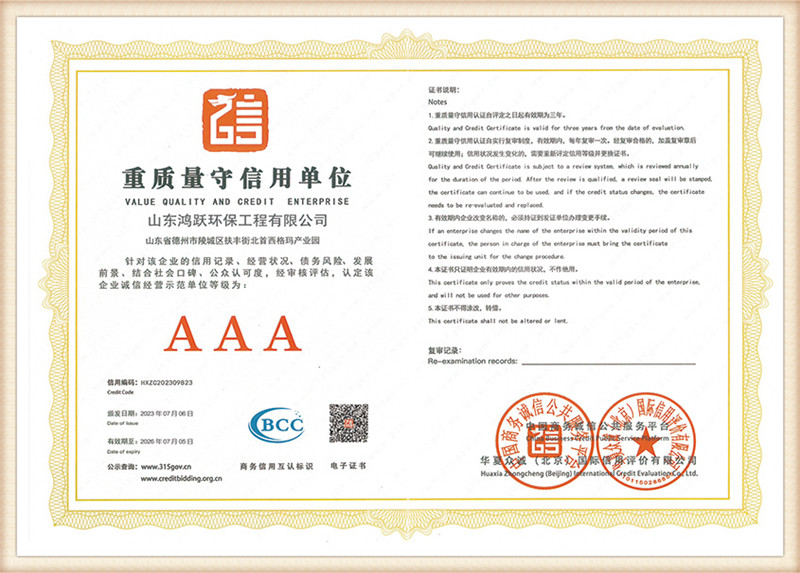
As a key member of the Dezhou Geotextile Association, the company maintains strict compliance with ISO9001 International Quality System, ISO14000 Environmental System, and ISO45001 Occupational Health and Safety Management System. Over the years, our products have been applied in high-profile municipal, hydraulic, and environmental projects across Europe, the Americas, Australia, and Asia.
A step-by-step review of our precision manufacturing process, ensuring structural reliability in demanding environments.
We source high-grade polymer resins, polyester chips, and polypropylene filaments. The materials undergo strict physical inspection to verify molecular weight distribution, purity, and environmental stress cracking resistance (ESCR) before entering production.
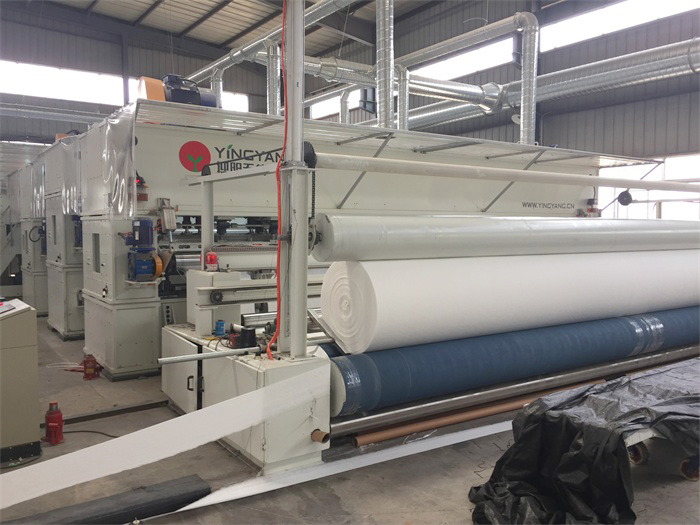
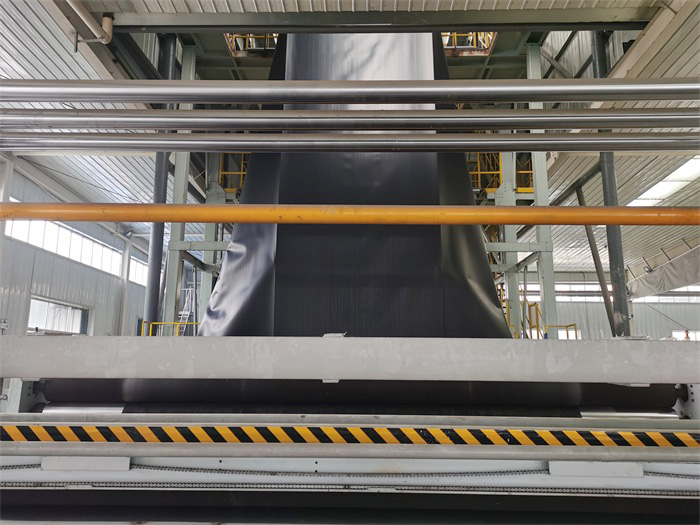
Polyester or HDPE chips are melted under precise temperature controls and extruded through a screw extruder. Carbon black, UV stabilizers, and antioxidants are integrated into the polymer matrix during this stage to ensure long-term resistance to sunlight and soil acids.
Extruded HDPE strips are aligned and welded ultrasonically at fixed intervals. This step defines the geocell's final dimensions, structural profile, and seam peel strength. Standard spacing variations include 330mm, 400mm, 660mm, and 1000mm.
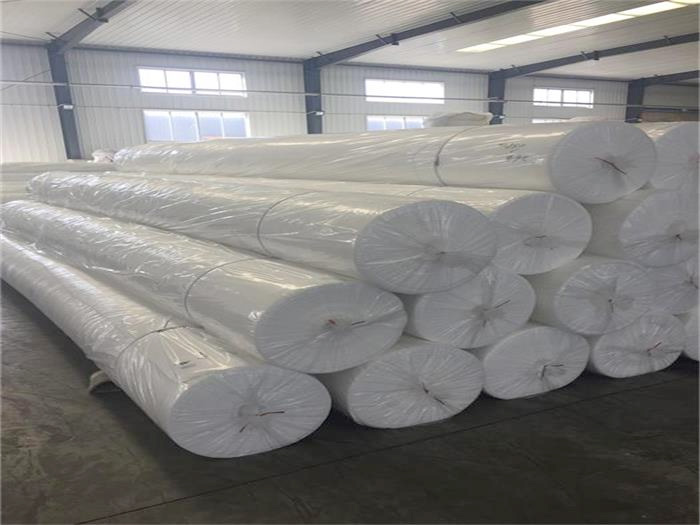
Each production batch undergoes testing at our internal quality control department. Tests evaluate seam peel strength, tensile strength, thickness uniformity, and carbon black distribution. Finished products are rolled, packed, labeled, and prepared for shipping.
A comprehensive overview of geocell installation protocols and site preparation requirements for civil projects.
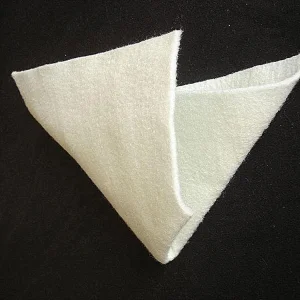
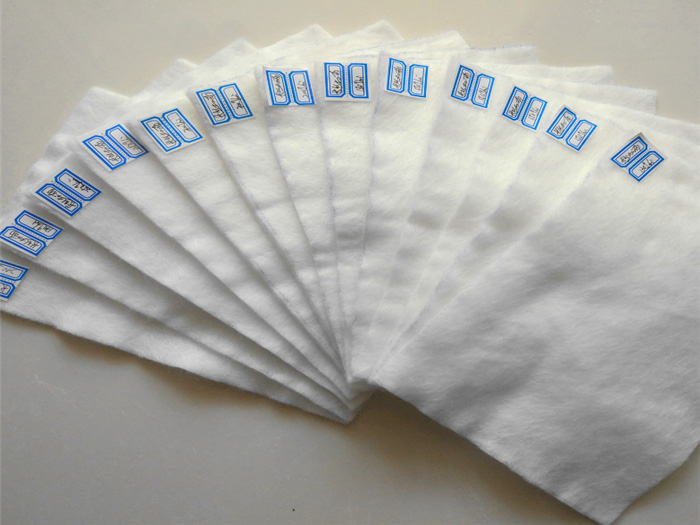
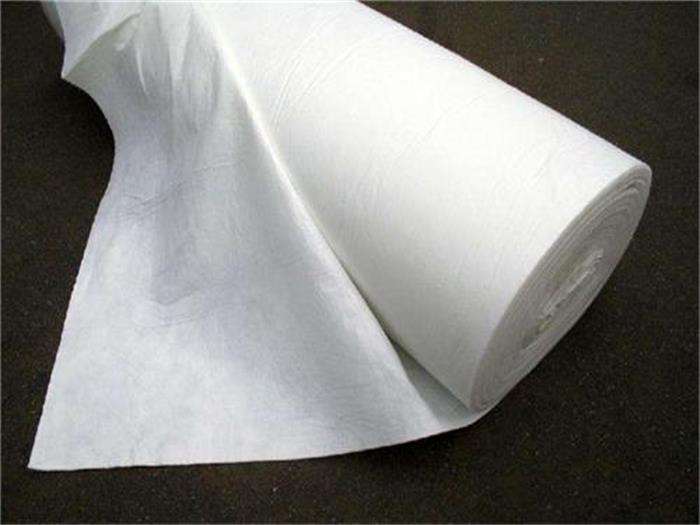
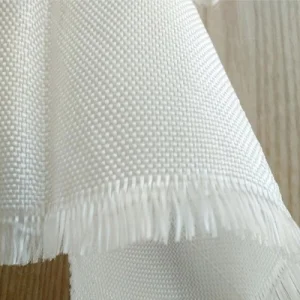
Proper surface preparation is critical for geocell installation. The subgrade must be compacted and cleared of large rocks, roots, or sharp debris that could puncture the polymer cell walls or underlying geotextiles. If the slope design requires an underlayment, a non-woven geotextile should be laid down first to provide filtration and separation.
Once the subgrade is prepared, the folded geocell panels are expanded to their specified dimensions. The panels are anchored using J-shaped steel pins or composite stakes driven into the slope. Anchor spacing and length are determined by the slope angle and the weight of the infill material, ensuring the system remains stable during heavy rains.
Cells are typically filled using front-end loaders or conveyer systems, with infill deposited from the top of the slope downward to prevent damage to the cell walls. Infill options include topsoil (for vegetated slopes), aggregate (for load support), or concrete (for high-shear channels). The infill is then compacted to the required density using vibratory plates or compactors.
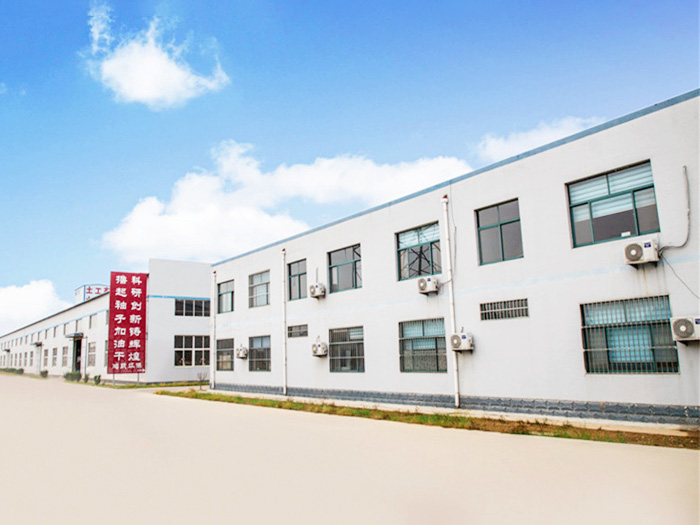
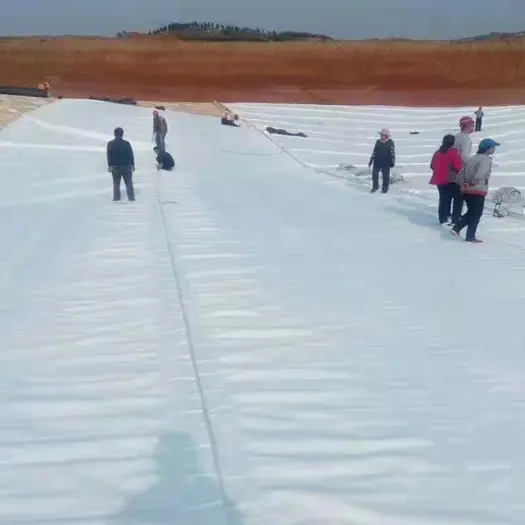
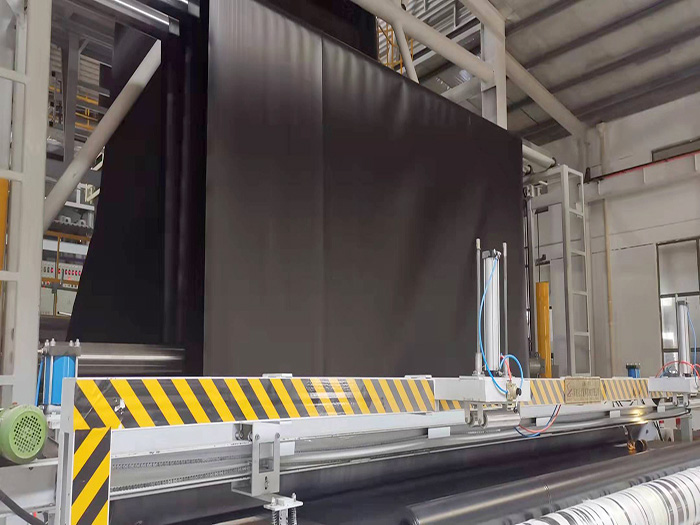
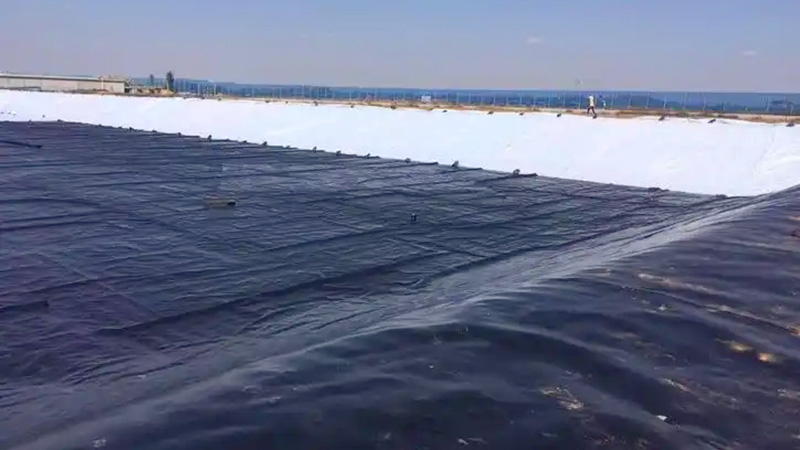
Double-track thermal fusion welding verifies the impermeable seal of geosynthetic liners on-site.
A technical overview of geosynthetic applications in hydraulic works, environmental containment, and slope stabilization.
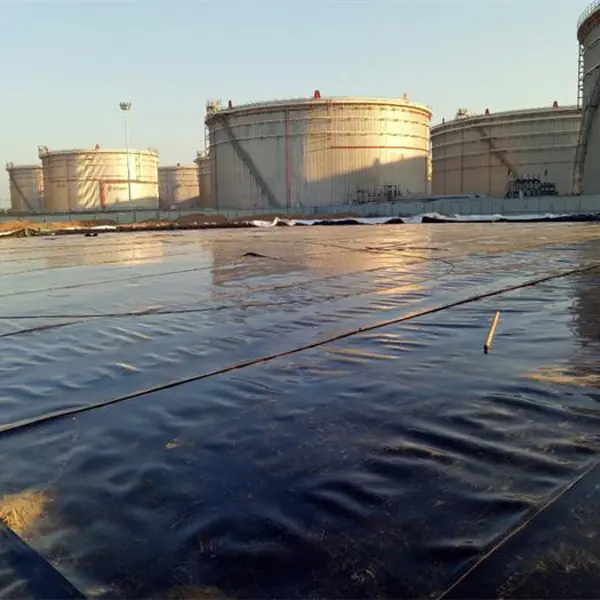
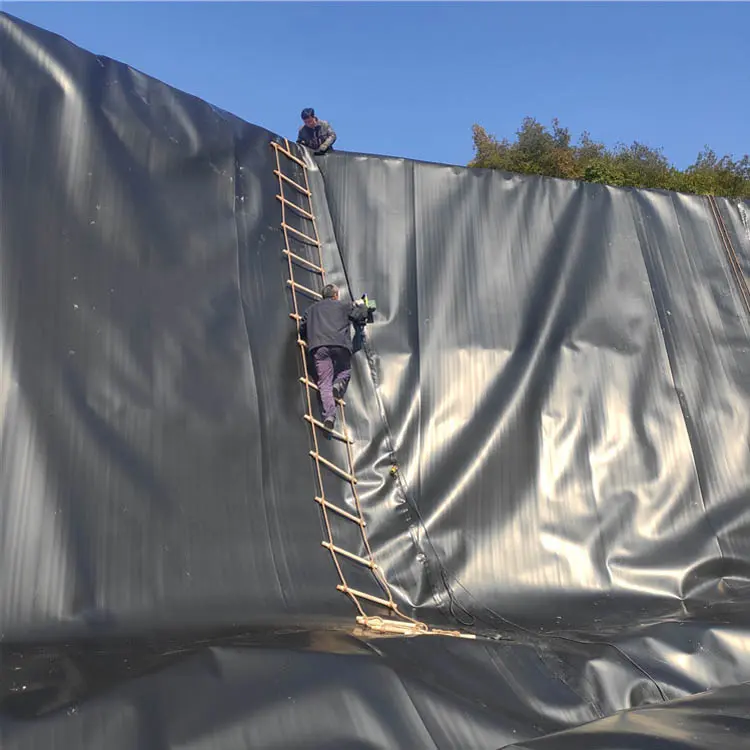
Industrial Fuel Storage Containment: Geomembrane liners deployed on site for environmental protection.
A reference table outlining physical and mechanical requirements for high-performance geocells.
| Property Description | Standard Reference | Required Specification Value | Testing Verification Focus |
|---|---|---|---|
| Polymer Density | ASTM D1505 | ≥ 0.940 g/cm³ | Resin classification and material purity |
| Carbon Black Content | ASTM D1603 | 2.0% - 3.0% | UV resistance and lifetime extension |
| Weld Joint Seam Strength | ISO 13426-1 | ≥ 1420 N per 100mm | Delamination resistance under lateral shear load |
| Environmental Stress Cracking (ESCR) | ASTM D5397 | > 400 hours | Durability in acidic or alkaline soils |
| Nominal Strip Thickness | ASTM D5199 | 1.5mm (± 0.1mm) | Consistency and mechanical stability |
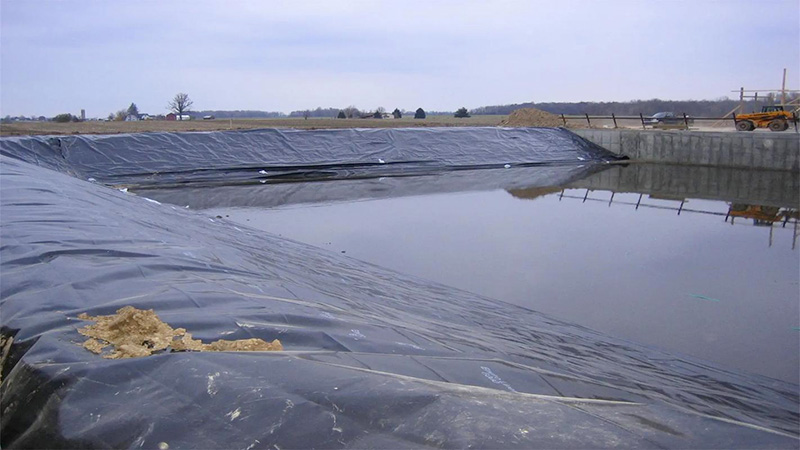
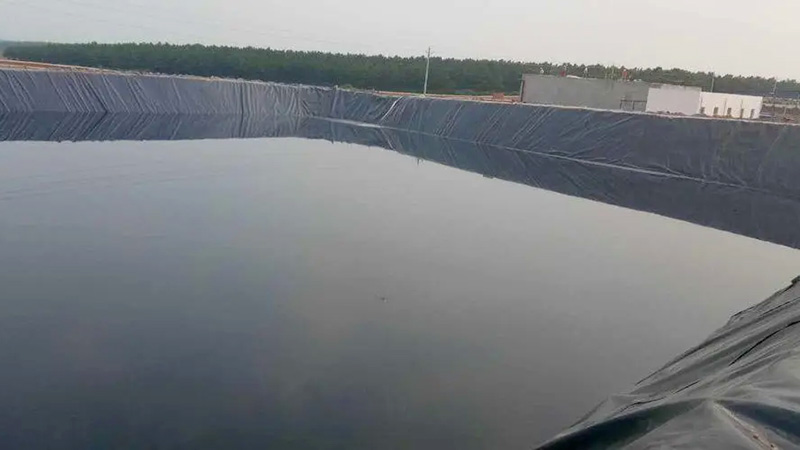
How modern geosynthetic designs mitigate seepage loss and support channel stabilization.
Hydraulic engineering structures, such as reservoirs, canals, and river banks, are constantly subjected to water forces that can lead to erosion or seepage loss. Incorporating geocells and geomembranes into these systems provides structural stability and containment, protecting against geological shifts and water action.
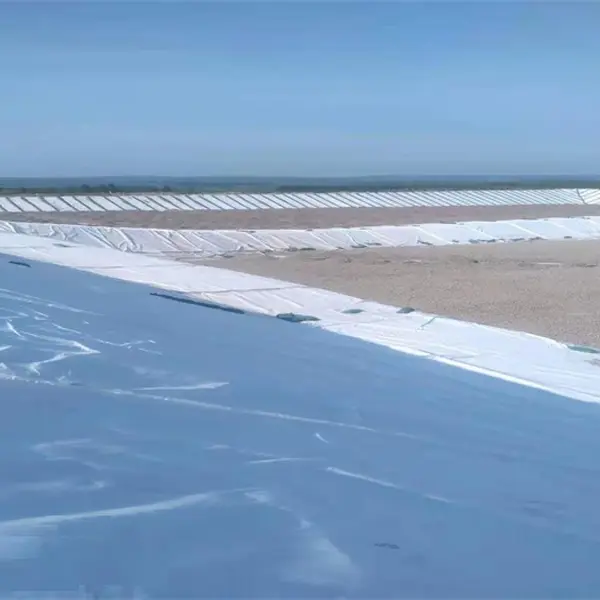
For reservoirs, using geomembranes as an impermeable liner prevents water loss into surrounding rock formations. When paired with geocells, the system secures protective soil or aggregate layers on the slopes, preventing sliding and erosion from wind, waves, or operational water level changes.
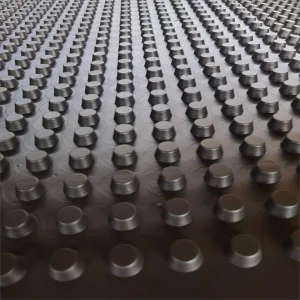
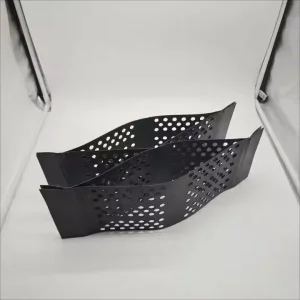
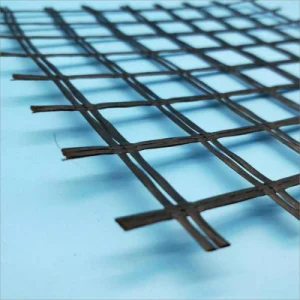
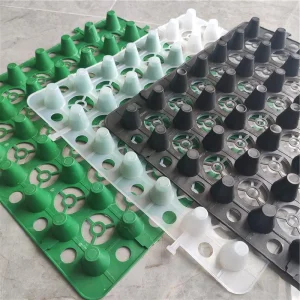
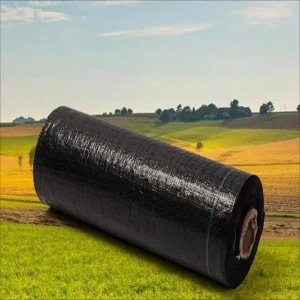
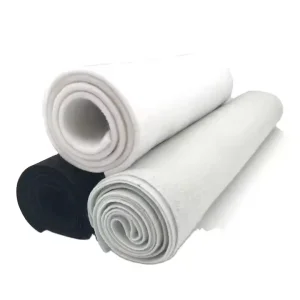
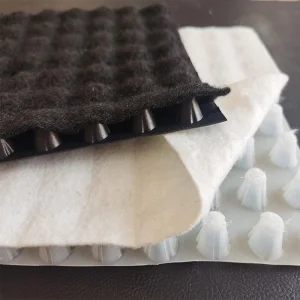
Explore our advanced range of filtration geotextiles, specialized drainage boards, and cellular confinement grids.
Expert engineering answers regarding cellular confinement performance, installation parameters, and durability.
Geocells prevent erosion on steep slopes by confining topsoil within individual cells. This cellular structure limits soil movement down the slope, dissipates the energy of flowing runoff, and protects vegetation roots from washouts.
The design parameters are determined by the slope angle, soil type, and anticipated hydraulic or traffic load. Steeper slopes and heavier loads generally require smaller weld spacing (e.g., 330mm) and greater cell depth (e.g., 150mm to 200mm) to increase passive confinement resistance.
High-quality geocells manufactured with 2.0% to 3.0% carbon black and UV stabilizers are chemically inert and highly durable. Under typical subsurface conditions, these systems have an operational life expectancy exceeding 50 years, resisting degradation from soil microbes, chemical exposure, and UV light.
The seam weld is the primary point of stress concentration within the cellular confinement system. If the seam strength is insufficient, dynamic loads or soil expansion can cause the welds to shear, resulting in localized cellular failure and erosion. Shandong Hongyue tests all seams in accordance with ISO 13426-1 to ensure performance.
 Hongyue