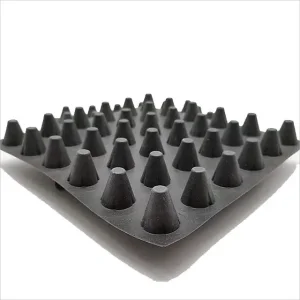
In modern civil and infrastructural development, the stabilization of load-bearing subgrades stands as a crucial factor determining the longevity of roads, ports, and driveways. Traditional methods relying heavily on thick layers of crushed stone or chemical stabilizers fail to meet contemporary environmental and cost benchmarks. This is where the application of Geocell technology proves revolutionary.
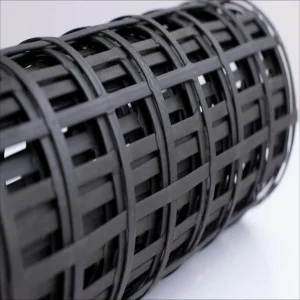
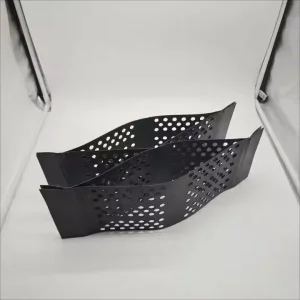
A Geocell is a three-dimensional honeycomb-like structure fabricated from High-Density Polyethylene (HDPE) or other high-performance polymeric alloys. When filled with granular materials such as sand, gravel, or local soil, it creates a rigid composite structure that exhibits high stiffness and load-distribution capabilities. The confinement mechanism distributes vertical loads horizontally across a wider area, effectively minimizing localized stress and preventing subgrade failure.
When heavy vehicular traffic passes over an unconfined driveway, the aggregate infill undergoes lateral displacement, resulting in deep rutting, potholes, and subgrade deformation. Geocell driveways operate via a three-point confinement mechanism:
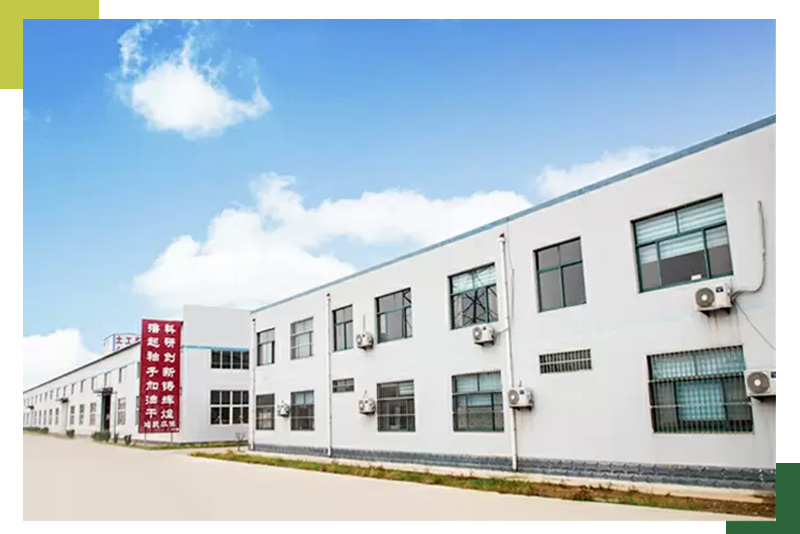
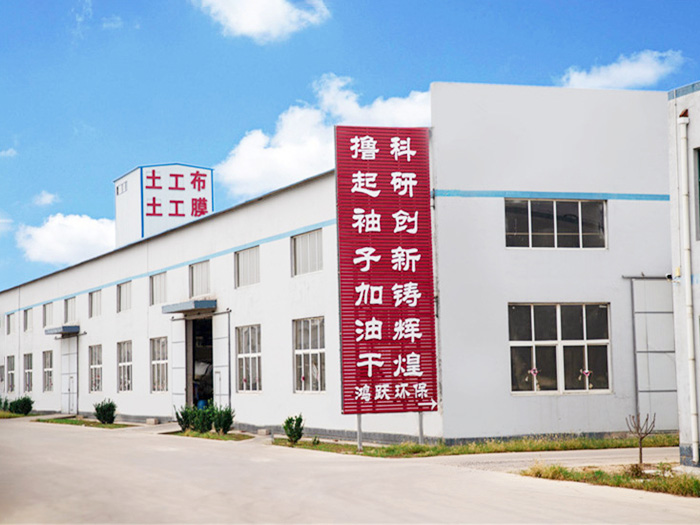
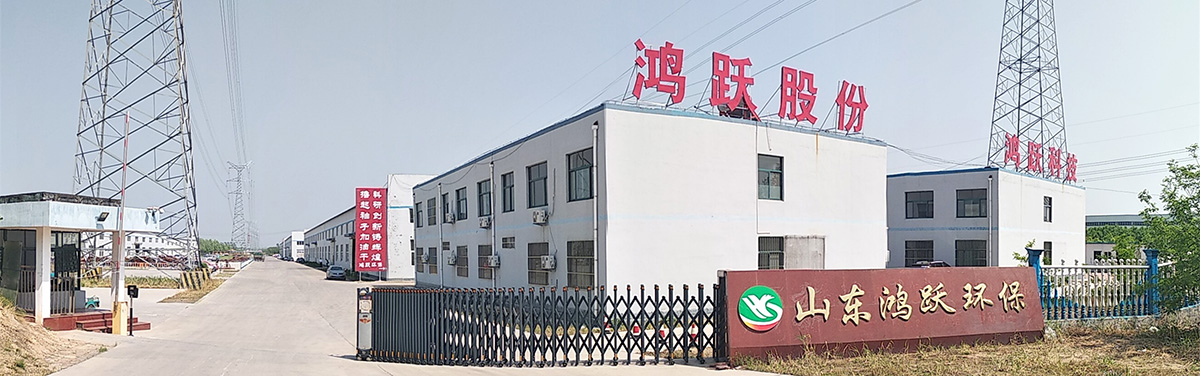
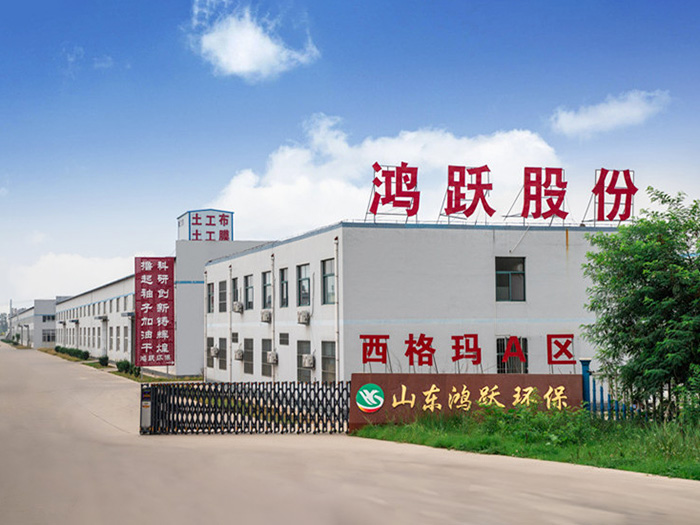
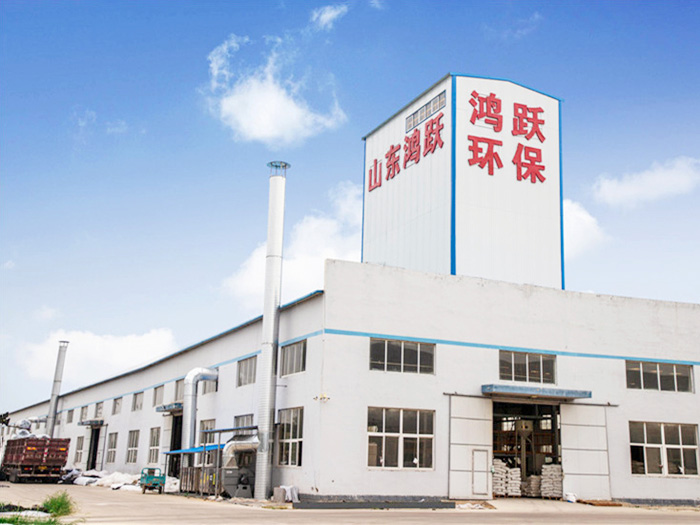
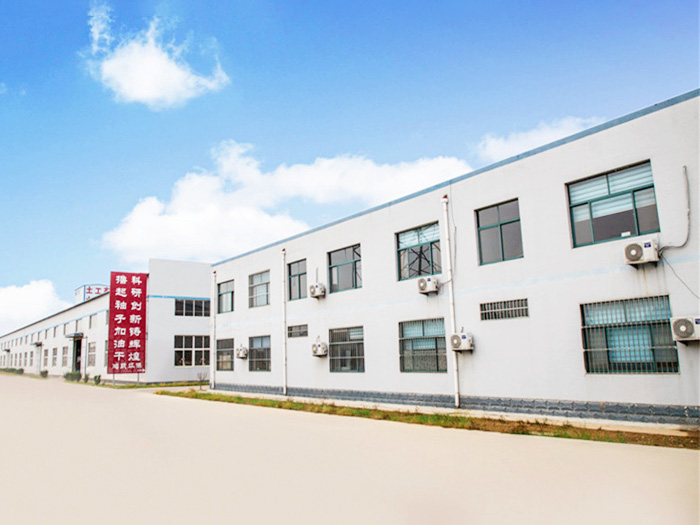
Located at the north end of Fufeng Street, Lingcheng District, Dezhou, Shandong Province, Shandong Hongyue Environmental Engineering Co., Ltd. is a high-tech geotechnical enterprise integrating material production, sales, design engineering, and construction services. Founded with a robust registered capital of 105 million yuan, the company operates one of China's largest production bases for advanced geosynthetic materials.
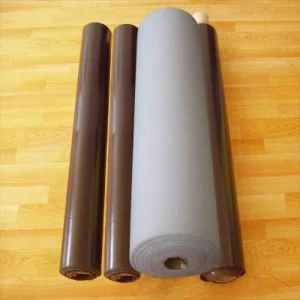
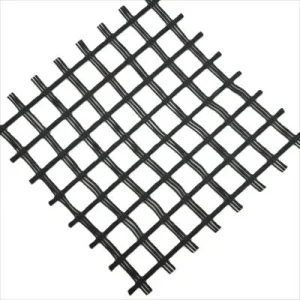
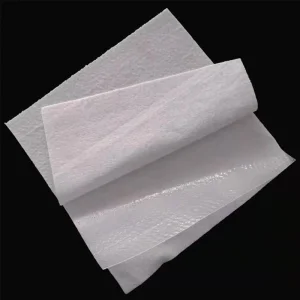
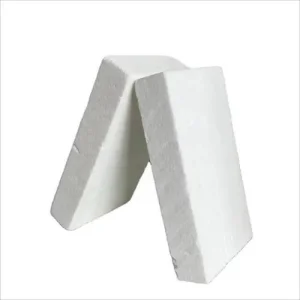
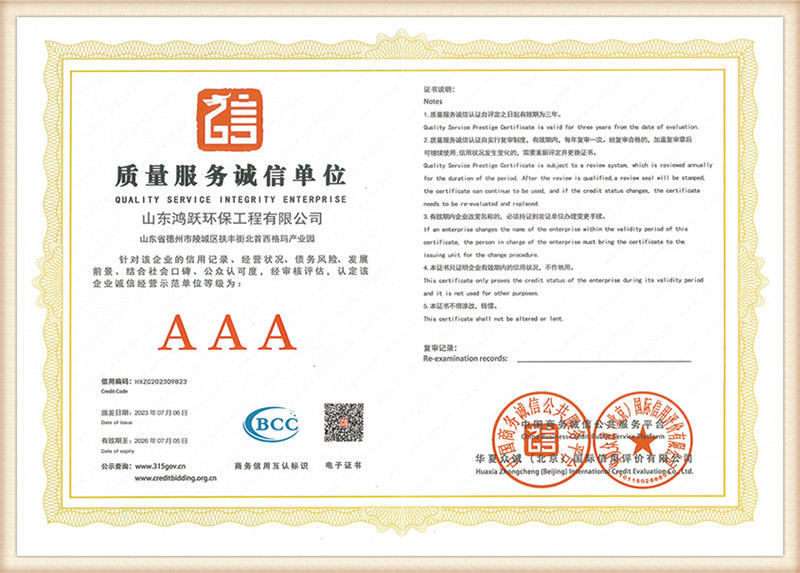
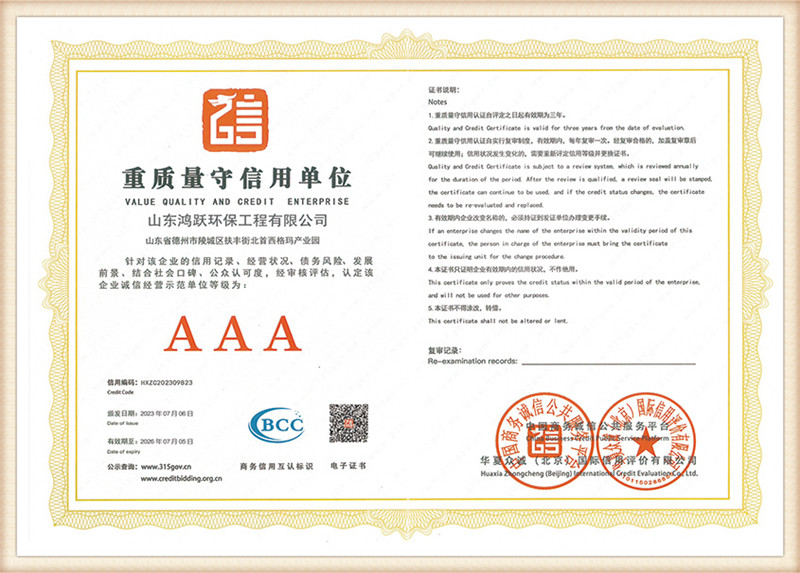
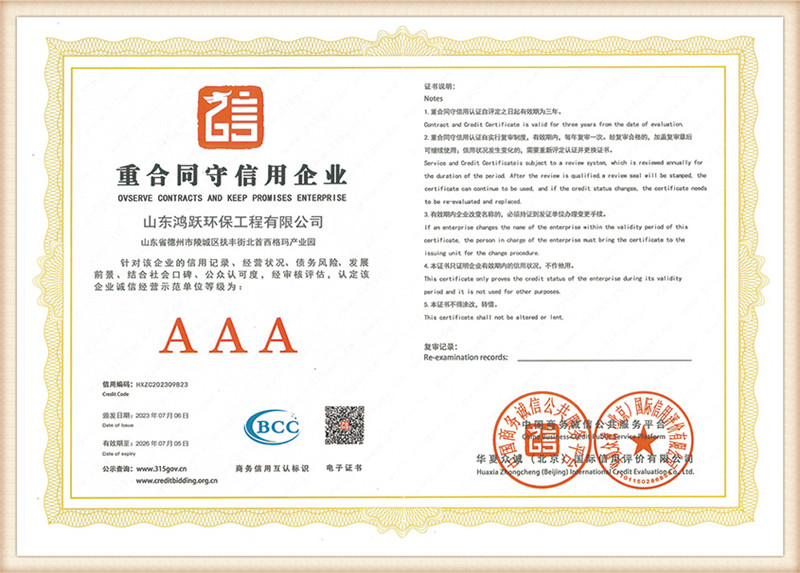
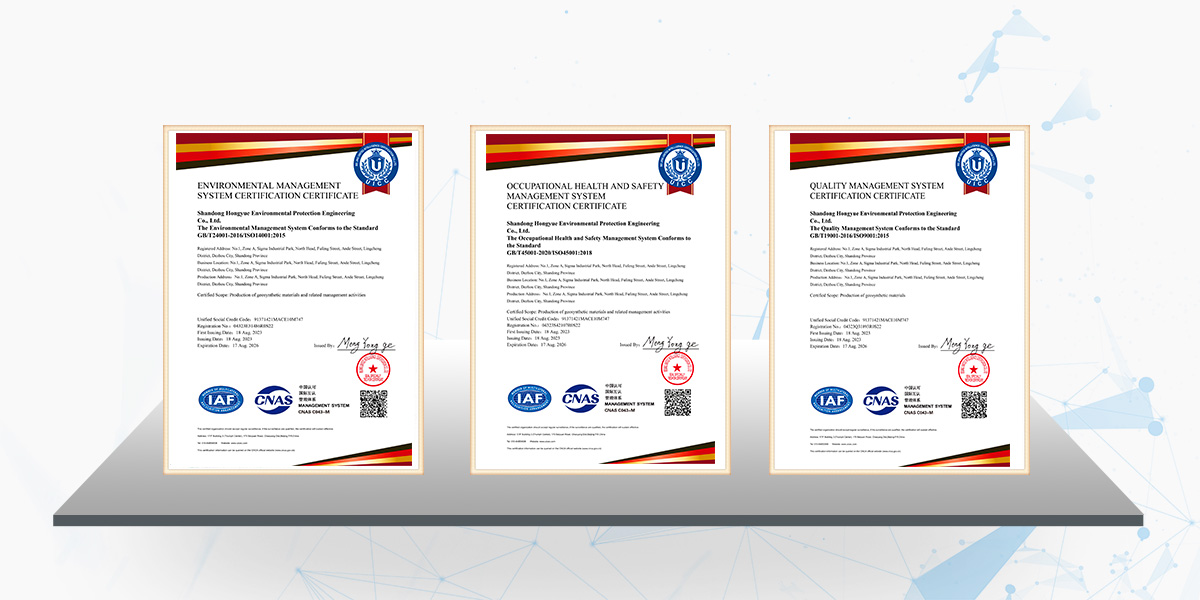
Since its establishment, Hongyue has leveraged geographical advantages and state-of-the-art extrusion lines to produce premium geotextiles, geomembranes, composite materials, geocells, and cement blankets. The company's products are widely utilized in major domestic projects and exported extensively to Europe, the Americas, Australia, and Southeast Asia. Holding certifications across ISO9001, ISO14000, and ISO45001, Hongyue guarantees that every shipment matches rigorous international standards.
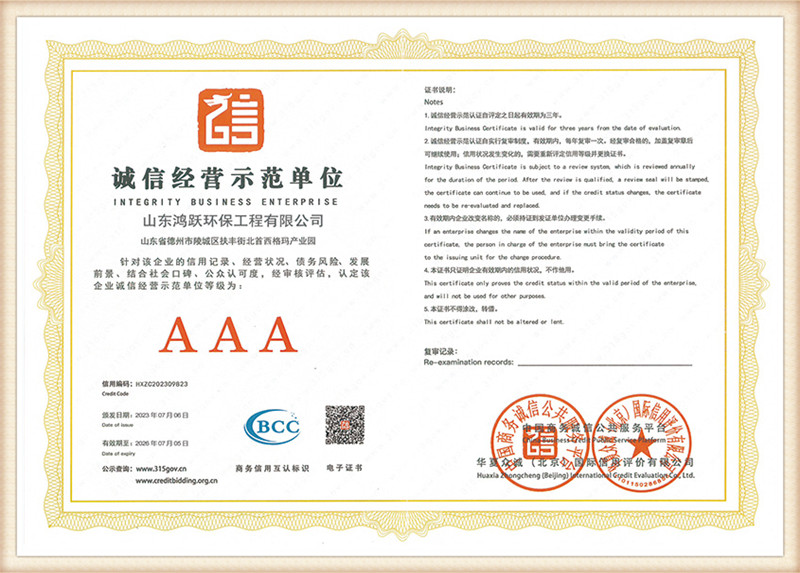
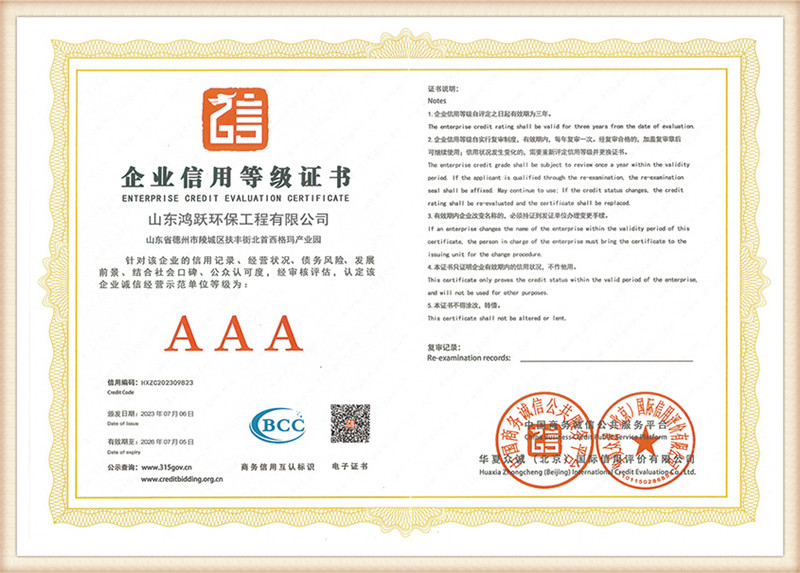
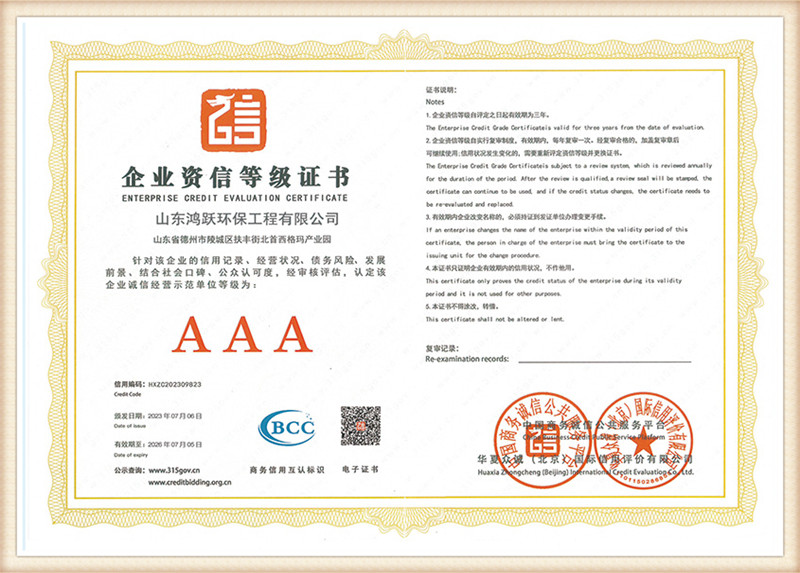
Global engineers and purchasing departments consistently look to Chinese manufacturers, particularly those in the Dezhou geosynthetics cluster, for infrastructure projects. The reasons extend beyond cost efficiency, encompassing raw material quality, manufacturing innovation, and supply chain scale.
Chinese factories like Shandong Hongyue integrate the entire production chain. The process starts with high-grade virgin HDPE polymer chips, which are melted and extruded into textured or smooth sheets of varying thicknesses. These sheets are then perforated to allow water drainage and tree root integration, and finally welded using multi-point ultrasonic machines to guarantee high seam peel strength.
Unlike regional distributors, Chinese manufacturers can customize the dimensional parameters of geocells to meet specific project demands:
• Cell Height: Available from 50mm up to 300mm to match different load bearing expectations.
• Welding Distance: Ranges from 330mm to 1000mm, modifying the aggregate cell size.
• Surface Texture: Smooth or structured texturing to improve friction coefficients with sandy or gravel infill.
A rigorous manufacturing methodology is crucial for geotechnical performance. Below is the breakdown of the production line inside Shandong Hongyue, displaying the step-by-step engineering controls applied during fabrication.
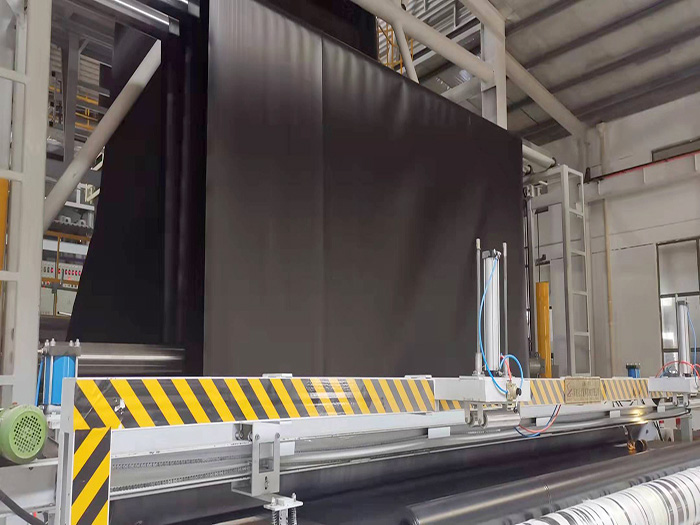
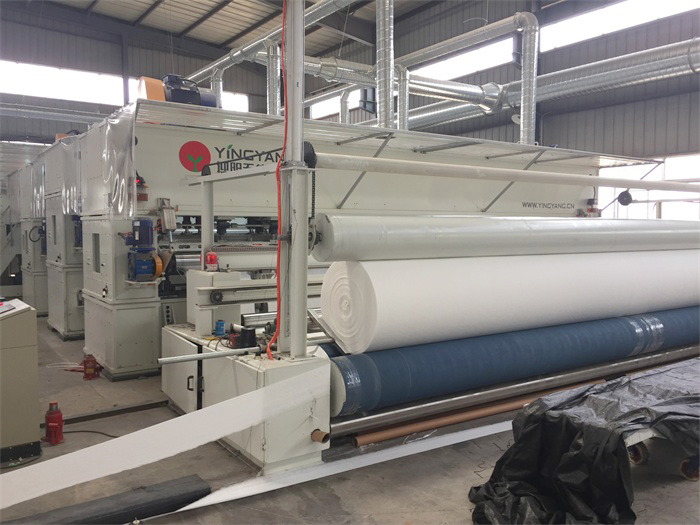
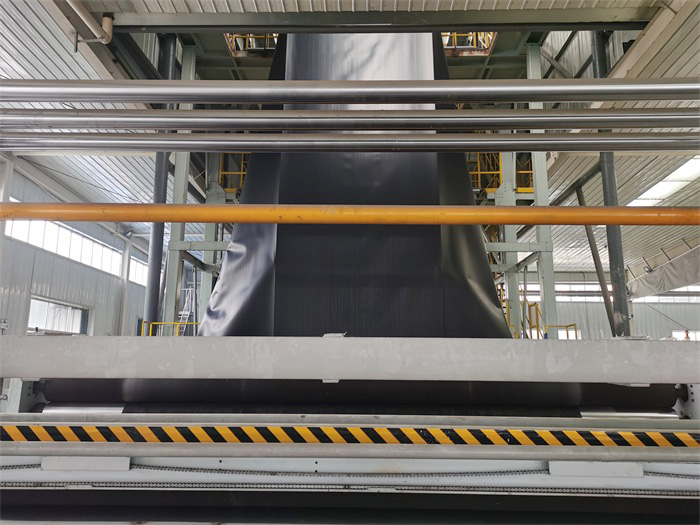
Polyester chips, polypropylene filaments, or virgin HDPE resins are verified for density, melt flow index (MFI), and moisture presence before being fed into extruder silos.
Polymers are heated to a molten state, extruded through die heads to create uniform sheets, and run through embossing rollers to establish high-friction textured profiles.
Advanced mechanical punches create precise patterns of drainage holes. The perforated sheets are cut to specified dimensions prior to ultrasonic assembly.
Overlapping sheets are welded at exact intervals. Ultrasonic frequency and pressure are continually monitored to guarantee joint integrity.
Welded samples undergo destructive seam peel testing in the QA lab. Only batches meeting specified ASTM standards are cleared for packaging.
Finished geocells are folded and compressed into compact bundles to optimize container space, lowering global shipping costs.
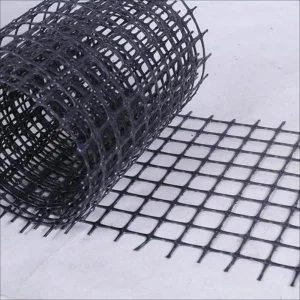
Geosynthetic solutions extend far beyond driveways. Modern environmental engineering projects require multi-tier systems combining geocells, geomembranes, and geotextiles to protect water resources, control erosion, and support heavy loads.
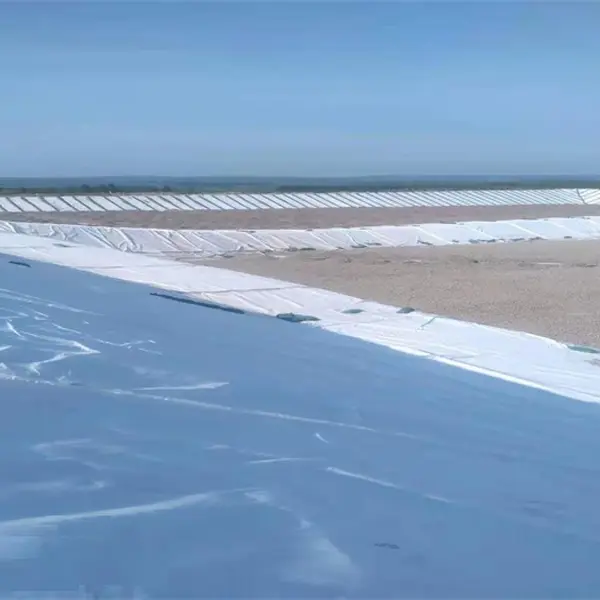
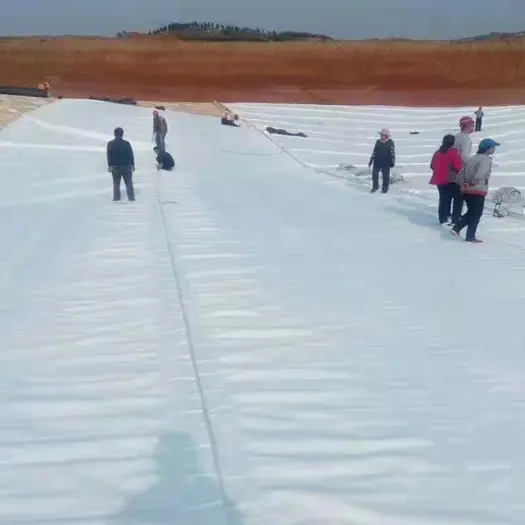
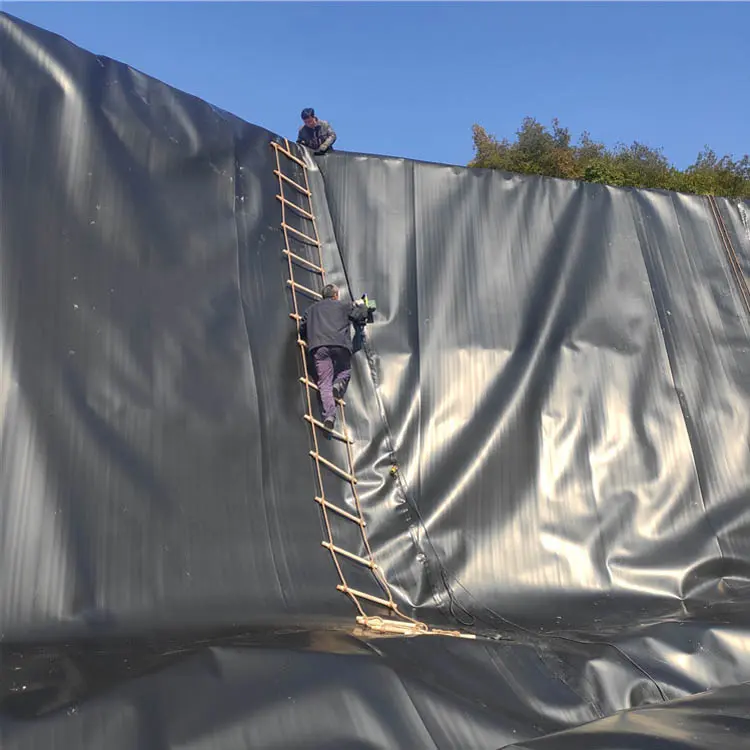
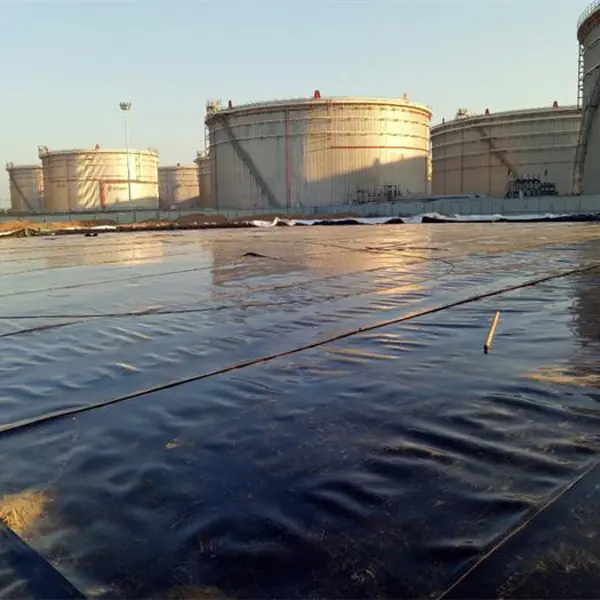
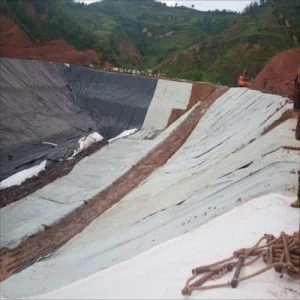
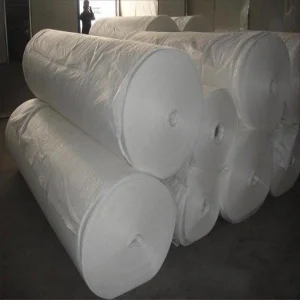
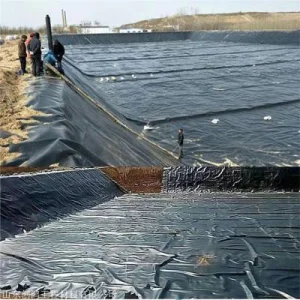
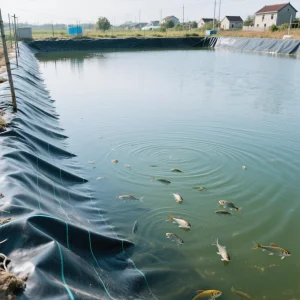
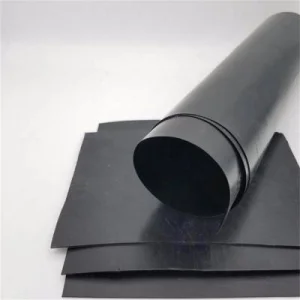
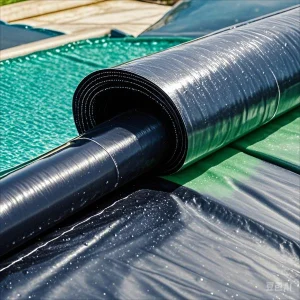
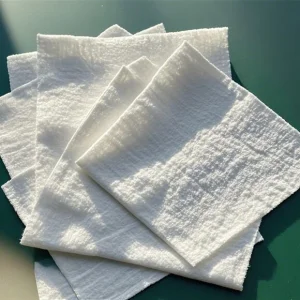
For canals, river reservoirs, and municipal stormwater channels, geocells are used alongside geomembranes. The geomembrane functions as a barrier to prevent seepage and conserve water. Above the membrane, a protective geotextile layer is laid, followed by a geocell filled with concrete or gravel to prevent sliding along steep slopes, protecting the barrier from UV damage and mechanical wear.
Procuring geotechnical materials for public works or high-volume private developments requires strict adherence to international standards. Buying from Shandong Hongyue ensures access to certified laboratory reports and materials manufactured to ASTM guidelines.
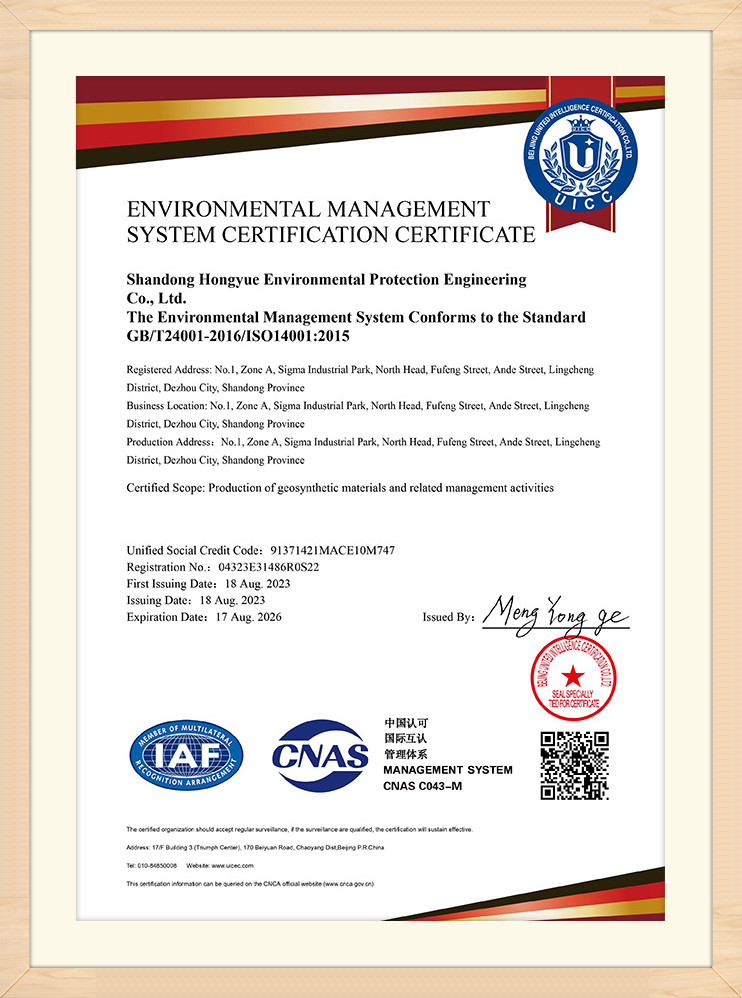
When sourcing geocells, procurement teams must request verified data sheets outlining:
1. Seam Peel Strength: Must equal or exceed 1420 N/100 mm for 100mm deep cells to prevent separation under heavy loads.
2. Carbon Black Content: A minimum of 2.0% is required to protect the material from UV degradation under direct sunlight.
3. Environmental Stress Crack Resistance (ESCR): Minimum 400 hours under ASTM D5397 to prevent structural failure in harsh chemical conditions.
 Hongyue